
Employment Report

Labour - News Section

Report: EU Dialogue, Local Solutions


Do you want to know more about the work of municipalities and local trade unions? Here is the final report of the EPSU-CEMR joint project “EU Dialogue, Local Solutions” that concluded with a final online event on 25 March. The project focused on the share of good practice examples among members regarding the implementation of three sets on EU guidelines agreed over the years by CEMR and EPSU: on gender equalitythird-party violence and harassmentmigration and anti-discrimination.


This project showed there exists a variety of initiatives implemented by local and national affiliates, and the joint action of local and regional governments together with trade unions is crucial to implement far-reaching actions on many different policy areas, while ensuring better working conditions for the LRGs workforce. Find the project’s final report here.

Investing in Europe’s future 

Investing in Europe - News

A new EU growth model must empower local services, boost resilience and deliver sustainable investments 


The war in Ukraine and the aftermath of the COVID-19 crisis have placed Europe at a critical crossroads. These overlapping challenges are testing the strength of our democracies, economies and social fabric and call for a bold rethinking of Europe’s economic governance. 

In response, the SGIs Network, bringing together key public service stakeholders, has issued a joint declaration ahead of the Tripartite Social Summit on 23 March 2022. The message is clear: to manage the transition and strengthen the EU’s resilience, Europe must urgently shift towards a more forward-looking, inclusive and investment-oriented growth model. 

A new economic framework 
The current EU fiscal rules are no longer fit for purpose in the face of permacrisis. The declaration calls for a reformed fiscal architecture that reconciles debt sustainability with long-term, growth-enhancing investments. This includes distinguishing productive investments, such as in green infrastructure, digitalisation, healthcare and education, from unproductive spending. 

Empowering local action 
Local and regional governments are essential to achieving a green, digital and fair transition. The declaration stresses the need for their full involvement in implementing the National Recovery and Resilience Plans (NRRPs) and accessing the Next Generation EU funds. Without this multilevel approach, the EU risks missing the full potential of its recovery strategy. 

From temporary response to permanent capacity 
As the NGEU package and current EU budget cycle expire in 2026–2027, the declaration urges leaders to prepare for a longer-term fiscal and investment strategy. A permanent common fiscal capacity will be vital to address future shared challenges, from climate change to geopolitical instability, and avoid deepening inequalities between territories. 

The call from the SGIs Network is not just for more funding, but for better governance and greater solidarity. It is a reminder that investing in public services, social cohesion and local resilience is not a cost. It is the foundation of a stronger, united Europe. 

Read the declaration here 

For more information, contact: 

Ukraine Joint Call

Ukraine people - News

Joint Call of European Mayors


On the initiative of the mayor of Gdansk, who is also CEMR’s executive president, 100 mayors of European cities launched a joint call to European governments and the European Commission. They ask them to increase their efforts to end the war against Ukraine.
They call on the mayors of European cities to join their call by filling in this form.

Support Ukraine

Bridges of Trust Branding - News 2024

Local governments across Europe mobilise to support Ukrainians


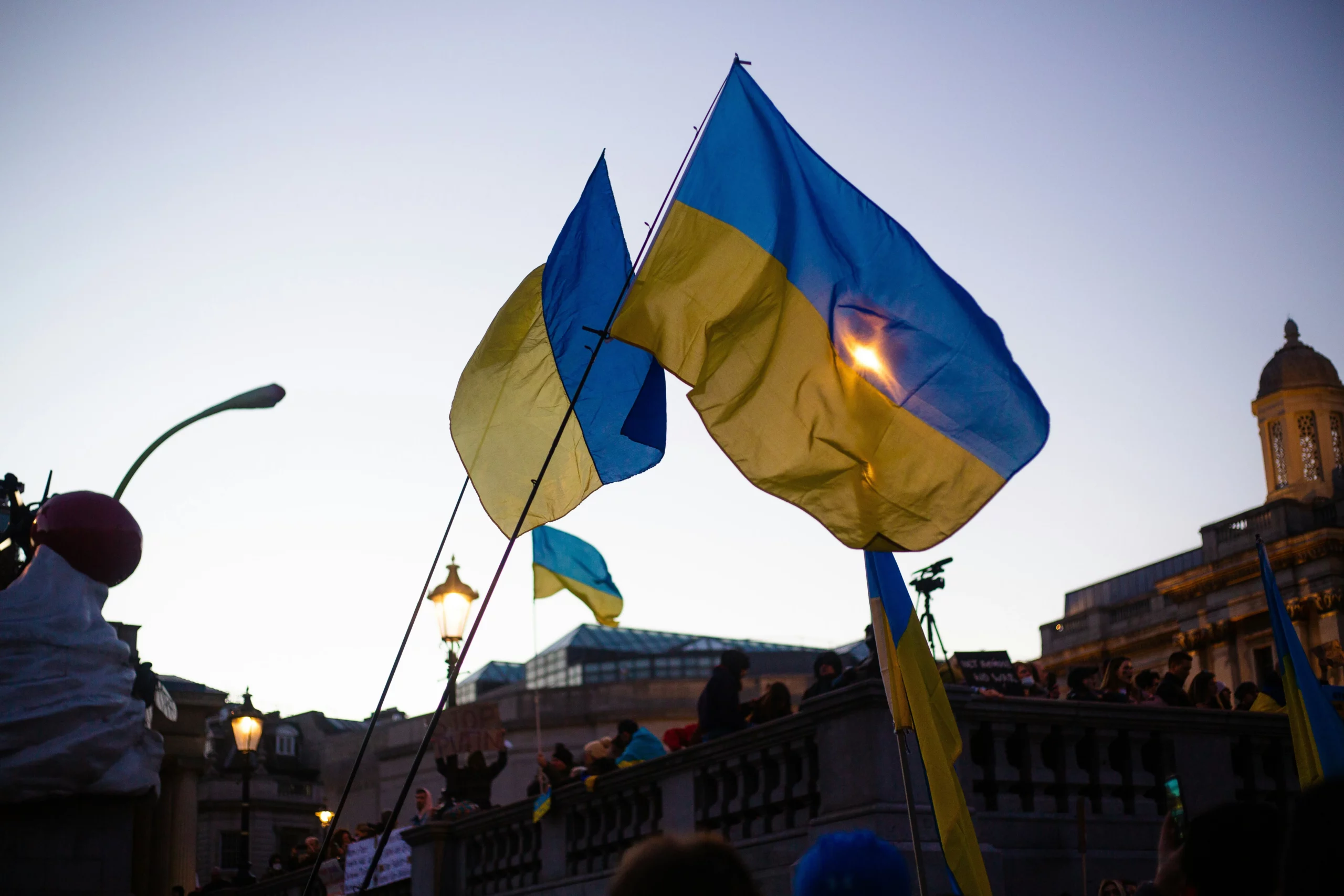
700 mayors and local or regional leaders from across Europe have united around Ukraine by signing the Council of European Municipalities and Regions’ (CEMR) call condemning the Russian invasion and pledging to support Ukraine and the Ukrainian people.

The moral and political condemnation of Russia’s aggression has been overwhelming. Signatories include the mayors of Lisbon, Paris, Tbilisi, Cologne, Cluj-Napoca, Gdańsk and Reading as well as the chairs and vice-chairs of 25 national associations of local and regional governments.

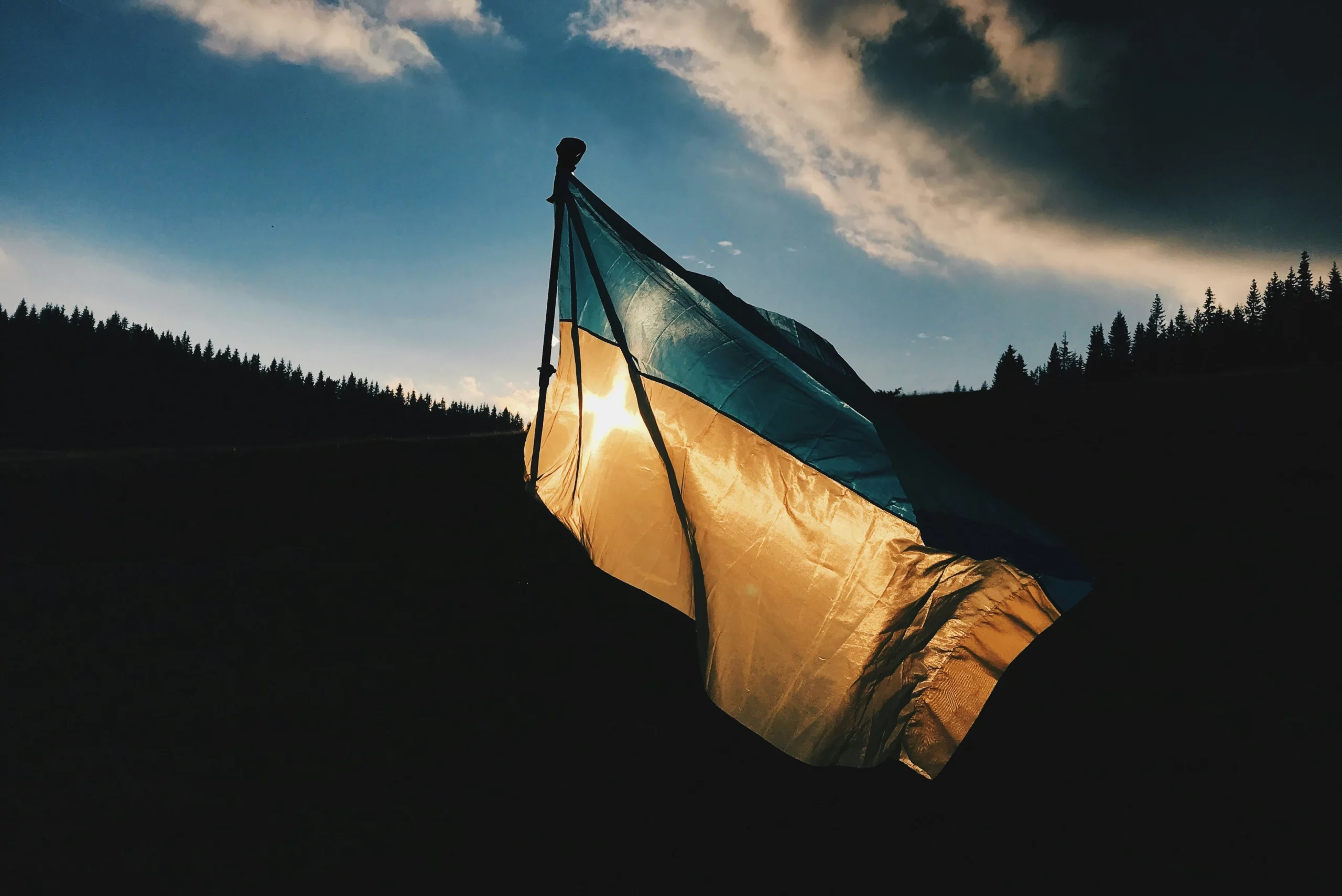
While towns, cities and regions across Europe are symbolically lighting up their public buildings blue and yellow in solidarity with Ukraine, they are also providing concrete support by hosting Ukrainian refugees and giving financial, humanitarian and material aid to Ukrainian local and regional governments. CEMR is coordinating this response with its 60 member associations from 40 European countries.

Stefano Bonaccini, president of CEMR and of the Emilia-Romagna Region, said: “Faced with the reality of war, municipalities and regions across Europe must scale up their financial, humanitarian and material support in response to the growing needs of Ukraine’s people and local governments. This mobilisation demands greater coordination between European, national and local levels to ensure optimal efficiency and to avoid scattering our efforts.”

Ukrainian Mayors at the forefront

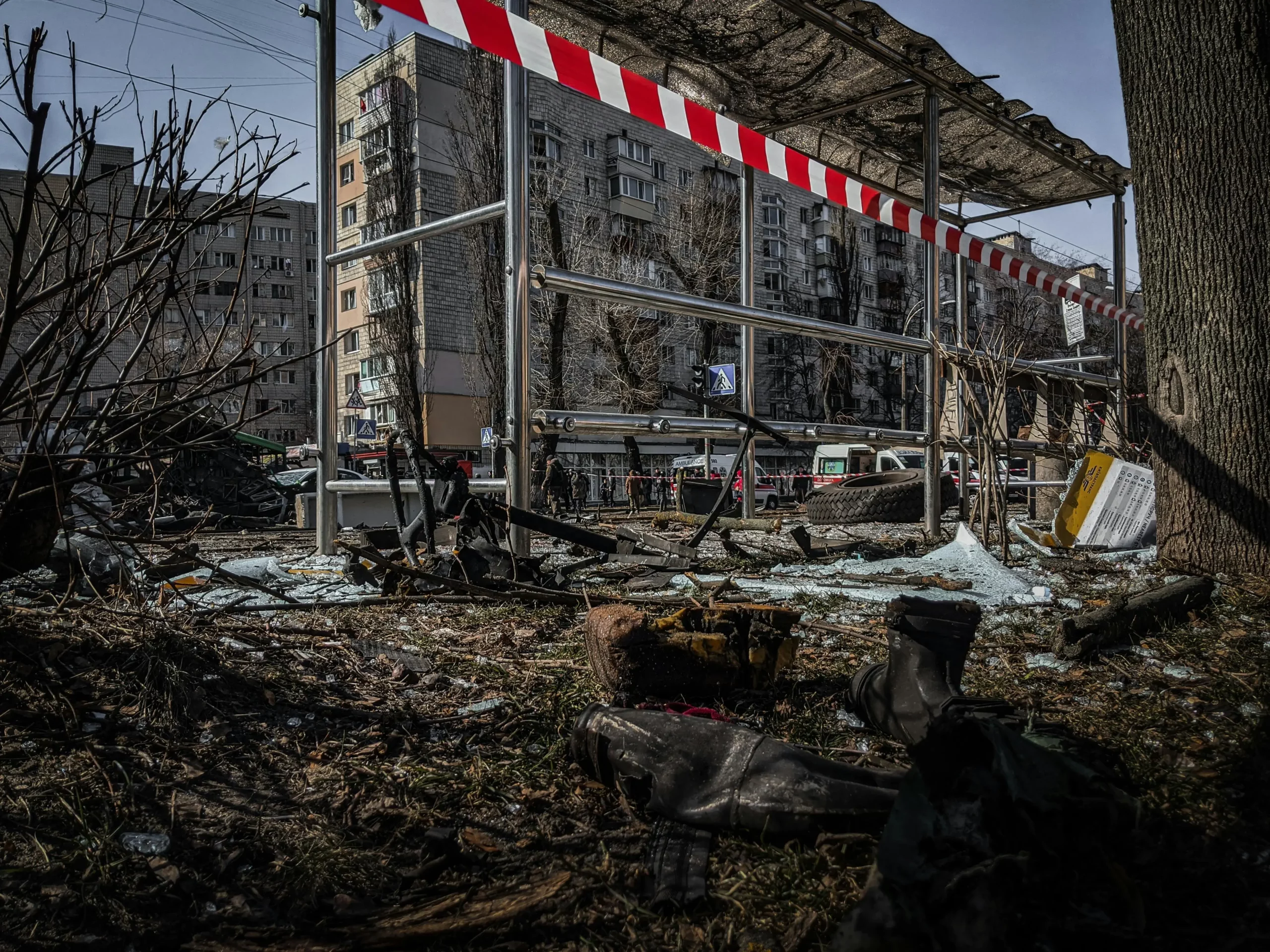
Ukrainian mayors and local workers are continuing to provide essential services to residents in an extremely dangerous environment. This includes distributing food and medicine, evacuation of women and children and urgent repairs to basic infrastructure damaged by Russian bombs.

The local government continues to safeguard functioning of the critical infrastructure of our city”, said Vitali Klitschko, the mayor of Kyiv and the president of the Association of Ukrainian Cities (AUC). “Public service workers are helping the humanitarian coordination centre, distributing food and delivering send and blocks for territorial defence.

video (with English subtitles) of comments from the mayors of Kyiv, Kharkiv and Mykolayiv gives a glimpse of the extraordinary challenges Ukrainian municipalities and their residents face today. These threats to mayors include outright kidnapping by the Russian occupiers, as has occurred to Ivan Federov, the mayor of Melitopol, and Yevhen Matveyev, the mayor of Dniprorudne.

CEMR wholly condemns the kidnapping of democratically elected Ukrainian mayors”, said CEMR President Stefano Bonaccini. “This is part of an attempt to establish illegitimate alternative government structures in a sovereign country. All kidnapped Ukrainian elected officials must be released immediately.

European municipalities provide financial, humanitarian and material aid

Local and regional governments across Europe are mobilising resources for their peers in Ukraine, often in collaboration with their national associations. Municipalities like Przemyśl (Poland), Tampere (Finland) and Šiauliai District (Lithuania) are together donating millions of euros either financially or in the form of direct aid. The city of Kielce (Poland) has for its part provided helmets, bulletproof vests, thermal underwear and medical supplies to its partner town Vinnitsa. These examples only scratch the surface of local action being taken.

European municipalities host Ukrainian refugees

European municipalities and regions are welcoming Ukrainian refugees. In border regions, the scale of human movement is massive with an estimated 1.5 million refugees in Poland alone. These territories will require support to host refugees in the best possible conditions.

Further afield, countless municipalities across Europe are taking action. For example, in Gent a city platform has been created for residents to register their flat to host refugees. The city of Paris is offering free transport and crèche spaces for refugees. Coordination with the national government is often taking place through our national associations.

Local government associations are crucial for mobilising and coordinating action

Associations of local and regional governments are emerging as important players in coordinating the actions of municipalities and regions. The Association of Ukrainian Cities has been sharing information on the needs of the country’s municipalities. Meanwhile, the local government associations of several European countries have donated funds to AUC. Other associations, such as in Austria and Latvia, are mobilising their networks to participate in the Operation Snowflake. This operation consists in writing to Russian mayors and council chairs to call on them to stop the war.

Coordination between local, regional and national governments is crucial to identifying and sharing the needs of people in Ukraine and maximising our impact. CEMR is mobilising and exchanging with its members on how European municipalities and regions can best respond to the war’s impact. We are working on, among other issues, support for Ukrainian municipalities and the hosting of refugees fleeing Ukraine.

War on Ukraine

Mayors in Ukraine - News 2023

Russia’s war on Ukraine: the response of Local and Regional Governments


It has been two weeks since Vladimir Putin launched Russia’s war against Ukraine. The Ukrainian people are the first victims. Ukraine’s mayors are on the front line mitigating the damage: organising shelters and evacuations, providing food and water and sharing essential information with residents. The European Union’s sanctions and the withdrawal of Western corporations are isolating Russia, but on the ground the bombs and battles roll on, neighbourhood by neighbourhood.

Mayors are coping with this situation with their residents and organised groups of military and territorial defence, where possible. The news we receive town by town is very hard to hear, each one becoming a fortress, while remaining connected to each other where possible through the associations of local and regional governments and the national government.

Local and regional governments bordering Ukraine are welcoming refugees in the best possible conditions. Further afield, countless municipalities across Europe are taking action. In Gent, a city platform has been created for residents to register their flat to host refugees. Meanwhile, the city of Paris is offering free transport and crèche spaces for refugees. Coordination with the national government is often taking place through our national associations.

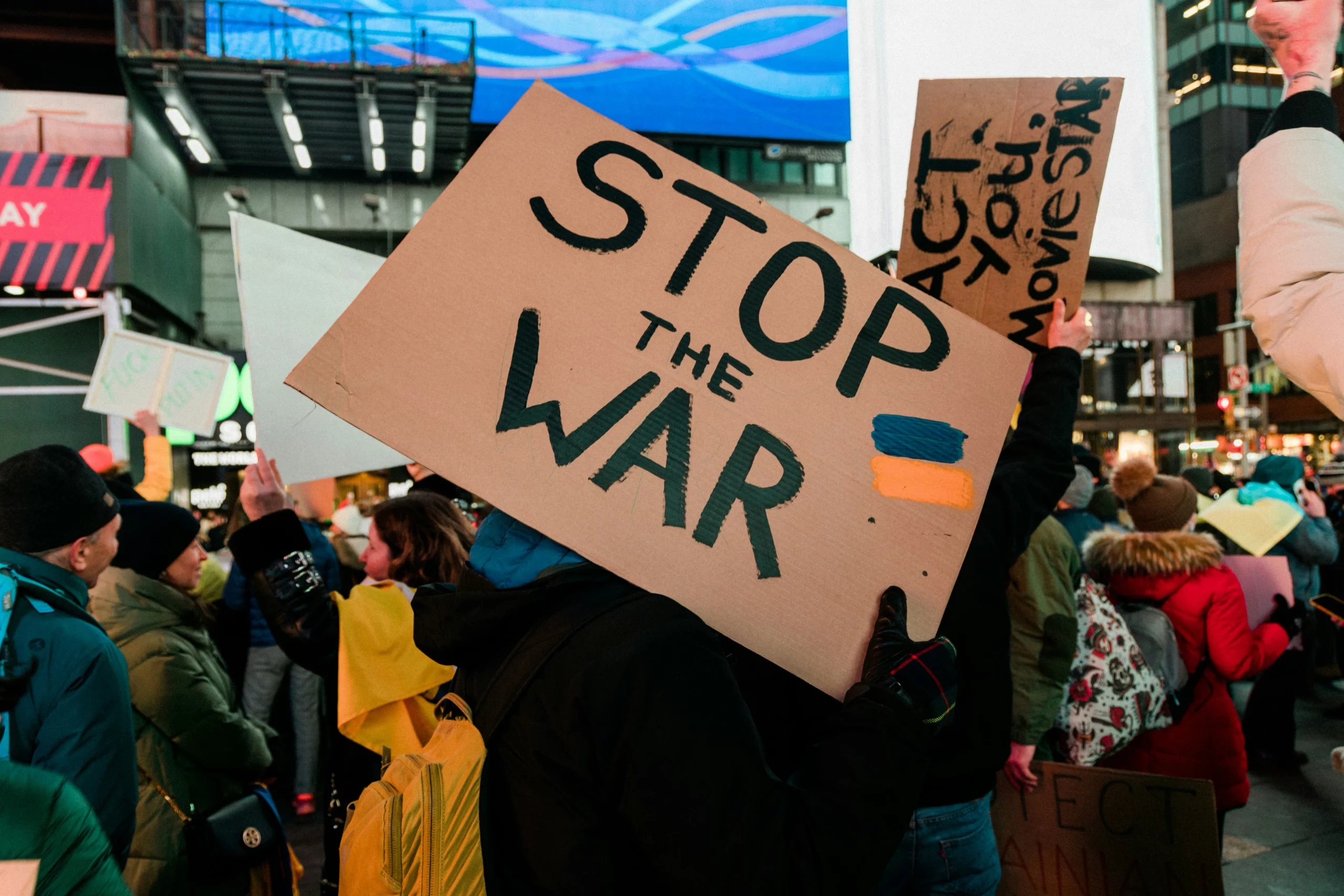
Many questions continue to be asked about how to continue to support peers in Russia who oppose Putin’s regime and how to support the Russian population demonstrating against the war every day, while at the same time putting maximal pressure on Russia, and its Belarusian ally, to withdraw their troops from Ukraine immediately.

At our level, CEMR is doing what it can to support the Ukrainian people, Ukrainian local and regional governments, and all those affected by the war. In 14 days, over 700 mayors and local or regional elected officials have already condemned the Russian attack and expressed their solidarity with their peers in Ukraine by signing CEMR’s political declaration.

In addition, we are:

  • Maintaining daily contacts with our members in Ukraine
  • Sharing information on the humanitarian needs of Ukrainian municipalities with our 60 national associations
  • Maintaining contacts with our 20 partner Ukrainian and European cities involved in the Bridges of Trust project
  • Responding to requests from our members on how to help

In the future we want to see how EU funds can be used to cope with the effects of the war in Ukraine and bordering countries and municipalities. The kinds of support needed must still be determined.

Looking ahead, CEMR is organising a task force with our members to exchange and coordinate on how to best support Ukrainian municipalities and the people of Ukraine. We will continue to provide regular updates on European local and regional governments’ actions in this crisis.

Europe’s Charter

Gender Equality - News Section

Renovating Europe’s Charter for local equality: bringing gender equality closer to home, one municipality at a time


Gender equality is not something that can be decreed in a top-down way, nor something we can achieve in isolation. Rather, it is an issue which involves all of us – men and women, boys and girls, and all levels of society and government – in a common struggle for equal opportunities and fundamental rights.
 
It is in this spirit that CEMR has promoted gender equality in our municipalities and regions. In particular, the European Charter for Equality of Women and Men in Local Life was promulgated to support local and regional governments’ efforts to act proactively to create gender equality. Today, over 1850 signatories in 36 countries are committed to promoting gender equality in their locality.
 
Renovating the Charter
 
Fifteen years have passed since the original text of the Charter was first presented to a group of local leaders in Innsbruck, Austria. Naturally, the world has changed a great deal since then, not least with the rise of the Internet, the sustainability agenda and the #MeToo movement against sexual harassment and abuse. The COVID pandemic has also led to a disproportionate private and professional burdens fall on women, as well as a rise in domestic violence.
 
That’s why, through webinars and interviews, we have been consulting with members and partners on how to revitalise the Charter. The conclusions of our reflection process were presented at a seminar on 7 March, on the eve of International Women’s Day, along with a report with recommendations for concrete improvements to introduce to the text in 2022.
 
The new text of the Charter will now deal with topics such as the Sustainable Development Goals (SDGs) and the environment, digitalisation (notably online harassment), intersectionality, COVID and public procurement. We are also upgrading the communications tools promoting the Charter.
 
Our aim is to continue reaching new generations of leaders and administrators who have made it their mission to make their territory gender-equal and to keep the Charter relevant to the new trends and challenges of this century.
 
A tool for local action
 
The Charter is not simply a declaration of intent but a practical tool that can help municipalities and regions in the quest for equality. In October 2021, the Association of Polish Cities held an event in which 16 Polish municipalities joined the Charter for Equality in a collective signing ceremony.
 
This was a powerful moment federating like-minded governments and other players, at a time when the national government has been hostile to women’s rights and, concerning abortion, put their very lives at risk. This municipal movement, spearheaded by the city of Poznań, shows how local leaders can use the Charter to challenge a regressive national narrative.
 
Meanwhile, that same year, the city of Graz in Austria celebrated 20 years of local action promoting gender equality. Graz reinforced its commitment by signing the Charter in 2012 and has been regular and ambitious in producing gender action plans. In fact, Graz’s third gender action plan was adopted in 2021 and will guide the work for the next several years.
 
Join the movement
 
This work remains as relevant as ever. Any municipalities, counties and regions who would like to be part of the local movement to promote gender equality in Europe should sign the Charter today. You can benefit from the upcoming improved text and the ever-expanding support resources provided to signatories by CEMR and its member associations.

European charter for equality  

Gender Equality News

Europe’s towns and regions commit to building fairer societies through the European Charter for Equality 


Equality between women and men is a fundamental right and a cornerstone of democracy. Yet, despite legal recognition, disparities remain in pay, representation, and everyday opportunities across Europe. Recognising the pivotal role of local and regional governments in tackling these inequalities, the Council of European Municipalities and Regions (CEMR) developed the European Charter for Equality of Women and Men in Local Life in 2006. 

By signing the Charter, municipalities and regions make a public commitment to promoting equality across their policies, services and institutions, and to developing Equality Action Plans that transform principles into practice. 

The Charter was drafted with the support of the European Commission and has since become a reference tool for towns and regions seeking to mainstream gender equality. It encourages signatories to act not only within their own administrations but also with local institutions, organisations and citizens. 

Over the years, supporting tools have strengthened their implementation: 

  • An online Observatory launched in 2011 provides resources and examples of good practice. 
  • A toolkit of indicators, developed in 2014, helps monitor and evaluate progress. 
  • A 2022 update, funded by the EU, introduced amendments to strengthen the Charter, clarifying language and emphasising intersectionality under the guiding principle: “always gender, never gender alone.” 

New provisions were also added, including the need to apply a gender lens in crisis management and to address gender perspectives in digitalisation and online life. From 2023 onwards, all new signatories commit automatically to both the original Charter and the 2022 amendments. 

The European Charter for Equality demonstrates how local and regional democracy is crucial for advancing fairness in daily life, whether through housing, transport, health, or political participation. By embedding gender equality into decision-making and governance, towns and regions can both safeguard rights and unlock economic and social potential. 

More than a symbolic document, the Charter is a practical instrument for change, mobilising local authorities across Europe to ensure that equality between women and men is not only a principle on paper but a reality in every community

Read the charter here 

For more information, contact: 

​Sixth IPCC Report 

Climate - News

UN report: climate change’s impact worsening, multi-level action crucial to adopt


The Intergovernmental Panel on Climate Change (IPCC), the top UN body working on the issue, recently published the second part of its sixth assessment report on the impact of the changing climate on ecosystems and human populations across the world.
 
The report warns that the extent and magnitude of those impacts outpass previous estimates. The authors starkly observe that climate change is human-induced and “a threat to human well-being and planetary health.” At the same time, the IPCC notes that collaboration and planning across levels of government and including all elements of society are crucial to adapting to climate change.
 
It is now likely that global warming will reach or exceed 1.5°C in the near-term. The IPCC warns that if further global action on adaptation and mitigation is delayed, the brief window of opportunity to secure a liveable future will be missed. There is an urgent need for stronger action.
 
Multi-level action needed for climate adaptation and resilience
 
The IPCC stresses that we need multi-sectoral, inclusive and long-term planning to adapt to and attenuate climate change’s impact. Only by involving all levels of government and all segments of society can we hope to take effective action.
 
In this respect, CEMR is proud to be contributing to the Covenant of Mayors for Climate and Energy an initiative which brings together cities to help them reach climate neutrality by 2050. The Covenant enables cities to develop and implement holistic local adaptation plans involving all local players. Participants can also share and learn best practices on how to prepare for climatic events such as heatwaves and floods.
 
The IPCC report also emphasises the notion of climate-resilient development, meaning a model of sustainable development that includes climate mitigation and adaptation. Achieving climate-resilient development will require international cooperation and governments at all levels working with communities, civil society, the private sector and traditionally marginalised groups.
 
Together, these different forms of cooperation tackle structural inequalities and mobilise sufficient financial resources. CEMR is committed to achieving these goals through its participation to different international coalitions and projects, notably PLATFORMA, the Green City Accord and UCLG.
 
The IPCC’s latest report makes for grim reading. The evidence is clear: time is running out. Stronger action, coordinated across levels of government, is needed if we are to overcome this greatest environmental challenge.

European social partners with Ukraine 

Ukraine people - News

Social partners offer solidarity and support in response to the Russian invasion


The European social partners for local and regional governments, CEMR and EPSU, have jointly expressed their strong condemnation of Russia’s invasion of Ukraine, calling it a grave violation of international law and a direct threat to democracy and peace in Europe. 

In a statement released through the European Social Dialogue Committee, the two organisations extended full support to the Ukrainian people, especially to workers in cities, municipalities, and local public services, who continue to serve their communities under attack. 

“Our thoughts are with first responders, emergency services workers and municipal staff who are ensuring the delivery of basic services, despite the ongoing destruction,” the statement reads. 

CEMR and EPSU pledged to mobilise both material assistance and technical expertise to support their peers in Ukraine and urged the EU and international community to provide shelter and asylum for those fleeing the war. 

As municipalities across Europe begin to welcome displaced persons, the statement also highlights the importance of supporting local migration services and coordinating with national governments to ensure dignified reception and integration. 

Read the declaration here 

For more information, contact: 

EU dialogue, local solutions

Labour - News

EPSU – CEMR Project “EU dialogue, local solutions” 3rd national workshop


Social partners, members of CEMR and the European Federation of Public Service Unions (EPSU) gathered on 25 February during the workshop “Migration and inclusion guidelines: Spanish and Italian actions”. This third webinar focused on strategies from both countries, underlining the importance of providing key public services to migrants but also promoting inclusion. In the moments we are experiencing, it is important to hold up to the values we stand for.

Malin Looberger concluded by highlighting that it was a privilege to share experiences and knowledge to be able to work on long term solutions that take into consideration the needs of both migrants and LRGs workers.