Meet the Local Hero: Bart Somers, proving that Europe’s future is built locally
When Bart Somers talks about local government, one idea keeps coming back: it is the level where you can really make a difference.
He has been mayor of Mechelen in Belgium for 26 years — a tenure that ran in parallel with a national political career that took him through parliament, a ministerial post, and the leadership of a political party. Somers has spent much of his career moving between the two levels of politics. He never doubted which one he wanted to keep.
“The real strength of politics in the 21st century is situated on the local level, where you really can make a difference.”
A love for the city, a case for the local level
Somers was born and raised in Mechelen, and that attachment to the city is part of why he stayed. But it is not the whole story. Early in his career, he became convinced that the local level was where politics could achieve the most — a conviction he carried with him even while sitting in national government and parliament, where he pushed colleagues to lean on local leverage far more than they typically do.
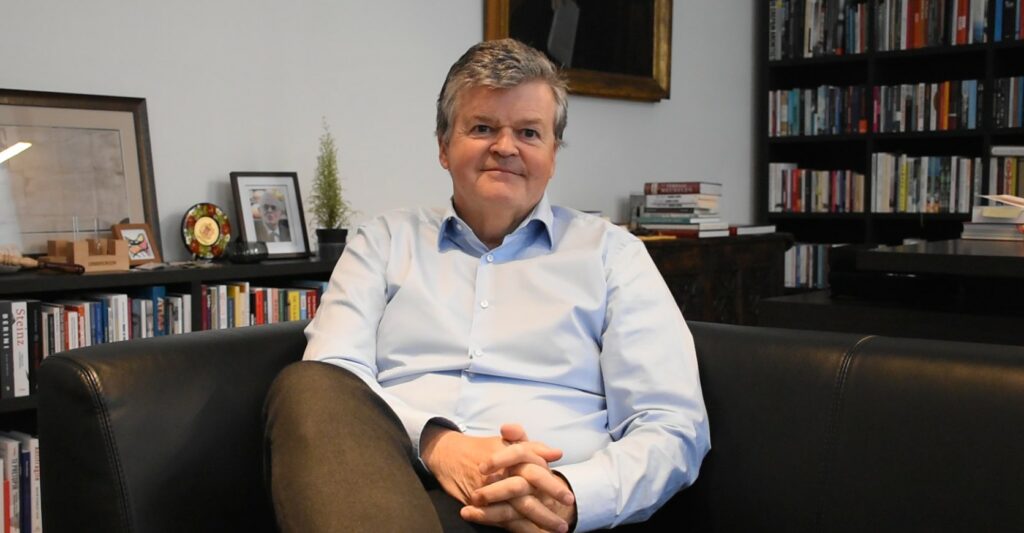
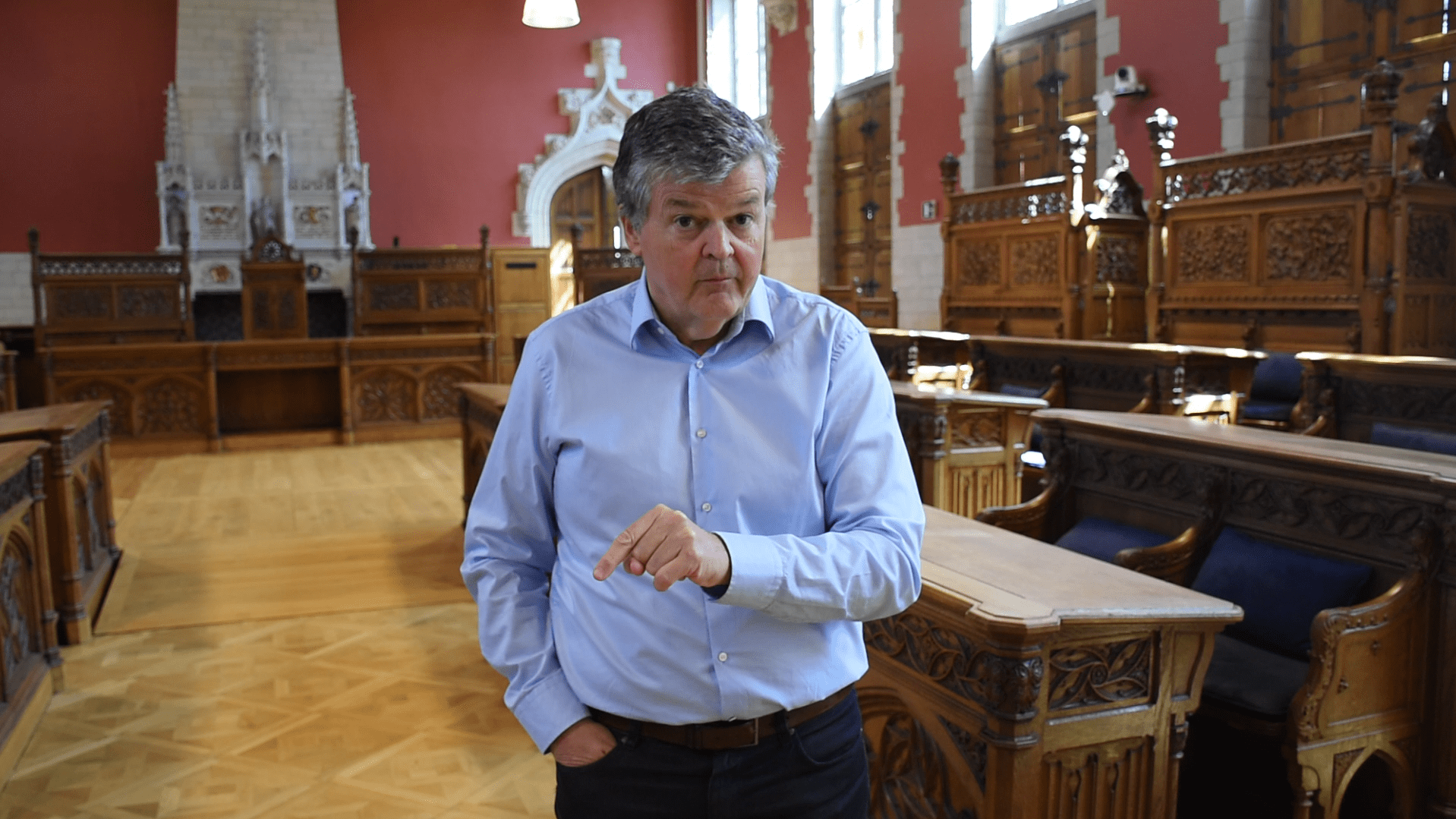
*Bart Somers, Mayor of Mechelen in Belgium – interview on 29 April 2026
Climate action recognised at street level
That belief runs through Mechelen’s climate work too, recently recognised with the EU Covenant of Mayors Award for its heat decarbonisation success, which served as inspiration for other cities and towns across Europe. At a moment when some EU institutions appear to be easing off the pace of the green transition, Somers sees the local level as where the urgency is most visible and most actionable.
“At the local level, you can see with your own eyes what the impact of climate change is, and sometimes it’s really devastating. So, you feel the urgency to do something about it.”
Mechelen has been recognised for its large-scale roll-out of heat networks combined with heat storage to provide green heat to densely populated areas, while maximising the potential of local, renewable and residual heat sources.
The jury of the EU Covenant of Mayors Award applauded Mechelen’s comprehensive planning and concrete implementation steps of this specific project. The implementation of Mechelen’s heat plan is driven by strong local stakeholder mobilisation through a Heat Coalition of over 25 key organisations, from district system operators, energy cooperatives and government bodies to social housing corporations and local businesses. The jury praised Mechelen’s vast engagement and outreach efforts to get everyone on board with their heat plan, as well as their focus on supporting vulnerable communities facing energy poverty.
International, European and national frameworks matter, he says, but it is within them that cities do the concrete work: getting people onto bicycles instead of into cars and shifting investment away from fossil energy and into solar power.
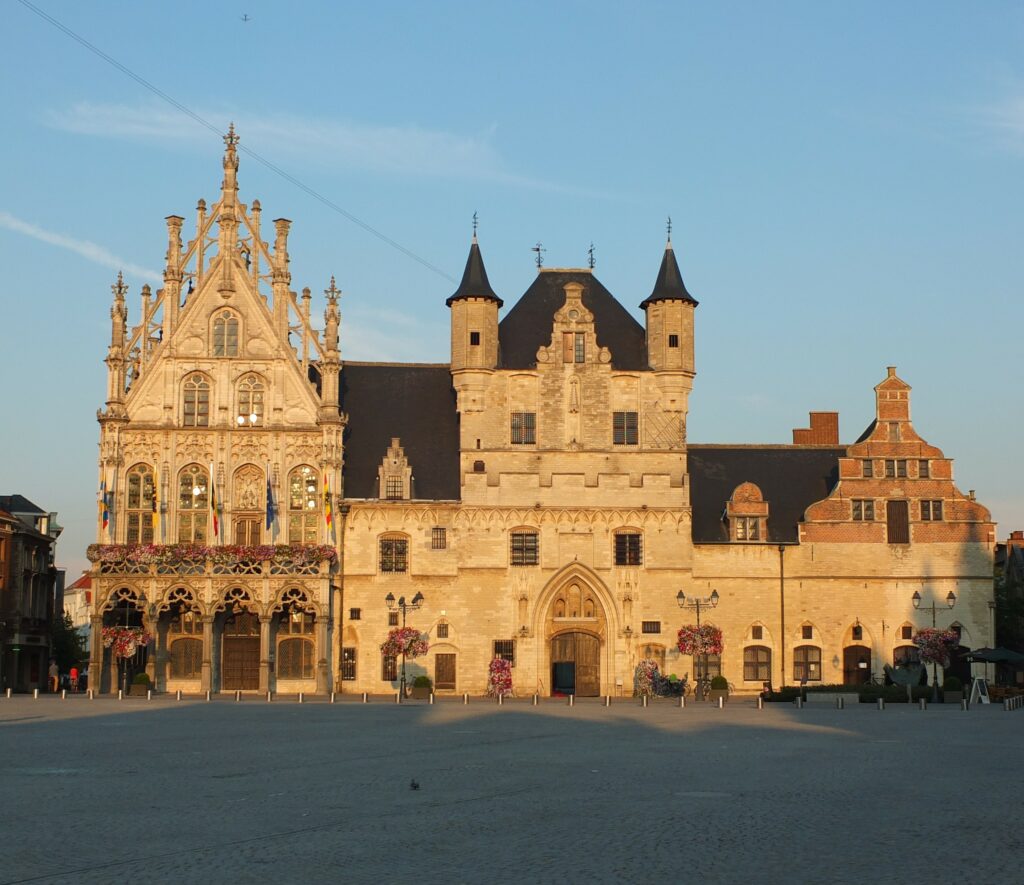
*Mechelen, city centre and city hall
Refugees, and a city that remembers
Mechelen’s response to Russia’s full-scale invasion of Ukraine was, for Somers, emotional as much as political. He had visited Maidan in 2014, as a member of parliament, while the uprising against Ukraine’s government was unfolding. Standing behind Ukraine afterwards felt like the only option for a city that, in his words, embraces human rights and European values.
“They are fighting our fight. They are sacrificing lives to protect also my country.”
Convincing the city to act was not difficult, he says, partly because Mechelen carries its own history of displacement. During the First World War, 90% of the city’s residents became refugees; Somers’ own grandfather spent three years in a refugee camp in the Netherlands, from the age of 14. It is a story many families in Mechelen share, and one that shaped how naturally the city opened its doors this time.
Safety and inclusion, hand in hand
Somers has built his reputation on combining an inclusive approach with a firm stance on the rule of law — a combination he says is often misunderstood. Asked about his most difficult decision as mayor, he points to the work of convincing people that safety and inclusion reinforce each other rather than conflict.
“Safety and inclusion go hand in hand, it strengthens each other.”
The people who most need a safe city, he argues, are not the ones in comfortable, middle-class neighbourhoods, they are mothers raising children in more vulnerable areas, where danger is closer to home. That conviction, he says, has helped Mechelen become a city where people from different backgrounds live together well.
A message to Brussels: trust the local laboratory
Asked what he would tell national and EU leaders, Somers is direct: solving today’s crises requires the local level. Cities and towns hold people’s trust, sit close to citizens, and can move fast and pragmatically in ways higher levels of government often cannot.
“We not only need a top-down policy, but we need a bottom-up policy. The place where you can reinvent democracy, where you can find real answers for the challenges of today and tomorrow, is at the local level.”
His advice is to treat that local level as a laboratory: a place to experiment and build strength that, in turn, feeds back into national and European politics.
Meet the local hero
BART SOMMERS
–
The city of Mechelen is a member of the CEMR national association VVSG (Association of Flemish Cities and Municipalities).
For more information, contact:
Communications Officer (matternity leave cover)