Biannual SGDs meeting

Biannual SGDs meeting - News 2023

CEMR Members’ Associations Meet in Bursa, Türkiye for Secretaries General and Directors Meeting


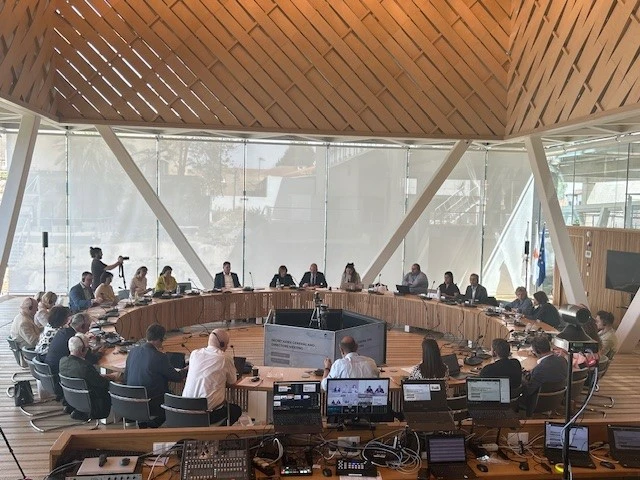
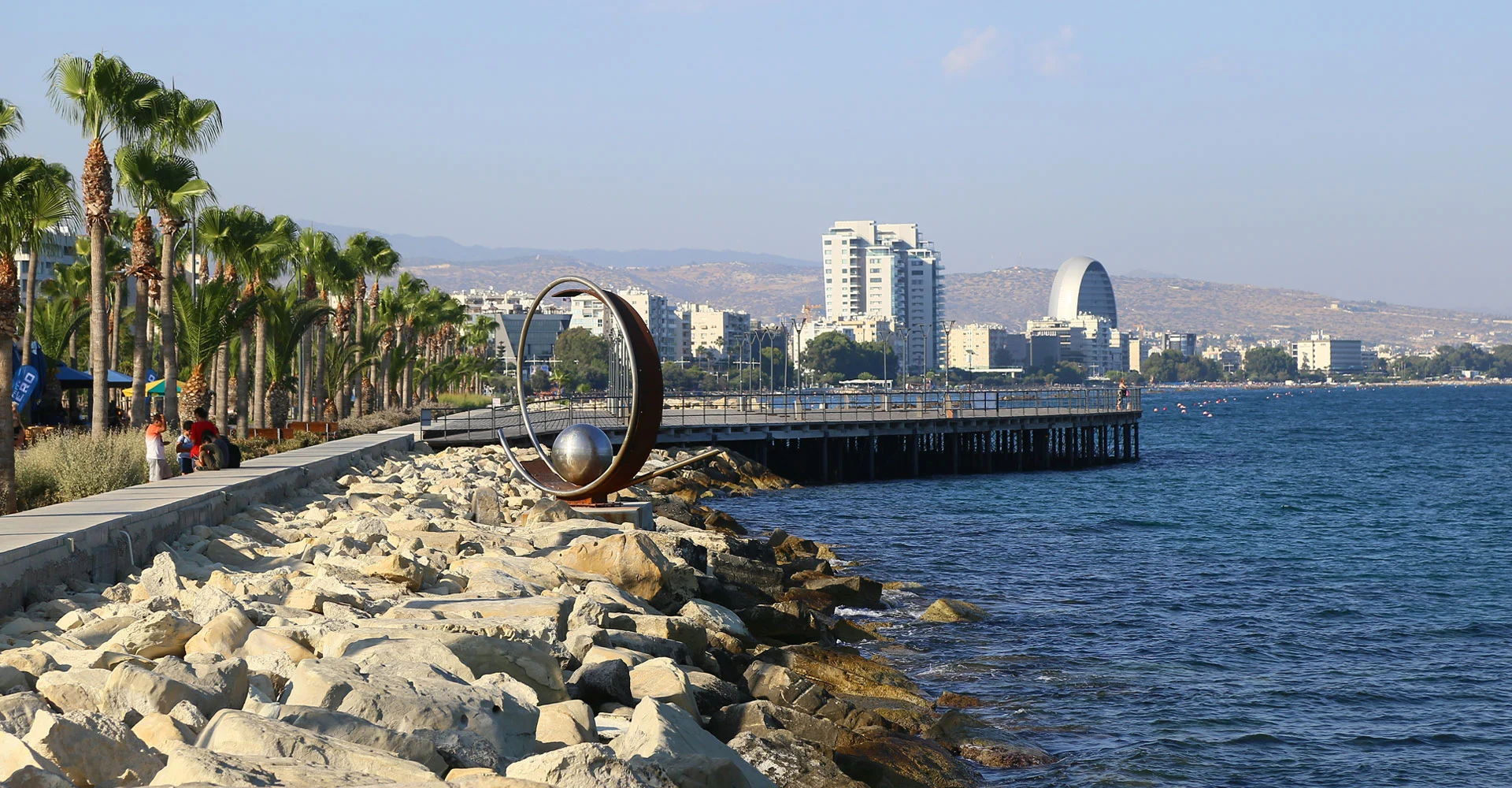
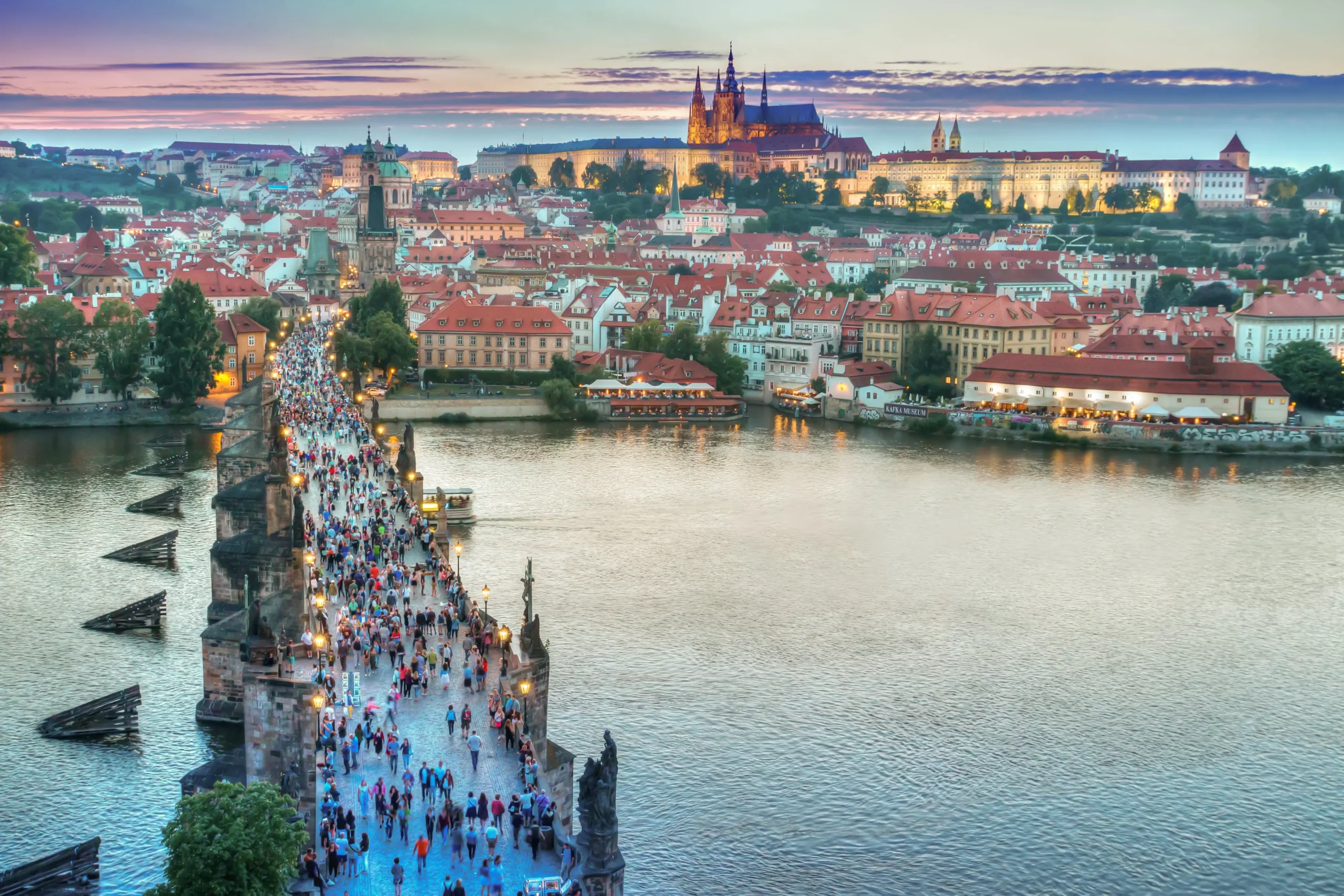
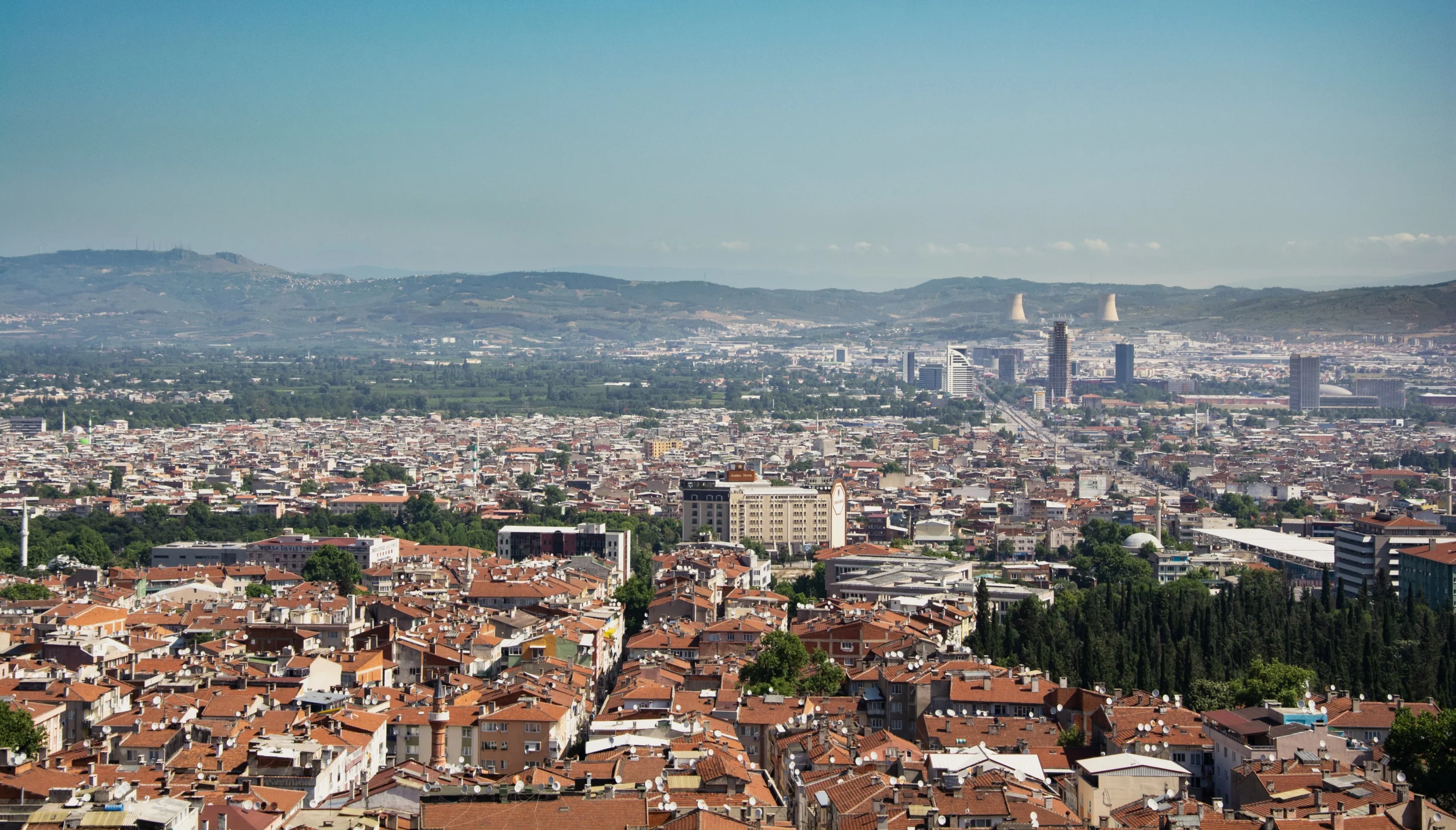
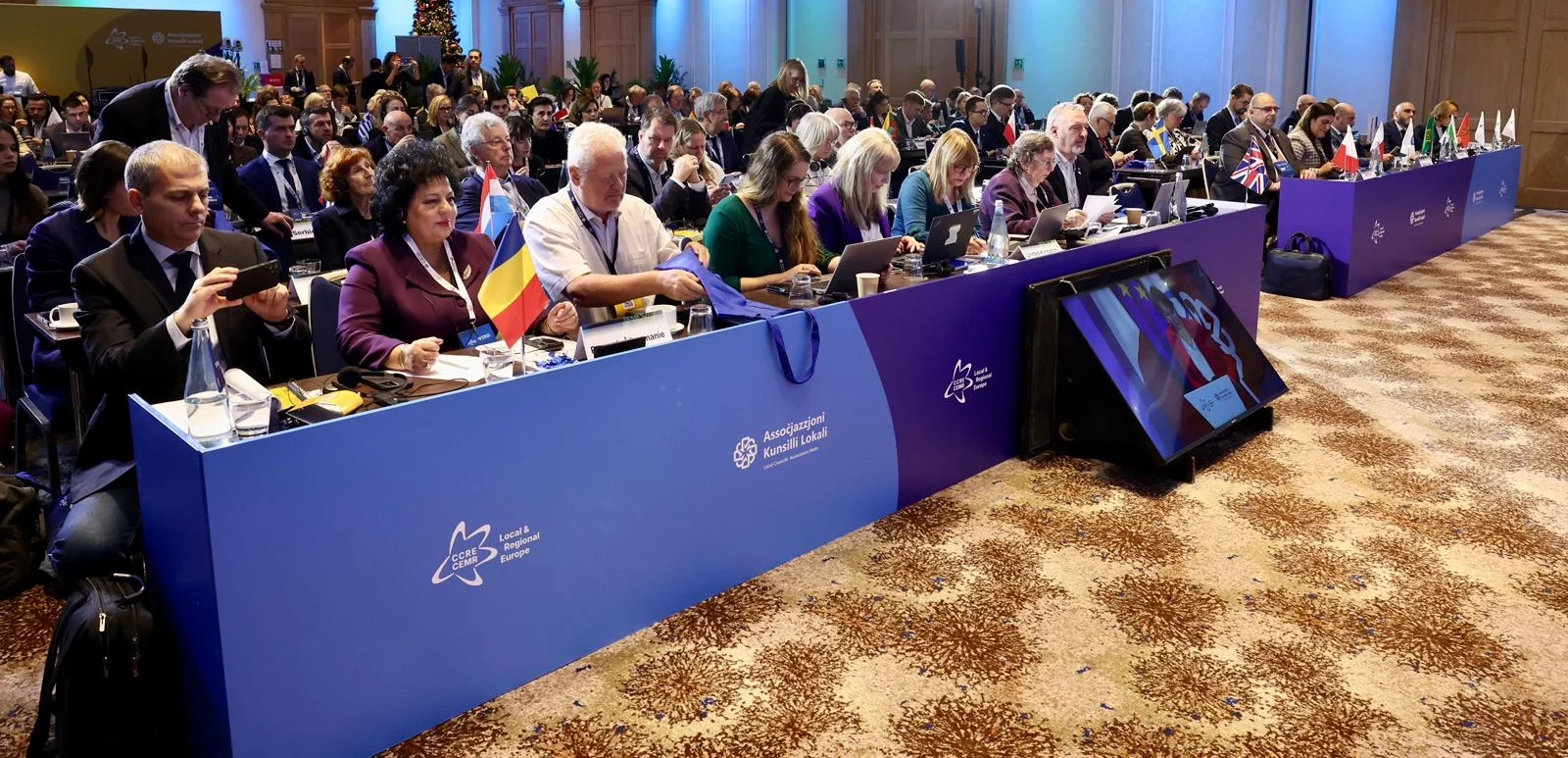
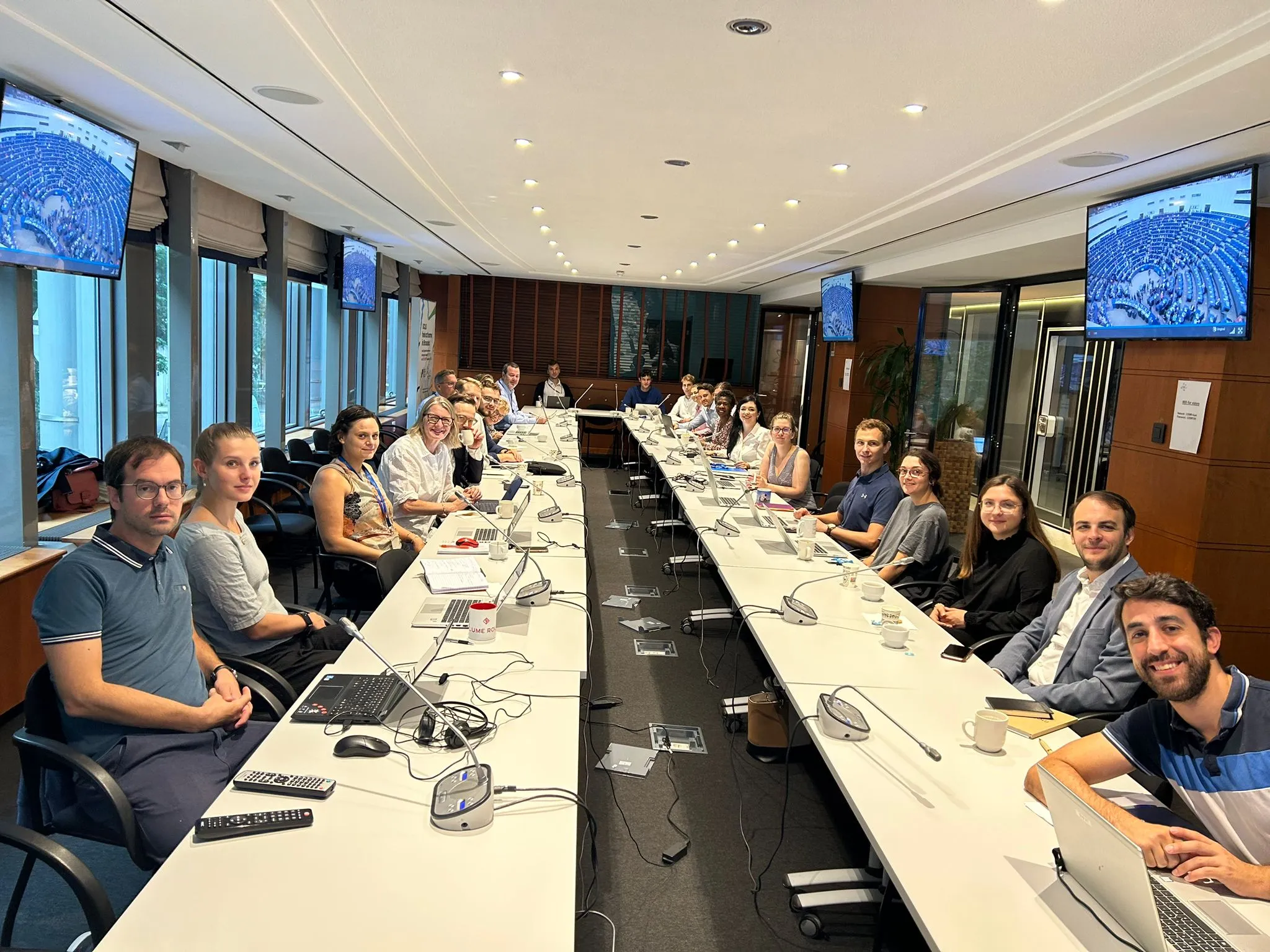
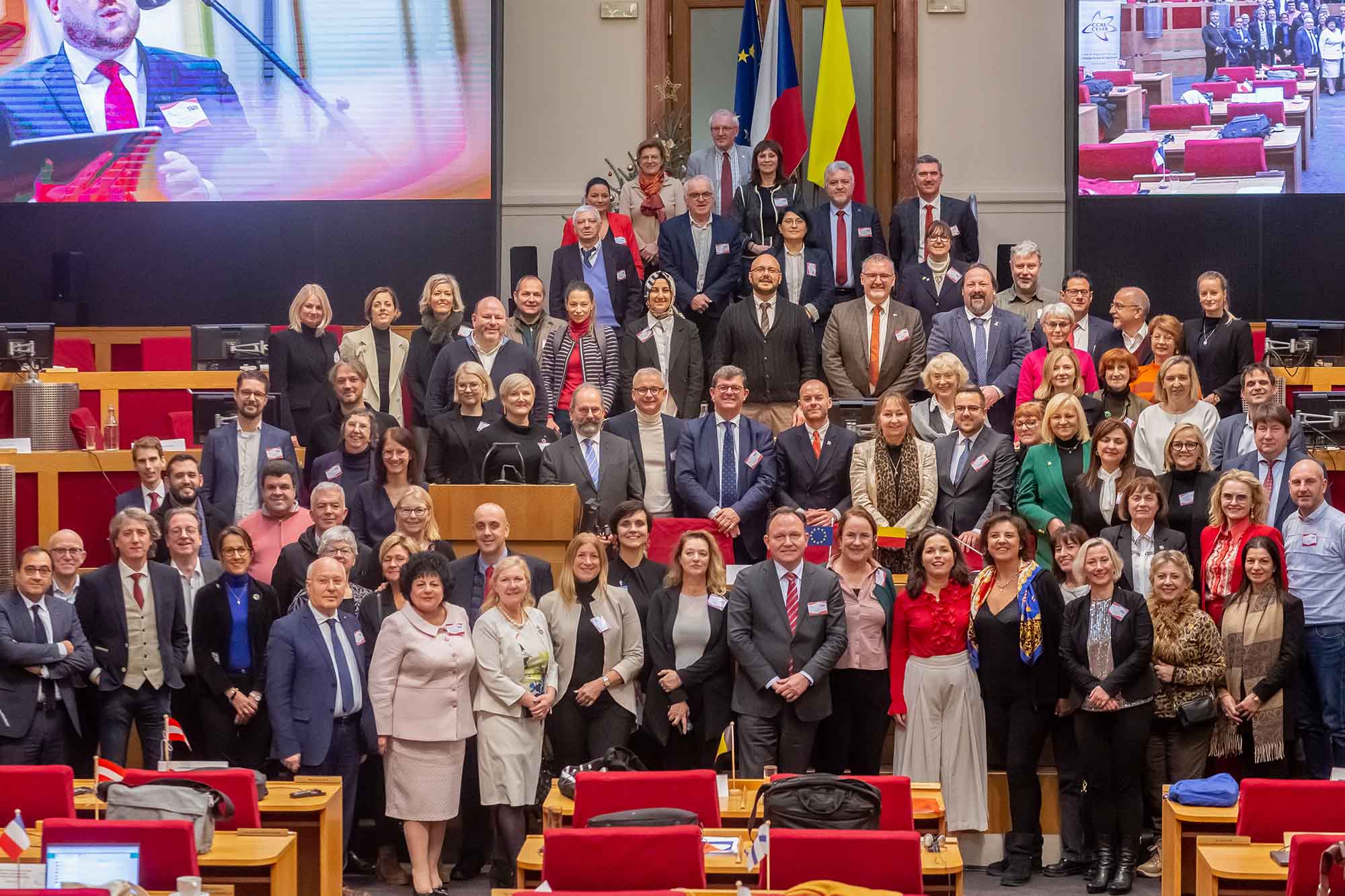
CEMR Secretaries General and Directors (SGDs) will convene in Bursa, Türkiye, on 16th and 17th November. The agenda of the meeting will be followed by two days of intensive roundtable discussions covering key topics such as Statutory affairs, preparations for the Policy Committee meeting on 6th-7th December in Prague, and Calendar activities. Delegates will delve into Achievements and Progress in CEMR Policy, share updates, and discuss ongoing and upcoming projects integral to CEMR’s vision.
 
The gathering includes a cultural immersion with a visit to Bursa’s old town and a meeting with the Mayor of Bursa Metropolitan Municipality at the iconic Historical Building in the Orhanbey district, offering an additional platform for networking and collaborative discourse. This SGDs meeting serves as a crucial milestone preceding the Policy Committee meeting in Prague, where political leaders will discuss the outcomes of the Bursa meeting, shaping the trajectory of European local governance.
 
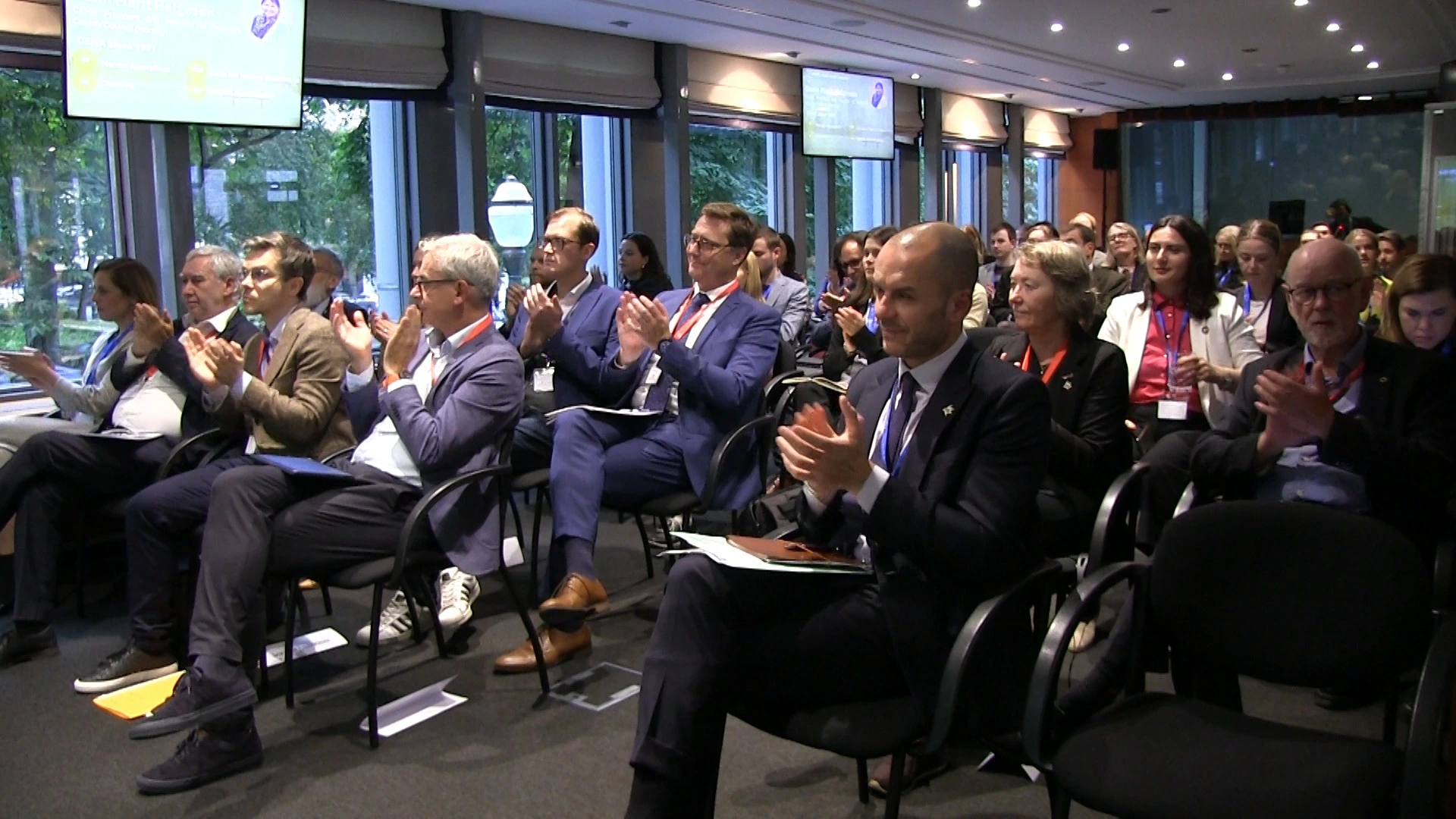
The biannual SGDs meetings bring together Secretaries General and Directors of CEMR members, fostering a sense of unity and collaboration across European local and regional governance.

CEMR Statutes

Local leaders - webpage banner

The legal framework guiding CEMR’s mission and governance


The Statutes of the Council of European Municipalities and Regions (CEMR) set out the legal foundation, mission, and governance structure of the organisation. They define how CEMR operates as an international non-profit association based in Brussels and outline its role in representing local and regional governments across Europe.

At the heart of the Statutes is CEMR’s core mission: to protect and strengthen the autonomy of local and regional governments, promote democratic governance, and support their participation in European and international decision-making. Through advocacy, cooperation, and knowledge exchange, CEMR works to ensure that the voice of cities and regions is heard at the European level.

The document also explains how the organisation is structured and governed. The Policy Committee acts as the main decision-making body, setting strategic priorities and approving budgets, while the Executive Bureau oversees the implementation of decisions and the day-to-day direction of the organisation. The President provides political leadership and representation, and the Secretary General manages the daily operations of the Secretariat.

Membership is open primarily to national associations of local and regional governments that share CEMR’s objectives and democratic values, with additional categories for observers and honorary members.

Overall, the Statutes provide the legal and organisational framework that enables CEMR to work collectively with its members to strengthen local democracy and cooperation across Europe.

For more information, contact:

CEMR code of conduct  

Building a safe, respectful, and inclusive environment at all CEMR events and activities 


The Council of European Municipalities and Regions (CEMR) is committed to ensuring that all of its activities, from high-level conferences to informal meetings, take place in an environment that is professional, respectful, and free from harassment, violence, or discrimination. 

The CEMR Code of Conduct establishes a clear, zero-tolerance approach to inappropriate behaviour. It applies to CEMR staff, members of national associations, elected representatives, and third parties who participate in CEMR events, whether in person or online. 

Harassment and discrimination can take many forms, verbal, psychological, physical, or sexual. They may be isolated incidents or systematic behaviours. Regardless of form or setting, such conduct undermines personal dignity and professional integrity and will not be tolerated. 

To ensure effective protection, the Code of Conduct outlines: 

  • Reporting procedures: Incidents can be reported verbally or in writing at any time, without fear of reprisal. Immediate steps will be taken to stop misconduct. 
  • Investigation mechanisms: An independent investigative committee, balanced in gender and composition, will review allegations within 30 days and recommend remedies or sanctions. 
  • Confidentiality guarantees: All parties’ rights and privacy will be respected, with strict confidentiality during proceedings. 
  • Remedies and sanctions: Depending on severity, actions may range from mediation and warnings to exclusion from events or referral to public authorities when criminal offences are suspected. 

CEMR has also introduced trustworthy persons, specially trained staff who act as first points of contact for colleagues facing stress, conflict, or abusive behaviour. They provide guidance, mediate issues, and ensure that concerns are raised constructively and confidentially. 

This Code is a public document, intended not only as an internal standard for CEMR but also as a model that can be adapted by other organisations. By adopting it, CEMR reaffirms its commitment to safeguarding dignity, equality, and inclusivity in every sphere of its work. 

Read the code of conduct here 

For more information, contact: 

CEMR report of 2021 

Meet Local Leaders - News

Report on the publications, knowledge-sharing, advocacy and communications in 2021 


The Council of European Municipalities and Regions (CEMR) is pleased to present its 2021 Activity Report, which provides an overview of the organisation’s main actions and achievements over the year. Guided by the 2021–2030 multiannual strategy and the 2021–2022 work programme, CEMR focused its work on four objectives: 

  1. Policies and advocacy 
  1. Knowledge sharing and capacity-building 
  1. Pan-European campaigns and visibility 
  1. Internal organisation and sustainability 

All actions were aligned with the aim of advancing the Sustainable Development Goals (SDGs) across Europe’s territories. 

Shaping European and Global Agendas 

Throughout 2021, CEMR actively influenced European initiatives and alerted members to upcoming developments affecting local and regional governments. Activities included: 

  • Monitoring EU initiatives on recovery, resilience, and international cooperation. 
  • Engaging in structured dialogues on cohesion policy, rural development, disability rights, and urban development. 
  • Providing input that shaped OECD analyses, Council Conclusions, and the European long-term vision for rural areas. 
  • Publishing position papers and resolutions on gender equality, migration, the Fit for 55 energy package, water, and digitalisation. 

At the international level, CEMR deepened cooperation with UCLG, the Global Taskforce, OECD, and the Congress of Local and Regional Authorities. 

Building Knowledge and Capacity 

To strengthen understanding of EU policies and empower members to act, CEMR: 

  • Produced publications and webinars, including a new edition of the TERRI Report on decentralisation reforms. 
  • Organised workshops on member participation in national and European processes. 
  • Delivered capacity-building through externally funded projects in areas such as EU funding, climate adaptation, gender equality, migration, and SDG implementation. 

Raising Visibility and Engaging Citizens 

2021 was also a year of celebrations: 

  • 70th anniversary of CEMR and the 15th anniversary of the Equality Charter brought together 500 participants online. 
  • Pan-European campaigns were launched for Europe Day, SDG Day, and equality, highlighting the voices of local leaders and women in politics. 
  • CEMR ensured visibility for its spokespersons through social media, interviews, videos, and participation in international events. 

In numbers: 

  • Over 120 articles published in English and French. 
  • More than 650 tweets reaching 1 million views. 
  • 14 newsletters delivered to the network. 

Strengthening Internal Organisation 

CEMR took concrete steps to become a more sustainable, inclusive, and resilient organisation: 

  • Two online Policy Committee meetings gathered 170 elected representatives to adopt policy positions and validate the strategy. 
  • A new Secretary General selection process was launched. 
  • Internal processes were modernised with digital templates, e-signatures, and reduced paper use. 
  • Staff received training on project management, budget monitoring, public speaking, and team collaboration. 

Milestones and Campaign Highlights 

  • Advocated for local governments to be included in post-COVID recovery plans (#CohesionAlliance). 
  • Shared local leaders’ visions for the Conference on the Future of Europe
  • Continued the #Power2Her and #LocalEquality campaigns on gender equality. 
  • Helped secure recognition of the multilevel cooperative model in the Glasgow COP26 agreement

2021 was a year of adaptation, resilience, and influence for CEMR. Despite the challenges of the pandemic, the network succeeded in shaping European debates, amplifying the voice of local and regional governments, and strengthening internal capacities. With a stronger foundation and renewed strategy, CEMR continues its mission to empower Europe’s municipalities and regions to lead sustainable change. 

Read the study here

For more information, contact:

Secretaries General

CEMR’s Secretaries General and Directors met to discuss Ukraine and their priorities for the next months


Secretaries General and Directors of CEMR’s member associations took part in an executive meeting to develop a common position on priority issues on the local and international agenda. They exchanged on the war in Ukraine, discussed a base document proposing joint measures on climate neutrality and decarbonisation of towns and cities and presented the actions of the Young Elected Committee. They also discussed statutory, general and internal affairs. This first face-to-face meeting after the pandemic took place from 5 to 6 April in Vitoria-Gasteiz, Spain at the invitation of the Association of Basque Municipalities (EUDEL) and the city’s mayor Gorka Urtaran Agirre. It has been attended by twenty delegates (from Czech Republic, Turkey, Greece, United Kingdom, France, Norway, Spain, Cyprus, the Netherlands…) and the rest of the attendees have participated online.
 
Renewing solidarity and support with Ukraine
Participants, in particular, renewed their full solidarity and support with Ukraine. In this complex international context, they called for unity of local and multilevel action. Marlène Siméon, Operations Director of CEMR explained that “Since its creation in 1951, the CEMR and its members have worked to promote the construction of a united, peaceful and democratic Europe, based on local autonomy, respect for the principle of subsidiarity and the participation of citizens, but also on twinning and solidarity between municipalities on the continent and beyond. This is why the war in Ukraine immediately provoked a reaction from CEMR, with an appeal signed by more than 750 mayors and local or regional leaders from all over Europe, condemning the Russian invasion and pledging to support the municipalities and cities of Ukraine.” She emphasised that “in these times of pain and suffering, the European family of local and regional governments is united. Ukraine is part of Europe and we will continue to support it”.
 
40th Anniversary of EUDEL
The CEMR also participated in the ceremony celebrating the 40th anniversary of EUDEL. Chaired by Iñigo Urkullu, President of the Basque government, the celebration recalled the important milestones in the strengthening and transformation of the municipalities of the Basque country over the last 40 years. The association also paid tribute to the people who have presided EUDEL since its creation in 1982. For 40 years, EUDEL has energetically participated in many of CEMR fields of action. They are strongly involved in policy and advocacy work. For example, EUDEL has contributed greatly to CEMR’s work on local gender equality and, in particular, the revitalisation of the European Charter for Local Equality currently underway. Building on the Basque Country’s long tradition of promoting effective gender equality, EUDEL has been an active player in ensuring the Charter remains a useful and effective tool to mainstream gender equality in Europe’s territories. The whole CEMR is looking forward to many more years of collaboration with its Basque friends!

New Secretary General

A new Secretary General for CEMR: Fabrizio Rossi


The CEMR is very pleased to welcome Fabrizio Rossi as its new Secretary General. Elected on 20 January 2022 by CEMR’s Policy Committee, Mr Rossi takes over from Frédéric Vallier. Speaking of his new position, Mr Rossi said: “I want to make a contribution to addressing the main challenges humankind is currently facing by working hand in hand with territories and local communities in Europe and across the world.

As Secretary General, Mr Rossi will work on the whole range of issues faced by local governments and their citizens. “The challenges are great and plenty – building local solutions to current and future crises, promoting peace and security, decarbonising European territories and societies, reducing social inequality and many others”, he said.

A career in service of local governments and sustainability

Born and raised in Italy, Mr Rossi graduated with a bachelor’s degree in political science from the University of Cagliari, his hometown, and completed his education in Spain with a master’s degree in European and international cooperation from the Autonomous University of Barcelona.

Mr Rossi has worked with local and regional governments across Europe throughout his career. After his studies, he became an EU affairs advisor for the Regional Parliament of Sardinia. A year later, working for the Barcelona Provincial Council, Mr Rossi took the leadership of Partenalia, a European association representing provincial authorities.

Besides his work with local governments, Mr Rossi has been a social entrepreneur active in environmental issues such as forest restoration and climate change. He founded a start-up focused on reforestation projects in Madagascar which later expanded to Bolivia.

Before joining CEMR, Mr Rossi was an Innovation Orchestrator and Head of Programmes for the Land Use Area in Climate-KIC, the main climate innovation initiative of the European Union. Prior to that, he worked for INTERACT, an EU-funded project facilitating cross-border cooperation across Europe.

Supporting Ukrainians in the face of Russia’s war

Mr Rossi’s term of office began in tragic circumstances with the launch of Russia’s war against Ukraine. One of his first decisions was to set up a taskforce with CEMR members to exchange and coordinate on how to best support Ukraine.

The taskforce is working on issues such as financial and logistical support to Ukrainian municipalities, the hosting of refugee and EU sanctions and the consequences for procurement and cooperation with Russian municipalities.

“In the face of this horrifying situation, we are prouder than ever of the work we have implemented so far together with our friends in Ukraine”, Mr. Rossi said. “Cooperation will not stop and we are getting ready to build new bridges to support the Ukrainian people.”

CEMR Secretariat

CEMR New Presidency - News 2022

CEMR secretary general Frédéric Vallier ends his mandate


On 31 January 2022, Frédéric Vallier ended his second mandate as secretary general of the Council of European Municipalities and Regions (CEMR). In a letter addressed to the CEMR members, partners, friends and colleagues, he looks back on 12 years at the service of local and regional governments in Europe.

“After two mandates serving local and regional governments and their associations, it is now time to say good bye, it has been an honour to serve CEMR for those last 12 years. I would like to thank all of you for the confidence you gave me along all these years.

I leave with the feeling of that I did the job, bringing CEMR secretariat from 20 to close to 40 collaborators, strengthening its finances, placing it at the centre of representation of Local and Regional Governments in Europe while giving space to partnerships with allies, other networks of local and regional governments in Europe and the World, the institutions, academics and civil society organisations.

I would like to thank my colleagues and former colleagues who supported me all along these years, the “dream team” from the secretariat for the work done, I have tried to be a fair manager, giving each staff member the possibility to develop their ideas and projects in the best manner, sometime pushing them to the maximum to give their best, launching new ideas that came up in one of my troubled nights. I would like also to thank all the colleagues from member associations for their support and understanding, it was not always easy but I enjoyed the discussions and debates to find sound compromises respecting the diversity we represent.

CEMR is a family, and like in every family, we have debates and discussions with good shared moments and sometimes also more difficult times. It has been the main part of my life those past 12 years.

Along these years, we have built a strong organisation, recognised by the European and International institutions, thanks to our mobilisation for Sustainable development, Cohesion, the fight against Climate change, International cooperation to name a few of the issues where our action had a meaningful impact to support the building of a fairer Europe.

Equality has been a driver for me, and I am particularly proud that we made this organisation the first one to apply equality of women and men in its statutory bodies, there are still progress to be made obviously but I think we contributed greatly in promoting equality and diversity in both our political leadership and our secretariat.

I would like to thank our partners with whom we have reinforced the role of local and regional governments in the governance of Europe and at global level: our sister organisations, UCLG and all the regional sections, NALAS, but also the AER, ABRE, CPMR and Eurocities with whom we have built meaningful coalitions; Climate Alliance, Energy cities, Fedarene, Iclei Europe, our partners on the European and Global Covenant of Mayors, Climate Chance and Iclei World with whom we have ensured the representation of LRGs in International Climate fora; our 30 partners from Platforma including the AIMF, CLGF, UCLG, UCLGA who share with us the priviledge to be strategic partners of the European Development Policy, the successive teams of Devco and Intpa who helped us strengthening this strategic partnership; the Members of the European Parliament, in particular the Chairs and members of the AGRI, BUDG, DEVE, ENVI, FEMM, LIBE, REGI Committees; Jan Olbrycht and the members of the Urban Intergroup; the European Movement International where we bring the voice of LRGs and who brings the voices of citizens in our meetings and work; our institutional partners, the Congress of Local and Regional governments and the Committee of the Regions; the OECD, UN Habitat and other UN agencies; OLA with whom we have published so many studies and research. And all the others I might have forgotten in this long list…

I would like to pay tribute to the elected representatives who give their time and energy voluntarily to the organisation, in particular the Presidents who have been subjected to my sometime iconoclastic ideas and my repeated requests for representation in this or that meeting: Michael Häupl, Wolfgang Schuster, Annemarie Jorritsma, Inigo de la Serna and Stefano Bonaccini.

I would like to say a special word to my French friends, I want to thank them for their support, in good times as well as in difficult ones.

I leave with a sense of achievement, even if I would have liked to continue, that is no secret, but I take note of the Presidency’s decision and I wish good luck to the new Secretary general, Fabrizio Rossi.

CEMR’s richness lies in its ability to bring together the whole family of local and regional governments, whatever their size, their functions and the status of their country in Europe. I have always regarded national associations with the same respect, there are no small associations in CEMR, there are only members united together to defend democracy and local and regional self-government. There are no members of the European Union and the others because WE are Europe, a Europe united beyond our differences, a Europe made of exchanges, friendships and common battles.

Finally, I wish to thank all those who sent me messages and presents in the last few days, they have warmed my heart!

I wish CEMR the best of luck, we will meet again one day soon because I will not stop carrying the values that are ours.

Thank you all and good luck!”

Frédéric Vallier

Policy Committee

European Parliament - News

SecGen election, debates, papers: a busy agenda for local Europe


And that’s a wrap for the latest gathering of CEMR’s Policy Committee! Over 100 people came to Brussels or joined online to take part in the discussions of our highest decision-making body and set the agenda for local and regional Europe. You can see some memorable highlights from the debates under the hashtag #CEMRmeets.

A new secretary general for CEMR

Say hello to our new secretary general! Fabrizio Rossi has been elected for a six-year term of office at the head of the CEMR. He has extensive experience working with and on behalf of of local and regional governments, including for regional authorities in Sardinia, Barcelona and Scotland.

More recently, Fabrizio Rossi served as secretary general of Partenalia, an association representing counties at EU level, and worked at Climate-KIC, a leading EU climate innovation initiative. In the latter capacity, he managed a portfolio of multifunder programmes and projects contributing to achieving climate-neutral and resilient territories across Europe.

Position papers: setting the advocacy agenda for local and regional Europe

The Policy Committee debated and adopted several position papers which will serve as a basis for our advocacy on a wide range of issues important to local and regional governments. The papers, which will be uploaded to our website, cover the EU’s Fit for 55 decarbonisation plandigitalisationmigrationEU economic governancewater regulationmobility and the Conference on the Future of Europe.

What’s more CEMR’s 2022 Work Programme was amended and adopted (see here), outlining our planned activities and policy and legislative priorities for the year. We also presented CEMR’s strategy for externally-funded activities (EFAs), drafted by the secretariat together with several member associations. The strategy will help CEMR secure funding from the European Commission, donors and philanthropists, ultimately contributing to our advocacy, collaboration and knowledge-sharing.

The TERRI Report

Local leaders discussed CEMR’s brand-new report on ‘Territorial Governance, Powers and Reforms in Europe’, or TERRI Report for short. This unique online tool exposes the current state of local government systems in 40 countries and their evolution over the past decade, while also making recommendations for successful territorial reforms. This edition has a special focus on local health systems in light of the pandemic.

Presenting the report’s recommendations, Jan Van Zanen, the mayor of The Hague and the President of the Association of Dutch Municipalities (VNG), argued that territorial reforms devolving responsibilities must be accompanied by economic support. “In the Netherlands, we have faced massive decentralisation since 2015 in the social field, but the central government did not deliver adequate financial transfers”, he said.

Central Bedfordshire Councillor and Chairman of England’s Local Government Association, James Jamieson, said the TERRI Report showed the diversity of Europe’s systems of government and that decentralised countries tend to be more equal and more prosperous. “The pandemic demonstrated that local councils can deliver in a crisis”, he said. “But as we move towards recovery we need a strategic view on role local government can play in tackling challenges such as climate change, automation and an aging population.”

Debate on the Future of Europe

The Policy Committee proper was preceded by a debate on the Conference on the Future of Europe featuring mayors and senior regional, EU and national officals. Municipal leaders highlighted actions they are taking to involve ordinay citizens in this crucial event for the reform of the EU.

See you in Daejeon!

Last but not least, Emilia Saiz Carrancedo, the secretary general of UCLG, presented our global organisation’s upcoming World Congress in Daejeon, South Korea. This global summit of local and regional governments will take place between 10 and 14 October 2022.

Presenting CEMR

CEMR - News Section

Hot off the Press: “Empowering Local and Regional Europe since 1951”


We are pleased to announce the release of CEMR’s new presentation brochure: “Empowering Local and Regional Europe since 1951”.

This richly-illustrated publication provides a bird’s eye view of CEMR and its work on behalf of Europe’s municipalities, counties and regions. It also takes stock of what has been achieved since its creation in 1951 and draws the lessons of decades of work. The document, available in English and French, features numerous charts, a map and a historical timeline.

“If this publication makes one thing clear”, explains CEMR President Stefano Bonnacini“it is the crucial role of Europe’s complex patchwork of municipalities, counties and regions in so many aspects of life. Behind the words that jump out – basic services, climate change, international development, COVID – there is a human reality: local and regional elected officials and civil servants, working every day for their citizens in an ever-growing sphere of areas.

In particular, you will discover inside:

  • The men and women, elected mayors and local/regional leaders from across Europe, who make up our leadership
  • CEMR’s membership and the diverse territorial organisation of different European countries
  • CEMR’s democratic values, internal organisation and way of working
  • Our thematic work, projects and partners under the headings People, Places, Planet and Partnership
  • CEMR’s rich history since our founding in 1951: from the contribution of town twinning and local autonomy-building in postwar Europe to our expanding work on territorial development, gender equality and environment
  • How to keep in touch with us through our many communications channels tailored to diverse audiences

Empowering local Europe since 1951  

Democracy, diversity, and sustainability at the heart of CEMR 


Since its founding in 1951, the Council of European Municipalities and Regions (CEMR) has worked to promote a peaceful, democratic, and united Europe. Rooted in local self-government and citizen participation, CEMR brings together municipalities, counties, and regions across 41 countries, giving local democracy a strong voice at European and international levels. 

Our Values 

CEMR stands on three core pillars: 

  • Local democracy: Protecting municipal autonomy, human rights, and the rule of law. 
  • Sustainability: Guiding action through the United Nations’ Global Goals. 
  • Diversity: Promoting gender balance, inclusiveness, and respect for differences. 

With a team of 40 professionals in Brussels, representing a dozen nationalities and speaking 15 languages, CEMR embodies the European mosaic it serves. 

A History of Local Leadership 

CEMR was born in 1951 when 56 mayors from six countries gathered in Geneva to lay the foundations of a united Europe from the bottom up. Their early efforts focused on town twinning, fostering reconciliation through exchanges and cultural ties. Today, with some 20,000 twinnings across Europe, this remains the continent’s most widespread form of cooperation. 

CEMR also pioneered the push for local autonomy, adopting the European Charter of Municipal Liberties in 1953, which later inspired the Council of Europe’s European Charter of Local Self-Government. 

In 1984, CEMR officially added “Regions” to its name, reflecting its advocacy for decentralisation and the growing importance of regional governance. 

What We Do Today 

CEMR’s mission is organised around four “Ps”: People, Places, Planet, and Partnerships

  • Advocacy: Representing local and regional interests to the EU, the Council of Europe, OECD, and the United Nations. CEMR works to ensure that 70% of EU laws affecting municipalities and regions take account of local realities. 
  • Knowledge: Sharing expertise and producing ground-breaking studies on local democracy, equality, climate action, migration, and finance. 
  • Partnerships: Leading externally funded projects on sustainable development, integration, climate, and democracy, including initiatives such as PLATFORMA, IncluCities, and the Covenant of Mayors. 
  • Communication: Reaching citizens, members, and global partners through campaigns, media work, and digital platforms. 

Looking Ahead 

Marking its 70th anniversary in 2021, CEMR reflected on past achievements while preparing for future challenges. In an age of polarisation, climate change, and digital transformation, the organisation continues to champion local democracy as the bedrock of peace and progress. 

As former CEMR President Valéry Giscard d’Estaing once urged Europe’s young people: “Today, power is there for the taking! It is the power to act, to bring on the future and to organise it.” 

Read the study here 

For more information, contact: