From principles to practice, making the European Commission’s new Gender Equality Strategy 2026-2030 deliver
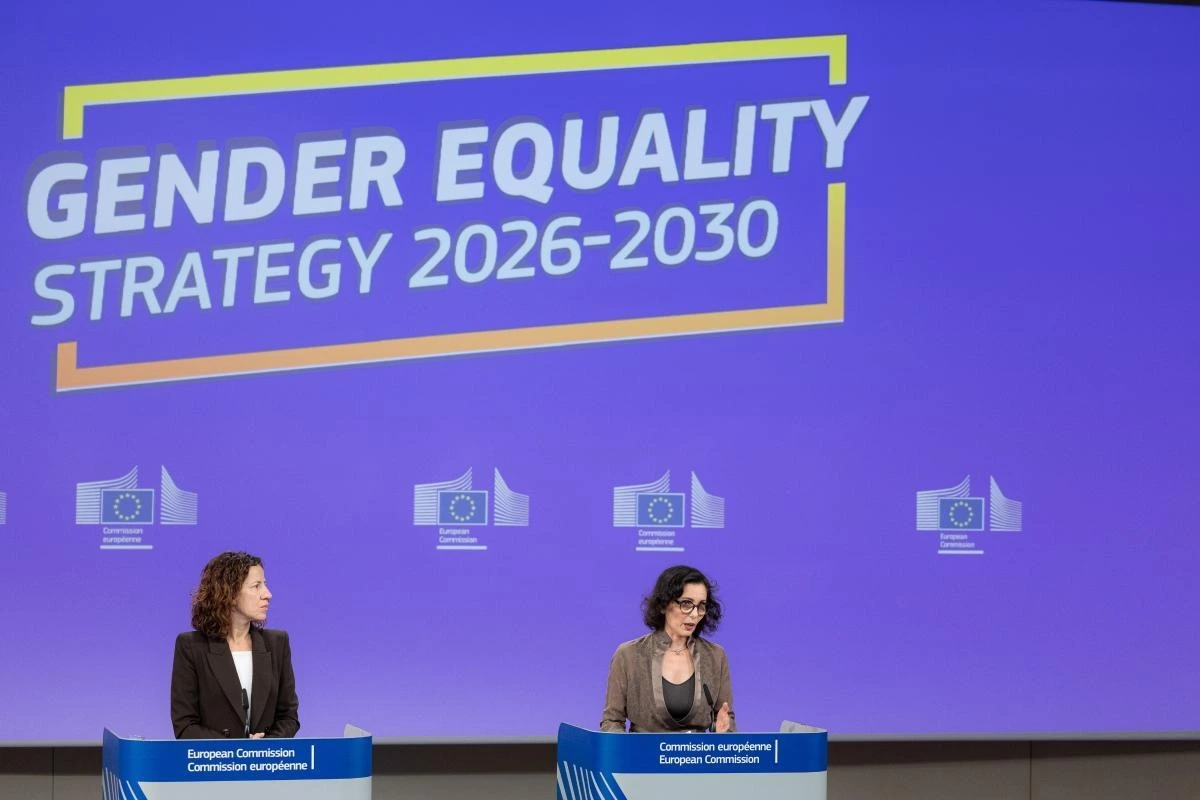
The European Commission’s new Gender Equality Strategy 2026–2030 starts from an important premise: gender equality is not a side issue, but a principle that must shape public life as a whole. Built on the Roadmap for Women’s Rights and its Declaration of principles for a gender-equal society, it sets out a broad vision across education, health, work, leadership and online life, while also confronting cyberviolence, anti-gender narratives and backlash against hard-won rights.
This approach closely reflects CEMR’s own long-standing work. For almost 20 years, the European Charter for Equality of Women and Men in Local Life has advanced the same principle: equality must be anchored in shared commitments, but progress only comes through action at every tier of government. That is why the real test of the new EU Strategy, as with the Charter itself, will be implemented.
That matters because women and girls are still too often pushed out of public life. CEMR’s Women in Politics: Local and European Trends shows that around 32% of women in politics have experienced violence, with cyberviolence rising sharply. The fact that the Commission’s Strategy itself draws on the CEMR study underlines the importance of local and regional experience in shaping the wider European agenda. The study also highlights wider structural barriers: women are still less likely to be drawn into political life and, once elected, are too often denied the most influential responsibilities. Politics cannot be meaningful if it excludes half the population.
Governments must therefore ensure that the safety of women and girls is never pushed to the margins when other priorities arise. Girls must feel that their voice will be heard and that it will lead to action. Only then will they believe there is a place for them in politics. CEMR’s more recent study, Local Truth, Shared Trust, reinforces this message by showing how closely trust in institutions is linked to people’s sense of safety and inclusion, especially for those considering entering public life. Women must have not only a voice in politics, but a safe space in which to use it.
While the Strategy acknowledges elements of CEMR’s work, this recognition represents a welcome first step rather than the destination. To ensure the Strategy’s ambitions translate into meaningful outcomes, there is value in more systematically integrating the depth of local and regional evidence that CEMR and its members have built over two decades. After all, gender equality is shaped on the ground: in towns, cities and regions where policies take effect and where women experience the impact of public action on their lives. Taking local and regional realities into account throughout the EU policy cycle, from data collection to programme design, delivery and monitoring, would help the Strategy reflect women’s lived experiences and enable more effective, inclusive implementation across Europe.
As CEMR marks the 20th year of its Charter, it looks forward to working with the European Commission and partners across Europe to turn principles into lasting change. That same message was recently carried to United Nations at this year’s 70th Conference on the Status of Women, where Flo Clucas, CEMR’s spokesperson on gender equality brought the local perspective into a wider discussion among women and men in public office: local political life must be genuinely open to both women and men, and women cannot participate fully if safety is not guaranteed. The work is far from finished. But the direction is clear: women and girls must be able to participate fully and safely in public life, without fear of violence or intimidation, in every town, city, region and country.
Inside Bonn’s 40-year effort to advance gender equality
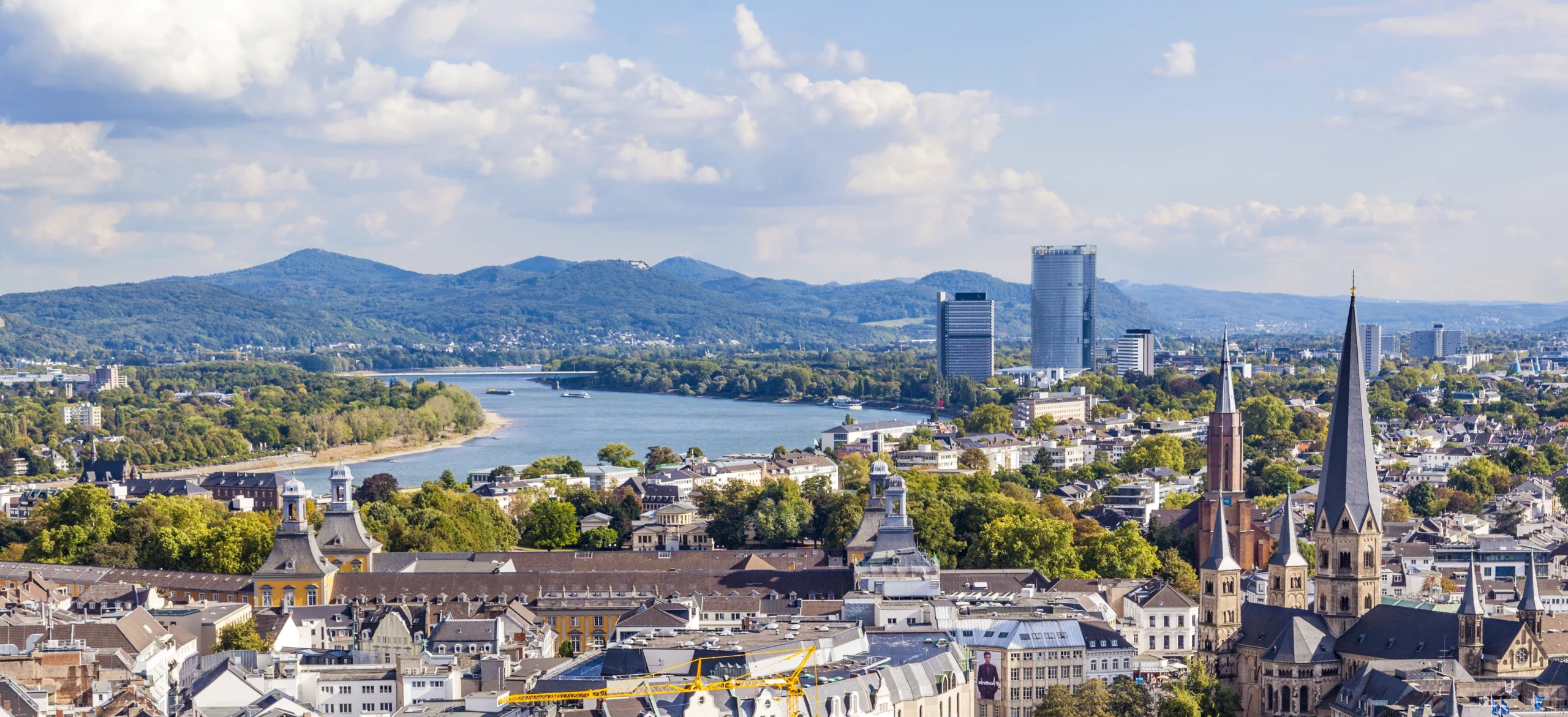
The city of Bonn (Germany) signed the European Charter for Equality of Women and Men in Local Life nineteen years ago. Yet Bonn’s story promoting gender equality does not begin there. It stretches back more than forty years, to a time when gender equality was little more than an ambition, and when the structures needed to drive real change barely existed.
In 1984, Bonn established a dedicated Office for Equal Opportunities, a bold move for its time, signalling that equality was not an abstract value but a governance priority. By 1991, the city had introduced its first bylaws on equal opportunities. A decade later, in 2001, Bonn adopted its first comprehensive Equal Opportunities Plan, laying the foundations for long‑term, structural change in work, care, safety and representation.
Bonn’s commitment has remained unwavering. Today, the city hall maintains a near-equal gender balance in senior management, while women in middle management are empowered to assume leadership responsibilities through structured mentoring programmes.
Deputy Mayor of Bonn, Ursula Sautter, explains that the local administration “advocates and promotes equal care solutions” due to the “still unequal division of work and care”.
Sautter also highlights that the city actively combats all forms of violence and stands firmly with victims. This effort is reinforced by the new German Violence Assistance Act of 2025, which strengthens support frameworks across the country.
Bonn has been a signatory of CEMR’s European Charter for Equality since 2007, demonstrating its commitment to turning principles into action. As Sautter mentions, “the European Charter for Equality is a beacon of empowerment for us, uniting us with a multitude of diverse cities in this important endeavour”.
Ursula Sautter, Deputy Mayor of Bonn
20 years of the European Charter for Equality
This year, we mark the 20th anniversary of the European Charter for Equality,a milestone that invites reflection, celebration and renewed ambition.
Since its creation, the Charter has become one of Europe’s strongest frameworks for driving equality at the local and regional levels. Today, more than 2,053 signatories from 36 countries are part of this growing movement of cities, towns, and regions committed to turning equality principles into reality.
Developed by CEMR together with its national associations and project partners, the Charter brings together diverse European visions of equality. Hundreds of local and regional representatives contributed to shaping a shared framework that considers the diverse competences and contexts across Europe. Signing the Charter is a public and formal commitment, a pledge to advance gender equality through policies, programmes, and concrete actions implemented in cooperation with local partners and civil society.
While the Charter is not legally binding, it is intentionally ambitious. CEMR recognises that achieving these objectives requires time, dialogue, and structural change. That is why signatories are encouraged to adopt a progressive approach, identifying priority areas for action while steadily expanding their efforts.
To support signatories, CEMR established the European Observatory on the Charter, dedicated to helping local and regional authorities develop and implement strong equality policies.
The Observatory’s mission is threefold:
Support the development of Local Action Plans for gender equality
Monitor implementation and progress on the ground
Evaluate impact and share knowledge across Europe
By connecting municipalities, facilitating exchanges, and making progress visible, the Observatory ensures that the Charter remains a living, evolving tool, anchored in real practice.
—
Discover the story of Aubagne (France), which signed the European Charter for Equality in November 2025.
Bonn is a member of CEMR’s association Deutscher Städtetag.
Training on gender equality at the local level: from commitment to actions
On 18 November, CEMR organised the online workshop “From commitment to action: Training on gender equality action planning”. The event brought together around 60 participants from more than 10 countries, including France, Germany, Belgium, the Netherlands, North Macedonia, Romania, Ukraine, Greece, Poland, the United Kingdom and Austria. Municipal representatives, national coordinators and experts joined to strengthen their capacity to design, update and implement Gender Equality Action Plans (GEAP) in line with the European Charter for Equality of Women and Men in Local Life.
As the Charter approaches its 20th anniversary in 2026, the session provided practical guidance, tools and inspiration to support renewed commitment at local and regional levels.
Gender equality action planning: tools and approaches
The workshop started with inputs on the importance of gender mainstreaming as a core tool for local gender equality strategies. Miguel Hernandez Littlewood from DG REGIO presented the EU’s strategic framework, relevant funding mechanisms and the new gender-tracking methodology.
Aline Burni research fellow at the think tank ODI Europe shared findings from the GAP III report and offered practical guidance on conducting needs assessments, securing financial resources, ensuring leadership commitment and developing monitoring systems focused on impact rather than activities.
The experience of the Charter’s signatories
Several Charter signatories shared their experiences and challenges in developing their Action Plans.
Nataliya Lazarenko, on behalf of the Association of Ukrainian Cities, and Alina Khaletska, member of the Expert Council on Gender Integration of the City of Kyiv (Ukraine), presented their unique experience with the Charter, recalling that the first Ukrainian signatory was Vinnytsia (Ukraine) in 2017 and explaining how the context of war has intensified gender equality concerns.
Pascale Douineau, elected official responsible for gender equality from the City of Quimperlé (France),shared her work on the visibility of women in public spaces, while also highlighting the specific challenges faced in rural areas.
They emphasised the importance of strong political commitment, noting that signing the Charter is a concrete signal to take action, and that Action Plans are essential tools for implementing equality measures in daily life.
The workshop offered participants the chance to work through a practical exercise to design an action plan based on the Charter’s articles, including Article 22 on gender-based violence, which encouraged the exchange of good practices. Participants also discussed the need for an integrated approach, the challenges of securing adequate financial resources, and the importance of setting dedicated budget targets. Finally, the relevance of effective monitoring tools emerged as a key point of reflection.
The main takeaways from the workshop highlight that an assessment of gender needs is indispensable for identifying priorities and ensuring that measures are not generic but reflect local realities. Sustainable implementation requires adequate financial resources, committed leadership, and long-term structures. Ultimately, the discussions made clear that a single model for gender equality action planning does not exist. Each approach must be tailored to local contexts, and Gender Equality Action Plans are essential tools to translate these commitments into concrete, measurable actions.
Preparing for the Charter’s 20th anniversary
As next year 2026, we move toward the 20th anniversary of the Charter, CEMR will keep working alongside towns, cities and regions to advance their gender equality strategies. Participants are encouraged to take forward the tools and insights gathered during the workshop, embed them in their local plans, and remain active partners in the collective push for gender equality.
CEMR met this week with the working group of EU coordinators from the Association of Cities of Baden-Württemberg to discuss the evolving European and national context of migration and integration The exchange took place as EU Member States begin implementing key elements of the Asylum and Migration Pact, raising questions about how local and regional governments (LRGs) will be involved in shaping Europe’s migration governance framework.
The exchange followed CEMR’s renewed focus on migration and integration, building on the organisation’s longstanding commitment to support local and regional governments in this area through key priorities: the EU Asylum and Migration Pact, the Temporary Protection Directive (TPD), the next Multiannual Financial Framework (MFF), housing, and labour market inclusion.
During the meeting, Annelies Coessens, CEMR’s Policy Officer for Equality, Diversity & Migration, outlined the current challenges shaping EU migration policy. While migration remains a central political priority — as reaffirmed in President Ursula von der Leyen’s 2025 State of the Union address — the implementation of the Asylum and Migration Pact still lacks the involvement of local and regional governments (LRGs). This limited coordination, coupled with security-driven national narratives, continues to hinder the development of sustainable, community-based approaches to migration.
Participants shared insights on local realities in Baden-Württemberg, including integration challenges faced by Ukrainian refugees —such as language barriers, childcare shortages, and limited access to employment. These issues particularly affect women, especially single mothers, whose limited access to childcare and job opportunities significantly delays their integration and economic independence. These examples highlighted the disconnect between EU-level policy and local realities, as well as the need for stronger support mechanisms for municipalities working directly with newcomers.
Looking ahead, the discussion turned to the upcoming EU budget negotiations (2028–2034), where migration funds — including AMIF and ESF+ — are expected to be integrated into the National and Regional Partnership Plans (NRPPs). CEMR stressed that LRGs must have a seat at the table when shaping these plans to ensure that EU resources respond to real needs on the ground.
CEMR also highlighted ongoing initiatives supporting local action, including the Bridges of Trust project connecting EU and Ukrainian municipalities, and new twinning partnerships promoting peer learning on migration and integration. The newly launched CEMR Taskforce on Housing was also presented as a key space for collaboration.
This meeting underscored the shared commitment of CEMR and its members to making migration policy work with and for local communities — ensuring that those closest to citizens are central to shaping Europe’s response.
No SDGs without local action: European cities and regions step up at the United Nations (UN) HLPF
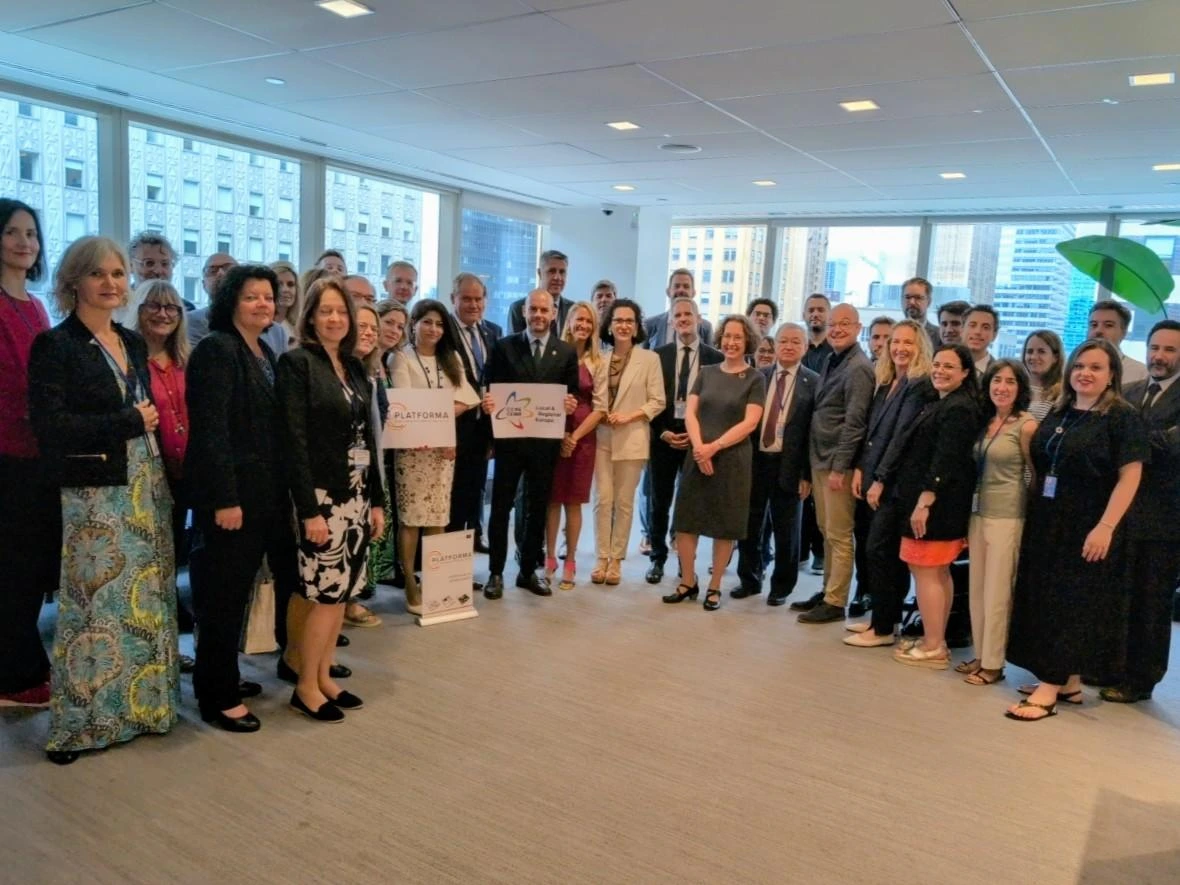
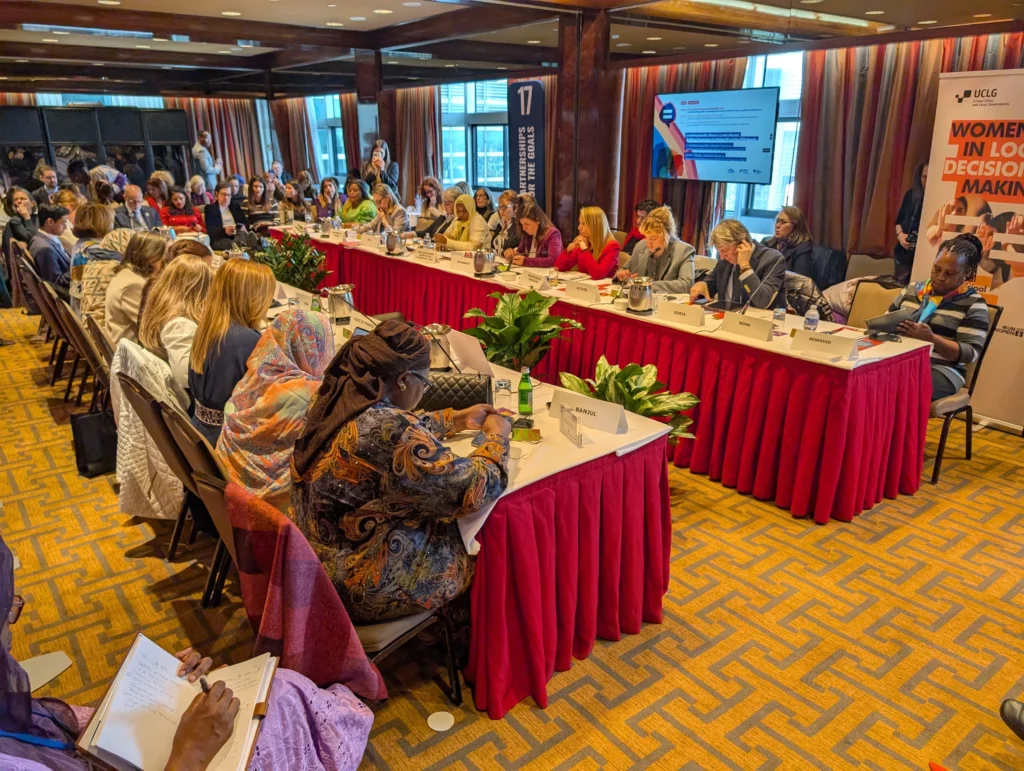
From 14 to 23 July, the Council of European Municipalities and Regions (CEMR) and PLATFORMA took part in the 2025 UN High-Level Political Forum (HLPF) in New York, where more than 40 local and regional leaders from across Europe joined the global conversation on advancing the 2030 Agenda. Their mission: make the voice of local and regional governments (LRGs) heard at the heart of global decision-making.
As part of the Global Taskforce of Local and Regional Governments led by UCLG, CEMR and PLATFORMA contributed to key HLPF sessions, brought fresh evidence from the field, and called for stronger partnerships to accelerate SDG implementation.
This year’s Forum was also the first since the adoption of the 2024 Pact for the Future —a milestone that calls for more inclusive, effective multilateralism. “The Pact for the Future clearly calls for local and regional voices to be part of global decision-making” said Fabrizio Rossi, Secretary General of CEMR. “That’s why our presence in New York this year was more relevant than ever—we’re here to make sure those voices are heard”.
Bringing local realities to the global stage: launching the European territories SDG report
At this year’s HLPF, CEMR and PLATFORMA officially launched their latest flagship study European Territories Localise the SDGs: Getting Local SDG Actions onto the Fast Track. Based on a survey conducted with UCLG and contributions from 31 national associations, the report highlights how local and regional governments across Europe are advancing the 2030 Agenda—often with limited means, but high ambition.
With over 150 concrete examples collected, the study provides a detailed snapshot of how local SDG action is evolving in real time. It looks at policy priorities, bottlenecks, and the extent to which national governments involve municipalities and regions in their Voluntary National Reviews (VNRs). Special focus was placed on the five SDGs under review this year—SDG 3 (health), SDG 5 (gender equality), SDG 8 (decent work), SDG 14 (life below water), and SDG 17 (partnerships).
The report is part of an ongoing effort by CEMR and PLATFORMA to track progress, share innovations, and ensure local voices shape global decisions. Since 2016, these annual studies have become a key contribution to the HLPF process, reinforcing the call for stronger multilevel governance in sustainable development.
Local voices in National Reviews: making VNRs truly inclusive
This year, six countries with active CEMR members—Malta, Finland, Germany, Czech Republic, Bulgaria, and Israel—presented their Voluntary National Reviews (VNRs). CEMR and PLATFORMA were present not only as observers, but as co-creators of the process.
Their messages were clear: national governments must engage LRGs from the start—not just during reporting phases. “The example of Finland proves that good cooperation between local and national governments deliver results for citizens. And CEMR and PLATFORMA are very useful partners when it comes to bring these results at the global stage” said Eveliina Kiema-Majanen from Kuntalitto (Finland). Their interventions underscored that successful national strategies depend on strong, empowered local actors.
CEMR and PLATFORMA members took the floor at all key events for local and regional governments during the Forum. These included the High-Impact Initiative on SDG Localization by the Local2030 Coalition, the launch of the Global Taskforce’s 9th report, the 8th Local and Regional Governments Forum, and the official UN session “Transformation from the ground up: Acting at local level”. They also joined the second annual meeting of the “Partnership Platform on Localizing the SDGs,” reinforcing the call for systemic change through multilevel governance and stronger local action.
“Local leaders are best placed to deliver on the SDGs—because we are closest to people’s lives and everyday needs”, said Clifford Galea, member of CEMR-PLATFORMA Young Elected Officials Committee, President of the Tramuntana Region and High Commissioner of Malta to Namibia.
Bettina Bunk, from the City of Stuttgart, underlined the power of collaboration beyond borders: “International cooperation between local governments and the exchange of best practices is key to advancing the 2030 Agenda”.
Their messages sent a clear signal: meaningful, institutionalised involvement of local governments is not optional—it is essential for delivering on global goals.
A seat at the table: meeting with the EU Delegation on the future of EU funding
On the sidelines of the HLPF, CEMR and PLATFORMA hosted a high-level breakfast meeting with the EU Delegation to the United Nations—just days after the European Commission unveiled its proposal for the post-2027 Multiannual Financial Framework (MFF). With over 45 participants, the exchange focused on how the next EU budget can better reflect local and regional priorities in the delivery of the SDGs.
CEMR Secretary General Fabrizio Rossi made a clear call: “The next EU budget must reflect the needs and contributions of local and regional governments in delivering the SDGs. From climate neutrality to youth employment, any fair transition starts locally. We need robust, accessible funding and stronger partnerships to deliver on the SDGs”.
The meeting also served as a platform to discuss the risk of re-centralisation in EU governance. CEMR and PLATFORMA welcomed the EU Ambassador’s Renaud Savignat invitation to deepen collaboration with local government networks ahead of the EU’s next SDG implementation assessment. The message was clear: no sustainable future without strong local roots.
At the heart of the forum: localising the SDGs one goal at a time
While much of the week focused on advocacy, knowledge-sharing, and political dialogue, CEMR and PLATFORMA also used their platform to showcase concrete results from European cities and regions:
SDG 3 – Health and well-being From digital elderly care in North Macedonia to “caring neighbourhoods” in Belgium, local initiatives are closing health gaps—despite growing inequalities between urban and rural areas. Greater investment and localised strategies are urgently needed.
SDG 8 – Decent work and economic growth Municipalities are leading in youth employment, digital skills, and local job creation. But tight budgets and evolving labour markets demand new tools. Initiatives like the EU’s Union of Skills offer a path forward.
SDG 5 – Gender equality Achieving gender equality requires action where inequality is most visible: locally. From safe public spaces to inclusive service delivery, local authorities are transforming values into policy.
Safeguarding Democracy in the Digital Age: CEMR Hosts Event on Cyberviolence Against Women in Politics
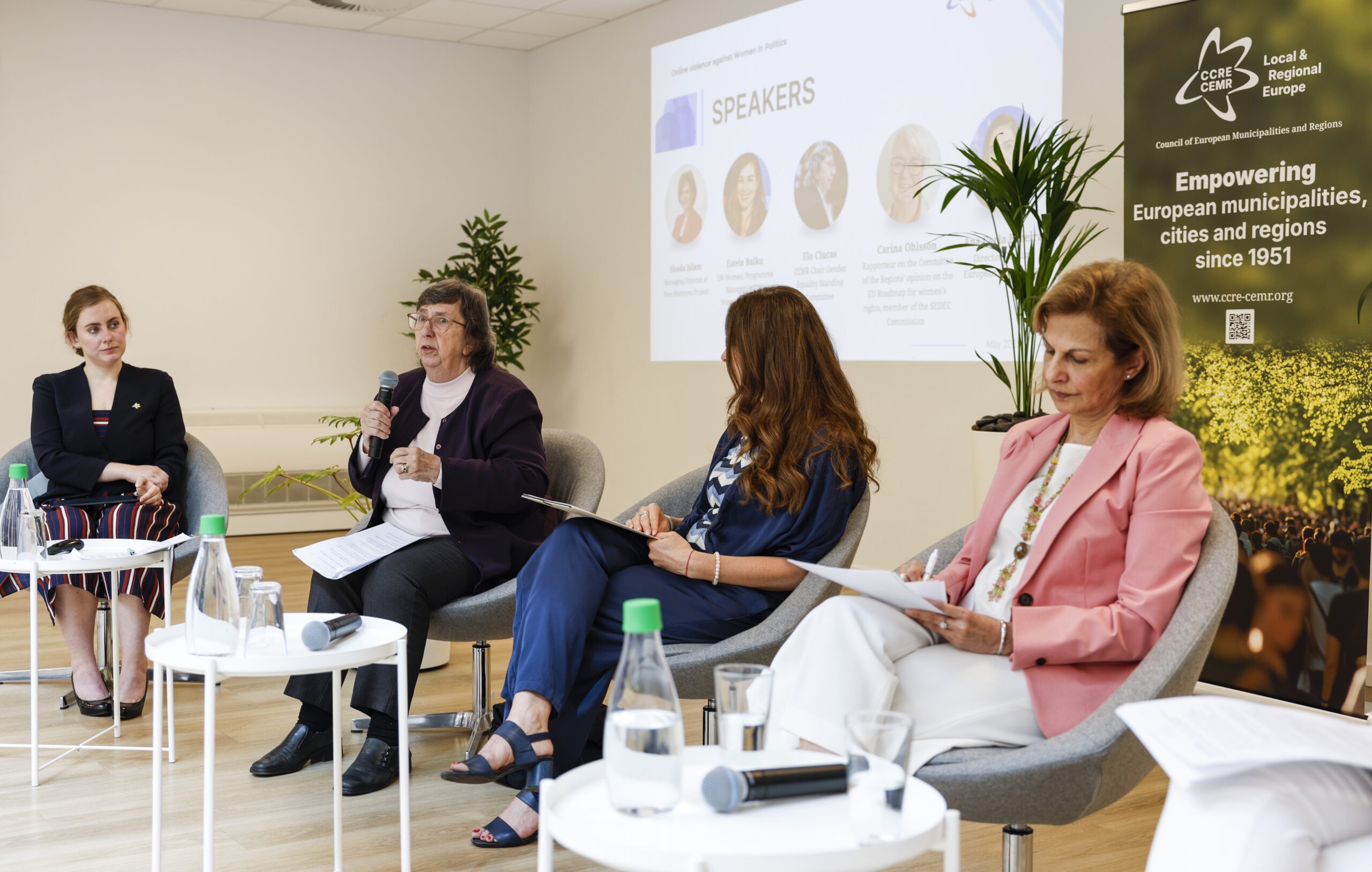
On 21 May 2025, the Council of European Municipalities and Regions (CEMR) gathered policymakers, experts, and local leaders at ACE Events in Brussels to spotlight a growing threat to democracy: cyberviolence directed at women in politics.
The event, “Online Violence Against Women in Politics: Safeguarding Democracy in the Digital Age”, convened the participants to examine the digital harassment, intimidation, and abuse that disproportionately target women politicians. This phenomenon, recognised as a form of gender-based violence, not only silences women’s voices but threatens the very fabric of democratic institutions.
Framing the Issue
Building on the CEMR’s Women in Politics study, Annelies Coessens, CEMR’s Policy Officer for gender equality, diversity and migration, highlighted a harsh reality: 32% of women in politics report experiencing violence, with nearly one in three facing cyberviolence. These statistics reflect the challenges that women politicians can face in public life.
Estela Bulku from UN Women provided a global perspective, noting, “Violence against women transcends political ecosystems and societies. New technologies are creating new channels for intimidation and harassment.” Bulku referenced initiatives, including Bolivia’s groundbreaking law against political harassment and ongoing efforts in countries such as Brazil and Zimbabwe to raise awareness and provide capacity-building support.
Carina Ohlsson, rapporteur for the Committee of the Regions, presented the local dimension, pointing out that “cyberviolence is a new form of gender-based violence, and it affects democracy. We need good legislation and action on all levels. Men must be part of the conversation.” She emphasised the role of local authorities in creating safe political spaces.
Insights from Media and Local Governance
Shada Islam, a prominent commentator on EU affairs, shared her personal experiences of online abuse, underscoring the power imbalance in public discourse. “In this world, there is no impartiality. We all must become advocates,” she remarked. Islam called for stronger enforcement of existing directives, a focus on intersectionality, and media literacy efforts to empower younger generations.
Flo Clucas, Chair of CEMR’s Gender Equality Committee and local councillor from the United Kingdom (UK), emphasised the need for enforcement: “There is no enforcement. We must challenge the European Union, the United Nations, all levels of government, and the media: this has got to stop. We need action” Drawing on local initiatives in the UK, Clucas highlighted grassroots collaborations with schools, families, and institutions to combat gender stereotypes and foster mutual respect.
Looking Ahead: EU and Local Actions
Ana Carla Pereira from the European Commission (DG JUST) provided insights into the new EU Directive to combat violence against women, with a significant focus on cyberviolence. She acknowledged the challenges of ensuring member state compliance and highlighted the role of voluntary cooperation with online platforms to tackle content moderation issues. “The decrease of women in politics in the last European Parliament elections is also a symptom of the backlash on democracy,” she warned.
She concluded with a call to action, urging participants to contribute to ongoing consultations at the European level and to draw inspiration from local and regional initiatives. The final remarks reminded all that safeguarding women’s participation in politics is not merely a gender issue but a democratic imperative.
Collective Responsibility and Next Steps
CEMR’s initiative to set up an Observatory on Gender Equality was widely applauded as a necessary step to tracking trends and sharing good practices. The event left a lasting impression: the fight against online violence is a shared responsibility, demanding legislative action, grassroots engagement, media reform, and societal reflection.
As Flo Clucas aptly stated, “We need action. If not us, who?”.
CEMR participation in the Congress of Local and Regional Authorities in the Council of Europe
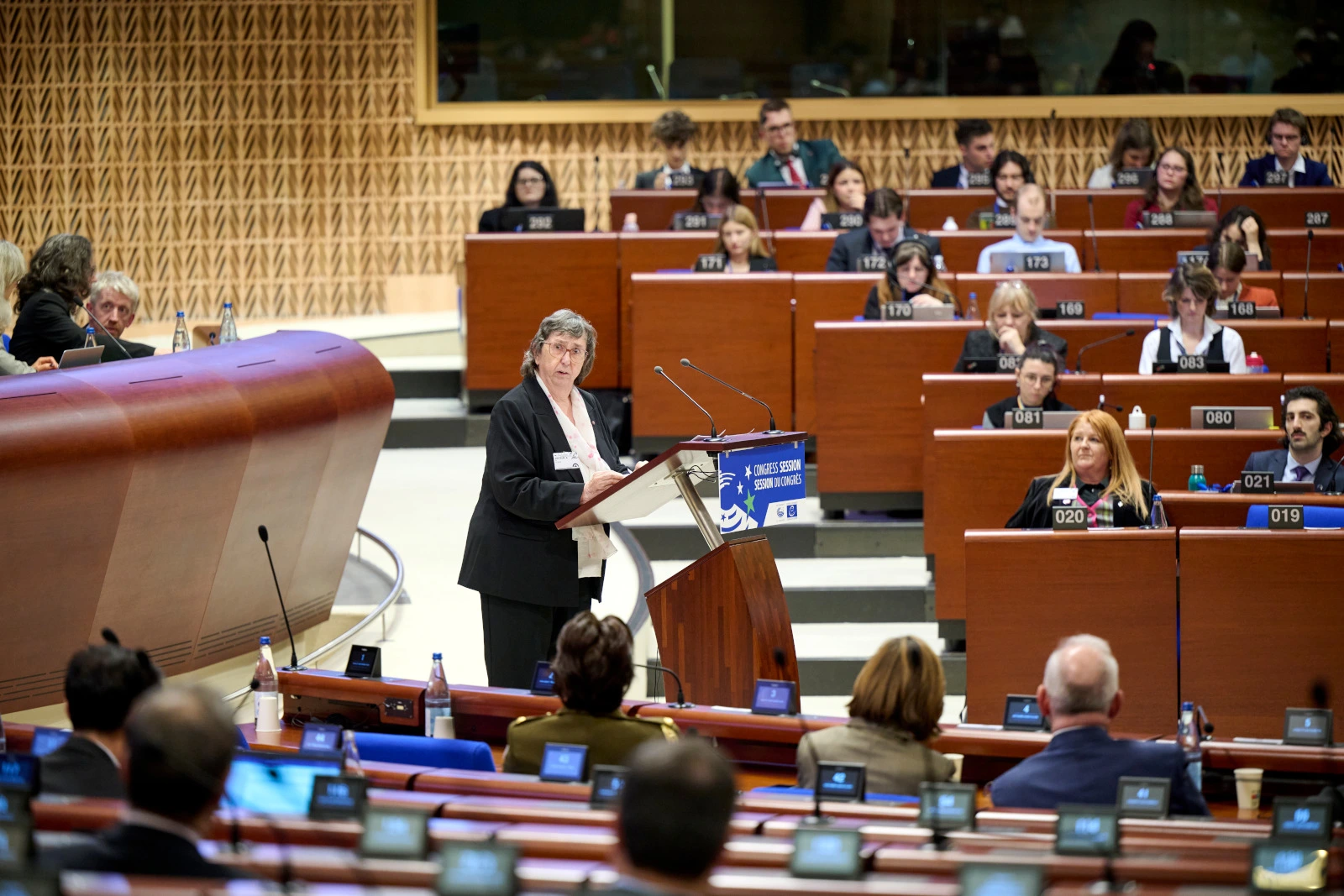
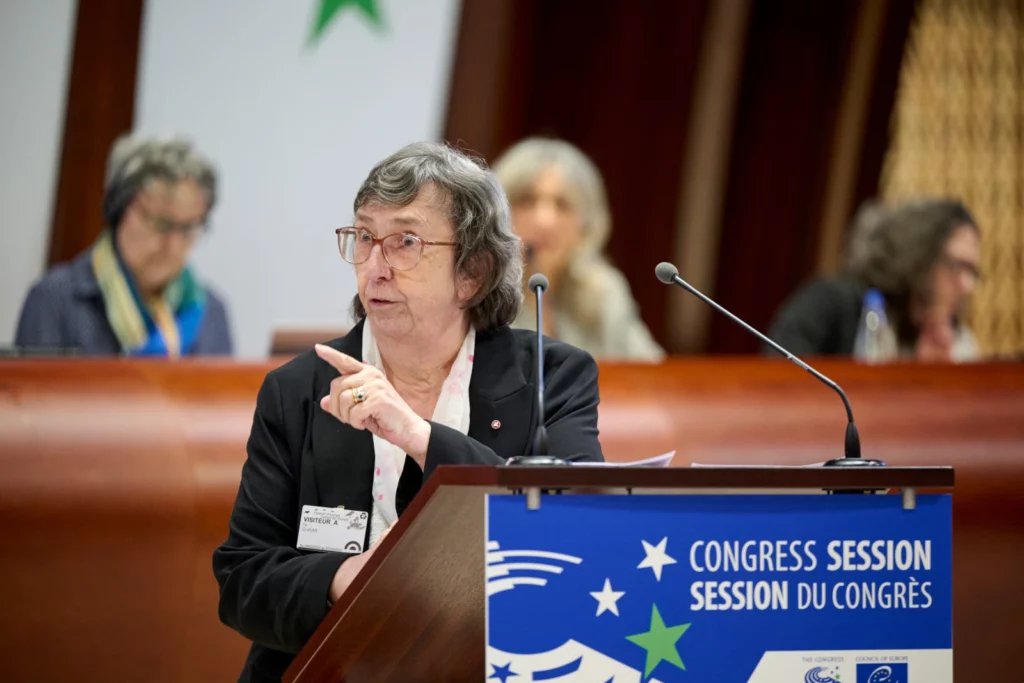
At the 48th Session of the Congress of Local and Regional Authorities in Strasbourg, CEMR reaffirmed its commitment to tackling violence against women in politics (VAWIP) and ensuring equal representation at all levels of governance.
Among the powerful voices at the session was Councillor Flo Clucas, Chair of the Standing Committee on Gender Equality at CEMR, who highlighted the growing threats faced by women in politics, from online harassment to direct physical violence. As she noted, 32% of women in politics have experienced violence, with cyberviolence becoming a major concern. These realities are discouraging women from standing for office, ultimately undermining democracy itself.
The Testimony of the Lord Provost of Glasgow
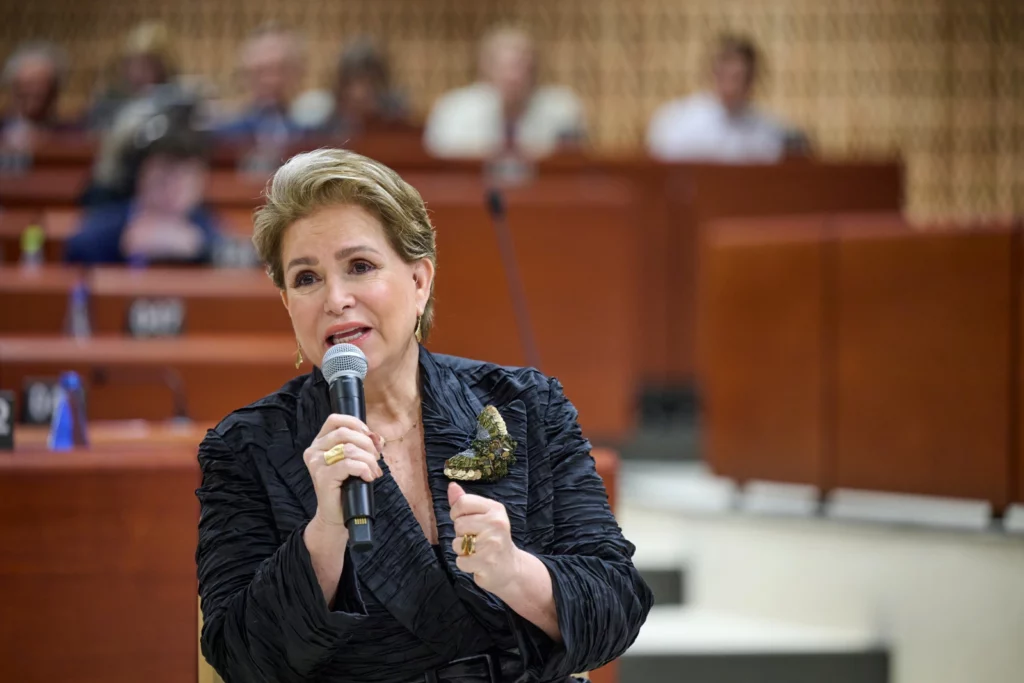
A particularly striking intervention came from the Lord Provost of Glasgow, who shared her personal experience of violence and intimidation as a local councillor and civic leader.
Through her participation in the Eurocities Women City Leaders Mentorship Programme, she has been working to empower the next generation of female leaders in city governance across Europe. Yet, despite this progress, she has personally faced harassment, misogyny, and threats, including attacks on her appearance, doxxing, and even direct calls for physical violence.
“Would this have happened if I were a man?” she asked, urging leaders to take decisive action.
Instead of stepping back, she chose to act, using her platform to push for a safer and more inclusive environment where women can thrive without fear.
The Power of Local Action: Sophie’s Stop
One of the most inspiring initiatives presented was Sophie’s Stop, a multi-media campaign and signposting app designed to help young women identify and respond to different forms of violence. Led by Glasgow Girls Club, it provides practical tools and support to those facing harassment or abuse. The campaign’s impact has been profound, with young women reporting that it has transformed their confidence and safety awareness.
A Whole-Society Approach for Change
The discussions in Strasbourg made one thing clear: change must happen at the local level. Governments, local authorities, civil society, and institutions like the Council of Europe and CEMR all have a role to play in ensuring that:
Women have equal access to political spaces
Threats and harassment are tackled with zero tolerance
Education and mentorship support young women in leadership
CEMR’s report, Women in Politics: Local and European Trends, underscores the urgency of these actions. Without them, women’s voices will remain unheard, and democracy itself will be weakened.
The fight for gender equality in politics is not just about representation, it’s about creating a political culture where women can lead without fear.
Beijing+30: Empowering Local Governments to Fulfil the Promise of Gender Equality
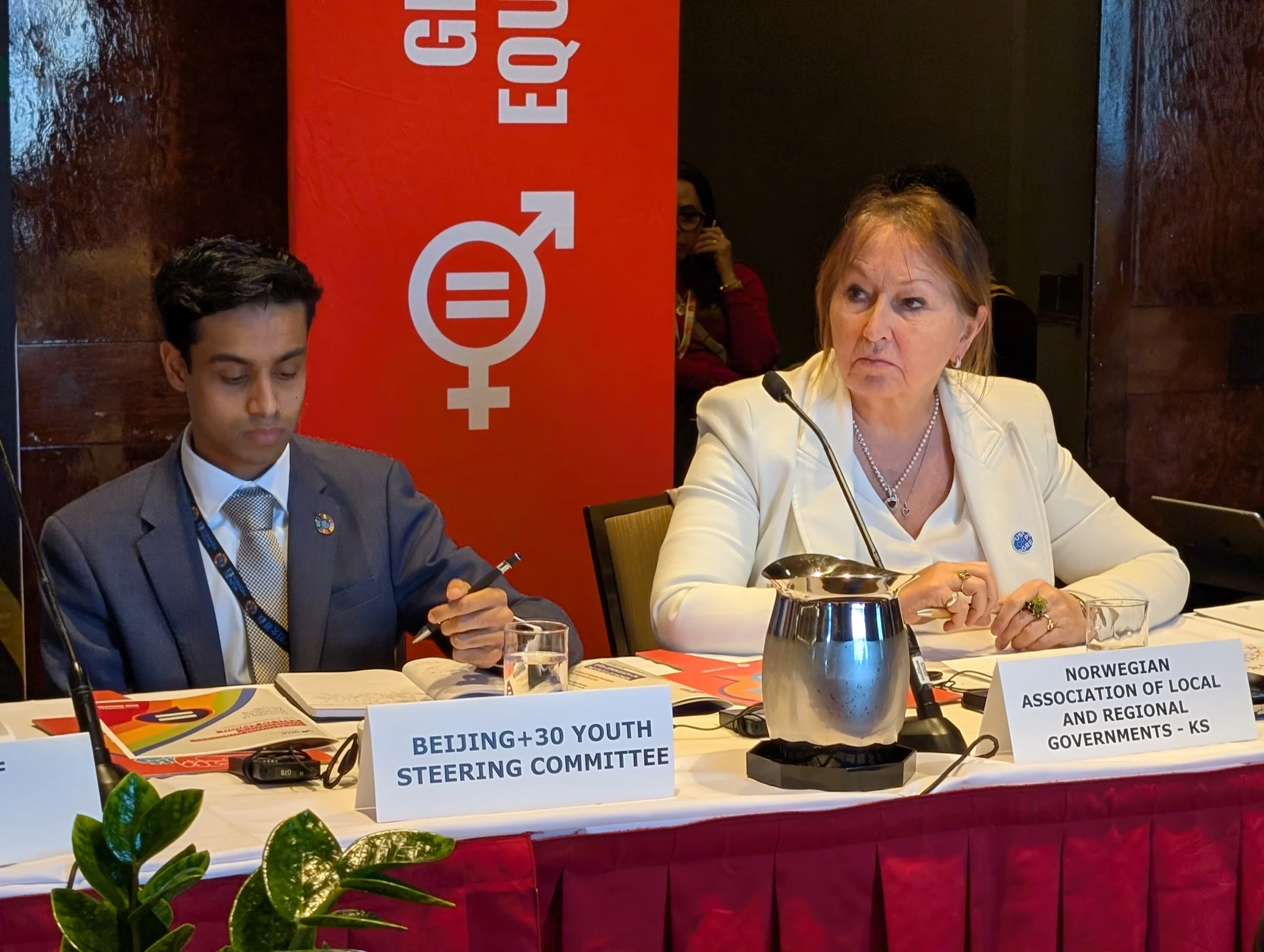
Walking into the halls of the United Nations for CSW69, it is impossible not to feel the weight of history. Thirty years ago, the Beijing Declaration and Platform for Action (PfA) was hailed as a breakthrough—a promise that gender equality would no longer be an aspiration but an urgent global priority. Yet, three decades later, the struggle for women remains critical.
The 69th session of the Commission on the Status of Women (CSW69) coincides with both the 30th anniversary of the Beijing Declaration and the start of Trump’s second mandate, which is actively undermining progress made in these 30 years. The U.S. refusal to support the CSW Political Declaration signals a broader rollback of gender rights. By opposing references to the 2030 Agenda and Sustainable Development Goals (SDGs), the U.S. seeks to decouple gender equality from international commitments on social and economic progress. Its insistence on defining women strictly as “biologically female” further marginalises disadvantaged groups, while framing gender-based violence as a migration issue shifts focus away from structural inequalities.
According to the Global Gender Gap Report 2024, full gender parity is still 134 years away, and political empowerment will take even longer—169 years. Women remain underrepresented in decision-making, particularly locally, where policies directly impact daily lives. Gender-based violence persists, with 1 in 3 women experiencing violence in their lifetime. These realities highlight the urgent need for stronger institutional responses and more significant local government action.
At CSW69, locally elected politicians gathered by UCLG, CEMR and PLATFORMA met to discuss how to push back against this regression. Gender equality is inseparable from local development and climate action, and dismantling these connections threatens hard-won gains.
Why Gender Equality Policies Need Local and Regional Governments
While international frameworks and national policies set the tone for gender equality, local governments are responsible for implementing changes that directly impact citizens. Without their involvement, gender policies will be ineffective and disconnected from local realities. Several key areas highlight this need:
Street Safety: Ensuring safe public spaces for women in all their diversity is a fundamental responsibility of local governments. From well-lit streets to community policing and secure public transport, municipal policies play a crucial role in reducing gender-based violence and harassment in public spaces.
Access to Childcare and Early Education: Affordable and accessible childcare remains a barrier for many women seeking employment as they remain the main caregivers in the household. Expanding early childhood education and care services at the municipal level allows women to participate in the workforce while ensuring children’s well-being.
Job Market Inclusion: Women continue to face wage gaps, discrimination, and limited career opportunities. Local governments can introduce gender-sensitive employment policies, support female entrepreneurship, and enforce equal pay regulations.
Political Representation: Women remain underrepresented in local decision-making bodies. Municipalities can adopt gender quotas, leadership training programs, and policies that encourage women’s active participation in politics.
Gender-Responsive Urban Planning: City planning must consider gender perspectives to ensure inclusive public spaces, transportation, and housing policies that support the needs of women and marginalised groups.
Access to Healthcare and Social Services: Local governments are crucial in ensuring gender-responsive healthcare, including reproductive health services, mental health support, and services for survivors of gender-based violence.
By integrating gender equality into local governance, municipalities can create inclusive environments that empower women and contribute to broader societal progress.
CEMR’s Key Messages at CSW69
CEMR brought a strong and urgent message to CSW69: gender equality cannot remain a distant goal—it must be implemented at the local level, where policies can have a direct impact on communities.
One of the most pressing concerns highlighted at CSW69 was violence against women, particularly in politics. Data from CEMR’s Women in Politics study revealed that 41% of women in politics experience psychological attacks on their personal lives, appearance, or status, leading to isolation and reduced political engagement. Cyberviolence, including doxxing, cyberstalking, and deepfake content, disproportionately affects younger women, with 67% of those under 24 reporting online abuse.
“The reality is that women in politics face a level of hostility that their male counterparts simply do not. This is a direct threat to democracy and inclusivity,” said Gunn Marit Helgesen, President of CEMR, during the Local and Regional Governments Day, organised within the conference. “We must act decisively to protect women who step up as leaders”. Despite the alarming statistics, only 29% of victims report violence, and even fewer—22%—see any consequences for the perpetrators.
Women’s political participation is a key priority for CEMR, which reiterated its call for equal representation at all levels of governance, pointing to data that shows women make up just 32% of local elected officials across Europe, with only 17.4% of mayors being women. Political participation at the local level is crucial because local governments are closest to citizens and best positioned to facilitate engagement.
To support structural change, institutional mechanisms for gender equality must be strengthened. CEMR has long advocated for integrating intersectionality into local and regional governance, ensuring that policies address multiple forms of discrimination. The European Charter for Equality of Women and Men in Local Life remains a key tool for municipalities committed to gender mainstreaming.
Beyond Europe, decentralised cooperation offers opportunities to advance gender equality through international partnerships. One example is the Les Elegides programme, a project led by the Mallorcan Fund of Solidarity and Cooperation (Spain) and the Association of Women Councillors in Bolivia -ACOBOL, among other organisations, aimed at increasing women’s participation in decision-making structures and fostering a democratic debate on gender issues at the local level.
Finally, achieving the Sustainable Development Goal (SDG) 5 (Gender Equality) requires localised action. Local and regional governments are key players in raising awareness and building capacity to advance gender equality. Without their leadership, global goals risk remaining unfulfilled promises rather than tangible realities.
UCLG’s Programme and the CEMR Delegation’s Participation
United Cities and Local Governments (UCLG), in partnership with CEMR and PLATFORMA, has organised a robust program at CSW69. Under the theme “Localising Beijing+30: The Municipal Movement Leads the Way to Equality and Democracy,” UCLG convened discussions on feminist municipal leadership, multilevel governance, and intergenerational commitments to gender equality. CEMR and UCLG elected politicians also participated in key events organised by the United Nations Development Programme (UNDP), Cities Alliance, and other UN agencies.These events provided a platform to advocate for stronger local government involvement in gender-responsive policymaking and to exchange concrete examples of gender local actions from municipalities worldwide.
As part of the broader engagements surrounding CSW69, Boris Tonhauser, Director of PLATFORMA, participated in a meeting organised by the EU delegation at the UN. This gathering brought together key civil society actors present in New York for the conference. During the meeting, Boris presented CEMR’s study on women in politics to the EU Commissioner for Equality, Hadja Lahbib and the other organisations present at the meeting, emphasising the need for stronger local-level policies that support female leadership and participation in decision-making.
CSW Political Declaration: Protecting Gender Equality at the Local Level
The political declaration of CSW69 outlined the current challenges for the implementation of the Beijing Declaration and the Platform for Action (PfA), and included Member States’ commitments to advancing gender equality. However, as Member States approved the declaration in the first days, CEMR, PLATFORMA and UCLG expressed their concern regarding language regressionsthat could undermine progress. While the commitments made in Beijing 30 years ago should be non-negotiable, recent years have shown that hard-won gains towards gender equality are being questioned and, in some cases, even reversed.
The past five years have been marked by global adversity—health and financial crises, renewed conflicts, and environmental degradation—all of which have disproportionately affected women and girls, widening gender gaps. This is why local and regional governments are calling for a reinforced commitment, ensuring that gender equality remains a global priority.
One of the main challenges of this year’s declaration is ensuring that local governments are explicitly recognised as essential actors in implementing gender policies. Without their involvement, international commitments risk remaining empty promises. Amidst the gender equality backlash, local and regional governments will continue to advocate for stronger recognition, financial commitments, and concrete actions that protect and advance women’s rights at the community level. It is only with local action, women’s leadership and global solidarity that gender equality can be achieved.
Conclusion: The Future of Multilateralism and the Role of Local Funding
The year 2025 is crucial for the future of multilateralism and gender equality. CSW69 is just one of many global forums where local governments must assert their role. Upcoming events such as the Fourth International Conference on Financing for Development (FfD4) and the High-Level Political Forum (HLPF) will be critical in ensuring that local authorities are recognised as development cooperation actors and receive the funding and resources needed to implement local and international gender equality policies effectively.
Local governments are on the frontlines of progress. If the world is to build on the achievements of the Beijing Platform for Action, funding for local initiatives must be a priority. By recognising the indispensable role of municipalities and regional authorities, the international community can ensure that gender equality is not just a distant goal but a lived reality in communities around the world.
The Council of European Municipalities and Regions (CEMR) is proud to have launched its second groundbreaking study Women in Politics: Local and European Trends, which provides important data and insights into women’s representation in politics across Europe from 2019 to 2024.
The study shines a light on both the progress and the persistent, systemic challenges, from underrepresentation in leadership to the rising issue of violence against women in politics – especially online abuse and cyberviolence.
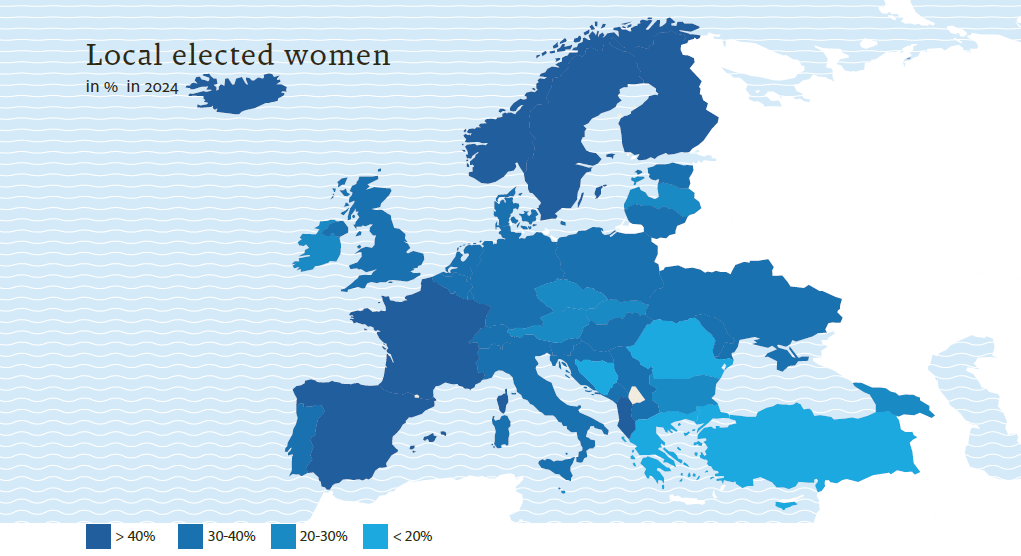
This study comes at a critical time. While representation in local councils has risen to above 40% in some European countries, leadership roles at all levels still show a troubling gender gap. At the national level, women’s representation in parliaments averages around 33%, with notable disparities among countries. In the European Parliament, women currently occupy 38.5% of the seats, which is the first decrease in the proportion of women Members of the European Parliament since 1979.
Source: Women in Politics – Local and European Trends, page 14
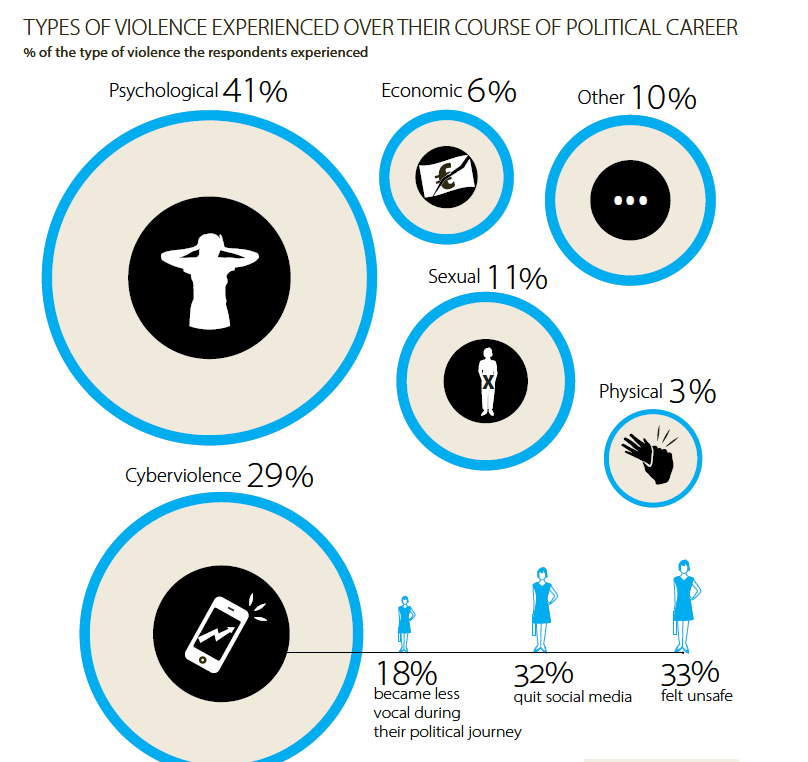
Violence against women in politics, both physical and digital, remains a major deterrent to women’s political participation. The data collected shows that 32% of respondents have experienced violence during their political career, and of those that suffered some type of violence 29% experienced cyberviolence. As highlighted by one of the speakers, Dr Marta Mazurek, Councillor from Poznan, on “recognising the serious consequences of cyberviolence” signalling that the responsibility to combat online harassment lies not only with national bodies but also with local authorities dedicated to fostering inclusive governance.
Only 29% of those affected by violence had reported experiencing different types of violences, which may not only undermine their personal well-being but also their potential participation in politics. Angela Lowe, Senior Advisor at Women Political Leaders (WPL) emphasized that “the path towards a safe environment for women requires a collaborative effort,” underscoring the importance of working together across sectors to protect women in politics.
Source: Women in Politics – Local and European Trends, page 87
The Women in Politics study collected data from across Europe, presenting the importance and need for reliable data on women’s political representation and experience to ensure informed policies and targeted actions. Robin Devroe, a researcher at the Vrije Universiteit Brussel (VUB), pointed to the broader impact of these challenges, noting that “these issues of gender-based violence contribute to a more global cycle of underrepresentation,” which weakens democratic structures and the inclusiveness of policymaking. Additionally, women from disadvantaged backgrounds—such as women of colour and LGBTQI+ women—are particularly vulnerable, facing unique and compounded challenges that further hinder their political participation.
The study also underscored that lasting change will require widespread engagement from everyone within society and the need to shift our mindset of the current social and cultural norms and attitudes towards more inclusive equality, with Sari Rautio from Hämeenlinna City Council in Finland stressing that “all genders, all girls and boys should be interested in working on gender balance”.
For a deeper understanding of these findings and practical recommendations, the Women in Politics: Local and European Trends report is now available on the CEMR website. This study serves as a call to action for governments, communities, and advocates to work together in building a political landscape that champions gender equality and safeguards women’s participation across all levels of governance.
Municipalities Can Lead by Example: The European Charter for Equality of Women and Men in Local Life
Today, at the World Forum for Democracy in Strasbourg, France, CEMR’s Bella Tskhelishvili shared insights into a powerful instrument for local change: the European Charter for Equality of Women and Men in Local Life. “Gender equality is more than an ambition—it’s a necessary foundation for democratic and inclusive communities,” Bella affirmed.
Since its launch in 2006, the Charter has empowered over 2,035 local and regional governments in 36 countries to commit to gender equality. With updates in 2022 that tackle issues like cyber violence, workplace flexibility, and climate change, the Charter has adapted to modern challenges, making it a living document that continues to evolve.
Empowering Local Governments
Local governments are uniquely positioned to lead in promoting gender equality. Initiatives inspired by the Charter, such as gender-responsive budgeting in Ixelles and stereotype prevention in Sienna, exemplify how local measures can drive tangible results. The Observatory of the European Charter for Equality supports municipalities with tools and frameworks to develop and track action plans, ensuring impactful progress.
A Call for Continued Action
Despite challenges such as resource constraints and opposition from anti-gender movements, the drive for gender equality persists. As Bella highlighted, “Our journey to equality requires resilience, collaboration, and unwavering commitment.”
Disseminating the Charter throughout Europe and beyond is crucial. By expanding the reach of the European Charter for Equality and forging international connections, CEMR demonstrates that this mission is global. The Euro-Mediterranean Charter for Equality and the Local Authorities Charter for Gender Equality in Africa underscore this commitment, promoting shared values and actionable strategies across diverse regions. These efforts reflect CEMR’s vision to inspire a world where every local government embraces and advances gender equality