Looking for Proposals

Looking for Proposals WiP - News 2024

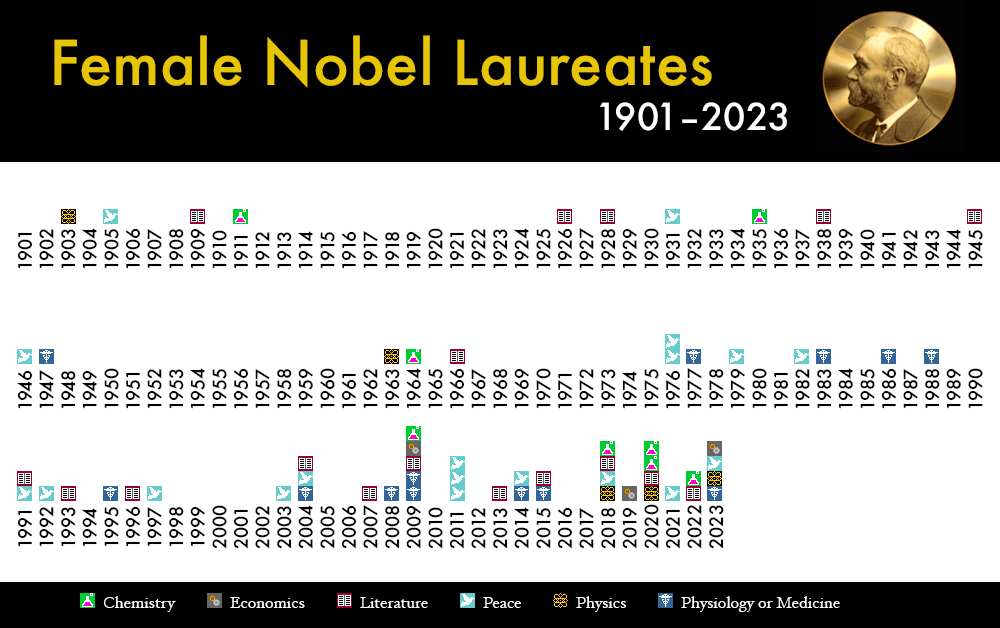
CEMR is currently looking for an agency to design, publish and print our study on Women In Politics


CEMR is calling for proposals for external services to design and produce a publication on our study “Women in Politics”. 

For more information, you can access our Terms of Reference here.

Cohesion Forum 

Is territorial dimension disappearing from Cohesion Policy?


The Cohesion Forum took place on 11-12 April in Brussels, organised every three years by the European Commission following the publication of its Cohesion Report, it is an important event gathering the Member States, Managing Authorities, regions, and cities involved in the implementation of the Cohesion Policy. And in this election year, the Forum was an even more important moment for the European Commission to start preparing Cohesion stakeholders for the big change ahead.
 
The proposals for the next EU long-term budget (2028-2034) are expected to be published in the first half of 2025, therefore it is no surprise that the current Commission used the Cohesion Forum to test some ideas. Increasingly DG REGIO is talking about a radical change for the Cohesion Policy, which is no longer called “Cohesion” but “Instrument for Reforms and Investments” – on the model of the Recovery and Resilience Facility. The idea of linking instruments to reform conditionality seemed to be quite consensual during the Cohesion Forum. This is presented as a major simplification together with a “performance-based model”, meaning that the funds will be delivered upon completion of activities and milestones, which is expected to reduce a significant part of the administrative burden compared to the current system of financing linked to actual costs.  
 
In this scenario, it is possible that the different Cohesion funds as we know them (ERDF, ESF+, Just Transition Fund, etc) could be merged into a single instrument. But will the fundamental objectives of Cohesion Policy remain in such architecture? Commissioner Ferreira started her opening speech of the Cohesion Forum saying “This is an important moment for economic, social and political cohesion in Europe”. It can only be deliberate that the Commissioner ignored the “Territorial” dimension of Cohesion Policy as enshrined in article 174 of the Treaty on the Functioning of the EU. And versions of the upcoming strategic agenda for Member States’ leaders also referred only to “economic and social cohesion”, forgetting the territorial dimension.
 
In this context it will be important to strongly share the messages of the CEMR position paper on future of Cohesion Policy, advocating for a place-based approach and the extension of the Partnership Principle to all EU Policies with an impact on local and regional levels, and particularly the European Semester which will guide Member States reforms agenda. Whatever the shape of the upcoming instrument(s) for investment, it is essential to ensure it will not be spatially blind, and able to answer the specific needs of the various municipalities and regions in Europe.
 
Local and Regional governments are also invited to sign and share the Cohesion Alliance joint call on a renewed Cohesion policy post-2027 that leaves no one behind.

COR-CEMR Consultation 

A follow-up consultation from the CoR and CEMR on the RRF implementation


Since its launch, CEMR has monitored the European Union’s Recovery and Resilience Facility (RRF) to assess the experiences of local and regional governments in navigating this crucial funding instrument aimed at revitalizing the EU’s economy post-COVID-19. In collaboration with the Committee of the Regions (CoR), CEMR conducted a targeted consultation in 2021, engaging with associations of local and regional governments. The objective was to examine the involvement of these bodies in both the design and execution phases of the RRF. Initial findings revealed a very limited engagement of local and regional governments in the process.

This year, CoR and CEMR conducted a follow-up consultation to assess any changes in the situation. Despite the RRF being halfway through its implementation, local and regional governments express continued frustration at being sidelined from National Recovery and Resilience Plans (NRRPs). The results of the CoR-CEMR survey confirm a trend of highly centralised management of the RRF by Member States.

On April 16, CEMR hosted a high-level panel debate featuring representatives from EU institutions, where the key findings of the consultation were unveiled. The results of the CoR-CEMR consultation can be accessed here.

CEMR Green Day

Insights from CEMR Green Day 2024: What will the future green transition look like in European municipalities and regions?


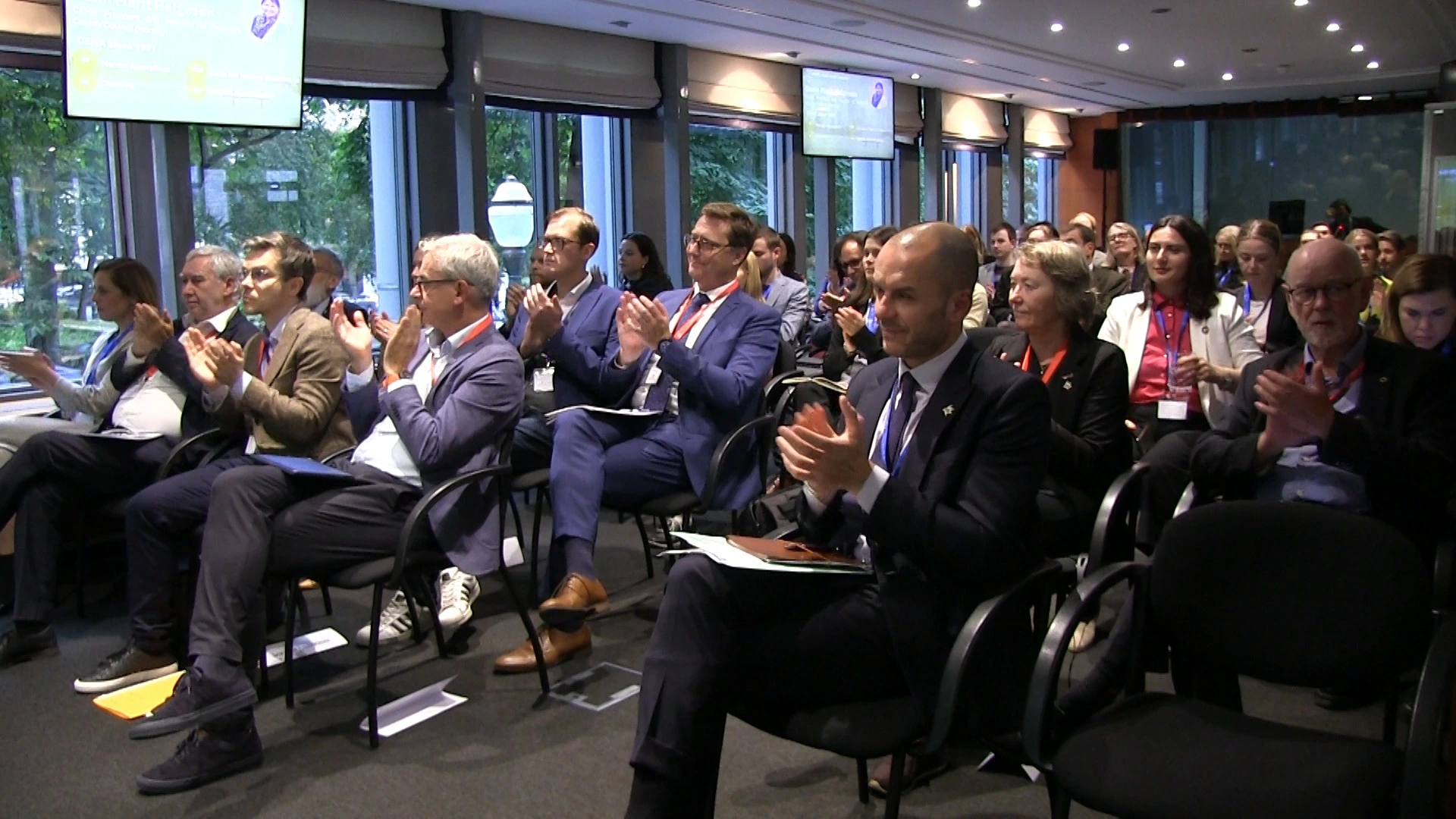
CEMR Green Day 2024 provided a platform for policymakers, experts, and stakeholders to delve into the future of the green transition within the EU and beyond. Held on April 10th, this event fostered a dynamic exchange of strategies, challenges, and opportunities for driving climate action at the local and regional levels.

Tadashi Matsumoto, Head of the National Urban Policy and Climate Resilience Unit at OECD, presented the report “A Territorial Approach to Climate Action and Resilience.” Matsumoto emphasised the need for a coherent territorial approach to enhance climate resilience and bridge regional disparities. He introduced the TACAR policy framework, aimed at prioritizing climate policies at the local level and enabling more effective climate action. The framework’s applicability was illustrated through examples from Bratislava and New York State.

The panel discussion featured insights from diverse stakeholders, including Michaël Quernez, Mayor of Quimperlé; Patrick Princen, First Alderman of Mechelen; Pedro Dias, Policy Director at Solar Heat Europe; and Lucian Pârvulescu from the European Commission’s European Green Deal Unit.

Quernez emphasized the importance of EU funds for supporting local transitions, while Princen shared Mechelen’s successful climate resilience initiatives. Dias stressed the need for empowering LRGs in energy policy, and Pârvulescu outlined the EC’s commitment to supporting local initiatives.

The discussion highlighted the importance of empowering LRGs, engaging citizens in climate action, adopting a territorial approach to address regional disparities, and enhancing dialogue between national and local levels.

“We need to ensure that local governments are actively involved in planning, decision-making, and implementation processes to guarantee the effectiveness of sustainability measures” concluded Marianne Overton, CEMR spokesperson for Climate.

In the second part of the meeting, CEMR experts discussed water resilience and 2040 climate targets. We also discussed CEMR’s forthcoming study on the challenges of the implementation of the green agenda to be published in autumn.

ANMP Anniversary

CEMR Joins ANMP’s 40th Anniversary Conference to Celebrate Local Democracy in Europe


The Council of European Municipalities and Regions (CEMR) is proud to participate in the commemoration of the 40th anniversary of the National Association of Portuguese Municipalities (ANMP). We extend a warm invitation to our member associations to join the international conference “Municipal Associativism and European Challenges: The Role of Cooperation between Local Authorities,” slated for May 20th in Coimbra, Portugal.
 
Just three weeks before the upcoming EU Elections, this event presents a unique platform for CEMR members to convene and advocate for Europe’s future. Together, we will delve into pre- and post-vote initiatives outlined in the CEMR Call to Action.  
 
This conference is particularly significant as it aligns with Portugal’s 50th year of democracy. The ANMP anniversary is a significant moment for us to gather in Coimbra and reflect on this milestone while celebrating the resilience and impact of local democracy.
 
We strongly encourage all CEMR associations to take action by sharing this invitation with their respective members and registering for the event by May 6th through the provided link here
 
Let’s unite in Coimbra to honour the legacy of ANMP, champion the cause of local democracy, and shape the future of Europe through our collaborative efforts.

European Charter For Equality

German Association of CEMR (RGRE) Hosts 5th National Conference on European Charter for Equality


Celebrating the 75th anniversary of the Basic Law (Grundgesetz) for the Federal Republic of Germany, the German Association of the Council of European Municipalities and Regions (RGRE) is set to host the 5th National Conference on the Implementation of the European Charter for Equality.

Initiated by CEMR in 2006, the Charter aims to empower European municipalities in their efforts to promote gender parity within their communities. It has received endorsements from over 2,000 municipalities spanning 36 European countries, with Germany contributing more than 60 signatures alone.

The two-day Conference, organised on the 25th and 26th of April, under the theme “Women – Truly equal?”, delves into the evolution of gender equality in Germany, addressing contemporary challenges amidst resurgent anti-feminist sentiments in Europe.

The conference will examine Germany’s progress and explore the broader European landscape of gender equality policies within EU institutions, focusing on gender equality-related amendments in 1994 to current anti-feminist challenges throughout Europe.

SGD Meeting

CEMR Secretaries General and Directors Meeting (SGDs): Strengthening European Local Governance in Nicosia, Cyprus


The Council of European Municipalities and Regions (CEMR) is meeting with its member association’s Secretaries General and Directors on April 23-24, 2024.
 
Taking place at the Town Hall of the Nicosia Municipal Council and hosted by the Union of Cyprus Municipalities, the meeting will serve as a platform for crucial discussions just ahead of the European election. Eleni Loucaidou, Councillor, on behalf of the Mayor of Nicosia, opened the session and set the agenda for the two-day meeting, which foresees intensive roundtable discussions covering CEMR’s statutory events and international relations, as well as the presentation of new CEMR activities and projects for 2024.
 
The biannual SGDs meetings bring together Secretaries General and Directors of CEMR members, fostering a sense of unity and collaboration across European local and regional governance.

Funding local services first

Funding and investment in Local Regional Governments must be protected


Europe’s sectoral social dialogue partners for local and regional government unions are concerned about the review of the EU’s economic governance rules.

The Council of European Municipalities and Regions (CEMR) and the European Federation of Public Service Trade Unions (EPSU) are concerned that the proposed reduction in public spending will negatively impact the essential services provided by local and regional governments.

The EU institutions are currently reforming the EU economic governance frameworkBruegel Institute calculations indicate that several member states will have to reduce public spending in 2025 and in the coming years, often in the billions of euros, under this mandate.  

This would not be the first time the EU sets indications to member states to reduce public spending. The effects of such measures have strongly impacted funding for local and regional governments and, therefore, their ability to provide quality services to citizens. Local governments are first responders to the immediate needs of citizens – they deliver services that allow all our communities to thrive. From public administration to housing and social services, from firefighters to waste collection: underfunding means jeopardising the delivery and quality of services to citizens.

Insufficient funding for local and regional governments exacerbates inequalities and disparities across regions and municipalities, as well as between rural and urban areas. Without adequate resources, local and regional authorities struggle to address pressing issues such as unemployment, labour and skills shortages, working conditions, social inclusion, and the digital and green transition.

Moreover, reductions in public spending hit women harder. Underfunding contributes to the persistence of the gender pay gap in the EU, given that the majority of workers in the sector are women often low pay. In addition, women are more reliant on local public services.

Furthermore, local and regional governments ensure democracy and equal access for all citizens. With just two months until European elections, it is important to recall that underfunding local governments means underfunding our democracies.

We urge European policymakers to carefully assess the implications the economic governance framework reform will have on local and regional governments in the EU. The impact of these rules cannot hinder the ability of local and regional governments to fulfil their mandates and provide essential services to citizens. As sectoral social partners in local and regional governments, we are committed to continue supporting the implementation of the European Pillar of Social Rights towards a social Europe for all. This economic reform must not constrain this European ambition.

We expect economic governance rules that protect the funding and investment that Local and Regional Governments require to serve their communities with the services which Europe’s citizens deserve.

Read the statement here

For more information, contact:

Unfair recovery fund distribution

Post-COVID Recovery Fund: centralisation and unfair distribution of resources risk harming cohesion in Europe


A new CoR-CEMR consultation shows that the territorial allocation of funds from the Recovery and Resilience Facility is widely perceived as unbalanced on the ground.

On the eve of a crucial meeting of European heads of state and government focused on competitiveness, the European Committee of the Regions (CoR) and the Council of European Municipalities and Regions (CEMR) unveil the results of their third joint survey on the implementation of the post-pandemic Recovery and Resilience Facility (RFF), which is worth €648 billion.

While the implementation of the RRF is at the halfway point, regions and cities still feel left aside from National Recovery and Resilience Plans (NRRPs). A new consultation conducted jointly by CoR and CCRE-CEMR confirms the highly centralised management of the RRF by the Member States.

Key findings

  • The territorial allocation of RRF funds is broadly perceived as unfair. Nearly half of respondents rate territorial fairness as “poor or very poor” while only a few see it as “good or very good”. And the degree of ownership at local and regional level is also unsatisfactory with significantly more respondents seeing it as “poor or very poor” than “good or very good”.
  • The green and digital transitions stand out as the two objectives supported effectively by the NRRPs, according to respondents in the consultation.
  • Conversely, fully one-third of respondents state that NRRPs do “not at all” effectively contribute to enhancing territorial cohesion, despite this being the legal basis and general objective of the RRF.
  • The involvement of local and regional authorities remains inadequately weak in the various phases of preparation, implementation or monitoring of NRRPs. The specific provisions of REPowerEU to improve the involvement of LRAs do not seem to have yielded concrete results.
  • Almost all respondents encounter barriers to their involvement in the NRRP. The main barrier identified is the national government providing an inappropriate framework for involvement.
  • The share of respondents who consider limited capacity or expertise within their region or city to be a barrier is significantly higher than in the previous consultation. This is likely linked to the higher-than-expected administrative burden of the RRF.
  • Potential overlaps and lack of coordination with cohesion funds remain the highest risk perceived by local and regional governments in the implementation of the RRF.
  • While the overall impact of projects funded by the RRF is rated positively by respondents, they are rather divided regarding its synergies with other funds, its additionality and flexibility.

Christophe Rouillon (FR/PES), Mayor of Coulaines and CoR’s rapporteur on the Mid-term evaluation of the Recovery and Resilience Facility said: “The results of the joint consultation underscore that the RRF is not the silver bullet it was claimed to be. The RRF was the appropriate response in a multi-crises context and will probably have had a positive macroeconomic impact. However, the centralisation it brought about as well as the deficiencies of the performance-based mechanism cannot be extrapolated to the future Cohesion Policy post-2027 if we do not want to put at risk that this policy remains the most efficient EU policy for delivering fair transitions throughout all EU regions.

Kamila Bláhová, Vice-president for European Affairs, Union of Towns and Municipalities of SMOCR (CZ), stated: “The RRF and the national recovery plans of the Czech Republic have a huge potential to support the efforts of local and regional governments aimed at revitalizing the local economy and green infrastructure investments at the local level. However, the issue of administrative capacity and poor synergies between the RRF and other EU funds present significant challenges. It’s crucial to optimize how subnational governments can maximise the use of this substantial funding source and that we address any shortcomings as the RRF moves forward.

Background

The consultation was conducted between January and March 2024, collating the views and experiences of 36 organisations representative of a variety of subnational government levels across 22 EU Member States. The respondents were from Austria, Belgium, Bulgaria, Croatia, Cyprus, Czechia, Estonia, Finland, France, Germany, Ireland, Italy, Latvia, Lithuania, Luxembourg, the Netherlands, Poland, Portugal, Romania, Slovakia, Spain, and Sweden. The geographical composition of the respondents was not identical to that of previous consultations.  Responses received from individual local and regional governments were also taken into account.

Results of the previous CoR-CEMR joint consultations (January 2021 and April 2022)

Read the study here

Contacts:
Matteo Miglietta – CoR
Tel. (+32) 470 895382
Matteo.miglietta@cor.europa.eu