![Equality in Poland - News 2020]()
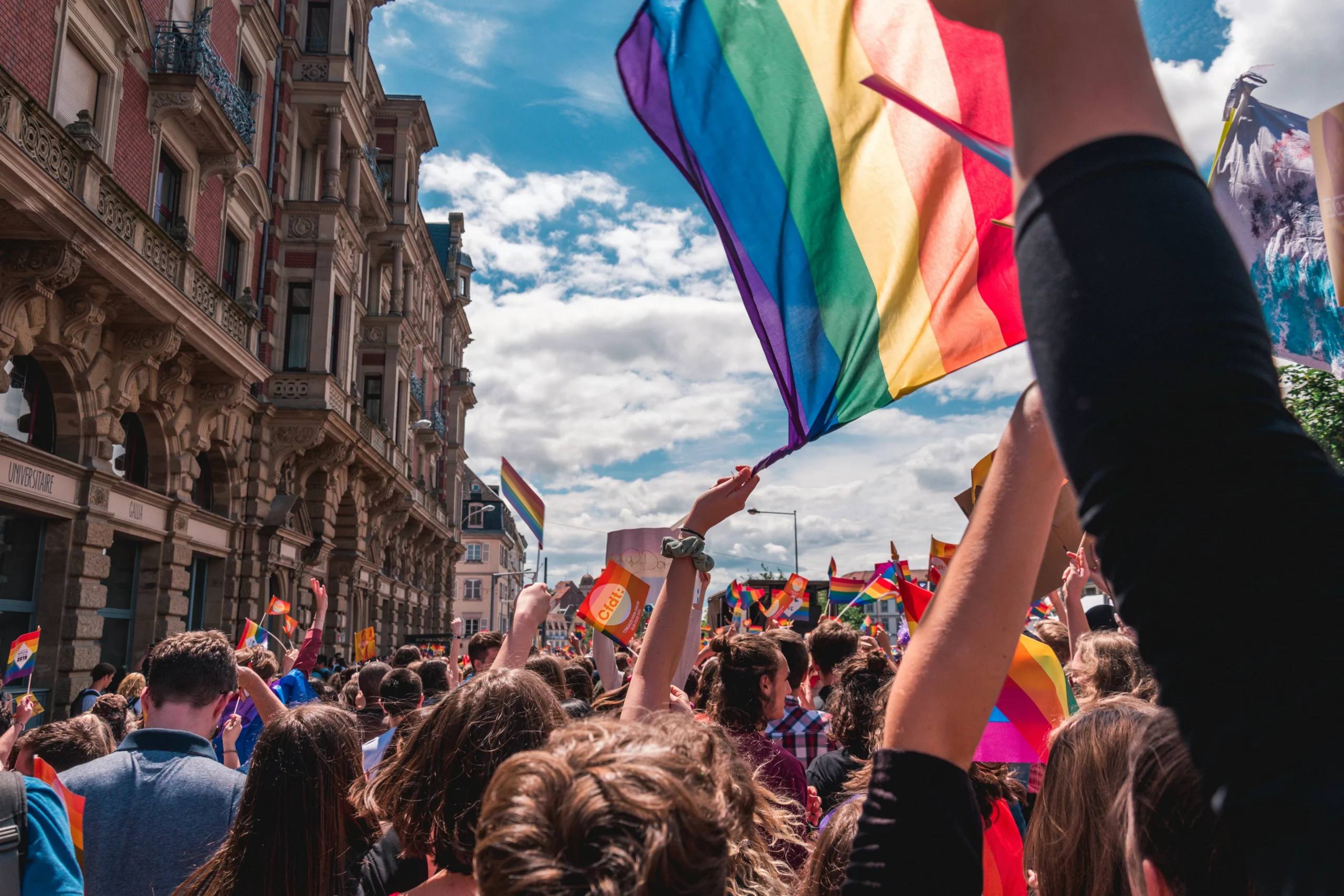
Local and regional leaders across Europe oppose self-declared “LGBTI-free zones” in Poland
Whereas in Poland around 100 municipalities have instituted “anti-LGBTI” zones or other discriminatory measures, the Council of European Municipalities and Regions (CEMR) calls on Europe’s local and regional officials to support their peers fighting against homophobia.
Frédéric Vallier, CEMR’s Secretary General, and Emil Broberg, Regional Councillor of Östergötland (Sweden) and Chair of CEMR standing committee for Equality, have jointly penned an open letter opposing these measures to Polish municipalities, counties and regions. They call on local and regional governments throughout Europe to express their support by signing on to the letter. To date, CEMR has collected 120 signatures from 14 European countries.
Expressing his view on the situation in Poland, CEMR President and President of the Emilia-Romana Region Stefano Bonaccini said: “Equality is for all Europeans. It is a core European value. As we are striving to build a better and brighter future for all, we simply cannot turn back the clock on human rights and sweep aside decades’ worth of progress.”
“In the world we live in today, equality must be built from the ground up”, said Emil Broberg. “Local and regional governments should not give way to national political movements opposing equality. On the contrary, municipalities and regions can set an example by holding firm to the principles of human rights and to the progress we have made so far.”
Further confirmation of the gravity of the situation came last week with the publication of the European Union Agency for Fundamental Rights’ survey on LGBTI equality, which revealed that 40% surveyed people in Europe said they experienced harassment due to their sexual orientation. In the case of Poland, intolerance towards LGBTI people has increased overall and the country has the highest rates of physical or sexual attacks motivated by the victim being LGBTI (15%).
The open letter also seeks to counter the rise in anti-LGBTI rhetoric. It affirms the signatories’ support for Polish local and regional governments that have rejected and resisted discriminatory measures and who continue to champion the common fundamental European values of freedom and human rights.
Many local and regional officials in Poland are fighting against these anti-LGBTI measures. Marta Mazurek, Municipal Councillor for Poznan, is one of them. “As a Polish elected representative and as a European, I am very grateful for any international support for human rights and gender equal policies”, she said. “Such support energises our efforts and fortifies our courage.”
With this action, CEMR calls for dialogue and invites European cities who have relations with the concerned Polish municipalities and regions to raise the issue. Local and regional governments across Europe should share their experiences in addressing issues of discrimination and equal rights, for the benefit of all.
List of signatories (as of 25 August):
Stefano Bonaccini, CEMR President and President of the Emilia-Romana Region – Italy | Emil Broberg, Chair of CEMR’s standing committee for Equality, Regional Councillor of Östergötland – Sweden | Frédéric Vallier, CEMR Secretary General and:
Anne Hidalgo, Mayor of Paris – France | Dagur B. Eggertsson, Mayor of Reykjavík – Iceland | Fernando Medina, Mayor of Lisbon – Portugal | Zoran Janković, Mayor of Ljubljana – Slovenia | Dieter Reiter, Lord Mayor of Munich – Germany | Anders Knape, President of the Congress of Local and Regional Authorities of the Council of Europe, SALAR President, Lord Mayor of Karlstad – Sweden | Gunn Marit Helgesen, President of the Chamber of Regions of the Congress (Council of Europe), Councillor of Telemark – Abel Caballero Álvarez, FEMP President, Mayor of Vigo – Spain | Aldis Hafststeinsdottir, SAMBAND President, Mayor of Hveragerðisbær – Iceland | Bjørn Arild Gram, KS President, Mayor of Steinkjer – Norway | Emile Eicher, SYVICOL President, Mayor of Clervaux – Luxembourg | Gorka Urtaran, EUDEL President, Mayor of Vitoria-Gasteiz – Spain | Jan Van Zanen, VNG President, Mayor of Utrecht – Netherlands | Philippe Laurent, AFCCRE President, Mayor of Sceaux – France | Stéphane Roberti, BRULOCALIS President, Mayor of Forest – Belgium | Ahmed Laaouej, Mayor of Koekelberg – Belgium | Andreas Starke, Lord Mayor of Bamberg – Germany | Belit Onay, Lord Mayor of Hanover – Germany | Bojan Srot, Mayor of Celje – Slovenia | Carlos Martínez Mínguez, Mayor of Soria – Spain | Carola Gunnarsson, Lord Mayor of Sala – Sweden | Christian Scharpf, Lord Mayor of Ingolstadt – Germany | Dirk De fauw, Mayor of Bruges – Belgium | Eva Döhla, Lord Mayor of Hof – Germany | Felix Schwenke, Lord Mayor of Offenbach – Germany | François Rebsamen, Mayor of Dijon – France | Frédéric Valletoux, Mayor of Fontainebleau – France | Fritz Kuhn, Lord Mayor of Stuttgart –- Germany | Henriette Reker, Lord Mayor of Cologne – Germany | Hermann-Josef Pelgrim, Lord Mayor of Schwäbisch Hall – Germany | Javier Ayala, Mayor of Fuenlabrada – Spain | Jochen Partsch, Lord Mayor of Darmstadt – Germany | Johan Rocklind, Mayor of Gnesta – Sweden | Johanna Rolland, Mayor of Nantes – France | Josep Mayoral Antigas, Mayor of Granollers – Spain | Juan María Aburto Rique, Mayor of Bilbao – Spain | Jürgen Zieger, Lord Mayor of Esslingen am Neckar – Germany | Katrin Stjernfeldt Jammeh, Mayor of Malmö – Sweden | Klaus Mohrs, Lord Mayor of Wolfsburg – Germany | Klaus Schmotz, Lord Mayor of Hansestadt Stendal – Germany | Lilja Einarsdóttir, Mayor of Hvolsvöllur – Iceland | Madelaine Jakobsson, Mayor of Nordmaling – Sweden | Mari-Louise Wernersson, Mayor of Falkenberg – Sweden | Maria Noelia Garcia Leal, Mayor of Los Llanos de Aridane – Spain | Markus König, Lord Mayor of Nuremberg – Germany | Markus Lewe, Lord Mayor of Münster – Germany | Michael Ebling, Lord Mayor of Mainz – Germany | Michael Makiolla, Head of Unna District Council – Germany | Nathalie Appéré, Mayor of Rennes – France | Norbert Zeidler, Lord Mayor of Biberach an der Riss – Germany | Peter Freier, Mayor of Offenbach – Germany | Peter Kurz, Lord Mayor of Mannheim – Germany | Phedon Phedonos, Mayor of Paphos – Cyprus | Pietro Puccio, Mayor of Capaci – Italy | Pit Clausen, Lord Mayor of Bielefeld – Germany | Rico Badenschier, Lord Mayor of Schwerin – Germany | Simone Lange, Lord Mayor of Flensburg – Germany | Stefan Belz, Lord Mayor of Böblingen – Germany | Thomas Andersson, President of the Regional Council of Jämtland Härjedalen – Sweden | Thomas Geisel, Lord Mayor of Düsseldorf – Germany | Tim Kähler, Mayor of Hansestadt Herford – Germany | Ulrich Markurth, Lord Mayor of Brunswiek – Germany | Vanessa Slimani, Mayor of Saint Jean de Braye – France | Victor Hadjiavraam, Mayor of Morphou – Cyprus | Yoomi Renström, Lord Mayor of Ovenåker – Sweden | Alessandra Medici, Councillor of Guastalla – Italy | Amelie Tarschys Ingre, Vice-Mayor of Lidingö – Sweden | Anders Henriksson, Regional Councillor of Kalmar – Sweden | Andreas Höffler, Councillor of Berching – Germany | Andreas Wolter, Vice-Mayor of Cologne – Germany | Andri Michalia, Councilor of Lakatamia – Cyprus | Angela Everbäck, Councillor of Vellinge – Sweden | Anne Herrezeel, Councillor of Eghezée – Belgium | Anne Tyssaen, Deputy Mayor of Koekelberg –Belgium | Benjamin Debroux, Councillor of Jumet – Belgium | Jürgen Czernohorszky, Executive City Councillor of Vienna – Austria | Benjamin Plach, Councillor of Innsbruck – Austria | Carine Gol-Lescot, Deputy Mayor of Uccle – Belgium | Carine Henry, Chair of Floreffe public centre for social welfare – Belgium | Caroline Quintero P., Councillor of Namur –Belgium | Cécile Egrix, Councillor of Uccle – Belgium | Cecilia Dalman Eek, Regional Councillor of Gothenburg – Sweden | Christine Oppitz-Plörer, Councillor of Innsbruck – Austria | Christophe Pierroux, Councillor, Etterbeek public centre for social welfare – Belgium | Dennis Wedin, Vice-Mayor of Stockholm – Sweden | Dejan Lukovic, Councillor of Innsbruck – Austria | Elisabeth Unell, Vice-Mayor of Västerås – Sweden | Fatmir Limani, Deputy Mayor of Koekelberg – Belgium | Gabi Laschet-Einig, Councillor of Lahnstein – Germany | Giovanni Allodi, Councillor of Poviglio – Italia | Gunilla Westerberg Dupuy, Deputy Mayor of Suresnes – France | Henrik Hammar, Councillor of Örkeljunga – Sweden | Irlin Bråten, Trosopplæringsleder – Norway | Janine Bex, Councillor of Innsbruck – Austria | Jelena Drenjanin, Vice-Mayor of Huddinge – Sweden | Jens Sjöström, Regional Councillor of Stockholm – Sweden | Jonathan Biermann, Alderman of Uccle – Belgium | Khalil Aouasti, Deputy Mayor of Koekelberg – Belgium | Kathleen Delvoye, Councillor of Uccle – Belgium | Laura Goffart, Councillor of Liège – Belgium | Laurence Vandeputte, Councillor of Uccle – Belgium | Lorenzo Pasini, Councilor of Colorno – Italy | Maëlle Brouwer, Deputy Mayor of Uccle – Belgium | Magnus Berntsson, Vice-President of the Regional Council of Västragötland – Sweden | Marie Bijnens, Deputy Mayor of Koekelberg – Belgium | Martin Casier, Councillor of Watermael-Boitsfort – Belgium | Nadia Badri, Deputy Mayor of Koekelberg – Belgium | Nora Bednarski, Councillor of Ixelles – Belgium | Ossamah Maghfour, Lord Mayor of Koekelberg – Belgium | Patrick Klugman, Deputy Mayor of Paris – France | Paul-Gerhard Weiß, Councillor of Offenbach – Germany | Romain De Reusme, Alderman of Ixelles – Belgium | Ronan Dantec, Senator and Councillor of Nantes – France | Sabine Groß, Councillor of Offenbach – Germany | Sihame Haddioui, Deputy Mayor of Schaerbeek – Belgium | Theresa Ringler, Councillor of Innsbruck – Austria | Thomas Lechleitner, Councillor of Innsbruck – Austria | Véronique Lefrancq, Deputy Mayor of Koekelberg – Belgium
Director – Policy & Impact