Localising the European semester

Localise EU Semester - News

CEMR-EPSU project shows local governments and social partners remain under-involved in shaping EU economic governance


The European Semester, introduced in 2010 to coordinate national economic, employment, and social policies across the EU, has become the backbone of EU economic governance. Its annual cycle guides Member States’ reforms and budgets under the Stability and Growth Pact and the Europe 2020 strategy. Yet, despite its importance, the role of local and regional governments (LRGs) and social partners in this process remains limited. 

A joint project by the Council of European Municipalities and Regions (CEMR) and the European Public Service Union (EPSU), carried out between 2018 and 2020, examined how and why subnational actors are involved in the Semester. It assessed the rationale for their participation (“why”), the mechanisms used in different Member States (“how”), and the quality of this involvement (“how well”). 

Findings suggest that while LRGs are increasingly acknowledged, their input often depends on existing national dialogue structures and the political will of central governments. Social partner organisations, particularly trade unions representing the local government sector, are even less involved, with national peak organisations rarely consulting their membership in depth before feeding into the process. 

The project also highlighted good practices: more systematic consultations, stable structures for dialogue, and efforts to ensure that recommendations (Country-Specific Recommendations, or CSRs) reflect local realities. However, in many cases, LRGs and social partners have little influence over the drafting and implementation of National Reform Programmes (NRPs), undermining ownership of the Semester. 

From a broader perspective, the research confirmed that EU recommendations are more likely to be followed when countries face strong market pressures, when reforms are tied to EU financial rules, or when smaller states seek EU legitimacy for their policies. But there is still a gap in understanding whether stronger involvement of LRGs and social partners leads to better implementation of reforms, a gap that future research should address. 

The report concludes that the Semester can only be effective if it becomes more inclusive. To strengthen ownership and impact, national governments and EU institutions must ensure that local and regional governments, as well as social partners, are systematically and meaningfully involved in shaping and implementing economic and social reforms. 

Read the study here 

For more information, contact: 

Local waste water policy 

Water Management - News

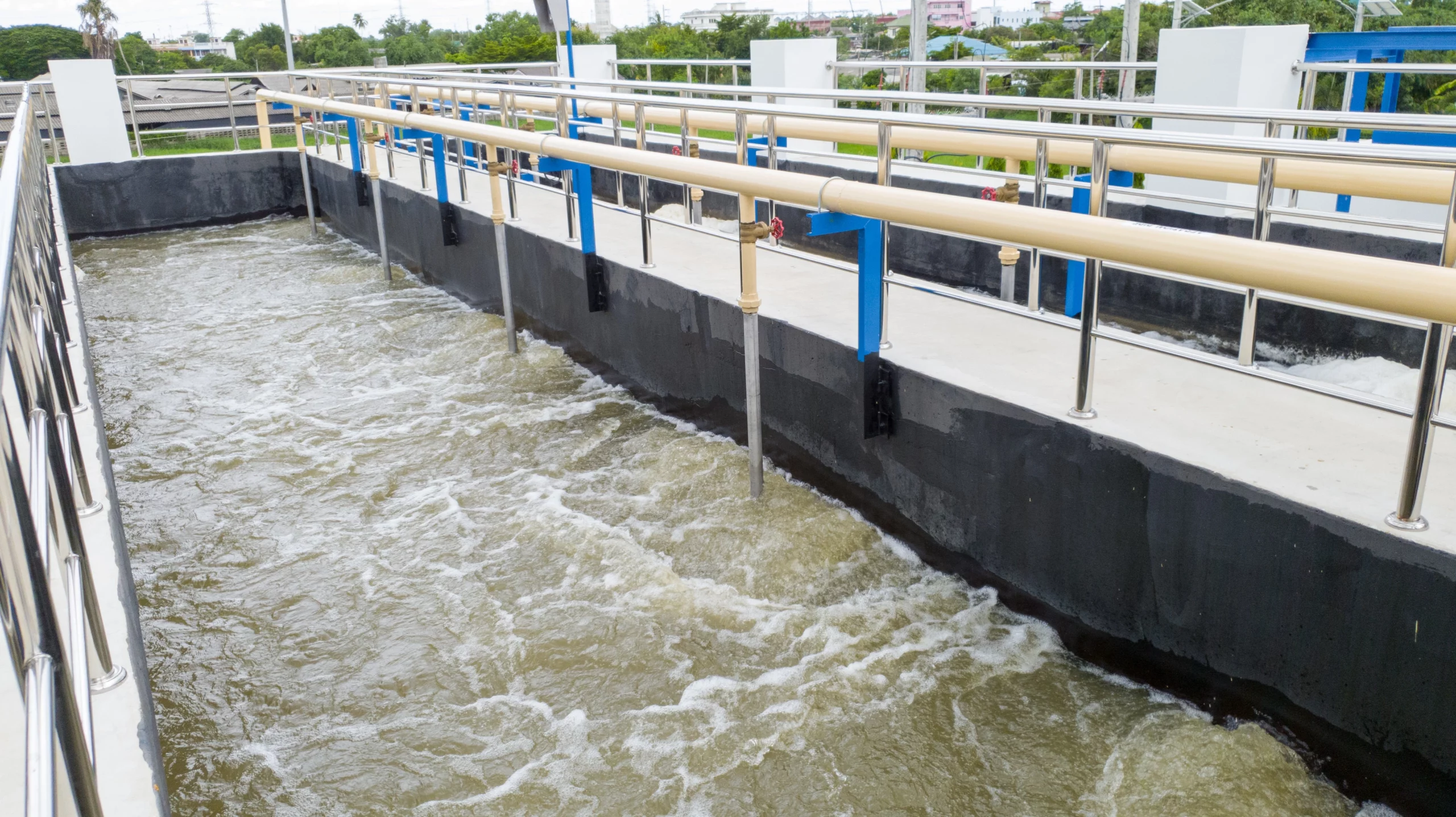
CEMR urges a proportionate, flexible and locally tailored approach to EU waste water reforms 


As the European Commission advances its revision of the Urban Waste Water Treatment Directive (UWWTD), the Council of European Municipalities and Regions (CEMR) welcomes the opportunity to modernise the framework in line with the Green Deal and today’s environmental challenges. 

However, CEMR stresses that a one-size-fits-all approach will not work. Instead, the revised directive must reflect the diversity of local conditions, be rooted in risk-based assessments, and align with the subsidiarity principle, allowing national and local authorities to tailor implementation to their context. 

Key concerns raised by CEMR include: 

  • Proportionality and impact: Efforts should focus where they matter most, on larger treatment plants and high-risk areas, rather than extending rigid requirements to small agglomerations or individual systems, which often pose far lower environmental risk. 
  • Stormwater overflows and urban runoff: These should be managed through a coordinated, risk-based approach under existing national plans and the Water Framework Directive, avoiding duplication and overregulation. 
  • Nutrient removal: CEMR supports stricter phosphorus thresholds in sensitive areas and encourages phosphorus recovery but calls for flexibility on nitrogen removal in colder climates where existing targets are technically or economically unfeasible. 
  • Circular economy: The revision should promote pollution prevention at source, enforce the polluter pays principle, and support raw material recovery and energy efficiency across the waste water chain. 

CEMR also calls for coherence across EU legislation, including alignment with the Water Framework Directive, and clear, proportionate reporting obligations for local and regional governments. 

Local best practice: inspiration from the Netherlands 

CEMR highlights Dutch municipalities as a model of innovation in tackling stormwater overflows and integrating water management into urban design. The “water square” in Rotterdam, for example, combines stormwater buffering with vibrant public space, showing how smart spatial planning can enhance both environmental outcomes and quality of life. 

In short, the revision of the UWWTD is a vital opportunity, but success will depend on flexibility, local knowledge, and a commitment to cost-effective, risk-based solutions

Read the full position paper 

For more information, contact: 

Empowering local climate action

Renewable Energy - News Section

CEMR’s Joint Response to the EU Energy Efficiency and Renewable Energy Directive Reviews


The Council of European Municipalities and Regions (CEMR) submitted a joint response to the European Commission’s consultations on the Energy Efficiency Directive (EED) and the Renewable Energy Directive (RED) in early 2021. This contribution reflects CEMR’s deep commitment to achieving climate neutrality by 2050 while safeguarding the role and autonomy of local and regional governments (LRGs).

CEMR supports ambitious climate targets at the EU level, with a focus on greenhouse gas (GHG) reduction. However, it argues that targets for energy efficiency and renewable energy should remain indicative at the national level, respecting the subsidiarity principle and local conditions. The organisation firmly opposes EU obligations that impose rigid requirements on LRGs, particularly concerning building renovations, public procurement, and energy planning.

A key concern is the extension of renovation obligations for public buildings to LRGs. CEMR highlights that such mandates overlook the economic realities, building uses, and planning capacities at the local level, and may burden communities with higher costs and social impacts. Instead, it advocates for flexible, cost-effective approaches tailored to local and regional contexts, supported by adequate funding, technical assistance, and capacity-building.

CEMR also calls for a technology-neutral approach to energy policy, where different forms of renewable and low-carbon energy, whether on-site, from the grid, or district heating, are treated equally. It stresses that regulations should reflect GHG savings and sustainability from a life-cycle perspective, not just the type or source of energy.

The response urges the Commission to recognise the central role of LRGs in the energy transition. This means involving them directly in National Energy and Climate Plans (NECPs), ensuring multi-level governance, and avoiding overregulation that could stifle local innovation and initiative.

In short, CEMR’s response is a strong call for an EU climate framework that is ambitious, but also realistic, inclusive, and enabling, one that empowers cities and regions to lead in achieving a just and effective energy transition.

Full the joint response here

For more information, contact: