War on Ukraine first declaration

European local and regional leaders reaffirm solidarity with Ukraine and call for peace, justice, and reconstruction.


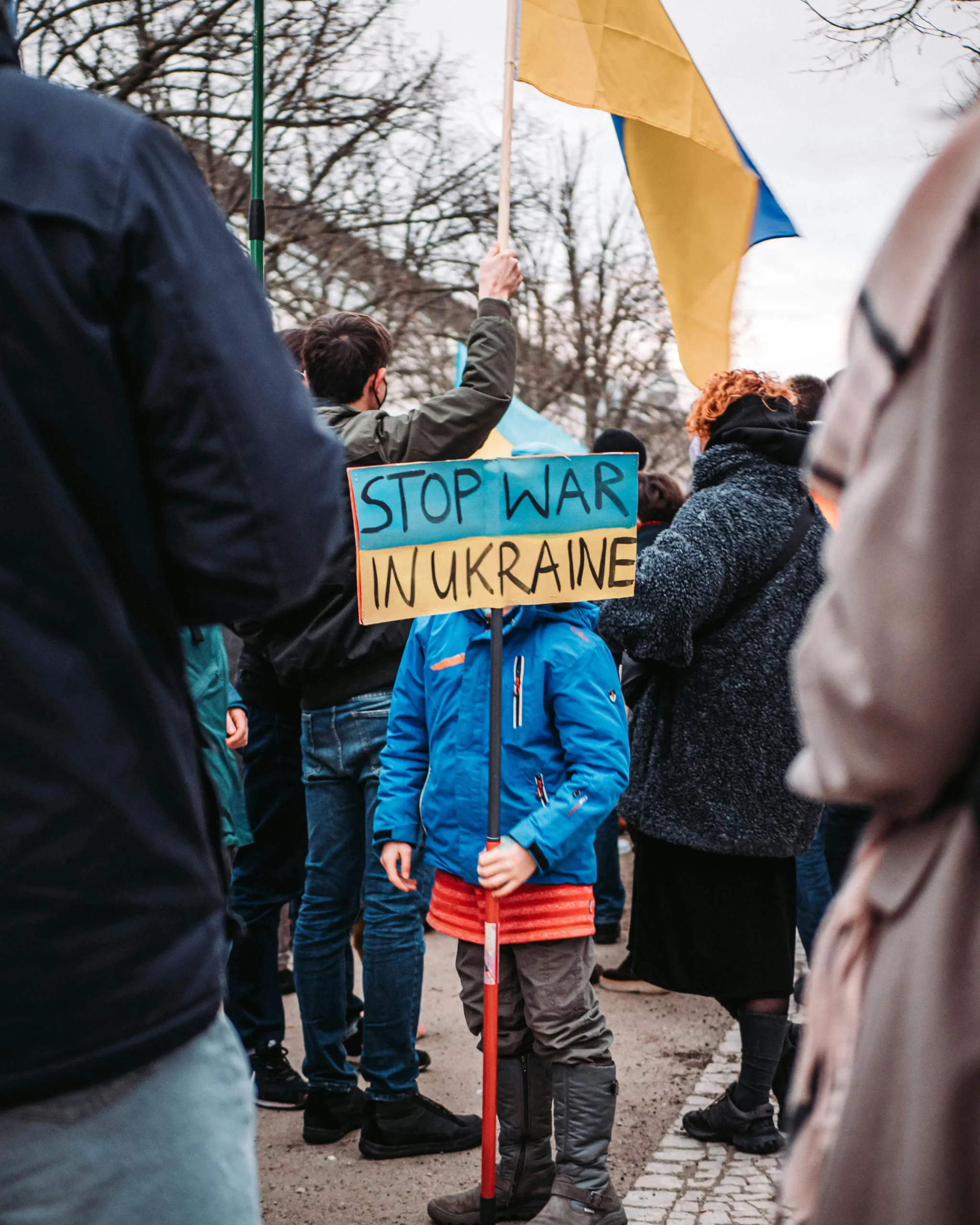
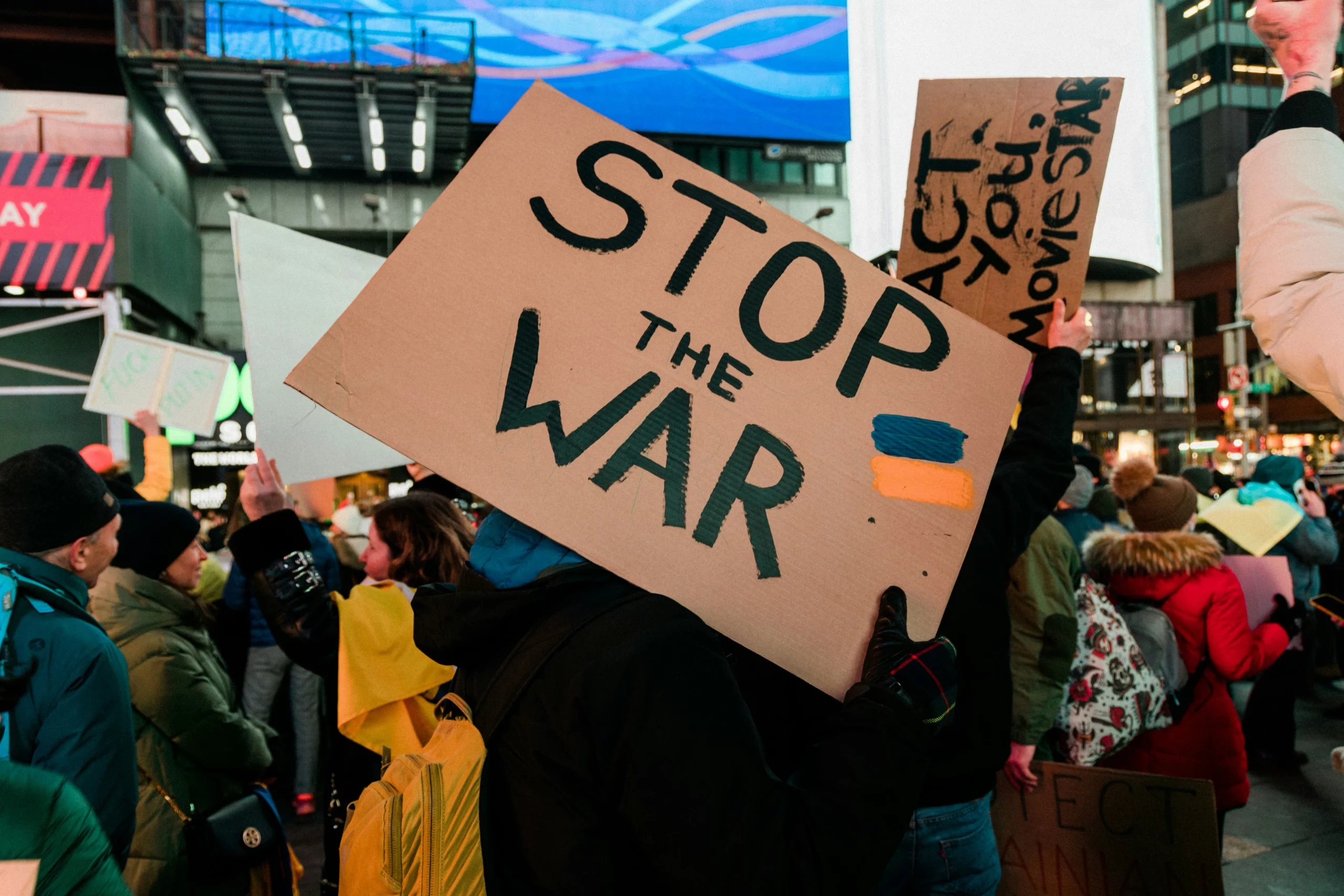
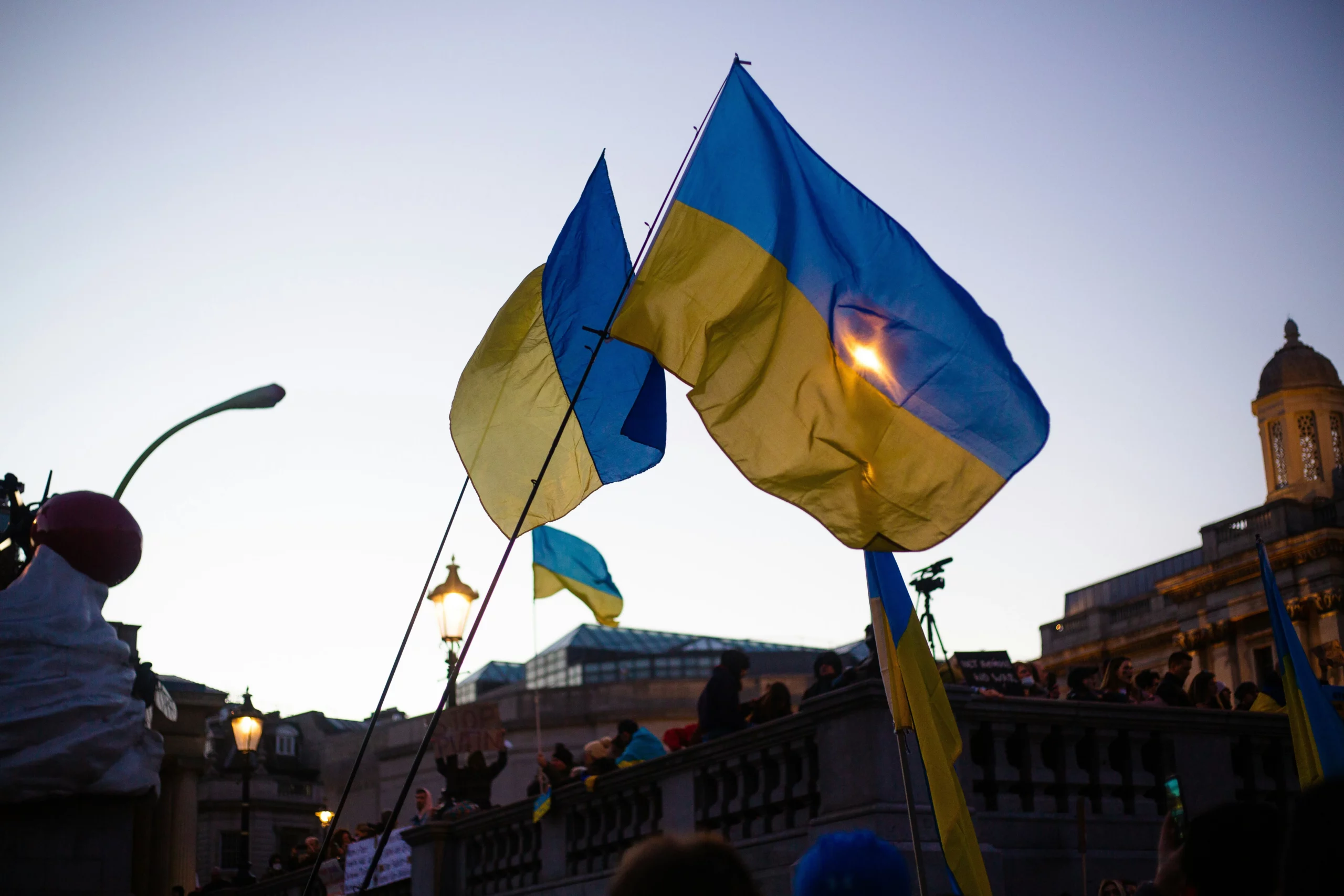
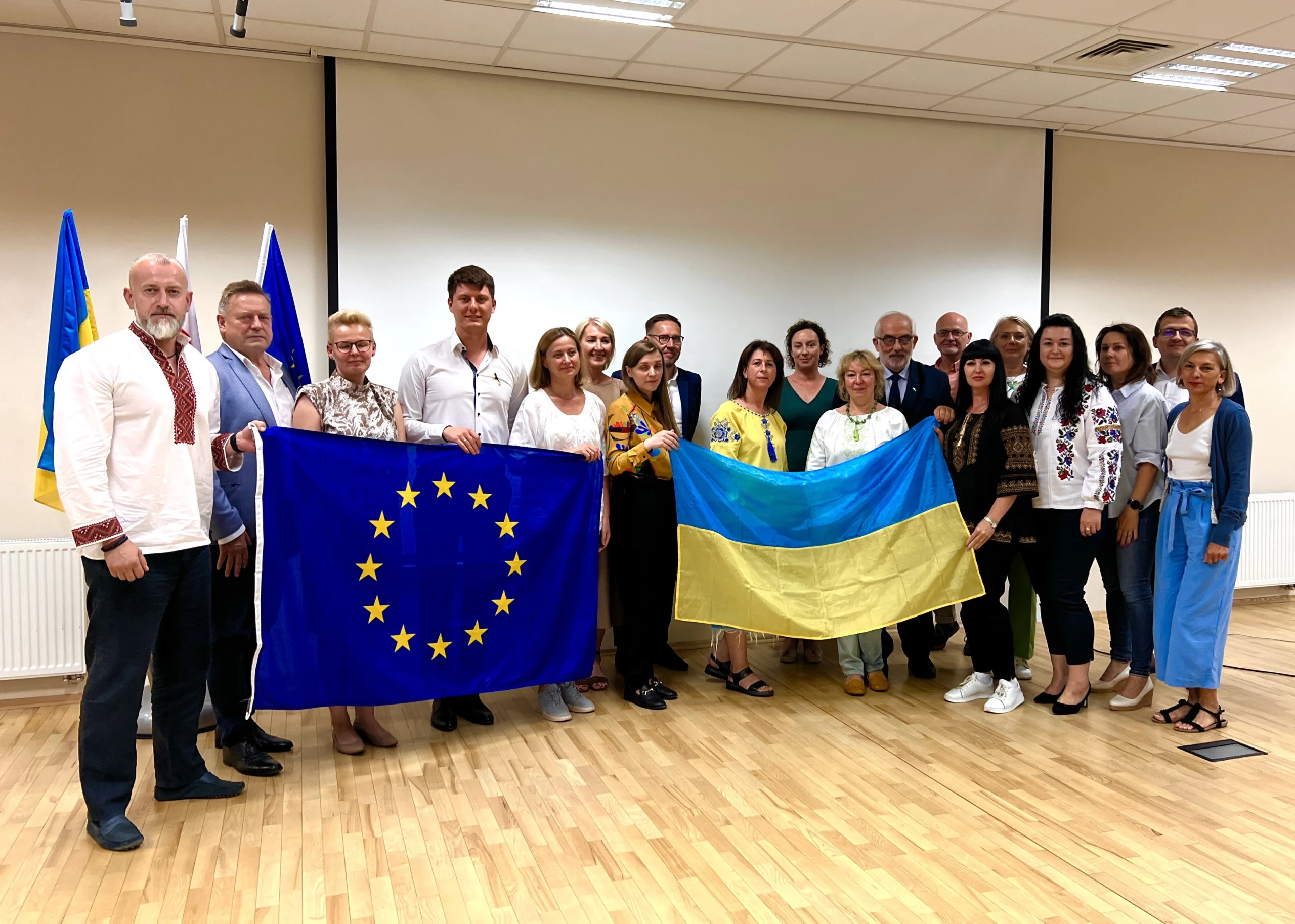
On the first anniversary of Russia’s full-scale invasion of Ukraine, local and regional leaders across Europe renew their strongest support for Ukraine, its people, and its democratic institutions. 

Condemning Aggression 
The war has brought devastation to civilians, elected representatives, and essential infrastructure. The abduction of Ukrainian mayors and the ongoing detention of five of them highlight the assault on democracy and the rule of law. These acts are condemned in the strongest terms, with urgent calls for the immediate release of the detained leaders. 

Solidarity and Support 

Local and regional governments across Europe stand firmly by Ukraine. Partnerships such as the Bridges of Trust project, the Eastern Partnership programme, and the European Alliance of Cities and Regions for the Reconstruction of Ukraine are mobilising resources, expertise, and cooperation. These initiatives are not only helping communities recover but also preparing Ukraine for its future as a full member of the European Union. 

Shared Values 
This declaration is a reminder that Europe’s foundations rest on peace, democracy, and respect for international law. As the war continues, European leaders join the international community in reaffirming Ukraine’s sovereignty and territorial integrity, and in urging the Russian Federation to end its illegal war. 

A year into this unjustified conflict, the commitment of Europe’s municipalities, cities, and regions is unwavering: to stand with Ukraine, to defend shared values, and to contribute to rebuilding a peaceful, democratic future. 

Read the declaration here 

For more information, contact: 

Release of Ukrainian Mayors

Mayors in Ukraine - News 2023

CEMR stands behind Ukraine and calls for the release of captured mayors


On the occasion of the one-year anniversary of the beginning of the Russian aggression in Ukraine, the Council of European Cities and Regions (CEMR) demands the release of five abducted Ukrainian mayors. 

In a statement released by CEMR’s Secretariat, the CEMR president Gunn Marit Helgesen strongly condemns the violation of Ukraine’s sovereignty: “One year after Russia’s full-scale invasion of Ukraine, let me reiterate my steadfast support for our Ukrainian peers, especially for the detained local leaders.” 

Gunn Marit Helgesen reminds us of the abduction of Ukrainian local government representatives: “Over the past year, 35 Ukrainian mayors have been abducted and five are still being held by Russian forces. Targeting local elected representatives is an attack on the very foundations of our Europe, a Europe rooted in respect for the rule of law and freedom. There can be no free Europe without a free Ukraine”.

In light of the anniversary, CEMR also released a declaration (ENFRUA) reiterating its full support of Ukraine and its people. The organisation denounces the violence targeting innocent civilians, but also the local and regional elected representatives that are being held captive: “We reaffirm our full commitment to supporting the Ukrainian people and local and regional elected representatives in their path to victory and reconstruction.” CEMR therefore joins the international community that firmly supports the sovereignty and territorial integrity of Ukraine and calls upon the Russian Federation to stop its illegal war.

Financial and humanitarian help

In the last year, CEMR and other partner organisations have continuously shown their support for Ukraine. To do so, they have taken many actions. Amongst them is the mobilisation of humanitarian aid. One of the partner organisations, the Association of Towns and Communities of Slovakia (ZMOS) allocated €50,000 in humanitarian aid. ZMOS also sent thousands of packages of various medical supplies, such as bandages, plasters, gauze compresses, and disinfectants, as well as thousands of packages of personal hygiene kits and emergency sleeping bags.

Other members of CEMR, municipalities and regions, Non-Governmental Organisations, and citizens have offered their financial help, too. One of the smallest municipalities in Estonia, the municipality of Tõrva, transferred €10,000 from its local budget and collected more than €2,000 euros from citizens to support their twin city in Ukraine – Baranivka. 

Welcoming refugees

The municipalities also helped by taking in refugees from war-torn Ukraine. CEMR and European municipalities and regions have coordinated their efforts to assist them as effectively as possible. Providing housing, opening schools to Ukrainian children, navigating the administrative processes and teaching the refugees new languages proved to be essential. 

The city of Tbilisi made public transport free for all Ukrainian citizens, along with all municipal services and cultural, sports and educational centres. In addition, the municipality organised a blood donation campaign. 

Helpful initiatives and partnerships 

Showing support by maintaining existing partnerships and creating new ones was another step taken by some European municipalities. Within the Bridges of Trust initiative, the district municipality of Ukmergė in Lithuania signed a partnership agreement with the Ukrainian Korosten municipality to strengthen their relationship.

The mayor of Korosten Volodymyr Moskalenko praised the partnership: “Each of our conversations comes down to the question ‘How can we help you?’” According to him, “the city has found true friends”. 

What about the future? 

Because the Russian attack has left many Ukrainian cities in ruins, reconstruction is going to be key in the coming years. Some efforts are already underway, but as most of them are organised on a regional level, CEMR is asking its members for support and further help for Ukraine. 

By fully supporting CEMR’s flagship partnership initiative with Ukrainian municipalities that are currently implemented with the support of the U-Lead with Europe programme, other local associations can help with the rebuilding process in Ukraine and further develop international cooperation at the municipal level.

Global Goals for Cities network for sustainability and development

RFSC - News 2022

It’s finished! The Global Goals for Cities pilot network is complete!


Across Europe, the 19 cities in the network visited each other, learned from each other and developed their integrated action plans together, to better implement the Sustainable Development Goals in their strategic urban planning.

To ensure the achievement of the 2030 Agenda and the 17 goals it sets, cities are key players. With more sustainable cities, we can ensure a better planet. This is why URBACT and CEMR supported the creation of the Global Goals for Cities pilot network, aiming to accelerate progress towards achieving the Sustainable Development Goals. In this network, 19 cities were selected and showed their commitment to localizing the SDGs.

Our 19 cities also organised or participated in national and international events to present and share their experience and results.

To better understand how cities contribute to the SDGs, cities used the Sustainable Cities Reference Framework among other URBACT tools, allowing them to analyse gaps and priorities in their local strategies, identify the best actions to progress on the selected objectives and thus help build their integrated action plans and integrate the SDGs into their long-term urban strategies.

Finally, the network has developed a learning toolkit on the Global Goals for Cities*, available online, so that cities can better locate and implement the SDGs in their local strategies.

IncluCities

IncluCities - News 2023

Better communication makes inclusion a reality in Fuenlabrada


If you have ever been a newcomer to another city, you might know how important and difficult it is to find your way in the first weeks. Clear answers regarding administrative issues, housing or work are usually not accessible. And it’s often equally complicated to start building social ties. In Fuenlabrada, Spain, this issue has been tackled effectively – and digitally! Indeed, the municipality created an online platform called “Fuenlabrada Global” where migrants can make friends, learn languages and become a part of the community.

By taking part in the IncluCities project, the municipality of Fuenlabrada was able to evaluate its existing practices in migrant integration and identify some gaps. The first challenge was to understand how to reach the right audience. After careful evaluation, the main obstacle appeared to be the language. The beneficiaries’ needs in the first phase of integration have also been analysed; access to a health card, registration, housing and schooling were identified as the main priorities.

To solve these issues, the municipality found creative solutions. The new subpage “Fuenlabrada Global” now offers basic information for newcomers in 5 additional languages: English, French, Arabic, Romanian and French. In addition, a bot is available to answer the most frequently asked questions such as where to enrol in the school year, how to obtain a health card or where to report cases of gender violence. It is an effective way to ensure better communication with the user.

Another improvement is the inclusion of maps with contact information; these maps make it easier to find the location of the services available to migrants. Finally, intersectionality is taken into account; indeed, associations helping victims of gender-based violence or providing LGTBI+ people with support and counselling are also mentioned.

The best practices learned through the IncluCities project have allowed the municipality to take concrete steps in making information and services more accessible to its beneficiaries. Check the new and improved “Fuenlabrada Global” webpage to learn more about this inclusive and user-friendly strategy.

Call for Tender

Bridges of Trust Branding - News 2024

Looking for external expertise to develop partnerships in France and Spain


CEMR is looking for an external expert external expertise to create and develop partnerships between Ukrainian municipalities and local governments in France and Spain.

Deadline to apply: 07 March 2023

For more information, have a look at our call for tender.

Youth Matters

Youth Matters - News 2022

Youth Matters: A Step-by-Step Booklet for Building a Strong Youth Council


Youth councils enable young people to better understand democracy and take an active part in it. Unfortunately, many cities do not have a long tradition in this area and may even struggle to create and operate a youth council. Therefore, the Norwegian Directorate for Children, Youth and Family Affairs (Bufdir) and the Association of Local and Regional Authorities (KS) decided to jointly organize a workshop for young counsellors and, from this, to create a brochure for an almost “turnkey” youth council.
The youth councils of Karasjok, Alta and Hammerfest came together in the summer of 2022 to learn more about how to organize effectively, train their recruits and participate more actively in local governments.
The organisers felt it was important to exchange their different experiences so as not to have to start from scratch. Bufdir decided to focus on the participation of young people in public affairs because this is enshrined in the rights of the child and Article 104 of the Norwegian Constitution.


Don’t neglect young people
The workshop received the approval of Karasjok Deputy Mayor John Nystad. He emphasizes the importance of having a youth council in his municipality and hopes to cooperate more with young people in his municipality in the future. Mr Nystad believes that for young people’s wishes to become reality, local politicians must fully support them. The main thing is not to neglect issues that concern young people, he thinks.
During the workshop, the youth councillors shared their knowledge and exchanged advice on how to run a youth council. They advised speaking up more, contacting public administrators, following the calendar of political meetings in their municipality, and cooperating with “adult” politicians.
They also reminded us not to forget diversity and representativeness when it comes to recruiting new committed members. As Deputy Mayor Nystad said, everyone has the right to express themselves. Therefore, raising issues cooperatively with other residents keeps everyone better satisfied.

We never stop learning

Henriette Alexandra Mielonen, a member of the newly established youth council in Karasjok, expressed her satisfaction with the workshop: “It was informative.” She acknowledges that they didn’t know much about running a board before, but meeting more experienced members from other organisations helped them enormously.
“It’s always helpful to understand how others approach work,” she says; it was the old Alta council that gave them a lot of ideas. “We didn’t know we could contact the media if we were unhappy,” she adds.
But as Ms Mielonen reminds us, we never stop learning. This is why the Association of Local and Regional Authorities (KS) has produced a new brochure summarizing the learnings from the workshop. They think this brochure could help other youth councils and make their experience easier.


The brochure is available in Norwegian and English.

Bridges of Trust – Ukraine

How will the “Bridges of Trust” help rebuild 30 Ukrainian municipalities affected by the Russian war?


On 15 February 2023, the Council of European Municipalities and Regions (CEMR) together with the Association of Ukrainian Cities (AUC) and with the support of the U-LEAD with Europe programme (U-LEAD) presented a new phase of the “Bridges of Trust” initiative. It will run until September 2023 with 10 CEMR member associations of local and regional governments from the EU member states facilitating 30 new municipal partnerships for the reconstruction of Ukraine. During the online meeting, speakers from the European Committee of the Regions, the EU Delegation to Ukraine, CEMR, AUC and U-LEAD discussed the importance of the “Bridges of Trust” initiative as a tool to rebuild Ukrainian municipalities and a new format of international cooperation between local governments in Ukraine and the EU. 

Municipal partnerships are a way to provide concrete actions of help and support, show solidarity and build back better together. The representative of the EU Delegation to Ukraine, Mr. Tomasz Ostropolski, stated: “Such an initiative has high-level support and visibility from the European Commission and Ukraine’s top officials. Therefore, it is important for us to transfer political ideas into practice in order to contribute to local and regional cooperation between EU and Ukrainian municipalities.”

Ms. Darja Gontsarova-Parvulescu, from the European Committee of the Regions, who represents theEuropean Alliance of Cities and Regions for the Reconstruction of Ukraine emphasised: “We consider that these direct bilateral exchanges between Ukrainian and European municipalities in the framework of the Bridges of Trust initiative have a lot of impacts on the upcoming process of reconstruction of Ukraine.”

“Links of exchange and cooperation between municipalities are a driving force in the growth and development of the communities and of Europe as a whole. Bridges of Trust initiative represents an innovative and driven approach to the international cooperation in modern Europe and is a strategic priority for CEMR – noted Mr.Fabrizio RossiCEMR Secretary General.

Executive Director of theAssociation of Ukrainian CitiesMr.Oleksandr Slobozhan, expressed gratitude to the European partners for their cooperation and support of Ukrainian hromadas during the war and emphasized: The work on establishing effective partnerships between municipalities is very significant for Ukraine’s European integration in the future. Therefore, the Bridges of Trust initiative makes a significant contribution to Ukraine’s European perspective.”

In particular, Mr.Bastian VeigelGIZ Program Director, U-LEAD with Europe, noted that: Our common aim is to connect municipalities and identify interest in fostering cooperation ultimately promoting economic development from both sides.”

During the event, the representatives of the associations of local and regional governments presented ways in which they will contribute to the main goal of the initiative – reconstruction of Ukraine. It is planned that in each of the participating countries 3 small or medium sized municipalities will be selected and matched with similar Ukrainian municipalities. The representatives of partner local governments from Ukraine and the EU will therefore exchange best practices, conduct internships and study visits, organize events and develop projects with the focus on the reconstruction of Ukrainian municipalities.

The participants of the event also emphasized the need to strengthen municipal ties between the EU and Ukraine and expressed their support for the people of Ukraine, who continue to fight for their freedom and the European way of life.

Bridges of Trust Initiative

Mayors in Ukraine - News 2023

“Bridges of Trust” will help rebuild 30 Ukrainian municipalities affected by the Russian war


On 15 February 2023, the “Bridges of Trust” initiative kicked off its second phase with a hybrid event in Brussels. Until September 2023, 10 associations of local and regional governments from the EU member states will facilitate 30 new municipal partnerships for the reconstruction of Ukraine. The initiative is supported by the Council of European Municipalities and Regions (CEMR), the Association of Ukrainian Cities (AUC) and U-Lead.
 
For more information on this event, read the press release.

Conference on local solutions for a global crisis

Covenant of Mayors Event - News 2023

“Cities on the frontline of the energy crisis”: A conference to bring local solutions to light


With the rising prices of energy, the majority of the world felt the consequences of the Russian aggression in Ukraine. The local authorities especially have been the first in line to deal with the crisis. To reflect on that matter, the Covenant of Mayors will organise a conference.

Cities on the frontline of the energy crisis” will be held in the heart of the European district in Brussels on the 30th of March. The goal of the event is to gather the cities and their representatives to discuss how their efforts in changing the energy infrastructure can help in the future. Investing more in green and local energy might be crucial, especially in the light of the climate change.

Local solutions to a global crisis
So far, it has been the households and small and medium businesses that have suffered the most from the energy crisis. The rising prices and inflation have significantly impacted their way of living. However, moving from overconsumption towards a more sustainable future not only battles the ecological problems but is also a way to show support to Ukraine. Getting rid of dependence on Russian gas has been the main target of many leaders in coordination with the REPowerEU Plan.

Because the mayors and their local governments are the closest to the citizens, the Conference of the Covenant of Mayors 2023 will give these authorities the opportunity to proudly display their responses to current events. At the same time, it will offer a chance to reflect on what the European institutions and national governments can do to help the people more. 

The future of European energy
Those participating in the event can expect to meet and chat with high-level representatives from European cities and their institutions. Among those who have confirmed their attendance is the Executive Vice-President of the European Commission Frans Timmermans and the EU Commissioner for Energy Kadri Simson. They will talk about how European institutions and state governments can assist local and regional attempts to reduce Russian gas dependency and energy consumption in the future.

Mayors and representatives of several European cities will join the moderated panel discussions on the agenda. The focus will be on the challenges the local authorities had to encounter, energy savings in the context of REPowerEU, and reflections on the first winter since the beginning of the energy crisis. The government representatives will also discuss their (immediate) reactions towards the crisis, the measures they have implemented, their impact on citizens and, most importantly: What can be done next.

Register for the conference before March 23rd here.