Local leaders at the World Urban Forum

WuF 2024 - News

World Urban Forum 12 in Cairo: Local governments driving sustainable urban transformation 


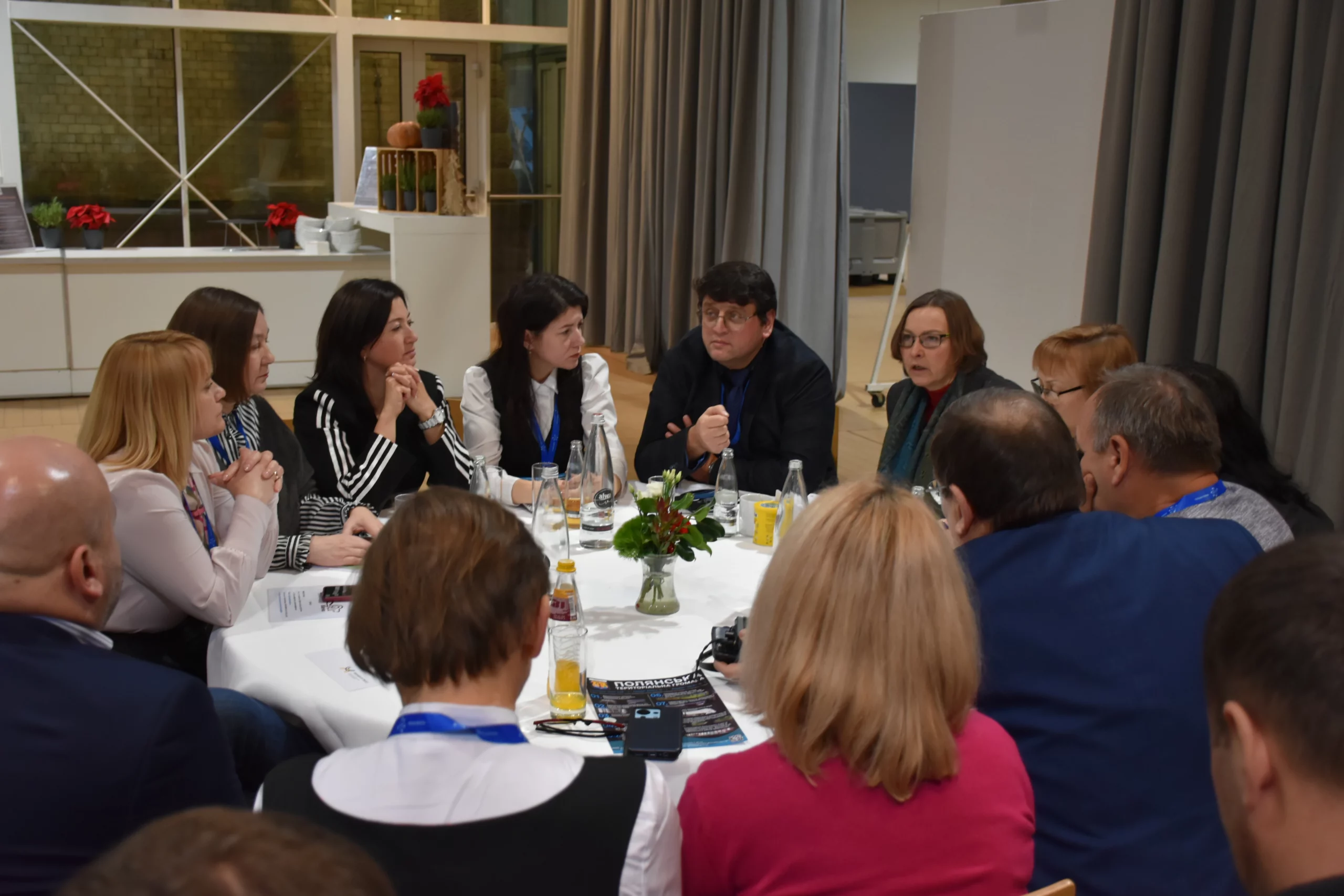
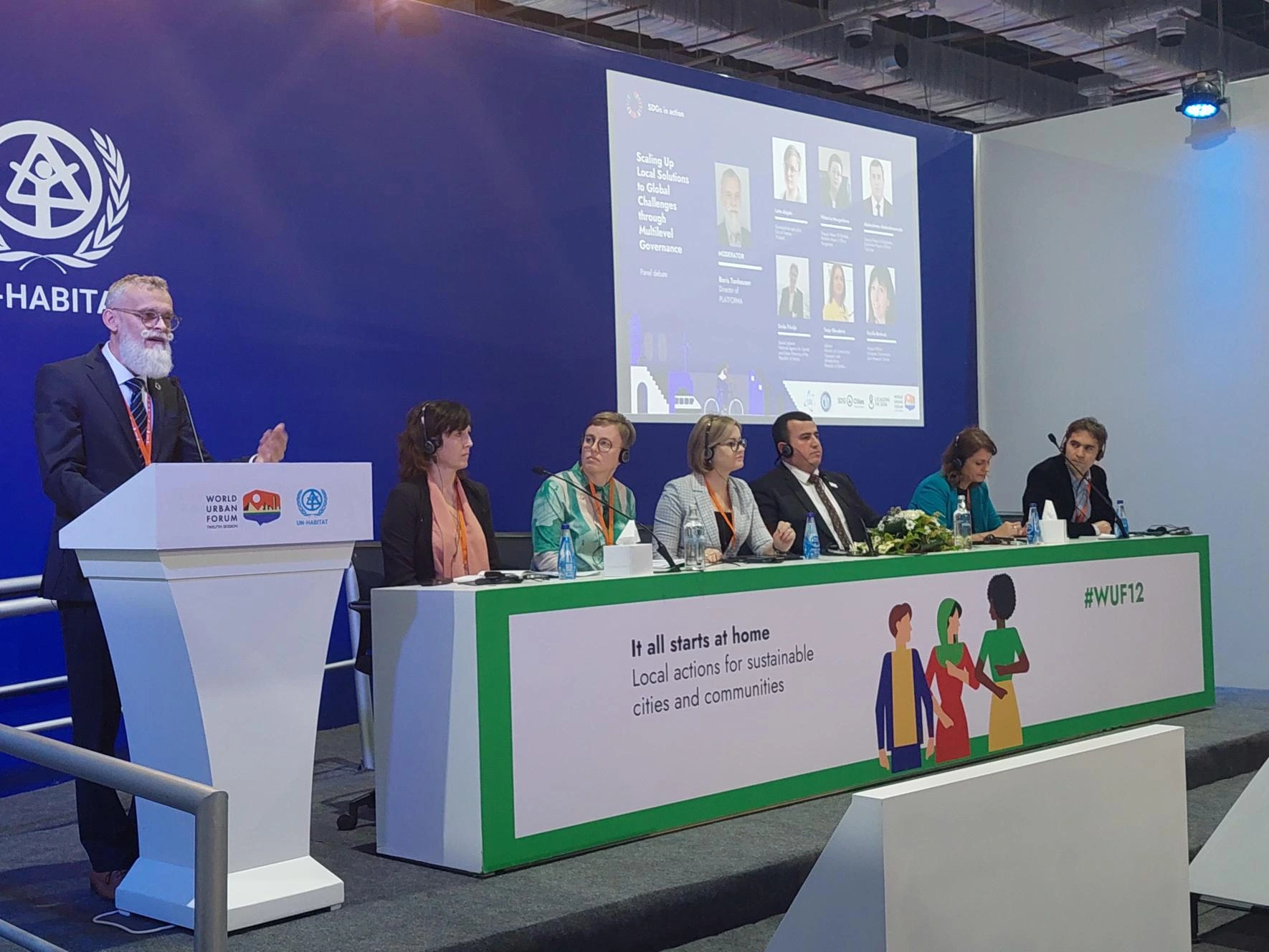
At the 12th World Urban Forum in Cairo, CEMR’s session brought together representatives from cities such as Tbilisi, Bishkek, Dushanbe, Niš and Vantaa, to share their experiences in advancing sustainable urban development through Voluntary Local Reviews (VLRs). These exchanges underscored the vital role of local governments in translating the Sustainable Development Goals (SDGs) into actionable strategies that deliver tangible results. 

Co-hosted with UN-Habitat, the city of Tbilisi, the Reference Framework for Sustainable Cities (RFSC), and the European Commission Joint Research Centre (JRC), the session showcased examples of the new generation of action oriented VLRs, innovative tools like the RFSC’s self-assessment platform and EC JRC’s analysis of VLRs published to date. These resources empower cities to align their urban strategies with the SDGs and measure progress with precision. 

Moderated by Boris Tonhauser, Director of PLATFORMA, the discussions explored how VLRs enable cities to address pressing challenges, including water management, air pollution, and data gaps while enhancing their strategies through citizen engagement and evidence-based decision-making. By leveraging these tools and processes, cities are not only refining their local plans but also contributing to broader global goals with concrete actions. 

The session highlighted the essential role of multilevel governance and cross-sector innovation in addressing sustainability challenges beyond 2030. Key recommendations included revisiting SDG goals with a bottom-up perspective, prioritising cultural and citizen participation, and strengthening partnerships and support for cities engaged in VLR processes. 

As the 2030 deadline for the SDGs approaches, the discussions reaffirmed the transformative power of local governments to lead global efforts. Through collaboration, peer learning, and the use of practical tools such as the RFSC, CEMR and its partners continue to support resilient, inclusive, and climate-neutral cities.  

WUF12: Over 25,000 participants from 182 countries.  

The 12th World Urban Forum in Cairo set new records, with over 25,000 participants from 182 countries gathering to exchange ideas and solutions under the theme “It All Starts at Home.” The event concluded with the unveiling of the Cairo Call to Action, a document capturing the Forum’s key messages and proposed strategies for addressing urban challenges. By emphasising multilevel governance, citizen engagement, and innovative tools, WUF12 reaffirmed the transformative power of local action in shaping inclusive, resilient, and sustainable cities. As the baton passes to Azerbaijan for WUF13, the momentum from Cairo serves as a powerful reminder of the critical role cities play in tackling global challenges. 
Global Goals for Cities network for sustainability and development

RFSC - News 2022

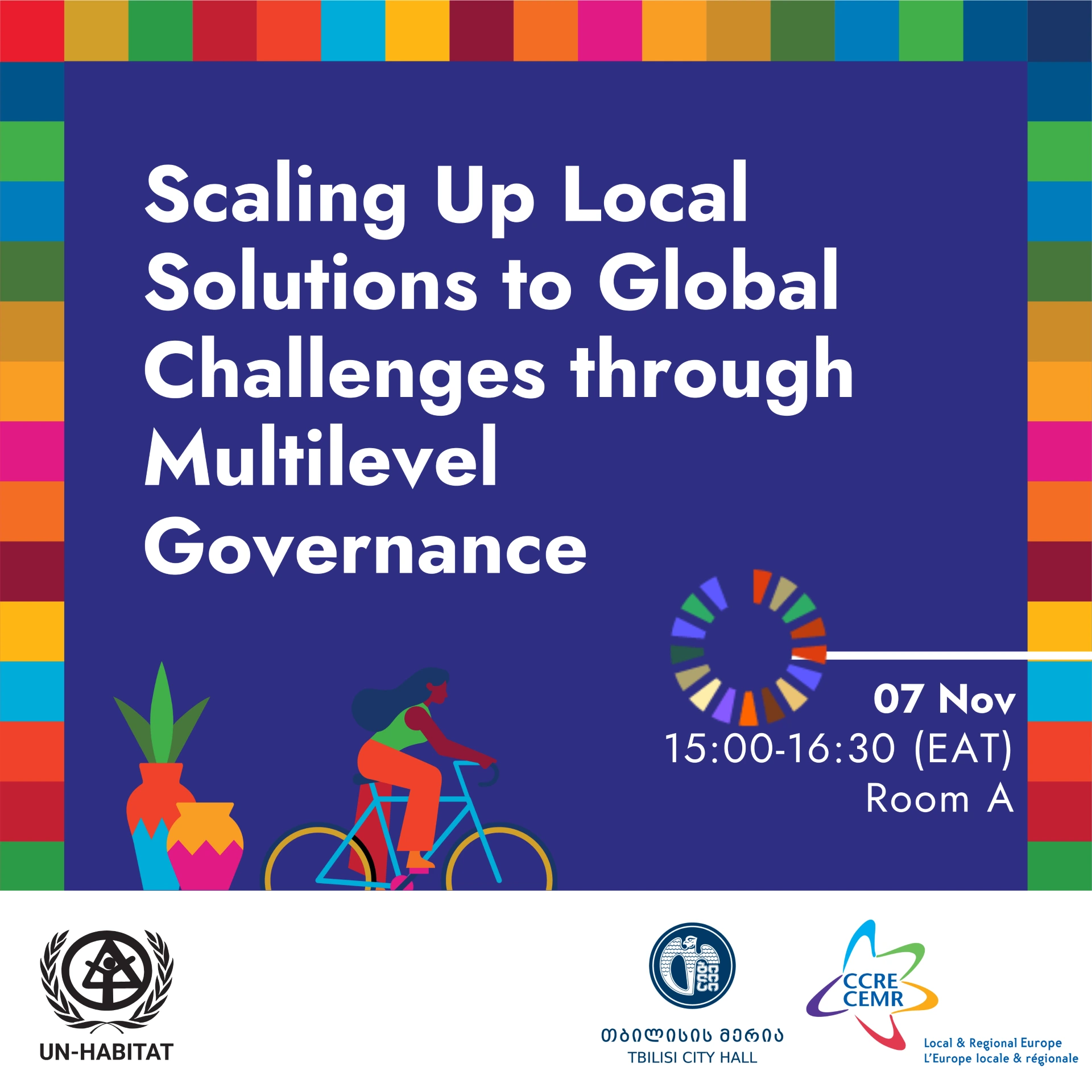
It’s finished! The Global Goals for Cities pilot network is complete!


Across Europe, the 19 cities in the network visited each other, learned from each other and developed their integrated action plans together, to better implement the Sustainable Development Goals in their strategic urban planning.

To ensure the achievement of the 2030 Agenda and the 17 goals it sets, cities are key players. With more sustainable cities, we can ensure a better planet. This is why URBACT and CEMR supported the creation of the Global Goals for Cities pilot network, aiming to accelerate progress towards achieving the Sustainable Development Goals. In this network, 19 cities were selected and showed their commitment to localizing the SDGs.

Our 19 cities also organised or participated in national and international events to present and share their experience and results.

To better understand how cities contribute to the SDGs, cities used the Sustainable Cities Reference Framework among other URBACT tools, allowing them to analyse gaps and priorities in their local strategies, identify the best actions to progress on the selected objectives and thus help build their integrated action plans and integrate the SDGs into their long-term urban strategies.

Finally, the network has developed a learning toolkit on the Global Goals for Cities*, available online, so that cities can better locate and implement the SDGs in their local strategies.

CEMR projects overview  

CEMR’s externally funded projects foster cooperation, innovation, and sustainability across Europe 


Through its externally funded activities, the Council of European Municipalities and Regions (CEMR) brings local and regional leaders together to exchange ideas, test solutions, and build stronger communities. These projects are more than initiatives: they are platforms where municipalities and regions collaborate on Europe’s most pressing challenges, from climate action to equality, from digitalisation to democratic participation. 

Overview of Projects 
CEMR’s portfolio of externally funded projects reflects its commitment to innovation, sustainability, and inclusion: 

  • Reference Framework for Sustainable Cities (RFSC) – Supporting sustainable cities with a practical tool to plan and assess policies. 
  • IncluCities – Advancing migrant integration through peer learning among municipalities. 
  • Circular Cities and Regions Initiative (CCRI) – Driving circular economy solutions for cities and regions. 
  • Green City Accord – Helping European cities commit to ambitious environmental goals. 
  • Covenant of Mayors – Uniting local leaders in climate and energy action. 
  • PLATFORMA – Strengthening international partnerships and decentralised cooperation. 
  • Bridges of Trust – Building ties between Ukrainian and European municipalities. 
  • EPSU (Local Digital) – Supporting local administrations in navigating digital transitions. 
  • EPSU (Third-Party Violence) – Tackling violence against public service workers. 
  • Go.Li.EU – Promoting youth engagement and European citizenship. 

Together, these projects illustrate how CEMR channels external resources into meaningful action. By bridging local realities with European priorities, they not only empower municipalities and regions but also shape a more sustainable, inclusive, and resilient future for all. 

Read the study here 

For more information, contact: 

Residents service points to improve access to public services

Poland services - News 2022

In Rzeszow (Poland), resident service points as a tool for improving residents’ access to public services


In Poland, the city of Rzeszow set up four Residents Services Points (RSPs) in 2011. Easily attainable in shopping malls that have widespread parking capacities and are accessible to people with disabilities, RSPs intend to boost the approachability and provision of public services. In these RSPs, citizens can, for example, receive their ID cards and driving licenses, register their cars or inform themselves about local events.

The creation of RSPs was based on a participatory approach. In a survey, residents indicated their needs and expectations for such service. Once the first RSP was launched, satisfaction surveys were conducted to improve its functioning.

RSPs largely gained in popularity over the years. As such, in 2013, 20,000 cases were handled in the RSPs. In 2016, the number of administrated cases totalled 50,000. This can be explained by the high level of satisfaction of users due, among others, to the extended working time of the office, the greater availability of civil servants, the ability to handle many official topics in one dedicated place and the possibility to visit the RSPs on one’s way to everyday activities.

To learn more about this and other local best practices, check out the website of URBACT, the European territorial cooperation programme which aims to promote sustainable integrated urban development in cities all over Europe.

Since 2021, the RFSC tool is used by cities and partners of the “Global Goals for Cities” URBACT network, supporting the localisation of the SDGs across 19 European cities.

Smart city strategy in Heraklion to tackle urban challenges

Smart Cities - News Section

Heraklion in Greece is implementing smart city practices through interdisciplinary cooperation


The municipality of Heraklion in Greece elaborated a strategic plan among which one pillar is “Heraklion: Smart City”. This smart city strategy aims at fully achieving the potential of the city’s resources while consolidating domains in which the city has been lacking.

Heraklion’s Smart City Strategy was built using a durable and integrated approach in order to sustainably tackle urban challenges. As such, the city participates in the Covenant of Mayors for Climate and Energy. Heraklion also released its Sustainable Urban Development Plan. Approved by the city council and ratified by the Regional Government of Crete, this Plan is a project worth 14 million euros of European funding to provide for long-term sustainable urban design and development.

According to a study by the European Parliament “Mapping Smart Cities in the EU,” Heraklion performs well in three smart city axes: governance, economy and citizen participation. This contributed to a holistic approach with solutions positively affecting all stakeholders: individual citizens, businesses, communities and the whole city.

“Heraklion: Smart City” made a significant difference in the day-to-day organisation of Heraklion:

  • Broadband infrastructure has reached 100% coverage.
  • Citizens enjoy access to more than 160 e-services via the municipality’s portal.
  • Volunteer groups coordinate community outreach events to help the city.
  • The Dimoskopio, a multidisciplinary organisation whose goal is to promote entrepreneurship and innovation with the intention of improving the economic stability of Heraklion, was created.

To learn more about this and other local best practices, check out the website of URBACT, the European territorial cooperation programme which aims to promote sustainable integrated urban development in cities all over Europe.

Since 2021, the RFSC tool has been used by cities and partners of the “Global Goals for Cities” URBACT network, supporting the localisation of the SDGs across 19 European cities.

Countries share experiences on the implementation of the SDGs

RFSC - News Section

Event UNECE – 7 april


At the occasion of the Regional Forum for Sustainable Development organised by the United Nations Economic Commission for Europe (UNECE) and as part of the Forum of Mayors, an event on the SDG localisation process in cities was held on 7 April.

This event allowed speakers from different bodies and countries to talk about their experiences regarding the implementation of the SDGs, mainly Mrs Sidorova, working at the Metropolitan Institute of Bratislava and Mr Dimitrov, representing the city of Veliki Preslav.

This exchange of good practices showed the usefulness of the Reference Framework for Sustainable Cities (RFSC) for different types of stakeholders, to help them implement the SDGs in their cities, where it might not always be popular.

A new tool to help cities on urban development

RFSC - News

Online event on 7 April – Plan, deliver on and monitor the 2030 Agenda in cities with the RFSC tool


The Reference Framework for Sustainable Cities (RFSC) is a user-friendly online self-assessment tool that helps cities to analyse, design, implement and monitor integrated sustainable urban development strategies and/or projects. Cities can review and assess their priorities in light of European and Global frameworks, and develop a set of actions and a monitoring system linked with the objectives of integrated and sustainable urban development.

Discover or learn more about the RFSC tool in an online event on 7 April from 17:15 to 18:30! This event will introduce the RFSC tool to urban stakeholders and demonstrate its added value to build back better from the COVID-19 crisis. Cities, working on the localisation of the SDGs, and with the RFSC, will share their experience of being partners of an URBACT network: GG4C (Global Goals for Cities).

For more information click here.
To register click here.