Digital Inclusive Future

EPSU CEMR - News

CEMR and EPSU Release New Report on Digital Transformation in Local Governments 


The Council of European Municipalities and Regions (CEMR) and the European Public Services Union (EPSU) are pleased to announce the release of “Local, Social, Digital” – a report examining the impact, opportunities, and challenges of digital transformation across Europe’s Local and Regional governments. Co-financed by the European Commission, the report gathers insights from extensive research and contributions by CEMR and EPSU members across Europe. 

Digitalisation is reshaping public service delivery, enhancing accessibility, efficiency, and adaptability. However, it also presents challenges, from ensuring supportive working conditions and safeguarding privacy to addressing skills gaps. This report highlights both the opportunities and the complexities digitalisation brings, presenting key findings from research, social partner agreements, and project discussions. 

Key areas include: 

  • Teleworking and Remote Work: Outlines best practices to ensure fair working conditions, health, safety, and the right to disconnect. 
  • Digital Skills and Employment: Details agreements that support lifelong learning, equipping municipalities to meet digital demands. 
  • Privacy, Surveillance, and AI: Proposes policies that respect human dignity and privacy as AI becomes more integrated. 
  • Gender Equality: Examines the gendered impact of digitalisation, supporting inclusive strategies for a diverse workforce. 

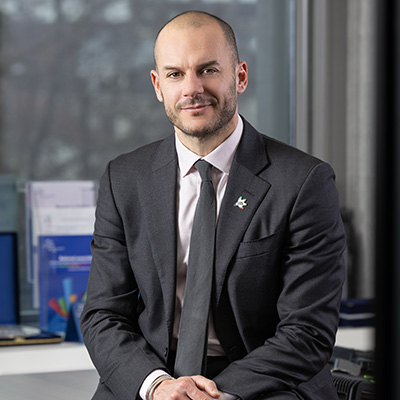
CEMR Secretary General Fabrizio Rossi stated: “These findings underscore the importance of a balanced approach to digitalisation that safeguards workers’ rights while advancing technology. Our members are committed to using digital tools to improve public services, ensuring this transformation aligns with the values and well-being of all employees and citizens.” 

The Local, Social, Digital report is now available for download. The report supports ongoing policy initiatives, fostering collaboration between local governments and public service unions to create a digitally inclusive and socially responsible future. 

Moldova’s path to Europe

Moldova - News 2024

How Local Governments and International Networks Strengthen Moldova’s European Path and why this matters even more after the Referendum 


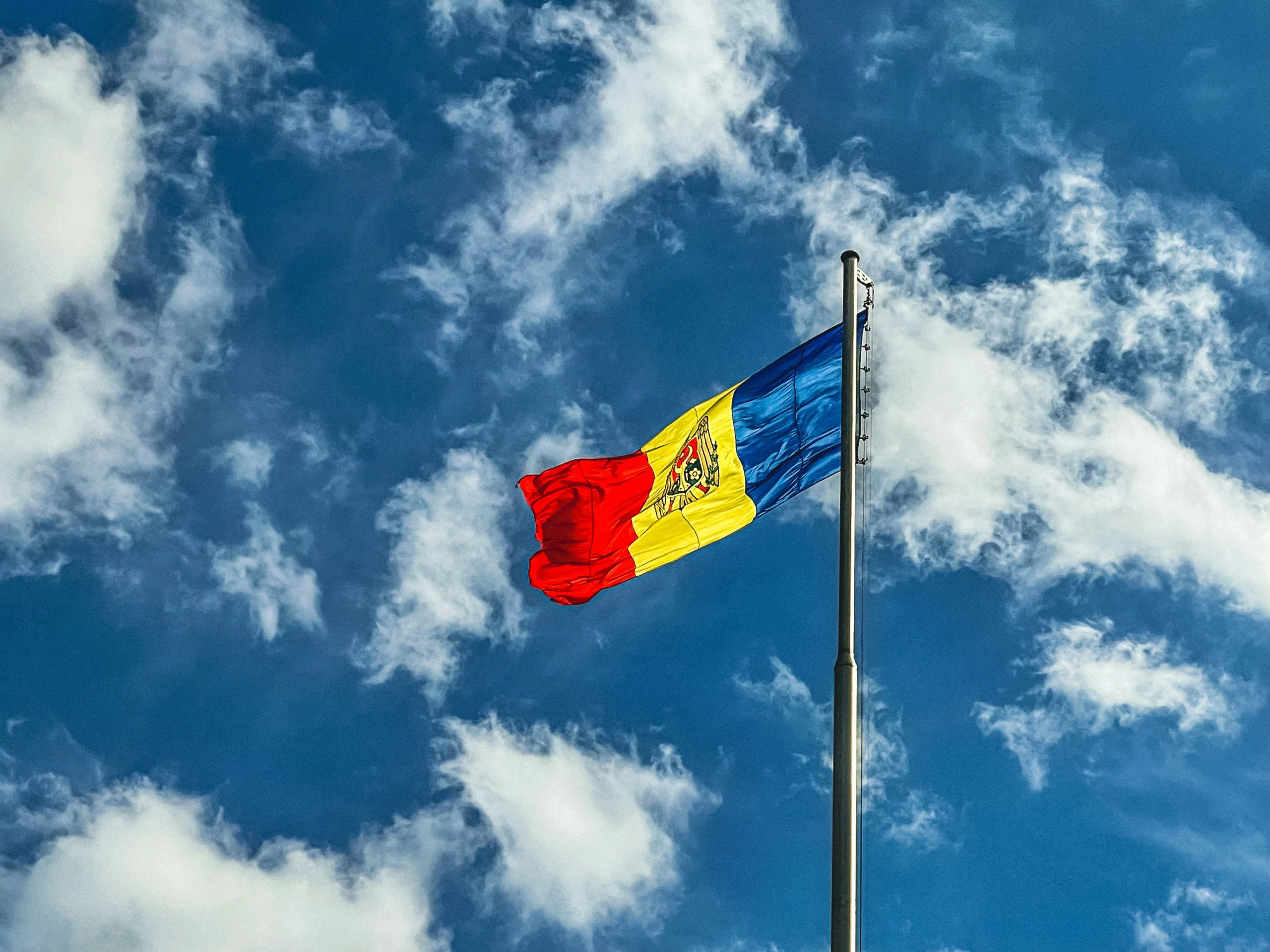
CEMR Secretary General Fabrizio Rossi offered heartfelt congratulations to Moldova following the results of last week’s referendum on EU accession. Moldovan citizens narrowly approved constitutional changes reflecting a commitment to joining the EU, with 50.46% voting “Yes” and 49.54% voting “No.”   

“We understand how significant this is for you and your daily efforts. Please know that we at CEMR have been standing by your side and advocating for it from the beginning, and we share in your joy. “- stated Mr.Rossi.  

In response to Russia’s invasion of Ukraine and Moldova’s accelerated reform efforts, the EU granted Moldova candidate status in June 2022. By December 2023, the European Council decided to open accession negotiations, and the first intergovernmental conference in June 2024 officially commenced the process, signifying Moldova’s significant progress toward EU membership. 

CEMR engagement with Moldovan Local Government and the Association CALM: 

Local and Regional cooperation has played an important role in this process. Indeed, since 2015, the Congress of Local Authorities from Moldova (CALM) has partnered with PLATFORMA to strengthen Moldova’s role in the European landscape and build local resilience through sustainable governance. CALM has become a trusted and engaged ally, representing Moldova’s local governments in development discussions and promoting international collaboration within the Neighbourhood East cluster.  

“The role of local authorities in this context is essential, and the membership support processes must guarantee them the means to ensure with responsibility, integrity, and autonomy the provision of local public services to their citizens” – continues CEMR Secretary General Fabrizio Rossi.  

In this perspective, technical cooperation, and exchanges of experience between communities in the EU and candidate countries, or among the candidate countries, constitute an essential tool to enable adapted and pragmatic implementation of the regulatory framework and local public services in compliance with EU standards.  

CEMR and PLATFORMA, since 2015, have delved into critical themes for Europe’s future exploring issues of democracy, sustainable development, and the EU enlargement process. For instance, under the Eastern Partnership programme, our members have longstanding decentralised cooperation activities with Moldovan counterparts.  

PLATFORMA and CALM partnership:  

In August, Lithuania’s association ALAL organised a local-to-local seminar in Moldova promoting youth participation in governance, aiming to build leadership capacity through international cooperation. Similarly, in September, leaders from France and Moldova gathered in Grenoble for the first forum on decentralised Franco-Moldovan cooperation. Organised by the French Association of the Council of European Municipalities and Regions (AFCCRE) under the PLATFORMA Eastern Neighbourhood programme, the event, “Choosing Europe: Decentralisation as a Driving Force Behind the Franco-Moldovan Partnership,” brought together around forty elected officials, reinforcing the links between both nations and highlighting decentralisation’s role in Moldova’s EU accession process. 

On 28 November, local leaders from Georgia, Moldova, and Ukraine will join the EU-Eastern Neighbourhood Local Leaders Seminar in Brussels. This event, organised with SALAR International (part of the Swedish Association of Local Authorities and Regions) and PLATFORMA, will offer a critical opportunity for dialogue with the European Commission and other leaders on the challenges facing local governments across Europe. You can register for the seminar here. 

Local and regional governments, supported by associations such as CALM, play a vital role in Moldova’s EU journey. Their commitment to decentralised cooperation and alignment with EU standards strengthens Moldova’s democratic institutions and helps meet citizens’ aspirations for a European future. 

Why does this matter?  

On 3 November, Moldovan citizens will return to the polls for the second round of the presidential election. Pro-European candidate Maia Sandu led the first round with 41% of the vote, while her opponent, Aleksandr Stoianoglo—backed by the pro-Russian Socialist Party—surprised many with 26%. Sandu now faces a challenging runoff as opposition forces may rally around Stoianoglo. This election could overturn the results of the 20 October referendum, committing local leaders even more crucial to safeguard the hard-won progress achieved so far to bring Moldova closer to the EU.  

Interested in CEMR and PLATFORMA’s work in the Eastern Neighbourhood countries?  

You may want to check the PLATFORMA SGA4 2023-2026 Eastern Partnership Cluster, a hub of collaborative action and regional growth and see how you can get involved! 

Our activities include: 

  • Thematic Cluster Meetings: Regular sessions to set strategies, share updates, and align priorities for Eastern Partnership policies and initiatives. 
  • Advocacy and Policy Work with EU Institutions: Engaging with EU bodies to shape policies, advocate for local government interests, and support integration efforts. 
  • Country Coordination Meetings: National meetings to align activities, share best practices, and strengthen cooperation among local authorities. 
  • Study Visits: Exchange programs where local leaders can learn from peers, enhancing skills and building capacity for effective policy implementation. 
  • Seminars: Workshops to deepen knowledge, foster partnerships, and tackle challenges in local governance. 

Get in touch to learn more about how you can be part of this initiative!

Women in Politics

Event on the launch of the Women in Politics study


Women in Politics: Local and European Trends

Are women truly breaking through in politics, or are they still facing invisible barriers? Is violence just a private matter, or is it also hindering women’s participation in public life?

Join us for the exclusive launch of a groundbreaking study that uncovers the latest trends shaping women’s participation in politics—both locally and across Europe. Dive into the challenges, successes, and the evolving impact of violence on women’s political leadership.

Don’t miss your chance to be part of this critical conversation shaping the future of leadership in Europe!

Nobel Peace Prize

Nobel Prize Peace - News 2024

Nobel Peace Prize 2024: A Tribute to the Japanese Anti-Nuclear Movement and a Call for Global Peace


The 2024 Nobel Peace Prize has been awarded to Nihon Hidankyo, a grassroots movement of survivors of the atomic bombings of Hiroshima and Nagasaki. Praised by the Norwegian Nobel Committee for their relentless efforts to promote a world free of nuclear weapons, this group has spent decades highlighting the devastating human toll of nuclear warfare through survivor testimonies. Since its founding in 1956, Nihon Hidankyo has been a powerful voice against the threat of nuclear arms, ensuring that the horrors of the past are never repeated.

The Nobel Committee’s choice is particularly poignant as 2025 will mark the 80th anniversary of the bombings that claimed over 120,000 lives and left countless more suffering from burn and radiation injuries. This recognition also arrives at a time when nuclear powers are modernising their arsenals, and the spectre of nuclear conflict looms larger than ever. As Jorgen Watne Frydnes, chair of the Norwegian Nobel Committee, warned, “A nuclear war could destroy our civilisation.”

In a world marked by increasing armed conflicts – 59 in 2023, according to the Uppsala Conflict Data Program – the message of this year’s Nobel Peace Prize resonates strongly. The recognition of Nihon Hidankyo highlights the urgency of global cooperation to prevent further destruction and the vital role of grassroots movements in shaping a peaceful future.

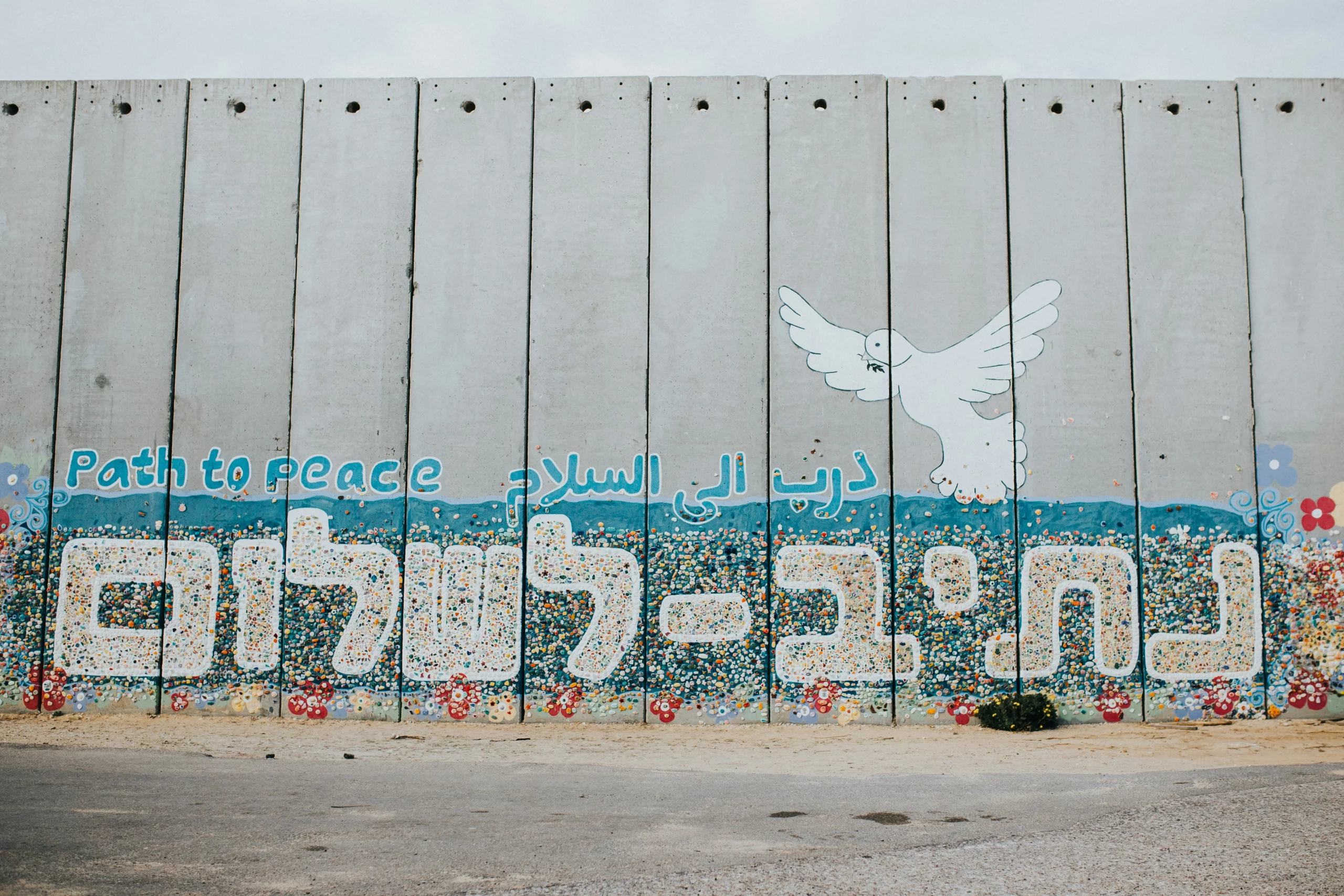
At the Council of European Municipalities and Regions (CEMR), we recognise that lasting peace is built not only at the international level but also through local and regional governance. Cities and regions play a pivotal role in fostering dialogue, cooperation, and understanding between communities. They are the building blocks of a peaceful society, promoting inclusivity and resilience from the ground up. By empowering local authorities and encouraging cross-border collaboration, we can create environments where peace is nurtured, and conflicts are prevented before they escalate.

CEMR continues to advocate for a better world, one where hope and cooperation bind nations together, not fear.

Nobel Prize Literature

Nobel Prize Literature - News 2024

Celebrating Han Kang’s Nobel Prize: Advancing Equality and Inclusion


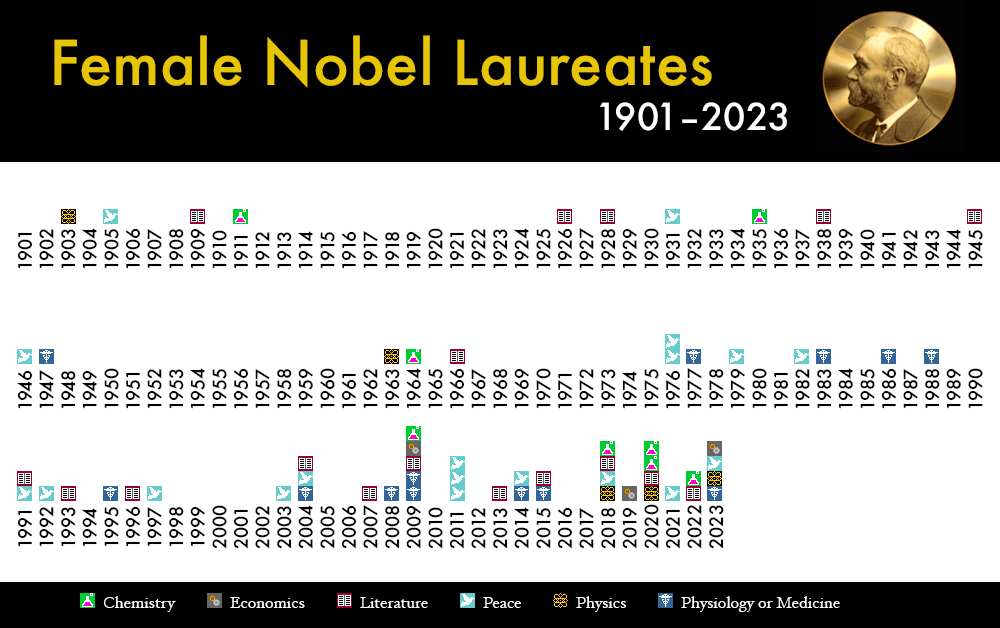
South Korean author Han Kang, known for “The Vegetarian” and “The White Book”, has become the 18th woman to win the Nobel Prize for Literature. You can see how many Female Nobel Laureates have been nominated since 1901 below.

Source: Wikipedia

Her powerful prose, recognised for confronting historical traumas and exploring human fragility, resonates deeply in today’s world. The Nobel Committee praised her innovative style and unique awareness of the connection between body, soul, life, and death.

Han Kang’s recognition highlights the ongoing struggle for gender equality in fields like literature, where women remain underrepresented. This achievement aligns with the values of the Council of European Municipalities and Regions (CEMR), which has long championed equality and inclusion. Through initiatives like the European Charter for Equality of Women and Men in Local Life, CEMR supports local governments in advancing gender equality and ensuring equal representation in decision-making.

Just as Han Kang’s work challenges societal norms, CEMR continues to advocate for a more inclusive, equal future for all.

Learn more about our work: https://charter-equality.eu.

Democracy on bike

Democracy on Bike

From Cologne to Brussels: A Cyclist-Led Initiative for Climate Action and Democracy


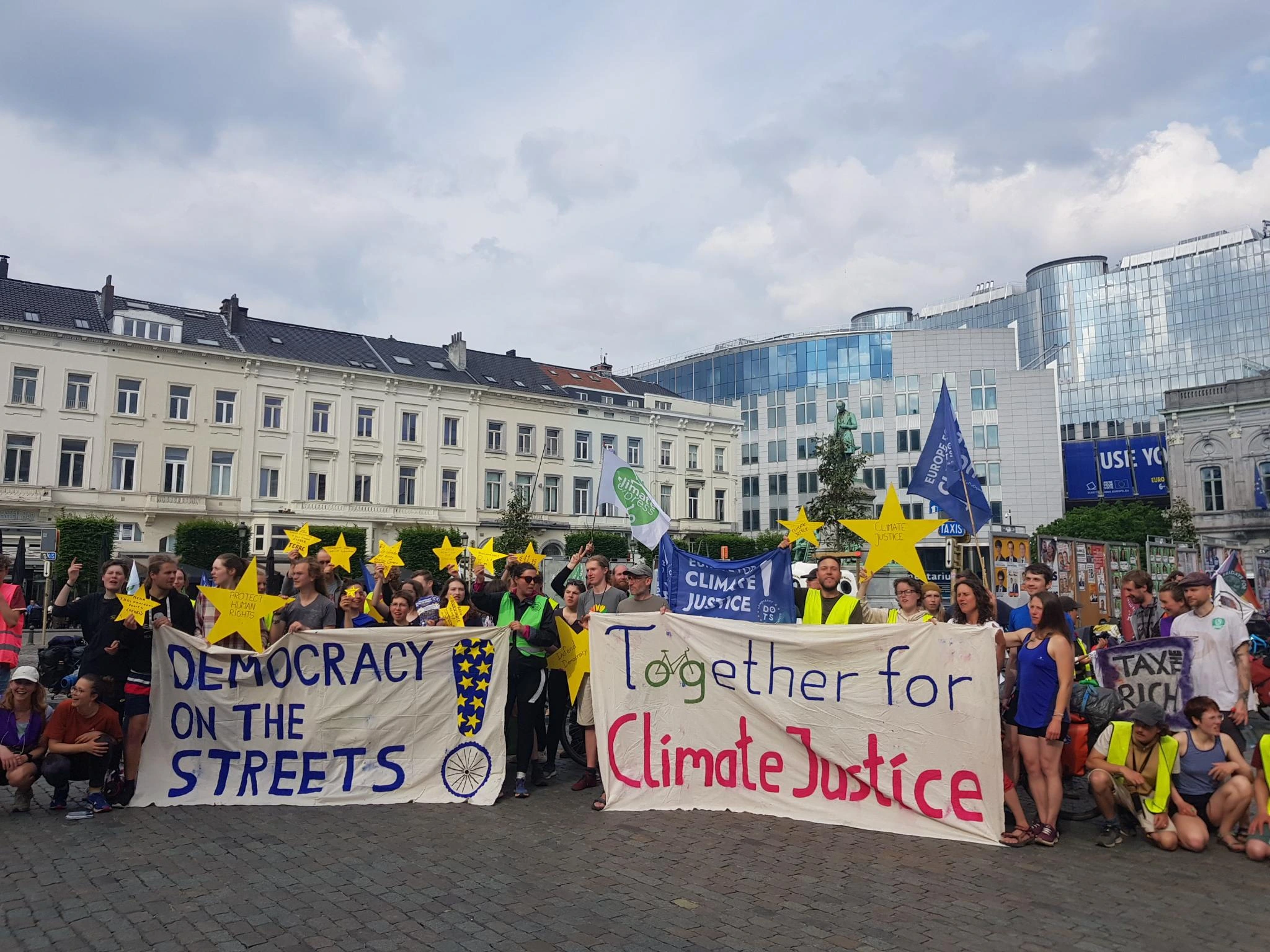
In response to growing far-right influence and environmental challenges, a group of activists from 127 cities across Europe cycled from Cologne to Brussels in a remarkable initiative called Democracy On The Streets (DOTS). This movement, which originated from the German campaign “Ohne Kerosin nach Berlin”, expanded into its first cross-border edition with a clear mission: to demand urgent climate action, protect democracy, and rally support ahead of the European elections.

From 20 to 26 May, cyclists travelled from Germany to Belgium, stopping in towns and cities along the way to raise awareness about pressing environmental issues. These activists, known as cyclo-activists, held peaceful yet visible protests throughout their journey, advocating for climate justice, human rights, and democracy. Along the route, they met with citizens and politicians to create spaces for discussion and debate on critical topics. Key moments included protests at controversial sites such as the Stop Alibaba movement in Liège, which opposes the expansion of the local airport, and a demonstration against a concrete development in the rural area of Anton, Andenne.

This initiative was notable for its grassroots, community-driven approach. Participants were hosted overnight by local residents, churches, schools, and associations, reinforcing the solidarity and communal spirit of the project. It embodied the belief that united individual actions can create meaningful change. While the peloton was loud to ensure it was seen and heard, it remained entirely pacifist, with a strong focus on delivering its message in time for the upcoming European elections.

This wasn’t just a protest; it was a powerful call to action to protect both the environment and democracy. The grand finale took place in Brussels, where even more activists joined in solidarity, amplifying the campaign’s message at the heart of European politics.

If you’d like to learn more or join the movement, visit: https://ohnekerosinnachberlin.com/inscription-bruxelles-2024-fr/

Looking for Proposals

Looking for Proposals EU Green Deal - News 2024

CEMR is currently looking for an agency to design, publish and print a study


CEMR calls for proposals for external services to design and produce a publication and a one-to-two-page document to promote it.

For more information, you can access our Terms of Reference here.

Meet Local Leaders Event

Meet Local Leaders - News

CEMR’s ‘MEPs Meet Local Leaders’ Event: Bridging Local and European Governance


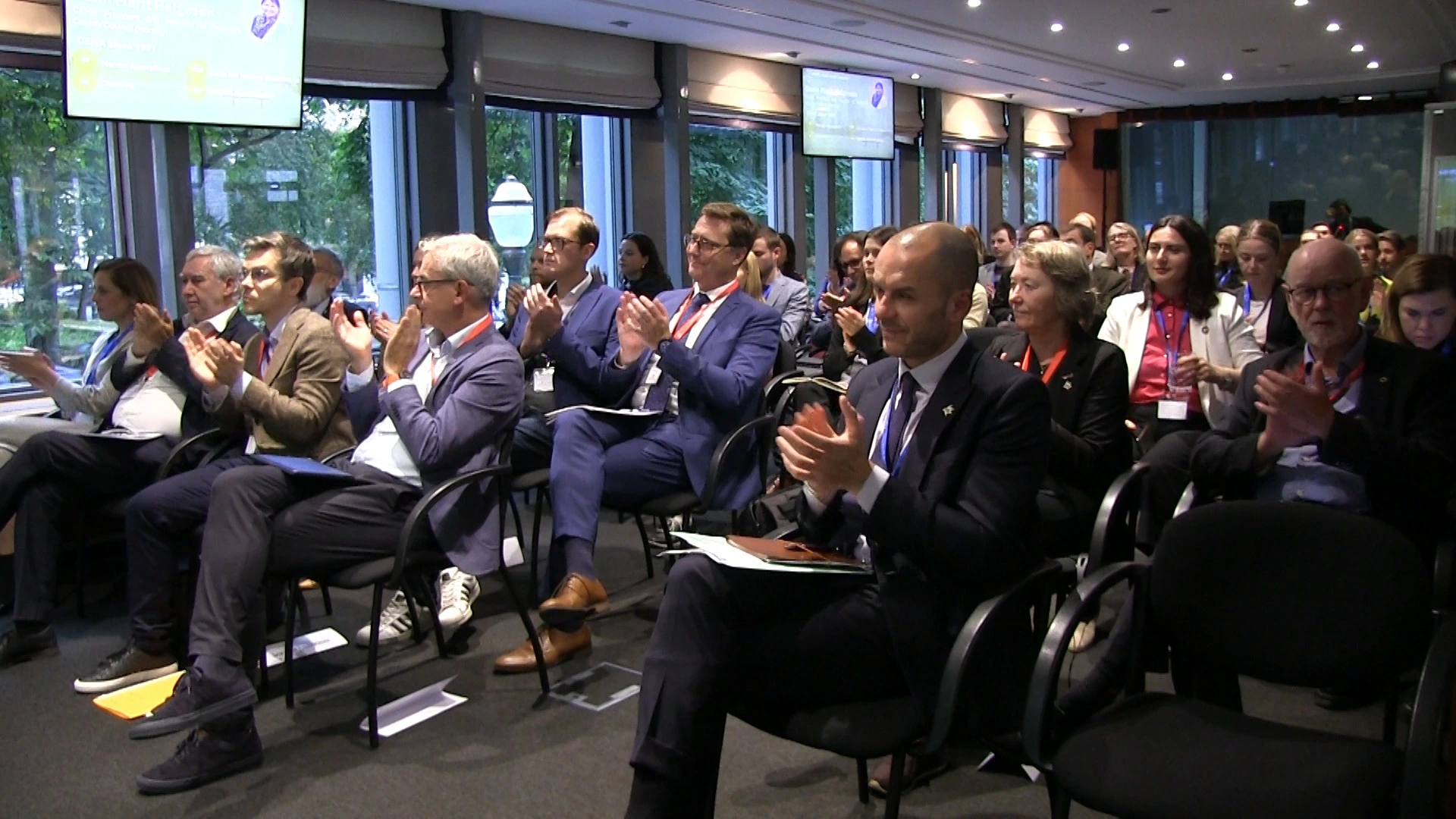
On 2 October, CEMR hosted the networking event “MEPs Meet Local Leaders,” which united over 80 participants, including 15 newly elected Members of the European Parliament (MEPs) and local elected officials from across Europe.

This gathering served as a crucial platform for discussing the current needs and opportunities in both urban and rural areas. Participants delved into insights from CEMR’s recent study on the future of the green transition, emphasising the necessity of ensuring that local voices are heard in shaping European policy.

The urgency of the moment was palpable, as discussions focused on how local governments—often the true experts of their territories—can effectively leverage EU resources to benefit citizens. The role of local leaders is irreplaceable in this context, and the event powerfully underscored their unique position in fostering meaningful change.

CEMR President Gunn Marit Helgesen highlighted the importance of collaboration, stating, “We face unprecedented challenges that highlight the need to unite efforts across all levels of governance—local, regional, national, and European—to ensure the well-being of Europe’s citizens remains central to our collective mission.”

Jean-Paul Judson expertly moderated the proceedings, guiding discussions that illuminated the perspectives and expectations of local and regional elected officials regarding the work of the European Parliament. The event underscored the necessity of unity across all governance levels as we collectively strive to place citizens’ well-being at the heart of the European project.

Since its founding in 1951, CEMR has been at the forefront of promoting collaboration among local and regional leaders, advocating for a united, peaceful, sustainable, and democratic Europe. As we face increasingly complex challenges, the dialogue fostered at this event is essential for shaping the future of Europe’s governance.

A heartfelt thank you to all participants for making the evening a success. Together, we can bring EU resources closer to the people, paving the way for an economy that truly works for future generations of Europeans. This memorable evening highlighted the power of partnership and dialogue, reaffirming our commitment to building a better future for all.

Explore the event’s gallery here.

Online Breakfast

EU Elections - News

Join Us for an Online Breakfast on the Future of Local & Regional Governments


Start your day with insights at our Online Breakfast on October 22, from 9:00 to 9:45 AM.

Meet with CEMR Secretary General Fabrizio Rossi and Marta Galceran-Vercher, Senior Researcher at CIDOB, as they discuss a crucial new study examining the implications of the June 2024 European elections.

This report highlights a significant shift to the right in the European Parliament and explores the election results from the perspective of local and regional governments (LRGs). It examines territorial voting disparities between urban and rural areas, as well as the local backgrounds of Members of the European Parliament and the European Commission. Key issues like policy cohesion, rural-urban connections, the European budget, decentralized cooperation, climate transition, migration, the rights agenda, and local democracy will also be addressed.

The event will be livestreamed on LinkedIn, providing a platform for lively discussion and engagement. This is a fantastic opportunity to gain valuable insights and strategic recommendations for LRGs to advocate effectively with European institutions during the 2024-2027 term.

Don’t miss out—register here to secure your spot and join us for breakfast and insights!

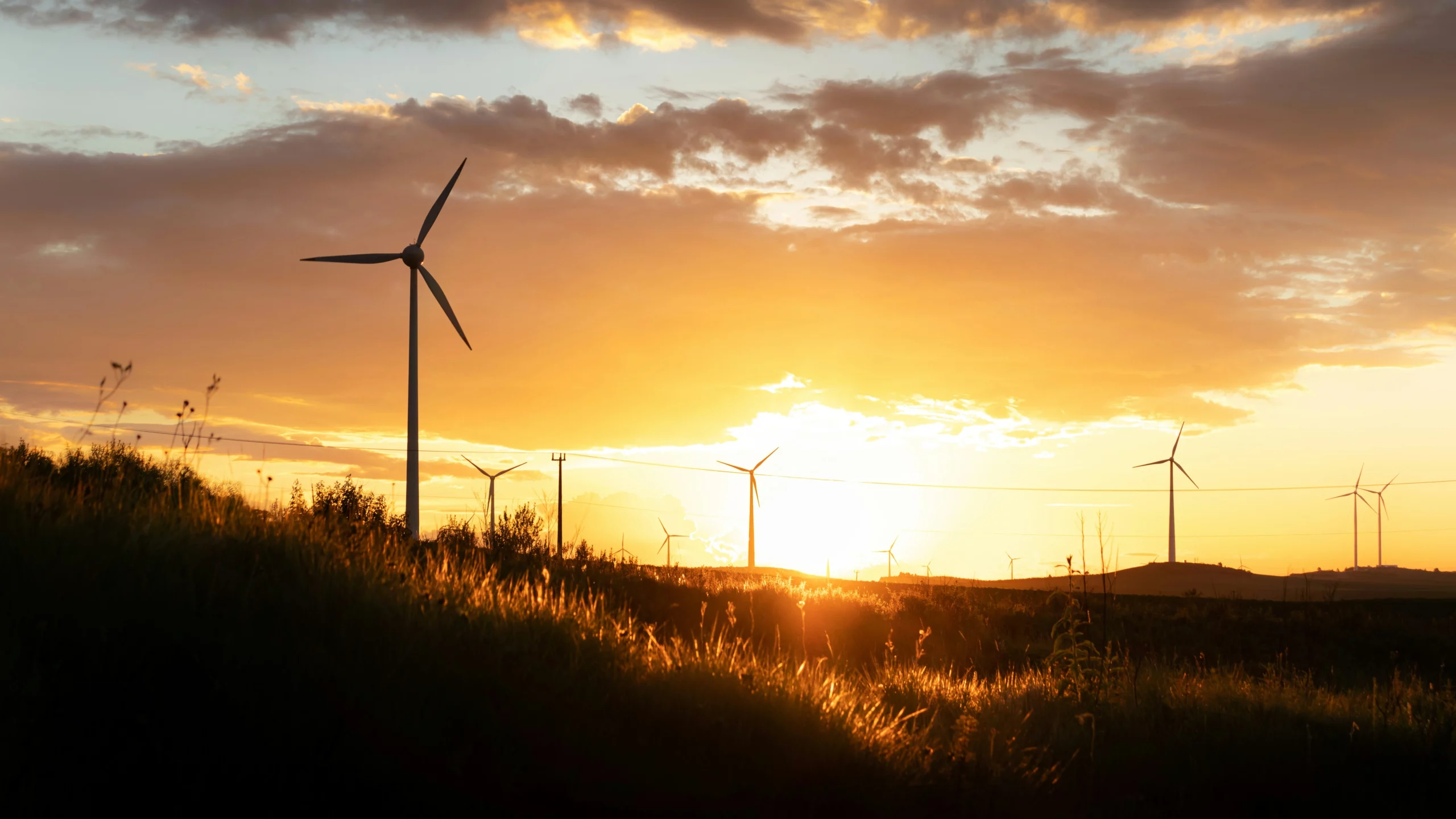
An incluve local green transition deal

Renewable Energy - News Section

CEMR launches groundbreaking report on the local green transition


CEMR is excited to announce the launch of its new report, “Local Green Transition: Prospects for an Inclusive and Competitive Deal”. This study examines how Local and Regional Governments adapt to and implement the European Green Deal, aiming for climate neutrality by 2050.  It provides a comprehensive assessment of the opportunities and challenges LRGs face in executing green policies, highlighting their critical role in achieving Europe’s climate goals. With over 300 LRGs participating in extensive surveys, the study presents sector-cross-cutting and specific recommendations to enhance local-level implementation of green strategies.

Key Insights:

  • High Awareness: An impressive 92% of LRGs are familiar with the decarbonisation legislation affecting their regions.
  • Impact of Climate Change and Preparedness: Many LRGs report feeling the effects of climate change acutely, with only a third feeling adequately prepared to implement necessary legislation.
  • Positive Outcomes: More than half of the surveyed LRGs have experienced benefits from green policies, including job creation and improved air quality, although challenges like funding access and regulatory complexity remain significant.
  • Social Equity: The report emphasises the need for equitable and responsive policies to the diverse needs of urban and rural areas.

Recommendations for EU Decision-Makers: CEMR identifies crucial priorities for European and national governments to support LRGs in their green transition efforts, including:

  1. Addressing local needs during EGD implementation.
  2. Fostering collaborative dialogue and partnerships with LRGs.
  3. Simplifying and increasing funding for local initiatives.
  4. Ensuring equitable implementation across regions.
  5. Making the green transition a priority for cross-border cooperation.

CEMR President Gunn Marit Helgesen emphasised the importance of local governments in facilitating real change, stating, “Municipalities and regions lay the groundwork for a more competitive Europe by implementing renewable energy projects and developing sustainable infrastructure.”

This report serves as a vital resource for local and regional governments, aiming to guide them in harnessing the green transition to foster economic growth while addressing the pressing challenges of climate change

Read study here

For more information, contact: