Boost Migration Integration

Inclusion Europe - News 2022

European towns exchange good practices to boost migrants’ integration


Cooperation and knowledge exchanges between European towns can play a key role in integrating newcomers, experts say, adding that their inclusion strategies can also serve as a model for larger
European cities.

“The local communities are where integration happens, through working and studying,” said Katerina Dimitrakopoulou from the Commission’s directorate-general for migration, pointing to the key role of local authorities in integrating newcomers.

Around 8.4% of the EU population are people born outside the bloc and between two and three million third-country nationals settle in the EU for work or study every year, according to the Commission.

To support European cities and regions facing new arrivals, in March 2021 the EU executive and the Committee of the Regions launched a partnership aimed at increasing capacity and fostering know-how exchanges between local communities.

“Our role is to connect people, states, regions and cities and make sure that all the good practices […] are properly disseminated,” Dimitrakopoulou said.

Sharing good practices

Knowledge exchanges are particularly important for smaller towns, which often do not have the same capacity and means to welcome migrants as large cities, according to experts.

“We have cities that already know how to live with migration,” Barbara Kuznik from the Council of European Municipalities and Regions (CEMR) told EURACTIV, adding that these can serve as a model for other EU towns managing new arrivals.

Kuznik is currently working on the IncluCities project, which allows medium-sized cities to mentor smaller towns on integration practices.

“Sharing our own experiences helps us reflect on the way we promote our services and improve them,” said Juan Carlos Hernández Navas, technical director for city projects in Fuenlabrada, which is mentoring the Greek town of Livadia on employment opportunities for newcomers.

This article was first published by EurActiv. Read the whole text.

International Metropolis Conference

Inclusive Migration - News 2023

Join CEMR at the International Metropolis Conference in Berlin


​From 4 to 9 September 2022, the 25th International Metropolis Conference 2022 is taking place in Berlin, organised by the German Federal Ministry of Labour and Social Affairs in close collaboration with Metropolis International.

Experts, policymakers, researchers and business leaders will bring together multiple perspectives, insights and evidence on migration, integration, inclusion, and diversity. Among the distinguished speakers will be the Director General of the International Organization for Migration (IOM), António Vitorino.

The key themes of this edition of IMC include the impact of various crises on migration and mobility, technological developments and the future of work, climate change and the implications for migration, and the conditions for fair migration. The conference is taking place in person in Berlin and online across the world.

CEMR will participate in a panel on “Global crisis – local responsibilities” on Tuesday 6 September 11:30–13:00. Together with representatives from the cities of Berlin, Warsaw, Beirut and Gaziantep we will discuss how cities respond to multiple crises. You can learn more about the conference and sign up here.

Charter – Translation

IncluCities - News 2023

CEMR is looking for a contractor to carry out translation activities


CEMR is looking for a provider for the translations of two documents related to the update of the European Charter for Equality of Women and Men in Local Life and particularly on the theme of gender equality, diversity and intersectionality. The contractor will translate the two documents into 28 languages. The deadline for the submission of the tender is Tuesday, 13 September 2022

For more information, please refer to the terms of reference.

Urban Planning

Urban Planning Sweden - News 2022

Gender-sensitive urban planning enables safer, more inclusive streets in Umeå, Sweden


As women are still underrepresented in the world of urban planning, we are often confronted with cities that are planned by men and so informed by their experience of the public space. Spotlighting gender equality when developing and planning our municipalities can enable to create safer and more inclusive urban spaces for all.

One success story comes from the Swedish city of Umeå (population 130,224) which has been working to integrate gender equality in urban planning since the late 70s. Signatory of the CEMR European Charter for Equality since 2008, the city was selected as the lead partner in the EU-funded 2019 programme Gendered Landscape network organised by URBACT.

In 2009, Umeå launched an innovative and ongoing initiative: “The Gendered Landscape” bus tour throughout 25 stops representing municipal initiatives that integrate gender considerations and urban planning. It raises awareness of the importance of a gendered and long-term perspective on urban planning, showcases successful work on gender equality and draws attention to issues that still need to be addressed. In constant adaptation, in this article, you can find some of the highlights of Umeå’s innovative action.

The municipal parking company Upab has worked to transform the Nanna parking garage into a safe and accessible-to-everyone environment: it was repainted, new and better lighting and more easily opened doors were introduced, and the brick walls in the stairwells were replaced with glass walls for better visibility.

Umeå Municipality has built the Free Zone in Årstidernas Park in close collaboration with a group of young girls who have shared their experiences of the public space and their sense of safety or unsafety. This led the municipality to work on visibility, lighting and proximity to the road with other people, in an attempt to make the Free Zone a safe and convivial meeting place for socialising, with seating areas, electrical outlets, Wi-Fi and the possibility to listen to music on speakers.

A dark and narrow station tunnel was transformed into a safe and accessible place, with a large light intake and rounded corners for better visibility. Moreover, the tunnel is animated by a work of art that offers a cosy and sheltered feeling: the artistic creation is a tribute to local author Sara Lidman, whose quotes, reads and talks – along with a loop of environmental sounds – can be activated by pressing buttons.

These are only some of the many examples that Umeå can showcase. As the city has experienced, the benefits of having a gendered landscape are multiple: and designing for women contributes to the creation of a sense of belonging, welcome and safety for people of different generations and different backgrounds.

Having inspired her work from other cities’ realities, Umeå gender equality officer Linda Gustafsson argues that is crucial for cities to compare and exchange on each other’s work. In this way, each city can find solutions, suited to the local context, on how to approach gender equality and integrate it into urban planning.

People Make the City

Cities - News Section

Storytelling as a powerful way of strengthening social cohesion by promoting mutual understanding


Mechelen. A middle-aged woman dressed in light colours sits in a public library. It seems like someone interrupted her while she was reading a book, but she does not mind. She looks straight ahead, and you immediately feel there is a story to tell behind those warm brown eyes.
This is Farida, a woman, a mother of three children, a grandmother of five, and an accountant. She speaks five languages, likes to cook and loves to read. She lives in Mechelen, but fled from Syria years ago: she is a refugee. Her picture, placed on a window near the public library in Mechelen was part of the ‘People Make the City’ exhibition and Farida’s story is just one of many in the series.

‘People Make the City’ is a storytelling project that translates residents’ experiences into public content such as street art, podcasts, exhibitions, images and texts, building a more nuanced narrative of migrants and refugees’ impact on their local neighbourhoods. These features show the diversity and the rich multi-layered identities of people living in the local community.

The people concerned can co-create the way they want to be presented because it’s up to them how they want their story to be told and where. Storytelling is a powerful way of strengthening social cohesion by promoting mutual understanding.

You can find out more about the People Make the City project and other good practices and tools on migrant integration from the OECD website.

EU directive on gender and domestic violence 

Gender Violence - News 2023

CEMR urges multi-level coordination, victim support, and recognition of women politicians’ safety 


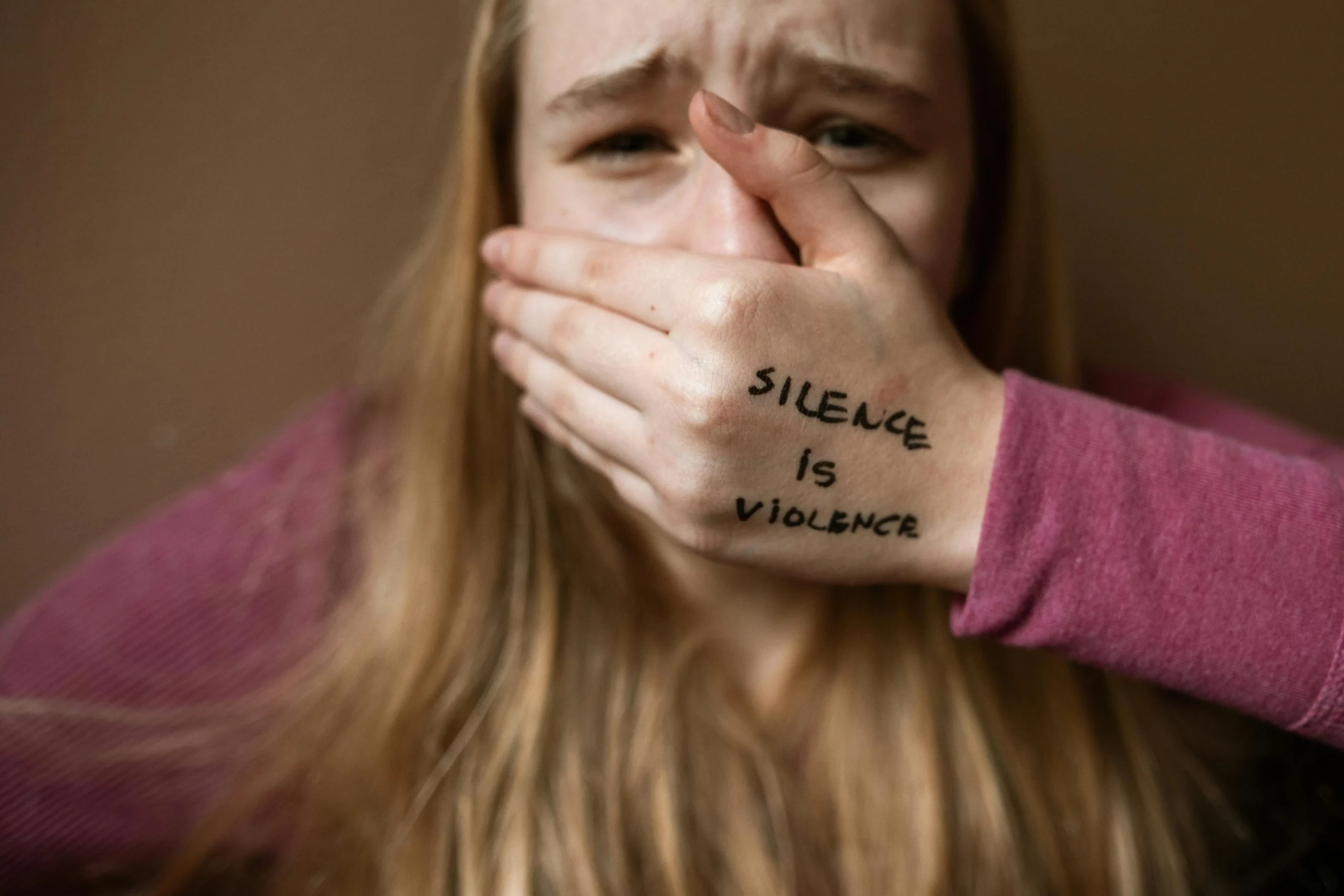
Violence against women and domestic violence remain among the most widespread violations of fundamental rights in Europe. In response to the European Commission’s proposed Directive on combating violence against women and domestic violence, the Council of European Municipalities and Regions (CEMR) has published a position paper calling for a unified and multi-level approach to ensure effective implementation across the EU. 

CEMR welcomes key elements of the Directive, including provisions on safeguarding victims, training professionals, tackling harmful gender stereotypes, and addressing sexual harassment at work. However, the organisation stresses that the Directive must go further to recognise the central role of local and regional governments (LRGs), who are on the frontline of prevention, victim support, and access to justice. 

Among its recommendations, CEMR calls for: 

  • Formal consultation with LRGs in policy design and coordination, ensuring that Article 39 on multi-level response explicitly requires their involvement. 
  • Targeted EU funding for local authorities through programmes such as CERV, ERDF and ESF+, to strengthen prevention, awareness-raising and victim services. 
  • Better data collection, disaggregated by sex, age and region (NUTS 2, NUTS 3, and local level), to tailor policies effectively. 
  • Improved victim support systems, combining both “one-stop” online access and physical centres, with minimum geographic coverage standards. 

The paper also highlights violence against women in politics, noting that harassment and threats against elected representatives undermine democracy itself. CEMR urges the addition of a specific clause under Article 13 on aggravating circumstances for violence against women in public office. 

Finally, CEMR emphasises the importance of prevention, beginning with early education to challenge gender stereotypes, and extending to workplaces where women in public-facing professions are disproportionately exposed to third-party violence. The organisation recommends a dedicated article on cooperation between LRGs and social partners to strengthen workplace protections. 

By adopting a truly coordinated, multi-level approach, the Directive could transform Europe’s fragmented response into a coherent framework that empowers governments at every level to protect women’s rights and safety. 

Read the policy paper here 

For more information, contact: 

CEMR report of 2021 

Meet Local Leaders - News

Report on the publications, knowledge-sharing, advocacy and communications in 2021 


The Council of European Municipalities and Regions (CEMR) is pleased to present its 2021 Activity Report, which provides an overview of the organisation’s main actions and achievements over the year. Guided by the 2021–2030 multiannual strategy and the 2021–2022 work programme, CEMR focused its work on four objectives: 

  1. Policies and advocacy 
  1. Knowledge sharing and capacity-building 
  1. Pan-European campaigns and visibility 
  1. Internal organisation and sustainability 

All actions were aligned with the aim of advancing the Sustainable Development Goals (SDGs) across Europe’s territories. 

Shaping European and Global Agendas 

Throughout 2021, CEMR actively influenced European initiatives and alerted members to upcoming developments affecting local and regional governments. Activities included: 

  • Monitoring EU initiatives on recovery, resilience, and international cooperation. 
  • Engaging in structured dialogues on cohesion policy, rural development, disability rights, and urban development. 
  • Providing input that shaped OECD analyses, Council Conclusions, and the European long-term vision for rural areas. 
  • Publishing position papers and resolutions on gender equality, migration, the Fit for 55 energy package, water, and digitalisation. 

At the international level, CEMR deepened cooperation with UCLG, the Global Taskforce, OECD, and the Congress of Local and Regional Authorities. 

Building Knowledge and Capacity 

To strengthen understanding of EU policies and empower members to act, CEMR: 

  • Produced publications and webinars, including a new edition of the TERRI Report on decentralisation reforms. 
  • Organised workshops on member participation in national and European processes. 
  • Delivered capacity-building through externally funded projects in areas such as EU funding, climate adaptation, gender equality, migration, and SDG implementation. 

Raising Visibility and Engaging Citizens 

2021 was also a year of celebrations: 

  • 70th anniversary of CEMR and the 15th anniversary of the Equality Charter brought together 500 participants online. 
  • Pan-European campaigns were launched for Europe Day, SDG Day, and equality, highlighting the voices of local leaders and women in politics. 
  • CEMR ensured visibility for its spokespersons through social media, interviews, videos, and participation in international events. 

In numbers: 

  • Over 120 articles published in English and French. 
  • More than 650 tweets reaching 1 million views. 
  • 14 newsletters delivered to the network. 

Strengthening Internal Organisation 

CEMR took concrete steps to become a more sustainable, inclusive, and resilient organisation: 

  • Two online Policy Committee meetings gathered 170 elected representatives to adopt policy positions and validate the strategy. 
  • A new Secretary General selection process was launched. 
  • Internal processes were modernised with digital templates, e-signatures, and reduced paper use. 
  • Staff received training on project management, budget monitoring, public speaking, and team collaboration. 

Milestones and Campaign Highlights 

  • Advocated for local governments to be included in post-COVID recovery plans (#CohesionAlliance). 
  • Shared local leaders’ visions for the Conference on the Future of Europe
  • Continued the #Power2Her and #LocalEquality campaigns on gender equality. 
  • Helped secure recognition of the multilevel cooperative model in the Glasgow COP26 agreement

2021 was a year of adaptation, resilience, and influence for CEMR. Despite the challenges of the pandemic, the network succeeded in shaping European debates, amplifying the voice of local and regional governments, and strengthening internal capacities. With a stronger foundation and renewed strategy, CEMR continues its mission to empower Europe’s municipalities and regions to lead sustainable change. 

Read the study here

For more information, contact:

World Refugee Day

Refugees - News Section

​CEMR marks World Refugee Day with a high-level event


Local and Regional Governments (LRGs) all over Europe are playing a crucial role in the management of this new migration wave as well as in the integration process of the newcomers. But this refugee crisis not only calls for emergency management but also reminds us of the urgency of establishing better-coordinated and more sustainable integration strategies that take into consideration the local perspective as the most relevant one. 

For this reason, the next in the series of IncluCities debates on core issues related to the current migration crisis will cast light on the importance of effective multilevel governance as a key tool to face migration emergencies.  We will discuss with MEPs: Birgit Sippel (S&D), Fabienne Keller (Renew), Damian Boeselager (Green/EFA) and Thomas Liebeig from the OECD. (Agenda) You can still register to follow the event in person or online. 

Europe’s Charter

Gender Equality - News Section

Renovating Europe’s Charter for local equality: bringing gender equality closer to home, one municipality at a time


Gender equality is not something that can be decreed in a top-down way, nor something we can achieve in isolation. Rather, it is an issue which involves all of us – men and women, boys and girls, and all levels of society and government – in a common struggle for equal opportunities and fundamental rights.
 
It is in this spirit that CEMR has promoted gender equality in our municipalities and regions. In particular, the European Charter for Equality of Women and Men in Local Life was promulgated to support local and regional governments’ efforts to act proactively to create gender equality. Today, over 1850 signatories in 36 countries are committed to promoting gender equality in their locality.
 
Renovating the Charter
 
Fifteen years have passed since the original text of the Charter was first presented to a group of local leaders in Innsbruck, Austria. Naturally, the world has changed a great deal since then, not least with the rise of the Internet, the sustainability agenda and the #MeToo movement against sexual harassment and abuse. The COVID pandemic has also led to a disproportionate private and professional burdens fall on women, as well as a rise in domestic violence.
 
That’s why, through webinars and interviews, we have been consulting with members and partners on how to revitalise the Charter. The conclusions of our reflection process were presented at a seminar on 7 March, on the eve of International Women’s Day, along with a report with recommendations for concrete improvements to introduce to the text in 2022.
 
The new text of the Charter will now deal with topics such as the Sustainable Development Goals (SDGs) and the environment, digitalisation (notably online harassment), intersectionality, COVID and public procurement. We are also upgrading the communications tools promoting the Charter.
 
Our aim is to continue reaching new generations of leaders and administrators who have made it their mission to make their territory gender-equal and to keep the Charter relevant to the new trends and challenges of this century.
 
A tool for local action
 
The Charter is not simply a declaration of intent but a practical tool that can help municipalities and regions in the quest for equality. In October 2021, the Association of Polish Cities held an event in which 16 Polish municipalities joined the Charter for Equality in a collective signing ceremony.
 
This was a powerful moment federating like-minded governments and other players, at a time when the national government has been hostile to women’s rights and, concerning abortion, put their very lives at risk. This municipal movement, spearheaded by the city of Poznań, shows how local leaders can use the Charter to challenge a regressive national narrative.
 
Meanwhile, that same year, the city of Graz in Austria celebrated 20 years of local action promoting gender equality. Graz reinforced its commitment by signing the Charter in 2012 and has been regular and ambitious in producing gender action plans. In fact, Graz’s third gender action plan was adopted in 2021 and will guide the work for the next several years.
 
Join the movement
 
This work remains as relevant as ever. Any municipalities, counties and regions who would like to be part of the local movement to promote gender equality in Europe should sign the Charter today. You can benefit from the upcoming improved text and the ever-expanding support resources provided to signatories by CEMR and its member associations.

European charter for equality  

Gender Equality News

Europe’s towns and regions commit to building fairer societies through the European Charter for Equality 


Equality between women and men is a fundamental right and a cornerstone of democracy. Yet, despite legal recognition, disparities remain in pay, representation, and everyday opportunities across Europe. Recognising the pivotal role of local and regional governments in tackling these inequalities, the Council of European Municipalities and Regions (CEMR) developed the European Charter for Equality of Women and Men in Local Life in 2006. 

By signing the Charter, municipalities and regions make a public commitment to promoting equality across their policies, services and institutions, and to developing Equality Action Plans that transform principles into practice. 

The Charter was drafted with the support of the European Commission and has since become a reference tool for towns and regions seeking to mainstream gender equality. It encourages signatories to act not only within their own administrations but also with local institutions, organisations and citizens. 

Over the years, supporting tools have strengthened their implementation: 

  • An online Observatory launched in 2011 provides resources and examples of good practice. 
  • A toolkit of indicators, developed in 2014, helps monitor and evaluate progress. 
  • A 2022 update, funded by the EU, introduced amendments to strengthen the Charter, clarifying language and emphasising intersectionality under the guiding principle: “always gender, never gender alone.” 

New provisions were also added, including the need to apply a gender lens in crisis management and to address gender perspectives in digitalisation and online life. From 2023 onwards, all new signatories commit automatically to both the original Charter and the 2022 amendments. 

The European Charter for Equality demonstrates how local and regional democracy is crucial for advancing fairness in daily life, whether through housing, transport, health, or political participation. By embedding gender equality into decision-making and governance, towns and regions can both safeguard rights and unlock economic and social potential. 

More than a symbolic document, the Charter is a practical instrument for change, mobilising local authorities across Europe to ensure that equality between women and men is not only a principle on paper but a reality in every community

Read the charter here 

For more information, contact: