Normandy – free jackets

Normandie - News 2022

A small town in Normandy offers fleece jackets to school children as the heating temperature lowers to 19 ºC


While French local governments step up efforts to combat the energy crisis amid skyrocketing prices, some municipalities have adopted energy restraint measures.
 
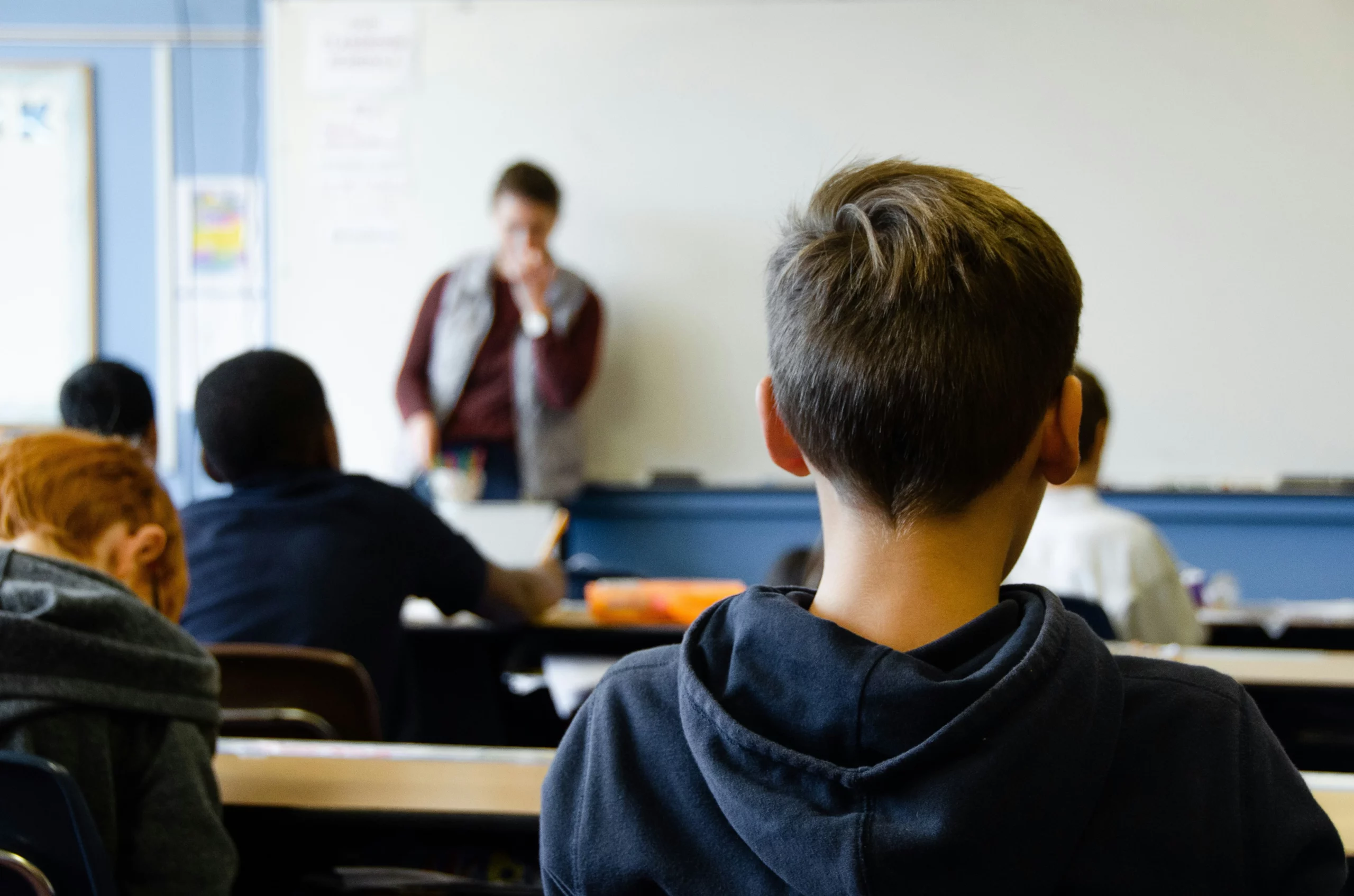
In Périers, a small town in the Manche department with a population of over 2,000 inhabitants, its mayor Gabriel Daube has decided to cut costs by turning down the heating to 19 degrees in all municipal buildings, including its school. To compensate, each of the 350 school children will be offered a fleece jacket.
 
With a total budget of €6000, this initiative should be seen as an investment, explains Gabriel Daube. Périers is indeed expected to reduce its energy bill by €20,000 this winter. Additionally, those jackets will be produced in France to contribute to the local economy and production industry while reducing the town’s energy consumption costs.
 
This initiative complements a series of other long-term measures to decrease the town’s environmental footprint and energy bill, including in the field of public lighting and thermal insulation.

Good Local Practices

Renewable Energy - News Section

Welcome to the Saerbeck climate cooperative: when locals invest in a renewable and independent energy future


With its 7000 inhabitants, Saerbeck is a small German town with a big environmental ambition: to become an energy self-sufficient “climate community” by 2030. This will be achieved by maximising energy generation from renewable sources such as sun, wind, water and biomass as is consumed in private households and commercial enterprises.

Saerbeck has, since 2009, aimed to become the state of North-Rhine-Westphalia’s model climate municipality of the future. The municipal “climate concept” has since become part of the vocabulary of Saerbeck’s citizens and indeed all inhabitants are encouraged to participate in this effort to locally and sustainably produce all of households’ and enterprises’ energy needs.

In 2010, the municipality acquired an ammunition depot abandoned by the German armed forces. It is being transformed into an energy park with a mix of powerful photovoltaic systems, wind turbines, biogas plants and other innovative projects.

Currently, the Bioenergy Park produces about 2.5 times more renewable electricity than Saerbeck consumes. The CO2 footprint has thus been halved, although work still needs to be done to decarbonise transport and heating.

Threefold benefits: financial, environmental and educational

In the spirit of “thinking globally, acting locally”, Saerbeck’s citizens can directly participate and invest in these local energy projects through a citizens’ cooperative. As of 2020, the cooperative has turned a profit and has even distributed a dividend to its citizen-investors.

So far, almost 400 local shareholders have invested in the cooperative. Ultimately this means twice the benefit for locals: besides the local economic gains, the town is making a great contribution to global climate protection and local energy independence.

All projects are accompanied by numerous educational projects: energy transition starts in the minds.  An experimental school at the Bioenergy Park shows students from all over the world how renewable energies work in reality and what they are good for.

Peer learning programme on climate and energy

Covenant of Mayors - News

Apply for the Covenant of Mayors peer learning programme: The deadline extended to 15 April!


Cities and towns have until 15 April 2022 to apply for the Covenant of Mayors for Climate and Energy’s peer learning programme. The programme offers Covenant of Mayors signatories across Europe the opportunity to increase their capacity and knowledge on climate and energy challenges through peer discussions tailored to their needs.
 
In 2021, the Covenant Office supported 45 cities, 6 coordinators, and 4 energy agencies. This year, the Covenant of Mayors offers four programmes to respond to local needs: twinning, expert missions, peer review and technical assistance.
 
Find out more
Peer Learning Programme 2022/2023
Recording of the info session
Selection criteria

​Sixth IPCC Report 

Climate - News

UN report: climate change’s impact worsening, multi-level action crucial to adopt


The Intergovernmental Panel on Climate Change (IPCC), the top UN body working on the issue, recently published the second part of its sixth assessment report on the impact of the changing climate on ecosystems and human populations across the world.
 
The report warns that the extent and magnitude of those impacts outpass previous estimates. The authors starkly observe that climate change is human-induced and “a threat to human well-being and planetary health.” At the same time, the IPCC notes that collaboration and planning across levels of government and including all elements of society are crucial to adapting to climate change.
 
It is now likely that global warming will reach or exceed 1.5°C in the near-term. The IPCC warns that if further global action on adaptation and mitigation is delayed, the brief window of opportunity to secure a liveable future will be missed. There is an urgent need for stronger action.
 
Multi-level action needed for climate adaptation and resilience
 
The IPCC stresses that we need multi-sectoral, inclusive and long-term planning to adapt to and attenuate climate change’s impact. Only by involving all levels of government and all segments of society can we hope to take effective action.
 
In this respect, CEMR is proud to be contributing to the Covenant of Mayors for Climate and Energy an initiative which brings together cities to help them reach climate neutrality by 2050. The Covenant enables cities to develop and implement holistic local adaptation plans involving all local players. Participants can also share and learn best practices on how to prepare for climatic events such as heatwaves and floods.
 
The IPCC report also emphasises the notion of climate-resilient development, meaning a model of sustainable development that includes climate mitigation and adaptation. Achieving climate-resilient development will require international cooperation and governments at all levels working with communities, civil society, the private sector and traditionally marginalised groups.
 
Together, these different forms of cooperation tackle structural inequalities and mobilise sufficient financial resources. CEMR is committed to achieving these goals through its participation to different international coalitions and projects, notably PLATFORMA, the Green City Accord and UCLG.
 
The IPCC’s latest report makes for grim reading. The evidence is clear: time is running out. Stronger action, coordinated across levels of government, is needed if we are to overcome this greatest environmental challenge.

Paris agreement at the local level

Renewable Energy - News

Glasgow Climate Pact calls for “multilevel and cooperative action”


“Disappointment” was a word on the lips of many at the closing on the COP26 UN climate conference in Glasgow in Saturday (13 November). The outcomes leave open many questions regarding national governments’ commitments. Local and regional governments were able however to effectively mobilise during the conference. Thanks to their advocacy efforts, the importance of municipalities, regions and “multilevel and cooperative action” is recognised in the new Glasgow Climate Pact.

“We, local and regional governments, should be proud that the Glasgow final agreement includes the multilevel cooperative model as a way forward to achieve the Paris Agreement objectives”, said CEMR Secretary General Frédéric Vallier, who was present at the COP. “This is a real achievement for municipalities and regions, regardless of the conference’smixed overall results.

The final text has been signed off by 197 countries (from the big emitters such as China and the United States to the small island nations). It aims to keep global temperatures at 1.5 °C above pre-industrial levels by the end of the century, the aspiration of the Paris Agreement, but fails to be more ambitious.

Room for improvement

Reacting on social mediaLéonore Moncondhuy, Mayor of Poitiers (France), spokesperson of PLATFORMA and representative of Cités Unies France said: “The Glasgow Pact does not at all measure up to the climate emergency. While it was supposed to ‘save the 1.5 ° C target’, it is once again mortgaging our future by subjecting it to states’ diluted and disingenuous commitments. Without immediate action, soon + 2.7 °C.”

Earlier last week, Moncond’huy met with UN Secretary General Antonio Guterres and UN Executive Director Maimunah Sharif in Glasgow, expressing the need to support local governments as frontline workers on climate challenges. Her arguments were later echoed in plenary by Sadiq Khan, the Mayor of London: “The involvement of cities now is like day and night … nothing compared with the past.”

Local and regional governments and their associations were widely mobilised. CEMR, PLATFORMA and the Global Task Force led by UCLG were well represented at COP26 and co-organised numerous side events and bilateral meetings.

Enabling local climate action

The Glasgow Climate Pact recognises “the urgent need for multilevel and cooperative action” as well as the important role of local and regional governments in realising the Paris Agreement. As highlighted by Steven Heddle, Member of Orkney Islands Council (COSLA) and CEMR spokesperson on territorial development, this will require facilitating local governments’ access to climate finance.

Local governments need revenue, resources and long-term loans. With these tools, we can contribute more to the objective of reducing emissions before 2050”, said Ronan Dantec, CEMR spokesperson on climate, French senator and president of Climate Chance, during one of the sessions.

The Pact includes many other provisions, such as developed countries agreeing to double funding for climate adaptation and a first global commitment to cut methane emissions by 2030.

What’s next

The next COP will take place in Sharm El-Sheikh, Egypt. Africa being the world’s youngest and most rapidly-urbanising continent, COP27 will focus on booming demography, sustainable urbanisation and financing green plans for sustainable low carbon development. The United Arab Emirates (UAE) was selected to host the COP28 in 2023.

More:

For more information, contact:

Fit for 55 – local climate transitions

Climate neutrality - News 2024

The Fit for 55 package must empower municipalities and regions to drive Europe’s energy transition 


The European Union has committed to reaching climate neutrality by 2050, with the interim goal of cutting greenhouse gas emissions by 55% by 2030. To deliver on this ambition, the European Commission presented the Fit for 55 package, a comprehensive set of legislative measures across key sectors such as energy, transport and housing. Among these, the proposed revisions of the Energy Efficiency Directive (EED), Renewable Energy Directive (RED) and the Energy Performance of Buildings Directive (EPBD) will directly affect Europe’s municipalities and regions. 

Local and regional governments at the heart of the transition 
CEMR fully supports ambitious climate and energy targets in line with Europe’s Green Deal and the UN Sustainable Development Goals. Local and regional authorities are already leading the way in driving energy efficiency and renewable energy projects on the ground, as demonstrated by initiatives such as the Covenant of Mayors. By planning, investing and engaging with citizens, they play a central role in delivering the EU’s objectives. 

However, success will depend on empowering local governments with the necessary resources and flexibility. While binding targets on greenhouse gas reduction are welcome, CEMR stresses that national contributions to renewable energy and efficiency should remain indicative. Overly prescriptive rules, such as mandatory renovation rates for public buildings or minimum energy performance standards, risk creating administrative burdens without recognising the diversity of contexts across Europe. Instead, the EU should provide technical, financial and policy support, allowing municipalities and regions to pursue tailored solutions. 

Enabling a fair transition 
CEMR highlights three priorities to strengthen the Fit for 55 framework: 

  • Financial support and flexibility: Adequate funding and capacity-building must accompany implementation, avoiding rigid one-size-fits-all obligations.
  • Integrated approaches: Local governments should be empowered to design neighbourhood- and district-level solutions, reflecting the full life cycle of buildings and energy systems. 
  • Collaboration across levels: Stronger cooperation between EU, national, regional and local levels is essential to ensure effective delivery, knowledge sharing and citizen engagement. 

Local and regional governments are indispensable partners in Europe’s journey to climate neutrality. By recognising their central role and ensuring adequate resources, the EU can enable municipalities and regions to lead fair and sustainable energy transitions, making climate neutrality a reality for citizens across Europe. 

Read the policy paper here 

For more information, contact: 

Local green recovery in Europe 

Climate - News

Discover our infographic and key messages for COP26


After much delay and uncertainty to due to COVID crisis, it’s finally happening: the 26th UN summit on climate change (COP26) is taking place in Glasgow, Scotland, from 31 October to 12 November.

On this occasion, CEMR has prepared an infographic on “Ensuring a local green recovery in Europe: 5 key facts for local implementation of the Paris Agreement”. The visual vividly shows why tackling climate change is a human and environmental necessity and why local and regional action are critical to successfully shift to sustainability.

Do not hesitate to share this infographic far and wide! Please contact us if you would like to localise the infographic in your own language.

Key messages to achieve carbon-neutral territories

We have also prepared 6 key messages as the core of our advocacy on behalf of local and regional governments at the COP26 summit. These messages are:

  1. The Paris Agreement needs to be delivered now covering both mitigation and adaptation at all levels.
  2. Local and regional leadership and action are key to strengthening work at international level within UNFCCC and in collaboration with global partners.
  3. Providing appropriate regulatory frameworks, financial and technical resources is essential for the implementation of Local and Regional Governments’ climate action.
  4. The localisation and territorialisation of the Sustainable Development Goals are fundamental to have a positive impact on the ground.
  5. Climate justice and social equity need to go hand in hand to combat climate change inequalities efficiently.
  6. Resilience and recovery should be the opportunity focus to guide society out of the pandemic crisis.

For more detailed information, discover our position paper: “Ready for COP: Key messages for local led implementation of the Paris Agreement”.

CEMR and PLATFORM at the COP

Discover the list of events at which CEMR and PLATFORMA representatives will be speaking.

Fit for 55

Climate - News

What the EU’s mammoth climate and energy package means for local governments


If the European Green Deal set general objectives for a more sustainable and eventually carbon-neutral Europe, the Fit for 55 package presented earlier this year outlines the legislative measures to achieve this. This analysis highlights a few of the package’s major proposals: energy efficiency, alternative fuel infrastructure and forests.

European Commission President Ursula von der Leyen put the attainment of climate neutrality by 2050 at the core of her political agenda with the adoption of the Green Deal a few months after taking office in 2019. The intermediary target of reducing emissions by at least 55% by 2030 is enshrined in the Climate Law adopted in early 2021.

Published ahead of the COP26 climate summit in Glasgow in November, the Fit for 55 package contains 13 legislative and non-legislative proposals[1]. These aim to raise the ambitions of several EU policies in the fields of climate, energy, environment, buildings, forests and transport, while ensuring a socially fair transition.

The creation of an EU Social Climate Fund  has been proposed as part of the revision of the EU emissions trading system (EU ETS). The ETS reform will extend emissions trading to cover the building and road transport sectors. Emissions from these sectors will not be covered by the existing EU ETS, but by a new, separate emissions trading system. The Social Climate Fund is meant to address the social impacts that would arise from the new system.

Energy efficient buildings: 3% renovation target is excessive

The Commission proposes to amend the Energy Efficiency Directive to require EU countries to collectively ensure an additional reduction of energy consumption of 9% by 2030 compared to the objectives set for 2020.

A key element for the public sector – including local and regional governments – is a requirement to achieve an annual energy consumption reduction of 1.7% and to renovate each year at least 3% of the total floor area of buildings owned by all levels of public administration.

CEMR is concerned about this obligation as presented. A certain level of flexibility should be applied insofar as emission reductions are proven. Many  public buildings are older or even historic buildings, and therefore a uniform 3% annual renovation target would be too onerous for local and regional governments.

Alternative fuel instracture: coordination needed between all levels of government

A revised directive will set a number of mandatory national targets for the deployment of infrastructure so road vehicles can use alternative fuels, such as electricity, hydrogen or natural gas. It is crucial that Member States engage with municipalities and regions to ensure that the measures implemented by different governance levels reinforce and leverage impact.

The transition to alternative fuels also requires strong technical resources and capacity. Local and regional governments need technical expertise, enabling measures for joint public procurement and adequate financial support to make this transition a reality.

Forests: 3 billion trees to be planted by 2030

Within the new EU Forest Strategy, the European Commission aims to improve the quantity and quality of forests. Acting as carbon sinks, forests contribute to reducing emissions and are essential to maintaining biodiversity. The Commission is notably calling for a strict protection of remaining EU primary and ancient forests (today estimated at 3% of the EU’s territory). In addition, the EU wants 3 billion additional trees to be planted by 2030.

The strategy has been under discussion for some time with a wide range of stakeholders, including local and regional representatives. They call for sustainable forest management with a balance between three pillars: environment, social and economy.

Next steps

The Fit for 55 package has a strong territorial dimension given that a wide range of actions to attenuate or mitigate climate change are taking place at local or regional level. Moreover, climate change disproportionately affects certain vulnerable territories and populations.

While the majority of the proposals do not directly target local and regional governments, they will have a significant impact on them. This is why the local and regional level needs appropriate resources to comply with the legislation and cannot be left unsupported. The local and regional perspective must be well reflected in the legislative proposals going forward.

The CEMR Secretariat will closely follow the negotiations in the Parliament and the Council for the most relevant proposals, notably on energy efficiency, renewables, buildings and transport.


[1] The proposals include revisions and amendments to existing legislation:

  • Revision of the EU Emissions Trading System (ETS)
  • Revision of the Regulation on LULUCF and Effort Sharing Regulation
  • Amendment of the Renewable Energy Directive
  • Amendment of the Energy Efficiency Directive
  • Revision of the Energy Tax Directive
  • Revision of the Directive on the deployment of alternative fuels infrastructure
  • Revision of the Regulation setting CO2 emission performance standards for cars

New proposals:

  • Carbon Border Adjustment Mechanism (CBAM)
  • Social Climate Fund
  • New EU Forest Strategy

And future proposals:

  • Revision of the energy performance of Buildings Directive
  • Revision of the Third Energy Package for gas

World Climate Awards

Climate - Press

Paris and Samsø are “climate leaders”, says UN


The UN has revealed the winners of the 10th anniversary edition of its Global Climate Action Awards. Among the winners are the City of Paris and the Danish island-municipality of Samsø. The two municipalities were awarded the title of “climate leaders”.

Paris was recognised for its efforts to achieve carbon neutrality by 2050, to expand the use of solar panels to 20% of Parisian rooftops and to become a 100% bikeable city.

Samsø, with a population of around 3700, has already become net carbon zero through the use of renewable energy, electric vehicles and biomass.

The awards serve as another example that all places – urban or rural, great or small, central or peripheral – can do their part and have an impact against climate change.

Green transition

Renewable Energy - News Section

Co-creating the green transition with cities: a conversation with Mayor Sari Rautio of Hämeenlinna


Sari Rautio is chairperson of the city board of Hämeenlinna, a mid-sized city in Finland, and CEMR spokesperson on the environment. She spoke with us to discuss the many actions her city is taking for a sustainable future and the reasons she signed the Green City Accord. Read on to discover one among countless examples across Europe of how the goals of the Green Deal are being realised from the ground up!

How would you describe the city of Hämeenlinna?

Hämeenlinna is the oldest inland city in Finland, rich with history and beautiful nature. We not only have forests but also over 300 lakes within our city limits! We have 70,000 inhabitants and are close to the population centres of southern Finland; so in many ways we combine the advantages of urban and country life.

We have a diversified economy that includes agriculture, traditional industry and new innovative sectors. Many people commute to or from neighbouring areas to work, making traffic and railroad networks very important. So, between the nature, a diverse economy and logistical challenges, we face many environmental issues.

What are you doing for the environment in the city of Hämeenlinna?

Because of our situation we have been taking a wide range of environmental actions. We had already been taking steps to reduce our footprint in the previous years, but at the beginning of 2020 we created the city’s programme to become carbon-neutral.

Heating for example represents 40% of our emissions. Earlier this year we changed the district heating system, which is very popular, so that 95% of the heat comes from renewables, mainly from biomass such as wood. We also have a local company which is making biofuel from waste.

We all have an impact on the environment in some way. But how can local governments engage people to become part of the solution?

I am a strong believer in cocreation with companies and citizens. That’s how we developed our carbon-neutral programme. For example, our city the steel company SSAB has a big plant in our city which plans to become carbon-neutral by 2027. No one can achieve the green transition alone. It’s through such cooperation that we be able to reduce the emissions from heating, traffic and industry.

In addition to action by the municipality and companies, the third big thing is to get people involved to make sustainable choices. We have an old saying in Hämeenlinna: “The big things are small, and the small things are big.” Small actions can have a big impact. That’s why we are working with kids, educating them about the UN Sustainable Development Goals (SDGs) and we can each live more sustainably.

Hämeenlinna has always been a city where people want to do their share but are also very independent-minded. That’s why raising awareness is so important and can have such a big impact.

Hämeenlinna was one of the first 50 cities to sign the Green City Accord, an EU initiative in which cities commit to taking action to become cleaner, healthier and more sustainable. Why did you sign the Green City Accord and what is the added value for cities?

There are several advantages to working with the Green City Accord. First, it’s a way to combine all the big and small things we are already planning on environment into one coherent package.

Second, it’s a way for us to build a community with other cities, compare what each of us has done and learn from each other. It’s important to understand the similarities at European level but also what is different and why things aren’t done the same way everywhere. And it’s important to stress European cooperation.

Third, it’s great to highlight each city’s actions on environment as something people can be proud of. Particularly in these times of isolation with corona, it’s important for people to be proud of their home city and what we achieve together.

The European institutions are passing a huge range of measures as part of the Green Deal, including on climate, energy, transport… What’s your local perspective on these kinds of measures?

The most important thing is that we cannot do these big changes only at one level. National governments and the EU do the legislation but the implementation is local, as are the innovations. That’s not only local governments, but also companies, NGOs and the people. That’s why it’s so important that cities are involved. Cities are the glue that combine all these stakeholders. Cocreation is key here.

In general, European and national legislation should be more about the goals and be less specific about how we achieve them. Local conditions vary a lot and we don’t always know yet what are the best ways of achieving these goals. I hope being goal-oriented will be the new normal in public policy by 2030. This changes the whole system towards more strategic work.

What challenges do you face regarding water management? Do you think the European legislative framework is fit for purpose for local and regional governments?

In Finland, wastewater management is in a very good position. The biggest water issue is the Baltic Sea and the pollution there. In the Committee of the Regions, I started the Baltic Sea Interregional Group as chairperson with members from all states around the Baltic.

Our slogan: “Make the Baltic Sea the first plastic-free sea!” Plastic is a terrible symbol of pollution and the idea of eliminating it from our seas inspires me a lot. And that is something that no country or administration can do on its own! Innovations are crucial here, to collect plastic from the seas, reform our waste system and produce substitutes for plastic.

Finland is one of the few EU countries in which local and regional governments were consulted in the design of their national recovery plan. What kinds of projects did cities and regions propose to further the green transition?

There are 18 regions in Finland and each has done their recovery plan, which were then combined into a national plan. This process has worked well. We are funding a wide variety of measures for railroads new industries, agriculture and digitalisation, which will also have a positive environmental impact.

I am really happy that the recovery package is so strongly intertwined with the Green Deal. We have to stick to that and not let countries do too little or choose the easy way out. What worries me a bit now is actually getting started. How long will it take to actually disburse the funding and materialise the projects?

The recovery plan is a great example of how we can work together to achieve great things. As individual cities and countries, we are too small by ourselves. But together as Europe, we can change how the world flows!