Local Alliance calls to put cities at the heart of Europe’s climate plans

Local Alliance news

Local Alliance calls for a governance overhaul to put cities at the heart of Europe’s climate plans

408 words
2–3 minutes

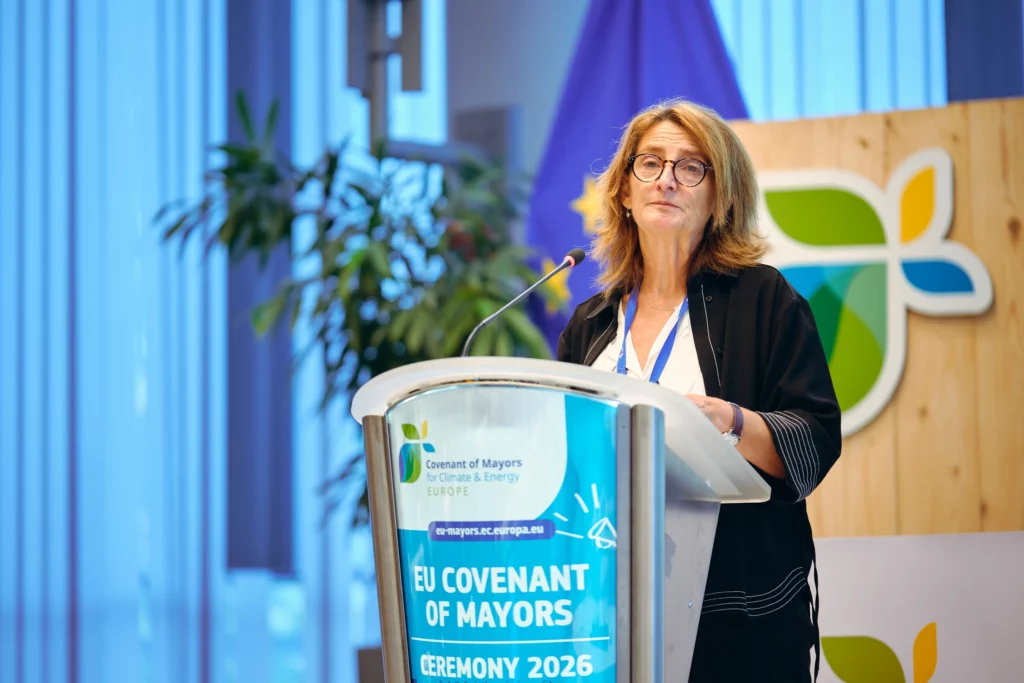
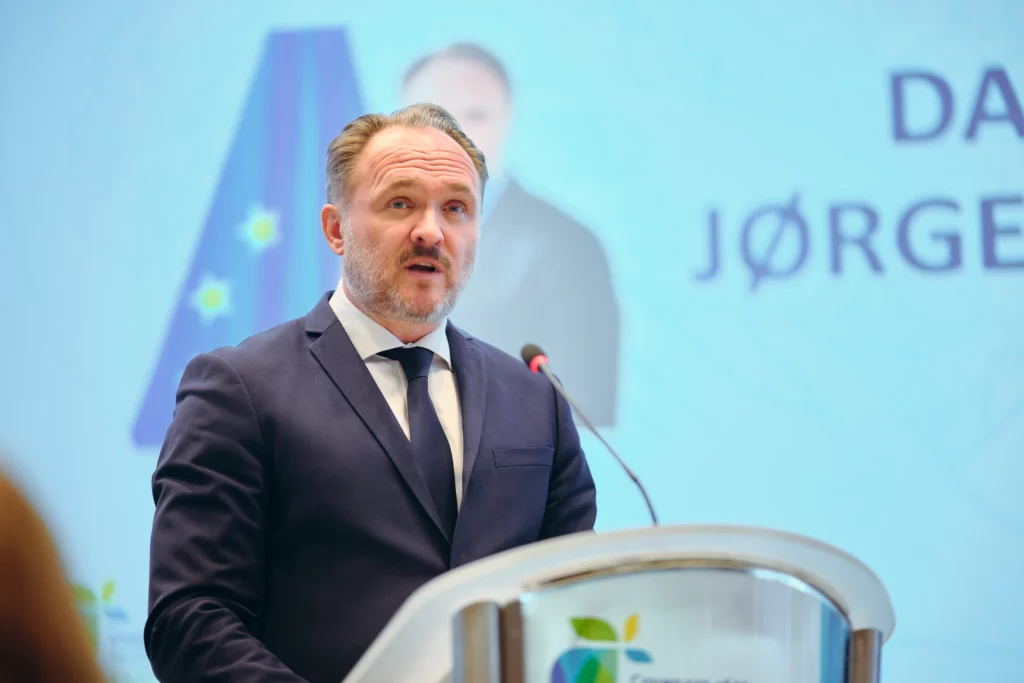
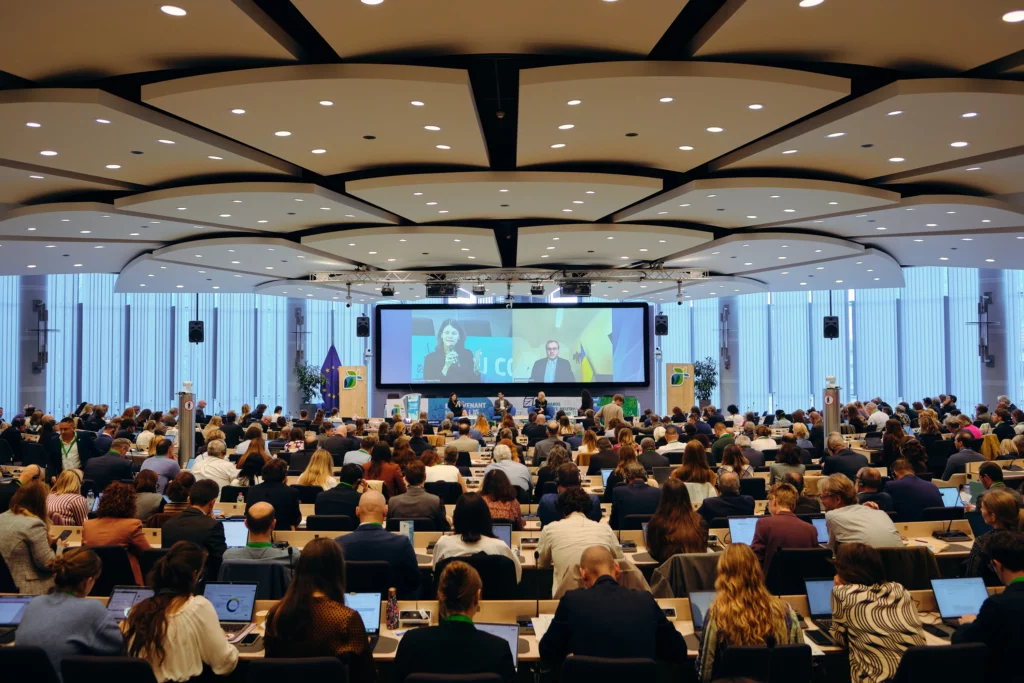
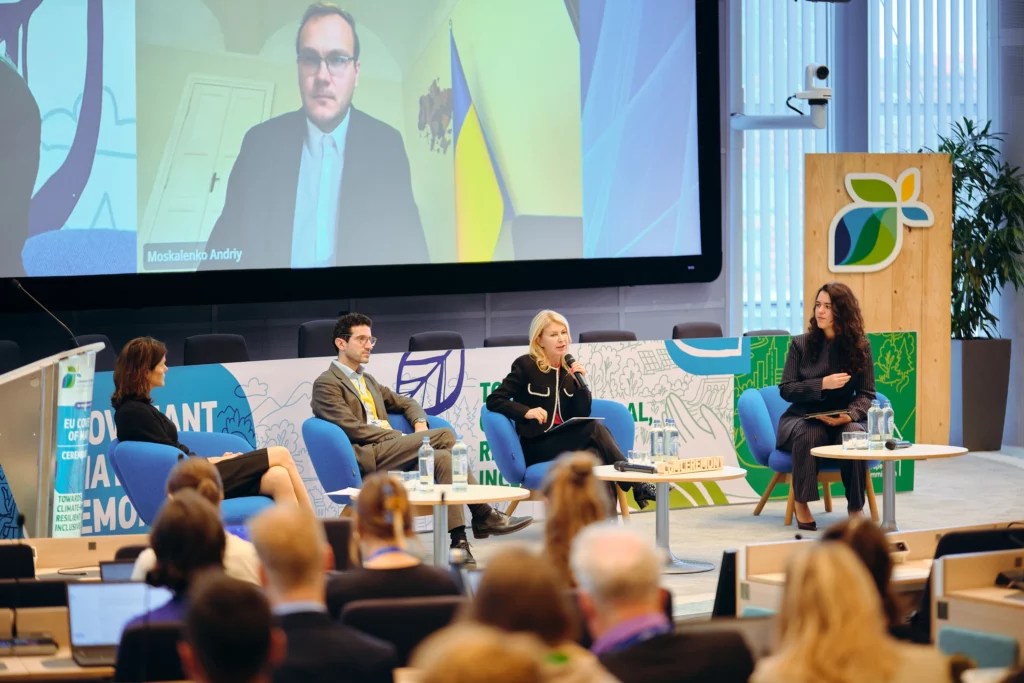
In a new position paper, the Local Alliance – a coalition of CEMR, ACR+, Climate Alliance, Energy Cities, Eurocities, FEDARENE, ICLEI Europe, and POLIS – calls on the EU to seize the revision of the Governance Regulation to make National Energy and Climate Plans (NECP) truly implementable, investable, and grounded in local realities. 

Cities, towns and regions across Europe are already acting — renovating buildings, deploying renewables, transforming mobility systems. Yet the EU’s climate planning framework has not caught up. National Energy and Climate Plans (NECPs) continue to be drafted largely without the involvement of the local and regional governments that will ultimately deliver them. 

The revision of the Governance Regulation, expected from the European Commission in the last quarter of 2026, is therefore a critical opportunity — one the Local Alliance is determined not to miss. 

A structural disconnect 

A wealth of local data, investment pipelines and climate plans already exists across Europe — from Sustainable Energy and Climate Action Plans to Climate City Contracts and local heating strategies. Yet this territorial knowledge rarely feeds into NECPs, creating duplication, fragmentation and missed investment opportunities.  

Meanwhile, the multi-level dialogues already required under Article 11 of the current Regulation have largely remained disconnected from real implementation decisions or remained tick-the-box level only. 

The result is a dangerous two-speed dynamic: high ambition at European and national levels, too little attention to what happens on the ground. 

The Local Alliance’s answer: connect what already exists 

The position paper calls for the revised Regulation to be built around four mutually reinforcing elements:  

  1. a permanent multi-level dialogue platform in each Member State to align all levels of government around NECP preparation and monitoring, taking into account national governance structures and needs;  
  1. a territorial chapter in each NECP drawing on existing local plans to show where and how national objectives will be delivered;  
  1. territorially informed sectoral pathways linking national targets across buildings, transport, heating, renewable energy, and circular economy with the local realities that determine whether delivery is actually possible; 
  1. and investment strategies that take account of local investment and capacity needs. 

This is not a call for more bureaucracy. It is a call to make what already exists work together — reducing consultation fatigue, cutting administrative duplication, and turning NECPs from reporting exercises into genuine frameworks for implementation and investment. 

Read the full position paper here

For more information, contact:

Meet Fabien Pérez (Marseille)

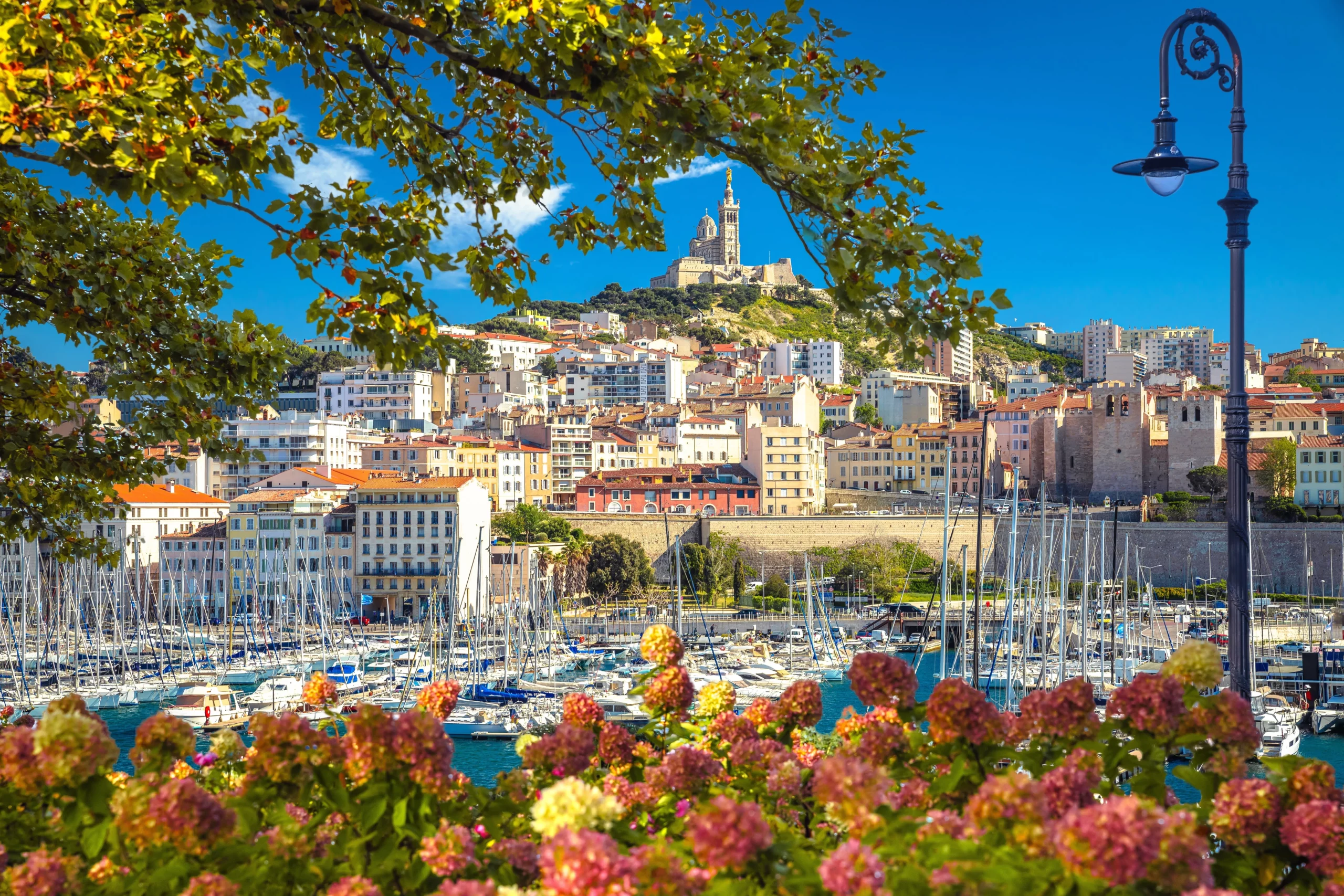
Marseille city image

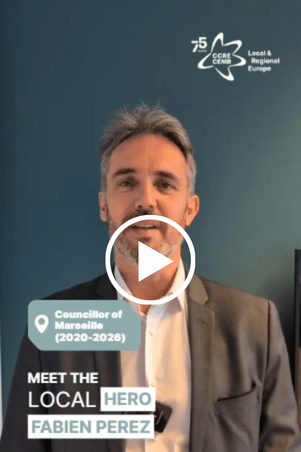
Meet the Local Hero: Fabien Pérez, building Marseille a climate-neutral city


Marseille’s path to climate neutrality

Marseille is in the middle of a major ecological transformation — one that began in 2020, when climate action was placed firmly at the centre of the local political agenda. This renewed momentum emerged at the same time as Europe was strengthening support for cities taking the lead on climate neutrality, creating the right moment for Marseille to accelerate its transition.

The city recognised that its challenges were multidimensional. Reducing greenhouse gas emissions, adapting to climate change or addressing energy poverty were among the urgent priorities. Local leaders understood that climate action could not be separated from social realities.

In February 2026, ahead of the French local elections, we interviewed Fabien Pérez, then Marseille’s councillor responsible for European Funds, to learn more about this experience.

Connecting local vision with European ambition

In 2022, Marseille was selected from 377 candidates to join the 100 cities part of the “EU Mission: Climate-neutral and smart cities”, a moment that Fabien Pérez describes as “the start of a new chapter in Marseille’s ecological transition”.

Two years later, in 2024, the city officially received the “100 climate-neutral cities” label after an evaluation by the European Commission. The distinction not only strengthens the city’s visibility at the European level but also provides access to technical expertise and dedicated funding to accelerate decarbonisation — crucial steps on the path towards Europe’s 2050 climate neutrality goal.

A collective process: building a shared Climate City Contract

One of the cornerstones of this transformation is Marseille’s Climate City Contract, drafted in collaboration with the Aix‑Marseille‑Provence Metropolis, the Region Sud and more than 250 private actors. As Pérez explains, “the Climate City Contract was prepared with citizens, enterprises, associations… a collective roadmap to decarbonise the territory by 2030”.

Behind this roadmap lies a political choice: to move away from a top‑down vision and instead build a shared strategy that tackles various topics such as mobility, building, renewable energy, circular economy and waste, nature in the city, urban agriculture, sea and coastline or education.

The elaboration of the contract also created a new sense of momentum across the territory — a desire to transform the city and accelerate the transition, matched with the need to secure and coordinate the necessary financial resources.

Climate action rooted in Marseille’s realities

Marseille’s ecological transition is shaped by the unique challenges of its territory. Like many European cities, road transport is a major source of emissions. But Marseille also faces additional pressure from industrial activities surrounding the city, emissions linked to air transport or food supply chains, and the geographical reality of being a major port.

Being part of the Mediterranean region also makes this city extremely vulnerable to the effects of climate change. As Pérez explains, Marseille regularly faces extreme weather events, soil fragility, and a coastline that is already evolving — and will continue to change in the coming years. These vulnerabilities have forced the local government to think long‑term and to get ready for tomorrow’s challenges.

Social urgency is another defining factor. Combating energy poverty has become not only an environmental priority but also a way to build social cohesion and support residents in tangible, meaningful ways. “The ecological transition must go hand in hand with social justice”, says Pérez.

From planning to action: relevant projects on the ground

The European label has already helped unlocking new funding for Marseille’s transition. Around €6 million are being invested in concrete, community-centred initiatives, including:

  • A neighbourhood outreach programme (€600,000), sending ambassadors into key districts to work directly with residents and companies on ecological initiatives.
  • Jet cities project, supporting changes in employment and skills caused by green transition (€1.5 million).
  • The “Poséidon” project (€400,000), promoting renewable energy, heat recovery systems and energy‑efficient renovation.
  • The PeriAsty project (€1.2 million), supporting the transition of Europe’s peri-urban areas towards climate-neutral, sustainable and resilient environments in areas such as mobility.
  • Additional support via the ELENA mechanism, helping finance large scale retrofits of public buildings and the expansion of renewable energy solutions.

These early projects illustrate how Marseille is moving from planning to delivery — and how European support can help local authorities turn long-term strategies into visible action.

Marseille also became a signatory of the EU Covenant of Mayors in 2021, an initiative in which CEMR is also involved. Through this initiative, the city has shared various of its case studies such as its plan for zero-euro electricity bills, its strategy to “refresh” public spaces, its heat strategy, and its transformative energy community strategy.

Under the umbrella of the Metropole Aix-Marseille-Provence, the city has been involved in the EU Missions Adaptation to Climate Change, another initiative in which CEMR is involved, with a budget of €999,000 budget for a project combining public and private partnerships to reduce CO₂ emissions.

A Mediterranean city that can inspire Europe

Marseille’s initiative in this field, combined with its geography and identity, makes it a compelling example for other European cities. As a major Mediterranean hub with diverse communities and a complex socio‑climatic landscape, it faces many of the shared challenges that cities across Europe are dealing with.

Fabien Perez - Local Hero Marseille

This is why Pérez emphasises the city’s wider relevance:

“Bring forward representative cities like Marseille, with a Mediterranean port, can inspire other cities in Europe to move towards carbon neutrality”.

Marseille is proving that climate neutrality is not only an environmental imperative, but also an opportunity to rethink governance, strengthen social cohesion and build a shared vision for the future. Its initiative shows how cities are already delivering results aligned with the global objectives of achieving the climate neutrality goal by 2050.

Marseille is a member of CEMR’s French association AFCCRE.

For more information, please contact:

Climate adaptation position paper

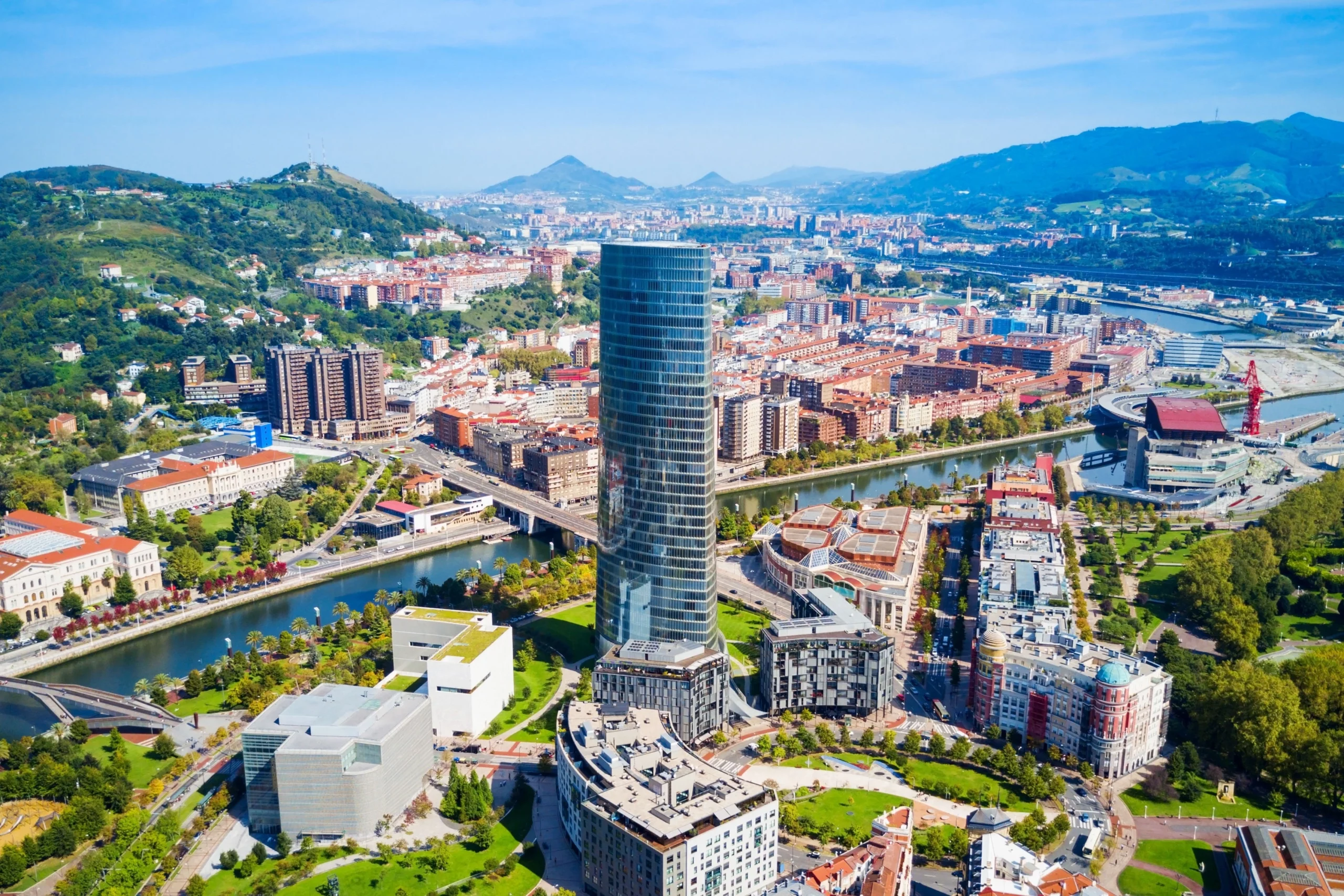
ODELL - City of Bilbao, main banner

CEMR calls for a territorial approach to Europe’s climate resilience


Europe is the fastest-warming continent in the world. Heatwaves, floods, droughts and extreme weather events are already affecting communities, infrastructure and ecosystems across the continent — with impacts that vary widely from one territory to another. In this context, climate adaptation has become an urgent priority for towns, cities and regions, which are on the frontline maintaining essential services and strengthening resilience on the ground. 

While the European Commission is currently developing a new integrated framework for European Climate Resilience and Risk Management, CEMR has published a new policy paper, Adapting Together – A territorial approach to resilience and risk management, setting out concrete recommendations to strengthen Europe’s approach to climate adaptation and preparedness. 

A new policy paper: Adapting Together 

The policy paper highlights a clear reality: local and regional governments already implement the vast majority of adaptation measures, yet their role remains insufficiently recognised and supported in EU and national frameworks. The paper calls for a territorial approach to climate resilience, grounded in multi-level governance and built around six key priorities: 

  • Empowering local and regional governmentswith clear mandates and flexibility to act; 
  • Strengthening local capacity through better access to data, tools and peer learning; 
  • Securing predictable and accessible funding for adaptation investments; 
  • Improving preparedness and disaster risk management; 
  • Restoring ecosystems and scaling up nature-based solutions; 
  • Ensuring water resilience through integrated, locally driven water management. 

By combining horizontal enablers (governance, capacity and finance) with sector-specific recommendations, the paper demonstrates how empowering towns, cities and regions is essential to Europe’s overall resilience. 

Towns, cities and regions at the frontline of adaptation policies  

Ronan Dantec, CEMR spokesperson for Climate, underlines: Today, it is urgent to recognise that adaptation to climate change is pivotal for municipalities and regions of all sizes. Investing in sustainable infrastructure and using our resources more efficiently is not just an option, but an imperative for securing a thriving future for all. 

Climate impacts are inherently local. Even within the same country, risks can differ significantly between urban and rural areas, coastal and inland regions, or northern and southern territories. Towns, cities and regions are therefore best placed to: 

  • Assess local climate risks and vulnerabilities; 
  • Protect vulnerable populations; 
  • Plan and manage resilient infrastructure; 
  • Ensure continuity of essential services such as water, transport and energy; 
  • Deliver nature-based solutions and ecosystem restoration. 

Their proximity to citizens also allows them to integrate social resilience into adaptation policies, ensuring that no one is left behind as climate impacts intensify

Preparing for the EU’s upcoming integrated framework on climate resilience 

CEMR’s policy paper comes at a key political moment, as the new integrated framework for European ClimateResilience and Risk Management is expected to be adopted by the European Commission in the second half of 2026. It will aim to establish a comprehensive and coherent EU approach to climate resilience and preparedness.  

 The ongoing public consultation of the European Commission on the future integrated framework, includes a set of questions covering resilience-by-design across EU policies; harmonised and comparable climate risk assessments; funding for adaptation; support for local and regional level, consideration of climate-related health impacts.  

CEMR is currently developing a response in cooperation with its expert group, requesting that towns, cities and regions are recognised not only as implementers, but as strategic partners in the design, financing and monitoring of this future framework. The consultation is open until 23 February 2026. CEMR encourages its members to participate and make their voices heard. 


For more information contact:

Local leaders urge a 2040 climate target

Target 2040 - News

Local leaders urge European Commission to set a binding 90% domestic emissions-cut target for 2040


Mayors of Aalborg (Denmark), Athens (Greece), Barcelona (Spain), Braga (Portugal), Copenhagen (Denmark), Freiburg (Germany), Ghent (Belgium), Matosinhos (Portugal), Milan (Italy), Malmö (Sweden), Matosinhos (Portugal), Nantes (France), Oslo (Norway), Tallinn (Estonia), Utrecht (The Netherlands) and Vitoria-Gasteiz (Spain) among signatories of joint letter to Von der Leyen and Ribera, coordinated by C40, CEMR, Eurocities and ICLEI Europe

Today, European local leaders have sent a joint letter to European Commission President Ursula von der Leyen urging the European Commission and Member States to set a binding EU target to reduce domestic greenhouse gas emissions by at least 90% by 2040 relative to 1990 numbers. The demand aligns with recommendations from the European Commission Impact Assessment on the 2040 target and the European Scientific Advisory Board on Climate Change (ESABCC), which highlight how this target is feasible for Europe.

Coordinated by Europe’s largest networks of local and regional governments –C40, CEMR, Eurocities and ICLEI Europe- the letter reiterates that “climate neutrality is a strategic imperative”, and calls on the European Union to “reaffirm its global climate leadership” ahead of the crucial COP30 climate summit. The signatories stress the need for a “robust, science-based 2040 climate target”.

To achieve the 2050 climate neutrality goal, cities and regions call for a “clear and ambitious framework at the EU level” that will provide “long-term certainty to businesses, unlock investment, and accelerate innovation”.

Highlighting their own efforts, cities and regions state they are already “delivering results faster than anticipated and aligned with the Paris Agreement” but emphasise that they “cannot do this alone”. The letter urges that “national and EU frameworks must reflect the urgency and scale of the challenge and enable faster and deeper action from the local level”.

The signatories also call for the 2028-2034 Multiannual Financial Framework to embed decarbonisation efforts, ensuring “that all regions and communities can access the resources, skills and infrastructure they need to succeed in the green transition”.

Finally, the letter underscores the importance of solid “multilevel governance structures and partnerships” to deliver an “ambitious and effective climate agenda”. This, they argue, is essential to “strengthen the EU’s credibility and influence on the global stage” at a “critical moment for international climate diplomacy”.

Signatories of the letter promoted by C40, CEMR, Eurocities and ICLEI Europe, as well as the following leaders from local and regional governments:

  • Jaume Collboni, Mayor of Barcelona and Eurocities Vice President
  • Matthias De Clercq, Mayor of Ghent and Eurocities President
  • Sharon Dijksma, Mayor of Utrecht
  • Haris Doukas, Mayor of Athens
  • Maider Etxebarria, Mayor of Vitoria-Gasteiz and Vice-President of ICLEI Europe
  • Lasse Frimand Jensen, Mayor of Aalborg and Vice-President of ICLEI Europe
  • Gunn Marit Helgesen, Councillor of Telemark County, President of KS, Association for all Local and Regional Authorities in Norway, CEMR President
  • Martin Horn, Mayor of Freiburg, in his capacity as the President of ICLEI Europe
  • Jevgeni Ossinovski, Mayor of Tallinn
  • Ricardo Rio, Mayor of Braga
  • Johanna Rolland, Mayor of Nantes, and President of Nantes Métropole
  • Luísa Salgueiro, Mayor of Matosinhos, President of the National Association of Portuguese Municipalities (CEMR member) and member of the Covenant of Mayors for Climate and Energy – Europe Political Board
  • Giuseppe Sala, Mayor of Milan and Vice Chair of C40 Cities
  • Eirik Lae Solberg, Governing Mayor of Oslo and Vice Chair of C40 Cities
  • Katrin Stjernfeldt Jammeh, Mayor of Malmö and President of ICLEI
  • Lars Henrik Weiss, Lord Mayor of Copenhagen

For more information, contact:

Renewables with communities first 

Energy - News Section

A European consensus sets guiding principles to accelerate renewable energy and grid deployment while ensuring fairness, transparency, biodiversity protection, and local benefits 


Europe is at a turning point. To reach climate neutrality by 2050, the EU must drastically expand renewable energy and electricity grids. This challenge is also an opportunity: renewables are cheaper than fossil fuels, can reduce biodiversity risks, and bring local economic benefits. Yet progress remains too slow, hampered by lengthy permits, weak community dialogue, and a lack of perceived value for citizens. 

To overcome these barriers, European stakeholders have united behind a set of baseline principles for fast and fair deployment of renewables and grids. These principles underline that projects must be shaped with communities, not imposed on them. Early engagement with mayors and citizens, transparent communication, and mechanisms for feedback are central to building trust. 

Equally important is ensuring that local communities share in the value of new projects. This means creating jobs, offering benefit-sharing schemes such as funds or co-ownership, and guaranteeing that revenues are used transparently for local improvements, from transport to housing. The principles also commit to nature-positive deployment, applying strategies to avoid or minimise harm and, where possible, enhance biodiversity. 

Finally, the consensus highlights the need to empower community-led initiatives, giving citizens and municipalities fair access to the energy market and the grid. By creating space for local ownership, Europe can ensure that the energy transition is not only fast but also fair. 

Together, these principles form a European consensus: a shared roadmap to accelerate the transition while protecting ecosystems and ensuring citizens see real, tangible benefits. 

Read the position paper here 

For more information, contact: 

The Green Deal Implementation

Energy Transition - News

The Green Deal at a crossroads: lessons from the first 100 days


In 2019, the European Commission announced a “man-on-the-moon moment” with the launch of the flagship initiative of the new President Von der Leyen: the Green Deal. Five years later, after setbacks and adjustments, is the course still the same? Under the growing pressure of the European industrial competitiveness decline, energy security issues, and unprecedented geopolitical challenges, the Green Deal finds itself at a critical turning point. Officially, the transition remains a priority for the new Commission, but its implementation is marked by strategic adjustments and compromises that tend to redefine its initial ambition.

For local and regional governments, the stakes are high. Since the launch of the Green Deal, they have been on the front lines of the green transition, with the adoption of a long series of European legislations regulating the costly implementation of sustainable mobility plans, the deployment of renewable energy, and the modernisation of infrastructure to achieve climate goals. However, the growing trend towards the nationalisation of European policies and funding threatens to marginalise them and lead to concentrating investments in already well-positioned territories, precisely at a time when action must be strengthened on the ground.

An increasingly centralised governance model for the green transition

Since President Von der Leyen is in office, the EU has adopted an increasingly centralised approach to implementing its policies, making national governments the preferred interlocutors. National Energy and Climate Plans, Social Climate Plans, the Recovery and Resilience Facility, and National Nature Restoration Plans have reinforced this model. Officially justified by efficiency and simplification imperatives,this choice has, in reality, widened the governance gap: while local governments are responsible for more than 70% of climate change mitigation measures, they are often left out of the formulation of national strategies that directly concern them.

Today, local governments are largely excluded from decision-making processes. According to the CEMR report Local Green Transition Prospects for an Inclusive and Competitive Deal, more than two-thirds of the local governments surveyed report not having had the opportunity to participate in consultations on the transposition of green legislation, and only 4% of regions and municipalities believe they were truly taken into account.

The next revision of the EU budget (MFF) could exacerbate this trend. The idea of consolidating all climate and green transition funding into a single national plan is gaining ground. On paper, this seems simpler. But this could further weaken the role of local governments, reducing them to mere implementers of top-down strategies, rather than considering them as essential actors in the transition. You can learn more about this at the CEMR position paper on MFF here.  

The OECD underscores the importance of a territorial approach to climate action, recommending that national governments facilitate the development of subnational climate targets tailored to local realities and ensure adequate funding for their implementation. Without direct involvement in shaping national strategies, local and regional governments are left with limited resources and influence, despite their critical role in building long-term investment strategies on the ground.

A green transition that cannot be disconnected from territories

The Draghi report highlighted the urgency for Europe to accelerate its transition to a carbon-neutral economy and to deploy substantial investments in green technologies to strengthen European competitiveness. Decarbonisation of industry, deployment of renewable energy, and development of sustainable transport infrastructure: The success of these political priorities depends highly on a territorial approach. Where will the new hydrogen valleys be located? How will rural areas adapt to new land uses and energy production? What role will medium-sized cities play in green industrial policy? How can competitiveness clusters be strengthened to structure these local dynamics and enhance synergies between businesses, research centres, and local governments? These are questions that cannot be answered solely at the national level (read also our reaction to the Competitiveness Compass).

Ignoring this dimension carries significant risks. Without a territorialised approach, the implementation of the Green Deal could lead to the concentration of green investments and jobs in a few already competitive regions, leaving others struggling to attract funding. The cohesion policy, which has historically been the EU’s main tool for ensuring balanced development, should be at the heart of the implementation of the new European Commission’s Clean Industrial Deal policy.

Embedding multi-level governance in the Green Transition

At the dawn of a new phase of its climate action, the EU must resolve a fundamental contradiction: the Green Deal can only succeed if it is implemented locally, but its governance model is becoming increasingly centralised. If the European Commission truly wants to achieve climate neutrality while preserving social and territorial cohesion, it must develop a robust and inclusive multi-level governance framework.

Considering this, three priorities must guide the EU’s approach:

  1. Grant local and regional governments a formal role in the development of national plans for implementing European legislation. These plans should not be limited to technocratic exercises but become true co-construction processes.
  2. Preserve and strengthen access to European funding for local and regional governments. The Commission’s emerging ideas for the next budget, namely a shift toward a national plan and a potential single European fund for competitiveness, risk sidelining local players and concentrating resources in already competitive regions, leaving others without the necessary financial means to support their transition. Ensuring direct access to funding for local and regional governments is essential to prevent growing investment disparities.
  3. Recognise local and regional governments as major investors. They account for more than half of public investments in climate-related infrastructure. Their investment capacity must be strengthened, not hindered.

Driving the Green Deal forward in a collaborative and territorially tailored way will not only enhance the EU’s competitiveness but also position it as a leader in the global transition towards a more sustainable economy. In light of the rapidly shifting geopolitical, economic and ecological landscape, a more inclusive governance model with a formal role to local and regional governments is more crucial than ever.

For more information, contact: 

EU’s Green Agenda 2025

Green City - News Section

Why It Matters for Local and Regional Governments (LRGs) and What to Watch Next


From new climate targets to updated waste regulations, the European Union is rolling out policies that will shape the future of cities and municipalities. While these decisions may seem distant from everyday life, they have a direct impact on local governments—affecting everything from energy bills to public transport, water management, and waste collection.

Local and regional authorities are on the front lines of the green transition. They are the ones turning EU policies into real-life projects: renovating buildings to be more energy-efficient, upgrading public transport, and ensuring clean air and water for their citizens. But with so many new EU initiatives in the pipeline, what should local governments pay attention to in the coming months?

1. Climate and Energy: New Targets, Local Impact

The European Commission’s Competitiveness Compass outlines key climate and energy measures for 2025, including a revised Climate Law and a Clean Industrial Deal. These will influence energy prices, local renewable energy projects, and even funding for green infrastructure.

Meanwhile, the EU is tackling energy poverty, with plans to better protect vulnerable households from rising costs. Local governments, which often manage social housing and community energy programs, will need to be prepared for these changes.

2. Water and Waste: Tighter Rules, Bigger Responsibilities

Water management is rising on the EU agenda, with the European Parliament’s Water Resilience Strategy pushing for stronger action on pollution, efficiency, and climate adaptation. This means cities may need to invest in better infrastructure to secure water supply and prevent flooding.

At the same time, the revised Urban Wastewater Treatment Directive introduces stricter water quality standards and a stronger application of the polluter-pays principle, ensuring that industries—not taxpayers—shoulder the costs of wastewater treatment.

On waste, new EU packaging rules taking effect this month will require cities to adjust collection programs to meet higher standards. Additionally, Extended Producer Responsibility (EPR) rules for textiles will require businesses to take more responsibility for the waste they create, easing some of the burden on local waste services.

3. Mobility: Changes Coming for Public Transport and Urban Planning

The EU’s Sustainable Transport Investment Plan and High-Speed Rail Plan will influence urban mobility strategies. Meanwhile, CEMR is ensuring that local governments have a say in the EU Expert Group on Urban Mobility, particularly on topics like city access for businesses and cycling infrastructure.

4. Green Finance: How Cities Can Access More EU Funding

One of the biggest challenges for local governments in the green transition is funding. The European Commission’s new Project Group on Affordable Housing will prioritise unlocking financing for energy-efficient renovations, including through the Social Climate Fund.

What’s Next? Stay Informed and Get Involved

With so many EU policies evolving, local governments need to stay ahead of the changes. The coming months will be crucial in determining how these policies are implemented—and how they affect cities and regions across Europe.

Want to know more about how CEMR advocates for local and regional governments in the green transition?

Contact Axelle Griffon (axelle.griffon@ccre-cemr.org) and Edoardo Bodo (edoardo.bodo@ccre-cemr.org)

Green Lungs project 

Head Banner - Green Study 2024

Green Lungs for a Greener Future 


The “Green Lungs for our Cities” project showcases the power of local action. Through its implementation, Tirana and its partners built an alternative platform to monitor air quality, noise pollution, and urban greenery ecosystems. This approach not only influenced governance at the local level but also aligned with the EU accession process, underscoring the importance of working with partners across borders. 

This best practice emphasises the value of evidence-based decision-making, creating a qualitative urban environment for all. The project’s success highlights local governments’ critical role in implementing environmental policies, even in non-EU contexts. 

Municipalities like Tirana are demonstrating how local innovation can tackle global challenges. With clean air, vibrant green spaces, and healthier communities as the ultimate goals, the project reminds us that bold, inclusive action leads to meaningful change. 

Paving the Path Ahead 

As we celebrated the International Day of Clean Energy yesterday, the “Green Lungs” project reminds us that the transition to a green future begins at the local level. From renewable energy to air quality improvements, cities and regions are proving that collaboration, resilience, and innovative thinking can shape a sustainable tomorrow. 

The message is clear: investing in clean energy and local green policies is not just a necessity but an opportunity to create healthier, more vibrant communities, one step closer to climate neutrality by 2050

Continue Reading

Urban Green Ghent

Ghent Green City - 2024

Urban Green Ghent: A Best Practice in Climate Resilience 


As cities around the world grapple with the mounting challenges of climate change, Ghent, Belgium, stands out as a shining example of innovation and determination. Through its transformative “Urban Green Ghent” initiative, the city demonstrates how urban areas can adapt to increasing climate risks while enhancing liveability and biodiversity. 

Turning Pavement into Opportunity 

A cornerstone of Ghent’s strategy is its ambitious plan to replace 15% of the city’s pavement with green spaces. This bold move addresses pressing climate challenges such as heatwaves, droughts, and recurrent flooding. By removing hard surfaces in public squares, parks, gardens, and streets, the city enables rainwater to naturally infiltrate the soil. This sponge-like effect mitigates the impact of heavy rainfall, helping to protect the city from flash floods. 

Watercourses and Façade Gardens 

Ghent’s commitment to a greener, more climate-resilient urban environment extends beyond de-paving. The city has reopened its watercourses, allowing natural waterways to flow freely once again. This not only improves water management but also enhances the aesthetic and ecological value of the city. 

Moreover, the promotion of façade gardens encourages residents to transform walls and small spaces into vibrant pockets of greenery. This community-driven approach fosters engagement and underscores the vital role citizens play in creating a sustainable city. 

Adapting to Climate Risks 

The initiatives under “Urban Green Ghent” are designed to tackle the growing risks of climate change. Heatwaves are mitigated through the cooling effect of increased vegetation, while green spaces enhance air quality and provide shaded areas, making the city more comfortable for residents and visitors. During periods of heavy rain, green infrastructure helps absorb excess water, reducing the strain on urban drainage systems. 

Enhancing Liveability and Biodiversity 

Beyond its climate benefits, Ghent’s green transition transforms the city into a more enjoyable and healthier place to live. Greening efforts create attractive outdoor spaces, improve biodiversity, and foster a stronger connection between residents and their natural environment. 

A Model for Other Municipalities 

Ghent’s comprehensive approach to urban greening offers valuable lessons for cities worldwide. Its success demonstrates the power of local government to lead in climate adaptation and resilience. By investing in sustainable infrastructure and engaging the community, Ghent is charting a path toward a future where urban areas are better equipped to face the realities of climate change. 

  • Explore more about Ghent’s green initiatives and their impact here

€86 billion SCF at risk

Local-Alliance

Vulnerable households risk being underserved by the €86 billion EU Social Climate Fund due to inadequate consultation with local and regional governments, a new Local Alliance report warns.


An exclusive new report from eight major European local and regional government networks reveals that vulnerable households in the EU are at risk of being underserved by the €86 billion Social Climate Fund (SCF) due to inadequate consultation by national governments.

The survey underpinning the report, conducted by the Local Alliance — a coalition comprising ACR+, CEMR, Climate Alliance, Energy Cities, Eurocities, FEDARENE, ICLEI Europe and POLIS — highlights widespread non-compliance with key requirements under SCF legislation. 

Articles 4 and 5 of the SCF state that Member States must engage with local and regional governments in developing their national Social Climate Plans. However, the report finds that many governments are failing to fulfil these obligations, often reducing consultations to empty gestures or bypassing them entirely.

A missed opportunity to address local needs

The SCF is a flagship initiative under the European Green Deal, aimed at supporting vulnerable households. But the findings show a troubling disconnect between national decision-makers and their local governments.

The survey, covering cities and regions across 14 Member States, including Belgium, Finland, Germany, Greece and Spain, paints a stark picture of delayed consultations, inadequate dialogue, and missed opportunities to incorporate local expertise.

“The €86 billion Social Climate Fund holds the potential to transform lives and build a more equitable Europe, but only if the voices of local and regional governments are at the table. These governments are on the frontlines of addressing energy and transport poverty, yet too often, their expertise is overlooked. National governments and the EU Institutions must recognise that meaningful consultation isn’t just a legal requirement — it’s a necessity for effective and inclusive action.”  Fabrizio Rossi, Secretary General of CEMR. 

Local governments: Key partners for effective action

Local and regional governments are uniquely positioned to ensure that EU funds address the specific needs of their communities. They bring expertise, proximity, and an understanding of local priorities, which are crucial for tailoring measures to effectively support vulnerable households.

The absence of meaningful consultation not only undermines the legislative requirements but also jeopardises the effectiveness of the SCF just six months before Member States are due to submit their plans in June.

Recommendations for national and EU decision-makers

To ensure the Social Climate Fund effectively supports vulnerable households, the Local Alliance urges Member States, amongst others, to prioritise meaningful collaboration with regional and local governments, through locally developed plans such as SECAPs and Sustainable Urban Mobility Plans.

This will provide EU investments that are aligned with local needs to address energy and transport poverty, ensuring measures that target the needs of vulnerable groups like women, older people and single-parent households. For more information, download the full report here.