
Public procurement to local realities

European Union - News

CEMR Releases New Position Paper on Public Procurement: A Call for More Flexibility and Less Bureaucracy


CEMR has officially released its position paper on public procurement, outlining key changes needed to ensure a procurement system that truly works for local and regional governments.

As the largest public investors and contracting authorities in the EU, local and regional governments (LRGs) play a crucial role in delivering essential public services. However, the current public procurement framework remains too complex, rigid, and burdensome, limiting their ability to act efficiently and effectively.

CEMR’s position paper highlights three key areas for reform:

  • Greater flexibility to adapt procurement to local needs
  • Simplified rules to reduce administrative burdens
  • Stronger support for SMEs to foster local economic growth

The document serves as a clear call to action for EU policymakers, urging them to shape a procurement framework that respects the autonomy of local governments while ensuring efficient public service delivery.

For more information, contact:

Public Procurement directive

Schengen Space - News

Empowering Local and Regional Governments: A Call for a Public Procurement Directive that Reflects their Realities


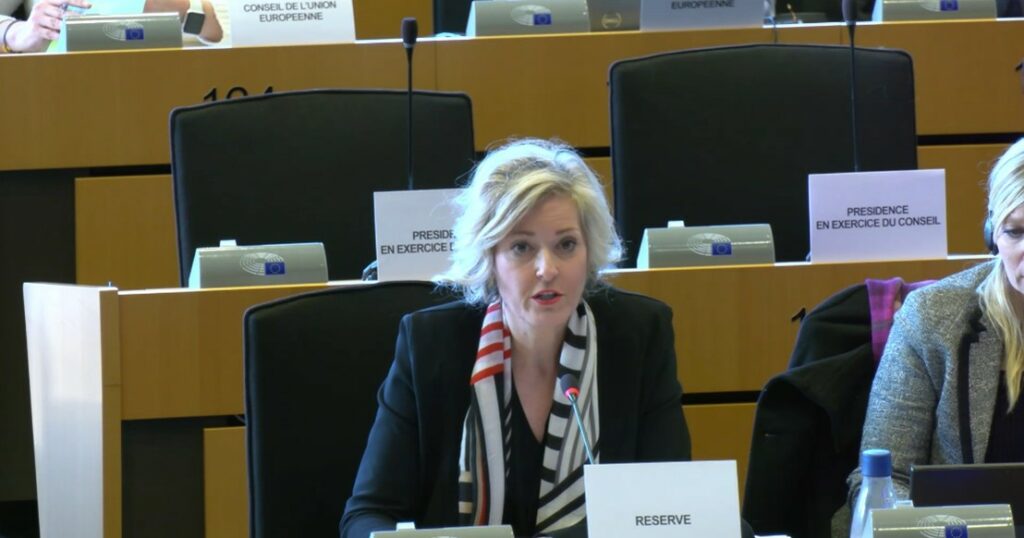
On Monday 27 January, Tanja Struve, Chair of CEMR’s Expert Group on Public Services, participated in the IMCO Committee’s exchange of views on public procurement. This session was organised as part of the European Parliament’s own initiative report on public procurement and brought together experts and policymakers to address key challenges and opportunities in this policy field. 

During her intervention, Ms. Struve presented the CEMR Expert Group’s positions, stressing the urgent need for a public procurement directive that better reflects the realities of local and regional governments (LRGs). She highlighted the significant role LRGs play as the largest public investors and contracting authorities in the European Union and the challenges they face under the current directives. 

Tanja Struve, Chair of CEMR’s Expert Group on Public Services

Why Public Procurement Matters 

Public procurement is a cornerstone of the European economy, accounting for around 14% of the EU’s GDP. It is a critical tool for governments to deliver public services, promote innovation, and drive sustainability. The existing EU Public Procurement Directives, adopted in 2014, aim to modernise procurement practices by fostering transparency, competition, and efficiency. 

While the EU’s procurement framework has brought some improvements, there is a growing consensus among local governments that reforms are needed to better align the directives with the realities on the ground. Indeed LRGs—the largest contracting authorities in the EU—face significant challenges in navigating the current framework because of the overly complex procedures, rigid rules, and heavy administrative burdens that limit flexibility and make it difficult for local authorities to adapt procurement practices to their specific needs. 

Public procurement is vital, and LRGs are the largest public investors and contracting authorities in the EU,” Ms. Struve stated. “However, they face several challenges with the current public procurement directives. They need simplification, flexibility, and the ability to adapt procurement practices to local needs without overloading procedures.” said Tanja Struve, Chair of CEMR’s Expert Group on Public Services.

Ms. Struve emphasised three critical areas for reform: 

  • Greater flexibility to adapt procurement practices to local circumstances. 
  • Simplified rules to streamline processes and improve procedures. 
  • Reduced administrative burdens to ensure more efficient and effective procurement practices. 

These changes, she explained, are essential to empower local governments to deliver high-quality public services while safeguarding their right to self-governance. 

Next Steps for the Expert Group 

CEMR’s Expert Group on Public Services is finalising its position paper on public procurement. The document, which consolidates the group’s recommendations and insights, is currently under review by the Secretary Generals of CEMR. It is set to be adopted and published in the coming days. 

This position paper will serve as a cornerstone for CEMR’s advocacy efforts, providing clear and actionable guidance to EU policymakers on creating a public procurement framework that truly supports local and regional governments. 

For more information, contact:

The Local Alliance on the next MFF

The Local Alliance presents its new Position Paper on the next EU Multiannual Financial Framework 2028-2035


The Council of European Municipalities and Regions (CEMR) as a member of the Local Alliance, a coalition of Europe’s eight leading local and regional networks, launches a position paper on the next EU Multiannual Financial Framework (MFF 2028–2034).

The document outlines the urgent need for a strong, future-proof EU budget to create a just, climate-neutral, and competitive Europe. It places a spotlight on the indispensable role of local and regional governments in delivering key EU priorities such as the European Green Deal, digital transformation, and territorial cohesion.

Why the next MFF matters:

  • Unmatched Local Impact: Local governments are already implementing 70% of European Green Deal legislation and account for 69% of climate-related public spending.
  • Better Quality of Life for Citizens: The MFF enables Local and Regional Governments to build greener cities, stronger economies, and more inclusive communities.
  • Resilience in Challenging Times: Amid an evolving and less secure political landscape, the next EU budget must prioritise support for local resilience and ensure no region is left behind.

A vision for a resilient and united Europe

Local and regional governments are not just implementers but vital partners in shaping a sustainable, competitive, and cohesive future for Europe. Investments at the local level drive real change, ensuring that the EU’s goals translate into tangible benefits for communities and citizens.

For more information, contact:

Digital Inclusive Future

EPSU CEMR - News

CEMR and EPSU Release New Report on Digital Transformation in Local Governments 


The Council of European Municipalities and Regions (CEMR) and the European Public Services Union (EPSU) are pleased to announce the release of “Local, Social, Digital” – a report examining the impact, opportunities, and challenges of digital transformation across Europe’s Local and Regional governments. Co-financed by the European Commission, the report gathers insights from extensive research and contributions by CEMR and EPSU members across Europe. 

Digitalisation is reshaping public service delivery, enhancing accessibility, efficiency, and adaptability. However, it also presents challenges, from ensuring supportive working conditions and safeguarding privacy to addressing skills gaps. This report highlights both the opportunities and the complexities digitalisation brings, presenting key findings from research, social partner agreements, and project discussions. 

Key areas include: 

  • Teleworking and Remote Work: Outlines best practices to ensure fair working conditions, health, safety, and the right to disconnect. 
  • Digital Skills and Employment: Details agreements that support lifelong learning, equipping municipalities to meet digital demands. 
  • Privacy, Surveillance, and AI: Proposes policies that respect human dignity and privacy as AI becomes more integrated. 
  • Gender Equality: Examines the gendered impact of digitalisation, supporting inclusive strategies for a diverse workforce. 

CEMR Secretary General Fabrizio Rossi stated: “These findings underscore the importance of a balanced approach to digitalisation that safeguards workers’ rights while advancing technology. Our members are committed to using digital tools to improve public services, ensuring this transformation aligns with the values and well-being of all employees and citizens.” 

The Local, Social, Digital report is now available for download. The report supports ongoing policy initiatives, fostering collaboration between local governments and public service unions to create a digitally inclusive and socially responsible future. 

Local, social, digital – digitalisation impact

Digital transition - News 2022

A joint CEMR–EPSU project explores how digitalisation is transforming local and regional governments across Europe and its impact on workers, services and governance 


Digital transformation is reshaping local public services across Europe, from how services are delivered to how public employees work and engage with citizens. To understand these changes and support effective responses, the Council of European Municipalities and Regions (CEMR) and the European Public Service Union (EPSU) launched a joint project: “Local, Social, Digital”, co-funded by the European Commission and implemented between 2023 and 2024. 

This initiative explored the challenges, opportunities and impact of digitalisation in local and regional governments (LRGs), with a particular focus on working conditions, skills development, social dialogue, and inclusive governance. 

At the heart of the project is a comprehensive research report prepared by an independent expert, based on desk research, interviews with national CEMR and EPSU affiliates, and key insights from international conferences and webinars held in Cagliari, Tallinn and online. 

The research revealed a wide range of digital practices and challenges across European LRGs. Digital tools are enhancing flexibility, accessibility and efficiency, but also raising important questions around workers’ rights, surveillance, data privacy, and fair access to training and upskilling. The study also found growing awareness around the gendered impact of digitalisation, particularly following the COVID-19 pandemic. 

Key themes included: 

  • Telework and hybrid work: The shift to remote working has been widely adopted, but requires clearer frameworks on rights, disconnection, and workplace safety. 
  • Digital skills and employment: There is a pressing need to train and support public employees in using digital tools, with strong involvement from both trade unions and employers. 
  • Ethics and AI: The use of Artificial Intelligence in local governance raises new ethical challenges and calls for stronger social partner dialogue. 
  • Smart cities and services: Digitalisation of public services must remain people-centred, focusing on inclusiveness, accessibility, and transparency. 

Many national and local social partners have already launched strategies, tools and agreements to manage this transformation, including practical guidelines, awareness-raising events and training programmes. 

As Europe enters its Digital Decade, local and regional governments stand at the forefront of this transformation. The “Local, Social, Digital” project reinforces the crucial role of social dialogue in managing digital change, ensuring fair working conditions, and promoting inclusive public services. 

CEMR and EPSU call for continued EU support and structured collaboration among employers, trade unions and institutions to empower local administrations in navigating digital change, sustainably, socially, and with dignity. 

Read the study here

For more information, contact: 

Funding local services first

Funding and investment in Local Regional Governments must be protected


Europe’s sectoral social dialogue partners for local and regional government unions are concerned about the review of the EU’s economic governance rules.

The Council of European Municipalities and Regions (CEMR) and the European Federation of Public Service Trade Unions (EPSU) are concerned that the proposed reduction in public spending will negatively impact the essential services provided by local and regional governments.

The EU institutions are currently reforming the EU economic governance frameworkBruegel Institute calculations indicate that several member states will have to reduce public spending in 2025 and in the coming years, often in the billions of euros, under this mandate.  

This would not be the first time the EU sets indications to member states to reduce public spending. The effects of such measures have strongly impacted funding for local and regional governments and, therefore, their ability to provide quality services to citizens. Local governments are first responders to the immediate needs of citizens – they deliver services that allow all our communities to thrive. From public administration to housing and social services, from firefighters to waste collection: underfunding means jeopardising the delivery and quality of services to citizens.

Insufficient funding for local and regional governments exacerbates inequalities and disparities across regions and municipalities, as well as between rural and urban areas. Without adequate resources, local and regional authorities struggle to address pressing issues such as unemployment, labour and skills shortages, working conditions, social inclusion, and the digital and green transition.

Moreover, reductions in public spending hit women harder. Underfunding contributes to the persistence of the gender pay gap in the EU, given that the majority of workers in the sector are women often low pay. In addition, women are more reliant on local public services.

Furthermore, local and regional governments ensure democracy and equal access for all citizens. With just two months until European elections, it is important to recall that underfunding local governments means underfunding our democracies.

We urge European policymakers to carefully assess the implications the economic governance framework reform will have on local and regional governments in the EU. The impact of these rules cannot hinder the ability of local and regional governments to fulfil their mandates and provide essential services to citizens. As sectoral social partners in local and regional governments, we are committed to continue supporting the implementation of the European Pillar of Social Rights towards a social Europe for all. This economic reform must not constrain this European ambition.

We expect economic governance rules that protect the funding and investment that Local and Regional Governments require to serve their communities with the services which Europe’s citizens deserve.

Read the statement here

For more information, contact:

Local, Social, Digital

Local Social Digital - News 2023

Tallinn Conference on the “Local, Social, Digital” Project


On February 16, 2024, Tallinn, Estonia, will host the second conference of the “Local, Social, Digital” project, a collaborative effort by CEMR and EPSU. The project addresses the challenges from the digital transition and evolving work patterns highlighted by the COVID-19 crisis. This transformation significantly influences employer-worker relations and working conditions within the local and regional government sector.
 
Initiated to foster European coordination and secure appropriate funding, the CEMR-EPSU project seeks to enhance the understanding and capacity of employers, trade unions, and workers’ representatives on various issues related to digitalisation and automation. The conference will serve as a crucial platform for stakeholders to share insights and navigate the challenges posed by the evolving landscape.

Digitalisation

Digitalisation - News 2023

Bridging the Digital Divide: Social Partners Convene for Local and Regional Government Transformation


Social partners from the local and regional government sector gathered in Cagliari, Italy on 16th June 2023 for the inaugural conference of the EU-funded project “Local, Social, Digital.” The initiative is jointly led by the Council of European Municipalities and Regions (CEMR) and the European Federation of Public Service Unions (EPSU). It aims to enhance the capacity of national social partners by facilitating the exchange of information and knowledge, including good practice examples, technical expertise, and policy planning, in the context of the digital transformation of the EU’s public sector.

The digitalisation of local public services and administration will significantly impact working conditions and how public services are delivered in local and regional governments. The social partners representing these sectors have a vital role to play in expediting digitalisation efforts and ensuring a smooth transition that improves working conditions.

The conference was attended by representatives from the Directorate-General for Employment, Social Affairs and Inclusion of the European Commission, Eurofound, SGI Europe, the European Trade Union Confederation, and social partners from the Education Sector.

Fabrizio Rossi, Secretary General of CEMR, inaugurated the conference and outlined the organization’s vision for the digital transformation of the EU’s public sector. He emphasized the urgent need for local and regional governments to spearhead digital transformation initiatives that serve all communities, leaving no territory behind.
During the conference, social partners from Italy, Denmark, Norway, and Estonia had the opportunity to showcase their best collective bargaining practices related to digitalisation. A significant portion of the conference was dedicated to Italy, where a recent collective bargaining agreement on digitalisation was presented.

Representatives Ms. Tatiana Cazzaniga (FP-CGIL) and Mr. Jacopo Massaro (National Association of Italian Cities) highlighted the key features of the agreement on behalf of the Italian social partners from the local and regional government sector. They also emphasized the importance of increased involvement from both parties within the European Sectoral Social Dialogue Committee on Local and Regional Governments.

As part of the project, CEMR and EPSU affiliates will continue their collaborative efforts over the next two years to develop sectoral guidelines that support the digital transition within local and regional public administration.

MUNIWORD 2022

MUNIWORD - News 2022

Take part in MUNIWORD 2022, a global brainstorming on urban innovation


Join hundreds of local representatives and engage in a global brainstorming on urban innovation. Taking place from 6 to 8 December, in Tel-Aviv and Jerusalem, MUNIWORD 2022 is the go-to event for anyone involved in local innovation and smart cities.

This one-of-a-kind conference will serve as a platform for sharing visions, methodologies, and best practices for promoting municipal and global sustainability, resilience, and innovation that will serve Municipalities worldwide. The event is organised by the Federation of Local Authorities in Israel (FLAI), Masham, in partnership with the city of Jerusalem.

Speakers at the conference will include government Ministers mayors, senior stakeholders, and key figures from the business sector, government, and academia.

MUNIEXPO 2022,the Local Government Exhibition for Innovation

MUNIWORLD 2022 is part of MUNIEXPO 2022, the annual event on Municipal Innovation held by the FLAI.

Attended by 9,000 Director Generals and Managers of 258 local authorities in Israel, the Expo provides a platform for collaborations to impact millions of citizens’ daily lives directly.
International MUNIWORLD participants are granted full access to all the events of MUNIEXPO 2022 and will enjoy exclusive tours of the exposition and special networking events.

Practical info

The FLAI kindly offers to provide two nights of accommodation in the prestigious Orient Hotel in Jerusalem for all Mayors, as well as an exemption from registration fees. This exemption from registration fees will also be provided to an additional member of each Mayor’s delegation.

Participation in the event includes an opening gala evening in the presence of the Prime Minister and President of the State of Israel, tailored-made urban innovation tours in Jerusalem, an international plenary session and panels in Tel Aviv on topics of the global municipal agenda, a guided visit of the exhibition, an exclusive meeting at the President’s House for Mayors, and a festive dinner hosted by Mr. Moshe Lion, Mayor of Jerusalem.

Discover last year’s MuniWorld with a short vidéo.

For more information please visit the MuniWorld 2022 website or contact the Federation of Local Authorities in Israel via email.

Podgorica

Podgorica - News 2022

Podgorica delivers 100 websites for local businesses


The COVID-19 pandemic has significantly slowed down the growth of many local companies across the world.

By being tech-savvy and present online, companies can cushion the impact on brick-and-mortar businesses and be more resilient in the face of future crises.

That’s whyPodgorica, the capital of Montenegro, created the “100 websites project” (100sajtova.me), which, as the name suggests is providing 100 free websites for 100 local business.

After checking the applicants’ submitted documentation, visuals and data for the website, all websites that met the specified requirements were created by city employees. You can check them out here.

Through this digital platform, Podgorica has provided local businesses free website development, as well as a free domain and hosting for a period of one year.

The city also provided workshops to help businesses learn the basic knowledge needed to maintain their newly made websites. Many websites have since then been updated and supplemented.

The development environment used allows the parameters to be easily modified to find solutions adapted to other needs. The successes of “100sajtova.me” highlights how our communities’ local businesses can be digitalised to be fit for the future.