Social dialogue

Social Dialogue - News 2021

How can local and regional governments combat third-party violence and harassment at work ?


In the European Union, 41% of the employees work in direct contact with clients*, among them 42%, especially women, suffer from physical violence, verbal aggression, or the threat of physical violence  which is not at the hands of a co-worker (e.g., a municipal employee targeted by cyber-bullying or teacher attacked by a pupil). The so-called third-party violence, has an impact on workers’ health and safety and on their ability to provide quality services.  

Throughout the past years, this type of abuse has greatly increased. Featuring new forms of work combined with the eruption of social media, the context of Covid-19 pandemic has indeed propelled third-party violence to high levels. 

A European response is needed to fight against these abuses. That is why in 2010 European social partners agreed on multi-sectorial guidelines. But these need to be adapted to the new challenges of the pandemic, especially for essential and front-line workers : for instance health workers have witnessed an increase of threats and attacks against vaccination centres in France and Poland this summer.

For this reason, social partners, members of CEMR and the European Federation of Public Service Unions (EPSU) gathered on 16 September during the workshop “Third-Party Violence at the workplace: French Social Partners policies and agreements”**. The webinar focused on the French situation, where despite a very elaborated legislative framework, many employers and workers are not aware of specific responsibilities or mechanisms at their disposal. 

What are the solutions to end third-party violence and harassment? 

Representatives from waste and cleaning services, front desk workers and emergency services underlined the value of awareness raising and training of public workers as well as the importance of preventive action through ‘user charters’. They also agreed on the need for effective complaints and support mechanisms such as psychological support units and experts.

Mads Samsing, EPSU Chair, insisted on consultation among partners and local workers to find solutions and good practices: 

“The dialogue between workers, employees and citizens is important to consider the process on the way to some kind of decision for the public authorities. We need a good number of trained employees”.

Nevertheless, public services need stronger means to face challenges raised by new technologies in this matter.

What are the next steps ? The role of local and regional governments in the renewal of the guidelines 

As regards the situation in France, the Mayor of Sceaux and AFCCRE President Philippe Laurent highlighted the lack of protection for public agents compared to the private sector. He stressed the importance of sharing experiences and the need to improve social negotiation: 

“This awareness must continue. In this regard, good practices on the ground that can be brought and shared by CEMR and EPSU are interesting and enriching.”

Councillor Gail MacGregor, CEMR and COSLA Spokesperson, expressed her concerns about the pressure on budget in local governments : 

“The financial impacts of COVID-19 have been severe and have placed extreme pressure on already strained budgets and on our workforce. While we remain fully committed to the health and physical and mental wellbeing of our workforce, national governments must also recognise this extreme pressure and the need to invest in local government to fully play our part.”

Mads Samsing, while siding with Gail MacGregor on the budget issue, added that a renewal of the guidelines should consider digital harassment and new instruments of protection.

A new meeting on gender-based violence took place on 24th September, to discuss the update of the multi-sectorial guidelines considering recent political and legislative developments such as the ILO convention 190 on Violence and Harassment.

*Eurofund 2020
**This event took place as part of CEMR-EPSU joint project “EU dialogue, local solutions”

EU values in the digital space 

Digital violence - News 2023

CEMR calls for a digital transition that works for all levels of government 


Local and regional governments must be fully equipped and supported in Europe’s digital transition. That’s the key message from the Council of European Municipalities and Regions (CEMR) in its response to the European Commission’s consultation on EU digital principles. 

As frontline providers of public services and facilitators of digital innovation, local and regional governments (LRGs) are key to making the digital decade a success. However, CEMR warns that this transformation must not impose new burdens or widen digital divides. 

“European initiatives must support, not sideline, local governments. Funding, training and collaboration are vital,” says the organisation. 

CEMR welcomes the goals outlined in the Commission’s “2030 Digital Compass,” especially the focus on digitalising public services. It highlights the importance of digital skills, cybersecurity, smart cities, and interoperability to help municipalities deliver inclusive and user-friendly digital services. 

Local authorities are already investing in e-government, innovation labs, and partnerships with start-ups. But CEMR calls for better coordination between national and EU levels to avoid duplication and ensure all regions, rural and urban alike, can benefit. 

CEMR also emphasises: 

  • The need to strengthen local democracy through inclusive digital participation; 
  • Protecting privacy and personal data under the “once-only” principle; 
  • Supporting socially responsible platforms in the sharing economy; 
  • Promoting open standards and seamless interoperability across administrations. 

The digital transition must not leave anyone behind. From investing in digital education to adapting services for vulnerable groups, local governments play a central role in ensuring a digital Europe that is fair, accessible, and democratic. 

Read the position paper here 

For more information, contact: 

Digital Decade

Digital Decade - News 2021

Europe’s Digital Decade: 3 challenges for the EU to succeed


The digital transformation is having a major impact on our societies, everyday life, economy and the way public administrations function. With its communication “Europe’s digital decade”, the European Commission outlined its vision for the digitalisation of our societies, notably by setting targets in areas such as education, business, infrastructure and government.

These unprecedented targets do not come alone. The EU’s €672.5 billion Recovery and Resilience Facility has indeed fixed that at least 20% of national recoveryplans be dedicated to digital transition.

We aspire to a society in which we make use of technology’s potential and safeguard the public interest. Making all public services available online will be a crucial challenge for local and regional governments. 

The webinar “Are we ready for a Local Digital Decade?”, organised by CEMR and its associations, shed light on some of the challenges that the EU has to take into account to succeed in its digital strategy. 

The transition to e-government requires investments 

New technology rarely comes cheap and the digitisation of local public administration can put pressure on local finances. “Sufficient attention is not paid to the financing of the renewal or maintenance of existing and active services,” said Kaimo Käärmann-Liive from the Association of Estonian Cities and Municipalities (AECM). The Recovery and Resilience Facility however represents a good opportunity to invest in our territories.

Equally important is that local and regional governments can count on public officials who have the knowledge and technical skills to adapt well to the digitisation of services. The EU should ensure financial support and adequate platforms to share best practices and development of digital skills within municipalities and regions, for example through the new Digital Europe Programme

No territory should be left behind

EU digital ambitions must take into account rural, less populated and remote areas. “The GDPR created a lot of bureaucracy and administrative costs, and small municipalities are struggling to implement it”, said Michael Schmitz, an advisor at German County Association (DLT). The same goes for 5G, which aims to cover of 80% of territory. We should make sure that it “should not be targeted to only populous places.” In fact, “the 80% target is not ambitious enough since private telecommunication companies in Germany have argued that we can cover 99% of the territory.” 

A proper data management is key

Cities need to manage local data but this is a very complex undertaking. A study published by the Association of German Cities (DST) called “Urban Data ” reveals that data management requires cooperation, transparency and dialogue.  Sharing data across sectors is important as  you need expertise within the local reality. There is a need to fit the legal and infrastructural frameworks, and reorganise powers and competences. 

The accessibility, security, availability and usability of services must be guaranteed so that they can be used by all in a non-discriminatory manner. The notion of “intersectionality” is therefore essential to understand how several factors of discrimination can add up and enable us to empower the most disadvantaged citizens.

This webinar was part of a series organised by CEMR for its members that aims to provide them with key knowledge, insights and capacities to engage local government in the digital transformation. 

Engaging in the European semester 

CEMR Conferences

CEMR–EPSU handbook helps local government social partners strengthen their role in EU economic governance 


The European Semester, launched in 2010 to coordinate EU Member States’ economic, financial, employment and social policies, increasingly shapes national reforms and public investments. For local and regional governments (LRGs) and their social partners, the Semester is not just about fiscal discipline, it now covers areas like health, education, taxation, social care, and the green and digital transitions, with direct implications for workers in the LRG sector. 

Recognising this impact, the 2018–2020 CEMR–EPSU joint project produced a Handbook for Social Partners. Its aim: to help LRG social partners navigate the Semester, build their capacity, and influence reforms more effectively. 

The handbook highlights the growing territorial dimension of the process: in 2019, 62% of all Country-Specific Recommendations (CSRs) had a direct or indirect local and regional impact. With future EU funds increasingly tied to Semester priorities, active engagement becomes crucial. 

Practical guidance is provided on how to engage across the Semester’s different phases: 

  • Awareness-raising and capacity building: Social partners should strengthen internal knowledge, build alliances, and establish direct contact with the national ministry leading the Semester and with the European Commission’s Semester Officer. Early and proactive engagement, including joint employer–worker positions on key issues, helps set the agenda. 
  • Country reports and fact-finding missions: In December–February, the Commission assesses national situations. LRG social partners can influence this by meeting fact-finding missions, submitting analyses, and ensuring that their priorities are reflected in reports. 
  • Implementation phase (April–July): As Member States draft their National Reform Programmes (NRPs) and receive new CSRs, social partners can contribute written submissions, highlight gaps, and propose reforms aligned with local needs. Examples from Sweden, Lithuania, and Spain show structured opportunities for input through consultation fora or tripartite councils. 
  • Follow-up phase (August–October): With reforms under implementation and budgets prepared, dialogue with national authorities and Semester Officers is vital to ensure LRG perspectives are integrated. 

The handbook stresses that the aim is not one-off consultations, but structured, regular dialogue between governments, the Commission, and LRG social partners. By organising themselves, building alliances, and proactively shaping priorities, local government employers and trade unions can ensure their voices count in one of the EU’s most influential policy processes. 

Read the study here 

For more information, contact: 

Localising sustainable goals after COVID19

Localising SDGs - News

How European territories are driving sustainable change amid the Covid-19 crisis 


The Covid-19 pandemic has been a profound shock for municipalities and regions across Europe. Faced with health emergencies, social disruption, and economic slowdown, local and regional governments (LRGs) had to adapt swiftly, protecting essential services, reallocating budgets, and reshaping priorities. Yet, despite the immense challenges, many local authorities did not abandon global commitments. Instead, they turned to the 2030 Agenda for Sustainable Development (SDGs) as a framework to guide recovery and long-term resilience. 

With over 65% of SDGs requiring local implementation, municipalities and their national associations play a decisive role in ensuring progress. Some cities temporarily slowed their SDG-related work, but others actively integrated the Goals into recovery strategies, using them to design inclusive, coherent, and sustainable policies. This approach has strengthened their credibility as leaders in “building back better.” 

National associations of local governments proved to be vital allies. By coordinating efforts, connecting municipalities with resources, and advocating at the national and European levels, they helped ensure that even small and rural communities could advance the SDG agenda. Importantly, awareness and commitment have grown: associations in countries where SDG uptake was once limited are now actively building knowledge, promoting peer learning, and pushing for recognition of local action. 

Another breakthrough is the rise of Voluntary Local Reviews (VLRs) and Voluntary Subnational Reviews, which showcase municipal achievements and give visibility to local actors on the international stage. This not only strengthens city diplomacy but also fosters a shared vocabulary and sense of purpose among local, national, and global partners. 

The Covid-19 crisis has underscored the transformative power of the SDGs: as both a roadmap for sustainable recovery and a catalyst for innovation in governance, partnerships, and service delivery. Still, achieving the Goals requires greater investment and mobilisation of resources. EU initiatives such as the Green Deal, cohesion funds, and Global Europe offer crucial opportunities to scale up local action, alongside new forms of public-private partnerships. 

In short, the SDGs are not an abstract global agenda, they are a practical tool for territories to rebuild stronger, fairer, and greener communities. Even in times of crisis, Europe’s municipalities and their associations are proving that sustainability is not just a long-term ambition, but an immediate necessity. 

Read the study here 

For more information, contact: 

EU delegations & local action 

PLATFORMA - banner 2

Exploring how EU Delegations engage with local and regional governments in global development 


As the global landscape of development cooperation evolves, the role of local and regional governments (LRGs) has moved from the margins to the mainstream. No longer seen merely as beneficiaries of aid, LRGs are now recognised as key actors in the design, implementation and ownership of sustainable development policies. 

With over 139 EU Delegations around the world, the European Union plays a pivotal role in supporting governance and development at all levels. This new PLATFORMA study explores how these Delegations are engaging with LRGs, the value of their cooperation, and the road ahead. 

This study highlights the growing political relevance of decentralised cooperation, mayor-to-mayor partnerships, city-to-city exchanges, and collaboration between national associations in achieving sustainable development. EU Delegations, representing the EU in partner countries, manage funding and support development policies aligned with local needs. In this context, their relationship with LRGs is crucial. 

Key insights from the study include: 

  • Local knowledge matters: LRGs are closest to citizens and understand their needs. Their involvement improves governance, ensures better delivery of services, and strengthens citizen engagement. 
  • TALD – Territorial Approach to Local Development: Promoted by PLATFORMA, TALD ensures local development strategies are not only nationally supported, but locally owned and shaped. 
  • From consultation to partnership: The new 2021–2027 EU Multiannual Financial Framework emphasises a permanent policy dialogue with LRGs, beginning with programme design and continuing through implementation and monitoring. 

Yet, the study also reveals a mixed picture. While some Delegations engage actively with local authority associations and decentralised actors, others have limited or no contact, missing opportunities for peer learning and stronger governance. 

The study calls for a deeper and more consistent relationship between EU Delegations and local governments in partner countries. It identifies four key areas where progress can be made: 

  1. Training: EU Delegation staff would benefit from greater awareness of local governance realities, decentralisation processes, and participatory mechanisms. LRGs can offer training and insights rooted in real experience. 
  1. Political closeness: LRGs understand the language of local politics. Stronger ties between EU Delegations and elected representatives could boost trust and effectiveness. 
  1. Networks and awareness: LRGs bring with them local networks and credibility. Their role in development education and public awareness can link global goals with local realities. 
  1. Support to associations: Many national associations of LRGs remain underused. Targeted EU support could enhance their capacity, sustainability and leadership in local development. 

By investing in these relationships, the EU can reinforce its commitment to local ownership, sustainable development and effective international cooperation. Ultimately, localising global agendas such as the 2030 SDGs will only be possible if local voices are not only heard, but also empowered. 

Read the study here 

For more information, contact: 

Social rights, local action 

Social Rights Labour - News

What are the priorities for implementing the European Pillar of Social Rights with a strong local and regional involvement? 


The Council of European Municipalities and Regions (CEMR) welcomes the European Pillar of Social Rights as a step toward strengthening fairness and equality in Europe. While supporting its ambition, CEMR stresses that the measures linked to the Pillar’s 20 principles should remain non-binding, respecting the diversity of national, regional and local competences. For local and regional governments, the Pillar should serve as a reference framework to inspire reforms, rather than impose uniform rules. 

CEMR identifies key challenges where Europe must act: rising inequality, persistent poverty, gender gaps, and labour market transitions accelerated by digitalisation and COVID-19. Municipalities and regions, as major providers of education, housing, health, social inclusion and employment services, are at the heart of delivering social rights. 

CEMR’s policy priorities include: 

  • Skills and education: investment in training, apprenticeships and digital access to avoid a “lost generation” of young people. 
  • Demographic change: integrating women, older workers, migrants, and disadvantaged groups into the labour market. 
  • Gender equality: boosting women’s participation and addressing work-life balance challenges, especially in the pandemic’s aftermath. 

At the same time, CEMR warns against excessive bureaucracy or additional reporting obligations for local authorities, calling instead for best practice exchange, benchmarks, and adequate funding. 

For the European Pillar of Social Rights to succeed, it must respect subsidiarity, strengthen social dialogue, and involve local and regional governments as essential actors. Municipalities, cities, and regions are indispensable in turning principles into concrete progress, provided they are given the flexibility, resources and recognition needed to deliver. 

Read the position paper here 

For more information, contact: 

Localising the 2030 Agenda 

Agenda 2030 - News

How local and regional governments and their associations are driving sustainable development 


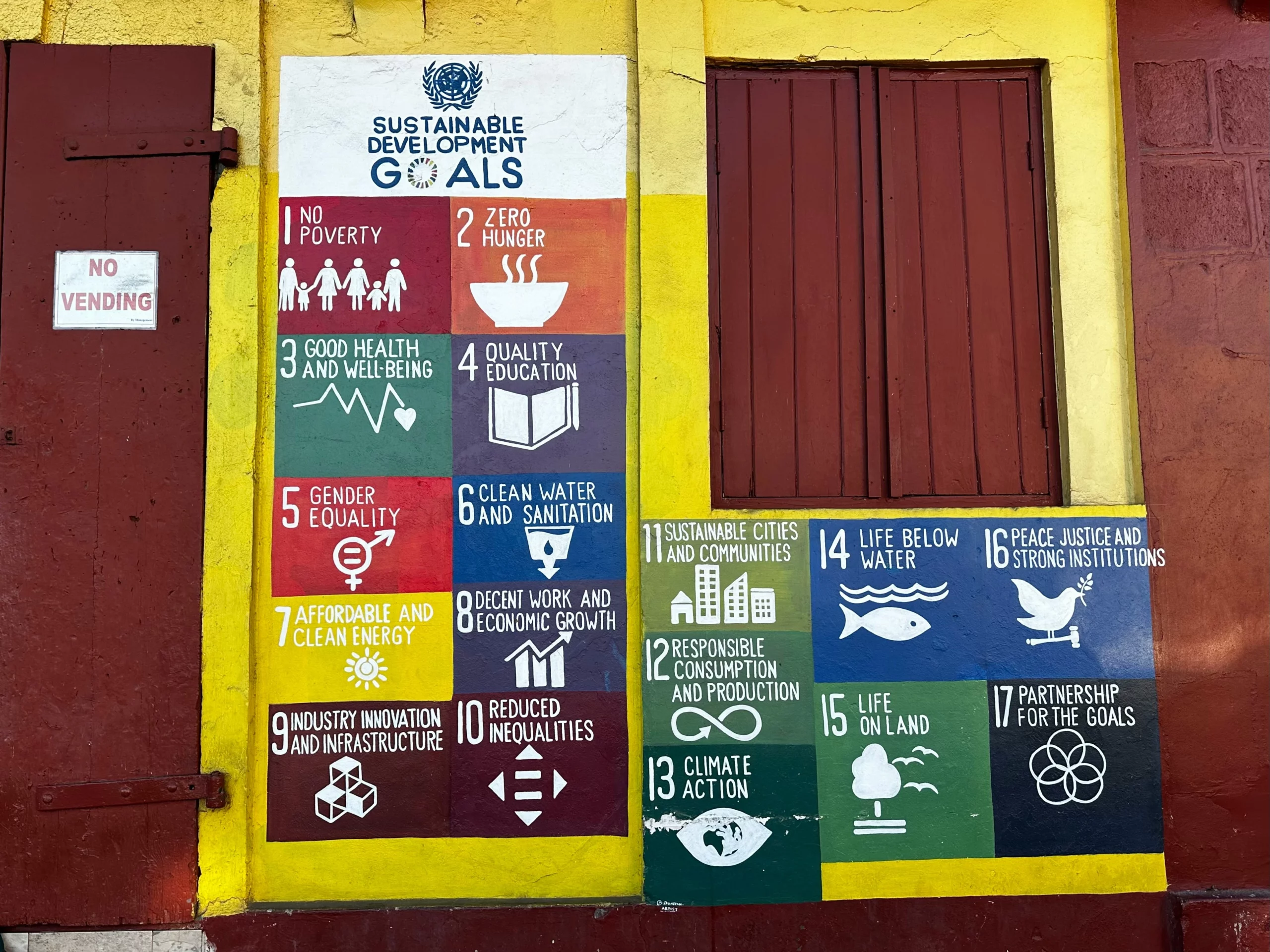
The 2030 Agenda for Sustainable Development, adopted by all UN Member States in 2015, laid out an ambitious global roadmap for peace, prosperity, people, and the planet. Its 17 Sustainable Development Goals (SDGs) are universal in nature but require deeply localised responses to be effectively achieved. 

Local and regional governments (LRGs), and the associations that represent them are at the frontline of this challenge. They have the democratic mandate, institutional legitimacy, and daily proximity to citizens to implement sustainable solutions tailored to local realities. This article explores the critical role these governments and their national associations play in bringing the 2030 Agenda to life across Europe and beyond. 

The Role of LRGs and Their Associations 
Local and regional governments are uniquely positioned to translate global goals into tangible public policies and services. Whether it’s improving access to education, ensuring clean water, fostering inclusive economies, or promoting environmental protection, the SDGs intersect directly with their mandates. 

However, the successful localisation of the SDGs requires not only local action but also strong national coordination and multilevel governance. That’s where national associations of LRGs come in. They serve as intermediaries between municipal and national levels, raising awareness, building capacity, and advocating for policy coherence and the resources necessary for implementation. 

A Framework for Transformation 
For LRGs, the 2030 Agenda is more than a checklist, it’s a strategic and transformative framework that enables long-term thinking, breaks down silos across departments, and connects various stakeholders. When well-integrated, the SDGs improve how public services are delivered and empower communities to engage meaningfully in decision-making processes. 

A New Decade of Action and Challenge 
Despite early progress, the world is not yet on track to meet the SDGs by 2030. The COVID-19 pandemic has added new complexity, strained local budgets and exacerbated inequalities. Yet the pandemic also highlighted the vital role of LRGs in crisis response, ensuring healthcare access, food security, education continuity, and social protection. 

The recovery period offers a chance to “build back better” by placing the SDGs at the core of reconstruction efforts. The UN Secretary General has emphasised the 2030 Agenda as a guiding principle for a resilient, inclusive, and green recovery. In this context, national associations of LRGs become even more essential to facilitate dialogue, share knowledge, and advocate for the tools local governments need to succeed. 

The decade ahead will be decisive. The COVID-19 crisis may have disrupted momentum, but it has not undermined the fundamental relevance of the 2030 Agenda. On the contrary, it has reaffirmed the importance of public services, local resilience, and inclusive governance, values that are deeply embedded in the SDGs. 

Local and regional governments, supported by their associations, are essential actors in this journey. They are adapting, experimenting, and collaborating to deliver sustainable results, even amid uncertainty. Their work shows that global agendas only become real when rooted in local action. 

Going forward, stronger partnerships across sectors and governance levels are needed to ensure no place and no person is left behind. Multi-level and multi-sector cooperation will be vital to address the growing challenges ahead and to seize the opportunities that lie in sustainable, equitable recovery. 

In short, if the SDGs are to be met, they must be localised and that starts with empowering the actors who are closest to the people. 

Read the study here 

For more information, contact: 

Agenda 2030 study for local and regional governments

COVID 19 finances - News

Just out: New study reveals how municipalities, regions and their associations are embracing the SDGs


Caught in the COVID-19 storm, Europe’s local and regional governments and their associations are at risk of losing the progress made in the last few years to achieve the Sustainable Development Goals. Although they are increasingly familiar with the Global Goals, they need further support to bring international ambitions to territorial realities.

This is what emerges from a new study led by the Council of European Municipalities and Regions (CEMR) and PLATFORMA entitled “The 2030 Agenda through the eyes of local and regional governments’ associations”.

In times of COVID-19: the SDGs at a make-or-break moment

The outbreak of the COVID-19 pandemic in Europe and around the world has brought about unprecedented challenges for local and regional governments. In several countries, the pandemic has markedly deepened inequalities and has slowed down efforts to raise awareness and promote the work of the 2030 Agenda at local and regional level.

The current crisis and the uncertain future are a call for action. Every player around the globe has to act now,” said Tine Soens, Member of the City Council of Kortrijk (Belgium), CEMR and PLATFORMA Spokesperson on 2030 Agenda. “Local and regional leaders should not be afraid to take the leap! Our generation of politicians, civil servants and citizens is the generation that has to turn the tide.

The study at a glance

Based on a survey of 34 associations from 28 European countries, the study shows that one third use the SDGs as an important reference in their own development strategies, compared to only one fifth last year. What’s more, four out of five associations are aware of the SDGs.  The trend is clear: year after year, local and regional governments and their associations are increasingly making the efforts necessary to materialise the global agenda at local level.

But have the SDGs also gained traction among central governments? Our study shows that close to 80% of associations indicated that there is an official national strategy to implement the SDGs. For those who indicated that a national strategy has been set up, 59% specified that there is a clear mention of the need to support local and regional action in SDG implementation.

Nevertheless, there is still considerable room for improvement to bring about closer ties between all levels of government and to achieve global progress on sustainable development. To step up our efforts, the study offers a checklist for associations “Know where your members stand in the localisation of the SDGs”, a set of simple steps to contribute to Voluntary National Reporting and several key recommendations.

What’s more, this 40-page publication is packed full of illustrative examples from the ground. Finally, it identifies persisting challenges and new opportunities that municipalities, regions and their associations have been encountering when working with the SDGs. These come at a timely moment as the pandemic continues to spread around the world.

Background information

This new study is based on a joint survey conducted by CEMR and PLATFORMA, designed in collaboration with United Cities and Local Governments (UCLG). It is a follow up to the 2019 study “How local & regional government associations bring the SDGs to life” and the 2018 study “Sustainable Development Goals – How Europe’s towns and regions are taking the lead”.

The study was launched on 15 July 2020 at the occasion of the workshop Localising the Sustainable Development Goals (watch the recording) organised by PLATFORMA during the United Nations’ 2020 High Level Political Forum  on Sustainable Development (HLPF).

PLATFORMA and CEMR are actively taking part in many of this virtual event’s sessions and webinars together with their partners and members.

Please click on this link if you want to get printed copies of our study (Europe only).

For more information, contact:

Global goals into local action  

Localising SDGs study - News

How local and regional government associations turn global goals into local action 


The 2030 Agenda for Sustainable Development and its 17 Goals are often seen as a global framework, but their success depends on local action. Nearly two-thirds of the SDGs must be implemented at the local level, making municipalities, regions, and their associations crucial actors in bringing this agenda to life. 

Local and regional government associations (LRGAs) act as bridges between citizens and higher levels of governance. They support awareness-raising, provide technical expertise, and advocate on behalf of local governments at the national, European, and international levels. Their proximity to communities allows them to translate abstract global objectives into tangible improvements in daily life, from better public services and climate action plans to gender equality policies and local economic development. 

Since the first CEMR-PLATFORMA study in 2018, the role of associations in localising the SDGs has grown significantly. Many are now actively involved in monitoring, reporting, and international advocacy, including through contributions to the UN’s High-Level Political Forum. Voluntary Local Reviews (VLRs) and decentralised cooperation projects have become powerful tools to highlight progress, inspire others, and ensure that local voices are heard on the global stage. 

At the same time, challenges remain. Municipalities and their associations still struggle with limited resources, lack of data, and uneven awareness across regions. In particular, gaps persist between Northern/Western Europe, where SDG implementation is more advanced, and Central/Eastern Europe, where awareness and uptake are still developing. To make the 2030 Agenda truly transformative, multi-level collaboration and inclusive partnerships are essential. 

Despite these hurdles, LRGAs continue to push boundaries. By fostering cooperation between cities and regions, they strengthen international solidarity, enhance capacity-building, and adapt services to better reflect sustainability goals. They are not only localising the SDGs but also giving them credibility and momentum in Europe and beyond. 

In short, associations of towns and regions are proving that the SDGs are more than a global vision: they are a practical tool for creating sustainable, inclusive communities, driven by partnerships and citizen engagement. 

Read the study here 

Check the infographic here 

For more information, contact: