Key lessons from IncluCities to improve migrant integration through multilevel cooperation
The IncluCities project, led by CEMR and funded by the EU’s AMIF programme, has shown how local and regional governments (LRGs) can lead inclusive migration policies when equipped with the right tools and support. Over three years, eight cities and six national associations worked together in a mentoring scheme to improve local integration strategies for third-country nationals.
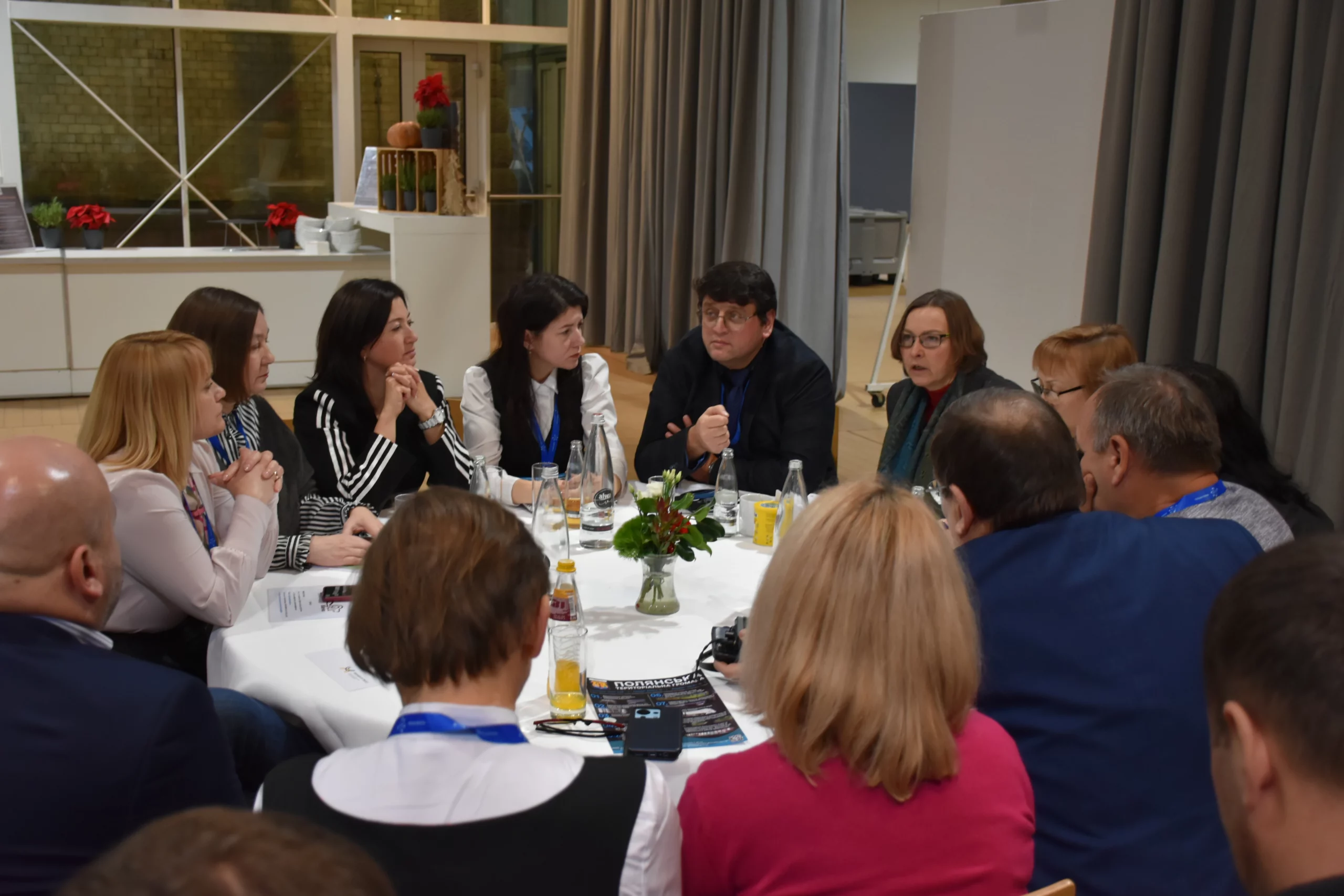
From needs assessments to action plans and training academies, IncluCities focused on real collaboration between cities and their associations, guided by CEMR. The project clearly demonstrated that peer exchange and coordinated support lead to more effective and sustainable policies.
Turning Practice into Policy
Based on the project experience, CEMR outlines seven key recommendations:
- Adopt a Whole Community approach – Integration policies should benefit all residents, not just newcomers, and promote active local citizenship.
- Promote inclusion over adaptation – Inclusion must be a two-way process involving the whole community, not just the integration of migrants.
- Train entire ecosystems – Sustainable action requires collaboration across municipal services, civil society, and migrant communities.
- Guarantee meaningful participation – Participation must be recognised as a basic right and embedded in local governance structures.
- Support migrant women – Women play a key role in communities and should be at the centre of local inclusion efforts.
- Improve multilevel governance – Stronger cooperation between EU, national, and local governments is vital, along with direct access to funding.
- Create local support networks – Clustered partnerships help cities share knowledge and raise their voice in national discussions.
Conclusion
Local and regional governments are essential in managing integration, yet they remain underrepresented in EU policymaking. As the New Pact on Migration and Asylum moves forward, CEMR calls for the full inclusion of local voices in shaping migration policy, especially those of small and medium-sized cities, which are closest to the ground.
For more information, contact:
Director – Projects & Programmes