
CEMR warns EU Parliament’s move risks weakening the Polluter Pays Principle and undermining investments by local and regional governments and wastewater operators
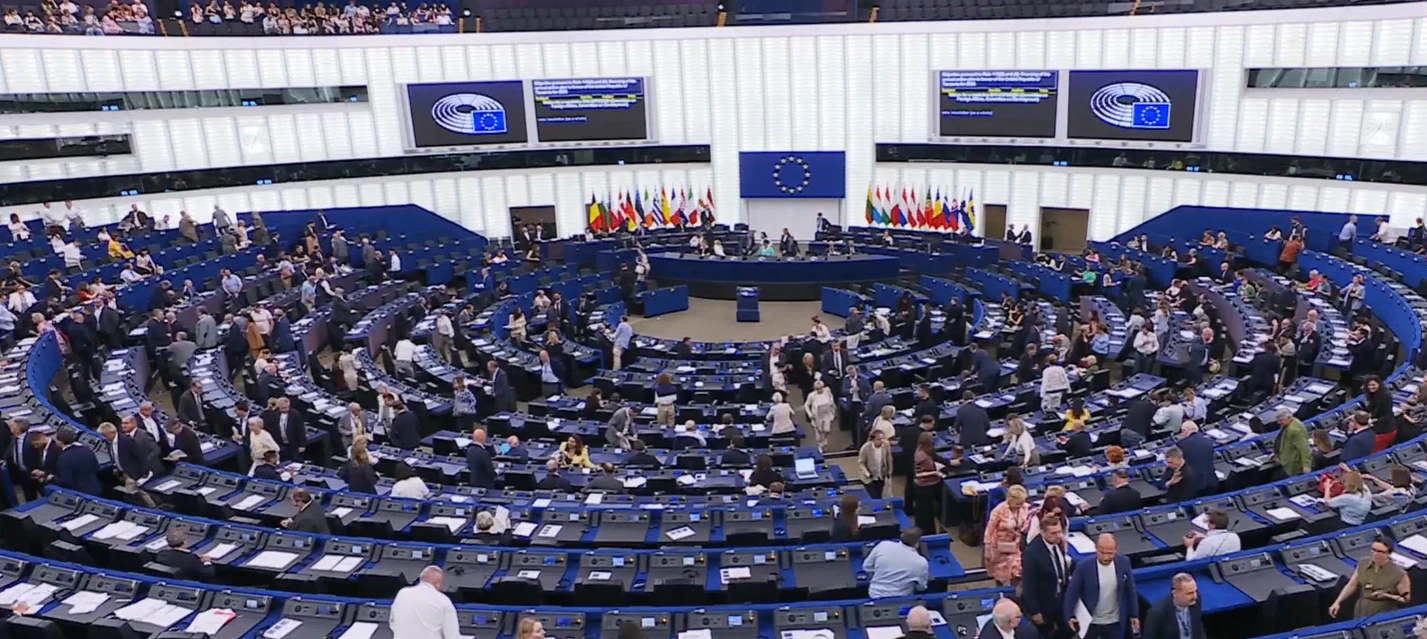
Following today‘s European Parliament vote on a motion for resolution calling for a “stop the clock” on the implementation of the revised Urban Wastewater Treatment Directive (UWWTD), the Council of European Municipalities and Regions (CEMR) regrets the adoption of amendments calling on the European Commission to consider suspending the implementation of the Extended Producer Responsibility (EPR) and quaternary treatment obligations*. CEMR finds the resolution to be contradictory to all the efforts that are currently being undertaken by local and regional governments, and wastewater operators, which include optimising the machinery to meet the requirements of the revised Directive.
According to Andrea Carli, CEMR spokesperson for the environment and Regional Councillor of Friuli Venezia Giulia “we are deeply concerned with the outcome of today’s plenary vote. We are standing with Europe’s local and regional governments and wastewater operators that have already been preparing the investments needed to implement the revised Urban Wastewater Treatment Directive. What they need now is a clear commitment that the agreed implementation timeline will be respected.”
The polluter pays principle, which states that those responsible for causing pollution should bear the costs of managing it and repairing the damage caused, is one of the cornerstones of EU environmental policy. Any suggestion that the implementation of EPR could be suspended risks undermining investor confidence. The revised Directive reached a carefully negotiated balance between protecting public health, safeguarding the environment, and ensuring that those responsible for pollution contribute to the costs of its removal.
CEMR recognises the legitimate need to monitor the impact of the Directive on the availability of critical and generic medicines. However, it strongly believes these concerns should be addressed through the monitoring and flexibility mechanisms already provided for in the legislation.
Therefore, CEMR calls the Commission to maintain the agreed implementation timeline and provide the legal certainty that local and regional governments, and wastewater operators need to invest in quaternary treatment. As Member States will likely start preparing next year their National and Regional Partnership Plans (NRPPs) under the next EU budget, delaying implementation could result in wastewater infrastructure investments being deprioritised or excluded from future funding plans.
In a letter written last year to Commission President Ursula von der Leyen, CEMR and 11 other European organisations representing local and regional governments, public utilities, environmental NGOs, trade unions, and water professionals urged the Commission to firmly uphold the EPR scheme introduced by the revised UWWTD, which entered into force on 1 January 2025.
*The quaternary treatment is the additional treatment step for removing micropollutants from urban wastewater, which is now an obligation introduced in the last revision of the UWWTD. EPR is the scheme that makes the contributor (pharmaceutical and cosmetic industry), cover at least 80% of the related treatment costs.
Read more about CEMR‘s advocacy on the UWWTD implementation: https://ccre-cemr.org/impact-community-climate/water/protecting-europes-water-future
For more information, contact:

Advisor – Environment and mobility