
Country profile – #4 Belgium 

Brussels city image

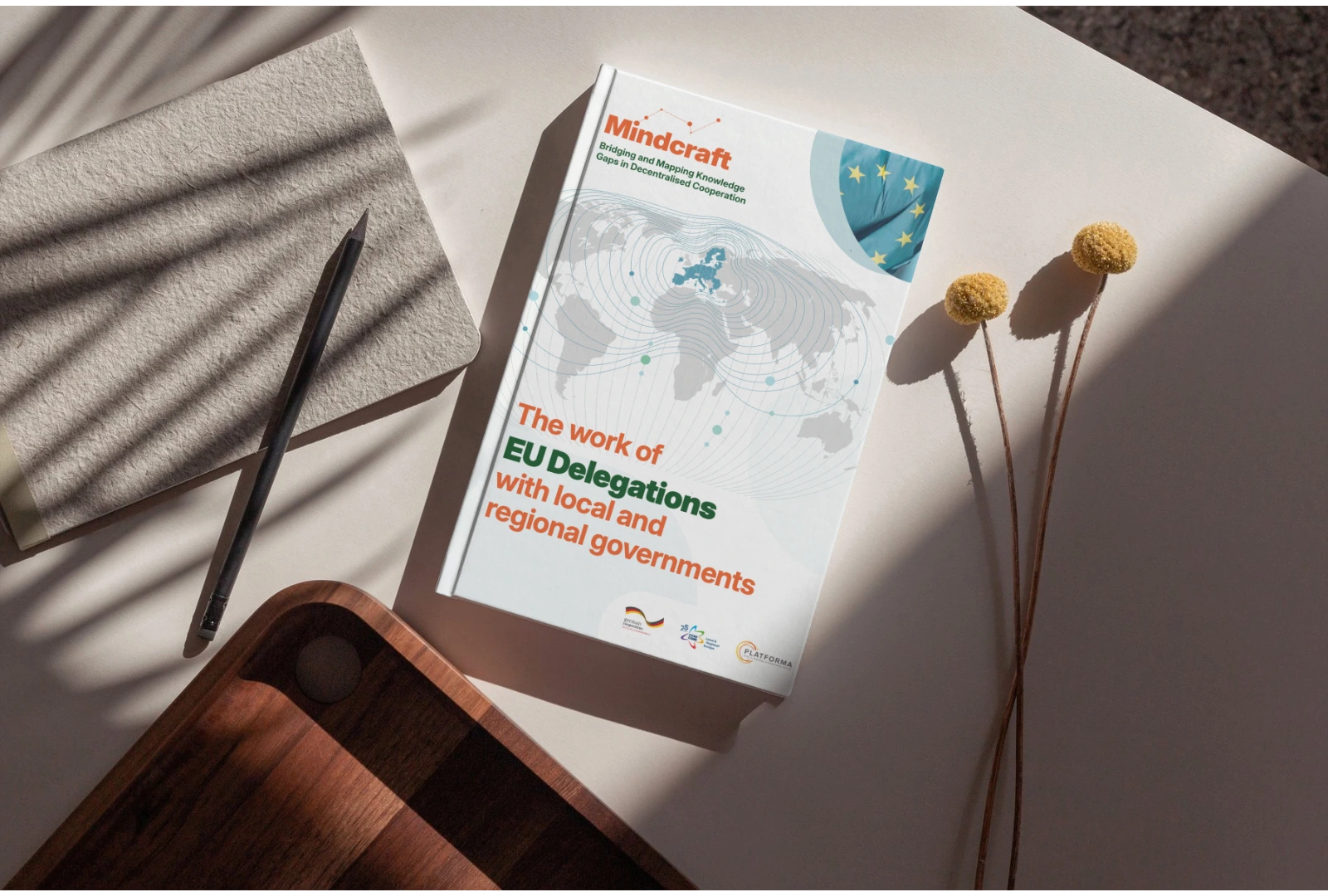
Country Profile on decentralised development cooperation: the case of Belgium


The country profiles offer a short overview of national models of (decentralised) development cooperation frameworks in selected EU Member States. The aim is to provide insights into specific mechanisms and modalities of analysed national frameworks and identify enabling factors as well as challenges related to practical implementation, focusing on the role and opportunities for local and regional governments and their associations. 

Based on the study, the Belgian framework for Decentralised Development Cooperation (DDC) is characterised by:

1) Municipal associations are central to DDC in Belgium. Brulocalis, Association of Flemish Cities and Municipalities (VVSG), and the Union of Cities and Municipalities of Wallonia (UVCW) act as key intermediaries in coordinating funded programmes and serving as the primary source of support and guidance for municipalities.

2) Focus on long-term cooperation with selected partners. Sustained partnerships help to ensure the effectiveness and added value of cooperation. There is a prioritisation of the least developed countries and fragile contexts.

3) Awareness-raising of Belgian citizens about international solidarity. Belgian actors, in partnership with NGOs, actively contribute to informing citizens about development cooperation-related topics through awareness-raising and education activities at home.

This article is part of a series of 7 Country Profiles examining DDC frameworks across Europe. The fifth edition, focusing on France, will be published in July. Stay tuned!

Read the Country Profile of Belgium, available in four languages:

You can find the rest of Mindcraft’s publications here.

CEMR encourages Belgian authorities to strengthen the role of Local and Regional Governments in development policy, not only as implementers, but also as strategic partners helping shape a more resilient, inclusive and effective development agenda.

This publication is produced within the Bridging and Mapping Knowledge Gaps in Decentralised Cooperation (Mindcraft), funded by the German Federal Ministry for Economic Cooperation and Development (BMZ) and supported by the Deutsche Gesellschaft für Internationale Zusammenarbeit (GIZ).

For more information, contact:

Country profile – #3 Spain 

Mindcraft Spain - Publication 2025

Country Profile on decentralised development cooperation: the case of Spain


The country profiles offer a short overview of national models of (decentralised) development cooperation frameworks in selected EU Member States. The aim is to provide insights into specific mechanisms and modalities of analysed national frameworks and identify enabling factors as well as challenges related to practical implementation, focusing on the role and opportunities for local and regional governments and their associations.

Based on the study, the Spanish framework for Decentralised Development Cooperation (DDC) is characterised by:

  1. Highly decentralised system – enables actors across levels to be active in DDC. The new Law 1/2023 recognises Local and Regional Governments as actors of development and DDC as a modality.
  2. Strong commitment to achieve 0.7% of Gross National Income (GNI) to Official Development Assistance (ODA) across levels – keeping the development cooperation as a priority.
  3. Funds for development cooperation – gathering municipal and supra-municipal actors who pool their resources to implement impactful projects.

This article is part of a series of 7 Country Profiles examining DDC frameworks across Europe. The fourth edition, focusing on Belgium, will be published in March. Stay tuned!

Read the Country Profile of Spain, available in four languages:

You can find the rest of Mindcraft’s publications here.

CEMR encourages Spanish authorities to strengthen the role of LRGs in development policy, not only as implementers, but also as strategic partners helping shape a more resilient, inclusive and effective development agenda.

This publication is produced within the Bridging and Mapping Knowledge Gaps in Decentralised Cooperation (Mindcraft), funded by the German Federal Ministry for Economic Cooperation and Development (BMZ) and supported by the Deutsche Gesellschaft für Internationale Zusammenarbeit (GIZ).

For more information, contact:

Decentralised cooperation report

ADD ME project

Decentralised Development Cooperation Report #1: a European overview


The first Decentralised Development Cooperation (DDC) Report provides a unique snapshot of how local and regional governments (LRGs), their associations, and civil society actors engage in international cooperation. Based on a Europe-wide survey), it presents results from 37 contributions from 27 LRGs, 9 associations, and 1 NGO across 11 countries.

The evidence on decentralised cooperation projects and partnerships, collected via the survey will support CEMR and PLATFORMA’s advocacy with stronger knowledge, better coordination, and a deeper understanding of enabling factors and challenges.

The first edition of the DDC Report highlights:

  1. DDC is a priority for many – Over 80% of respondents consider DDC important or very important for their work.
  1. Multi-actor character – Partnerships often involve not just LRGs, but also civil society organisations, educational institutions, public utilities, and in some cases, private sector actors.
  1. Persistent challenges – Limited resources, lack of expertise, and the short-term nature of project-based cooperation remain barriers for scaling up.
  1. Funding outlook – main funding channels include combination of national government funding, own resources, and the European Commission. 𝟮𝟳,𝟬𝟯% 𝗼𝗳 𝗿𝗲𝘀𝗽𝗼𝗻𝗱𝗲𝗻𝘁𝘀 expect their DDC budget share to grow in 2025, suggesting cautious optimism.

This article is part of a new series of reports mapping decentralised development cooperation across Europe. The second report will explore opportunities and challenges for DDC partnerships, effects of implemented DDC activities and provide details of selected DDC projects. Stay tuned!

Read the full Mindcraft DDC Report #1, available in English, French, Spanish, and German.  
 

CEMR encourages European and national authorities to strengthen the role of LRGs in development policy, not only as implementers, but also as strategic partners helping shape a more resilient, inclusive, and effective development agenda.


This report is produced within the Bridging and Mapping Knowledge Gaps in Decentralised Cooperation (Mindcraft), funded by the German Federal Ministry for Economic Cooperation and Development (BMZ) and supported by the Deutsche Gesellschaft für Internationale Zusammenarbeit (GIZ).  

For more information, contact: 

Country profile #2 – Germany

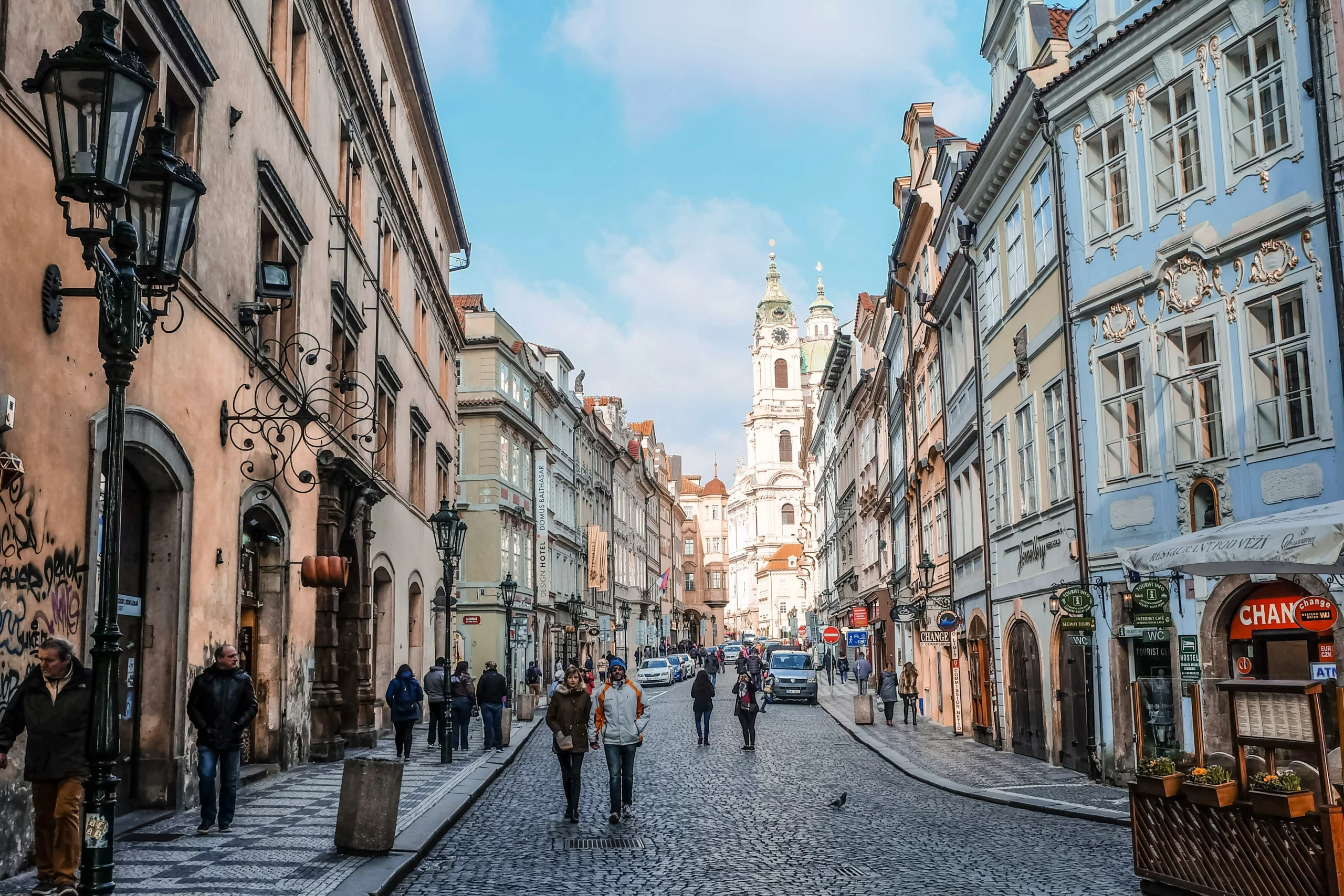
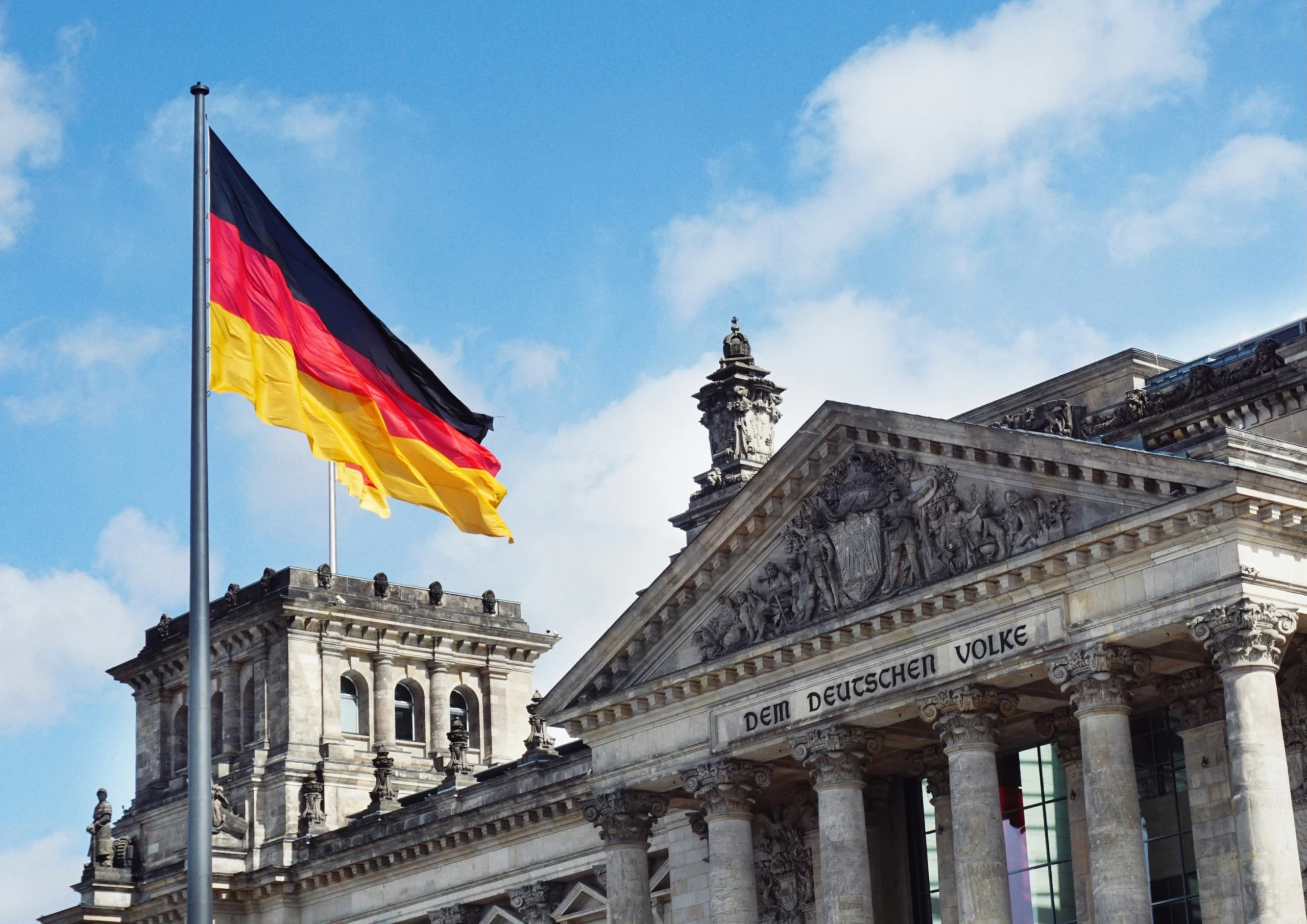
Mindcraft - Germany publication

Country Profile on decentralised development cooperation: the case of Germany


The country profiles offer a short overview of national models of (decentralised) development cooperation frameworks in selected EU Member States. The aim is to provide insights into specific mechanisms and modalities of analysed national frameworks and identify enabling factors as well as challenges related to practical implementation, focusing on the role and opportunities for local and regional governments and their associations.   
 
Based on the study, the German framework for DDC is characterised by:  
 
1. German federal states and municipalities maintain lasting partnerships with their counterparts abroad, generating sustainable impact. Recent German-Ukrainian solidarity partnerships underline DDC’s role in development policy and open paths for trilateral and multilateral cooperation.  

 2. Service Agency Community in One World – SKEW of Engagement Global is the main advisory and grant-providing platform for German LRGs in DDC, supporting project planning, implementation, and international exchange.  

 3. The variety of funding programmes (mainly financed by the Ministry for Economic Cooperation and Development – BMZ, managed via Service Agency Community in One World – SKEW and Deutsche Gesellschaft für Internaztionale Zusammenarbeit – GIZ), designed for specific purposes, enable project-based, thematic cooperation and long-term partnerships. 
 
This article is part of a series of 7 Country Profiles examining decentralised development cooperation frameworks across Europe. The thirs edition, focusing on Spain, will be published in December. Stay tuned!  
 
Read the Country Profile, available in four languages: 

CEMR encourages German authorities to strengthen the role of LRGs in development policy, not only as implementers, but also as strategic partners helping shape a more resilient, inclusive and effective development agenda.  

This publication is produced within the Bridging and Mapping Knowledge Gaps in Decentralised Cooperation (Mindcraft), funded by the German Federal Ministry for Economic Cooperation and Development (BMZ) and supported by the Deutsche Gesellschaft für Internationale Zusammenarbeit (GIZ)

For more information, contact:

Country profile #1 – Poland

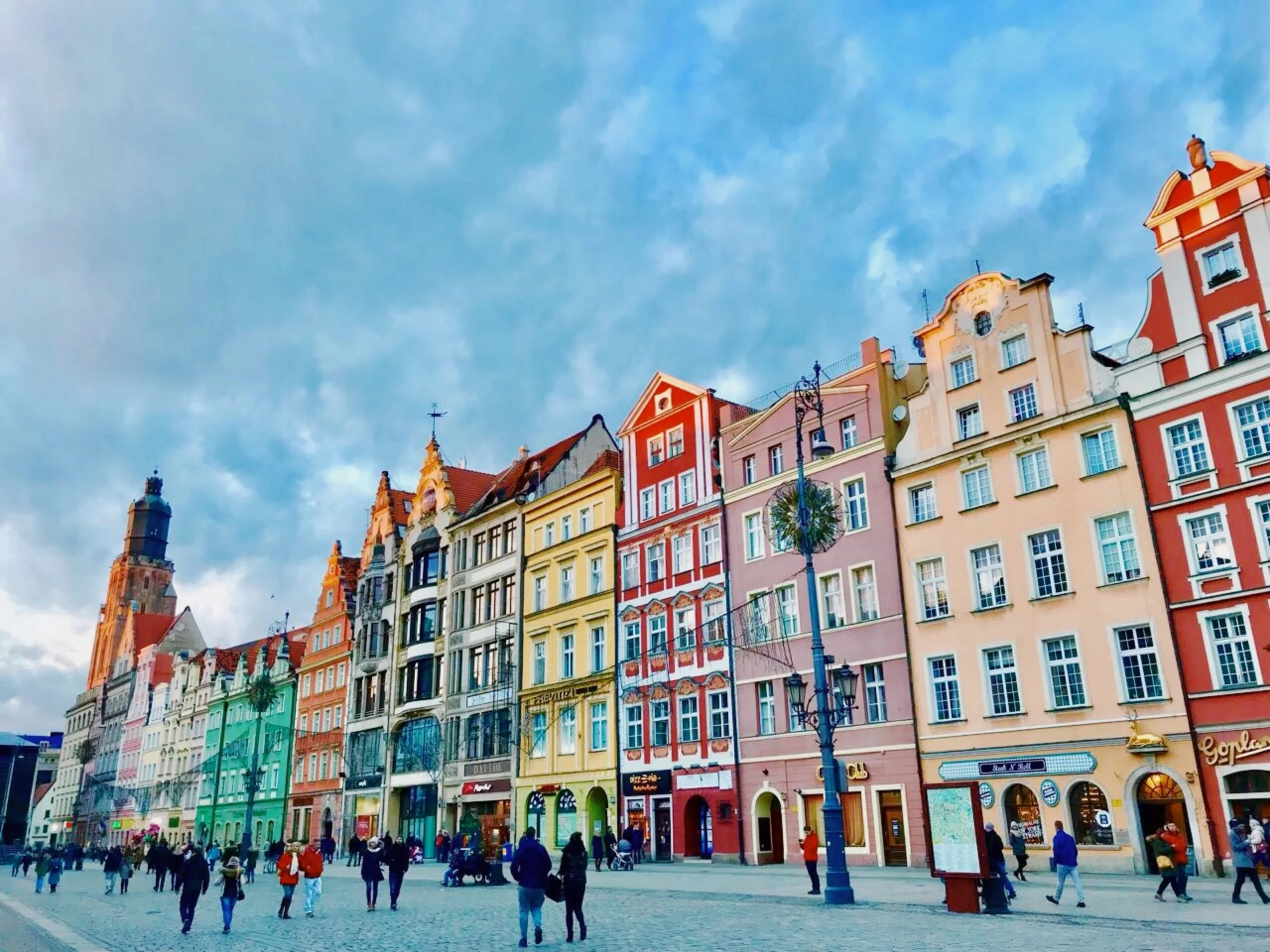
Poland services - News 2022

Country Profile on decentralised development cooperation: the case of Poland 


The country profiles offer a short overview of national models of (decentralised) development cooperation frameworks in selected EU Member States. The aim is to provide insights into specific mechanisms and modalities of analysed national frameworks and identify enabling factors as well as challenges related to practical implementation, focusing on the role and opportunities for local and regional governments and their associations.  
 
Based on the study, Poland’s approach to DDC is characterised by: 
 
 1. Focusing on cooperation with Eastern European countries – with Ukraine, Georgia, and Moldova. Polish local governments actively support partners through strategy development, peer learning, and implementation support. 
 
2. Highlighting the vital role of direct local-level partnerships in times of crisis, including twinning and hands-on collaboration despite the ongoing war. 
 
3. Polish municipalities have developed strong expertise in accessing EU funds and designing effective local strategies, which they can use in their partnerships. 
 
This article is part of a series of 7 Country Profiles examining decentralised development cooperation frameworks across Europe. The second edition, focusing on Germany, will be published in September. Stay tuned! 
 
Read the Country Profile, available in four languages:

CEMR encourages Polish authorities to strengthen the role of LRGs in development policy, not only as implementers, but also as strategic partners helping shape a more resilient, inclusive and effective development agenda. 

This publication is produced within the Bridging and Mapping Knowledge Gaps in Decentralised Cooperation (Mindcraft), funded by the German Federal Ministry for Economic Cooperation and Development (BMZ) and supported by the Deutsche Gesellschaft für Internationale Zusammenarbeit (GIZ).

* The content of this publication is the responsibility of its author(s) and does not reflect the views of the German Federal Ministry for Economic Cooperation and Development (BMZ).

For more information, contact: