Countries share experiences on the implementation of the SDGs

RFSC - News Section

Event UNECE – 7 april


At the occasion of the Regional Forum for Sustainable Development organised by the United Nations Economic Commission for Europe (UNECE) and as part of the Forum of Mayors, an event on the SDG localisation process in cities was held on 7 April.

This event allowed speakers from different bodies and countries to talk about their experiences regarding the implementation of the SDGs, mainly Mrs Sidorova, working at the Metropolitan Institute of Bratislava and Mr Dimitrov, representing the city of Veliki Preslav.

This exchange of good practices showed the usefulness of the Reference Framework for Sustainable Cities (RFSC) for different types of stakeholders, to help them implement the SDGs in their cities, where it might not always be popular.

Solidarity with Ukraine

Ukraine people - News

Lithuania’s Ukmergė district municipality sends aid to its Ukrainian partner Korosten municipality


As part of our coverage of the local and regional dimensions of Russia’s war in Ukraine, CEMR is highlighting the help given by European municipalities and regions to their Ukrainian peers. We hope these stories inspire other local and regional governments to heighten their efforts to support Ukraine.

Ukmergė district municipality, in Lithuania, was among the first municipalities in the “Bridges of Trust” Initiative to provide help to their Ukrainian partner, Korosten in Zhytomyr Region. 

Korosten was attacked on 25 February when a Russian shell hit a residential building. At the beginning of March, Russian forces fired on a TV tower and checkpoints in the city, killing and wounding at least four. This was followed by an air strike on the city.

Ukmergė is helping to address the urgent needs of its partner through “Ukmergė-Ukraine” campaign, which has found a wide support among the local people and businesses.

The humanitarian help was sent for the first time on the 7th of March. It included hygiene products and non-perishable food. On the 1st April, a second cargo left Ukmergė municipality, with food packages, flour, groats, soups, sugar, canned vegetables and meat, hygiene products, medicines, clothing and shoes. In total, Korosten already received 5 tons of humanitarian aid from Ukmergė.

“Ukmergė district municipality sent us a very substantial help and we are currently in the process of creating individual packages which will be distributed to the internally displaced people.”, said deputy mayor of Korosten, Nataliia Chyzhevska. “We sincerely thank Ukmergė district and Lithuania for their help.”

The support campaign “Ukmergė-Ukraine” continues. The municipalities are also planning to sign a partnership agreement on 29 April 2022.

The two municipalities first met in November 2021, in the framework of the “Bridges of Trust” Initiative, implemented by the Council of European Municipalities and Regions, PLATFORMA and supported by the U-LEAD with Europe programme.

Peer learning programme on climate and energy

Covenant of Mayors - News

Apply for the Covenant of Mayors peer learning programme: The deadline extended to 15 April!


Cities and towns have until 15 April 2022 to apply for the Covenant of Mayors for Climate and Energy’s peer learning programme. The programme offers Covenant of Mayors signatories across Europe the opportunity to increase their capacity and knowledge on climate and energy challenges through peer discussions tailored to their needs.
 
In 2021, the Covenant Office supported 45 cities, 6 coordinators, and 4 energy agencies. This year, the Covenant of Mayors offers four programmes to respond to local needs: twinning, expert missions, peer review and technical assistance.
 
Find out more
Peer Learning Programme 2022/2023
Recording of the info session
Selection criteria

Ukraine – Bucha

Mayors in Ukraine - News 2023

The Council of European Municipalities and Regions strongly condemns the atrocities committed in Bucha


The Council of European Municipalities and Regions (CEMR) has continuously expressed its full and unconditional support to the Ukrainian people and their local and regional elected representatives since the beginning of the Russian-led war in Ukraine. 

CEMR is horrified by the scenes of desolation and the atrocities that were witnessed following the liberation of the Kyiv region by the Ukrainian army and expresses its deepest condolences to the families of the victims. 

CEMR strongly condemns what could amount to war crimes committed by the Russian Federation, notably in the town of Bucha, North-East of Kyiv, where more than 410 Ukrainian civilians were killed. These abuses are part of a wider context of human rights violations committed by the Russian Federation army, including rape, summary executions, and unlawful use of violence against Ukrainian citizens. According to the Office of the UN High Commissioner for Human Rights, 1,417 civilians, including 121 children, have been officially killed in Ukraine – figures that are probably much higher in reality, according to the Office. 

Iryna Yarmolenko – Local elected Councillor of the City of Bucha, member of the CEMR Policy Committee, and a member of the CEMR Standing Committee for Gender Equality as a representative of the Association of Ukrainian Cities: 

“The massacre of peaceful civilians, rape of women, and brutal murders in Bucha, Irpin, and in many cities in Ukraine, are continually denied by the Russian military. I fled the war and I live in Poland now, I lost everything my house, my career, my dreams. It is hard to even imagine such horrific things happening in my own city where I used to organise events and training to promote green cities, gender equality, and strengthen young women’s rights.
With my colleagues, we continue to collect humanitarian aid and we count on the international community’s strong support.”

CEMR calls for an international investigation into the alleged war crimes committed in Ukraine in order to bring those responsible to justice and hold them accountable. Further sanctions must be taken as soon as possible.

CEMR reiterates its call on the Russian Federation to withdraw from the entire sovereign territory of Ukraine, including the Donbass region and Crimea.

Solidarity with Ukraine

Bridges of Trust - News 2023 2

Clothing, medicine, food and other aid were sent to Novohuyvinske municipality


As part of our coverage of the local and regional dimensions of Russia’s war in Ukraine, CEMR is highlighting the help given by European municipalities and regions to their Ukrainian peers. We hope these stories inspire other local and regional governments to heighten their efforts to support Ukraine.

Lazdijai District Municipality (Lithuania) has provided humanitarian aid to Novohuyvinske, a municipality in northern Ukraine.  The Lithuanian partner sent 183 thermal clothes, 100 shoes and 100 sleeping bags, as well as medicines, non-perishable foods and hygiene products.

Novohuyvinske Village Council thanked Lazdijai District saying: “In this difficult time, we felt a reliable shoulder of help and support. It is in trials that strong and reliable relationships are born. Thank you partners, friends, colleagues! Our Victory is your Victory!”

The two partners first met in November 2021, in the framework of the “Bridges of Trust” Initiative, implemented by CEMR and PLATFORMA with the support of the U-LEAD with Europe Programme.

Solidarity with Ukraine

Bridges of Trust Branding - News 2024

Lithuania’s Šiauliai district municipality sends 11 tonnes of aid to the city of Dolyna


As part of our coverage of the local and regional dimensions of Russia’s war in Ukraine, CEMR is highlighting the help given by European municipalities and regions to their Ukrainian peers. We hope these stories inspire other local and regional governments to heighten their efforts to support Ukraine.

Šiauliai district municipality in Lithuania has given over 11 tonnes of humanitarian and material aid, worth around 100,000 euros, to its Ukrainian partner, the city of Dolyna in southwest Ukraine.

The fully loaded lorry included long-lasting and nutritious food, high-quality overalls, knee pads, shoes, chainsaws and various tools. The shipment also included equipment for Ukraine’s soldiers, such as optical devices, radios, batteries, flashlights, medicines, bandages and first aid equipment.

“We are sincerely grateful to our Lithuanian friends from Šiauliai district, our brothers and sisters, for the significant help we received”, said Ivan Dyriv, mayor of Dolyna. “This is an invaluable contribution of our friends, of the Lithuanian people, to our common victory, the victory of Ukraine.”

In addition, as a gesture of support for Ukraine, Šiauliai district municipality terminated all cooperation agreements with partner municipalities in Russia and Belarus in the first days of the war.

The two municipalities first met in November 2021, in the framework of the “Bridges of Trust” Initiative, implemented by CEMR, PLATFORMA and supported by the U-LEAD with Europe programme.

A new tool to help cities on urban development

RFSC - News

Online event on 7 April – Plan, deliver on and monitor the 2030 Agenda in cities with the RFSC tool


The Reference Framework for Sustainable Cities (RFSC) is a user-friendly online self-assessment tool that helps cities to analyse, design, implement and monitor integrated sustainable urban development strategies and/or projects. Cities can review and assess their priorities in light of European and Global frameworks, and develop a set of actions and a monitoring system linked with the objectives of integrated and sustainable urban development.

Discover or learn more about the RFSC tool in an online event on 7 April from 17:15 to 18:30! This event will introduce the RFSC tool to urban stakeholders and demonstrate its added value to build back better from the COVID-19 crisis. Cities, working on the localisation of the SDGs, and with the RFSC, will share their experience of being partners of an URBACT network: GG4C (Global Goals for Cities).

For more information click here.
To register click here.

Ukraine Joint Call

Ukraine people - News

Joint Call of European Mayors


On the initiative of the mayor of Gdansk, who is also CEMR’s executive president, 100 mayors of European cities launched a joint call to European governments and the European Commission. They ask them to increase their efforts to end the war against Ukraine.
They call on the mayors of European cities to join their call by filling in this form.

Support Ukraine

Bridges of Trust Branding - News 2024

Local governments across Europe mobilise to support Ukrainians


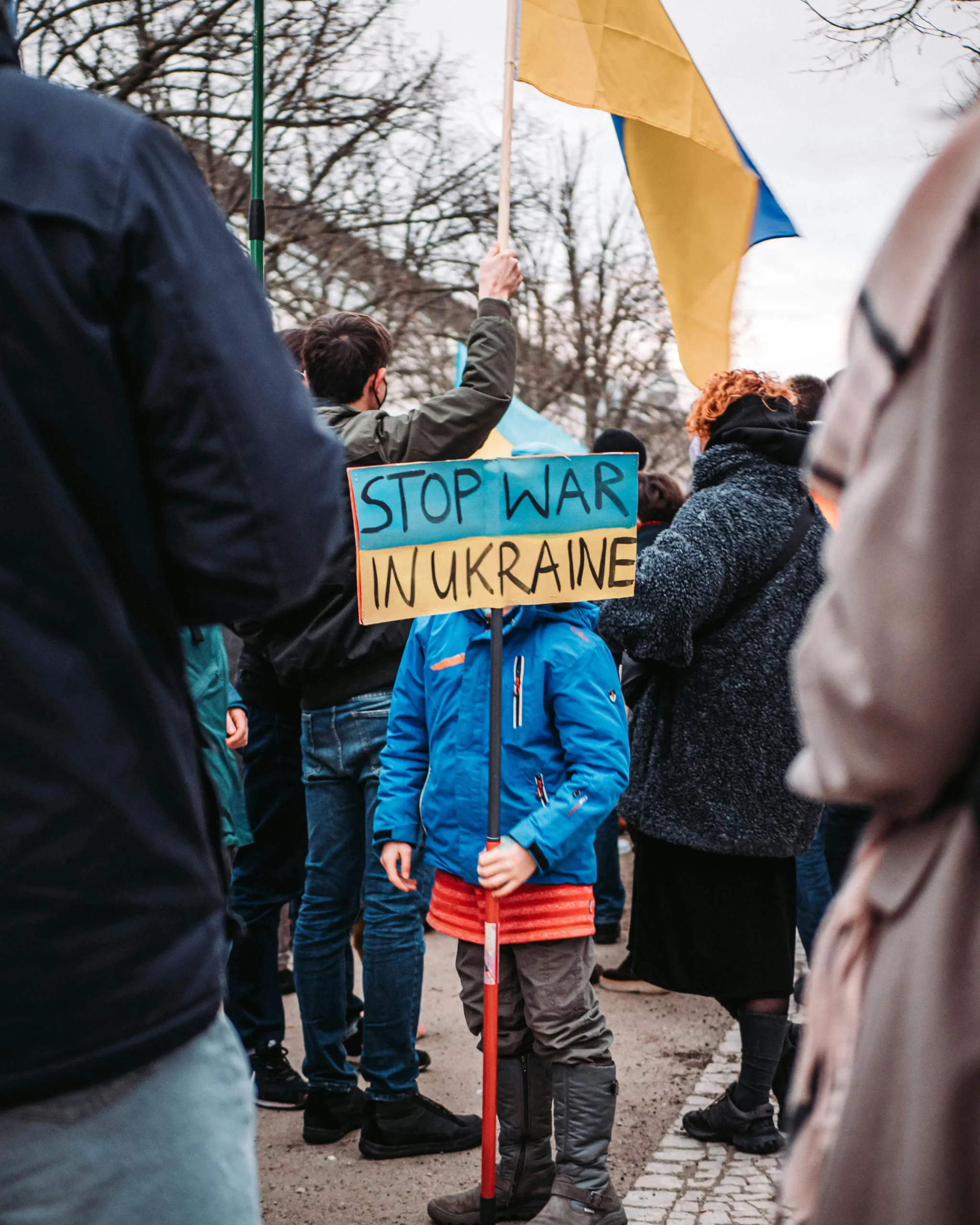
700 mayors and local or regional leaders from across Europe have united around Ukraine by signing the Council of European Municipalities and Regions’ (CEMR) call condemning the Russian invasion and pledging to support Ukraine and the Ukrainian people.

The moral and political condemnation of Russia’s aggression has been overwhelming. Signatories include the mayors of Lisbon, Paris, Tbilisi, Cologne, Cluj-Napoca, Gdańsk and Reading as well as the chairs and vice-chairs of 25 national associations of local and regional governments.

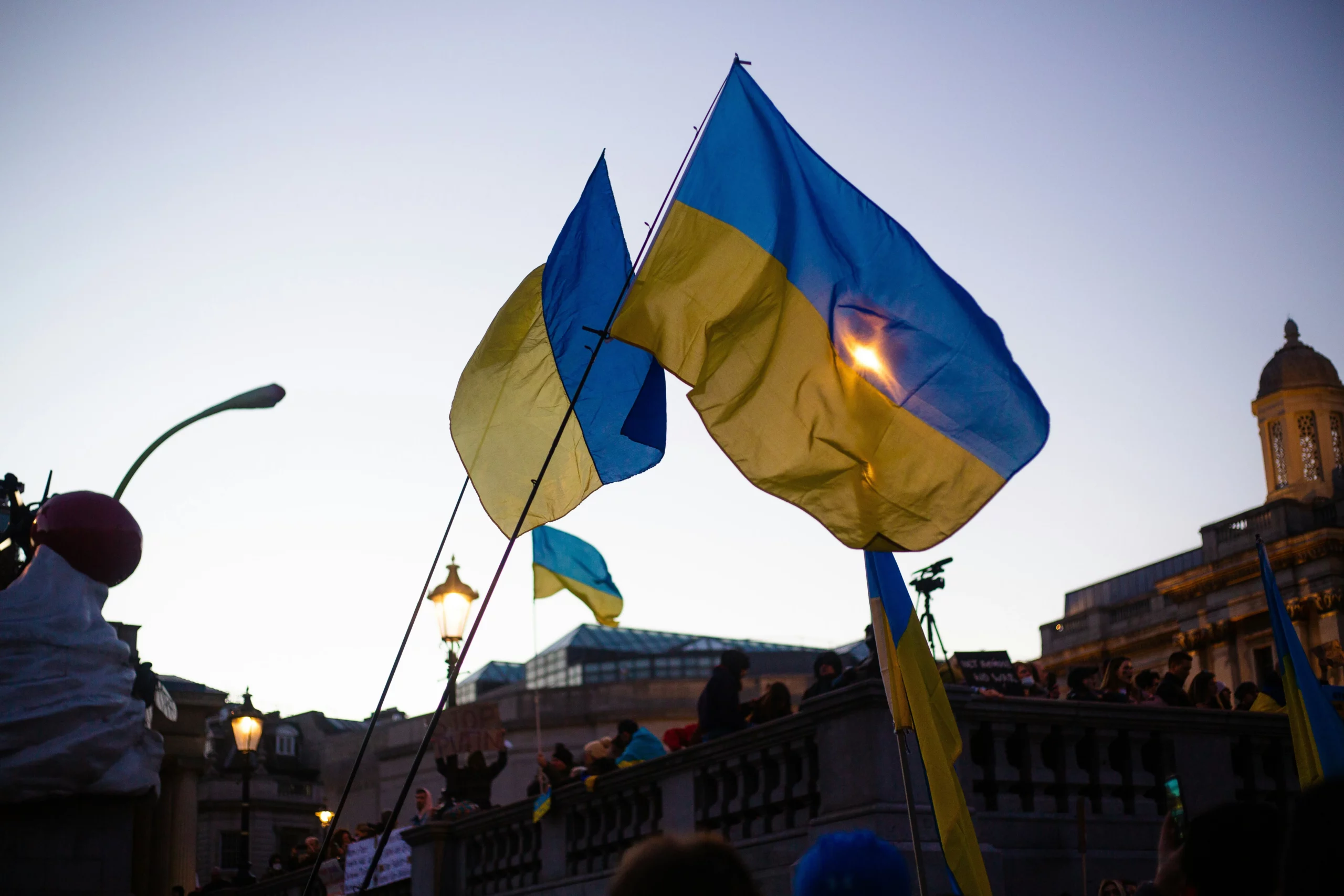
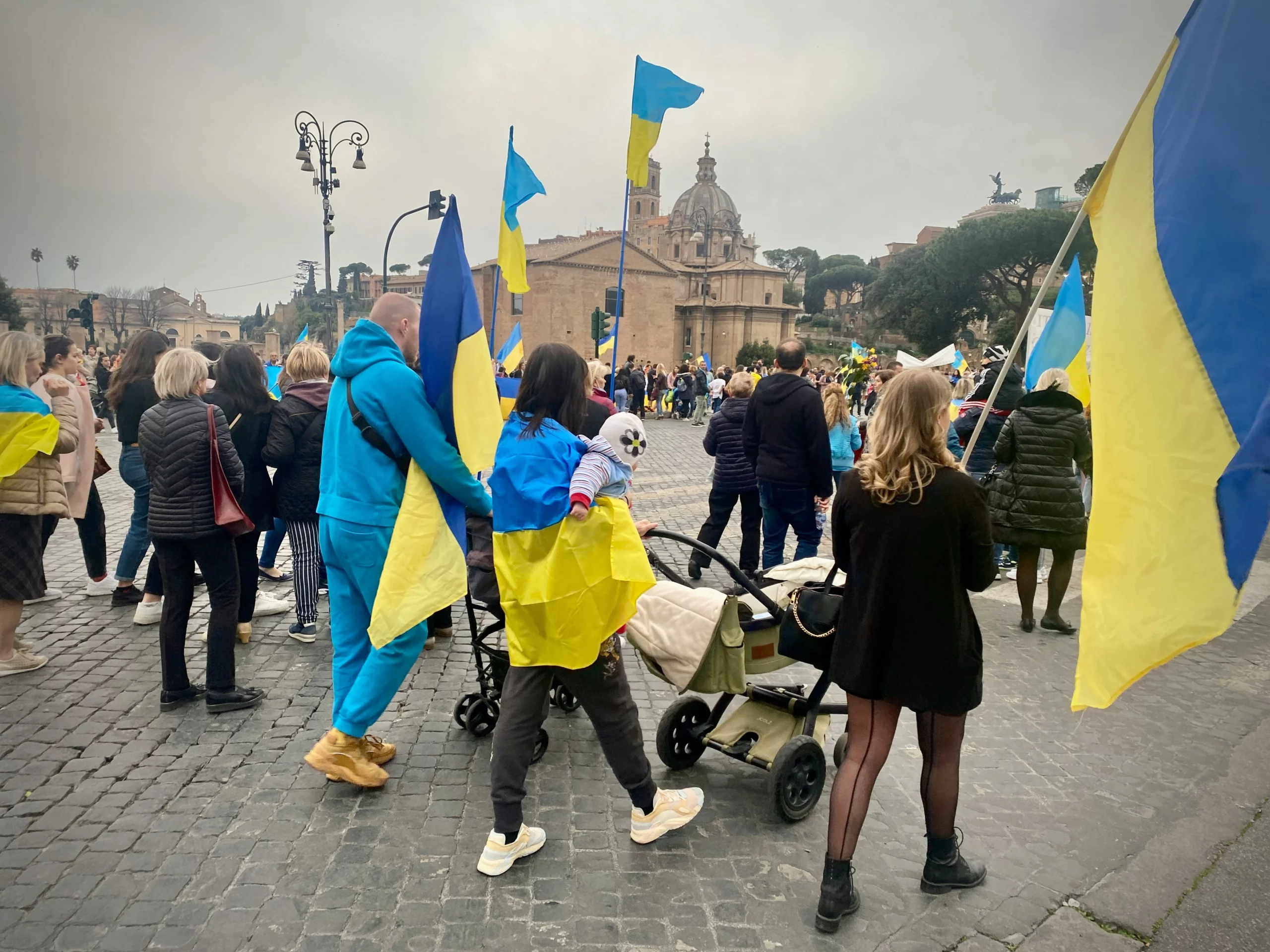
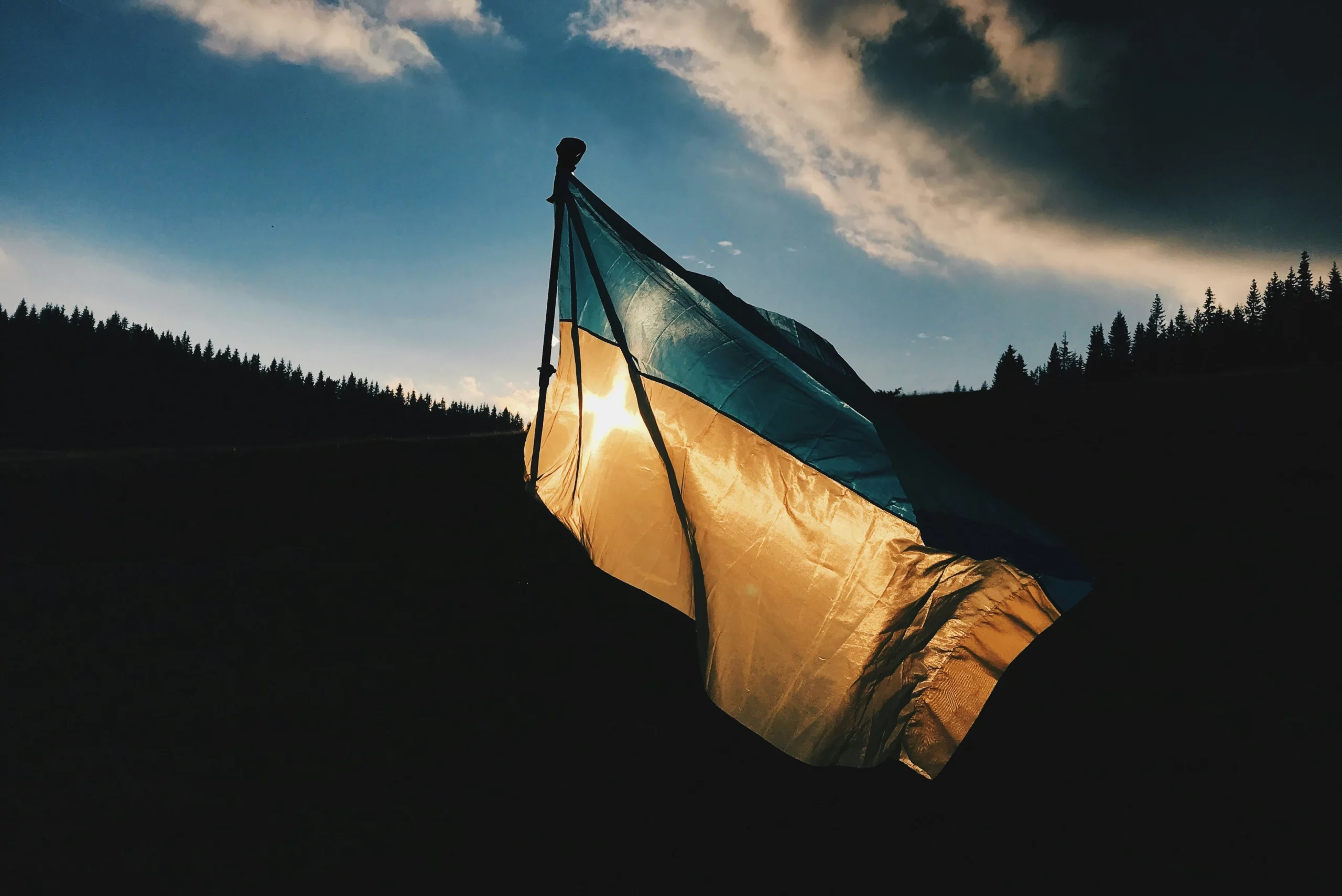
While towns, cities and regions across Europe are symbolically lighting up their public buildings blue and yellow in solidarity with Ukraine, they are also providing concrete support by hosting Ukrainian refugees and giving financial, humanitarian and material aid to Ukrainian local and regional governments. CEMR is coordinating this response with its 60 member associations from 40 European countries.

Stefano Bonaccini, president of CEMR and of the Emilia-Romagna Region, said: “Faced with the reality of war, municipalities and regions across Europe must scale up their financial, humanitarian and material support in response to the growing needs of Ukraine’s people and local governments. This mobilisation demands greater coordination between European, national and local levels to ensure optimal efficiency and to avoid scattering our efforts.”

Ukrainian Mayors at the forefront

Ukrainian mayors and local workers are continuing to provide essential services to residents in an extremely dangerous environment. This includes distributing food and medicine, evacuation of women and children and urgent repairs to basic infrastructure damaged by Russian bombs.

The local government continues to safeguard functioning of the critical infrastructure of our city”, said Vitali Klitschko, the mayor of Kyiv and the president of the Association of Ukrainian Cities (AUC). “Public service workers are helping the humanitarian coordination centre, distributing food and delivering send and blocks for territorial defence.

video (with English subtitles) of comments from the mayors of Kyiv, Kharkiv and Mykolayiv gives a glimpse of the extraordinary challenges Ukrainian municipalities and their residents face today. These threats to mayors include outright kidnapping by the Russian occupiers, as has occurred to Ivan Federov, the mayor of Melitopol, and Yevhen Matveyev, the mayor of Dniprorudne.

CEMR wholly condemns the kidnapping of democratically elected Ukrainian mayors”, said CEMR President Stefano Bonaccini. “This is part of an attempt to establish illegitimate alternative government structures in a sovereign country. All kidnapped Ukrainian elected officials must be released immediately.

European municipalities provide financial, humanitarian and material aid

Local and regional governments across Europe are mobilising resources for their peers in Ukraine, often in collaboration with their national associations. Municipalities like Przemyśl (Poland), Tampere (Finland) and Šiauliai District (Lithuania) are together donating millions of euros either financially or in the form of direct aid. The city of Kielce (Poland) has for its part provided helmets, bulletproof vests, thermal underwear and medical supplies to its partner town Vinnitsa. These examples only scratch the surface of local action being taken.

European municipalities host Ukrainian refugees

European municipalities and regions are welcoming Ukrainian refugees. In border regions, the scale of human movement is massive with an estimated 1.5 million refugees in Poland alone. These territories will require support to host refugees in the best possible conditions.

Further afield, countless municipalities across Europe are taking action. For example, in Gent a city platform has been created for residents to register their flat to host refugees. The city of Paris is offering free transport and crèche spaces for refugees. Coordination with the national government is often taking place through our national associations.

Local government associations are crucial for mobilising and coordinating action

Associations of local and regional governments are emerging as important players in coordinating the actions of municipalities and regions. The Association of Ukrainian Cities has been sharing information on the needs of the country’s municipalities. Meanwhile, the local government associations of several European countries have donated funds to AUC. Other associations, such as in Austria and Latvia, are mobilising their networks to participate in the Operation Snowflake. This operation consists in writing to Russian mayors and council chairs to call on them to stop the war.

Coordination between local, regional and national governments is crucial to identifying and sharing the needs of people in Ukraine and maximising our impact. CEMR is mobilising and exchanging with its members on how European municipalities and regions can best respond to the war’s impact. We are working on, among other issues, support for Ukrainian municipalities and the hosting of refugees fleeing Ukraine.

War on Ukraine

Mayors in Ukraine - News 2023

Russia’s war on Ukraine: the response of Local and Regional Governments


It has been two weeks since Vladimir Putin launched Russia’s war against Ukraine. The Ukrainian people are the first victims. Ukraine’s mayors are on the front line mitigating the damage: organising shelters and evacuations, providing food and water and sharing essential information with residents. The European Union’s sanctions and the withdrawal of Western corporations are isolating Russia, but on the ground the bombs and battles roll on, neighbourhood by neighbourhood.

Mayors are coping with this situation with their residents and organised groups of military and territorial defence, where possible. The news we receive town by town is very hard to hear, each one becoming a fortress, while remaining connected to each other where possible through the associations of local and regional governments and the national government.

Local and regional governments bordering Ukraine are welcoming refugees in the best possible conditions. Further afield, countless municipalities across Europe are taking action. In Gent, a city platform has been created for residents to register their flat to host refugees. Meanwhile, the city of Paris is offering free transport and crèche spaces for refugees. Coordination with the national government is often taking place through our national associations.

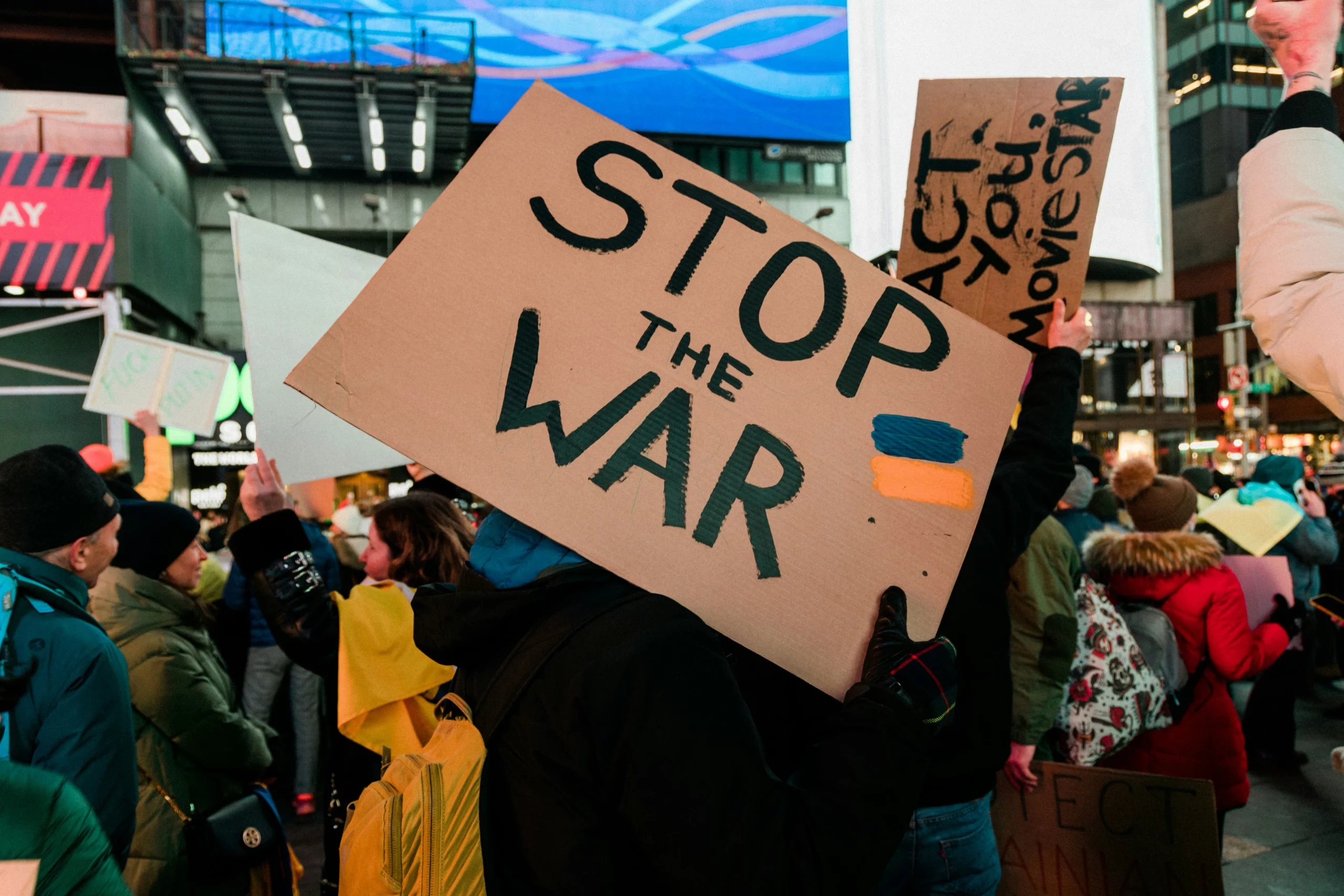
Many questions continue to be asked about how to continue to support peers in Russia who oppose Putin’s regime and how to support the Russian population demonstrating against the war every day, while at the same time putting maximal pressure on Russia, and its Belarusian ally, to withdraw their troops from Ukraine immediately.

At our level, CEMR is doing what it can to support the Ukrainian people, Ukrainian local and regional governments, and all those affected by the war. In 14 days, over 700 mayors and local or regional elected officials have already condemned the Russian attack and expressed their solidarity with their peers in Ukraine by signing CEMR’s political declaration.

In addition, we are:

  • Maintaining daily contacts with our members in Ukraine
  • Sharing information on the humanitarian needs of Ukrainian municipalities with our 60 national associations
  • Maintaining contacts with our 20 partner Ukrainian and European cities involved in the Bridges of Trust project
  • Responding to requests from our members on how to help

In the future we want to see how EU funds can be used to cope with the effects of the war in Ukraine and bordering countries and municipalities. The kinds of support needed must still be determined.

Looking ahead, CEMR is organising a task force with our members to exchange and coordinate on how to best support Ukrainian municipalities and the people of Ukraine. We will continue to provide regular updates on European local and regional governments’ actions in this crisis.