European charter for equality  

Gender Equality News

Europe’s towns and regions commit to building fairer societies through the European Charter for Equality 


Equality between women and men is a fundamental right and a cornerstone of democracy. Yet, despite legal recognition, disparities remain in pay, representation, and everyday opportunities across Europe. Recognising the pivotal role of local and regional governments in tackling these inequalities, the Council of European Municipalities and Regions (CEMR) developed the European Charter for Equality of Women and Men in Local Life in 2006. 

By signing the Charter, municipalities and regions make a public commitment to promoting equality across their policies, services and institutions, and to developing Equality Action Plans that transform principles into practice. 

The Charter was drafted with the support of the European Commission and has since become a reference tool for towns and regions seeking to mainstream gender equality. It encourages signatories to act not only within their own administrations but also with local institutions, organisations and citizens. 

Over the years, supporting tools have strengthened their implementation: 

  • An online Observatory launched in 2011 provides resources and examples of good practice. 
  • A toolkit of indicators, developed in 2014, helps monitor and evaluate progress. 
  • A 2022 update, funded by the EU, introduced amendments to strengthen the Charter, clarifying language and emphasising intersectionality under the guiding principle: “always gender, never gender alone.” 

New provisions were also added, including the need to apply a gender lens in crisis management and to address gender perspectives in digitalisation and online life. From 2023 onwards, all new signatories commit automatically to both the original Charter and the 2022 amendments. 

The European Charter for Equality demonstrates how local and regional democracy is crucial for advancing fairness in daily life, whether through housing, transport, health, or political participation. By embedding gender equality into decision-making and governance, towns and regions can both safeguard rights and unlock economic and social potential. 

More than a symbolic document, the Charter is a practical instrument for change, mobilising local authorities across Europe to ensure that equality between women and men is not only a principle on paper but a reality in every community

Read the charter here 

For more information, contact: 

European social partners with Ukraine 

Ukraine people - News

Social partners offer solidarity and support in response to the Russian invasion


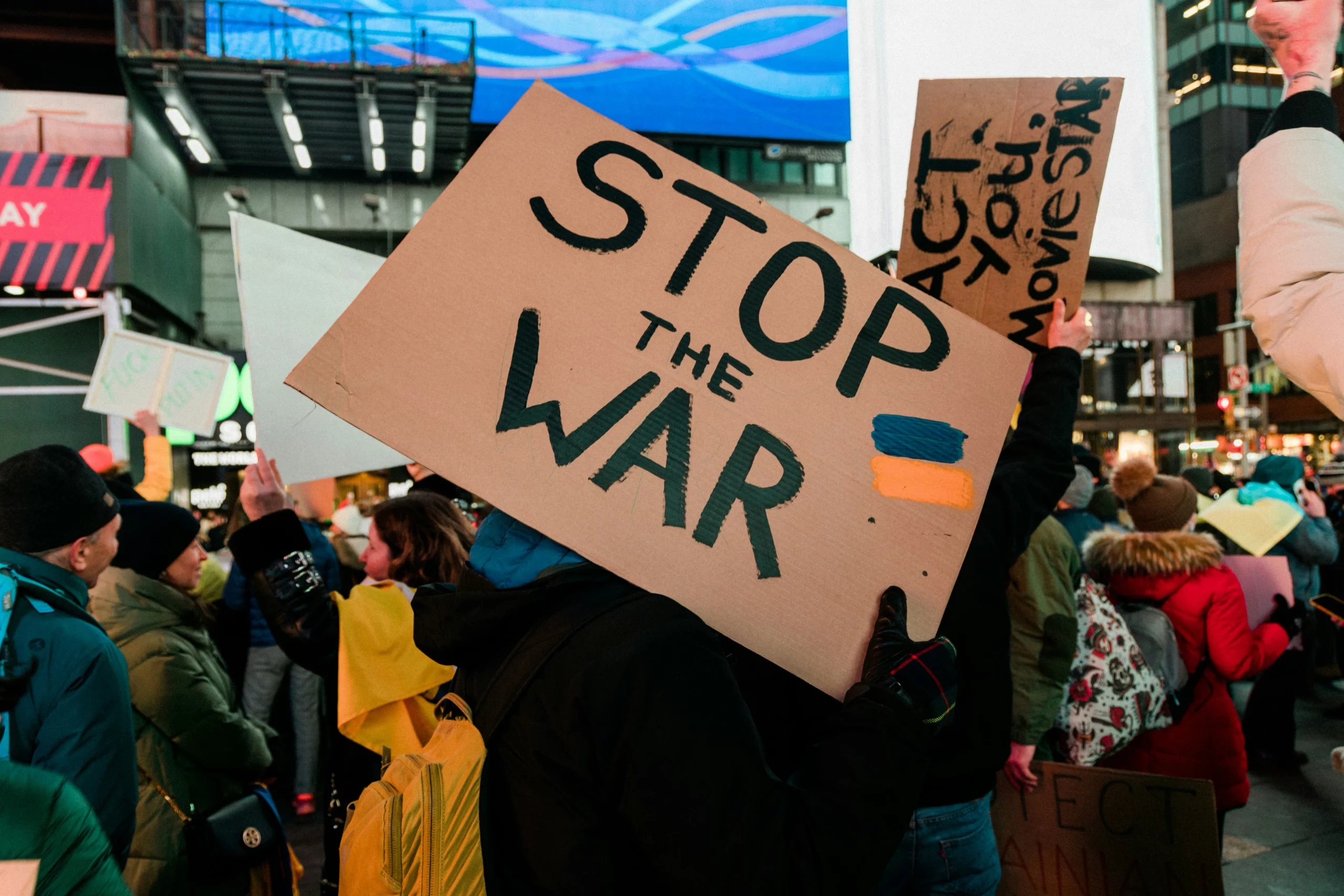
The European social partners for local and regional governments, CEMR and EPSU, have jointly expressed their strong condemnation of Russia’s invasion of Ukraine, calling it a grave violation of international law and a direct threat to democracy and peace in Europe. 

In a statement released through the European Social Dialogue Committee, the two organisations extended full support to the Ukrainian people, especially to workers in cities, municipalities, and local public services, who continue to serve their communities under attack. 

“Our thoughts are with first responders, emergency services workers and municipal staff who are ensuring the delivery of basic services, despite the ongoing destruction,” the statement reads. 

CEMR and EPSU pledged to mobilise both material assistance and technical expertise to support their peers in Ukraine and urged the EU and international community to provide shelter and asylum for those fleeing the war. 

As municipalities across Europe begin to welcome displaced persons, the statement also highlights the importance of supporting local migration services and coordinating with national governments to ensure dignified reception and integration. 

Read the declaration here 

For more information, contact: 

Solidarity for Ukraine

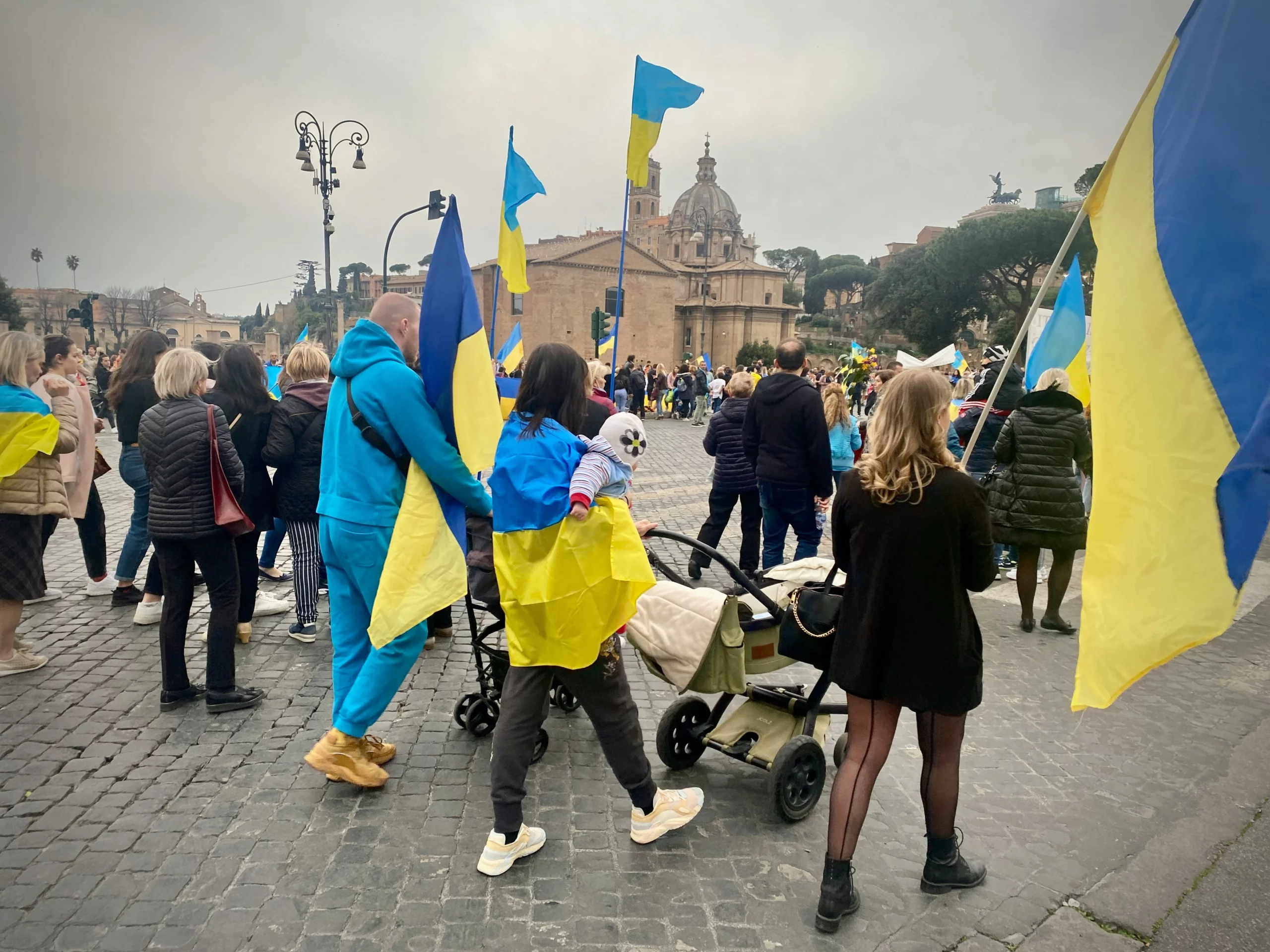
European local and regional governments stand in support and solidarity with their peers in Ukraine


In a statement issued by the CEMR on 24 February 2022, local and regional leaders across Europe, strongly condemn the multiple attacks and violations of the territorial integrity and sovereignty of Ukraine. They express their full support and solidarity to the Ukrainian people and their peers in local and regional government.

Expressing their views on the situation, CEMR President Stefano Bonaccini, CEMR Spokesperson on International Affairs Carola Gunnarsson and CEMR Executive President Jan van Zanen said: “We will not accept that our European values and integrity be attacked again by the Russian Federation after the violation of Georgian territories by Russia in 2008. We are firmly opposed to the dismemberment of a free and democratic state in Europe.”

They call on local and regional governments throughout Europe to endorse the statement by filling out this form.

To date, CEMR collected 795 signatures from 23 European countries.

The full statement:

We, local and regional leaders across Europe, strongly condemn the multiple attacks and violations of the territorial integrity and sovereignty of Ukraine. We express our full support and solidarity to the Ukrainian people and our peers in local and regional government. We will not accept that our European values and integrity be attacked again by the Russian Federation after the violation of Georgian territories by Russia in 2008. We are firmly opposed to the dismemberment of a free and democratic state in Europe.

The escalation of violence, repeated bombings and attacks on Ukrainian cities and territories are a serious threat to the preservation of peace and democracy across Europe. We call on the Federation of Russia to cease its attack, to leave the national territory of Ukraine, to respect all international treaties and fundamental principles of international law and to recognise the full sovereignty of Ukraine over all its territories, including Donbas and Crimea.

Firmly convinced of local democracy and city diplomacy, based on the values of peace that unite our municipalities across Europe since 1951, we stand by the Ukrainian municipalities, cities, hromadas, districts, raions and their representative associations. They are in the front line to protect the population and provide basic services to offer them good quality living conditions and daily survival. The destruction of infrastructure by the belligerents jeopardises the efficient and safe maintenance of basic public services provided by Ukrainian local and regional governments to their citizens.

As European local and regional governments, representing 60 national associations across 40 European countries, including Ukraine, we will continue to work to support them in their efforts. Not only are we ready to support our peers in the country with the materials and expertise they may need in the days and weeks to come. Municipalities and regions will probably have to face soon the human consequences of such a tragedy for Europe, probably resulting in a flow of humanitarian refugees. Coordination with our national governments will be essential. 

As the European section of UCLG, let us hope that city diplomacy will soon unite us all again!

Local support to Ukraine 

Mayors in Ukraine - News 2023

European local and regional governments denounce Russia’s aggression and pledge solidarity with Ukrainian communities 


European local and regional governments have expressed their strongest condemnation of Russia’s repeated attacks and violations of Ukraine’s sovereignty and territorial integrity. They reject any attempt to dismantle a free and democratic state in Europe, stressing that these acts threaten peace and democracy across the continent. 

Solidarity with Ukrainian Communities 
Mayors, councils, and regional leaders stand firmly with their peers in Ukraine, municipalities, hromadas, districts, and their associations, who remain on the frontline providing essential services to citizens under the constant threat of bombings and destruction of infrastructure. 

Commitment to Support 
Local and regional governments across Europe, representing 60 national associations in 40 countries, commit to offering Ukrainian communities the materials, expertise, and assistance needed to face the ongoing crisis. They also prepare to respond to the humanitarian consequences, including the likely arrival of refugees, in close coordination with national governments. 

City Diplomacy for Peace 
Rooted in a tradition of local democracy and city diplomacy since 1951, European municipalities reaffirm their belief in peace and cooperation. They call on Russia to cease its aggression, withdraw from Ukraine, including Donbas and Crimea, and respect international law. 

Looking Ahead 
Despite the violence, local leaders remain convinced that diplomacy between cities can once again be a powerful force for unity, peace, and rebuilding across Europe. 

Read the declaration here 

For more information, contact: 

Statement on Ukraine 

Mayors in Ukraine - News 2023

European municipalities and regions stand by Ukrainian local governments


In a declaration adopted on 14 February 2022, the Council of European Municipalities and Regions condemns unprovoked Russian military build-up on the Ukrainian border towns and regions and continued threats against Ukraine in recent months.

We express our deep concern over the current developments around Ukraine, which pose new threats to Ukraine and regional peace, security, and democracy.

Indeed, faced with the tense security situation, Ukrainian local governments are affected and obstructed from creating democratic development of their cities and regions, from proper functioning of local public services, and from taking care of their citizens. Furthermore, due to the tense security situation, implementation of decentralisation and public administration reforms could be restricted, which is categorically unacceptable.

We express our solidarity with the people of Ukraine, local and regional governments, especially in the East of the country, who have suffered greatly since 2014 as a result of the war, and are now living under daily threats of the military offensive against Ukraine while simultaneously continuing to innovate and reform the country.

We reaffirm our full and unwavering support for the independence, sovereignty, and territorial integrity of Ukraine and all Eastern neighbourhood countries within their internationally recognized borders. These principles are enshrined in international agreements of which Russia is a signatory, form the basis of European security, and cannot be revised.

We welcome the European Commission’s recent emergency macro-financial assistance package to Ukraine. We urge the EU institutions and national governments to be united, speak with one voice, and strengthen assistance to the Ukrainian local governments. They are in direct contact with the citizens and continue to provide all public services under the threat of conflict and energy blackmail.

CEMR, with Europe’s municipalities and regions, will continue to support Ukrainian local and regional governments and their associations. We will continue supporting the development of Ukraine through its contribution to decentralised cooperation, the growth of city-to-city and region-to-region ties.

To know more about how local government works and operates in Ukraine, discover its country profile in our TERRI Report.

Twinning funds

Twinning - News

Get funded for town twinning and networks of towns


Do you want to set up a town twinning or a network of towns? The EU’s CERV programme (Citizens, Equality, Rights and Values) can provide up to 30,000 euros for town twinnings and financing with no upper bound for networks of towns.

You have until 24 March 2022, 17:00 CET, to send your request for funding. The results will be shared between June and July 2022 after evaluation of the proposals.

An information session will be held on 8 February between 10:00 and 12:00 (in English). The session aims to explain the content and conditions of the call for proposals, as well as giving participants space to ask questions. You can else get directly in touch with your national CERV contact point.

Call for contractor 

BoT Expertise - News 2023

CoM SSA is looking for a contractor to organise events and to work on two studies


The Covenant of Mayors in Sub-Saharan Africa (CoM SSA) is looking for a contractor to provide support in the organisation of capacity building and advocacy events and the coordination and editorial of two project publications:

– Local Climate Action Advocacy in Sub-Saharan Africa
– Capacity-building for Local Government Associations: lessons learned

The bids, and any other communication related to the tender, shall be sent to the e-mail address application@ccre-cemr.org with COMSSA in the subject. Interested consultants shall submit their bids no later than by 22 February 2022 – 12h00.

Check the full Terms of Reference.

Smart cities

City - News

Just out: UCLG’s new study on the impact of COVID-19 on cities’ Smart resilience


Discover “Smart Cities Study 2021“, a new study published by our world organisation, United Cities and Local Governments (UCLG), shedding light on the impact of COVID-19 on cities’ Smart resilience. 

This new study provides an overview of the pre-pandemic situation of 35 cities in 20 countries from Europe, Latin America, Africa and Asia. It identifies their level of digitisation and the “Smart” resources and tools they had. Participating cities in Europe include Brno, Ostend, Utrecht, Santander, Barcelona, Villanueva de la Serena, Gavà, Bilbao, Lappeenranta, Alba Lulia and Lasi.

It also analyses what impact the pandemic had on the different areas of local governance and what new “Smart” measures or tools were used to combat the negative consequences that were generated.
Finally, the study determines to what extent these types of actions have served to increase the resilience of cities, and to assess the usefulness of the new measures and tools for combating future crises. It also seeks to promote the exchange of knowledge including best practices developed by the cities.

The study is available in English and Spanish.

Decentralised cooperation

Ukraine flag - News section

Bridges of Trust online Forum: strengthening ties between Ukrainian and EU municipalities


Over 100 representatives of local government from Ukraine and the EU gathered virtually on 10 December 2021 to discuss how to create and revitalise partnerships between Ukrainian and EU municipalities. This unique online forum was the scene of both lively discussions and the exchange of practical recommendations and best practices.

The event was moderated from both Brussels and Kyiv and was organised by the Council of European Municipalities and Regions (CEMR), PLATFORMA and the U-LEAD with Europe Programme.

Municipal partnerships: a driver of democratisation and reform

In the morning, the participants were greeted by four speakers. Viacheslav Nehoda, Ukrainian Deputy Minister for Communities and Territories Development, emphasised the importance of learning and applying the best practices of EU municipalities. He cited in particular the areas of education, healthcare, land management, community involvement and investments.

Xavier Camus, Head of Co-operation Section 1 — Good Governance and Rule of Law of the EU Delegation to Ukraine, argued that municipal cooperation is an important component of EU-Ukraine relations.

This was echoed by CEMR Secretary General Frédéric Vallier, who noted that local and regional governments are well positioned to drive Ukraine’s democratisation and reform processes, and to bring EU policies and projects in the country closer to the people. 

Bastian Veigel, GIZ Director of U-LEAD with Europe, stressed that EU-Ukraine municipal partnerships are important for the implementation of decentralisation reform.

During the forum, participants learned about the objectives and planned activities in the framework of the “Bridges of Trust” initiative. Virtual meetings between partner-municipalities have already started to take place. The main focus of these meetings is on identifying mutual interests, outlining the scope of joint actions and agreeing on the goals and modalities of the study trips and internships to the EU municipalities to be held in 2022. 

study of existing EU-Ukraine municipal partnerships, which was carried out within the initiative, was also presented to the participants. The study contains key success and failure factors of international municipal cooperation and many useful recommendations to those municipalities who would like to start or improve an existing partnership, as well as to the third actors who support EU-Ukraine municipal cooperation.

Lively online discussions

There were lively debates during a a panel discussion on how to build successful partnerships, with numerous exchanges both between the panelists and the participants via an online chat. Yuliia Noskova, Director of Shyroke Municipality’s Development Agency (Ukraine), and Olena Ovcharenko, Project manager at Engagement Global, shared practical tips and examples.

Roma Žakaitienė, Director of the Association of Local Authorities in Lithuania (ALAL) and Lyudmyla Damentsova, Deputy Executive Director of the Association of Ukrainian Cities (AUC), provided examples of how national associations support municipalities in their international cooperation efforts. 

During the afternoon, the 20 municipalities of the Bridges of Trust initiative were presented through an original and memorable “Eurovision of municipalities” presentation. They are:

1. Kakhovka municipality (Ukraine) and Narva (Estonia)

2. Novohuivynske municipality (Ukraine) and Lazdijai district municipality (Lithuania)

3. Fastiv municipality (Ukraine) and Druskininkai municipality (Lithuania)

4. Chuhuyiv municipality (Ukraine) and Kuldīga municipality (Latvia)

5. Zboriv municipality (Ukraine) and Joniškis district municipality (Lithuania)

6. Henichesk municipality (Ukraine) and Wieliczka (Poland)

7. Korosten municipality (Ukraine) and Ukmergė district municipality (Lithuania)

8. Solotvyno municipality (Ukraine) and Sol’ village (Slovakia)

9. Dolyna municipality (Ukraine) and Šiauliai district municipality (Lithuania)

10. Polyanytsya municipality (Ukraine) and Polanica-Zdroj (Poland)

Partnerships for people

Local leaders also shared their motivations for joining the partnerships. Mayor of Ukmergė Rolandas Janickas said in a video: “I have no doubt that by developing a friendship with Korosten, we will become stronger together.” For her part, Mayor of Chuhuiv Halyna Minaevaaffirmed that “The initiative will help the municipality find new opportunities to grow, learn and apply the best practices of European colleagues in their own work.”

In his closing remarks, Durmish Guri, Director of External Resources and Knowledge Strategy at CEMR, expressed his hope that the 20 municipalities would make the most of their upcoming exchanges and study visits.

We hope that Ukrainian municipalities will use the knowledge that they will receive during these activities and will apply it in their communities, to improve a specific service or a general organisation and management of the municipality”, Guri said. “And let’s not forget that the ultimate beneficiaries of all of these activities and of your international partnership should be the citizens of your communities.

For more highlights from the Forum, consult the exchanges on Twitter under the hashtag #BridgesofTrust.

———————–

«Мости довіри»: Посилення муніципальної співпраці між громадами України та Європейського Союзу

Понад 100 представників органів місцевого самоврядування з України та ЄС зібралися минулого тижня (10 грудня 2021), щоб обговорити, як створити та покращити партнерські відносини між громадами України та ЄС. Цей унікальний онлайн-форум cтав платформою для дискусій, обміну практичними рекомендаціями та найкращими практиками.

Захід був організований Радою європейських муніципалітетів та регіонів (CEMR),  PLATFORMA  та Програмою  «U-LEAD з Європою», а спільна модерація була проведена з Брюсселя та Києва.

Муніципальні партнерства: драйвер демократизації та реформ

У першій половині дня, учасників вітали чотири доповідачі. В’ячеслав Негода, заступник Міністра розвитку громад та територій України, наголосив на важливості  навчання  та застосування кращих практик муніципалітетів ЄС, особливо в таких сферах як: освіта, охорона здоров’я, землеустрій, залучення громад’ян та інвестицій.

Ксав’є Камю, керівник Програм співробітництва щодо належного урядування та верховенства права Представництва ЄС в Україні, відзначив, що муніципальне співробітництво є важливою складовою відносин між Україною та ЄС. Це повторив генеральний секретар CEMR, Фредерік Вал’є, який підкреслив, що місцеві та регіональні органи влади мають всі можливості для стимулювання процесів демократизації та реформ в Україні, а також для наближення політики та проєктів ЄС у країні ближче до людей. Бастін Файгель, директор Програми «U-LEAD з Європою» від GIZ, наголосив,  що  муніципальне партнерство Україна-ЄС є також важливим для реалізації реформи місцевого самоврядування.

Під час форуму учасники дізналися про цілі та заплановані заходи в рамках ініціативи «Мости довіри». На разі, в рамках ініціативи вже проходять віртуальні зустрічі між партнерами.  Основна увага під час цих зустрічей зосереджена на визначенні взаємних інтересів, окресленні обсягів спільних дій та узгодженні цілей навчальних поїздок до муніципалітетів ЄС та стажувань, які пройдуть у 2022 році.

Учасникам також було представлено дослідження існуючих муніципальних партнерств Україна-ЄС, яке проводилося в рамках ініціативи. Дослідження містить ключові фактори успіху та невдач міжнародного муніципального співробітництва та багато корисних рекомендацій для тих громад, які хотіли б розпочати чи покращити існуюче партнерство, а також для третіх учасників, які підтримують муніципальну співпрацю між Україною та ЄС.

Жваві онлайн-дискусії

Під час панельної дискусії, відбулися жваві дебати про те, як побудувати успішні партнерські відносини, з численними обмінами як між доповідачами, так і між учасниками через онлайн-чат. Юлія Носкова,  директорка КУ “Агенція розвитку Широківської ТГ” (Україна), та Олена Овчаренко, керівниця проєкту, «Муніципальні партнерства з Україною», Engagement Global, поділилися практичними порадами та  прикладами.

Рома Жакайтієне, директорка Асоціації місцевих органів влади Литви, та Людмила Даменцова, заступниця Виконавчого директора Асоціації міст України (АМУ), навели приклади того, як національні асоціації підтримують громади в їх зусиллях з міжнародного співробітництва.

У другій половині дня 20 громад  учасниць ініціативи «Мости довіри» були представлені у динамічному форматі-презентації «Євробачення громад». Серед них:

1. Каховська громада, Херсонська область – Нарва, Естонія
2. Новогуйвинська громада, Житомирська область – Лаздійський район, Литва
3. Фастівська громада, Київська область – Друскінінкай, Литва
4. Чугуївська громада, Харківська область – Кульдізький край, Латвія
5. Зборівська громада, Тернопільська область – Йонішкіський район, Литва
6. Генічеська громада, Херсонська область – Величка, Польща
7. Коростенська громада, Житомирська область – Укмергський район, Литва
8. Солотвинська громада, Закарпатська область – Соль, Словаччина
9. Долинська громада, Івано-Франківська область – Шяуляйський район, Литва
10. Поляницька громада, Івано-Франківська область – Поляни́ця-Здруй, Польща

Партнерство для людей

Мери муніципалітетів та голови громад також поділилися мотивами участі в ініціативі та налагодженні партнерських відносин. Мер Укмергського району,  Роландас Яніцкас, наголосив у відеозверненні:  «Я не сумніваюся, що розвиваючи дружбу з Коростeнем, ми разом станемо сильнішими».  Міська голова Чугуївської громади,  Галина Мінаєва переконана,  що  «Інітіатива допоможе громаді знайти нові можливості для зростання, навчання та застосування кращих практик європейських колег у власній роботі».

У своєму заключному  слові,  Дурміш Гурі, директор з питань проєктів та стратегії управління знаннями (CEMR), висловив надію, що 20 муніципалітетів візьмуть максимум найкращих практик з майбутніх обмінів та навчальних візитів.

«Ми сподіваємося, що українські громади використають знання, які вони отримають під час цих заходів, і будуть застосовувати їх у своїх громадах, щоб поліпшити конкретну муніципальну послугу або загальну організацію та управління громадою»,- сказав пан Гурі. І давайте не будемо забувати, що кінцевими бенефіціарами всіх цих заходів і вашого міжнародного партнерства повинні бути громадяни ваших громад».

Ця публікація була підготовлена за підтримки Європейського Союзу і його держав-членів Німеччини, Швеції, Польщі, Данії, Естонії та Словенії. Зміст цієї публікації є виключною відповідальністю її авторів та не може жодним чином сприйматися як такий, що відображає погляди Програми «U-LEAD з Європою», уряду України, Європейського Союзу і його держав-членів Німеччини, Швеції, Польщі, Данії, Естонії та Словенії

Decentralised cooperation

Ukraine people - News

Stronger together: 6 EU and Ukrainian municipalities join forces to tackle common challenges


Decentralised cooperation: it’s not just a phrase, but the reality of local governments coming together to tackle concrete problems. Six municipalities from Ukraine, Poland, Latvia and Estonia met last month to kick-start their partnerships as part of the CEMR-PLATFORMA project Briges of Trust. The communities discussed possibilities for future cooperation in a wide variety of areas, including business and investment, tourism and cultural heritage.

On 8 November 2021, the cities of Kakhovka (Ukraine) and Narva (Estonia) held their first meeting online. Kakhovka is located in the south of Ukraine on the banks of the Kakhovka reservoir, formed by the city’s hydroelectric dam. Narva, Estonia’s third-largest city, is on the lower reaches of the Narva River on the border with Russia.

These two communities face a number of common challenges, including developing social support infrastructure for aging populations, loss of young talent to emigration and the need to attract investment. The municipalities will engage in joint activities and knowledge exchange to find solutions to these problems.

Fostering tourism in mountainous regions

On 10 November, officials from the Polish spa town of Polanica-Zdrój and the Ukrainian mountain resort of Polyanytsya presented their communities and discussed joint areas for cooperation and exchange of best practices.

The similarities between the two communities are not limited to their names. Both are popular tourist destinations located in mountainous regions. They share similar challenges in terms of improving tourist infrastructure, nature protection and waste management. In addition, Polyanytsya would like to improve sewage and water management systems as well as attract additional funding for local development.

Capitalising on culture

On 12 November, a productive exchange took place between Chuhuyiv, a district capital in eastern Ukraine, and the Latvian city of Kuldiga. The two communities are interested in business cooperation and promotion of art and culture. Both want to preserve and promote their rich historical heritage and are putting citizens at the centre of their activities.

Kuldiga, a former Hanseatic city, is implementing a programme to preserve the authenticity of its old town, aiming to become a UNESCO World Heritage site. Chuhuyiv, birthplace of the reknowned realist painter Ilya Repin, holds the annual International Repin Plein Air painting event, which has become a meeting place for artists from across Europe.

The partners will continue to develop their cooperation through a series of online meetings. In spring and summer 2022, the Ukrainian municipalities will visit their EU partners to learn best practices and apply them in their own communities.