CEMR hosts a discussion on the evolving insurance landscape and its implications for local public finances
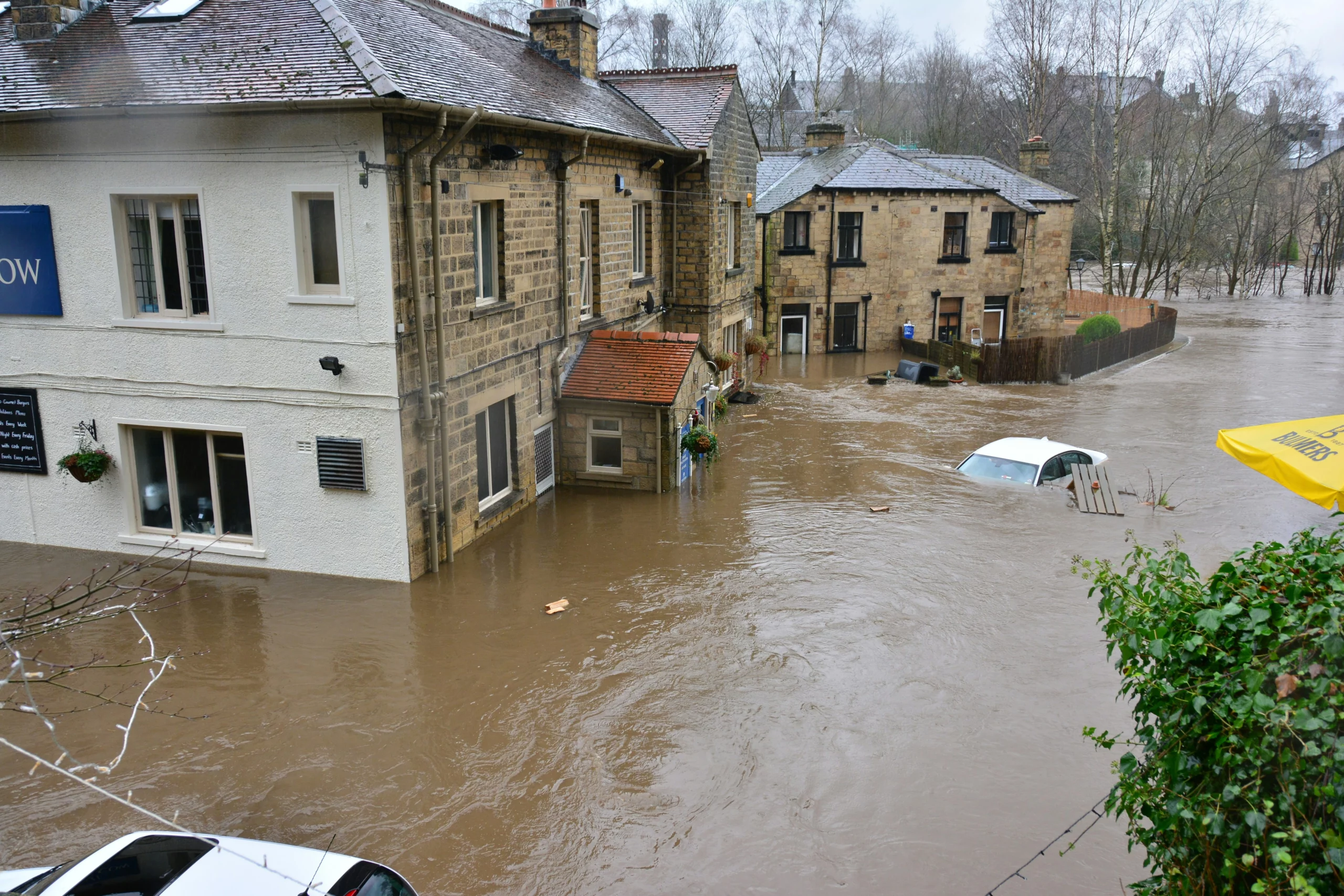
As climate-related disasters become a structural part of our reality, their financial consequences are placing growing pressure on local and regional budgets. By bringing together voices from local governments in Europe and Canada, European institutions and the insurance sector, CEMR led a webinar on 6 October on the evolving insurance landscape and its implications for local public finances.
The diversity of perspectives reflected the reality that climate risks do not respect administrative boundaries, and neither should the search for solutions. Opening the webinar, Federica Bordelot, CEMR Director for Policy, stressed that local and regional governments are facing rising insurance premiums, tighter coverage conditions and, in some cases, difficulties obtaining insurance for certain assets or activities. With climate insurance rapidly moving up the European policy agenda, Bordelot emphasised the importance of fully involving local and regional governments in the discussions.
“Climate risks materialise locally, and public infrastructure is managed locally and resilience in the end is built locally. There cannot be one-size-fits-all” – Federica Bordelot
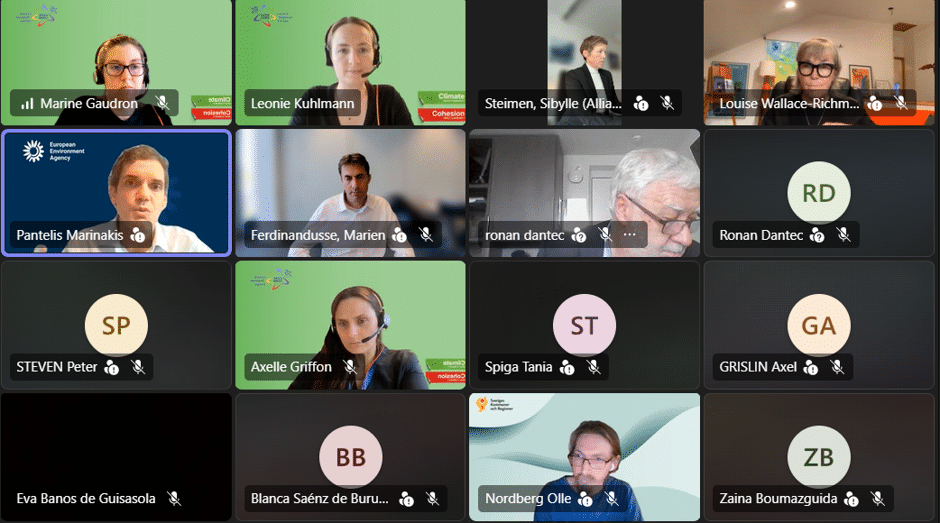
Ronan Dantec, Senator for Loire-Atlantique, France, and CEMR Spokesperson on Climate, pointed out the importance of solidarity and risk-sharing in the face of growing climate risks. Dantec recalled that “insurance is fundamentally based on pooling risks” and called for financial resources to be mobilised upstream to support adaptation and more resilient territories. He also highlighted the need for long-term financing mechanisms for local and regional governments.
“We are probably at a level of financial effort [on the scale of adaptation needs] that corresponds to [those] after World War II.” – Ronan Dantec
Understanding the insurance protection gap
Opening the panel discussion, Pantelis Marinakis from the European Environment Agency explained the growing climate insurance protection gap. Marinakis stressed that climate risks are systemic and can cascade through households, businesses, banks, insurers and public finances. He also presented insurance as part of a broader resilience approach and identified key priorities to close the protection gap, including increasing risk awareness and transparency, preserving affordable insurance, expanding risk-bearing capacity and strengthening public-private partnerships.
“The most durable way to keep insurance available and affordable is to reduce future losses through adaptation measures.” – Pantelis Marinakis
Marien Ferdinandusse from the Public Finance Division of the European Central Bank highlighted what a growing climate insurance protection gap means for public finances. When losses are uninsured, governments can ultimately become risk-bearers, while insurance helps households and businesses rebuild after extreme weather events. As climate risks increase, he underlined the need to move from a reactive to a more proactive approach through adaptation, fiscal preparedness, and measures to reduce the insurance protection gap.
Local and insurance sector perspectives
Louise Wallace-Richmond, Councillor in the City of Salmon Arm in British Columbia, Canada, brought an international perspective to the discussion. Drawing on her municipality’s experience, she highlighted the impacts of disasters on local infrastructure, budgets and communities. She put emphasis on clarifying responsibilities between levels of government, maintaining affordable insurance and protecting essential infrastructure.
Sibylle Steimen from Allianz brought the insurance sector perspective, stressing the importance of maintaining the broadest possible insurance market. She underlined the need to better inform customers about their exposure to risks and identified prevention and adaptation as essential to keeping insurance available and affordable. Steimen also pointed out that local adaptation measures can have a positive effect on insurance premiums.
As discussions turned to possible solutions to the climate insurance protection gap, participants exchanged on the role of adaptation, the impact of local measures on insurance premiums and the need for cooperation between public authorities and the insurance sector.
The recording of the webinar is available here. CEMR will continue exchanging with its members, engaging with the European Commission and supporting knowledge-sharing on this topic, especially as the European Commission is about to release an integrated framework for European climate resilience and risk management: the ‘Climate Insurance Alliance’. This webinar feeds into the future work and positioning of CEMR on these important initiatives.
For more information, contact:

Advisor – Environment and mobility