Bridges of Trust Award: The recognition of European municipal cooperation with Ukraine
There is a form of diplomacy that rarely makes headlines yet can have a profound impact on people’s lives: two mayors meet and agree to start a cooperation. What follows is a continuing conversation about what is needed and a mutual exchange of expertise involving stakeholders from administration, civil society, and citizens.
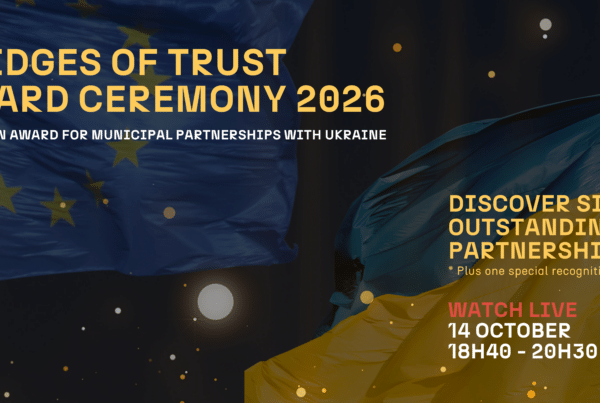
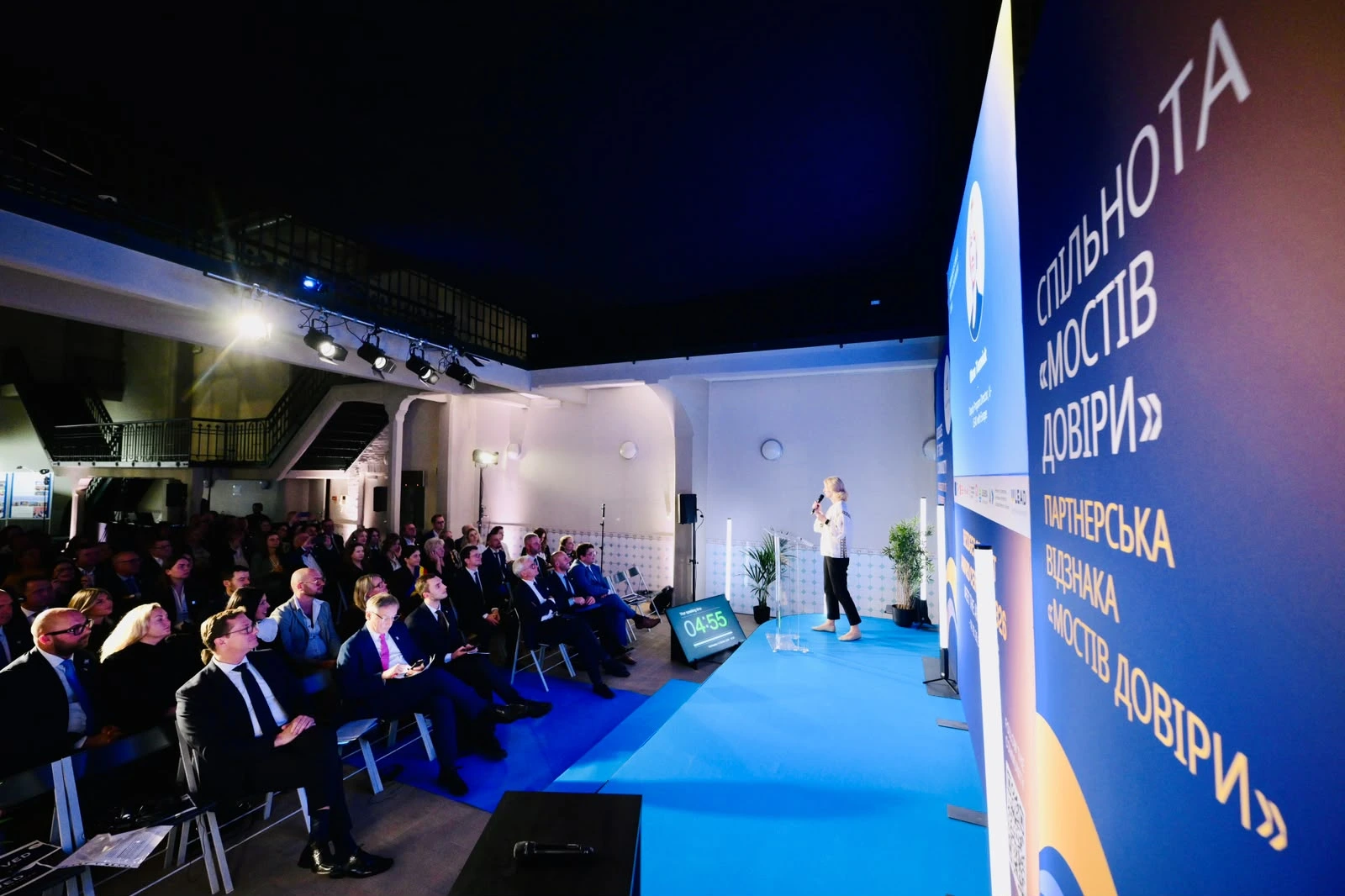
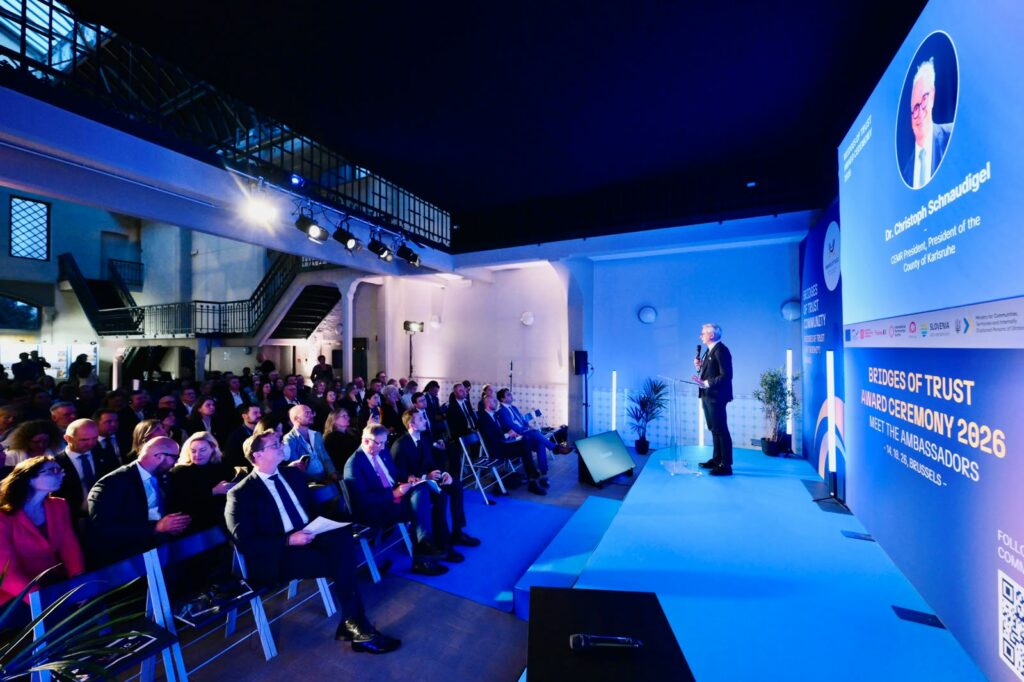
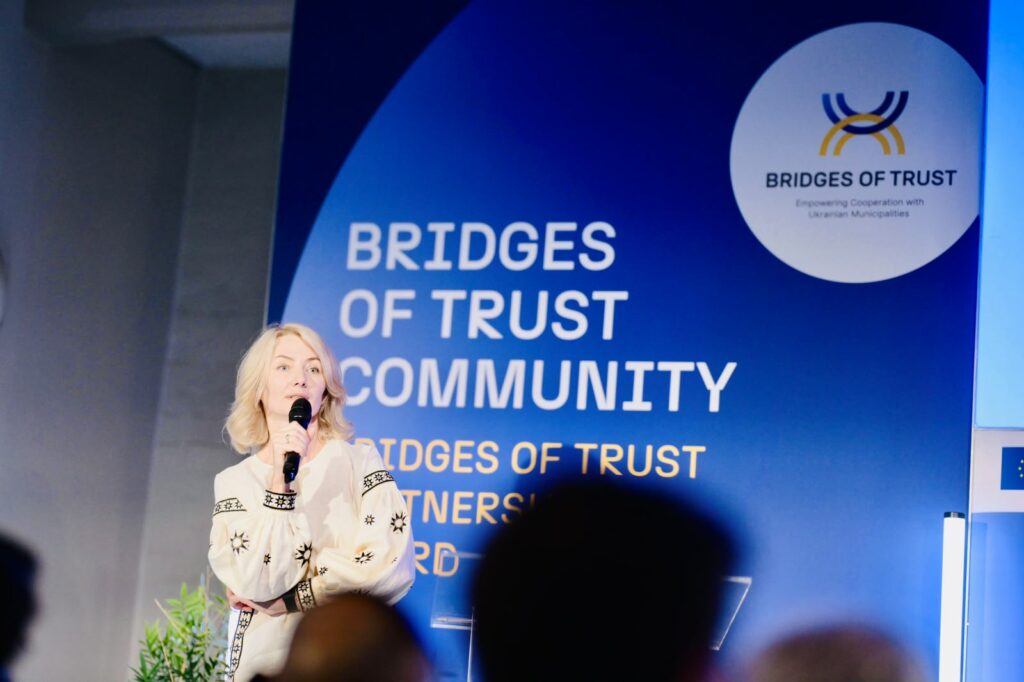
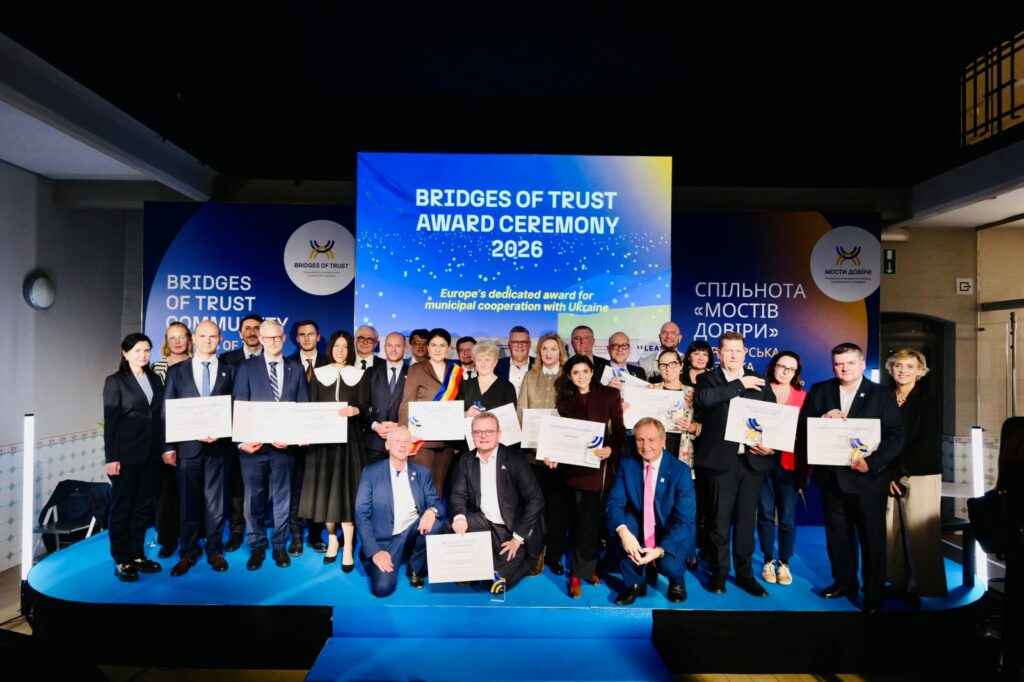
On 14 October 2026, in Brussels, during the European Week of Regions and Cities, that quiet work got formal recognition. At the first edition of the Bridges of Trust Award Ceremony, six municipal partnerships were named the Bridges of Trust Ambassadors, a new award for municipal cooperation between Ukraine and the rest of Europe, some dating back decades, others born in the first weeks after the full-scale invasion.
Awardees reflecting diversity
Municipal twinning has existed in Europe since the aftermath of the Second World War, when former adversaries paired their towns as a small, deliberate act of reconciliation. That habit never really went away, but it found a new purpose. Oberhausen (Germany) and Zaporizhzhia (Ukraine), for instance, have been twinned since 1986; the partnership marked its 40th anniversary this year, and rather than fading into ceremony, it took on a very practical role. Together, the Bridges of Trust Ambassadors reflect the diversity of municipal cooperation, in terms of the size and location of the municipalities, the stakeholders involved and the topics addressed. and rehabilitation equipment delivered to Zaporizhzhia’s City Hospital No. 4, a Social Taxi service that gave over 1,200 rides in its first six months, and more than ten community vehicles sent through a civil protection programme.
What distinguishes the awarded partnerships is that the relationship is dynamic and mutually beneficial. Fastiv, in Kyiv Oblast, partnered with Trollhättan in Sweden only in 2024, and within a year, Fastiv’s own crisis-management specialists were training Trollhättan’s emergency services, drawing on experience no peacetime municipality would otherwise have.
The partnerships behind the Award
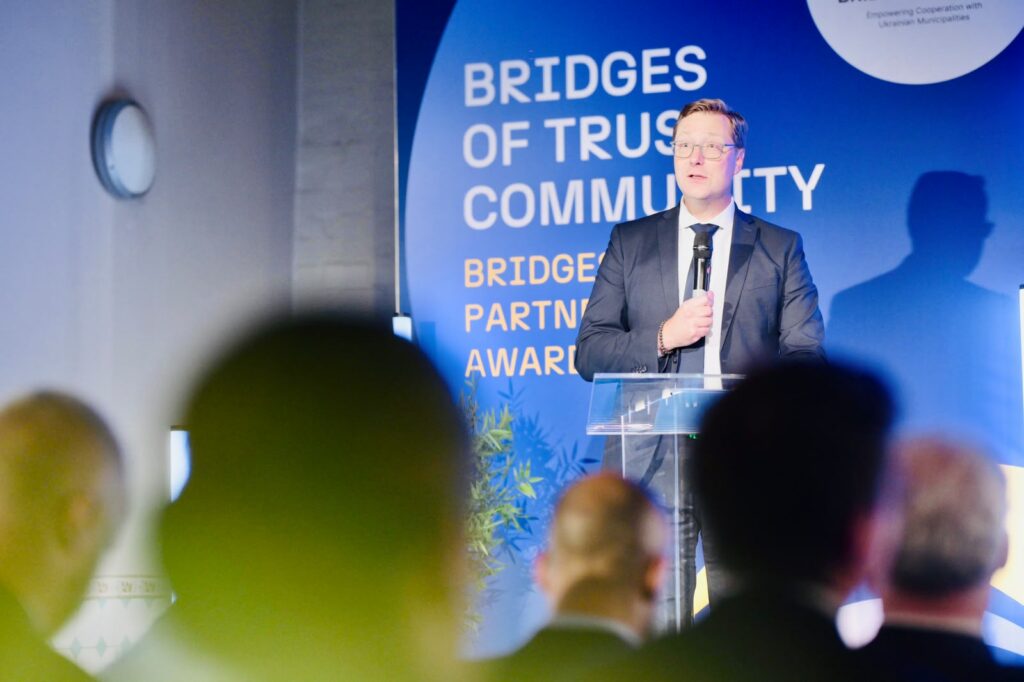
The award is a joint initiative of the Bridges of Trust Community, coordinated by the European Partnership Hub Secretariat, hosted by CEMR, and supported by the EU and its member states through the U-LEAD with Europe Programme. In total, 55 municipal partnerships with Ukraine handed in joint applications, showing their high-quality cooperation. Nine partner organisations across Europe pre-selected candidate partnerships. A jury including the European Committee of the Regions selected a cohort of them. The final say went to the four All-Ukrainian national associations — the people best placed to judge which partnerships actually made a difference on the ground.
Six Ambassadors were named, plus one special recognition.
The seven partnerships
Ropaži (Latvia) × Boiarka (Ukraine) — established February 2023
Began with emergency aid (vehicles, generators) in the weeks after the invasion. Today it funds a Social Wardrobe and domestic-violence shelter supporting over 3,000 people a month, alongside recreation programmes that have brought more than 100 children from Boiarka to Latvia.
Trollhättan (Sweden) × Fastiv (Ukraine) — established 2024
A Memorandum of Cooperation signed within six months of first contact, built around crisis-management training, civil preparedness and youth exchange, including annual summer camps for children.
Bourges (France) × Korosten (Ukraine) — established 9 March 2022
One of the fastest municipal responses on record: first contact on 2 March 2022, a signed agreement a week later, 200 women and children hosted in Bourges within three weeks. The relationship never scaled back — regular delegation visits, and €10,000 in emergency aid sent after a drone attack on Korosten in April 2026.
Ciortești (Romania) × Zarichchia (Ukraine) — established 2025
Two small rural municipalities, both led by women mayors, with limited resources but a fast-moving relationship — a five-day study visit and a series of working sessions produced a Letter of Intent for formal twinning within about a year.
Oberhausen (Germany) × Zaporizhzhia (Ukraine) — twinned since 1986
The longest-standing partnership in the group, and a case study in what four decades of trust can do when circumstances demand it — described above.
Coevorden (Netherlands) & Nordhorn (Germany) × Chuhuiv (Ukraine) — twinning since 1963, trilateral since 2023
This is the one to watch. Trilateral municipal partnerships — where two established European twin cities jointly bring in a Ukrainian partner — are still rare but increasingly used as a way to share resources and coordination across borders. Coevorden and Nordhorn have been twinned since 1963; rather than each starting a separate relationship with Ukraine, they opened their existing partnership to include Chuhuiv, combining youth exchanges, a solidarity concert that funded equipment, and the 2026 donation of a specialised civil protection vehicle.
Utrecht (Netherlands) × Mariupol (Ukraine) — Special Recognition
Mariupol has been under Russian occupation since 2022, which sets this partnership apart from the other six: there is no functioning municipality on the Ukrainian side to twin with in the usual sense. Utrecht instead built a relationship with Mariupol’s exiled administration — creating two permanent staff positions in 2022 for former Mariupol municipal employees, co-developing the Mariupol Revival Plan, a reconstruction and recovery vision for the city’s eventual return, and in 2025 launching the Mariupol Justice Project with the International Criminal Court to document testimonies. It receives a separate recognition precisely because it operates under conditions none of the others faces — planning for a city’s future while that city remains inaccessible.
What happens next
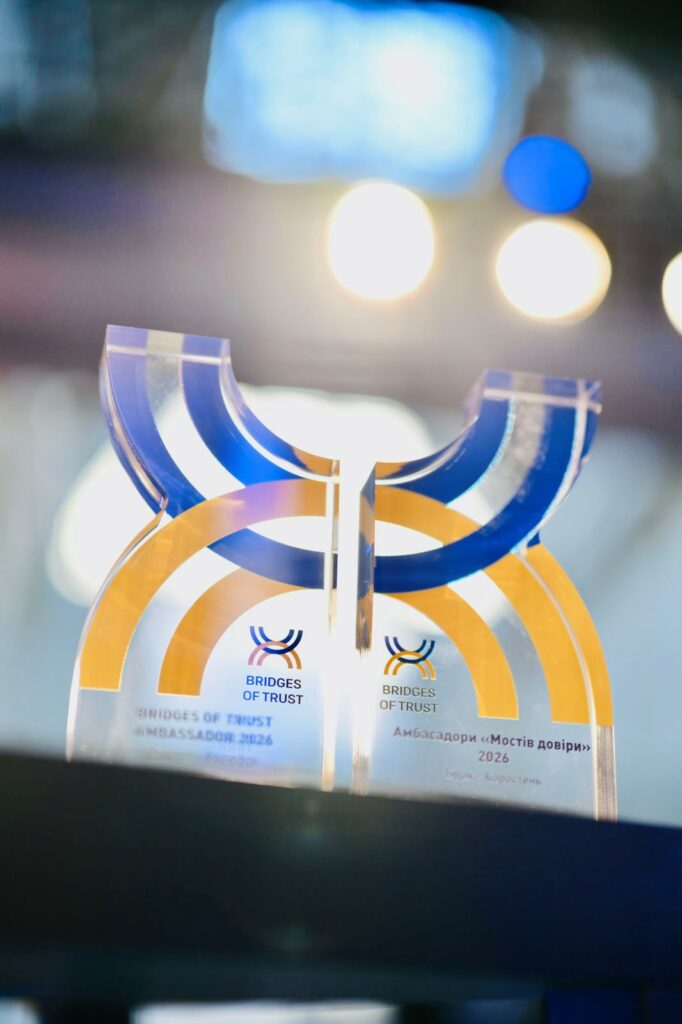
Each Ambassador enters a one-year Acceleration Programme: strategic support, peer learning, professional storytelling and visibility at high-level European events.
The aim is not only to mark these seven partnerships, but to give other towns and cities — including pairs already twinned for decades — a real example of what the relationship can become.
Because the most durable form of European integration may not be the kind negotiated in Brussels. It’s the kind built between two, or sometimes three, town halls that decided the relationship was worth keeping.
For more information, contact:

Project officer – Communications & Events