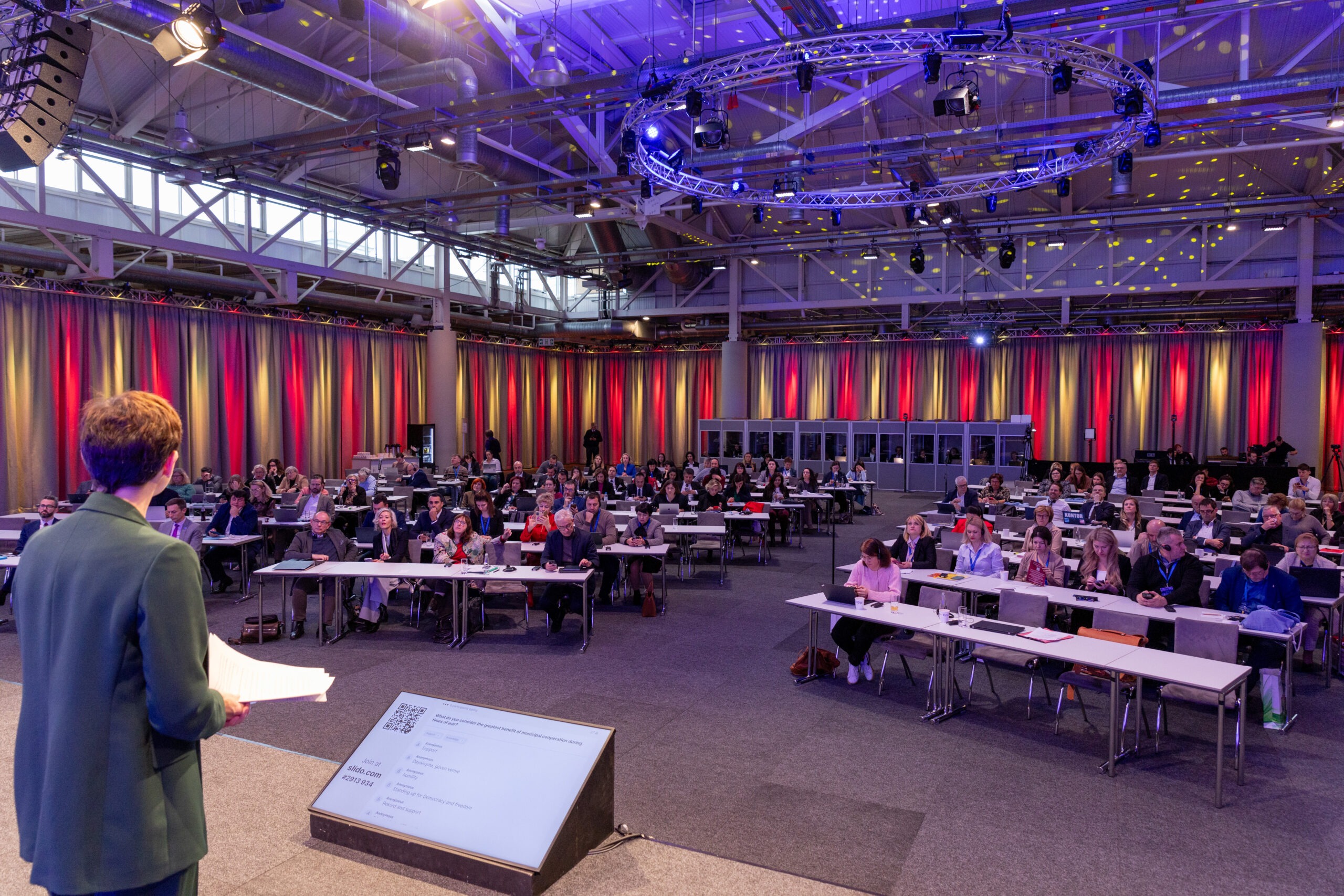
CEMR has extended the deadline for submitting applications to host the CEMR 2026 Congress to March 5th. Interested cities and municipalities now have additional time to submit their proposals and be part of this major gathering of local and regional leaders from across Europe.
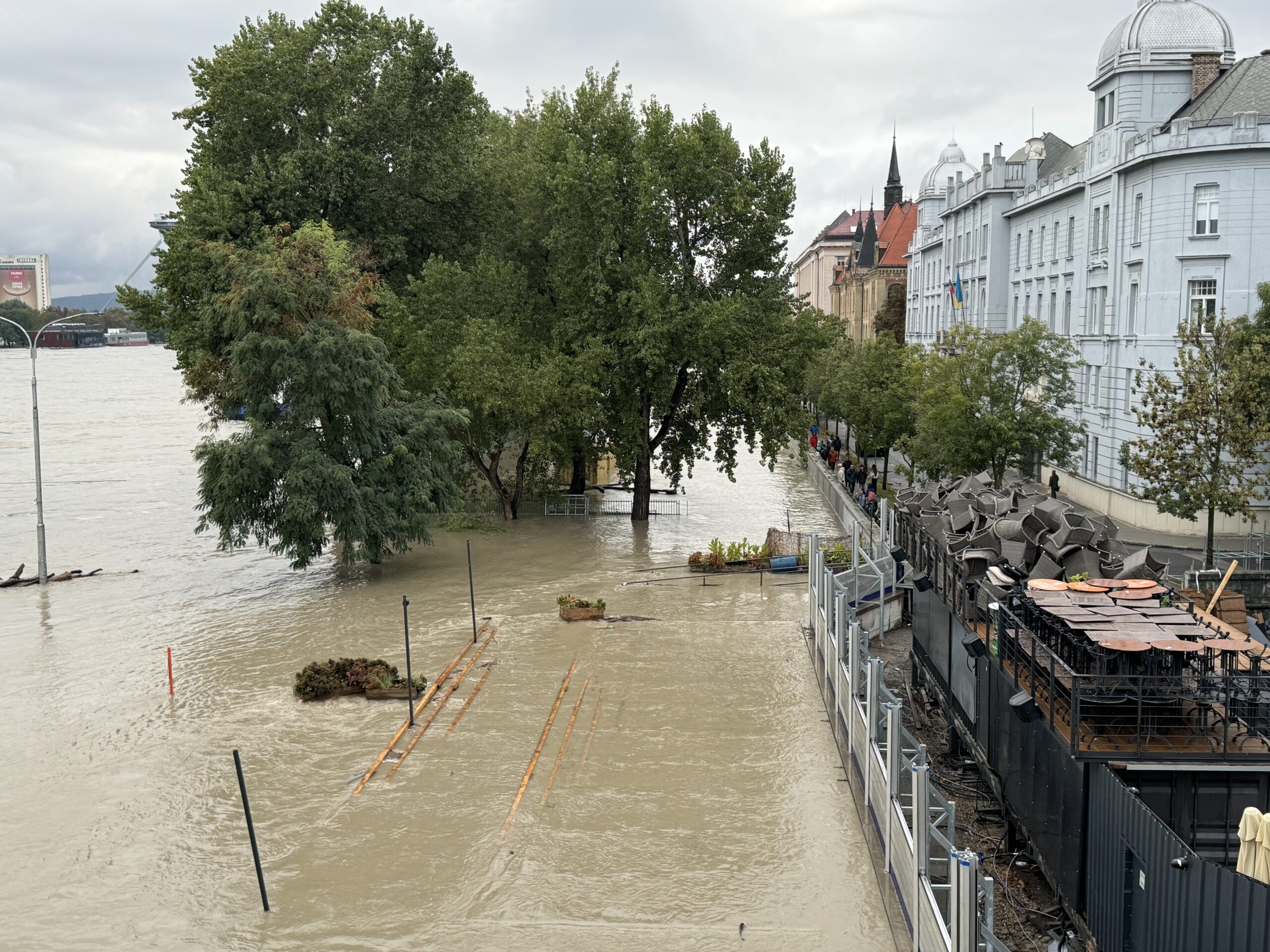
As Europe faces increasing water challenges—ranging from severe droughts to devastating floods—CEMR is calling for action. In its recommendations for the upcoming European Water Resilience Strategy, CEMR outlines how local governments can lead the way in protecting water as a public good, addressing regional needs, and strengthening collaboration across all levels of governance.
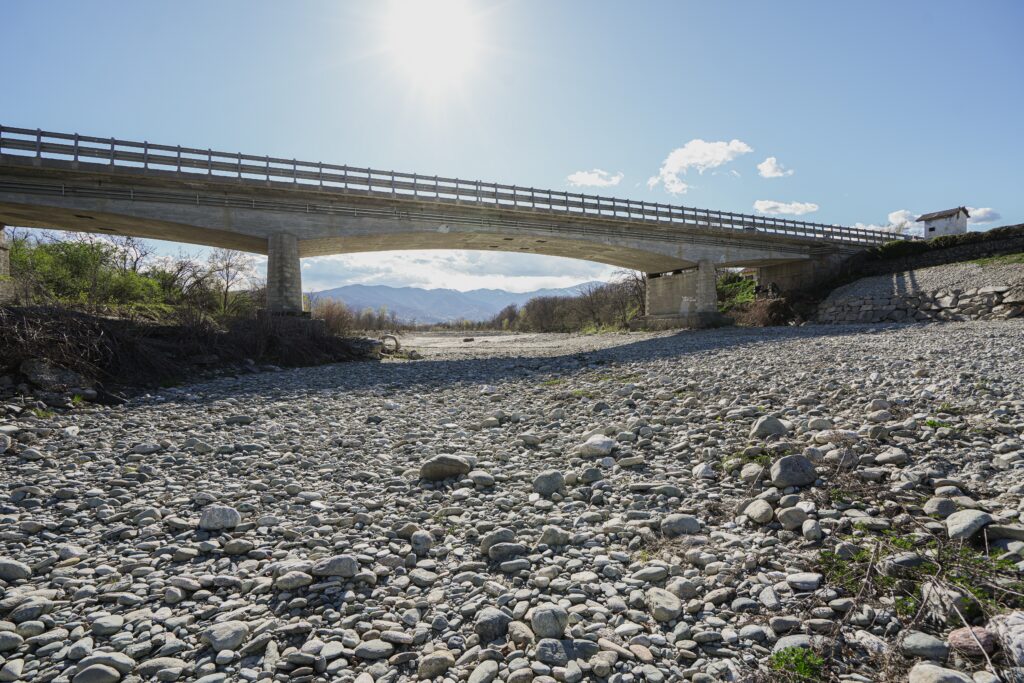
Access to water is a fundamental right, yet climate change and urbanisation pose increasing challenges to this vital resource. The drought that hit Europe in 2022, one of the worst in 500 years, left rivers like the Rhine and Po at record-low levels, disrupting ecosystems, agriculture, and transport. Meanwhile, frequent and severe flooding in Northern Europe has highlighted the urgent need for better water management systems. CEMR is taking a stand with its recommendations for the upcoming European Water Resilience Strategy.
A bridge over the Po River completely dry due to the drought that has been affecting Piedmont for more than a year. Revello, Italy – April 2023 – MikeDotta/Shutterstock
In fact, the European Commission has announced its plan to develop a comprehensive Water Resilience Strategy as part of the 2024–2029 guidelines. This initiative aims to map risks, identify preparedness needs, and align with the ongoing revision of EU water directives. These discussions highlight the urgency of ensuring sustainable water management across urban and rural areas, addressing both immediate climate risks and long-term infrastructure needs.
But water is not just a resource—it is a public good. This is why CEMR and its member associations emphasize the need for robust legal frameworks to ensure it is not treated as a commercial product and to guarantee universal access, calling for public sector-led water management to provide transparency and prioritize community welfare.
But a one-size-fits-all approach will not work. Across Europe, water challenges range from droughts in the south to flooding in the north. That is why CEMR advocates for place-based solutions tailored to local realities, underpinned by nature-based strategies like wetland restoration and innovative urban planning.
Achieving water resilience also requires financial investment. CEMR urges the EU to increase funding for ageing water infrastructure, climate adaptation measures, and innovative technologies, while streamlining access to emergency funds for regions affected by water-related crises.
Finally, achieving water resilience requires stronger involvement from local and regional governments. As the level of governance closest to citizens, they are best positioned to design and implement water management strategies tailored to local realities. Whether it’s cities like Paris and Berlin successfully remunicipalising their water services to improve quality and affordability, or regions in the Netherlands pioneering flood prevention through integrated urban planning, local governments have proven their ability to manage water efficiently when given the right tools and resources.
Ensuring that municipalities and regions have the necessary funding, decision-making power, and support to lead on water resilience is crucial for tackling interconnected challenges across urban and rural areas. CEMR calls for a governance framework that empowers local authorities to take proactive action, secure long-term investments, and foster cooperation with civil society and the private sector. Strengthening their role will be key to building a Europe where water systems are robust, adaptive, and sustainable.
Ready to dive deeper? Explore the full CEMR policy paper for detailed insights and actionable recommendations.
Empowering Local and Regional Governments: A Call for a Public Procurement Directive that Reflects their Realities
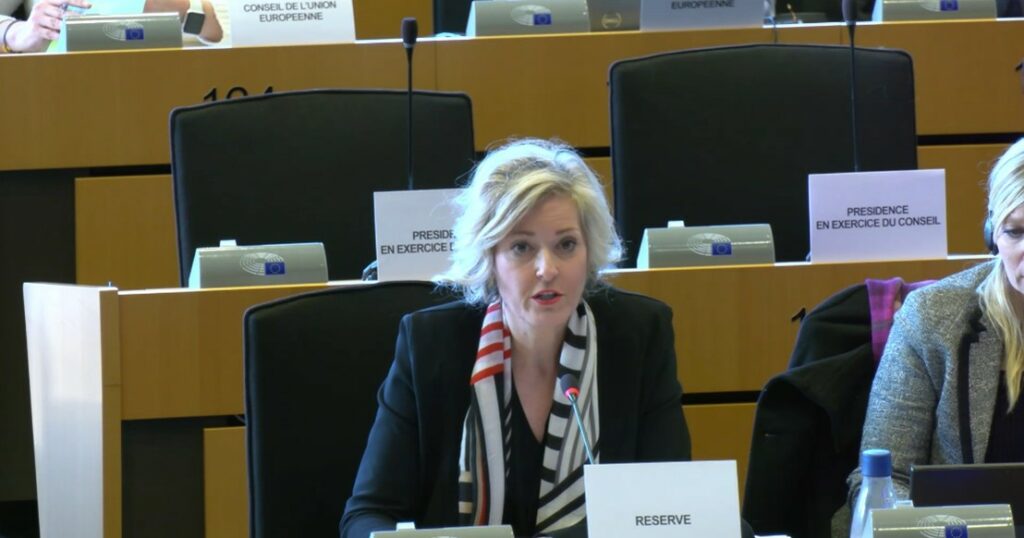
On Monday 27 January, Tanja Struve, Chair of CEMR’s Expert Group on Public Services, participated in the IMCO Committee’s exchange of views on public procurement. This session was organised as part of the European Parliament’s own initiative report on public procurement and brought together experts and policymakers to address key challenges and opportunities in this policy field.
During her intervention, Ms. Struve presented the CEMR Expert Group’s positions, stressing the urgent need for a public procurement directive that better reflects the realities of local and regional governments (LRGs). She highlighted the significant role LRGs play as the largest public investors and contracting authorities in the European Union and the challenges they face under the current directives.
Tanja Struve, Chair of CEMR’s Expert Group on Public Services
Why Public Procurement Matters
Public procurement is a cornerstone of the European economy, accounting for around 14% of the EU’s GDP. It is a critical tool for governments to deliver public services, promote innovation, and drive sustainability. The existing EU Public Procurement Directives, adopted in 2014, aim to modernise procurement practices by fostering transparency, competition, and efficiency.
While the EU’s procurement framework has brought some improvements, there is a growing consensus among local governments that reforms are needed to better align the directives with the realities on the ground. Indeed LRGs—the largest contracting authorities in the EU—face significant challenges in navigating the current framework because of the overly complex procedures, rigid rules, and heavy administrative burdens that limit flexibility and make it difficult for local authorities to adapt procurement practices to their specific needs.
“Public procurement is vital, and LRGs are the largest public investors and contracting authorities in the EU,” Ms. Struve stated. “However, they face several challenges with the current public procurement directives. They need simplification, flexibility, and the ability to adapt procurement practices to local needs without overloading procedures.” said Tanja Struve, Chair of CEMR’s Expert Group on Public Services.
Ms. Struve emphasised three critical areas for reform:
Greater flexibility to adapt procurement practices to local circumstances.
Simplified rules to streamline processes and improve procedures.
Reduced administrative burdens to ensure more efficient and effective procurement practices.
These changes, she explained, are essential to empower local governments to deliver high-quality public services while safeguarding their right to self-governance.
Next Steps for the Expert Group
CEMR’s Expert Group on Public Services is finalising its position paper on public procurement. The document, which consolidates the group’s recommendations and insights, is currently under review by the Secretary Generals of CEMR. It is set to be adopted and published in the coming days.
This position paper will serve as a cornerstone for CEMR’s advocacy efforts, providing clear and actionable guidance to EU policymakers on creating a public procurement framework that truly supports local and regional governments.
The “Green Lungs for our Cities” project showcases the power of local action. Through its implementation, Tirana and its partners built an alternative platform to monitor air quality, noise pollution, and urban greenery ecosystems. This approach not only influenced governance at the local level but also aligned with the EU accession process, underscoring the importance of working with partners across borders.
This best practice emphasises the value of evidence-based decision-making, creating a qualitative urban environment for all. The project’s success highlights local governments’ critical role in implementing environmental policies, even in non-EU contexts.
Municipalities like Tirana are demonstrating how local innovation can tackle global challenges. With clean air, vibrant green spaces, and healthier communities as the ultimate goals, the project reminds us that bold, inclusive action leads to meaningful change.
Paving the Path Ahead
As we celebrated the International Day of Clean Energy yesterday, the “Green Lungs” project reminds us that the transition to a green future begins at the local level. From renewable energy to air quality improvements, cities and regions are proving that collaboration, resilience, and innovative thinking can shape a sustainable tomorrow.
The message is clear: investing in clean energy and local green policies is not just a necessity but an opportunity to create healthier, more vibrant communities, one step closer to climate neutrality by 2050.
Building Local Resilience: FOSTER Training on Foresight Strategy, Governance, and Gender
Yesterday, the Council of European Municipalities and Regions (CEMR) hosted a training session for the FOSTER – Future Oriented Solutions Toward Environmental Resilience project.
Funded by the European Union’s CERV – Citizens, Equality, Rights, and Values programme, FOSTER aims to strengthen local governance frameworks to address environmental challenges through strategic foresight and inclusive management practices.
This interactive training brought together local stakeholders, representatives from national associations of local governments, and municipal leaders. Its goal was to equip participants with practical tools to address key issues, such as climate resilience, participatory democracy, gender equality, and inclusive communication strategies.
Key Highlights
The event featured a series of workshops and discussions led by CEMR experts:
Inclusive Communications for Local Governments
Presented by Léa Hetz and Meritxell Parramon Vilè, this session explored ways to communicate effectively while embracing diversity and inclusion.
Participatory Democracy and Local Governance
Carol Thomas led this module, focusing on how participatory approaches can empower citizens and strengthen governance at the local level.
Interactive Foresight Game
The training concluded with a collaborative game, where participants applied foresight techniques to urban development scenarios, fostering innovative thinking and practical solutions for future challenges.
Building Capacity for a Sustainable Future
The FOSTER training provided participants with a unique opportunity to gain practical knowledge, share insights, and network with peers across Europe. The hands-on approach ensured that attendees were left with actionable strategies to implement within their communities, particularly in advancing climate resilience, gender equality, and participatory governance.
This initiative is part of CEMR’s ongoing efforts to empower local and regional governments, enabling them to address global challenges while fostering inclusive and sustainable transitions at the local level.
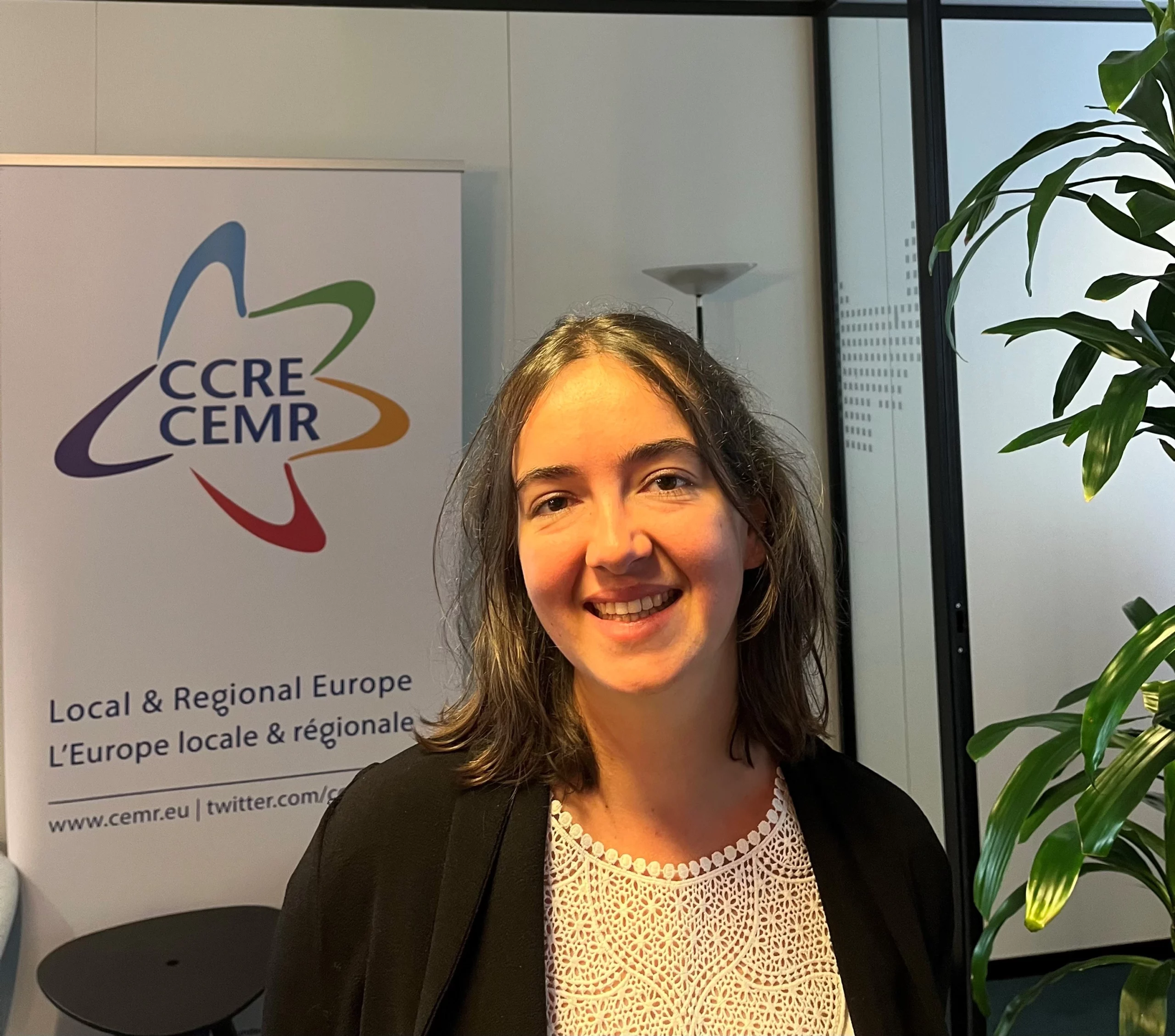
For more information on the FOSTER project, contact our Project Officer below:
The Local Alliance presents its new Position Paper on the next EU Multiannual Financial Framework 2028-2035
The Council of European Municipalities and Regions (CEMR) as a member of the Local Alliance, a coalition of Europe’s eight leading local and regional networks, launches a position paper on the next EU Multiannual Financial Framework (MFF 2028–2034).
The document outlines the urgent need for a strong, future-proof EU budget to create a just, climate-neutral, and competitive Europe. It places a spotlight on the indispensable role of local and regional governments in delivering key EU priorities such as the European Green Deal, digital transformation, and territorial cohesion.
Why the next MFF matters:
Unmatched Local Impact: Local governments are already implementing 70% of European Green Deal legislation and account for 69% of climate-related public spending.
Better Quality of Life for Citizens: The MFF enables Local and Regional Governments to build greener cities, stronger economies, and more inclusive communities.
Resilience in Challenging Times: Amid an evolving and less secure political landscape, the next EU budget must prioritise support for local resilience and ensure no region is left behind.
A vision for a resilient and united Europe
Local and regional governments are not just implementers but vital partners in shaping a sustainable, competitive, and cohesive future for Europe. Investments at the local level drive real change, ensuring that the EU’s goals translate into tangible benefits for communities and citizens.
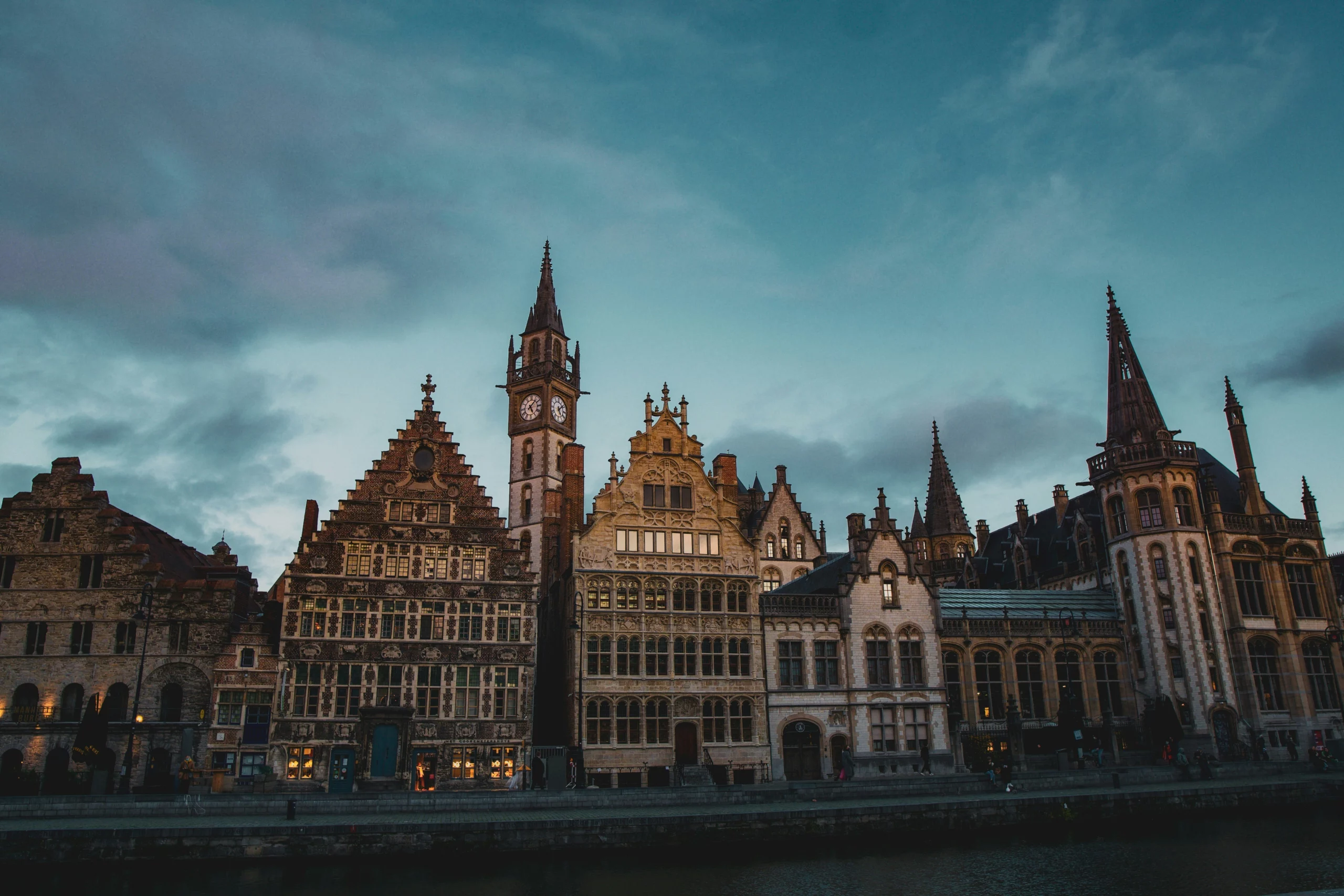
Urban Green Ghent: A Best Practice in Climate Resilience
As cities around the world grapple with the mounting challenges of climate change, Ghent, Belgium, stands out as a shining example of innovation and determination. Through its transformative “Urban Green Ghent” initiative, the city demonstrates how urban areas can adapt to increasing climate risks while enhancing liveability and biodiversity.
Turning Pavement into Opportunity
A cornerstone of Ghent’s strategy is its ambitious plan to replace 15% of the city’s pavement with green spaces. This bold move addresses pressing climate challenges such as heatwaves, droughts, and recurrent flooding. By removing hard surfaces in public squares, parks, gardens, and streets, the city enables rainwater to naturally infiltrate the soil. This sponge-like effect mitigates the impact of heavy rainfall, helping to protect the city from flash floods.
Watercourses and Façade Gardens
Ghent’s commitment to a greener, more climate-resilient urban environment extends beyond de-paving. The city has reopened its watercourses, allowing natural waterways to flow freely once again. This not only improves water management but also enhances the aesthetic and ecological value of the city.
Moreover, the promotion of façade gardens encourages residents to transform walls and small spaces into vibrant pockets of greenery. This community-driven approach fosters engagement and underscores the vital role citizens play in creating a sustainable city.
Adapting to Climate Risks
The initiatives under “Urban Green Ghent” are designed to tackle the growing risks of climate change. Heatwaves are mitigated through the cooling effect of increased vegetation, while green spaces enhance air quality and provide shaded areas, making the city more comfortable for residents and visitors. During periods of heavy rain, green infrastructure helps absorb excess water, reducing the strain on urban drainage systems.
Enhancing Liveability and Biodiversity
Beyond its climate benefits, Ghent’s green transition transforms the city into a more enjoyable and healthier place to live. Greening efforts create attractive outdoor spaces, improve biodiversity, and foster a stronger connection between residents and their natural environment.
A Model for Other Municipalities
Ghent’s comprehensive approach to urban greening offers valuable lessons for cities worldwide. Its success demonstrates the power of local government to lead in climate adaptation and resilience. By investing in sustainable infrastructure and engaging the community, Ghent is charting a path toward a future where urban areas are better equipped to face the realities of climate change.
Explore more about Ghent’s green initiatives and their impact here.
Bulgaria and Romania Join the Schengen Area: A Landmark Achievement for European Unity
The Council of European Municipalities and Regions (CEMR) congratulates Bulgaria and Romania on their historic accession to the Schengen Area, the world’s largest free-movement zone. This significant milestone, marked by border ceremonies at the Kulata crossing and the Friendship Bridge, represents years of dedicated effort and collaboration among European Union (EU) member states.
Strengthening European Integration
With this expansion, Schengen now encompasses 25 EU member states, facilitating the free movement of over 425 million people to travel, work, and reside without internal border controls. This milestone strengthens European unity, promotes economic growth, and fosters cultural exchange.
Celebrating Progress
At midnight on 1 January, Bulgarian and Romanian officials symbolically lifted border barriers, marking the end of land border checks between their countries and other Schengen countries. These celebrations were a testament to the hard work and commitment required to achieve full membership.
The Role of Local and Regional Governments
CEMR, representing Local and Regional Governments across Europe, recognises municipalities and regions’ vital role in fostering cross-border cooperation and facilitating integration. The expansion of Schengen will strengthen local partnerships, streamline mobility for citizens and businesses, and enhance regional development opportunities.
A Stronger Europe
Including Bulgaria and Romania in Schengen is more than a practical advancement; it is a symbolic reminder of the EU’s commitment to unity, collaboration, and shared prosperity. This milestone paves the way for continued progress in European integration and cooperation.
CEMR stands ready to support local and regional governments as they adapt to the opportunities and challenges of a border-free Europe.