Jan Van Zanen: “If we want impact, global and local governments must go hand in hand”
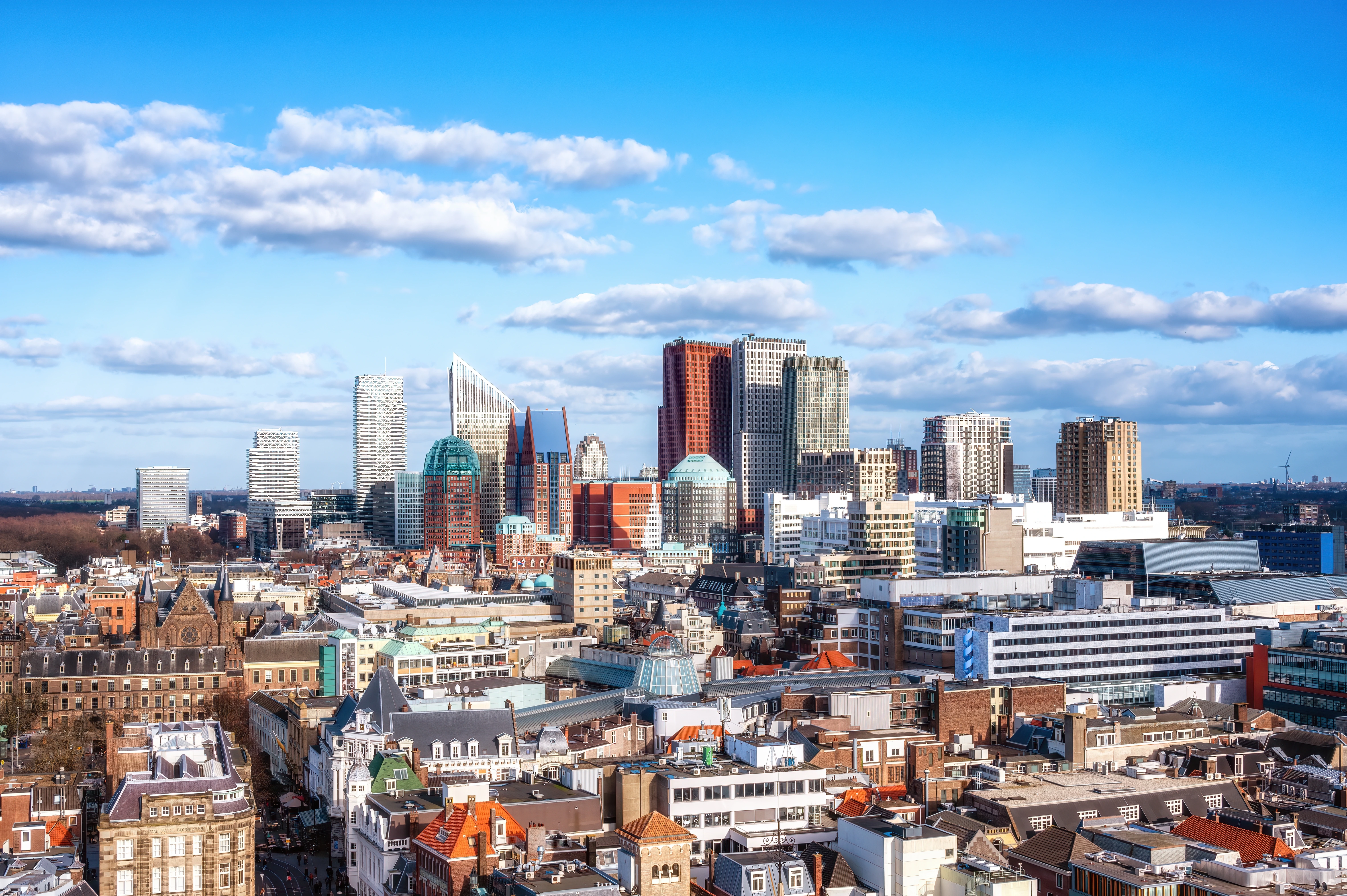
Jan Van Zanen, Mayor of The Hague and President of United Cities and Local Governments (UCLG), has been a long-standing figure in international municipal cooperation. With more than a decade of active involvement in both CEMR and UCLG, he has witnessed first-hand how cities increasingly shape global responses to shared challenges, from climate change to social cohesion.
This interview was recorded in Barcelona during the UCLG Retreat in February 2026. In it, Van Zanen reflects on the defining moments of his engagement within the global municipal movement, the importance of international city networks, and his vision for the future of CEMR and UCLG.
A defining moment in The Hague
For Jan Van Zanen, one memory clearly stands out from his years within CEMR and UCLG: hosting the UCLG World Council in The Hague in 2024.
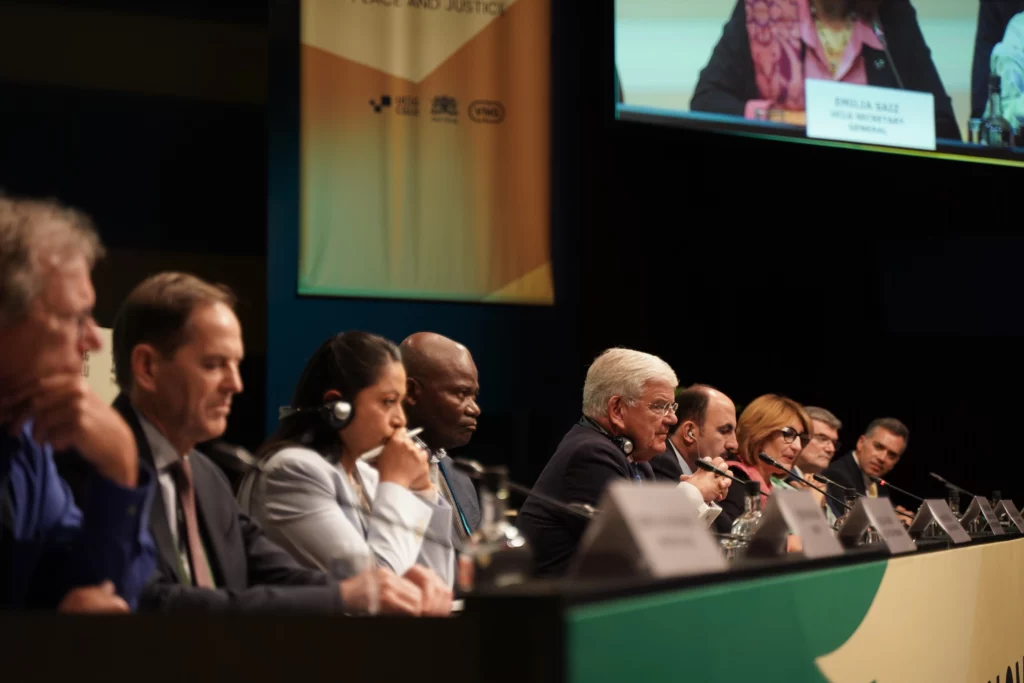
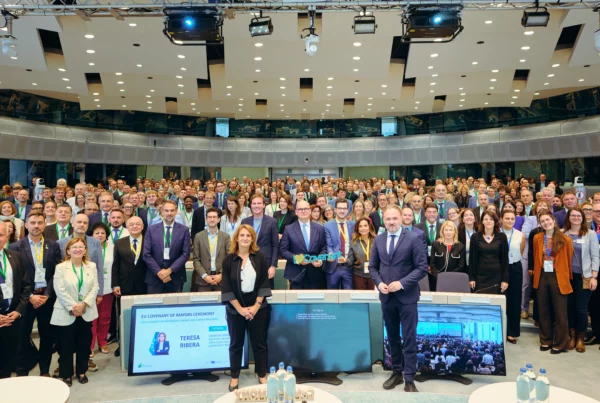
For three days, more than 300 local leaders from around the world gathered in the Dutch city, in a moment that carried both political and symbolic significance. The meeting took place 125 years after The Hague hosted the first Peace Conference, adding historical depth to the occasion.
“To see that global community come together in The Hague,” he recalls, “was very meaningful.”
*UCLG World Council in the Hague 2024
The event also marked a personal milestone, as Van Zanen took over the rotating presidency of UCLG. In line with the city’s long-standing identity as a centre for peace and justice, the gathering led to the adoption of The Hague Charter on Municipal Peace — a document designed to guide cities in fostering dialogue and strengthening peaceful communities at the local level.
“Doing so in my own city, surrounded by colleagues from all over the world, made it truly memorable,” he says. “It is something I always look back on with pride.”
Cities at the heart of global challenges
Beyond memorable milestones, Van Zanen emphasises the growing importance of international cooperation between cities. In his view, local and regional governments today are on the frontline of major global transformations.
“From climate adaptation and migration to digitalisation and social cohesion, these developments may be global, but they always land locally in our streets and neighbourhoods,” he explains.
This is precisely why networks such as CEMR and UCLG play a crucial role. For cities like The Hague — home to numerous international institutions — engagement at the global level is both natural and necessary. But, he insists, the value of these networks goes beyond visibility or prestige.
“It is about connecting with fellow cities,” he says. “Sitting around a table with other mayors and local leaders, exchanging openly about what works in practice.”
Through this peer-to-peer exchange, cities are able to share solutions, learn from each other, and build collective resilience. Ultimately, this cooperation translates into more effective policies and tangible benefits for citizens.
Recognising local governments as key partners
Looking ahead, Van Zanen outlines an ambitious but clear vision for CEMR and UCLG in the coming decade. His expectation is that both organisations become fully recognised as indispensable partners in policymaking at all levels.
“I would hope that CEMR and UCLG are recognised everywhere as key actors in shaping solutions,” he says, “not only globally but also within the European Union and at national level.”
Central to this ambition is the idea that local governments should be involved from the very beginning when major agreements are designed, whether on climate, migration or development. For Van Zanen, this early involvement is essential to ensure that policies are both practical and impactful.
“Involved from the beginning, with a clear and recognised role,” he insists.
However, recognition alone is not enough. He also stresses the importance of aligning responsibilities with adequate resources, particularly in terms of access to funding. Without this, cities cannot fully deliver on their commitments.
From ambition to impact
Underlying Van Zanen’s reflections is a consistent message: local and regional governments are not just implementers but also innovators and essential drivers of change.
“Cities implement, cities innovate, cities are closest to citizens,” he notes.
This proximity gives local governments a unique capacity to translate global ambitions into concrete action. But to fully unlock this potential, stronger collaboration between levels of governance is needed.
“If we really want impact, global governments and local governments must go hand in hand,” he concludes.
For Van Zanen, the history of CEMR over the past 75 years demonstrates precisely this capacity: turning shared ambition into tangible results. Strengthening that role in the years to come will be key to addressing the complex challenges ahead — and ensuring that solutions are rooted where they matter most: in towns, cities and regions and its local communities.
Watch the video interview here.
- The Hague is part of CEMR’s national association of VNG.
For more information, contact:
Head of Communications