Anti-rumours Project 

Diversity - News Section

Fuenlabrada, Spain, is promoting inclusion by discrediting false rumours


We tend to make up stories about people we don’t know well. An animated story, ‘It all started accidentally’ (“Todo empezó sin querer”), sets a mirror to people who spread assumptions about other people without checking the facts first. Such rumours can spread like wildfire and thus contribute to exclusion and discrimination.

This animated video has been made for children and adults alike as part of the Anti-rumours Project in Fuenlabrada, Spain. It aims to raise awareness about the negative impact of rumours. 

The Spanish city has experienced rapid population growth due to migration over the past 40 years. “Antirumours” is one of many projects in the city boosting social cohesion. The project has been running since 2013 as part of the Council of Europe’s Intercultural Cities initiative and brings together 25 cities across Spain.

The project aims to tackle discrimination and harness the potential of diversity by triggering a change in perceptions and behaviours. The objective is to identify significant rumours by collecting objective data and emotional arguments to dismantle false rumours.

It is also creating an anti-rumour network of local actors from civil society, empowering anti-rumour agents and designing a campaign to raise awareness about the damage rumours can inflict.

e-Academies

Online - News Section

From southeast Europe to central Asia: how NALAS is setting up an e-Academy in a Mongolian province


Local governments and their associations can lead international efforts to achieve sustainability. Consider the Network of Associations of Local Authorities of South-East Europe (NALAS) and its partnership with the Mongolian province of Darkhan-Uul.

With funding from the EU’s FRIENDSHIP project, NALAS is supporting the province and the efforts of its capital, Darkhan, to become a national model city for urban sustainability and livability, with a vision of becoming a “smart and green city” by 2032. But can this transition happen in practice?

One key aspect is knowledge and expertise. Since its set-up in 2004, NALAS has evolved over time into the main knowledge platform of local government affairs in south-east Europe. In particular, the NALAS e-Academy provides knowledge on topics relevant to local government professionals in the areas of investment planning, improving local services, energy efficiency, municipal finance, water management, gender equality and much more.

The idea then came of enabling Darkhan-Uul to create its own e-Academy to train its provincial and local officials. To achieve this, content and knowledge from the NALAS e-Academy will be transferred to the Mongolian province.

From reflection to reality
A Memorandum of Understanding was prepared, coordinated, and agreed upon between the project partners, including the School of Agroecology and Business, Mongolian University of Life Sciences. The document was signed during a NALAS study visit to Darkhan-Uul province in July.
In particular, the agreement aims to:

  1. Strengthen the capacities of municipal staff, elected representatives and relevant local stakeholders in governance.
  2. Transfer NALAS know-how in virtual capacity development.
  3. Contribute to the setup of an e-Academy at Darkhan-Uul Province Municipality.

The immediate next steps will be to include staff from Darkhan-Uul province and the School of Agroecology and Business in upcoming NALAS e-learning courses, identify together the courses to be transferred, include staff in developing online moderation and facilitation skills in a virtual environment and provide technical advice and support for the transfer and the initiation of activities.

During the study visit, the mayor of Darkhan City also invited NALAS to support the setting up of the Mongolian Association of Municipalities. Drawing from NALAS’ extensive experience in municipal network-building, the next steps will be defined during Darkhan-Uul officials’ upcoming visit to south-east Europe in October 2022.

Good Local Practices

Renewable Energy - News Section

Welcome to the Saerbeck climate cooperative: when locals invest in a renewable and independent energy future


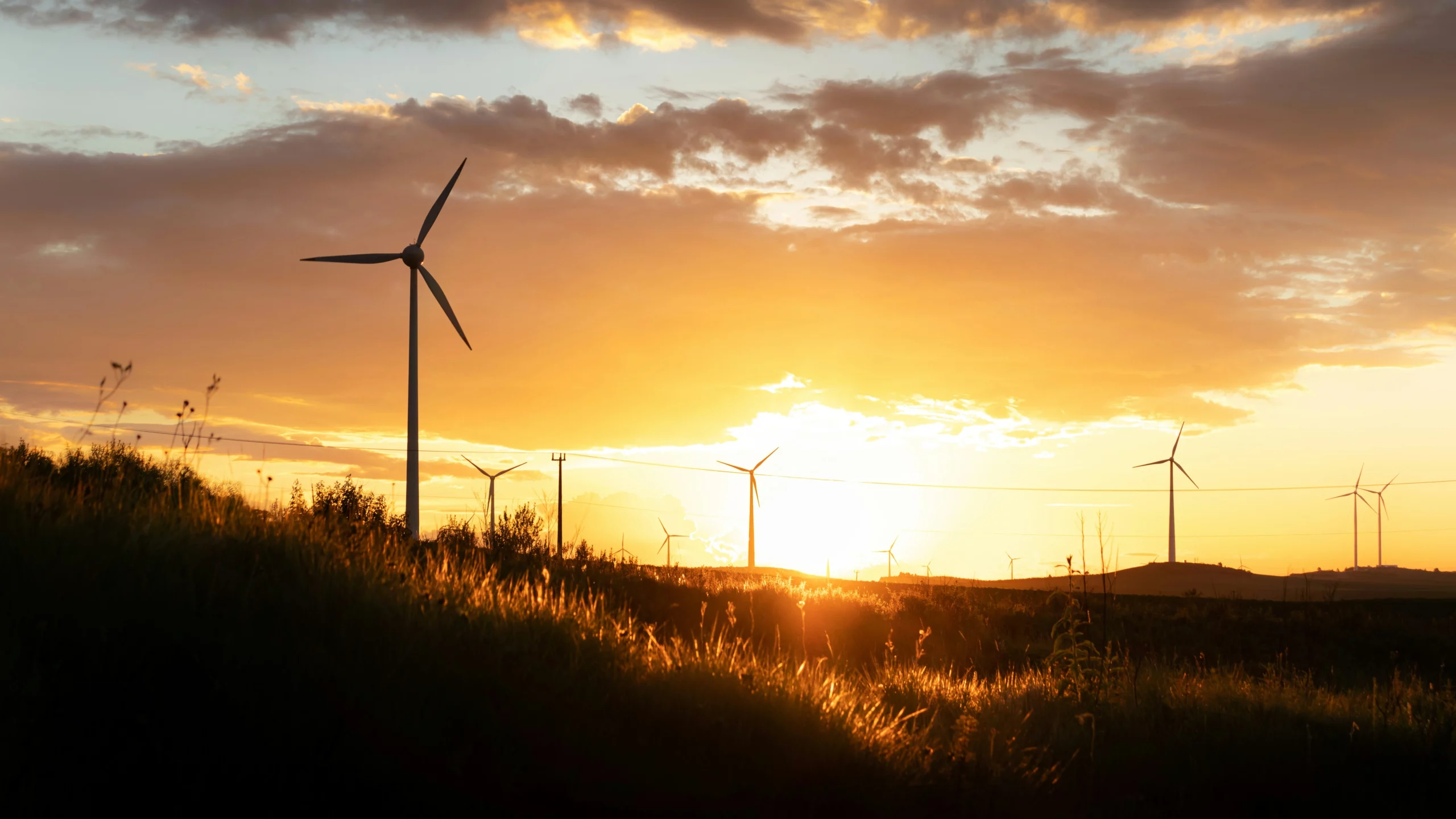
With its 7000 inhabitants, Saerbeck is a small German town with a big environmental ambition: to become an energy self-sufficient “climate community” by 2030. This will be achieved by maximising energy generation from renewable sources such as sun, wind, water and biomass as is consumed in private households and commercial enterprises.

Saerbeck has, since 2009, aimed to become the state of North-Rhine-Westphalia’s model climate municipality of the future. The municipal “climate concept” has since become part of the vocabulary of Saerbeck’s citizens and indeed all inhabitants are encouraged to participate in this effort to locally and sustainably produce all of households’ and enterprises’ energy needs.

In 2010, the municipality acquired an ammunition depot abandoned by the German armed forces. It is being transformed into an energy park with a mix of powerful photovoltaic systems, wind turbines, biogas plants and other innovative projects.

Currently, the Bioenergy Park produces about 2.5 times more renewable electricity than Saerbeck consumes. The CO2 footprint has thus been halved, although work still needs to be done to decarbonise transport and heating.

Threefold benefits: financial, environmental and educational

In the spirit of “thinking globally, acting locally”, Saerbeck’s citizens can directly participate and invest in these local energy projects through a citizens’ cooperative. As of 2020, the cooperative has turned a profit and has even distributed a dividend to its citizen-investors.

So far, almost 400 local shareholders have invested in the cooperative. Ultimately this means twice the benefit for locals: besides the local economic gains, the town is making a great contribution to global climate protection and local energy independence.

All projects are accompanied by numerous educational projects: energy transition starts in the minds.  An experimental school at the Bioenergy Park shows students from all over the world how renewable energies work in reality and what they are good for.

Utility Park

Bucharest - News

How a utility park in Bucharest is fostering sustainability and inclusion


Green spaces can be a great way to foster community feeling and biodiversity in our cities. That’s why Bucharest’s Sector 2 decided to create a utility park in the Ion Creanga neighbourhood, an area suffering from social deprivation and a lack of recreational facilities.

The utility park was designed to tackle both social and environmental challenges, in accordance with the UN Sustainable Development Goals (SDGs), and finances by the European Regional Development Fund (ERDF).

The local authorities worked in close collaboration with local communities and empowered them to have a say in their future. As such, the city hall organised a series of debates and public consultations, communicated about the project online and actively integrated local demands into the project.

The park’s creation made a huge difference in the lives of residents:

  • The neighbourhood became more liveable because low-income families and at-risk youth benefited from recreational opportunities.
  • Residents’ sense of community increased as the park allowed people from diverse backgrounds and cultures to connect, facilitated the organisation of neighbourhood activities and exposed young people to nature.
  • The quality of the environment improved with sustainable and rational management of waste, enhanced energy efficiency and decreased of air pollution.
  • The park attracted homebuyers and the value of residential property rose by 15%.

To learn more about this and other local best practices, check out the website of URBACT, the European territorial cooperation programme which aims to promote sustainable integrated urban development in cities all over Europe.

Since 2021, the RFSC tool has been used by cities and partners of the “Global Goals for Cities” URBACT network, supporting the localisation of the SDGs across 19 European cities.

UCLG 2023 Culture Summit

Calendar - Conference banner

Apply to become the host city of the UCLG 2023 Culture Summit!


The Culture Summit has become a major event for UCLG. After the success of the Summits previously held (Bilbao in 2015, Jeju in 2017, Buenos Aires in 2019 and Izmir in 2021), and considering the growing importance of culture in the framework of sustainable cities, UCLG has decided to convene a 5th UCLG Culture Summit in 2023. 

The UCLG Culture Summit is a unique global event. It responds to the growing importance of culture in local development, a fact that has been evidenced in all continents at least since the beginning of the 21st century, and more than ever since the recent global crisis generated by the Covid-19 pandemic. 

We invite you to check the Terms of Reference of the 5th UCLG Culture Summit. Direct or indirect members of UCLG can apply to be the host city by 2 September 2022 in writing to the UCLG World Secretariat: UCLGExBu@uclg.org, putting in copy: culture@uclg.org.

Policy Committee Meeting

Policy committee in Turkey - News 2022

Young local leaders: time “to go beyond the simple notion of ‘youth'”


Empowerment and representation: these are the keywords defining the work of the Committee of Young European Elected Officials run by CEMR and PLATFORMA. Cemal Baş, Councillor of the Municipality of Keçiören (Turkey), spoke on behalf of this network, which is currently being rebuilt, at CEMR’s Policy Committee in Bologna (4-5 July 2022).

The network’s aspirations go “beyond the simple notion of ‘youth’, since it is above all about supporting young leaders in their becoming familiar with the major European issues and opportunities for the local and sustainable development of territories while enabling them to bring the voice of CEMR, PLATFORMA and their own local authority to international discussion forums.

Gathered in Italy for two days, CEMR’s members were able to take stock of the association’s main orientations and thematic projects. It was an opportunity to highlight for the first time the development of the Young Elected Officials Committee. Cemal Baş stressed that this “network is growing and is today giving the possibility to strengthen the voice of European local and regional governments.

After a break of several months, this group of young European leaders has been reviving since the spring 2022, in a context marked by the European Year of Youth. So much so that today, it brings together more than fifteen elected representatives under the age of 40, from the four corners of Europe: Austria, Georgia, Germany, Greece, Italy, Latvia, Malta, the Netherlands, Portugal, Romania and Turkey.

Beyond their nationality, the diversity of the members of this network is embodied in their different areas of expertise. As was pointed out to the members of the CEMR Policy Committee, “each young leader has his or her own field experience and expertise in relation to the public policies implemented in his or her area.” This is a real strength for pursuing the objectives of the Committee of Young Elected Representatives and promoting the interests of Europe’s local and regional governments at the European and global levels.

In concrete terms, recent weeks have seen João Fortes, Mayor of the Portuguese municipality of Mourão, bring the voice of European local and regional governments on youth and sustainable development to the Africities Summit organised by UCLG Africa in Kenya. Hannah-Lea Braun, elected member of Maichingen Local Council in Germany, will also participate in the UN High Level Political Forum on the Sustainable Development Goals (HLPF) in New York.

All the perspectives raised during this presentation will be at the heart of the first meeting of the Committee of Young European Elected Representatives in autumn 2022, while a spokesperson will be appointed to CEMR’s Policy Committee by the end of the year. In the meantime, the next few weeks will allow us to enlarge this network of young European local leaders, as CEMR members are invited to nominate two local elected representatives.

PL-UKR Solidarity Forum

Mayors in Ukraine - News 2023

Polish and Ukrainian local leaders plan cooperation and reconstruction efforts


More than 170 representatives of local governments met online at the Poland-Ukraine Local Solidarity Forum on 14 June. The participants discussed how to help Ukrainian partners, listened to Ukrainian mayors whose towns have been affected by Russian aggression and outlined prospects for future cooperation.

The Forum was co-organized together with the U-LEAD with Europe Programme and the Association of Polish Cities, in the framework of CEMR’s Bridges of Trust project.

Vyacheslav Nehoda, Ukraine’s Deputy Minister for Communities and Territories stressed that cooperation at the local level will be crucial, especially for reconstruction and the restarting of economic activities.
These comments were echoed by Tomasz Ostropolski, representing the EU Delegation in Ukraine, saying: “During the reconstruction of Ukraine, the municipalities will be integrated and take an active part as pillars and catalysts of development.”

EU municipalities also have a prominent role to play in supporting Ukraine. Zygmunt Frankiewicz, President of the Association of Polish Cities, noted that Polish society is uniting to help Ukraine and that cooperation between the two countries’ local government bodies will only improve, particularly with respect to reconstruction.

Lilia Furtus, First Secretary of the Embassy of Ukraine in Poland, thanked Polish local governments and the Polish people for the determination with which they are helping Ukraine. She stressed that “we must join efforts to end this war, we need military aid, humanitarian aid and support in the reconstruction of Ukraine.”

Support can also come in the form of multi-stakeholder projects involving local governments. Bastian Veigel, GIZ Programme Director of U-LEAD with Europe, added that this project provides much-needed tools to communities affected by Russian aggression and will help in the post-war reconstruction of the country.

Ukrainian cities: living with war

In the second part of the meeting, the mayors of two Ukrainian cities shared their perspectives. Volodymyr Shmatko, mayor of Chortkiv in the Ternopil region of western Ukraine, reminded that in the process of decentralisation, Ukrainian local government officials have benefited greatly from Polish experience.

Since the intensification of Russian aggression, nearly 3,000 internally displaced persons have arrived in Chortkiv, a city of 30,000. The local government has received humanitarian aid from various sources, including the Polish city of Leżajsk. More than 100 tonnes of aid has been split between Chortkiv and municipalities in the Sumy and Kharkiv regions.

The mayor of Irpin, Kyiv region, Oleksandr Markushyn, emphasized the need for international support for the post-war reconstruction of Ukraine. He also noted that projects for such reconstruction are already being prepared by the city. “Irpin will not be able to cope with the problem of reconstruction by itself”, he said. “Before the war, our city was prosperous and one of the richest small cities of Ukraine, a pro-European city, very beautiful. Today, it is very painful to watch when 50% of our city is in ruins.”

Polish cities stand with Ukraine

The third part of the meeting was devoted to examples of activities undertaken by Polish cities. Kamil Czyż, Director of the Department of City Brand, Economic Cooperation and Tourism of Rzeszów, outlined the scale of assistance provided to newcomers from Ukraine. The city received the honourable title of “rescuer city” awarded by Ukrainian President Volodymyr Zelensky.

Chełm, a city of 60,000 people, has received nearly 25,000 Ukrainians. Great importance was attached to providing psychological support to people from Ukraine after traumatic experiences. Dorota Cieślik, Deputy Mayor of Chełm, explained the new task of helping transfer people who decide to return to Ukraine.

The last guest of the Forum was Paweł Kost, Director of the International Solidarity Fund PL in Ukraine. The Fund has been operating in Ukraine for 10 years. After 24 February, the organisation re-evaluated its activities and is now focused on providing humanitarian aid and also building capacities in social, educational and healthcare services.

At the end of the event, Ukrainian municipalities were encouraged to leave their contact information if they were looking for partners in Poland. This information was shared during the World Urban Forum (WUF) in Katowice and on the website of the Association of Polish Cities.

Camp Sunflower

Sunflower Camp - News 2022

Ukrainian children find sun and peace in Latvian summer camp


As part of our coverage of the local and regional dimensions of Russia’s war in Ukraine, CEMR is highlighting the help given by European municipalities and regions to their Ukrainian peers. We hope these stories inspire other local and regional governments to heighten their efforts to support Ukraine.

Twenty-one children and three adults from the municipality of Nizhyn in Ukraine had an opportunity to spend unforgettable days in a summer camp in Latvia. This took place between 27 June and 6 July at a place right next to the sea – Abragciems.

This was the initiative of the municipality of Preili, which has been cooperating with Nizhyn for several years. The summer camp was organised by the Children’s Foundation in Latvia, however logistical support and transport was ensured through the successful cooperation of Preili, the Latvian Association of Local and Regional Governments (LALRG), the Viduslatgale Municipal Foundation, the Association of Ukrainian Cities (AUC), Nizhyn and 179 citizens from Latvia and abroad who have supported the initiative.

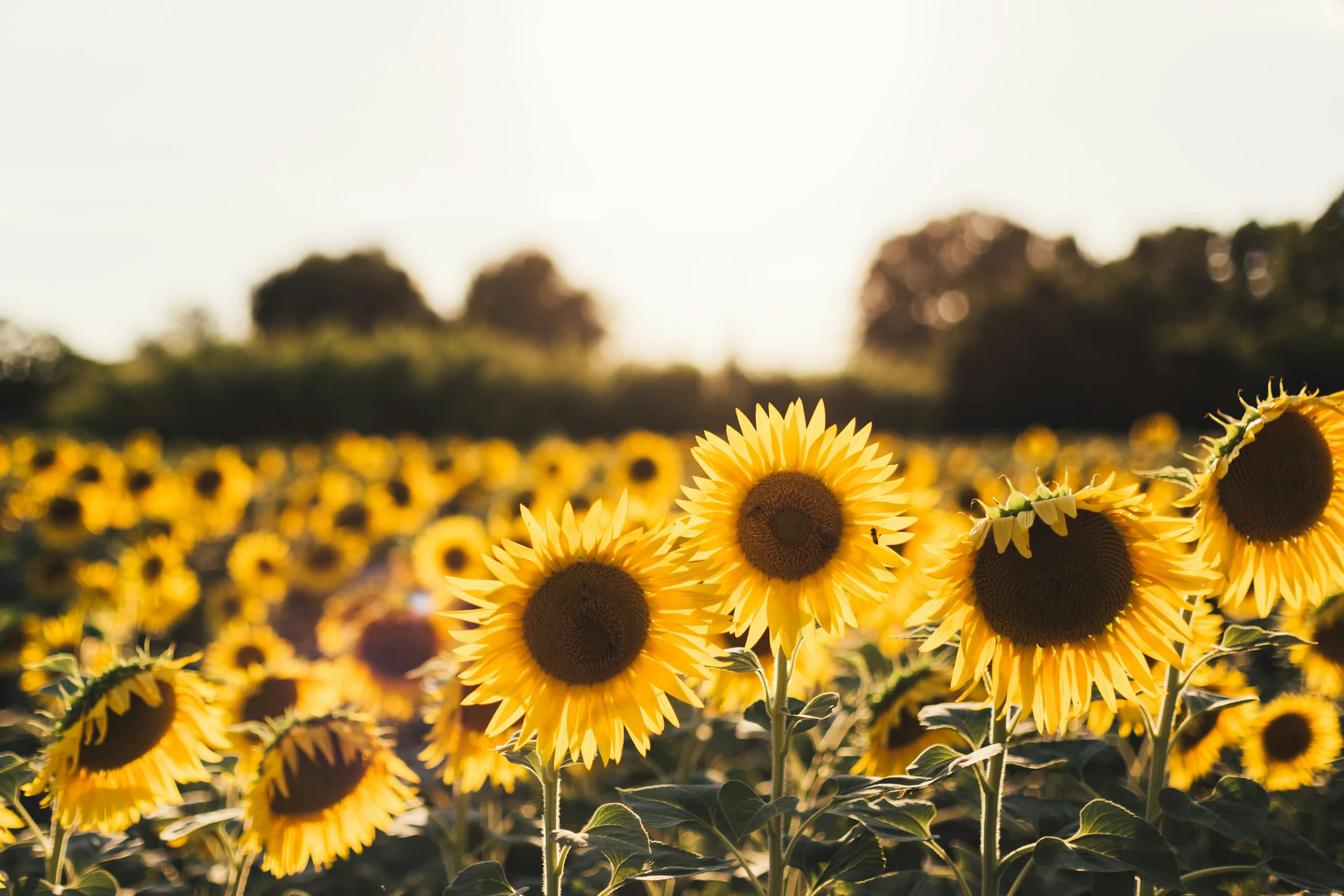
The camp was named “Sunflower” as this symbol is widely associated with Ukraine. The main aim of this camp is to let children who have seen war enjoy at least for a while Latvian sun and feel loved, safe and cared for.

The children who participated in the summer camp were aged 8 to 16. They were selected on the basis of three criteria: orphaned children, children who helped as volunteers during the war and distributed humanitarian aid to the population, and talented children (young artists).

A place of peace and healing

The group included children whose parents participated in the battles during the defence of Nizhyn, including two children whose father, an Armenian, lost both legs in the battles. The children were accompanied by three adults: Tamara Stratilat, the Head of Nizhyn volunteer headquarters, joined by Angela Timchenko, the Director of the Nizhyn Youth Centre, and Galina Bianka, the Head of the volunteer organization “Time for Us”.

During the summer camp, children participated in different activities. They were also provided with physiotherapy and classes with the possibility of using kinesiological taping and soft tissue techniques. Given the circumstances, the conversations with a psychologist were especially important.

The children not only enjoyed the sunny weather and seaside but also participated in various outdoor sports activities, cultural and musical events, as well as excursions to discover Latvia, its nature and its people. For example, they visited Rundale Castle and walked through the labyrinths of its beautiful park, enjoyed the magic and attractions of Tervete Park, as well as participated in the expedition along the sea coast. They have left Latvia back home taking with them not only nice memories but also different drawings and self-made souvenirs.

An all-weather partnership

The municipalities of Preili and Nizhyn have been cooperating for several years already, mainly organising joint activities in the creative fields, involving children and young people. Both municipalities have also actively participated in the European Days of Local Solidarity (EDLS) and development education activities organised by the LALRG and PLATFORMA.

The cooperation was not put on a break even during the COVID crisis, when children from Nizhyn together with children from Latvia and Georgia participated in the creation of a music and art video. Nor cooperation stop during the war.

LALRG and PLATFORMA hope that this initiative has not only brought joy into the lives of Nizhyn’s children and their parents but would also serve as an inspiration for others to continue the cooperation, even during these times, when this is not easily done!

This story was first published by PLATFORMA.

Annual Report on SDG

SDG Report - News

Our annual report on the Sustainable Development Goals (SDG) goes digital


Available for the first time in an online format, PLATFORMA and CEMR have just published their fifth annual study on the localisation of the Sustainable Development Goals (SDGs). Released on the occasion of the UN High-Level Political Forum on Sustainable Development (HLPF) in New York, discover this innovative publication today at local-sdgs.eu

This study gathers the most recent information on how and to what extent associations and networks of local and regional governments have been involved in the localisation of the SDGs, both in Europe and with their global peers, and in particular during the COVID-19 pandemic. This year’s survey therefore included questions on the SDGs’ implementation since 2015 and the impact of the COVID-19 crisis. In the last two sections, there were also additional questions regarding Voluntary Subnational Reviews (VSR) and decentralised cooperation.

It gathers 63 answers from 28 European countries, 37 associations of local and regional governments and 18 municipalities and regions.

Main recommendations

Six main recommendations came out of this study, targeting EU institutions, national governments and local and regional governments and their national associations:

  1. The European Commission should report regularly on any progress made in achieving the Sustainable Development Goals (SDGs)  at the EU level and indicate how the different levels of governance have contributed to this process.
  2. We encourage associations of local and regional governments to actively take part in the Voluntary Subnational Reviews (VSR) process.
  3. Local and regional governments (LRGs) are calling for the firm recognition and inclusion by national governments of the role of LRGs and their associations in the monitoring and reporting of progress in the implementation of SDGs at the national level.
  4. European states and the EU need to strengthen their dialogue with the subnational levels and include them in any relevant high-level delegation meetings.
  5. Strengthen international cooperation to achieve the 2030 Agenda at the local and regional levels.
  6. There is still a need to localise and territorialise the SDGs through the deployment of appropriate funds and resources.

This study will be presented by a PLATFORMA-CEMR delegation at different events during the second week of the High-Level Political Forum on Sustainable Development (HLPF) taking place in New York between 5 and 15 July 2022.
This delegation is composed of:

  • Fabrizio Rossi, CEMR Secretary General
  • José Hila, Mayor of Palma de Mallorca (Spain, FEMP)
  • Hannah-Lea Braun, Member of Maichingen Council (Sindelfingen, Germany) and the CEMR Young Elected Officials Committee
  • Luis Salaya, Mayor of Cáceres (Spain, FEMP)
  • Valérie Dumontet, Vice-President of Aude Region (France, Cités Unies France)
  • Pilar Díaz, Mayor of Espluges de Llobregat, Deputy to the Presidency, Delegate for International Relations at the Diputació de Barcelona (Spain, Barcelona Provincial Deputation – DIBA)
  • Jan van Zanen, Mayor of The Hague (Netherlands, VNG International)

Directors, advisers and technicians from CEMR, the City of Paris, DIBA, FEMP, the Norwegian Association of Local and Regional Authorities (KS), UCLG and VNG International are also attending HLPF this year.

Annual report on SDGs goes digital

PLATFORMA - banner 3

Our annual report on the SDGs goes digital at the UN High-Level Political Forum on Sustainable Development (HLPF)


Available for the first time in an online format, PLATFORMA and CEMR have just published their fifth annual study on the localisation of the Sustainable Development Goals (SDGs). Released on the occasion of the UN High-Level Political Forum on Sustainable Development (HLPF) in New York, discover this innovative publication today on local-sdgs.eu

This study gathers the most recent information on how and to what extent associations and networks of local and regional governments have been involved in the localisation of the SDGs, both in Europe and with their global peers, and in particular during the COVID-19 pandemic. This year’s survey therefore, included questions on the SDGs’ implementation since 2015 and the impact of the COVID-19 crisis. In the last two sections, there were also additional questions regarding Voluntary Subnational Reviews (VSR) and decentralised cooperation.

It gathers 63 answers from 28 European countries, 37 associations of local and regional governments and 18 municipalities and regions.

Main recommendations

Six main recommendations came out of this study, targeting EU institutions, national governments and local and regional governments and their national associations:

  1. The European Commission should report regularly on any progress made in achieving the Sustainable Development Goals (SDGs) at the EU level and indicate how the different levels of governance have contributed to this process.
  2. We encourage associations of local and regional governments to actively take part in the Voluntary Subnational Reviews (VSR) process.
  3. Local and regional governments (LRGs) are calling for the firm recognition and inclusion by national governments of the role of LRGs and their associations in the monitoring and reporting of progress in the implementation of SDGs at the national level.
  4. European states and the EU need to strengthen their dialogue with the subnational levels and include them in any relevant high-level delegation meetings.
  5. Strengthen international cooperation to achieve the 2030 Agenda at the local and regional levels
  6. There is still a need to localise and territorialise the SDGs, through the deployment of appropriate funds and resources

This study will be presented by a PLATFORMA-CEMR delegation at different events during the second week of the High-Level Political Forum on Sustainable Development (HLPF) taking place in New York between 5 and 15 July 2022.

This delegation is composed of:

  • Fabrizio Rossi, CEMR Secretary General
  • José Hila, Mayor of Palma de Mallorca (Spain, FEMP)
  • Hannah-Lea Braun, Member of Maichingen Council (Sindelfingen, Germany) and the CEMR Young Elected Officials Committee
  • Luis Salaya, Mayor of Cáceres (Spain, FEMP)
  • Valérie Dumontet, Vice-President of Aude Region, (France, Cités Unies France)
  • Pilar Díaz, Mayor of Espluges de Llobregat, Deputy to the Presidency, Delegate for International Relations at the Diputació de Barcelona (Spain, Barcelona Provincial Council – DIBA)
  • Jan van Zanen, Mayor of The Hague (Netherlands, VNG International)

Directors, advisers and technicians from CEMR, the City of Paris, DIBA, FEMP, the Norwegian Association of Local and Regional Authorities (KS), UCLG and VNG International are also attending HLPF this year.

More

For more information, contact: