Nobel Peace Prize

Nobel Prize Peace - News 2024

Nobel Peace Prize 2024: A Tribute to the Japanese Anti-Nuclear Movement and a Call for Global Peace


The 2024 Nobel Peace Prize has been awarded to Nihon Hidankyo, a grassroots movement of survivors of the atomic bombings of Hiroshima and Nagasaki. Praised by the Norwegian Nobel Committee for their relentless efforts to promote a world free of nuclear weapons, this group has spent decades highlighting the devastating human toll of nuclear warfare through survivor testimonies. Since its founding in 1956, Nihon Hidankyo has been a powerful voice against the threat of nuclear arms, ensuring that the horrors of the past are never repeated.

The Nobel Committee’s choice is particularly poignant as 2025 will mark the 80th anniversary of the bombings that claimed over 120,000 lives and left countless more suffering from burn and radiation injuries. This recognition also arrives at a time when nuclear powers are modernising their arsenals, and the spectre of nuclear conflict looms larger than ever. As Jorgen Watne Frydnes, chair of the Norwegian Nobel Committee, warned, “A nuclear war could destroy our civilisation.”

In a world marked by increasing armed conflicts – 59 in 2023, according to the Uppsala Conflict Data Program – the message of this year’s Nobel Peace Prize resonates strongly. The recognition of Nihon Hidankyo highlights the urgency of global cooperation to prevent further destruction and the vital role of grassroots movements in shaping a peaceful future.

At the Council of European Municipalities and Regions (CEMR), we recognise that lasting peace is built not only at the international level but also through local and regional governance. Cities and regions play a pivotal role in fostering dialogue, cooperation, and understanding between communities. They are the building blocks of a peaceful society, promoting inclusivity and resilience from the ground up. By empowering local authorities and encouraging cross-border collaboration, we can create environments where peace is nurtured, and conflicts are prevented before they escalate.

CEMR continues to advocate for a better world, one where hope and cooperation bind nations together, not fear.

Nobel Prize Literature

Nobel Prize Literature - News 2024

Celebrating Han Kang’s Nobel Prize: Advancing Equality and Inclusion


South Korean author Han Kang, known for “The Vegetarian” and “The White Book”, has become the 18th woman to win the Nobel Prize for Literature. You can see how many Female Nobel Laureates have been nominated since 1901 below.

Source: Wikipedia

Her powerful prose, recognised for confronting historical traumas and exploring human fragility, resonates deeply in today’s world. The Nobel Committee praised her innovative style and unique awareness of the connection between body, soul, life, and death.

Han Kang’s recognition highlights the ongoing struggle for gender equality in fields like literature, where women remain underrepresented. This achievement aligns with the values of the Council of European Municipalities and Regions (CEMR), which has long championed equality and inclusion. Through initiatives like the European Charter for Equality of Women and Men in Local Life, CEMR supports local governments in advancing gender equality and ensuring equal representation in decision-making.

Just as Han Kang’s work challenges societal norms, CEMR continues to advocate for a more inclusive, equal future for all.

Learn more about our work: https://charter-equality.eu.

Democracy on bike

Democracy on Bike

From Cologne to Brussels: A Cyclist-Led Initiative for Climate Action and Democracy


In response to growing far-right influence and environmental challenges, a group of activists from 127 cities across Europe cycled from Cologne to Brussels in a remarkable initiative called Democracy On The Streets (DOTS). This movement, which originated from the German campaign “Ohne Kerosin nach Berlin”, expanded into its first cross-border edition with a clear mission: to demand urgent climate action, protect democracy, and rally support ahead of the European elections.

From 20 to 26 May, cyclists travelled from Germany to Belgium, stopping in towns and cities along the way to raise awareness about pressing environmental issues. These activists, known as cyclo-activists, held peaceful yet visible protests throughout their journey, advocating for climate justice, human rights, and democracy. Along the route, they met with citizens and politicians to create spaces for discussion and debate on critical topics. Key moments included protests at controversial sites such as the Stop Alibaba movement in Liège, which opposes the expansion of the local airport, and a demonstration against a concrete development in the rural area of Anton, Andenne.

This initiative was notable for its grassroots, community-driven approach. Participants were hosted overnight by local residents, churches, schools, and associations, reinforcing the solidarity and communal spirit of the project. It embodied the belief that united individual actions can create meaningful change. While the peloton was loud to ensure it was seen and heard, it remained entirely pacifist, with a strong focus on delivering its message in time for the upcoming European elections.

This wasn’t just a protest; it was a powerful call to action to protect both the environment and democracy. The grand finale took place in Brussels, where even more activists joined in solidarity, amplifying the campaign’s message at the heart of European politics.

If you’d like to learn more or join the movement, visit: https://ohnekerosinnachberlin.com/inscription-bruxelles-2024-fr/

Online Breakfast

EU Elections - News

Join Us for an Online Breakfast on the Future of Local & Regional Governments


Start your day with insights at our Online Breakfast on October 22, from 9:00 to 9:45 AM.

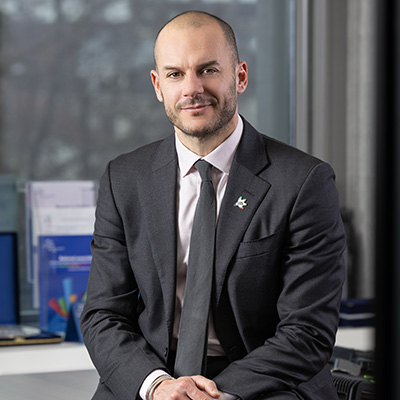
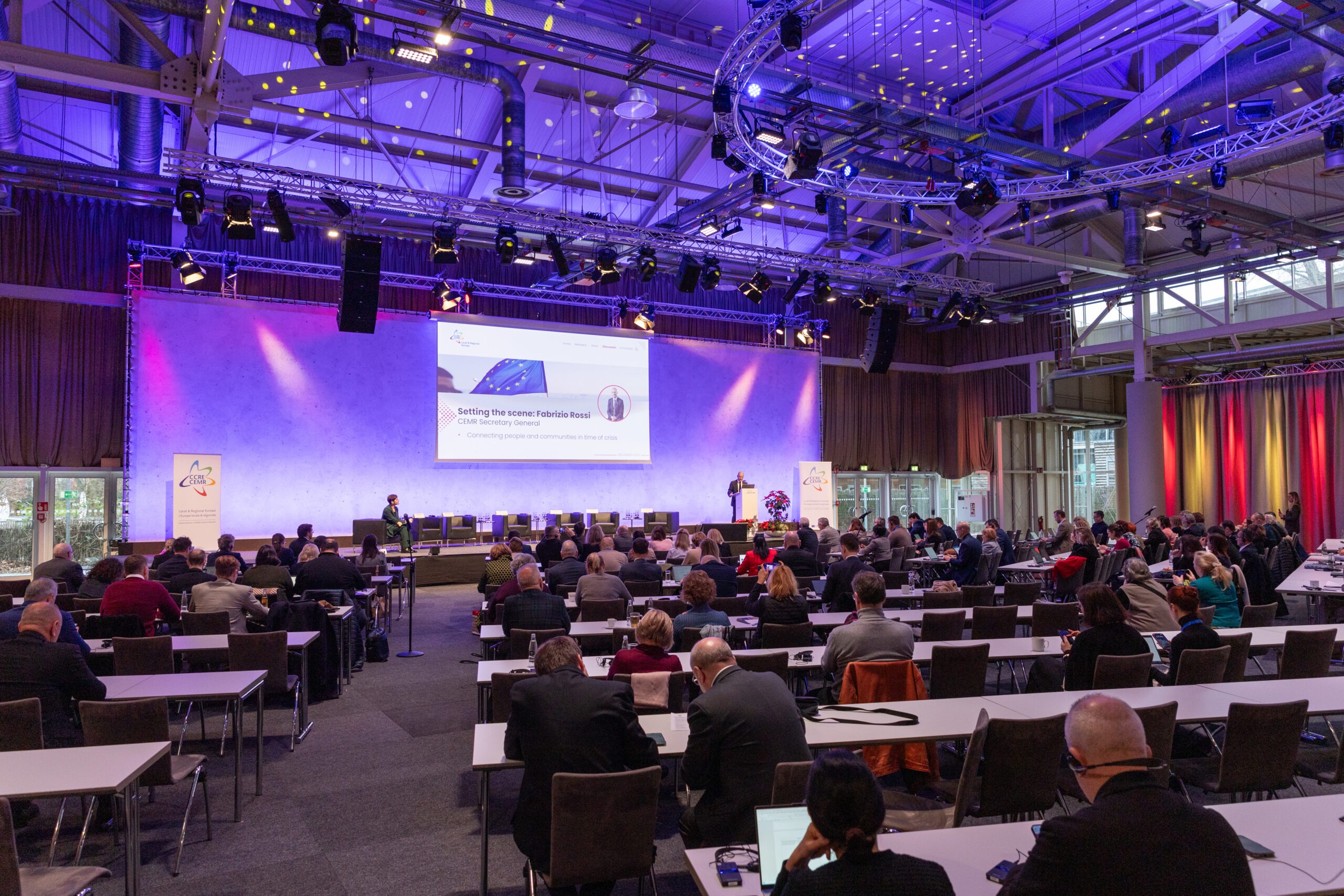
Meet with CEMR Secretary General Fabrizio Rossi and Marta Galceran-Vercher, Senior Researcher at CIDOB, as they discuss a crucial new study examining the implications of the June 2024 European elections.

This report highlights a significant shift to the right in the European Parliament and explores the election results from the perspective of local and regional governments (LRGs). It examines territorial voting disparities between urban and rural areas, as well as the local backgrounds of Members of the European Parliament and the European Commission. Key issues like policy cohesion, rural-urban connections, the European budget, decentralized cooperation, climate transition, migration, the rights agenda, and local democracy will also be addressed.

The event will be livestreamed on LinkedIn, providing a platform for lively discussion and engagement. This is a fantastic opportunity to gain valuable insights and strategic recommendations for LRGs to advocate effectively with European institutions during the 2024-2027 term.

Don’t miss out—register here to secure your spot and join us for breakfast and insights!

Reflections on the Pact for the Future

European Union - News


Local & Regional Governments are in, but still far from where they should be


The inclusion of Local and Regional Governments (LRGs) in the recently adopted Pact for the Future, particularly in Article 83, represents a significant milestone. This article acknowledges their crucial role and calls on the UN Secretary-General to offer recommendations on engaging with local and regional authorities to advance the 2030 Agenda, especially by localising the Sustainable Development Goals (SDGs).

However, this achievement is only the beginning. Realising the full potential of LRGs in global governance requires continued effort. Below are five key takeaways that reflect the pact’s impact on the local leadership community.

Cities and Local Governments on the Global Stage

The adoption of this text reflects widespread recognition of the vital role cities and local governments play in building a sustainable future. The conversation has shifted from questioning their relevance to focusing on collaboration to drive progress across all levels. This shift is crucial for advancing the 2030 Agenda and promoting sustainable development for all.

The Growing Movement for Local Governance

Engagement with the UN Secretary-General and other key stakeholders highlights the increasing momentum behind the movement advocating for LRGs’ unique role. Unlike civil society organisations, local governments have distinct mandates and constituencies, making their contributions essential for shaping a sustainable future.

The Global Task Force Model: A Proven Approach

Global challenges—whether securing peace, reducing inequalities, addressing water scarcity, or reforming food systems—require coordinated action across all levels of government. The Global Task Force of LRGs has proven effective in uniting agendas and coordinating advocacy on issues that transcend borders and jurisdictions.

Recognition is Progressing, But Still Limited

While LRGs’ inclusion in the text is a positive step, their role remains largely focused on implementing SDGs. It is essential that local and regional governments are recognised not only as implementers but also as full partners in shaping policies that affect the future of our communities.

Challenges to Local Democracy

There are growing concerns about the future of local democracy, as autocratic regimes and centralising reforms threaten the autonomy of local governments. Reduced powers and budget cuts jeopardise the sustainability of local democracy. Although the current UN Secretary-General supports local governance, the post-2025 landscape remains uncertain, posing risks to local self-government.

What to watch

While the Pact for the Future marks a crucial milestone, much work is still needed to achieve full recognition and empowerment of LRGs. Now is the time to press forward, ensuring our voices continue to shape global and national agendas for the future of our communities.

MEPs at the European Parliament

European Parliament - News

The Essential Role of Local and Regional Experience in the European Parliament


In the latest composition of the European Parliament, a significant 31.5% (227 out of 720) of the Members of the European Parliament (MEPs) have had a local or regional mandate. This highlights the vital connection between local governance and the broader European legislative process.

The European Parliament, composed of 720 MEPs elected from 27 EU Member States, serves as one of the key institutions in the European Union. Since 1979, MEPs have been elected through direct universal suffrage for a five-year term. Their decisions influence laws and policies that have a direct impact on the lives of over 447 million EU citizens.

Local and Regional governance experience equips MEPs with unique insights into the everyday challenges and opportunities faced by citizens. This background allows them to better understand the implications of EU legislation on local communities and ensures that the voices of municipalities and regions are heard at the European level.

Key Functions of the European Parliament:

  • Co-Legislation: The European Parliament shares legislative powers with the Council of the EU. Together, they adopt and amend legislative proposals, ensuring that laws reflect the diverse needs of EU citizens.
  • Budgeting: The Parliament plays a crucial role in deciding on the EU budget, and determining how resources are allocated across various sectors and initiatives.
  • Oversight: The Parliament supervises the work of the European Commission and other EU bodies, ensuring transparency and accountability.

Promoting Democracy Globally: Beyond its legislative functions, the European Parliament is a strong advocate for democratic values within Europe and globally. The Parliament actively supports the fight for democracy, freedom of speech, and fair elections worldwide.

The significant presence of MEPs with local and regional mandates in the European Parliament underscores the importance of local governance in shaping European policy. As the newly elected MEPs take on their roles, their decisions will continue to influence the European Union’s and its citizens’ future.

Learn More: To gain a deeper understanding of the European Parliament and its functions, visit the official website.

X Budgeting – power of subnational finance

Participatory Budget - Youth

Municipalities and regions explore new approaches to budgeting, from participatory and priority-based models to green and SDG-oriented practices


Municipalities, cities and regions across Europe are at the forefront of delivering essential services, from housing and health to climate action and mobility. Yet, they face increasing financial pressures, recovering from the pandemic’s “scissor effect” of higher costs and lower revenues, and coping with inflation. In this context, how budgets are designed and allocated has become a powerful political tool.

To explore this potential, the Council of European Municipalities and Regions (CEMR) organised a training event on 23 May titled “X-budgeting – the power of subnational finance.” The session brought together experts and practitioners to share knowledge on innovative approaches to local and regional finance.

“X-budgeting” refers to a range of methods that go beyond simple accounting, transforming budgets into instruments for shaping policy and engaging citizens. These include:

  • Priority-based budgeting, aligning spending with political or community priorities rather than repeating last year’s allocations.
  • Process-based budgeting, such as participatory models that involve residents directly in decisions.
  • Green and SDG budgeting, aligning local finances with climate goals and the Sustainable Development Agenda.

Each approach offers opportunities, from fostering transparency and boosting trust to mobilising investment for sustainability, but also poses challenges, such as methodological complexity, resource needs and the demand for strong political support.

By experimenting with new forms of budgeting, municipalities and regions can make financial choices that not only keep services running but also reflect citizens’ voices and accelerate progress towards long-term goals.

Read the study here

For more information, contact:

EU Equal Representation

Gender Equality News

The Urgent Need for Equal Representation in the European Commission


As the European Union prepares to form its next Commission, a troubling reality emerges, the potential gender imbalance at the highest levels of EU decision-making. The top ranks of the European Commission, composed of one official from each of the EU’s 27 member states, could include as few as seven women. Additionally, the Commission could see a strong presence of members from the European People’s Party (EPP), raising concerns about diversity and representation.

President-elect Ursula von der Leyen has given EU governments until 30 August to nominate candidates for the new Commission. However, as the deadline approaches, it is increasingly clear that gender equality may once again take a backseat in the composition of one of the EU’s most powerful institutions.

Our Stand on Gender Equality:

At the Council of European Municipalities and Regions (CEMR), we believe that gender equality is not just a goal but a fundamental right. Women’s representation at all levels of governance is crucial for achieving a balanced and fair society. Unfortunately, the current trajectory of the European Commission suggests that we are far from this ideal.

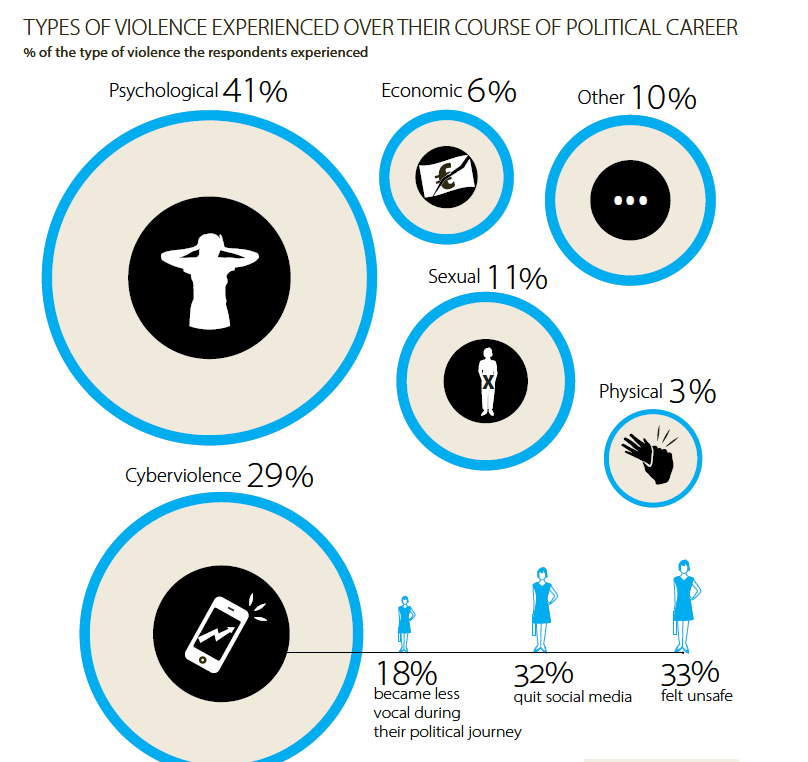
CEMR has long been committed to empowering women and advancing gender equality. Our initiatives range from supporting women in politics to advocating for equal opportunities across all sectors. We strive to create a world where every woman can thrive, free from any form of threat or violence.

Why Representation Matters:

The European Commission plays a pivotal role in shaping policies that impact the lives of millions of EU citizens. A gender-balanced Commission is essential to ensuring that these policies are inclusive and representative of the diverse population they serve. The underrepresentation of women in all their diversity in such a critical institution not only undermines the EU’s commitment to gender equality but also weakens the legitimacy of its decisions.

Our Call to Action:

As we await the final composition of the new European Commission, we call on all EU member states to prioritise gender balance in their nominations. The EU must lead by example, showing that it values diversity and equality in its highest offices.

CEMR will continue to advocate for gender equality and support initiatives that empower women at all levels of governance. Together, we can create a more inclusive and just Europe.

Europe engagement in localising SDGs

Localising SDGs study - News

European Mayors strengthening their engagement at UN High-Level Political Forum


A delegation of European Mayors and councillors is heading to New York to defend the key role of local and regional governments in United Nations intergovernmental bodies during the upcoming High-Level Political Forum (HLPF) (8-17 July).

This year, HLPF will focus on “Reinforcing the 2030 Agenda and eradicating poverty in times of multiple crises” and is held under the auspices of the Economic and Social Council.

Once again, European Mayors and councillors will make they voice heard and present how the local level can deliver sustainable, resilient and innovative solutions.

Among them are:

  • Véronique Bertholle, Vice Mayor on European and International Relations, City of Strasbourg (France), PLATFORMA spokesperson
  • Francine Farrugia, Local Councillor in the locality of Siggiewi (Malta), member of CEMR-PLATFORMA Young Elected Officials Committee
  • Clare Hart, Vice-President Montpellier Métropole, President of Crisis and Rehabilitation Group, Cités Unies France
  • Gail Macgregor, Leader of Dumfries and Galloway Council, Scotland, UK (COSLA), Spokesperson for Environment and Economy, CEMR Spokesperson on SDGs
  • Nicole Unterseh, Mayor City of Bonn (Germany), Deutscher Städtetag

Mayors and councillors will actively participate in several meetings, including the Local2030 Coalition Special Event “Unlocking transformative change through the localisation of the six SDG transitions” on 10 June, during which Francine Farrugia will officially present the CEMR-PLATFORMA 2024 annual study on SDGs.

This year, the study European Territories Localise the SDGs – The time for impact is running out gathers 46 responses from associations of local and regional governments, representing 31 European countries.

In the Foreword, Tengiz Mtvarelishvili, Chair of Telavi City Council in Georgia, and PLATFORMA Spokesperson, warns about delays in implementing the 17 Sustainable Development Goals (SDGs). “But there’s hope: local and regional governments are on the front lines, closest to citizens, and uniquely positioned to find tailored solutions”, he says.

Eva Baños de Guisasola, PLATFORMA Advisor on SDGs, Global Agendas and Climate, and Federica Bordelot, CEMR Director of Policy and Impact, will moderate several sessions.

To strengthen the voice of local and regional governments, PLATFORMA and CEMR are joining forces with the Global Task Force of Local and Regional Governments (GTF) led by UCLG.

This year, HLPF will be followed by the UN Summit of the Future, also in New York on 22-23 September, where local and regional governments will gather during an Action weekend ahead of the meeting.

Discover the study:

Check the agenda of the Global Task Force of Local and Regional Governments (GTF)

For more information, contact:

Twinning – REALISE 2024

Twinning REALISE - News 2024

CEMR Announces Grant Recipients for REALISE 2024 Twinning Programme


The Council of European Municipalities and Regions (CEMR) is pleased to announce the recipients of its grant scheme established under the REALISE project. Funded by the European Commission’s CERV programme, the initiative aims to bolster subnational government Twinning endeavours.

The grant scheme not only supports the promotion of Twinning arrangements but also empowers national associations to undertake related initiatives that address specific challenges. Proposals with merit are eligible for funding of up to €30,000.

CEMR expresses its delight in selecting the following Local and Regional Government Associations for the REALISE 2024 grant programme:

Twinning serves a leading role in fostering connections between Local and Regional Governments. This collaborative approach facilitates the tackling of a wide range of pressing issues, encompassing urban development, climate change, service improvement, social inclusion, and migration.

Additionally, Twinning initiatives promote peace and solidify European values and belonging.

Since its inception in 1951, CEMR has been an advocate for Twinning, recognising its potential to connect communities, cultivate mutual understanding, and drive collaborative efforts. Today, these programmes extend beyond cultural exchanges, encompassing the sharing of best practices and the joint development of solutions to shared challenges.

CEMR extends its sincere gratitude to all associations that participated and submitted compelling proposals. We encourage you to stay informed of forthcoming updates on these exciting projects.