France-Ukraine Solidarity

Mayors in Ukraine - News 2023

Join us at the occasion of the France-Ukraine Local Solidarity Forum!


Join un on 19 October, from 10:00 to 12:15 CEST, and learn more about how French municipalities support Ukrainian local governments. This online event will be conducted in French and Ukrainian, with simultaneous interpretation.

France was one of the first European countries to support Ukraine in these difficult times. French municipalities also have been welcoming people fleeing the war and trying to offer the best residence conditions possible. Cooperation of local and regional authorities, volunteers, non-governmental organisations and business is an important contributing factor of the French actions in support of Ukraine.

The Solidarity forum is organized in cooperation between the Association of the Mayors of France (AMF), Council of European Municipalities and Regions and PLATFORMA, as well as U-LEAD with Europe. The Solidarity forum is part of the work of these organisations on establishing the partnerships between the French and Ukrainian municipalities.

The aim of this local solidarity forum between France and Ukraine will be to:
1. Highlight specific challenges of war time local governance from the ground in Ukraine;
2. Present best examples of local support by France, the challenges that were encountered and addressed;
3. Encourage creation of new municipal partnerships between France and Ukraine.

The full programme of the Forum can be found here: English and French.

To register, please fill in this online form. If you have any questions, please contact Yana.Brovdiy[at]ccre-cemr.org

Escalation of war against Ukraine

Escalation of war against Ukraine Declaration

European local leaders condemn renewed Russian attacks and pledge solidarity with Ukrainian cities and communities


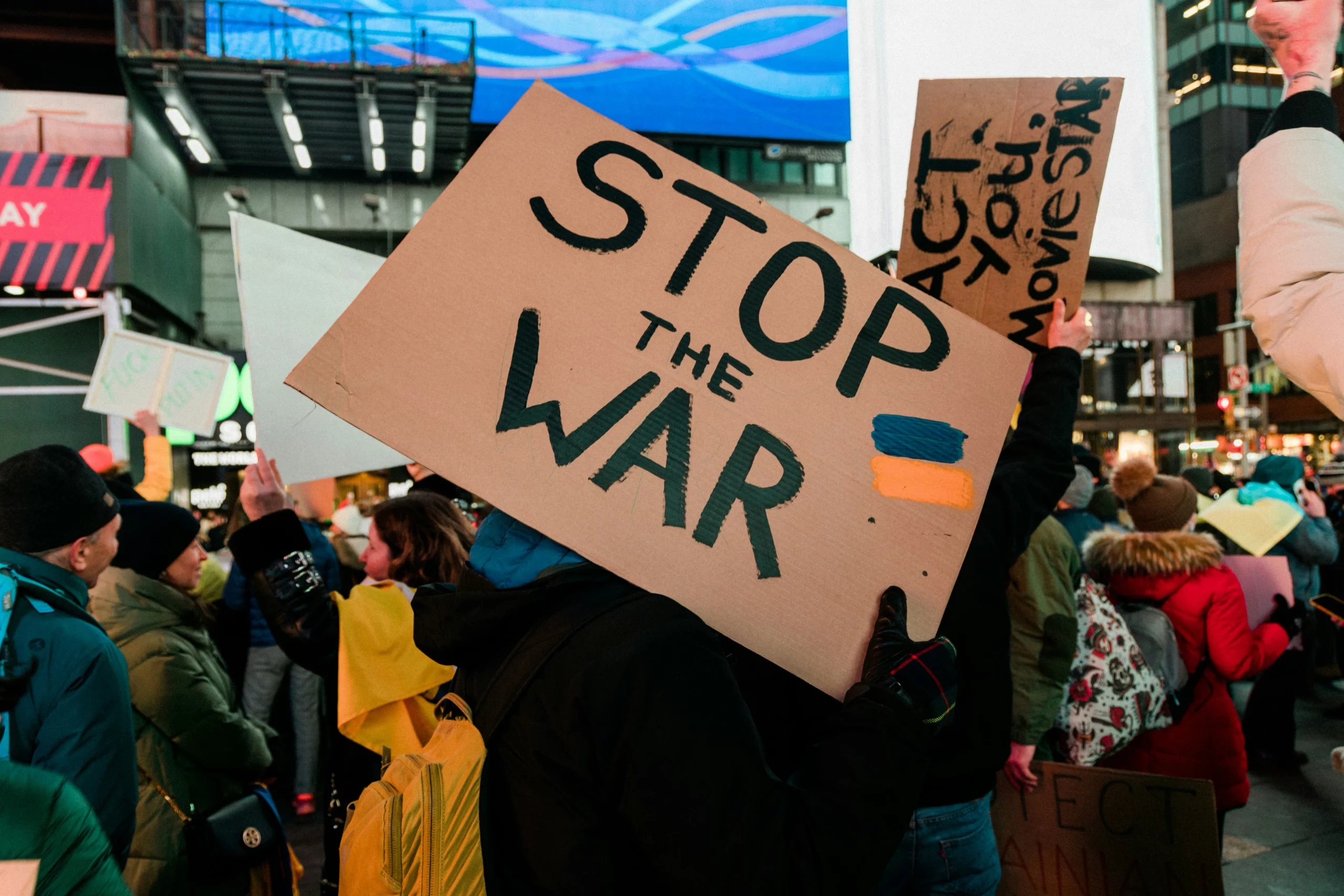
Meeting in Daejeon at the 7th UCLG World Congress and Summit of Local and Regional Leaders, European mayors and councillors expressed their deepest indignation at the recent escalation of Russia’s war against Ukraine. The renewed wave of violence continues to bring devastation to civilian populations and destruction to Ukrainian municipalities. 

Condemning Targeted Attacks 
The declaration strongly denounces deliberate strikes on civilians, including women and children, in violation of the Geneva Conventions. Equally condemned is the destruction of essential urban infrastructure, which deprives communities of the basic services needed to survive in wartime. 

Solidarity with Ukraine 
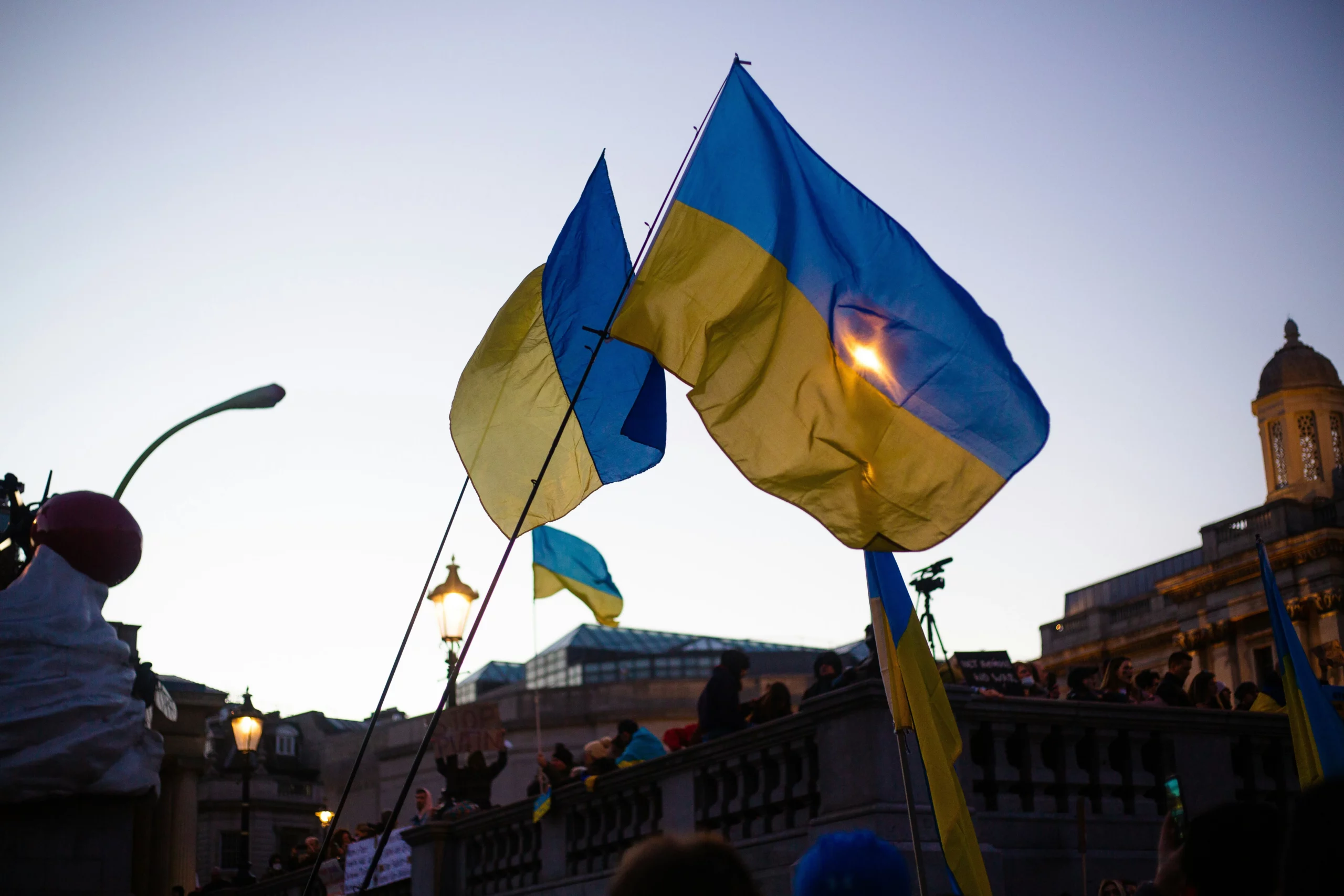
Local and regional leaders across Europe reaffirm their solidarity with Ukraine’s people, mayors, councillors, and associations of local governments who continue their work under extreme conditions. These partnerships are vital to ensuring communities can endure today’s challenges and prepare for tomorrow’s recovery. 

Shared Values 
The declaration recalls the core values upon which Europe is built—peace, democracy, justice, equality, inclusion, and dialogue. By standing with Ukraine, Europe also defends international law and human rights. 

A Call to Action 
European municipalities are invited to strengthen ties with Ukrainian peers through partnerships, twinning, and reconstruction efforts. The declaration also appeals directly to local leaders worldwide, and especially in Russia, to condemn the war and join the call for peace. 

Reconstruction will require joint efforts. The declaration highlights the need for European institutions to support rebuilding Ukrainian infrastructure through city-to-city cooperation, aligning with Ukraine’s Fast Recovery Plan. European local and regional leaders reaffirm their readiness to work hand-in-hand with Ukrainian communities, ensuring that from the ruins of war, democracy and peace prevail. 

Read the declaration here 

For more information, contact: 

GOLD VI report

UCLG - News

Toward urban and territorial equality


The 6th Global Observatory on Local Democracy & Decentralization Report, otherwise known as GOLD VI, has just been launched at UCLG Congress in Daejeon (South Korea)!

The focus is on the six pathways to urban and territorial equality, addressing inequalities through local transformation strategies.

Take a look at it here!

Municipal partnerships

Polish municipality gives aid to Ukrainian partner and paves the way for cooperation


As part of the Bridges of Trust, project bringing together EU and Ukrainian municipalities, Polanica-Zdrój in Poland and Polyanytsya in Ukraine are deepening their partnership through a formal Cooperation Agreement. Local officials in the southeastern Polish town welcomed a delegation of their Ukrainian colleagues from 13 to 16 September. This was an occasion to sign the agreement and provide financial assistance to Polyanytsya.
 
All good cooperation takes time to develop. Municipal officials first met online back in November 2021 and were able to explore each side’s development challenges and the potential areas of cooperation. The Russian invasion of Ukraine imposed a brutal change of perspective: emergency support became paramount. Polanica-Zdrój offered to provide shelter to anyone fleeing the war from their partner municipality.
 
Almost a year later, officials from Polyanytsya were able to visit their Polish partner. Local officials showcased Polanica-Zdrój’s achievements, especially regarding waste management and economic infrastructure, and held an official ceremony for the signature of the two municipalities’ Cooperation Agreement.
 
Mayor of Polanica-Zdrój Mateusz Jellin handed the Ukrainian delegation a symbolic cheque of 8,000 EUR collected with the help of their German twin city, Telgte. The money will be spent to address the Ukrainian people’s urgent emergency or humanitarian needs.
 
“The knowledge we gained during the visit will be a good experience for us for the further development of our municipality” said Antonina Mirus, head of Polyanytsya’s Legal Department. “And most importantly, we found new friends.”
 
The Ukrainian officials thanked Polanica-Zdrój for its openness and support in the face of war. In turn, Mayor Jellin will visit Polyanystya in the coming months.
 
The partnership between the two municipalities is part of the “Bridges of Trust” project, implemented by the Council of European Municipalities and Regions (CEMR), PLATFORMA and supported by U-LEAD with Europe. The Association of Polish Cities (ZMP) also played an important role in matching the municipalities.

Municipal partnerships

Solidarity with Ukraine - News 2022

Slovakia’s Sol’ and Ukraine’s Solotvyno show how municipal partnerships can drive reconstruction


Josef Berta, mayor of Sol’ in Slovakia, knew right away that he wanted to partner up with Solotvyno in the neighbouring Zakarpattia region of Ukraine. Both municipalities share a history connected to the salt deposits present in both territories. The partners first met online in the fall of 2021 and decided to cooperate and set up joint activities to exchange best practices and develop local officials’ capacities.

After the Russian attack on Ukraine on 24 February 2022, the spring visit to Sol’ was postponed and the focus was shifted to emergency needs. Firefighters from this Slovak village, together with some local officials, were among the first to arrive on the border to meet and provide help to the thousands of Ukrainians who were fleeing the war. At this time, Solotvyno was also welcoming internally displaced people who were arriving from other regions of Ukraine that were under attack.

The opportunity to meet in person came in September. Sol’ has a very impressive record of winning EU funding and is number two in the region in terms of the number of EU grants received per capita. Mayor Berta and his team presented the details behind the projects to the Ukrainian delegation and showcased results with visits to the school, a renovated historical building, the volunteer firefighters brigade and more.

The delegation also visited a local business that received funding from the EU for a project that aimed to boost entrepreneurship and create job opportunities in the area. The partners also discussed the possibility of applying for funding to implement joint projects under cross-border cooperation or other EU programmes.

“We are extremely impressed with the visit to Sol’”, said Bohdan Makusii, Head of Affairs of the Solotvyno Village Council. “We hope for the establishment of close and long-term cooperation between our communities and the implementation of joint projects that will improve the lives of the population of the two communities and quickly integrate Ukraine into the European Union.”

Solotvyno representatives learned about the surrounding Prešov region and the current drivers of economic development in the area. The delegation was also invited by the mayor of Vranov nad Topľou to take part in a ceremony recognising locals’ professional and personal contributions. On this occasion, the Director of the Cultural House also presented cultural projects that were funded from the EU grants.

Taken together, the cooperation between Sol’ and Solotvyno shows how municipal partnerships can be a driver of reconstruction in Ukraine: by sharing local expertise, capitalising on EU opportunities and bringing people closer together across borders.

Bridges of Trust is implemented by the Council of European Municipalities and Regions and PLATFORMA, and is supported by the U-LEAD with Europe programme, a multi-donor action of the European Union and its member states Germany, Poland, Sweden, Denmark, Estonia and Slovenia.

Video of visit highlights.

Territorial leaders in action at the COP 27

Climate - News Section

10 key points to prevent the inexorable march toward utter climate disaster


It’s now or never. We must gear up for climate action and advance the Sustainable Development Goals on the ground. This is the core message that PLAFTORMA and CEMR will bring to the COP27 taking place in Sharm El-Sheikh, Egypt.

In a joint position, PLATFORMA and CEMR put forward 10 key points for delegates and representatives from the UN, the EU and national governments who will sit around the COP27 negotiation table. Among the important points raised in the position are the need for a supportive regulatory and governance framework to implement subnational climate action, and the need for sustainable subnational financing.

Read the position paper

For more information, contact:

International Partnership

International Partnership - News 2022

Local government leaders renew their partnerships with the EU to boost international development


The presidents of the five largest associations of local and regional governments met yesterday (September 12, 2022) in Brussels with Jutta Urpilainen, European Commissioner for International Partnerships, to renew their partnership with the European Union on international development.

The five local government leaders present were:

  • Anne Hidalgo, Mayor of Paris (France), President of the International Association of Francophone Mayors (AIMF)
  • Stefano Bonaccini, President of the Emilia-Romagna Region (Italy) and President of the Council of European Municipalities and Regions (CEMR) & PLATFORMA
  • Innocent Uwimana, President of the Rwanda Association of Local Government Authorities (RALGA) and Board member of the Commonwealth Local Government Forum (CLGF)
  • Jan van Zanen, Mayor of The Hague (Netherlands), Chair of the Board of United Cities and Local Governments (UCLG)
  • Fatimetou Abdel Malick, President of the Regional Council of Nouakchott (Mauritania), President of United Cities and Local Governments – Africa (UCLG-A)

The five presidents signed new framework partnership agreements with the European Union for a period of four years. These agreements notably include financial support to local and regional government associations in designing policies aimed at promoting sustainable development at the international level, with a budget of €50 million under the NDICI-Global Europe financial program.

The agreements also strengthen the associations’ role in coordinating the voices of all development partners at the local level. Beyond aid to associations, development efforts by local governments will also be supported “on the ground” with €500 million, Commissioner Urpilainen said. These funds directly help cities and regions to tackle global challenges such as climate change, rising energy prices, gender equality, and democracy at the local level.

“We believe decentralised cooperation is essential to keep communication channels open and mutually enrich our practices,” said CEMR President Stefano Bonaccini. “The European Union can count on us to implement reforms that contribute to the democratisation of our territories and the revitalisation of our economies.”

The five associations “are committed to strengthening local governments in Europe and in third countries,” notably to implement the Sustainable Development Goals aimed at “making cities and human settlements inclusive, safe, resilient, and sustainable, and revitalising the global partnership for sustainable development.”

The first framework partnership agreements between these five associations and the European Union were signed seven years ago.

The presidents were accompanied by their associations’ respective secretaries-general and met other senior EU officials, including Koen Doens, Director-General of the European Commission’s Directorate-General for International Partnerships (DG INTPA).

See all the photos from the event
Watch the video recording of the ceremony
Watch the interview with the Presidents of the local government associations

Mental Health in Ukraine

Mental Health in Ukraine - News 2022

EU cities mobilise to address mental health toll of war on Ukrainians


European cities and towns are facilitating access to mental health care professionals and psychological support for displaced Ukrainians, on top of practical measures relating to education and housing.

As the war nears its seventh month, refugee activists and mental health experts have also warned that the mental health toll on those who have fled the country must not be overlooked.

According to experts, the sudden displacement caused by the conflict has increased the prevalence of mental health conditions, including post-traumatic stress disorder, depression and anxiety.

In April, the European Commission mobilised €9 million from the EU4Health Programme to aid the Red Cross and other NGOs in offering mental health and trauma support for Ukrainian refugees.

“It is important to see the situation of displaced people in a holistic way, including the need for mental health support,” Commission officials told EURACTIV.

According to the officials, fourteen EU countries currently offer mental health services and psychosocial support to Ukrainian citizens.

However, while “our governments and international organisations do offer a lot of solutions, some issues cannot be solved with a top-down approach,” said Maria Trybus, a young activist from the Polish Youth Council.

In her view, cities and civil society can help refugees by “creating safe spaces where they can talk about their needs, their worries.”

Trybus co-founded ‘You Have A Friend In Me‘, an online platform connecting young Poles and Ukrainians.

The idea behind it is to “create a substitute of normality as well as some sort of impromptu safety net,” she explained during the World Urban Forum in Katowice.

Some European municipalities have also taken the initiative to provide psychological support to refugees, although health competencies generally fall on the national government.

For instance, the city of Milan supports Ukrainian refugees hosted in municipal structures through assistance teams, including psychologists, to address basic needs and mental well-being.

“This allows to monitor the situation and identify possible situations of malaise and unease requiring specific assistance,” Lamberto Bertolé, councillor for welfare and health at Milan municipality, told EURACTIV.

Moreover, the city has organised activities with a local theatre to help Ukrainians process the trauma caused by the war in their home country.

The municipality relies on a network of associations to reach those hosted by families or relatives.

“The essential thing is to reach people because it’s not granted that demand and offer will meet,” the councillor said, adding that offering services in the Ukrainian language is crucial.

This article was first published by EurActiv. Real the whole text.

Communication for Bridges of Trust

Call for Proposals - News 2023

‘Bridges of Trust’ is looking for a contractor to carry out communication activities


CEMR is looking for a provider for a short-term assignment (until 30 October 2022) for communication support and services, to prepare communication materials highlighting the Bridges of Trust project’s results. For more information, please refer to the terms of reference.

Africities Summit

Calendar - Conference banner

Youngest Mayor of Portugal: “Young people should be seen as change leaders”


It is essential to better involve young people in politics and decision-making, according to João Fortes, the mayor of the Portuguese city of Mourão and the youngest mayor of Portugalduring the Africities Summit organised by UCLG Africa in Kisumu (Kenya).

The Summit, which took place from 16 to 20 May, gathered local governments and communities, civil society organisations, and development actors from across Africa, as well as many international players. The participants discussed the high stakes involved in the implementation of the UN’s 2030 Agenda. A day dedicated to youth issues highlighted the crucial role that the next generations play in the development of their territories.

Speaking on behalf of PLATFORMA and CEMR’s Committee of Young European Elected Representatives, João Fortes took part in different sessions dealing with sustainable development and challenges faced by young people.

The young elected mayor presented some of the policies being implemented at the European and local levels to move towards a more inclusive and sustainable social model. According to him, young people must be considered “change leaders” in this process.

João Fortes participated in three Africities sessions:

  • A meeting of the partners of the Covenant of Mayors in Sub-Saharan Africa (CoM SSA) on the issues related to sustainable development and climate change
  • The General Assembly of the Network of Young Elected Local Officials of Africa (YELO)
  • A “youth day”, notably dealing with urban policies aiming to better integrate young people

What role for young people in Africa and Europe’s mid-sized cities?

Whereas 2022 is the European Year of Youth, a Eurobarometer survey has found that a large segment of young Europeans consider that they are not sufficiently listened to by public authorities.

Young people face an increased risk of poverty, notably in the post-pandemic context, and there are reasons to fear the disengagement of young citizens from political life. To answer this, João Fortes stressed the need “to provide the conditions for young people to be genuinely involved in decision-making.”

The mayor of Mourão also highlighted several projects being undertaken in his municipality and in Portugal. Indeed, Portuguese youth are also being affected by the consequences of the health crisis and a difficult economic situation.

Mourão is taking numerous initiatives in these areas with the creation of a Local Assembly of Young People, a participatory budget, technical support for youth organisations, strengthened children’s access to medical and dental care, and the development of youth exchanges and volunteering opportunities.

The Summit was also an opportunity to bring together PLATFORMA and CEMR’s Committee of Young European Elected Representatives and YELO members. These two networks of African and European local leaders could soon undertake actions in cooperation to put into perspective the issues encountered in the development of their territories.

Check on Twitter with #Africities9