IncluCities

IncluCities - News 2022

Being an inspiration for others is the best recognition of our work


IncluCities continues the series presenting the key people behind the project with a special double interview. Vincent Vanhalewyn, alderman responsible for social cohesion in Schaerbeek, and Janaki Decleire, Director of VIA association, a vital project partner, answer questions on the integration of migrants and the impacts of the Ukrainian refugee crisis on the municipality of Schaerbeek, an IncluCities mentor city.

Schaerbeek is one of the 19 municipalities of the Brussels-Capital Region. A rich cultural diversity characterises its population of over 133,000 inhabitants. Where are the newcomers from?

Janaki DECLEIRE:

Schaerbeek is indeed a cosmopolitan municipality. Over one-third (37%) of the population is of foreign nationality, not counting people who have just become Belgians.
Those who come to our BAPA VIA reception office – which is tasked with welcoming newcomers – do not only come from the municipality of Schaerbeek since our reception programme is open to anyone living in the Brussels area. Approximately one-fifth comes from Schaerbeek and another 18 per cent from Molenbeek, and the rest from other municipalities. These people are mainly from Syria, Morocco, India, Afghanistan and Guinea.

Schaerbeek is the fourth-most densely populated municipality in Brussels. How does this affect city life?

Vincent VANHALEWYN:  

Schaerbeek’s population has continuously grown – despite 2020 being an unusual year, with the lowest growth recorded in the Region since 1998 – and higher growth is expected to resume, albeit to a lesser extent. We have a multicultural population, with over 100 nationalities in 2019.

This situation is both an asset and a challenge regarding public infrastructure, with a significant need for nurseries, schools, housing, etc. To meet these needs, we have launched several urban projects, notably with the support of the Region in the framework of the neighbourhood contracts, to improve public space, develop social infrastructures and housing and, to a lesser extent, develop our economic and social fabric. 

Since the 1960s, Schaerbeek has also developed an important and active network of associations, which helps to create links within the neighbourhoods and improve the coexistence of people with diverse backgrounds.

If managing migration is a national competence, it becomes a local responsibility as soon as people arrive in a specific territory. What are you responsible for?

Vincent VANHALEWYN:

Indeed, the municipality intervenes at different levels in the reception of migrants, from keeping and updating the civil register to the registration of new arrivals in the register of foreigners. The objective is also to ensure citizens’ well-being and make sure that everyone finds their place.

With its neighbourhood service and Urban Prevention Programme (PPU), it seeks to create a close relationship with the population to establish a dialogue and improve community life in Schaerbeek. Since 2016, the municipalities of Schaerbeek and Molenbeek have promoted the opening of a Reception Office for Newcomers (BAPA), one of the central actors in integrating newcomers in the Brussels Region, giving Schaerbeek a significant role in the reception of migrants.

We’ve witnessed a united feeling in welcoming Ukrainian refugees across European cities, including in Brussels. How did you manage the first few months of the Ukrainian refugee crisis? What is the trend, and what are the most pressing issues?

Vincent VANHALEWYN:

In the first couple of months of the crisis, the Municipality provided a webpage with basic information for Ukrainian refugees regarding accommodation, administrative procedures and rights, including the existence of the CPAS (the Brussels welfare agency). A temporary coordinator has been appointed at the municipal level to centralise the information and to answer questions from people, both refugees and Schaerbeek citizens.

Thanks to a regional grant, the support has been formalised since July, with two additional municipal officers offering refugees and anyone else involved in the reception process all the basic information, including psychosocial support for Ukrainian refugees.

While waiting for the Region’s provision of collective housing, the municipality had to rely strongly on volunteers to host the refugees during the first months of the crisis.

Janaki DECLEIRE:

VIA reacted very quickly to the arrival of many Ukrainian people and this was done without undermining the reception capacity towards other newcomers. Thanks to the financial support from the French Community Commission, we were quickly able to hire new Russian- and Ukrainian-speaking colleagues to organise 15-hour information sessions adapted to this new audience in their language, thus offering them the same service as any other person coming to our offices.

As part of the IncluCities project, Schaerbeek is participating in a mentoring process with the Latvian city Jelgava. What can you offer them, and what is the most important lesson from this process for you? 

Vincent VANHALEWYN:

In the IncluCities project, we are in a mutual learning process with the city of Jelgava. This allows us to think strategically about the integration of newcomers and evaluate our practices. Thanks to this project, we were able to look into the relevance of creating a digital information tool for newcomers, such as a smartphone application, and to learn from what other local authorities have done in Belgium and beyond. The city of Mechelen has done excellent work, for example, with their Welcome App. The non-profit organisation DUNE has created a special app, Le Bon Plan, listing all of Brussels’ diverse social and medical support services. The project’s funding did not allow us to go further in developing a mobile application; nevertheless, these experiences inspired us to update the VIA website in the framework of the project.

Jelgava has recently had to bravely deal with a large migratory flow due to the war in Ukraine. The municipality of Schaerbeek has already had to deal with numerous migratory flows in the past. We wanted to share this expertise with our Latvian partners by showing them what we have done, hoping to give inspiration in a medium and long-term perspective on integration.

One of the outcomes of this project is also a One-stop-shop, an improved online platform for newcomers in the municipality – can you present the main elements of this website and its objective?

Janaki DECLEIRE:

With the budget allocated by the IncluCities project, we could rework the page on our website BAPA VIA describing the welcome path and make it more accessible to all. The route is explained more playfully and intuitively than before. The content is also translated into ten languages and is available in a spoken version for people with reading difficulties because there are many people who do not read or have very little school education among the newcomer population. We have also created a new page offering an essential directory of services helpful to any newcomer in various fields, such as social assistance and legal services, health, children’s services and French language courses. This way, people who do not wish to start a reception process at VIA will have helpful addresses to find answers to their questions

The IncluCities project is coming soon to an end. What has been the main benefit for you?

Janaki DECLEIRE:

The most significant benefit is the exchange between the different partners of the project. Participating in a programme that brings together eight different cities that share their own experience of welcoming newcomers is inspiring. Even if their context and reality are different, understanding these various realities and seeing what they have been able to put in place, what worked well and what did not, allows us to feed our reflection and enrich our work.

The role of a mentor has also made us even more conscious of the road we have travelled since 2016 when VIA was established.  If we can radiate and inspire other actors in the field of integration of migrants, it is an excellent recognition of our work.

Schaerbeek is described as being “as stubborn as the donkey” (the symbol of Schaerbeek) and “as fertile as the land on which the cherry trees grow”. What do these sayings mean?

Vincent VANHALEWYN:

In the past, the people of Schaerbeek, who grew cherries, had the privilege of taking donkeys to the Brussels market to sell them to the brewers who made beer (Kriek!). When they arrived, the people of Brussels would exclaim: Hei! doë zên die êzels van Schoerebeik (in dialect: Here come the donkeys of Schaerbeek!).

Even today, Schaerbeek is called the “City of Donkeys”, and its inhabitants are proud of it!  New projects regularly flourish in Schaerbeek, like the cherry trees. It is a breeding ground to bring the municipality to life and enhance its value on various levels: community life, solidarity and its rich heritage.

Janaki DECLEIRE:

I agree and can add that our work illustrates this notion of fertility. We are constantly setting up new projects to respond to the needs expressed by our beneficiaries, whether it is the creation of our immersion house the setting up of the volunteering project or the PEPA programme (an entrepreneurial pathway for newcomers). In this way, we draw on the exchanges that we can make, but also, in a co-creative approach, on the needs expressed by the newcomers with whom we work. They are truly the ones who are the basis of all our new projects and we try to be as close as possible to their needs.

As for the word “stubborn”, it perfectly illustrates our desire to keep moving forward and to take up the challenges that come on the way!

Online Survey – Ukraine

Online phone - News

Take part in a short survey on the ripple effects of Russia’s war in Ukraine


Russia’s invasion of Ukraine has triggered seismic repercussions: skyrocketing prices, energy shortages, a fast-moving refugee crisis, rising cyber security threats…

But is your city or region ready to face the challenges brought to light by the war? Does it brace for a darker winter to save energy? Have you noticed any cyber-attack in the public sector?

These are some of the questions raised in a short survey drawn up by the Association of Finnish Local and Regional Authorities (AFLRA) to which you are invited to contribute. Your responses to this survey will help shed light on cities’ and regions’ preparedness to face current and future disruptive events. They will also provide guidelines on how to bolster information sharing and cooperation among all stakeholders. Respondents will receive a summary of the results. Individual responses will not be published. The deadline for filling out the survey is 30 November. 

www.kuntaliitto.fi | www.localfinland.fi

Partnerships for Ukraine

Ukraine flag - News section

Partnerships between Ukrainian and EU municipalities in times of war


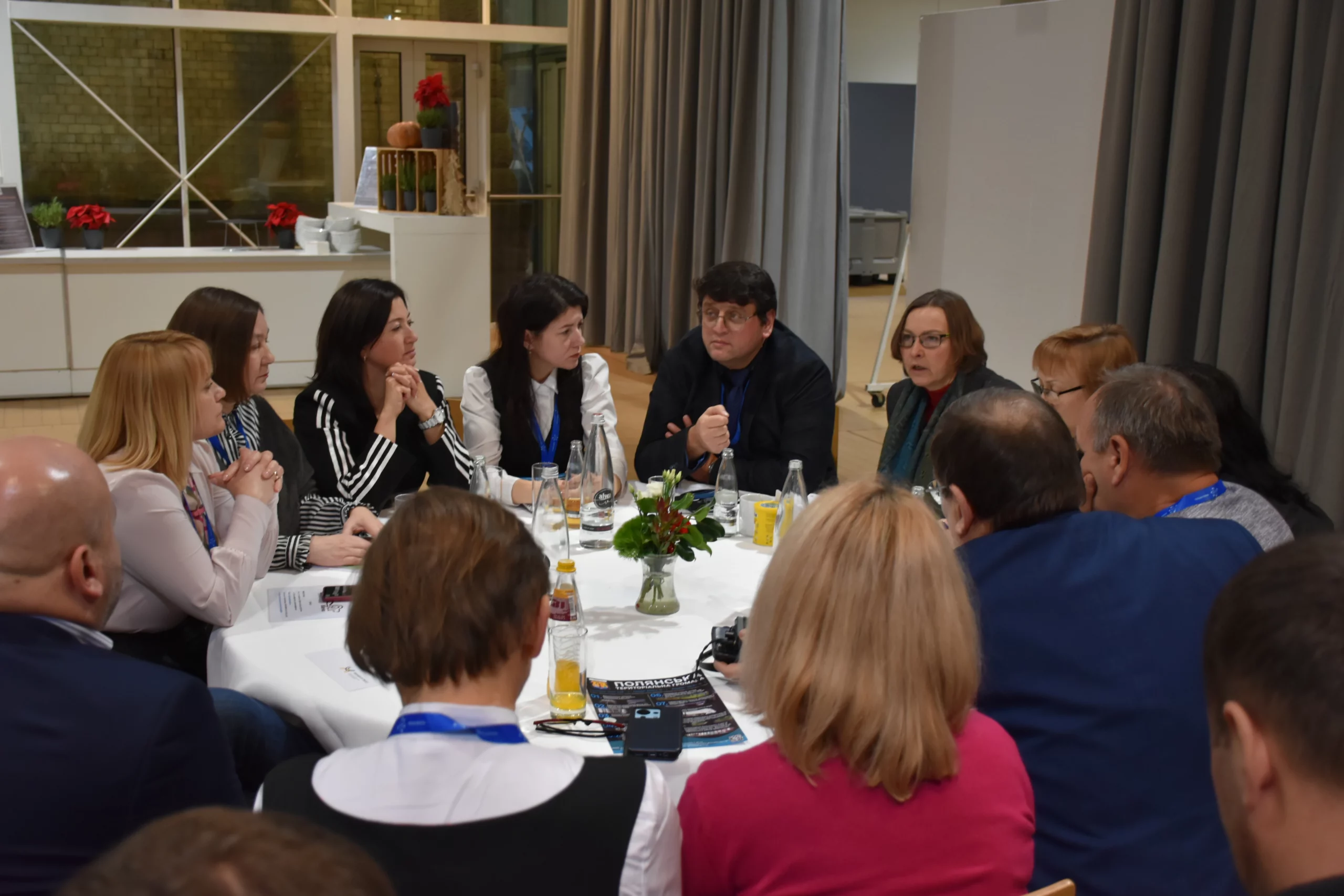
On 28 October, during an online forum “Building Bridges of Trust between Ukrainian and EU municipalities for Reconstruction and Recovery of Ukraine” the participants learned about how Ukrainian municipalities find reliable partners among their EU peers, how they overcome wartime challenges and what opportunities such partnerships bring.

In the opening speech, Fabrizio Rossi, Secretary General of the Council of European Municipalities and Regions, emphasized that the Forum is taking place when Russia is increasing its attacks on key infrastructure in Ukraine, especially its electricity and heat supply systems. “The aggressor continues to shell the Ukrainian civilians to bring chaos, confusion and fear. However, this strategy didn’t work in February and it won’t work now! Ukrainians will resist because they are defending their country and their people.”

More than 130 participants from Ukraine and EU countries took part in two sessions; the first one was dedicated to existing partnerships between Ukrainian and EU communities, which were created in the framework of the “Bridges of Trust” initiative, and the second one to European Union funding programmes.

Viacheslav A. Nehoda, Deputy Minister for Communities and Territories Development of Ukraine, believes that future cooperation between Ukrainian and EU municipalities will include, besides the reconstruction of Ukraine, European integration, namely the measures that Ukrainian municipalities have to implement since Ukraine is now an EU candidate country.

The important role of municipalities in the reconstruction of Ukraine was also emphasized by Olena Tomniuk, Deputy Programme Director of U LEAD with Europe. “The time will come to build something new and better, and the municipalities will play a key role in the reconstruction. As a result of decentralization processes the communities are stronger and able to follow the principle of subsidiarity and rebuild exactly what they need and where they need”.

The partnerships presented at the Forum were: Novohuivynske, Zhytomyr oblast – Lazdijai district municipality, Lithuania; Fastiv, Kyiv oblast – Druskininkai, Lithuania; Korosten, Zhytomyr oblast – Ukmerge District, Lithuania; Solotvyno, Zakarpattia oblast – Sol, Slovakia; Dolyna, Ivano-Frankivsk oblast – Šiauliai District Municipality, Lithuania; Polyanytsia, Ivano-Frankivsk oblast – Polanica Zdrój, Poland.

In their presentations, heads and mayors of municipalities talked about the beginning of cooperation, joint meetings, signed agreements, visits on best practices, and humanitarian and financial assistance.

Ivan Dyriv, the mayor of Dolyna, is grateful to the “Bridges of Trust” initiative, and the Šiauliai district for inviting 36 children from low-income families and families of soldiers to spend time in the summer camp in the Baltic Sea. “The best thing that humanity has come up with is cooperation. In tough times we can get assistance and support each other”, – emphasized Dolyna’s mayor. In future, at the heart of the cooperation with Lithuanian partners, Ivan Dyriv sees energy, environment and transition to green technologies.

Khrystyna Vasilkova, secretary of the Polyanytsia village council in the Ivano-Frankivsk region, visited the Polanica Zdrój municipality in Poland in September. She strives to implement innovative eco projects within the community – the construction of wastewater treatment facilities and solving the problem of waste recycling, as European partners have considerable experience in these areas. “Work of our Polish colleagues is very encouraging. They started their planning back in the 1980s, so we understand that we need to learn from their experience and develop,” – emphasized Khrystyna Vasilkova. In winter, Polish partners plan to pay a visit to the Ivano-Frankivsk region.

Interesting future projects were presented by mayor of Fastiv, Mykhailo Netyazhuk. “Two priorities for us are the hospitals repurposing for the rehabilitation of military personnel and the “Моє серденько” (“My Heart”) project for people who suffered from the war. It is valuable to have partners – representatives from Druskininkai in Lithuania, who share their experience and are ready to raise funds to realize these projects.”

Volodymyr Moskalenko, mayor of Korosten municipality, emphasized the sincere support of Ukraine by Lithuanian friends from Ukmerge – recurrent humanitarian aid to war victims, a bus for the needs of the Armed Forces of Ukraine, and even organizing in Ukmerge a very symbolic event for Korosten “Day of Derun” (deruny – potato pancakes). With Lithuanian partners, the mayor sees cooperation opportunities in the field of energy efficiency and now the partners are preparing a joint project and hope to be supported by the LIFE programme.

One of the goals of the Forum was to spread information on funding programs. The LIFE programme was presented by Maia Mikosinska, Head of Sector, LIFE Nature and Biodiversity, European Commission. Forum participants had the opportunity to ask Mrs Mikosinska, as well as other representatives of the programmes like “Digital Europe”, TAIEX Technical assistance and information exchange tool and Deputy Minister for Communities and Territories Development of Ukraine, Ihor Korkhov, who spoke about the Danube Transnational Programme Interreg.

Ukraine and the EU cooperation among municipalities will continue because Ukrainian victory is ahead and a lot of joint work on the reconstruction of the country is ahead.

Project “Empowering municipalities in Ukraine and the European Union through building municipal partnerships” is implemented by the Council of European Municipalities and Regions (CEMR), PLATFORMA within the framework of U-LEAD with Europe’s initiative “Bridges of Trust” and with the support of U-LEAD with Europe.


Партнерства українських та європейських громад під час війни

28 жовтня на онлайн форумі “Мости довіри між європейськими та українськими громадами задля відбудови та відновлення України” обговорили, як українські громади знаходять собі надійних партнерів серед муніципалітетів Європейського Союзу, як вони спільно долають виклики воєнного часу та які можливості відкриває така співпраця.

У своїй вступній промові Фабриціо Россі, генеральний секретар Ради європейських муніципалітетів та регіонів, наголосив, що Форум відбувається на тлі посилення російських атак на ключову інфраструктуру, особливо на її системи електропостачання та теплопостачання. “Агресор продовжує обстрілювати мирне населення України, щоб нести хаос, сум’яття та страх. Однак ця стратегія не спрацювала в лютому і не спрацює зараз. Українці будуть чинити опір, тому що вони захищають свою країну і свій народ”.

Більше 130 учасників з України та країн ЄС взяли участь в двох сесіях, одна з яких була присвячена партнерствам між громадами України та ЄС, які реалізовуються в рамках ініціативи «Мости довіри», а інша – програмам фінансування Європейського Союзу.

Заступник Міністра розвитку громад та територій України В‘ячеслав Негода вважає, що співпраця між українськими і європейськими муніципалітетами, крім напрямку з відбудови країни, включатиме й євроінтеграцію. Міністр наголосив, що українські громади реалізовуватимуть заходи, які є рекомендаційними для країни-кандидатки у члени ЄС.

Про важливу роль муніципалітетів у відбудові України зазначила також і Олена Томнюк, заступник директора Програми «U-LEAD з Європою» від GIZ, “Прийде час будувати нове і краще. Громади – міцніші і стійкіші завдяки децентралізаційним процесам – здатні слідувати принципу субсидіарності і відбудовувати саме те і саме так, як потрібно їхнім жителям”.

Cеред партнерств, які були представлені на Форумі: Новогуйвинське, Житомирська область – Лаздійcький район, Литва; Фастів, Київська область – Друскінінкай, Литва; Коростень, Житомирська область – Укмергський район, Литва; Солотвино, Закарпатська область – Соль, Словаччина; Долина, Івано-Франківська область – Шяуляйський район, Литва; Поляниця, Івано-Франківська область – Поляни́ця-Здруй, Польща.

У своїх презентаціях голови та мери муніципалітетів розповідали про початок співпраці, спільні зустрічі, підписані договори про співпрацю, навчальні поїздки з метою перейняття найкращих практик,  гуманітарну та фінансову допомогу.

Долинський міський голова Іван Дирів вдячний ініціативі «Мости довіри» та Шауляйському району за відпочинок 36 дітей учасників бойових дій та дітей із малозабезпечених сімей у літньому таборі в Литві на Балтійському морі.  “Найкраще, що придумало людство – це колективна співпраця. Ми можемо в складний час отримувати допомогу та підтримувати один одного” – наголосив пан Дирів. В майбутній співпраці з литовськими партнерами він вбачає акцент на енергетиці, екології та переході до зелених технологій.

Христина Васількова, секретар ради Поляницької громадина Івано-Франківщині, у вересні брала участь у візиті до муніципалітету Поляниця-Здруй у Польщі. Вона прагне до впровадження в громаді інноваційних екологічних проєктів – побудови очисних споруд та вирішення проблеми відходів. Пані Васількова наголошує, що європейські партнери вже мають вагомий багаторічний досвід: “Рівень польських колег дуже мотивує. Вони розпочали своє планування ще у 1980-х роках, тож ми розуміємо, що нам треба переймати досвід і розвиватися”. Взимку польські партнери планують здійснити візит на Івано-Франківщину.

Цікаві майбутні проєкти були представлені міським головою Фастова Михайлом Нетяжуком. “Два пріоритетні для нас напрямки – це перепрофілювання лікарень задля реабілітації військовослужбовців та проєкт “Моє серденько” для осіб, які постраждали від війни. Цінно мати партнерів – представників Друскінінкай у Литві, які діляться досвідом та готові спільно залучати кошти на реалізацію цих потреб”.

Володимир Москаленко, голова Коростенської міської громади, відзначив щиру підтримку України литовськими друзями з Укмерге – неодноразове надсилання гуманітарної допомоги для постраждалих від війни, передачу автобуса для потреб ЗСУ і навіть проведення в Укмерге такої символічної для Коростеня події, як День деруна. З литовськими партнерами міський голова бачить подальші можливості для співпраці в сфері енергоефективності, наразі партнери готують спільний проєкт і сподіваються отримати підтримку в рамках програми ЄС під назвою LIFE.

Однією із цілей Форуму було розповсюдження інформації про програми фінансування. Програму LIFE представила Майя Мікосинська, керівниця сектору, Європейська Комісія. Учасники Форуму мали можливість поставити питання пані Мікосинській, представникам програм, таких як «Цифрова Європа», TAIEX-Інструмент технічної допомоги та обміну інформацією, а також заступникуМіністра розвитку громад та територій України Ігорю Корховому, який розповів про Дунайську транснаціональну програму Interreg.

Співпраця між громадами України та ЄС буде продовжуватися,адже попереду українська перемога та багато спільної роботи із відбудови країни. 
Проєкт «Розширення можливостей муніципалітетів в Україні та Європейському Союзі через розбудову партнерств» впроваджується Радою європейських муніципалітетів і регіонів (РЄМР), PLATFORMA, в рамках ініціативи «U-LEAD з Європою» «Мости довіри» та за підтримки «U-LEAD з Європою».

CEMR projects overview  

CEMR’s externally funded projects foster cooperation, innovation, and sustainability across Europe 


Through its externally funded activities, the Council of European Municipalities and Regions (CEMR) brings local and regional leaders together to exchange ideas, test solutions, and build stronger communities. These projects are more than initiatives: they are platforms where municipalities and regions collaborate on Europe’s most pressing challenges, from climate action to equality, from digitalisation to democratic participation. 

Overview of Projects 
CEMR’s portfolio of externally funded projects reflects its commitment to innovation, sustainability, and inclusion: 

  • Reference Framework for Sustainable Cities (RFSC) – Supporting sustainable cities with a practical tool to plan and assess policies. 
  • IncluCities – Advancing migrant integration through peer learning among municipalities. 
  • Circular Cities and Regions Initiative (CCRI) – Driving circular economy solutions for cities and regions. 
  • Green City Accord – Helping European cities commit to ambitious environmental goals. 
  • Covenant of Mayors – Uniting local leaders in climate and energy action. 
  • PLATFORMA – Strengthening international partnerships and decentralised cooperation. 
  • Bridges of Trust – Building ties between Ukrainian and European municipalities. 
  • EPSU (Local Digital) – Supporting local administrations in navigating digital transitions. 
  • EPSU (Third-Party Violence) – Tackling violence against public service workers. 
  • Go.Li.EU – Promoting youth engagement and European citizenship. 

Together, these projects illustrate how CEMR channels external resources into meaningful action. By bridging local realities with European priorities, they not only empower municipalities and regions but also shape a more sustainable, inclusive, and resilient future for all. 

Read the study here 

For more information, contact: 

Ukraine Recovery

Solidarity with Ukraine - News 2022

‘Together we can do more’ – Dobrobat NGO


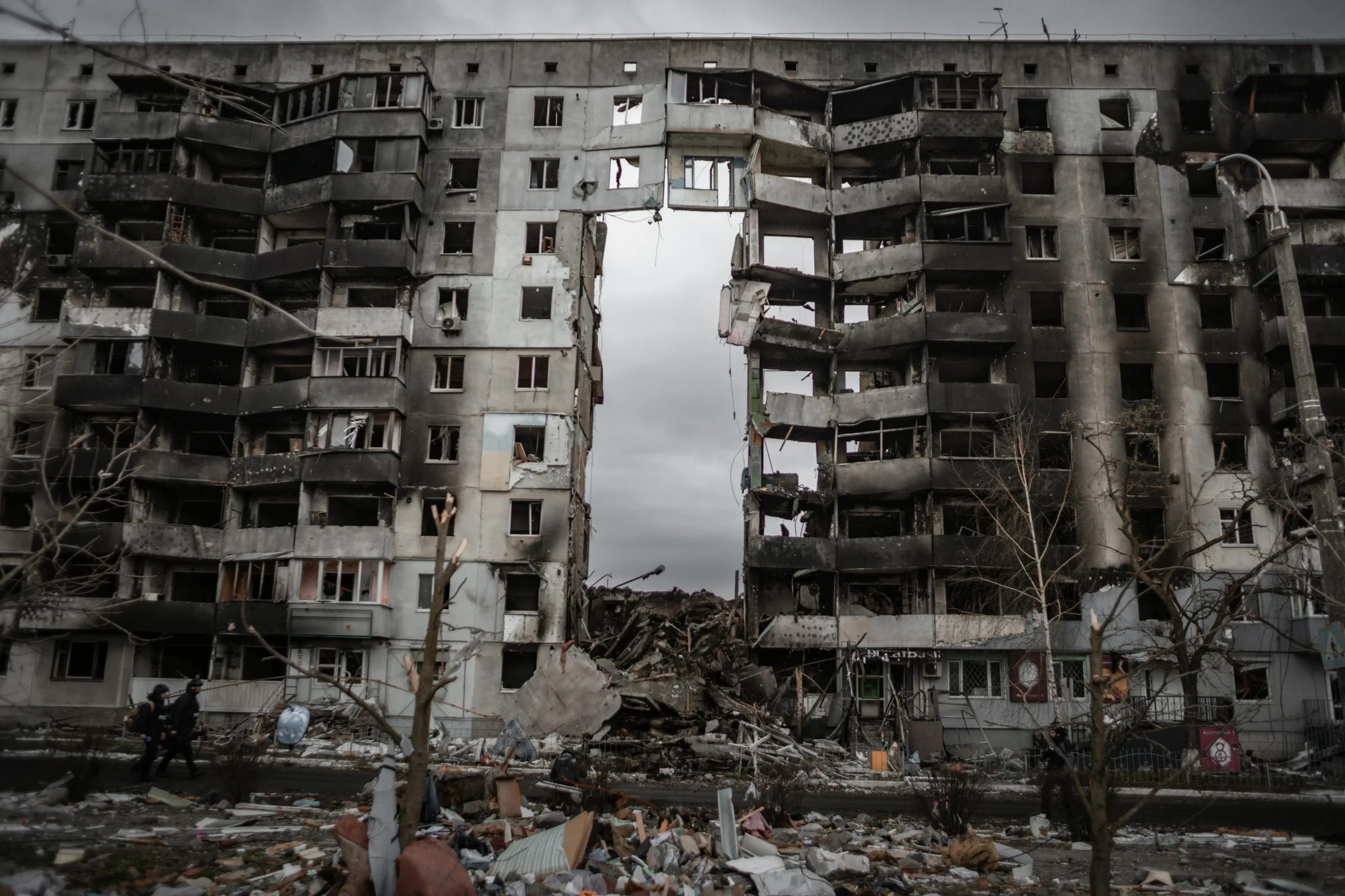
“For the city of Irpin, which stopped the enemy army on its approaches to Kyiv and was the most affected by hostilities in the region, “Dobrobat” volunteers have long since become not just reliable partners, but true friends.” This is how the mayor of Irpin, Oleksandr Markushyn, described the volunteer movement Dobrabat and its importance to his community.

On June 19, a Memorandum of Cooperation was signed between the city of Irpin, represented by its mayor and the funders of Dobrobat, Victor Andrusiv and Rostyslav Smirnov. Since then, over 30 houses have been repaired and saved thanks to the work of Dobrabat’s volunteers who are cooperating with the city’s communal services.

“When half of the city is destroyed, and there are simply no funds to attract commercial construction companies in the local budget, the work of Dobrobat volunteers is worth its weight in gold for us. And if we talk about it on the scale of a country that is at war, then even more so! Funds should now go to defense to protect against the aggressor!”

Dobrobat is a volunteer movement rebuilding homes and infrastructure in liberated cities that have been destroyed by the invading Russian forces. Volunteers remove debris and renovate buildings to make them inhabitable again. Besides the obvious practical benefits, the project carries a strong symbolic meaning of national unity harnessing Ukrainians’ grassroots horizontal organisation and mutual help. The Dobrobat volunteers are a bridge between the state and the Ukrainians who are suffering due to hostilities, as they work with both the state institutions and local authorities. For instance, in Yahidne village, they are restoring 22 houses in partnership with the Ministry of Territories and Communities Development of Ukraine. On July 13, 2022, Prime Minister Denys Shmyhal visited the village of Yahidne and praised Dobrobat’s support in the restoration of residential buildings and infrastructure.
The Dobrobat volunteers have already helped the Ukrainians in 30 settlements of Chernihiv, Sumy, Kharkiv and Kyiv regions (repaired windows, roofs, doors, and removed debris on the territories of hospitals, schools, kindergartens, parks, and private houses). Today Dobrobat has received 37,000 applications from volunteers from all over the country who are ready to come to the liberated cities to work there. From those, they have engaged 7,000 volunteers who are helping the reconstruction of their country as well as learning a new trade that can help them in the future. Despite the already 300 trips that have been organized within four months, requests from settlements are still flooding in.

To be as effective as possible, a map was developed to register private and public buildings that need to be repaired, with detailed pictures and estimated work. This map is available in English to widen the potential of donors for the organisation that deeply needs financial and logistic support. To ensure transparency they will provide a report on how the donated funds have been used with photos of the renovated building. Every donor knows exactly what their donation helped restore.

Solidarity with Ukraine

Mayors in Ukraine - News 2023

Bridges of Trust partner-municipalities, Fastiv and Druskininkai, meet in person for the first time


On 3-7 October 2022, a delegation from Fastiv municipality in Kyiv region travelled to Lithuania to visit their Bridges of Trust partner-municipality Druskininkai.

The two partners first met in November 2021 through the Bridges of Trust project, implemented by CEMR, PLATFORMA and supported by the U-LEAD with Europe Programme. Following online bilateral meetings and presentations of municipalities, the visit to Druskininkai was organized to meet in person.

The visit had the following main goals:

  • physically meet the partners for the first time;
  • discover the best practices of the Druskininkai partner municipality with a strong focus on rehabilitation;
  • discuss the possibility of a joint project in the field of rehabilitation and the future of the cooperation.

According to Yuliia Kazakova, medical director of the Fastiv hospital, paediatrician, and Head of the project “Psychological and medical assistance to children and their families affected by the War”:

“For me personally, the visit to Lithuania, to the picturesque town of Druskininkai, has been important, because of the incredible support of the European community and of every Lithuanian. Once again it strengthened my confidence that Ukraine is not alone, we are part of the European family, prosperity and well-being await our country.

From a professional point of view, I express my sincere gratitude to my Lithuanian medical colleagues. Their experience in providing complex rehabilitation services to adults and children will help us in organizing the rehabilitation of our own children and their families suffering from war. I hope that future cooperation and joint projects between Fastiv and Druskininkai municipalities will be fruitful and effective.”

To this, the Secretary of the Fastiv City Council, Liudmyla Rudiak, stressed his confidence in the utility of such visits to rehabilitate Ukrainian cities:

“I can confidently say that I received a lot of motivation to use the acquired knowledge for the development of our community. The Druskininkai team shared their experience in the field of rehabilitation, social, youth, and educational initiatives. It is clear that good project management and access to European funds make it possible to develop and expand the capabilities of the local self-government. Special thanks to Druskininkai for the hospitality, openness, willingness to cooperate and support Ukraine.”

The partners are now exploring opportunities to apply for EU funding to support a joint project in the sphere of healthcare and rehabilitation.

Pact for the Future

UCLG - News section

​​UCLG Congress adopts the ‘Pact for the Future’


Mayors, local and regional leaders from across Europe have adopted the ‘Pact for the Future‘, a key strategic document defining UCLG’s priorities from 2022 to 2028. 

The visions and aspirations reflected in the Pact will be shaped into actionable commitments throughout 2023 and serve as the strategic vision for the World Organisation in the coming years. Motions presented by all members will further deepen the policy visions and serve as a reference to the inputs of the whole local and regional government constituency represented by the Global Taskforce. 

Three political leaders have been appointed as Ambassadors for the Pact for the Future: Ada Colau, Mayor of Barcelona as Ambassador for the Future of People; Anne Hidalgo, Mayor of Paris as Ambassador for the Future of the Planet; Yücel Yilmaz, Mayor of Balikesir as Ambassador for the Future of Government. 

France-Ukraine Solidarity

Bridges of Trust Branding - News 2024

The France-Ukraine Local Solidarity Forum: Together we are stronger!


On the 19th of October, more than 100 participants took part in the Local Solidarity Forum jointly organised by the Council of European Municipalities and Regions (CEMR), PLATFORMA, Association of French Mayors (AMF) and the U-LEAD with Europe Programme.

Twinning and partnerships between Local and Regional Governments were at the centre of the discussions. Cooperation is the only way to bring about Ukrainian reconstruction.

Join un on 28 October, from 09:00 to 12:00 CEST, for the Bridges of Trust Forum to learn more about partnerships between Ukrainian and EU local governments!