High-Level Political Forum (HLPF)

Promoting the Global Goals - News 2023

Hannah-Lea Braun: New generations of local and regional leaders are at the heart of the Sustainable Development Goals


CEMR and PLATFORMA were present at last month’s High-Level Political Forum (HLPF), a key event dedicated to sustainable development held every year at the United Nations headquarters in New York. The delegation was made up of some twenty representatives of national associations of local and regional government and partners, including Hannah-Lea Braun, local councillor for Maichingen (Sindelfingen, Germany) and member of the Committee of Young European Local Authorities.

Together, delegate members expressed the voice of European territories to the local and regional government sessions. These focused on the issues posed by the implementation of the Sustainable Development Goals (SDGs) in the wake of the global pandemic, including those related to access to quality education (SDG4), gender equality (SDG5) and partnerships for the global goals (SDG17).

On the occasion of the Local and Regional Government Day and Forum (11-12 July), Hannah-Lea Braun highlighted the crucial role of local and regional governments in building a more sustainable, inclusive and egalitarian society, starting with gender equality, a topic at the heart of CEMR’s work.

The spotlight was also put on youth during a meeting with Olof Skoog, the European Union’s Ambassador to the United Nations in New York. This year 2022 having been declared “European Year of Youth” by EU Commission President Ursula von der Leyen, Hannah-Lea Braun reminded the audience of the crucial importance of taking into consideration the expectations of European youth. This entails giving the means necessary for the new generations of citizens and local elected representatives to take part in the decision-making process and in the deployment of public policies implementing the SDGs.

The presence of PLATFORMA and CEMR’s members and partners was also an opportunity to highlight the work done to localise the SDGs, documented notably in their recent annual report on the topic.

Local Best Practices

Twinning - News 2

LGA’s case studies database: a wealth of local best practices from climate to COVID


Local and regional governments are genuine laboratories for democratic politics and policymaking. Decentralisation enables each locality to experiment with different approaches, enabling the discovery of what works best.

The Local Government Association, our English and Welsh member, has a dedicated database of case studies which showcases the many innovative actions its local councils are taking. The database includes over 2000 entries searchable by date and topic, including youth, health, safety, culture, data and much more. LGA also maintains a dedicated page on COVID-19 best practices and case studies.

English and Welsh councils’ actions are striking because of their sheer diversity and the range of topics covered. For example, Devon County Council’s Apricot Centre is training local farmers to transition to regenerative farming. In contrast to the overuse of pesticides and monocultures, methods such as growing hedgerows and diversifying produce can restore local biodiversity and increase resilience to climate change.

Meanwhile, the Manchester Council has developed a programme to reduce overweight among South Asian women, a group at particular risk of obesity. The city has created Bollyfit Active, a simple scheme for South Asian women to come together to exercise and bond. The scheme responds to the isolation experienced by many during the COVID crisis and to the fact South Asian women may be less likely to use mixed-gender gyms.

These are just a taster of the wide variety of case studies undertaken by local councils in England and Wales. Have a look to discover for yourself and find inspiration for local action!

People Make the City

Cities - News Section

Storytelling as a powerful way of strengthening social cohesion by promoting mutual understanding


Mechelen. A middle-aged woman dressed in light colours sits in a public library. It seems like someone interrupted her while she was reading a book, but she does not mind. She looks straight ahead, and you immediately feel there is a story to tell behind those warm brown eyes.
This is Farida, a woman, a mother of three children, a grandmother of five, and an accountant. She speaks five languages, likes to cook and loves to read. She lives in Mechelen, but fled from Syria years ago: she is a refugee. Her picture, placed on a window near the public library in Mechelen was part of the ‘People Make the City’ exhibition and Farida’s story is just one of many in the series.

‘People Make the City’ is a storytelling project that translates residents’ experiences into public content such as street art, podcasts, exhibitions, images and texts, building a more nuanced narrative of migrants and refugees’ impact on their local neighbourhoods. These features show the diversity and the rich multi-layered identities of people living in the local community.

The people concerned can co-create the way they want to be presented because it’s up to them how they want their story to be told and where. Storytelling is a powerful way of strengthening social cohesion by promoting mutual understanding.

You can find out more about the People Make the City project and other good practices and tools on migrant integration from the OECD website.

Buddy projects

Citizenship - News

Everyone needs a buddy: fostering migrant integration in Mechelen, Belgium, through mentoring


Buddy programmes are an excellent way to integrate immigrants into a new society. A buddy is someone from the host community who spends a few hours a month with a newcomer in the city. 

There are many possibilities: a buddy can help a refugee learn a language, finish school, find a job or accommodation, or you can just hang out with them. A buddy programme is an opportunity to discover other cultures, contribute to an inclusive society and even develop lasting friendships. 

Belgian cities have many excellent examples of buddy programmes, that serve as best practices for the integration and inclusion of newcomers. In particular, the IncluCities partner city Mechelen has been running several different buddy mentoring projects. 

Mechelen started the buddy project Samen Inburgeren (Dutch for “Integrate Together”) in 2012. A native of Mechelen becomes a buddy of a newcomer in the city. They are matched on the basis of common interests and, during the pandemic, communicate via WhatsApp, Skype, Zoom or Google chat. During a six-month period, the buddies meet regularly. Together they practise Dutch, discover the city and learn about each other’s cultures.

Buddy projects can also be designed with specific activities and needs in mind. Mechelen also runs a jogging buddy project called ‘Samen Lopen’ and a school buddies project for migrant and refugee children.

Different localities can pioneer best practices that can be shared elsewhere, especially within the IncluCities network. As such, Mechelen’s buddy programme approach is replicated in Capaci, a town in Sicily, under the name “Tutti Capaci”.

Anti-rumours Project 

Diversity - News Section

Fuenlabrada, Spain, is promoting inclusion by discrediting false rumours


We tend to make up stories about people we don’t know well. An animated story, ‘It all started accidentally’ (“Todo empezó sin querer”), sets a mirror to people who spread assumptions about other people without checking the facts first. Such rumours can spread like wildfire and thus contribute to exclusion and discrimination.

This animated video has been made for children and adults alike as part of the Anti-rumours Project in Fuenlabrada, Spain. It aims to raise awareness about the negative impact of rumours. 

The Spanish city has experienced rapid population growth due to migration over the past 40 years. “Antirumours” is one of many projects in the city boosting social cohesion. The project has been running since 2013 as part of the Council of Europe’s Intercultural Cities initiative and brings together 25 cities across Spain.

The project aims to tackle discrimination and harness the potential of diversity by triggering a change in perceptions and behaviours. The objective is to identify significant rumours by collecting objective data and emotional arguments to dismantle false rumours.

It is also creating an anti-rumour network of local actors from civil society, empowering anti-rumour agents and designing a campaign to raise awareness about the damage rumours can inflict.

Policy Committee Meeting

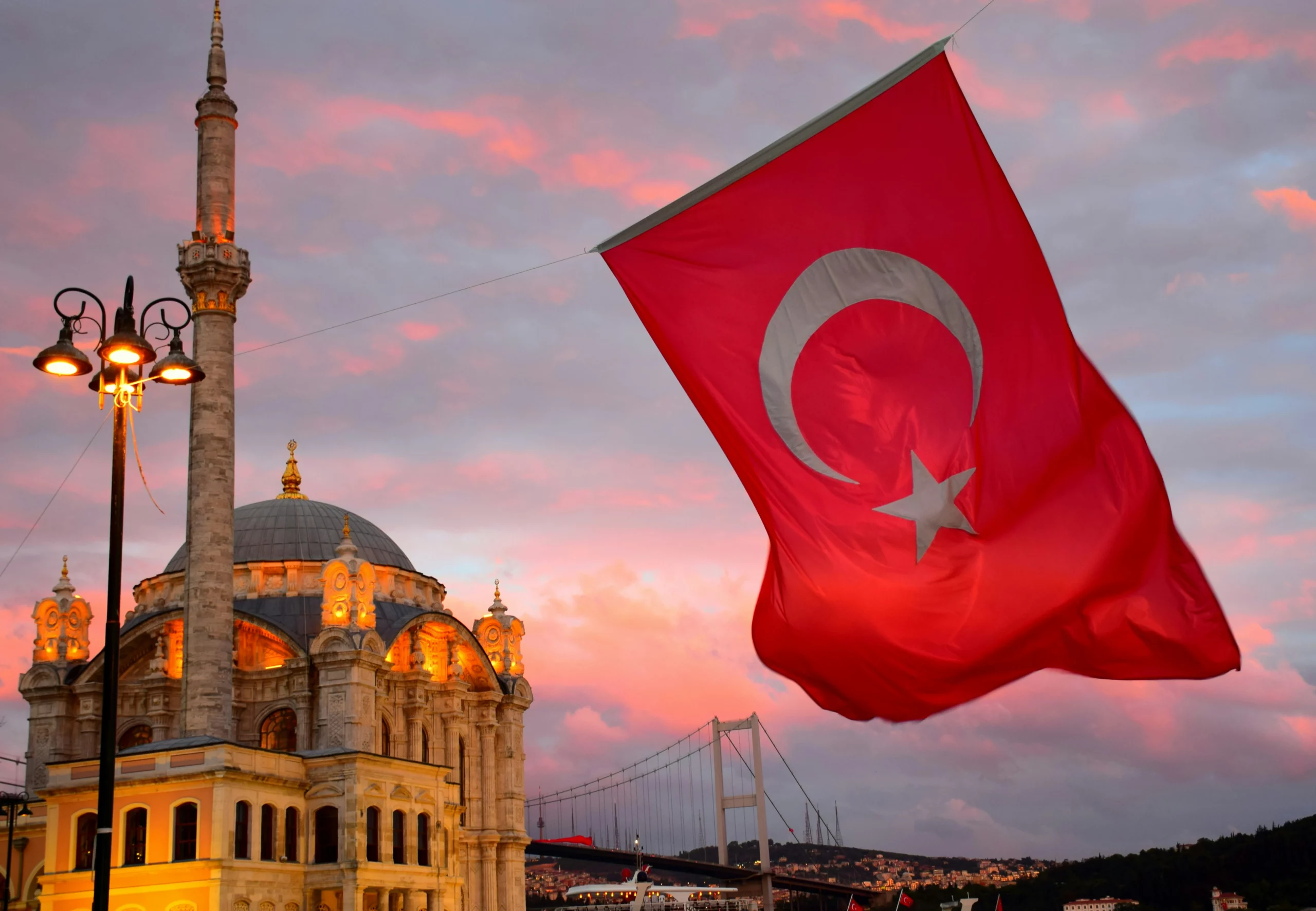
Policy committee in Turkey - News 2022

Young local leaders: time “to go beyond the simple notion of ‘youth'”


Empowerment and representation: these are the keywords defining the work of the Committee of Young European Elected Officials run by CEMR and PLATFORMA. Cemal Baş, Councillor of the Municipality of Keçiören (Turkey), spoke on behalf of this network, which is currently being rebuilt, at CEMR’s Policy Committee in Bologna (4-5 July 2022).

The network’s aspirations go “beyond the simple notion of ‘youth’, since it is above all about supporting young leaders in their becoming familiar with the major European issues and opportunities for the local and sustainable development of territories while enabling them to bring the voice of CEMR, PLATFORMA and their own local authority to international discussion forums.

Gathered in Italy for two days, CEMR’s members were able to take stock of the association’s main orientations and thematic projects. It was an opportunity to highlight for the first time the development of the Young Elected Officials Committee. Cemal Baş stressed that this “network is growing and is today giving the possibility to strengthen the voice of European local and regional governments.

After a break of several months, this group of young European leaders has been reviving since the spring 2022, in a context marked by the European Year of Youth. So much so that today, it brings together more than fifteen elected representatives under the age of 40, from the four corners of Europe: Austria, Georgia, Germany, Greece, Italy, Latvia, Malta, the Netherlands, Portugal, Romania and Turkey.

Beyond their nationality, the diversity of the members of this network is embodied in their different areas of expertise. As was pointed out to the members of the CEMR Policy Committee, “each young leader has his or her own field experience and expertise in relation to the public policies implemented in his or her area.” This is a real strength for pursuing the objectives of the Committee of Young Elected Representatives and promoting the interests of Europe’s local and regional governments at the European and global levels.

In concrete terms, recent weeks have seen João Fortes, Mayor of the Portuguese municipality of Mourão, bring the voice of European local and regional governments on youth and sustainable development to the Africities Summit organised by UCLG Africa in Kenya. Hannah-Lea Braun, elected member of Maichingen Local Council in Germany, will also participate in the UN High Level Political Forum on the Sustainable Development Goals (HLPF) in New York.

All the perspectives raised during this presentation will be at the heart of the first meeting of the Committee of Young European Elected Representatives in autumn 2022, while a spokesperson will be appointed to CEMR’s Policy Committee by the end of the year. In the meantime, the next few weeks will allow us to enlarge this network of young European local leaders, as CEMR members are invited to nominate two local elected representatives.

EU accession

European Union - News

How can we support Ukraine, Moldova and Georgia’s joining the European Union?


It was a few days after the outbreak of war by Russia: Ukraine, Moldova and Georgia each submitted an official application to join the EU. Since then, Ukraine and Moldova have been granted official candidate status to join the Union, while for Georgia, EU leaders recognised its “European perspective,” a sort of prelude to formal candidacy.

But how can these countries that are betting on a European future prepare themselves? CEMR’s members adopt a declaration on the subject at their Policy Committee meeting, on 5 July 2022.

While it is undeniable that the enlargements of 2004, 2007 and 2013 have mechanically led the EU to play a greater role in Ukrainian, Georgian and Moldovan politics, the road to membership for these countries is still long and perilous.

In this context, local and regional governments and their representative associations can contribute to bringing them closer to the EU. As affirmed in the declaration, CEMR “commits to defending a Trio holistic approach and is ready to accompany the EU accession process of Ukraine, Moldova and Georgia from a local perspective.”

For almost 25 years, CEMR, later supported by PLATFORMA, has been providing unstinting support to local governments in the EU’s eastern neighbours. As the declaration explains, CEMR’s network works continuously “to strengthen local autonomy and institutional capacity and foster multi-level governance reforms.”

In order to accompany the necessary institutional reforms and to ensure a sustainable integration process, CEMR’s members recommend “decentralised cooperation (…) to ensure a sustainable integration process.” And they specify that “peer exchanges, municipal partnerships, mentorship, study visits, twinning, seminars and training” are all levers to bring these three countries closer to the European Union.

While CEMR is ready to “continue to underpin its member associations in Georgia, Moldova and Ukraine in their contribution to the EU accession process”, let’s hope that the European institutions and the relevant authorities fully involve local and regional governments in this process in due time.

As the European Commission points out, “the reform of public administration and the decentralisation process in these three countries are essential components of the EU accession criteria.” Europe is not built from the top down. In order to create a common base, it is necessary to start from the bottom.

Europe Day 2022

European Parliament - News

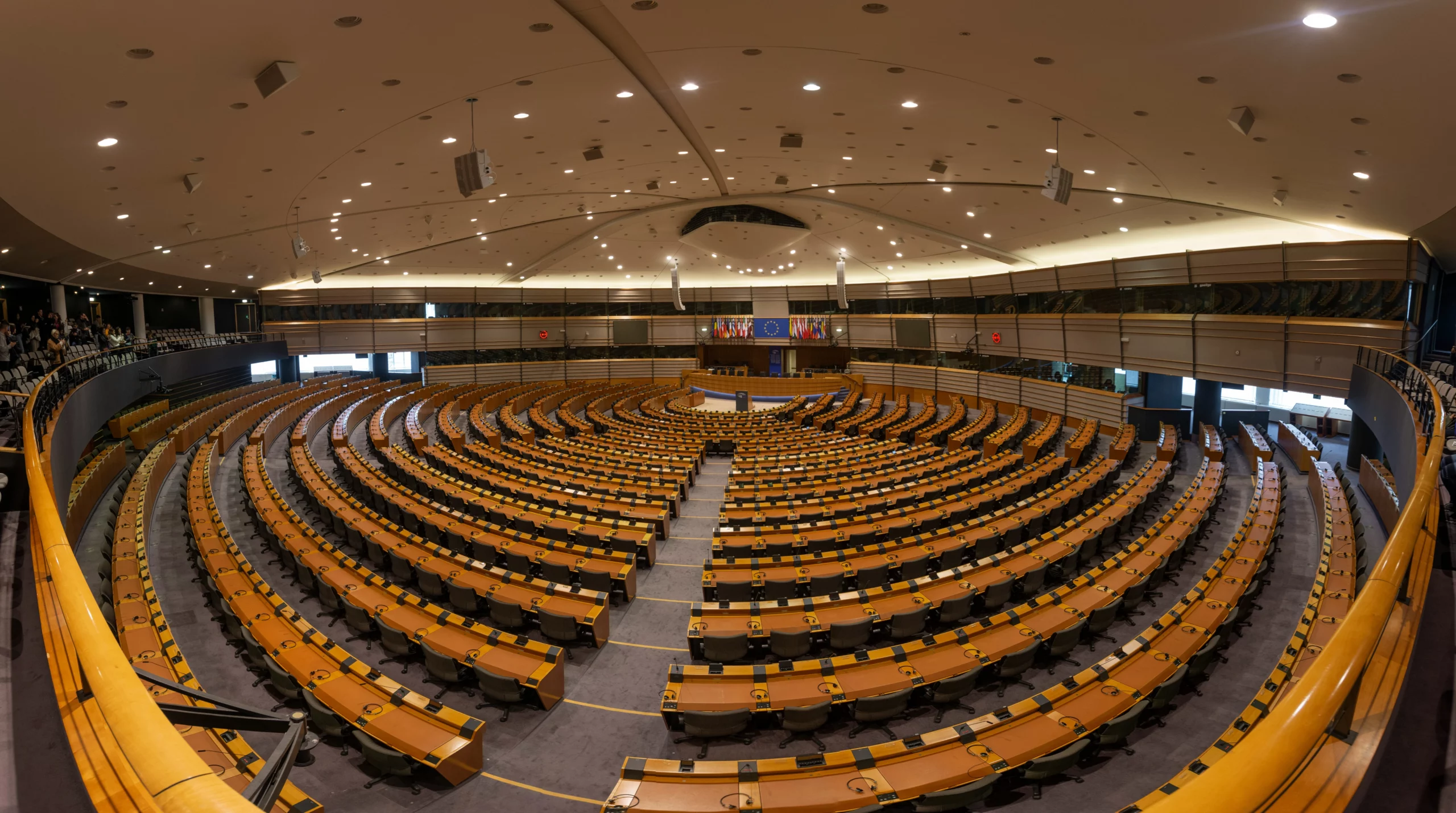
Conference on the future of Europe: What direction should Europe take?


Every 9 May, Europeans celebrate Europe Day. But this year, the celebrations take on a new meaning. Today, one year after it officially began, the Conference on the Future of Europe (CoFoE) comes to a close with 49 proposals being delivered to the presidents of the European Parliament, the Council and the Commission.

This a good time for the Council of European Municipalities and Regions (CEMR) to provide an update on this exercise in participatory democracy and to highlight certain proposals which should define the European Union’s agenda in the coming years.

“People need to take ownership of Europe”, said Manuela Bora, regional councillor for Marche (Italy) and a member of the CoFoE plenary, on 5 May at a meeting organised by our French Association (AFCCRE) and the Strasbourg Eurométropole.

“The most sensible choice, in my opinion, is to make the Conference on the Future of Europe a permanent body within which it is possible to continue to share ideas, especially the most controversial ones”, Ms Bora said. “A participatory debate between local authorities, citizens and the European institutions is the best guarantee for concrete and far-sighted results. And this is why CEMR has developed its six proposals to bring Europe closer to citizens.”

Among these, CEMR called for holding every year on 9 May “a debate on the European project, its benefits and challenges, such as how to build a decarbonised society, in every school and in every municipality and region in Europe.”

Twinning is also a powerful way to bring Europe closer to its citizens. In line with the CoFoE’s proposal of “reinforcing existing EU exchange programme”, CEMR argues for setting up a genuine Erasmus programme for local civil servants through exchanges between municipalities and regions, twinned if possible.

Another proposal promoted by CEMR: the development of European universities beyond the two Colleges of Europe and the teaching of languages such that by 2050 every European speaks at least English and two other European languages, in addition to his own mother tongue.

While ideas are not lacking, these still need to be formalised and consultation with civil society organisations and local governments needs to be made systematic. As Manuela Bora stressed: “If so much has been done in just a year, imagine what could be done in a permanent structured system! And that’s exactly the direction we need to go in.”

On the event

This event, entitled “The Future of Europe: The Vision of Local Governments”,  gathered representatives of local governments and civil society, among which were Antoine Chabal, President of the French section of the European Federalists, Philippe Laurent, the Mayor of Sceaux and the President of AFCCRE, and Jeanne Barseghian, the Mayor of Strasbourg.

Investing in Europe’s future 

Investing in Europe - News

A new EU growth model must empower local services, boost resilience and deliver sustainable investments 


The war in Ukraine and the aftermath of the COVID-19 crisis have placed Europe at a critical crossroads. These overlapping challenges are testing the strength of our democracies, economies and social fabric and call for a bold rethinking of Europe’s economic governance. 

In response, the SGIs Network, bringing together key public service stakeholders, has issued a joint declaration ahead of the Tripartite Social Summit on 23 March 2022. The message is clear: to manage the transition and strengthen the EU’s resilience, Europe must urgently shift towards a more forward-looking, inclusive and investment-oriented growth model. 

A new economic framework 
The current EU fiscal rules are no longer fit for purpose in the face of permacrisis. The declaration calls for a reformed fiscal architecture that reconciles debt sustainability with long-term, growth-enhancing investments. This includes distinguishing productive investments, such as in green infrastructure, digitalisation, healthcare and education, from unproductive spending. 

Empowering local action 
Local and regional governments are essential to achieving a green, digital and fair transition. The declaration stresses the need for their full involvement in implementing the National Recovery and Resilience Plans (NRRPs) and accessing the Next Generation EU funds. Without this multilevel approach, the EU risks missing the full potential of its recovery strategy. 

From temporary response to permanent capacity 
As the NGEU package and current EU budget cycle expire in 2026–2027, the declaration urges leaders to prepare for a longer-term fiscal and investment strategy. A permanent common fiscal capacity will be vital to address future shared challenges, from climate change to geopolitical instability, and avoid deepening inequalities between territories. 

The call from the SGIs Network is not just for more funding, but for better governance and greater solidarity. It is a reminder that investing in public services, social cohesion and local resilience is not a cost. It is the foundation of a stronger, united Europe. 

Read the declaration here 

For more information, contact: 

European social partners with Ukraine 

Ukraine people - News

Social partners offer solidarity and support in response to the Russian invasion


The European social partners for local and regional governments, CEMR and EPSU, have jointly expressed their strong condemnation of Russia’s invasion of Ukraine, calling it a grave violation of international law and a direct threat to democracy and peace in Europe. 

In a statement released through the European Social Dialogue Committee, the two organisations extended full support to the Ukrainian people, especially to workers in cities, municipalities, and local public services, who continue to serve their communities under attack. 

“Our thoughts are with first responders, emergency services workers and municipal staff who are ensuring the delivery of basic services, despite the ongoing destruction,” the statement reads. 

CEMR and EPSU pledged to mobilise both material assistance and technical expertise to support their peers in Ukraine and urged the EU and international community to provide shelter and asylum for those fleeing the war. 

As municipalities across Europe begin to welcome displaced persons, the statement also highlights the importance of supporting local migration services and coordinating with national governments to ensure dignified reception and integration. 

Read the declaration here 

For more information, contact: