Smart city strategy in Heraklion to tackle urban challenges

Smart Cities - News Section

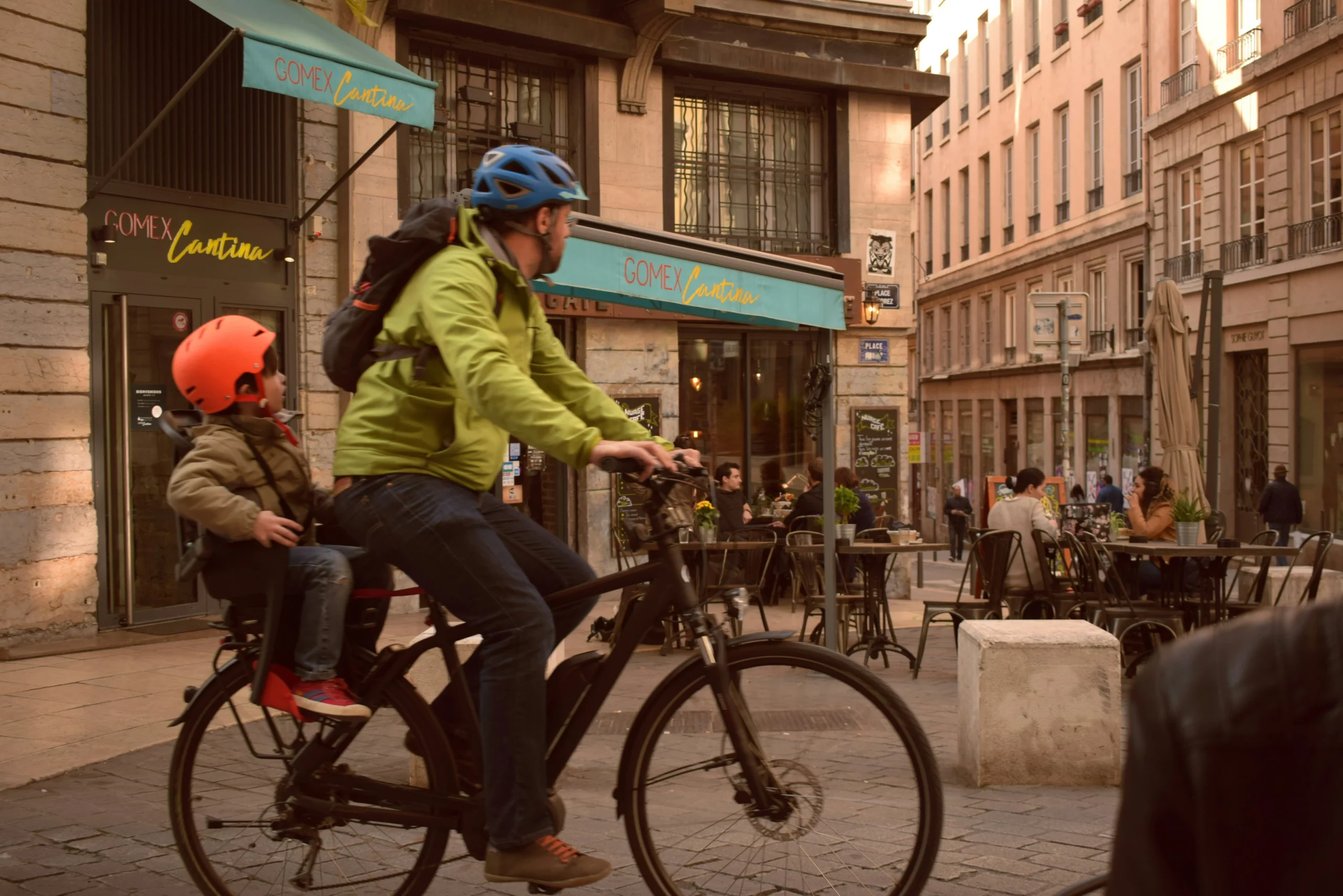
Heraklion in Greece is implementing smart city practices through interdisciplinary cooperation


The municipality of Heraklion in Greece elaborated a strategic plan among which one pillar is “Heraklion: Smart City”. This smart city strategy aims at fully achieving the potential of the city’s resources while consolidating domains in which the city has been lacking.

Heraklion’s Smart City Strategy was built using a durable and integrated approach in order to sustainably tackle urban challenges. As such, the city participates in the Covenant of Mayors for Climate and Energy. Heraklion also released its Sustainable Urban Development Plan. Approved by the city council and ratified by the Regional Government of Crete, this Plan is a project worth 14 million euros of European funding to provide for long-term sustainable urban design and development.

According to a study by the European Parliament “Mapping Smart Cities in the EU,” Heraklion performs well in three smart city axes: governance, economy and citizen participation. This contributed to a holistic approach with solutions positively affecting all stakeholders: individual citizens, businesses, communities and the whole city.

“Heraklion: Smart City” made a significant difference in the day-to-day organisation of Heraklion:

  • Broadband infrastructure has reached 100% coverage.
  • Citizens enjoy access to more than 160 e-services via the municipality’s portal.
  • Volunteer groups coordinate community outreach events to help the city.
  • The Dimoskopio, a multidisciplinary organisation whose goal is to promote entrepreneurship and innovation with the intention of improving the economic stability of Heraklion, was created.

To learn more about this and other local best practices, check out the website of URBACT, the European territorial cooperation programme which aims to promote sustainable integrated urban development in cities all over Europe.

Since 2021, the RFSC tool has been used by cities and partners of the “Global Goals for Cities” URBACT network, supporting the localisation of the SDGs across 19 European cities.

People Make the City

Cities - News Section

Storytelling as a powerful way of strengthening social cohesion by promoting mutual understanding


Mechelen. A middle-aged woman dressed in light colours sits in a public library. It seems like someone interrupted her while she was reading a book, but she does not mind. She looks straight ahead, and you immediately feel there is a story to tell behind those warm brown eyes.
This is Farida, a woman, a mother of three children, a grandmother of five, and an accountant. She speaks five languages, likes to cook and loves to read. She lives in Mechelen, but fled from Syria years ago: she is a refugee. Her picture, placed on a window near the public library in Mechelen was part of the ‘People Make the City’ exhibition and Farida’s story is just one of many in the series.

‘People Make the City’ is a storytelling project that translates residents’ experiences into public content such as street art, podcasts, exhibitions, images and texts, building a more nuanced narrative of migrants and refugees’ impact on their local neighbourhoods. These features show the diversity and the rich multi-layered identities of people living in the local community.

The people concerned can co-create the way they want to be presented because it’s up to them how they want their story to be told and where. Storytelling is a powerful way of strengthening social cohesion by promoting mutual understanding.

You can find out more about the People Make the City project and other good practices and tools on migrant integration from the OECD website.

Buddy projects

Citizenship - News

Everyone needs a buddy: fostering migrant integration in Mechelen, Belgium, through mentoring


Buddy programmes are an excellent way to integrate immigrants into a new society. A buddy is someone from the host community who spends a few hours a month with a newcomer in the city. 

There are many possibilities: a buddy can help a refugee learn a language, finish school, find a job or accommodation, or you can just hang out with them. A buddy programme is an opportunity to discover other cultures, contribute to an inclusive society and even develop lasting friendships. 

Belgian cities have many excellent examples of buddy programmes, that serve as best practices for the integration and inclusion of newcomers. In particular, the IncluCities partner city Mechelen has been running several different buddy mentoring projects. 

Mechelen started the buddy project Samen Inburgeren (Dutch for “Integrate Together”) in 2012. A native of Mechelen becomes a buddy of a newcomer in the city. They are matched on the basis of common interests and, during the pandemic, communicate via WhatsApp, Skype, Zoom or Google chat. During a six-month period, the buddies meet regularly. Together they practise Dutch, discover the city and learn about each other’s cultures.

Buddy projects can also be designed with specific activities and needs in mind. Mechelen also runs a jogging buddy project called ‘Samen Lopen’ and a school buddies project for migrant and refugee children.

Different localities can pioneer best practices that can be shared elsewhere, especially within the IncluCities network. As such, Mechelen’s buddy programme approach is replicated in Capaci, a town in Sicily, under the name “Tutti Capaci”.

Anti-rumours Project 

Diversity - News Section

Fuenlabrada, Spain, is promoting inclusion by discrediting false rumours


We tend to make up stories about people we don’t know well. An animated story, ‘It all started accidentally’ (“Todo empezó sin querer”), sets a mirror to people who spread assumptions about other people without checking the facts first. Such rumours can spread like wildfire and thus contribute to exclusion and discrimination.

This animated video has been made for children and adults alike as part of the Anti-rumours Project in Fuenlabrada, Spain. It aims to raise awareness about the negative impact of rumours. 

The Spanish city has experienced rapid population growth due to migration over the past 40 years. “Antirumours” is one of many projects in the city boosting social cohesion. The project has been running since 2013 as part of the Council of Europe’s Intercultural Cities initiative and brings together 25 cities across Spain.

The project aims to tackle discrimination and harness the potential of diversity by triggering a change in perceptions and behaviours. The objective is to identify significant rumours by collecting objective data and emotional arguments to dismantle false rumours.

It is also creating an anti-rumour network of local actors from civil society, empowering anti-rumour agents and designing a campaign to raise awareness about the damage rumours can inflict.

e-Academies

Online - News Section

From southeast Europe to central Asia: how NALAS is setting up an e-Academy in a Mongolian province


Local governments and their associations can lead international efforts to achieve sustainability. Consider the Network of Associations of Local Authorities of South-East Europe (NALAS) and its partnership with the Mongolian province of Darkhan-Uul.

With funding from the EU’s FRIENDSHIP project, NALAS is supporting the province and the efforts of its capital, Darkhan, to become a national model city for urban sustainability and livability, with a vision of becoming a “smart and green city” by 2032. But can this transition happen in practice?

One key aspect is knowledge and expertise. Since its set-up in 2004, NALAS has evolved over time into the main knowledge platform of local government affairs in south-east Europe. In particular, the NALAS e-Academy provides knowledge on topics relevant to local government professionals in the areas of investment planning, improving local services, energy efficiency, municipal finance, water management, gender equality and much more.

The idea then came of enabling Darkhan-Uul to create its own e-Academy to train its provincial and local officials. To achieve this, content and knowledge from the NALAS e-Academy will be transferred to the Mongolian province.

From reflection to reality
A Memorandum of Understanding was prepared, coordinated, and agreed upon between the project partners, including the School of Agroecology and Business, Mongolian University of Life Sciences. The document was signed during a NALAS study visit to Darkhan-Uul province in July.
In particular, the agreement aims to:

  1. Strengthen the capacities of municipal staff, elected representatives and relevant local stakeholders in governance.
  2. Transfer NALAS know-how in virtual capacity development.
  3. Contribute to the setup of an e-Academy at Darkhan-Uul Province Municipality.

The immediate next steps will be to include staff from Darkhan-Uul province and the School of Agroecology and Business in upcoming NALAS e-learning courses, identify together the courses to be transferred, include staff in developing online moderation and facilitation skills in a virtual environment and provide technical advice and support for the transfer and the initiation of activities.

During the study visit, the mayor of Darkhan City also invited NALAS to support the setting up of the Mongolian Association of Municipalities. Drawing from NALAS’ extensive experience in municipal network-building, the next steps will be defined during Darkhan-Uul officials’ upcoming visit to south-east Europe in October 2022.

Good Local Practices

Renewable Energy - News Section

Welcome to the Saerbeck climate cooperative: when locals invest in a renewable and independent energy future


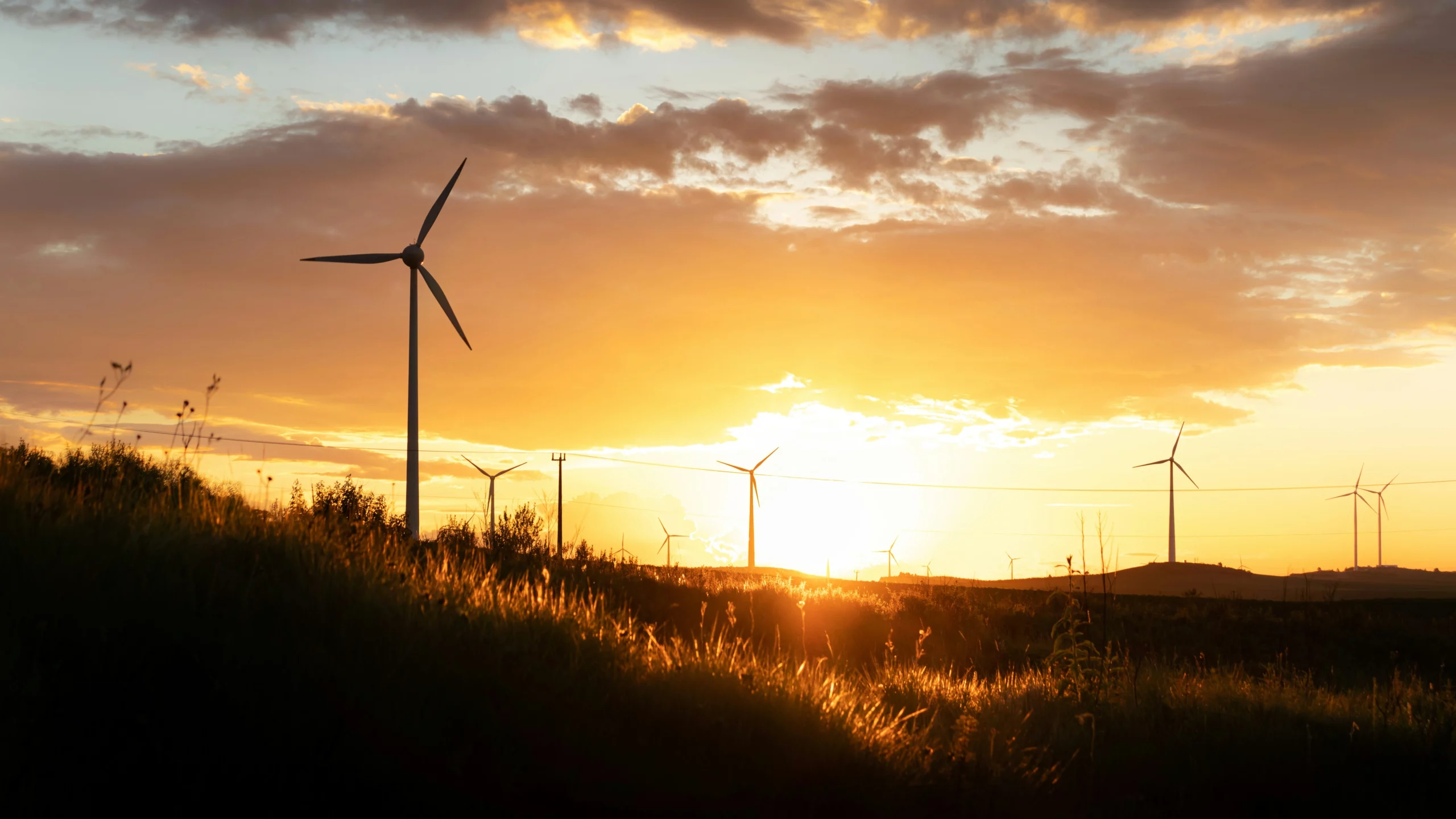
With its 7000 inhabitants, Saerbeck is a small German town with a big environmental ambition: to become an energy self-sufficient “climate community” by 2030. This will be achieved by maximising energy generation from renewable sources such as sun, wind, water and biomass as is consumed in private households and commercial enterprises.

Saerbeck has, since 2009, aimed to become the state of North-Rhine-Westphalia’s model climate municipality of the future. The municipal “climate concept” has since become part of the vocabulary of Saerbeck’s citizens and indeed all inhabitants are encouraged to participate in this effort to locally and sustainably produce all of households’ and enterprises’ energy needs.

In 2010, the municipality acquired an ammunition depot abandoned by the German armed forces. It is being transformed into an energy park with a mix of powerful photovoltaic systems, wind turbines, biogas plants and other innovative projects.

Currently, the Bioenergy Park produces about 2.5 times more renewable electricity than Saerbeck consumes. The CO2 footprint has thus been halved, although work still needs to be done to decarbonise transport and heating.

Threefold benefits: financial, environmental and educational

In the spirit of “thinking globally, acting locally”, Saerbeck’s citizens can directly participate and invest in these local energy projects through a citizens’ cooperative. As of 2020, the cooperative has turned a profit and has even distributed a dividend to its citizen-investors.

So far, almost 400 local shareholders have invested in the cooperative. Ultimately this means twice the benefit for locals: besides the local economic gains, the town is making a great contribution to global climate protection and local energy independence.

All projects are accompanied by numerous educational projects: energy transition starts in the minds.  An experimental school at the Bioenergy Park shows students from all over the world how renewable energies work in reality and what they are good for.

Utility Park

Bucharest - News

How a utility park in Bucharest is fostering sustainability and inclusion


Green spaces can be a great way to foster community feeling and biodiversity in our cities. That’s why Bucharest’s Sector 2 decided to create a utility park in the Ion Creanga neighbourhood, an area suffering from social deprivation and a lack of recreational facilities.

The utility park was designed to tackle both social and environmental challenges, in accordance with the UN Sustainable Development Goals (SDGs), and finances by the European Regional Development Fund (ERDF).

The local authorities worked in close collaboration with local communities and empowered them to have a say in their future. As such, the city hall organised a series of debates and public consultations, communicated about the project online and actively integrated local demands into the project.

The park’s creation made a huge difference in the lives of residents:

  • The neighbourhood became more liveable because low-income families and at-risk youth benefited from recreational opportunities.
  • Residents’ sense of community increased as the park allowed people from diverse backgrounds and cultures to connect, facilitated the organisation of neighbourhood activities and exposed young people to nature.
  • The quality of the environment improved with sustainable and rational management of waste, enhanced energy efficiency and decreased of air pollution.
  • The park attracted homebuyers and the value of residential property rose by 15%.

To learn more about this and other local best practices, check out the website of URBACT, the European territorial cooperation programme which aims to promote sustainable integrated urban development in cities all over Europe.

Since 2021, the RFSC tool has been used by cities and partners of the “Global Goals for Cities” URBACT network, supporting the localisation of the SDGs across 19 European cities.

Camp Sunflower

Sunflower Camp - News 2022

Ukrainian children find sun and peace in Latvian summer camp


As part of our coverage of the local and regional dimensions of Russia’s war in Ukraine, CEMR is highlighting the help given by European municipalities and regions to their Ukrainian peers. We hope these stories inspire other local and regional governments to heighten their efforts to support Ukraine.

Twenty-one children and three adults from the municipality of Nizhyn in Ukraine had an opportunity to spend unforgettable days in a summer camp in Latvia. This took place between 27 June and 6 July at a place right next to the sea – Abragciems.

This was the initiative of the municipality of Preili, which has been cooperating with Nizhyn for several years. The summer camp was organised by the Children’s Foundation in Latvia, however logistical support and transport was ensured through the successful cooperation of Preili, the Latvian Association of Local and Regional Governments (LALRG), the Viduslatgale Municipal Foundation, the Association of Ukrainian Cities (AUC), Nizhyn and 179 citizens from Latvia and abroad who have supported the initiative.

The camp was named “Sunflower” as this symbol is widely associated with Ukraine. The main aim of this camp is to let children who have seen war enjoy at least for a while Latvian sun and feel loved, safe and cared for.

The children who participated in the summer camp were aged 8 to 16. They were selected on the basis of three criteria: orphaned children, children who helped as volunteers during the war and distributed humanitarian aid to the population, and talented children (young artists).

A place of peace and healing

The group included children whose parents participated in the battles during the defence of Nizhyn, including two children whose father, an Armenian, lost both legs in the battles. The children were accompanied by three adults: Tamara Stratilat, the Head of Nizhyn volunteer headquarters, joined by Angela Timchenko, the Director of the Nizhyn Youth Centre, and Galina Bianka, the Head of the volunteer organization “Time for Us”.

During the summer camp, children participated in different activities. They were also provided with physiotherapy and classes with the possibility of using kinesiological taping and soft tissue techniques. Given the circumstances, the conversations with a psychologist were especially important.

The children not only enjoyed the sunny weather and seaside but also participated in various outdoor sports activities, cultural and musical events, as well as excursions to discover Latvia, its nature and its people. For example, they visited Rundale Castle and walked through the labyrinths of its beautiful park, enjoyed the magic and attractions of Tervete Park, as well as participated in the expedition along the sea coast. They have left Latvia back home taking with them not only nice memories but also different drawings and self-made souvenirs.

An all-weather partnership

The municipalities of Preili and Nizhyn have been cooperating for several years already, mainly organising joint activities in the creative fields, involving children and young people. Both municipalities have also actively participated in the European Days of Local Solidarity (EDLS) and development education activities organised by the LALRG and PLATFORMA.

The cooperation was not put on a break even during the COVID crisis, when children from Nizhyn together with children from Latvia and Georgia participated in the creation of a music and art video. Nor cooperation stop during the war.

LALRG and PLATFORMA hope that this initiative has not only brought joy into the lives of Nizhyn’s children and their parents but would also serve as an inspiration for others to continue the cooperation, even during these times, when this is not easily done!

This story was first published by PLATFORMA.

Solidarity with Ukraine

Ukraine flag - News section

Bridges of Trust partner-municipalities, Ukmergė and Korosten, meet in person for the first time


As part of our coverage of the local and regional dimensions of Russia’s war in Ukraine, CEMR is highlighting the help given by European municipalities and regions to their Ukrainian peers. We hope these stories inspire other local and regional governments to heighten their efforts to support Ukraine.

On 27-29 May 2022, a delegation from Korosten traveled to Lithuania to visit their Bridges of Trust partner-municipality Ukmergè, on the occasion of the City Festival for the first time.

The two partner-municipalities first met online in October 2021, in the framework of the Bridges of Trust project, implemented by the CEMR, PLATFORMA and supported by the U-LEAD with Europe programme. If study visits and internships were planned for spring and summer, the war changed this. At the same time, the difficult situation in Ukraine and in Korosten brought the two partners closer.  Ukmergė was among the first to send humanitarian aid to the people and internally displaced in Korosten. In April, the two municipalities also signed a partnership agreement.

In order to thank Ukmergė for their support, the delegation from Korosten travelled 1020 km. The delegation included: Natalia Chizhevska, deputy mayor, Volodymyr Stuzhuk, head of the Economic Department, Mykola Zayets, head of the Health Department and Leonid Yakubovsky, head of the Communal service agency.

Deputy mayor, Natalia Chuzevska, shared her impressions from the visit:

During the visit, the delegation also visited different educational and medical institutions and they hoped to be able to bring some of the best practices from Ukmergė to Korosten. This will be especially important in the reconstruction of some of the buildings that have been destroyed or damaged by Russian shelling.  

Last but not least, the delegation from Korosten met other twin-cities of Ukmergė: Bad Langensalza – Germany, Kiskunmajsa – Hungary, Līvāni – Latvia and Tarnowo Podgórne – Poland.

The cooperation continues and this Lithuanian-Ukrainian partnership is an excellent example and testament to the importance of international municipal cooperation.  

Festival of solidarity

Lithuanian municipality celebrates its Ukrainian peer and paves the way for greater cooperation


This was in early June, under a bright spring sun,  a delegation from Novohuyvinske visited Lazdijai district municipality on the occasion of “Cross border fiesta 2022” and held working meetings on cooperation with their future twin town.

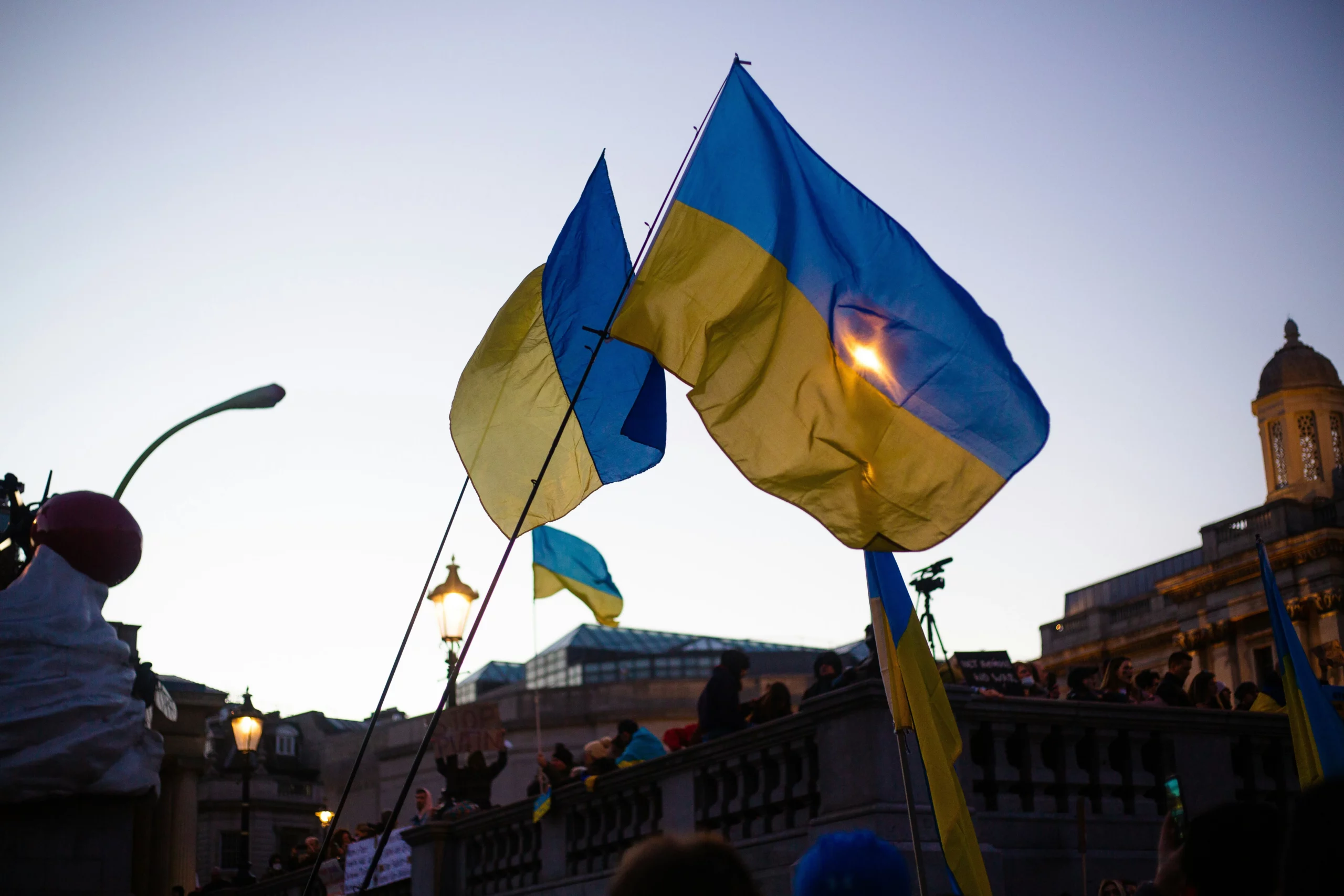
During this year’s festival, solidarity with Ukraine was strongly emphasized. Not only did Lazdijai invite their Ukrainian partner municipalities, Novohuyvinske and Baranivka, to join them for these special days, the official procession was also dominated by the Ukrainian flags.

Tetiana Parfentiieva, Deputy Mayor of Novohuyvinske shared a few thoughts on the visit: “We felt a great support from our Lithuanian friends and appreciate that they provide shelter to our refugees. We have also exchanged best practices. In the Museum of Soviet Occupation, we got a glimpse of how they work with national memory. We visited an equestrian school, educational and cultural institutions, and learned about the tourist sector and its potential.”

Lazdijai district municipality was very quick to respond to the appeal for help in April and provided humanitarian aid to Novohuyvinske in the form of clothes, medicines, non-perishable foods and hygiene products.

Representatives of Novohuyvinske brought with them a photo exhibition about the destruction of Zhytomyr, a region west of Kyiv, by Russian bombs. The exhibition took place in the Cultural Center of Lazdijai district and was open to the public. Eleven foreign delegations were also able to see the photos.

One of the unexpected results of the visit was establishing contact with the Estonian town of Tõrva. After participating in the events of Lazdijai, representatives from Tõrva paid a visit to Novohuyvinske. They also took the photo exhibition with them to Estonia in order to bring even public attention to the destruction and the necessity to support Ukrainian municipalities during this difficult time.

The next step in the cooperation between Novohuyvinske and Lazdijai district will be a signature of a cooperation agreement in August. Following three online meetings, this visit has brought the partners closer together and paved the way for great cooperation between the two communities in areas such as local development, environmental protection and historical heritage.

The two partner municipalities first met in the fall of 2021, in the framework of the Bridges of Trust project, implemented by the CEMR, PLATFORMA and supported by the U-LEAD with Europe programme.