
Uncertainty amidst recovery 

Recovery - News 2022

Over a year into the pandemic, local governments are still missing long-term support


Local and regional finances are under pressure due to the consequences of the COVID-19 crisis: spikes in pandemic-related spending were paired with falls in revenue. More than a year after the coronavirus was declared, local and regional governments still lack long-term support from national governments.

This is revealed by the latest edition of the CEMR analysis of COVID-19’s impact on local and regional finances. The study draws on data from 18 local and regional government associations in 15 countries*, shedding light on recent trends in territorial finances. 

The situation in Europe’s towns, cities and regions is critical. “The scissor effect caused major problems for many : less income coming in, more expenditure going out. Not an ideal state of affairs!” said Flo Clucas, Councillor for Cheltenham (UK) and CEMR spokesperson on local finances. “What has become clear is that national governments must work with local and regional governments if lessons learned are to be better understood and applied.”

How COVID-19 led to increases in local and regional expenses

Absolute estimates of local and regional governments’ additional expenditures in 2020 range from €5 million to €10 billion depending on the country in question.

Most of the expenses were related to social care (housing, childcare and poverty alleviation), the purchase of protective equipment and enforcement of safety measures,  or additional support to local businesses, associations and cultural institutions. 

The decline in income due to lockdowns severely impacted local and regional finances. This was principally due to loss of local businesses taxes and fees, but also due to the decline in tourism.    However, these losses vary significantly according to countries’ local finance system – such as whether local governments depend primarily on own taxation or allocations from national taxes – and each territory’s economic profile.

What support from national governments?

National support to local governments ranged from additional transfer of resources to coverage of extra expenses (e.g., purchase of masks, protective equipment, etc.) or flexibility in procedures. According to CEMR’s survey, this represented an average of €2.9 billion in short-term support in each country. 60% of respondents declared that national support remains insufficient to compensate the budgetary deficits in the long run. 

Since the real impact of the COVID-19 crisis is likely to be revealed in the medium to long term, it is crucial that central governments regularly exchange with national associations of local and regional governments to anticipate the long-term economic and social effects.

In this respect, national recovery and resilience plans represent an opportunity to boost local and regional capacities to invest and deliver on their essential mission to their citizens. This is why we at CEMR call on national governments to fully involve cities, towns and regions in the implementation and assessment of national recovery plans.

At the EU level, the assessment of local and regional involvement must be a priority in the Commission’s mid-term review of the recovery plans in 2022 if it wants to make the green and digital transitions a reality on the ground.

*Austria (GEMEINDEBUND, STAEDTEBUND), Belgium (VVSG), Czech Republic (SMOCR), Denmark (LGDK), Estonia (ELVL), Finland (Association of Finnish Local and Regional Authorities), Germany (DST, DStGB), Luxembourg (SYVICOL), Netherlands (VNG), Portugal (ANMP), Serbia (SKGO), Slovenia (ZMOS), Spain (FEMP), Sweden (SALAR/SKR), United Kingdom (LGA, COSLA), Network of Associations of Local Authorities of South East Europe (NALAS).

Local green recovery in Europe 

Climate - News

Discover our infographic and key messages for COP26


After much delay and uncertainty to due to COVID crisis, it’s finally happening: the 26th UN summit on climate change (COP26) is taking place in Glasgow, Scotland, from 31 October to 12 November.

On this occasion, CEMR has prepared an infographic on “Ensuring a local green recovery in Europe: 5 key facts for local implementation of the Paris Agreement”. The visual vividly shows why tackling climate change is a human and environmental necessity and why local and regional action are critical to successfully shift to sustainability.

Do not hesitate to share this infographic far and wide! Please contact us if you would like to localise the infographic in your own language.

Key messages to achieve carbon-neutral territories

We have also prepared 6 key messages as the core of our advocacy on behalf of local and regional governments at the COP26 summit. These messages are:

  1. The Paris Agreement needs to be delivered now covering both mitigation and adaptation at all levels.
  2. Local and regional leadership and action are key to strengthening work at international level within UNFCCC and in collaboration with global partners.
  3. Providing appropriate regulatory frameworks, financial and technical resources is essential for the implementation of Local and Regional Governments’ climate action.
  4. The localisation and territorialisation of the Sustainable Development Goals are fundamental to have a positive impact on the ground.
  5. Climate justice and social equity need to go hand in hand to combat climate change inequalities efficiently.
  6. Resilience and recovery should be the opportunity focus to guide society out of the pandemic crisis.

For more detailed information, discover our position paper: “Ready for COP: Key messages for local led implementation of the Paris Agreement”.

CEMR and PLATFORM at the COP

Discover the list of events at which CEMR and PLATFORMA representatives will be speaking.

Bridges of Trust

Ukraine people - News

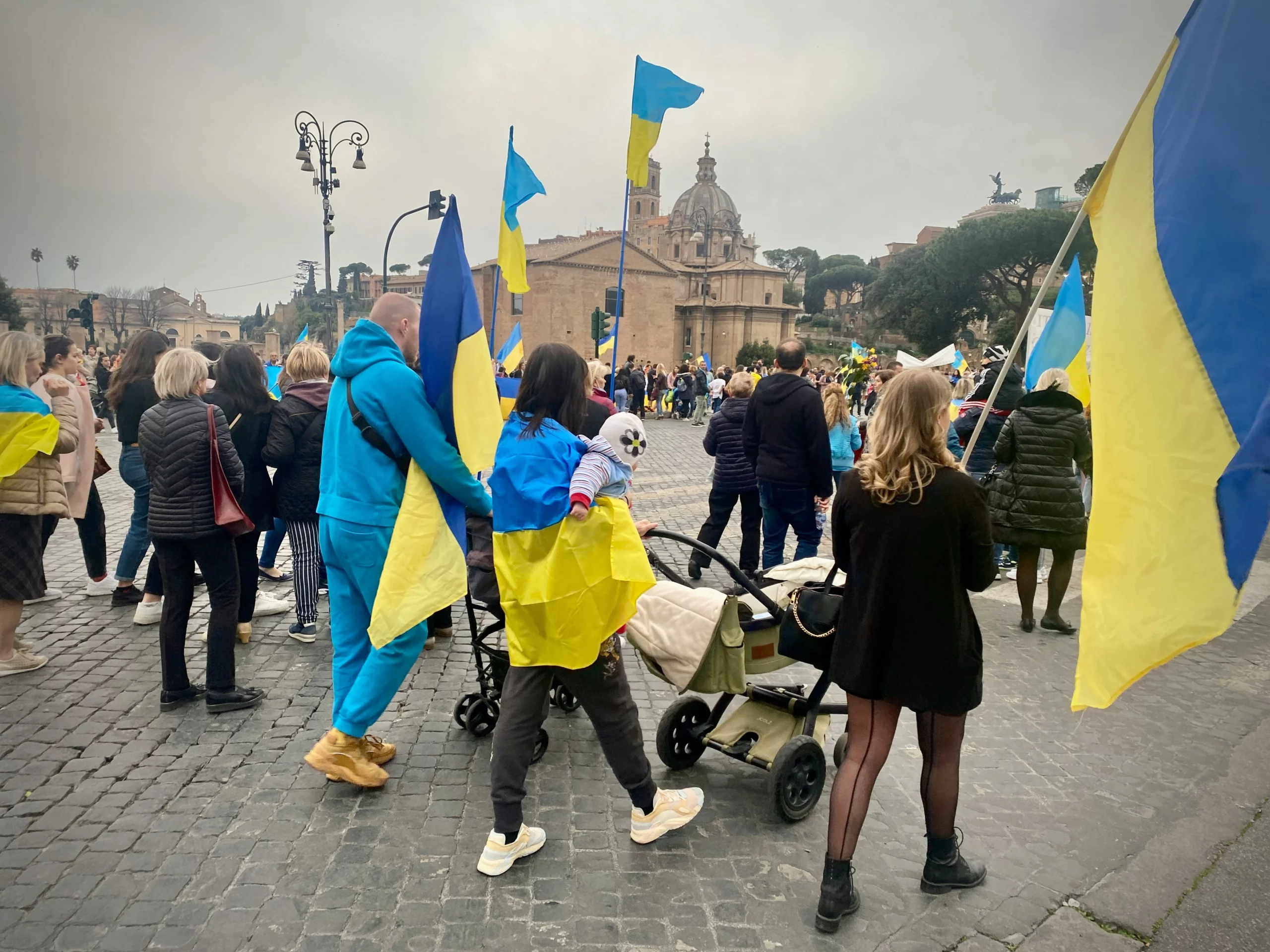
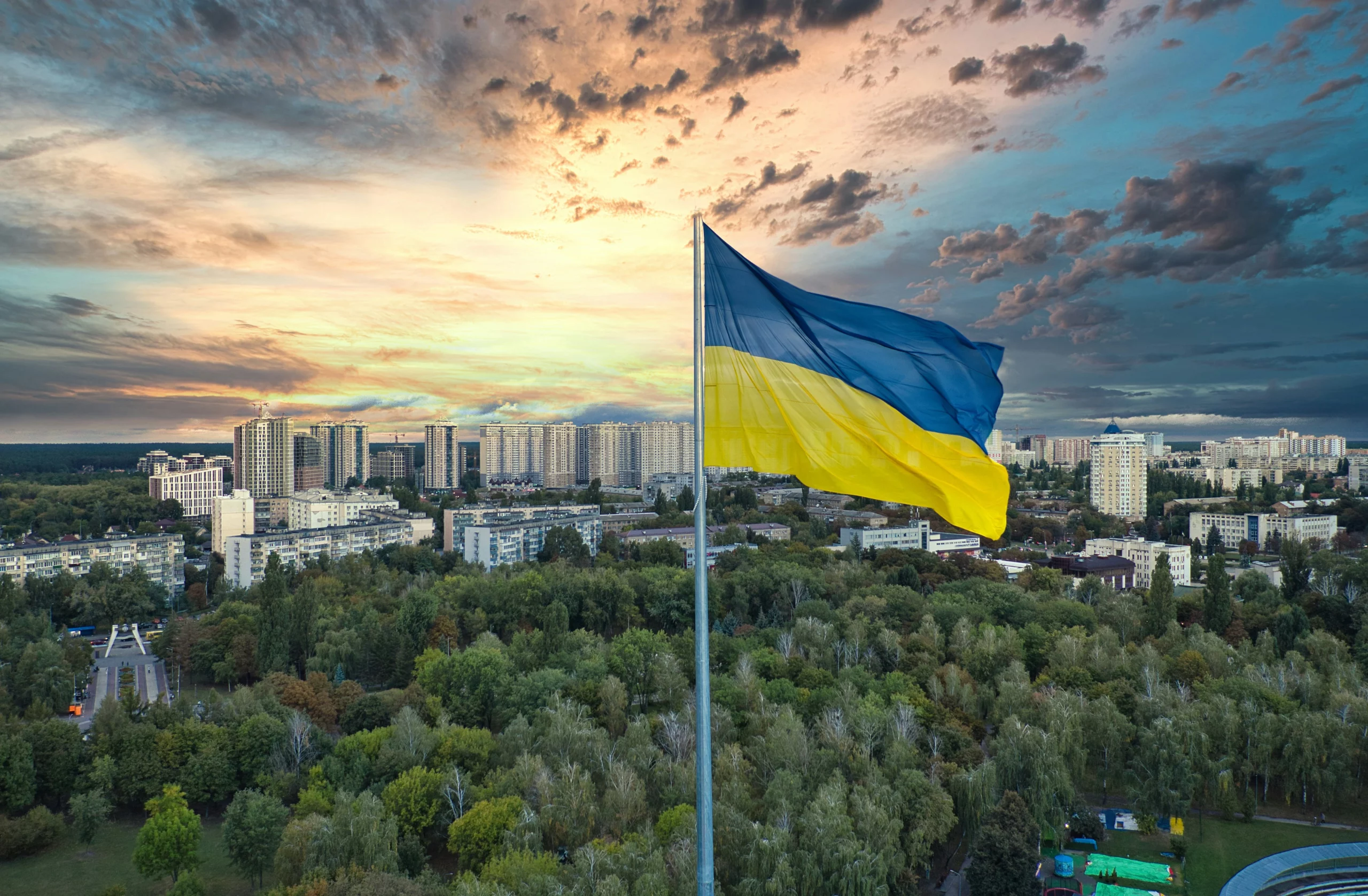
How cooperation opens up opportunities for small Ukrainian and Lithuanian cities


What brings closer two cities, one Ukrainian, the other Lithuanian, separated by 700 km? Some will say their similar demographics or town size. Others will put forward their common urban challenges and opportunities.

This is precisely what the “Bridges of Trust” project is heading at: to increasing cooperation and exchange of best practices, knowledge and skills between municipalities in Ukraine and the EU.

On 22 October 2021, a first exchange between Korosten (Ukraine) and Ukmergė (Lithuania) took place online. Earlier, the two municipalities expressed interest to establish a new partnership in the framework of the project.

During this first meeting, the partners presented their respective municipalities and discussed possible areas of cooperation. Speakers on either side noted with great interest how similar the two communities are, for example, in terms of key business sectors (e.g. woodworking), interest in green tourism, culture and even some joint challenges (e.g. ageing of the population, migration of the young people, investments).

Energy efficiency and rising gas prices, waste management, investments and business attractiveness, digitalization of public services, are just some of the topics that were discussed during this first exchange.

The exchanges will continue to take place online during the next months. In spring 2022, it is planned that representatives of Korosten will visit Ukmergė to learn more about its successful projects and to see what aspects of these projects can be taken, adapted and integrated to the local realities in Korosten.  

As correctly pointed out by the mayor of Ukmergė, Rolandas Janickas, it is always better to see something once, and Ukmergė is looking forward to welcome Ukrainian colleagues next year.

About the “Bridges of Trust” project

The project is implemented by the Council of European Municipalities and Regions and PLATFORMA, and is funded by the U-LEAD with Europe programme, a multi-donor action of the European Union and its member states Germany, Poland, Sweden, Denmark, Estonia and Slovenia.

EU Week of Regions and Cities

Inclucities Interview - News 2022

How the Covenant Community is blazing trails for the green transition


The recent European Week of Regions and Cities 2021 was the occasion to highlight how local governments and their associations are pioneering new ways of fighting against climate change.

The Covenant of Mayors Europe Office and the European Committee of the Regions (CoR) highlighted such local climate action during their workshop “The Covenant Community: a trailblazer for the green transition”, heldon 13 October 2021.

The event was the moment to bring together the Covenant Community of Coordinators, Supporters and National Ambassadors from the CoR to demonstrate how the Covenant of Mayors’ model of cooperation between levels of government works in practice to accelerate the green transition.

The event notably presented the Covenant report “Multi-Level Governance in (Climate) Action – Co-creating policy solutions to tackle climate change”, which makes recommendations for cooperation and highlights examples of how the Community has worked on climate change mitigation, adaptation and energy povery.

Committing and cooperating for net zero

Julije Domac, member of the Covenant of Mayors Political Board and Director of the North-West Croatia Energy Agency (REGEA), opened the event highlighting that “2021 marks new ambitions, new targets, a new Covenant, and indeed, one shared vision: By 2050, all European citizens will be living in climate-neutral, decarbonised and resilient cities with access to affordable, secure and clean energy.”

On behalf of the National Ambassadors, Kata Tutto, Vice Mayor of Budapest and Covenant Ambassador for Hungary, stressed the close cooperation between the Covenant of Mayors and the CoR: “It’s a natural cooperation. The role of the national ambassadors is to help the process, promote and reinforce the Covenant in their own EU Member States, in cooperation with the Covenant of Mayors Office and the European Commission.”

95% of Flemish municipalities to join the Covenant

Local and regional government associations also share their perspectives as CEMR members and Covenant Supporters. During a session on multi-level climate actionMarteen Tavernier of the Association of Flemish Cities and Municipalities (VVSG) presented the Flemish Climate Pact, an idea launched two years ago by the association and developed with the Flemish government.

One of the requirements to participate in the Flemish Climate Pact is to also be a Covenant Signatory. “We think we will end up with more than 95% of local authorities participating in both the Climate Pact and the Covenant of Mayors”, Marteen Tavernier said. The Pact covers both climate change adaptation and mitigation.

Wide-ranging support for local action in Finland

We learned about the Finnish and Latvian contexts during the session on local adaptation to climate change. Pauliina Jalonen of the Finnish Association of Local and Regional Authorities (Kuntaliitto) highlighted that two-thirds of Finnish municipalities have a climate target and 130 out of 309 have a carbon neutrality target.

The Finnish Association is providing concrete and practical support such as by piloting a climate leadership coaching programme for mayors to undertake local climate work, reinforcing knowledge by producing a guide on climate adaptation for municipalities and advocating at national level for funding for climate-proof infrastructure. “The impacts of climate change are happening already,” said Pauliina Jalonen. “So adaptation needs to take place today.

“No regrets” for Latvian municipalities

Agita Kaupuza outlined the actions being taken by the Latvian Association of Local and Regional Governments (LALRG) to support local climate mitigation. LALRG works with municipalities to choose the “no regrets option”, which can feature work on coastal areas, notably erosion prevention, or inland areas. The Association helps showcase and share best practices of local adaptation actions, on issues ranging from urban regeneration in topics that cover from regeneration to water management.

You can also consult the recording of the event.

The Covenant of Mayors campaign for achieving a climate-neutral Europe by 2050 is at full speed. More and more municipalities are renewing their commitments and joining the world’s largest movement for local climate and energy action. As a CEMR member, if you want to organise national events to promote the Covenant and provide capacitybuilding support to municipalities in your country reach out to Pedro Bizarro.

Local finances hit by COVID-19

MFF and COVID recovery - News 2020

CEMR report reveals rising costs and falling revenues for local and regional governments during the pandemic, threatening public services and investments


As the COVID-19 pandemic swept through Europe, local and regional governments (LRGs) were on the frontlines, maintaining public services, managing emergency measures, and supporting vulnerable communities. A new analysis by the Council of European Municipalities and Regions (CEMR) sheds light on how this essential work came at a high financial cost, creating long-lasting challenges for municipalities and regions across Europe.

Based on a survey conducted among 40 national associations in 15 countries, the CEMR report highlights what it calls a “scissor effect”: rising local expenditure paired with declining revenue. While towns and regions had to invest in health, social care, education, and digital tools to respond to the crisis, income from taxes, public service fees, and tourism sharply declined.

Some countries, such as Sweden and Estonia, offered significant support to help offset these financial shocks. Others, including Portugal, provided little to no compensation. The situation varied widely, revealing major disparities in how LRGs were supported at the national level.

The report also underscores the challenges LRGs faced in accessing EU support due to limited consultation, legal constraints, or complex procedures. Despite some flexibility under EU fiscal rules, many authorities remain uncertain about their mid- and long-term financial stability. The risk: cuts to investment in essential areas like climate action, digitalisation, housing, and public transport.

CEMR calls for a long-term rethink of how LRGs are financed and included in national and EU recovery plans. Municipalities and regions have proven their capacity to lead in times of crisis. To continue doing so, they need clear legal frameworks, financial autonomy, and a real partnership with national and European institutions.

The report is a clear reminder: Europe’s recovery depends on strong, resilient local and regional governments. Equipping them today is the key to building a more sustainable, inclusive, and future-proof tomorrow.

Read the study here 

For more information, contact: 

National Distinction in Moldova

Moldova - News Section

NALAS President receives the highest national distinction – Order of the Republic of Moldova


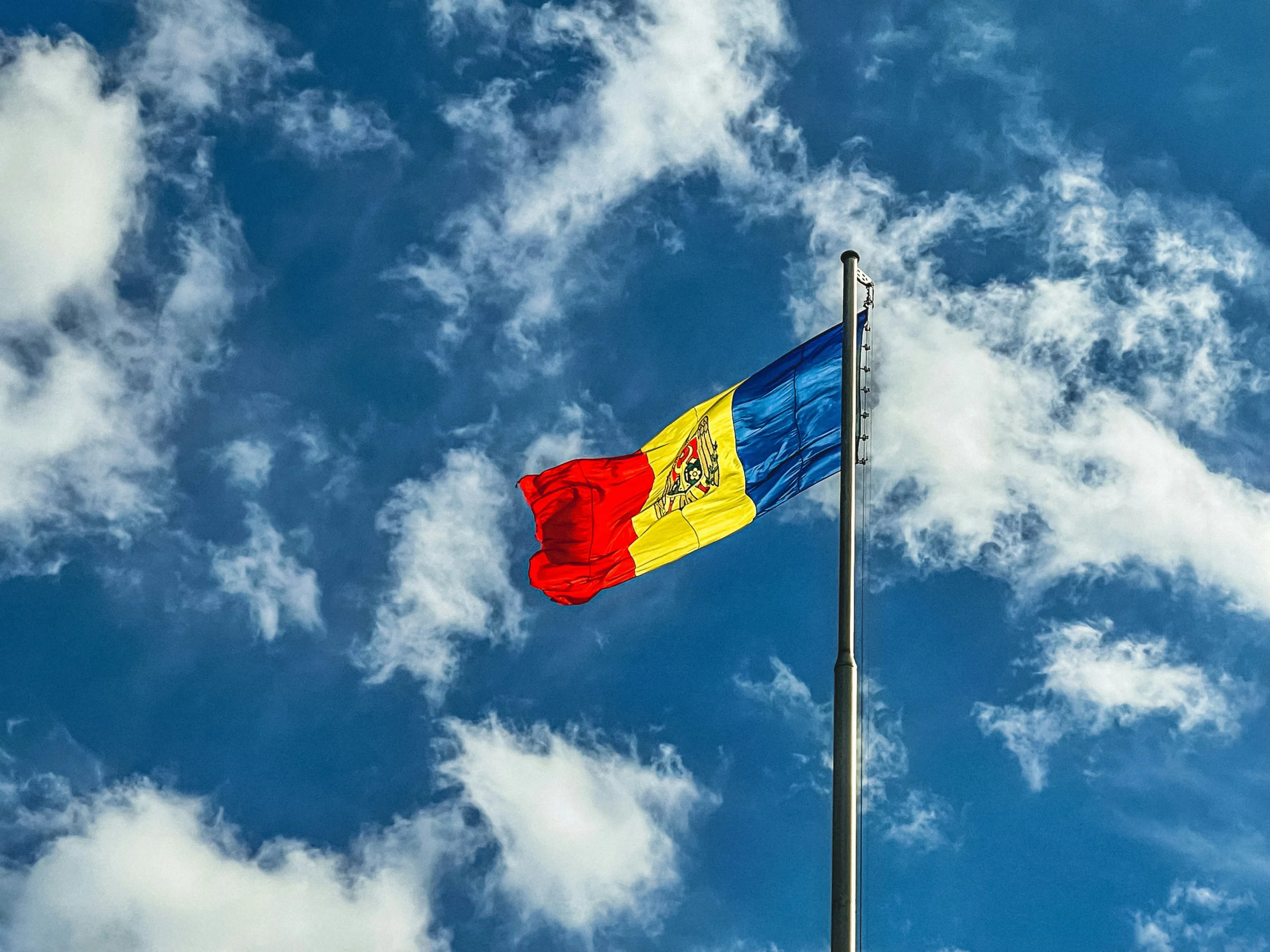
Tatiana Badan, Mayor of Selemet (Moldova), President of the Congress of Local Authorities from Moldova (CALM) and President of the Network of Associations of Local Authorities of South-East Europe (NALAS), was awarded with the highest distinction of Moldova, the Order of the Republic, on 15 October 2021.

This distinction was presented by Moldovan President Maia Sandu “as a sign of high appreciation of special merits to the state, for substantial contribution to asserting interests and promoting the image of the Republic of Moldova in the world, for outstanding professional success, for civic initiative and active participation in advancing reforms”. 

This Prize was handed to Ms Badan on the occasion of the 30th anniversary since the proclamation of the independence of the Republic of Moldova. She has over 28 years of experience in local public administration, serves as a mayor for more than 18 years, in 5 mandates

NALAS is a network of associations of local authorities of South East Europe. The Network brings together 14 associations which represent roughly 9000 local authorities, directly elected by more than 80 million citizens of this region. CALM promotes the interests and rights of local authorities in Moldova. It was established in 2010 and is a member of the CEMR since 2013. 

Future of Europe 

Future of Europe - News 2021

Cities call on Conference on the Future of Europe to promote a more participative, green and inclusive EU democracy


At the event “Cities fostering democracy in the European Union: Urban perspectives for the Conference on the Future of Europe”, co-organised by the European Committee of the Regions, Eurocities and the Council of European Municipalities and Regions (CEMR), local and regional leaders set out their expectations for the Conference on the Future of Europe, and shared their experiences on strengthening local democracy. Examples of innovative participative exercises, green projects, digital services to citizens or integration of communities were discussed. The event led to the adoption of conclusions which will feed the Conference on the future of Europe.

Apostolos Tzitzikostas (EL/EPP), President of the European Committee of the Regions and Governor of the Greek Region of Central Macedonia, said: “When we say “citizen” in English, “citoyen” in French, “cittadino” in Italian, or “πολίτης” in Greek, the root word is always the “city”. Cities and democracy are inseparable. That’s where democracy was born, at the grassroots level. Cities are the closest level to democracy, the place where the best democratic practices stand out and the carriers of democracy. Citizens want to engage, and it is our duty to create the right tools. This is why I strongly believe that cities are true laboratories for enriching, modernising and strengthening democracy. “

Dario Nardella, President of EUROCITIES and Mayor of Florence said: “As new Eurocities research shows, almost all of our cities have established forms of participatory democracy, and many of us are experimenting with innovative practices on a daily basis. As cities, we believe that the Conference on the Future of Europe should lead to the creation of a European Participation strategy. Europe should use the momentum of the Conference to continue the exercise of participatory democracy. It should lead to a new way of working with cities and citizens, bringing Europe closer to people.”

Christoph Schnaudigel, Co-President of the Council of European Municipalities and Regions (CEMR) and President of the County of Karlsruhe, said: ” The local and regional level, the level of government closest to citizens, can be the conduit for ordinary people to speak directly with EU officials. Citizens need better representation towards the EU institutions. This could be done through an EU permanent mechanism for structured dialogue with citizens through regional and local authorities’ representatives.”

The CoR, Eurocities and CEMR agreed a number of conclusions that will feed the Conference on the future of Europe’s digital platform

1. The Conference on the Future of Europe offers an opportunity to promote innovative ways of involving citizens in the functioning of the European Union and developing a European Participation Strategy. Deliberative and participatory practices, such as participative municipal budgeting and the co-management of public spaces, which are used to strengthen our values-based European strengthening democracy, should be further promoted and reflected, including at EU level. We believe an EU permanent mechanism for structured dialogue with citizens through regional and local authorities’ representatives should be established. This mechanism would 1) enable cities to work with citizens on European issues that impact them directly, 2) enable European policy makers to design policies adapted to cities and supported by citizens, 3) allow citizens to be part of a policy process that ultimately affects their daily lives. The following policy issues with a strong urban and territorial relevance and contribution could fall under such a dialogue:

2. Cities of all sizes are at the heart of the green transition, as they are responsible for 70-80% of world emissions. At the same time, local and regional authorities implement 70% of climate mitigation measures and 90% of climate adaptation policies. Cities and municipalities therefore need to be recognised as protagonists of the green transition towards climate neutrality, including through regular exchange of ideas or best practices, stronger involvement in programme design and implementation and EU financial support, including for capacity-building.

3. Cities and municipalities are pioneers in the digital transformation by virtue of developing and implementing innovative and integrated solutions for citizens and communities. An acceleration in the deployment of broadband infrastructure and capacity-building at the local level is needed to overcome the “double digital divide” of unequal access and digital illiteracy. In addition, many online platforms have a considerable impact at the local level – such as urban and regional transport, housing, tourist accommodation and the delivery of public services, which needs to be considered in European approaches to tackling issues.

4. Cities and municipalities are facing and have already overcome many challenges to foster social cohesion, build inclusive societies and promote diversity. European and national strategies for social integration, addressing notably gender equality, demographic change, disabilities and the integration of migrants, therefore need to fully involve cities and municipalities in sharing their experience and suitable policy tools. Ensuring their direct and timely access to EU funding is key to enabling them to fulfil their role as social “integrators”.

5. The New Leipzig Charter, building on the transformative power of cities for the common good, the renewed Urban Agenda for the EU and the Territorial Agenda 2030 should enable cities and municipalities to participate in the design of the relevant European policies and act as a benchmark for the practical implementation of EU policies in all Member States. They must enable EU institutions, Member States, cities and municipalities to connect via a policy platform to support the EU New Green Deal and its roll-out through the different policies anchored at the urban and local level.

Muni World 2021

Muni World - News 2021

Take part in Muni World 2021, a hybrid event focusing on smart cities


The Federation of Local Authorities in Israel, Masham, invites you to its annual event, MUNI WORLD 2021. Taking place from 19 to 21 October 2021, this hybrid event will focus on areas pertaining to smart cities innovation, environmental issues, approaches to urban planning or transportation.

The event’s highlights will be the international MUNIEXPO exhibition dedicated to urban innovation and smart cities and the MUNIWORLD Conference focusing this year on the threats of urban terrorism on smart cities. 

Online live tours will be available throughout the event for registered participants. The tours will be conducted in English and will convey what is happening in the exhibitions at those moments. To register, click here. More information is available here

Aslo discover MUNI WORLD is this 37” video. 

Building partnerships with Ukraine

Ukraine partnership - News

Key factors for successful and sustainable partnerships between Ukrainian and EU local governments 


Ukrainian municipalities have a long tradition of international cooperation, especially with their counterparts in European Union (EU) member states. Today, this cooperation is more relevant than ever. Municipalities seek to improve local services, modernise administration, attract investment, and promote tourism and culture by learning from and working with EU partners. 

At the same time, establishing meaningful partnerships is not straightforward. Many municipalities, particularly those with limited international experience and resources, face challenges in sustaining long-term cooperation. To respond to this need, the Bridges of Trust initiative was launched to support exchange, promote best practices, and help local governments in Ukraine and the EU build effective partnerships. 

Mapping cooperation 

Ukraine’s decentralisation reform, launched in 2014, created 1,469 consolidated territorial communities, strengthening local governance and budgets. This has enabled municipalities to take greater responsibility for international engagement. Reports by the European Commission and the European Parliament have recognised Ukraine’s decentralisation as a success story, while also stressing the need to safeguard its achievements through constitutional reform. 

Success factors in municipal cooperation 

Drawing on decades of European experience with twinning and decentralised cooperation, several factors emerge as critical to success

  • Careful partner selection, ensuring shared interests and commitment. 
  • Clear partnership strategies with defined objectives. 
  • Sustainable planning and dedicated support structures (e.g. steering committees). 
  • Joint financing and access to external funding. 
  • Active involvement of schools, youth, and citizens to broaden visibility. 
  • Political leadership and motivated staff, supported by international departments. 
  • A strong European dimension to reinforce unity and common identity. 

Challenges facing Ukrainian municipalities 

Despite progress, obstacles remain. Studies of cooperation with Polish and other EU municipalities highlight recurring issues: 

  • Partnerships that exist only on paper, with little or no joint activity. 
  • Limited staff capacity, foreign language barriers, and a lack of experience in managing international projects. 
  • Insufficient awareness among citizens of the benefits of cooperation. 
  • Irregular contacts and a lack of strategic alignment between partners. 
  • Funding shortages for travel, exchanges, and project implementation. 

The COVID-19 pandemic has created both challenges and opportunities. While some partnerships stalled due to travel restrictions, others adapted by embracing online platforms. Virtual exchanges, such as U-LEAD’s study visits and the Bridges of Trust online forums, demonstrated how digital tools can sustain and even intensify cooperation. 

Looking ahead 

Above all, motivation and leadership remain the decisive factors. As Ukrainian officials note, training and case studies are valuable, but without committed local leaders and engaged staff, partnerships cannot thrive. Conversely, municipalities with strong motivation but little experience can quickly grow if supported with targeted training, funding, and practical guidance. 

International municipal cooperation is not simply an instrument of solidarity: it is a strategic investment in Ukraine’s recovery, resilience, and European future. By learning from each other, municipalities in Ukraine and the EU can build sustainable partnerships that deliver tangible results for their communities and strengthen the foundations of a common European identity. 

Read the study here 

For more information, contact: 

Fit for 55

Climate - News

What the EU’s mammoth climate and energy package means for local governments


If the European Green Deal set general objectives for a more sustainable and eventually carbon-neutral Europe, the Fit for 55 package presented earlier this year outlines the legislative measures to achieve this. This analysis highlights a few of the package’s major proposals: energy efficiency, alternative fuel infrastructure and forests.

European Commission President Ursula von der Leyen put the attainment of climate neutrality by 2050 at the core of her political agenda with the adoption of the Green Deal a few months after taking office in 2019. The intermediary target of reducing emissions by at least 55% by 2030 is enshrined in the Climate Law adopted in early 2021.

Published ahead of the COP26 climate summit in Glasgow in November, the Fit for 55 package contains 13 legislative and non-legislative proposals[1]. These aim to raise the ambitions of several EU policies in the fields of climate, energy, environment, buildings, forests and transport, while ensuring a socially fair transition.

The creation of an EU Social Climate Fund  has been proposed as part of the revision of the EU emissions trading system (EU ETS). The ETS reform will extend emissions trading to cover the building and road transport sectors. Emissions from these sectors will not be covered by the existing EU ETS, but by a new, separate emissions trading system. The Social Climate Fund is meant to address the social impacts that would arise from the new system.

Energy efficient buildings: 3% renovation target is excessive

The Commission proposes to amend the Energy Efficiency Directive to require EU countries to collectively ensure an additional reduction of energy consumption of 9% by 2030 compared to the objectives set for 2020.

A key element for the public sector – including local and regional governments – is a requirement to achieve an annual energy consumption reduction of 1.7% and to renovate each year at least 3% of the total floor area of buildings owned by all levels of public administration.

CEMR is concerned about this obligation as presented. A certain level of flexibility should be applied insofar as emission reductions are proven. Many  public buildings are older or even historic buildings, and therefore a uniform 3% annual renovation target would be too onerous for local and regional governments.

Alternative fuel instracture: coordination needed between all levels of government

A revised directive will set a number of mandatory national targets for the deployment of infrastructure so road vehicles can use alternative fuels, such as electricity, hydrogen or natural gas. It is crucial that Member States engage with municipalities and regions to ensure that the measures implemented by different governance levels reinforce and leverage impact.

The transition to alternative fuels also requires strong technical resources and capacity. Local and regional governments need technical expertise, enabling measures for joint public procurement and adequate financial support to make this transition a reality.

Forests: 3 billion trees to be planted by 2030

Within the new EU Forest Strategy, the European Commission aims to improve the quantity and quality of forests. Acting as carbon sinks, forests contribute to reducing emissions and are essential to maintaining biodiversity. The Commission is notably calling for a strict protection of remaining EU primary and ancient forests (today estimated at 3% of the EU’s territory). In addition, the EU wants 3 billion additional trees to be planted by 2030.

The strategy has been under discussion for some time with a wide range of stakeholders, including local and regional representatives. They call for sustainable forest management with a balance between three pillars: environment, social and economy.

Next steps

The Fit for 55 package has a strong territorial dimension given that a wide range of actions to attenuate or mitigate climate change are taking place at local or regional level. Moreover, climate change disproportionately affects certain vulnerable territories and populations.

While the majority of the proposals do not directly target local and regional governments, they will have a significant impact on them. This is why the local and regional level needs appropriate resources to comply with the legislation and cannot be left unsupported. The local and regional perspective must be well reflected in the legislative proposals going forward.

The CEMR Secretariat will closely follow the negotiations in the Parliament and the Council for the most relevant proposals, notably on energy efficiency, renewables, buildings and transport.


[1] The proposals include revisions and amendments to existing legislation:

  • Revision of the EU Emissions Trading System (ETS)
  • Revision of the Regulation on LULUCF and Effort Sharing Regulation
  • Amendment of the Renewable Energy Directive
  • Amendment of the Energy Efficiency Directive
  • Revision of the Energy Tax Directive
  • Revision of the Directive on the deployment of alternative fuels infrastructure
  • Revision of the Regulation setting CO2 emission performance standards for cars

New proposals:

  • Carbon Border Adjustment Mechanism (CBAM)
  • Social Climate Fund
  • New EU Forest Strategy

And future proposals:

  • Revision of the energy performance of Buildings Directive
  • Revision of the Third Energy Package for gas