Is the European Semester important?

EU Semester - News 2024

Top level decision – Local consequences
The European Semester explained


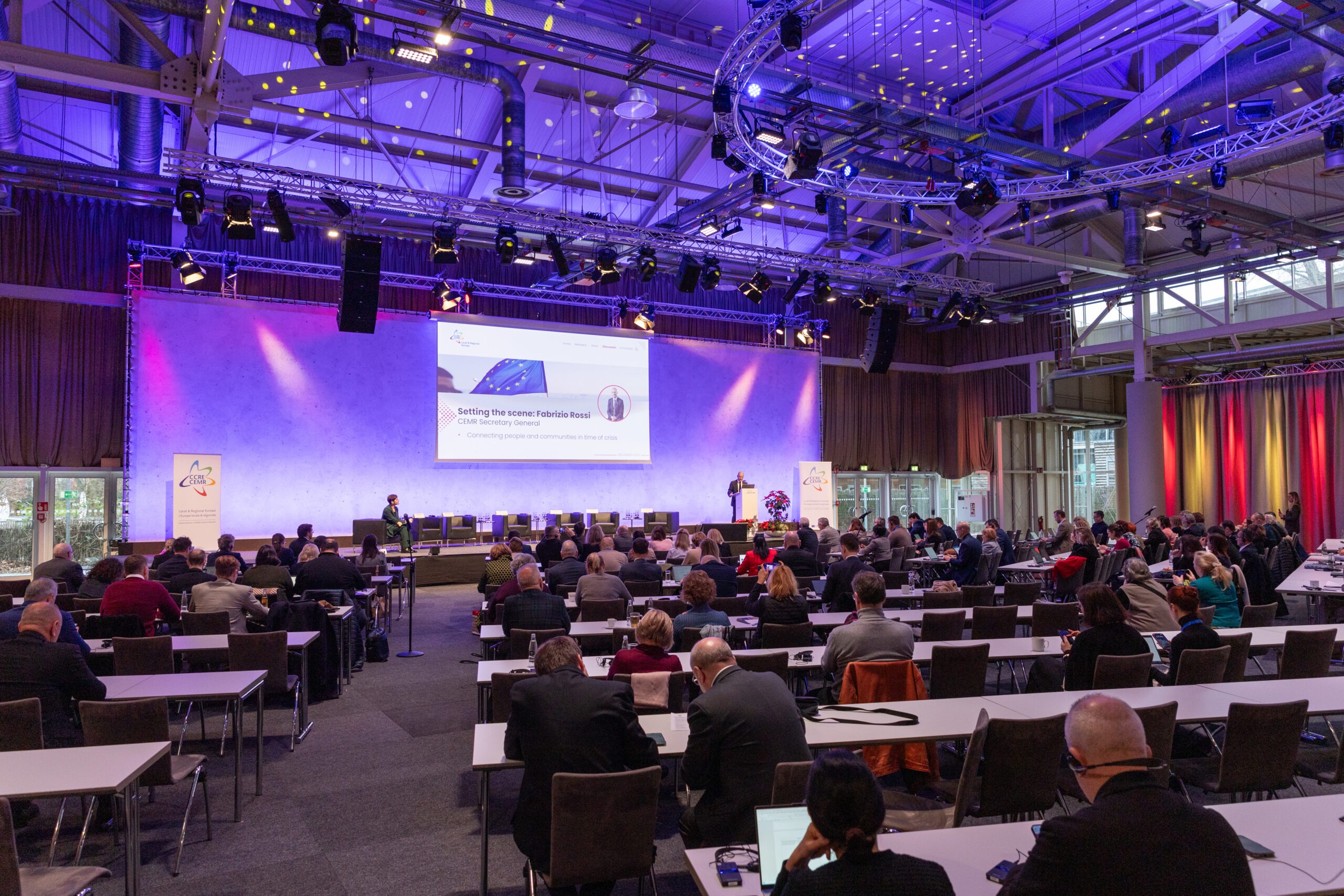
Just as the EU Commissioners were officially starting their new mandate – which includes the responsibility to put forward by mid-2025 a proposal for the next EU long-term budget -, CEMR was releasing a timely publication in view of the “cash for reforms” debate: “Top level decision – local consequences: The European Semester explained”.

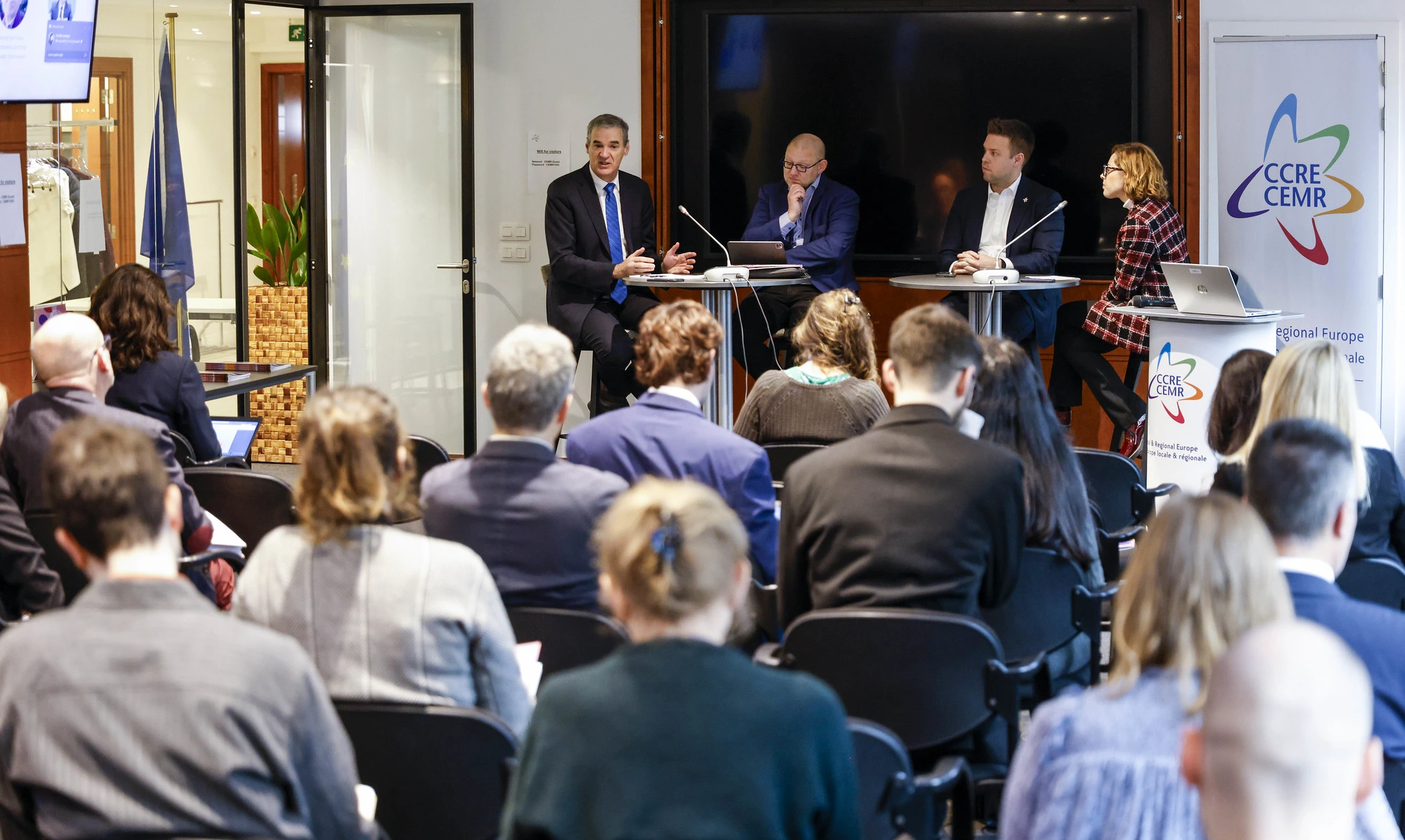
The release event organised on 2nd December attracted participants from several institutions: European CommissionEuropean Parliament, Permanent Representations of Member States to the EU, in addition to CEMR own members and representatives of cities and regions in Brussels.
On this occasion, CEMR’s Secretariat presented the publication which aims at informing local and regional governments about the functioning and process of the European Semester, how it has evolved over the year and how it is likely to become the next overarching policy coordination framework of the EU.

The study also includes some case studies demonstrating that most of the recommendations included in the EU Semester Country Specific Recommendations have either a direct or indirect impact on local and regional governments. This impact can be on their budget and investment possibilities: the study recalls that subnational finance is included in the national government budget deficit and expenditure efforts monitored by the EU Semester. But it also reveals that some recommendations touch upon areas of competences of local and regional governments in different Member States.

For instance, in Germany, subnational public administrations are the ones targeted by the 2024 Country Specific Recommendation (CSR) to speed up the digitalisation of public administration. For Spain, the 2024 CSRs call for improving water management where water supply is a competence of local governments. In the Netherlands, urban planning and (social) housing is a shared competence between municipalities and national governments, who are therefore both concerned with the recommendation to ensure the affordability and availability of housing.

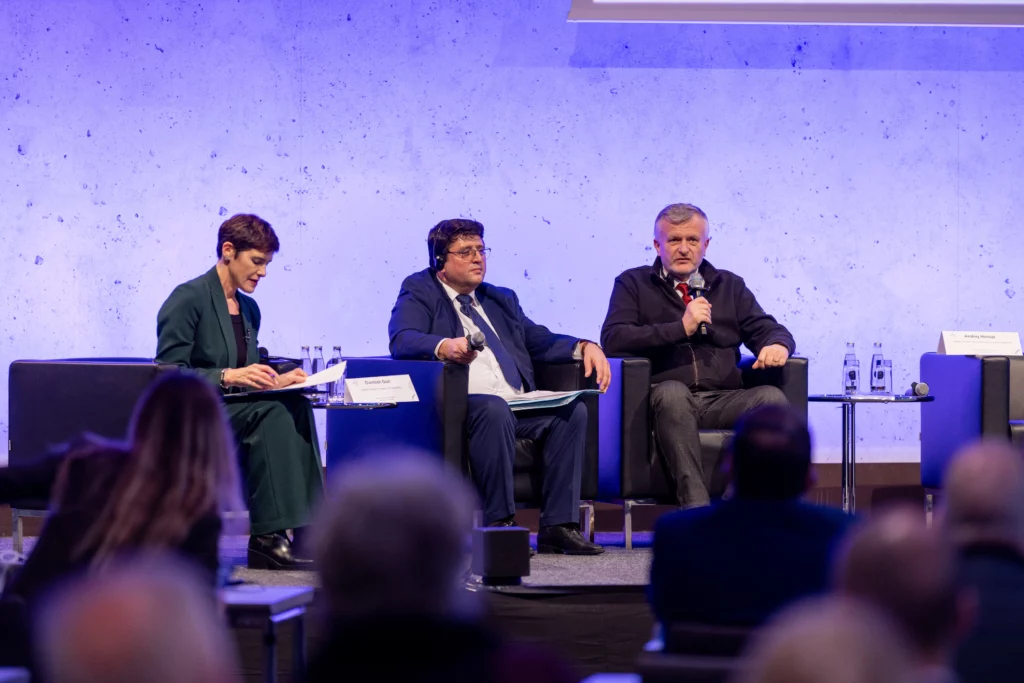
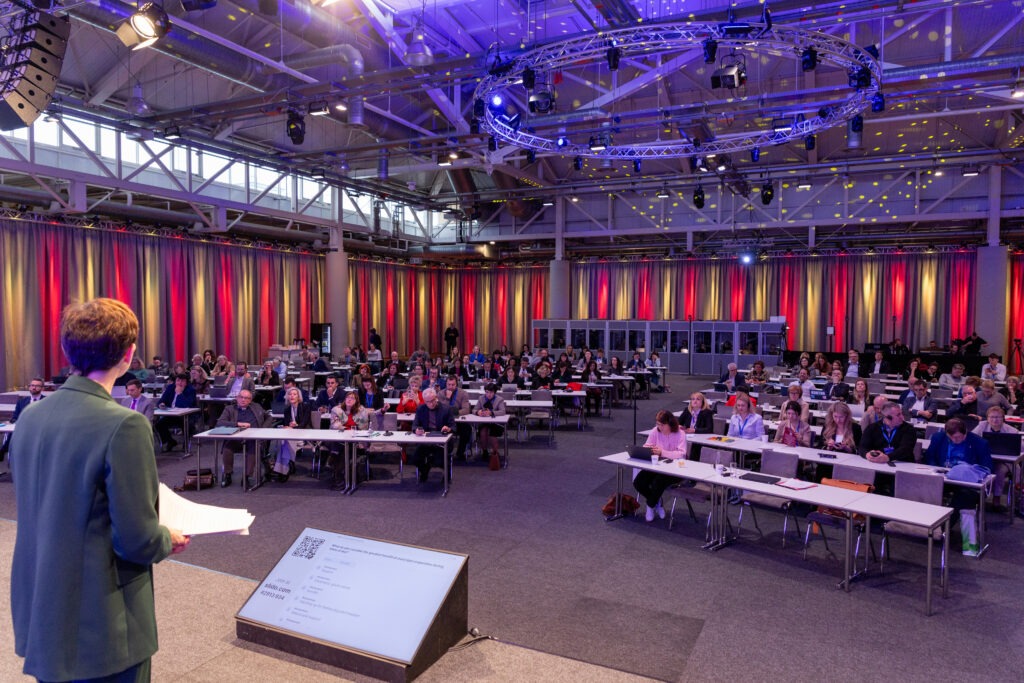
The event allowed for a multi-level discussion between Joao Nogueira, Head of Unit for Policy coordination at the DG ECFIN of the European Commission, Thomas Prorok, Managing Director at KDZ – Centre for Public Administration Research in Austria, and Michael Schmitz, Deputy Head of the Brussels Office of the German County Association (DLT) who debated on the impact and (lack of) involvement of local and regional governments in the European Semester. The speakers were all invited to react to the recommendations included in the CEMR study, which created a lively discussion and also engaged participants in the room.

This report will be an important piece for CEMR and all representatives of local and regional governments in the coming months to build the narrative on the importance of involving subnational governments in the decisions on investments and reform priorities to be financed by the EU instruments.

Read the study here

For more information, contact:

Bridges of Trust Community

Bridges of Trust Community - News 2024

Towards Building the Bridges of Trust Community 


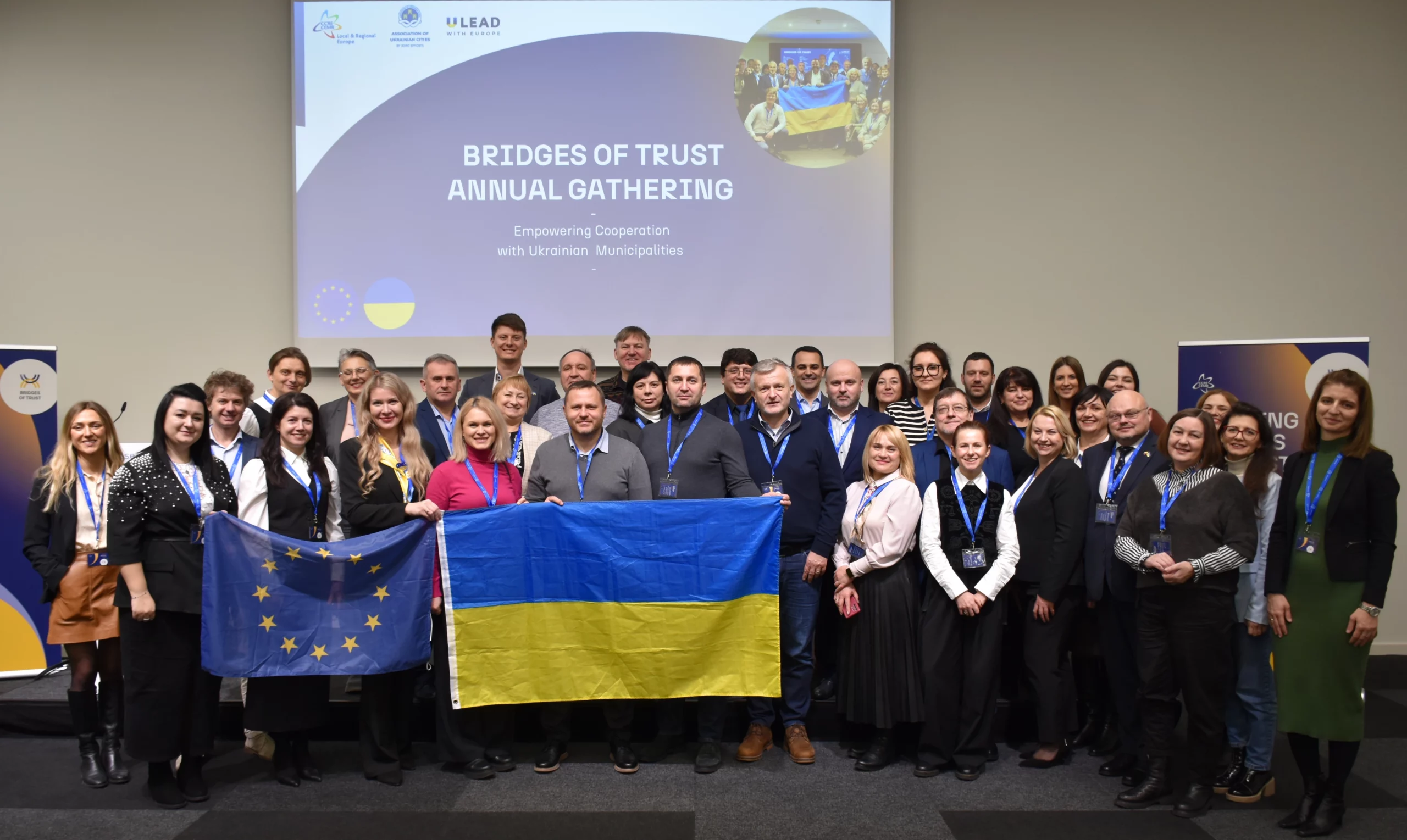
At the recent Bridges of Trust Annual Gathering*, held alongside the CEMR Leaders’ Summit, a significant step forward was announced with the launch of the Bridges of Trust Community. This new phase marks a transition from bilateral partnerships between EU and Ukrainian municipalities to a cohesive, long-term framework for collaboration. The goal is to deepen existing connections, mobilise continued support in creating new partnerships, and build a lasting network of cooperation to support Ukraine’s recovery and its path toward EU integration. As part of this effort, CEMR is committed to strengthening the spirit of cooperation and ensuring that every Ukrainian municipality is paired with an EU partner, in line with the objectives of the Ukraine Recovery Conference 2024 in Berlin. The creation of these partnerships will be facilitated by the newly launched Matchmaking Platform
 
In the framework of the Bridges of Trust project, a survey was recently carried out to assess the effectiveness of the partnerships and identify areas for further development. In fact, the survey was conducted with participating municipalities across 8 European countries: Poland, Latvia, Hungary, Spain, Slovenia, the Czech Republic, France, and Sweden revealing a promising picture of these evolving partnerships. With 80% of the partnerships demonstrating moderate to high levels of interaction, and 67% having formal agreements in place, these collaborations are already making a significant contribution to a resilient, united Europe. This data underscores the potential of the Bridges of Trust Community as a dynamic, long-term platform for cooperation, one that will grow and adapt to the needs of both Ukraine and the EU local governments in the years ahead.  

Focus Areas of Cooperation:  

  1. The majority of municipalities are engaged in Youth, Cultural and Educational initiatives. Municipalities such as Kuldīga (Latvia), Bourges (France), Mińsk Mazowiecki (Poland), Tyresö (Sweden), and Budakeszi (Hungary) are emphasising the importance of cultural diplomacy, youth policy, and educational initiatives. 
  1. More than half of the municipalities are actively involved in energy efficiency and modernisation efforts. Municipalities such as Česká Třebová (Czech Republic), Budakeszi (Hungary), Puconci (Slovenia) and La Rochelle (France) have prioritised climate action, collaborating on green energy projects, energy efficiency improvements, and sustainable urban development. 
  1. A significant number of municipalities are also focused on emergency and humanitarian support. Bourges (France) and Sieradz (Poland) have led efforts in providing emergency aid, while others like Mińsk Mazowiecki (Poland) and Budakeszi (Hungary) have contributed to relief efforts for displaced populations and emergency infrastructure repairs. This includes essential supplies, housing for displaced persons, and rapid infrastructure repairs to ensure the basic functioning of Ukrainian municipalities during the crisis.  
  1. Almost half of the municipalities are engaged in governance and capacity-building activities. Such as Radzymin (Poland), Kuldīga Municipality (Latvia), Gulbene (Latvia), Puconci (Slovenia), are committed to strengthening local governance systems. This includes capacity-building efforts focused on crisis management, rebuilding governance structures, and ensuring municipalities can effectively manage their recovery processes. 
  1. Over a third of municipalities are active in the economic and business sectors. San Sebastián (Spain), Sieradz (Poland), Puconci (Slovenia), Gulbene (Latvia), and Kuldīga (Latvia), along with other municipalities, have focused on fostering economic ties, supporting local businesses, and creating collaborative opportunities for cross-border trade and entrepreneurship. 

Achievements:  

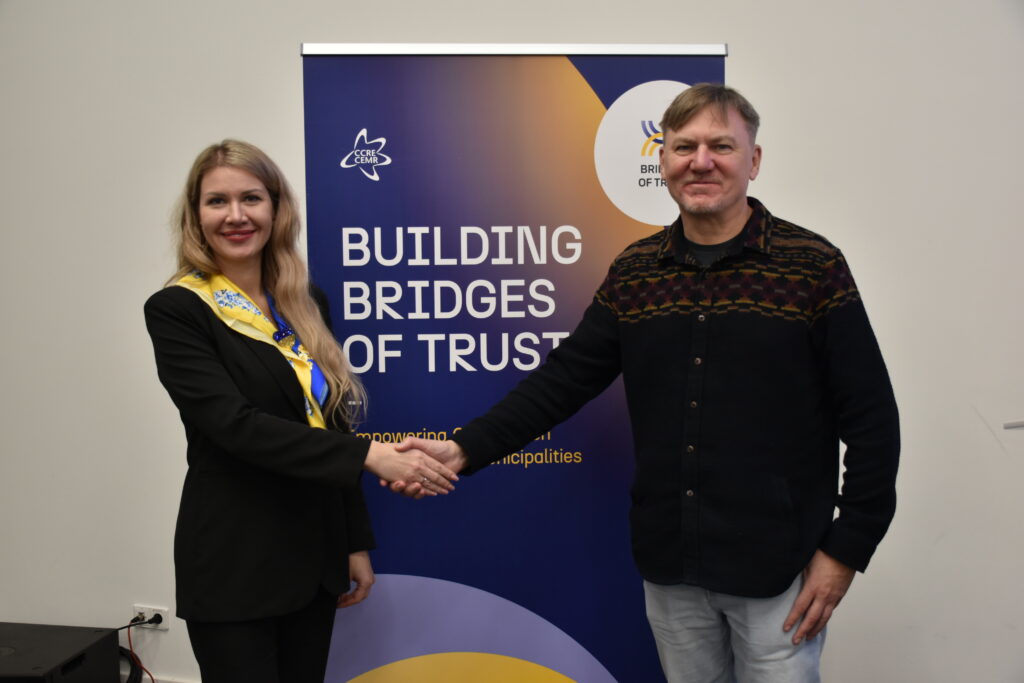
  • Formal Agreement: Half of the municipalities have formalised their partnerships with Ukrainian counterparts through Memorandums of Understanding or cooperation agreements, while another 40% are in the process of doing so. Beyond the survey results, a new cooperation agreement was signed at the Bridges of Trust Annual Gathering by Mayor Saulius Margis of Pakruojis (Lithuania) and Mayor Alla Myronova of Inhulka (Ukraine).  
  • Crisis Response: Several municipalities, such as Bourges and Korosten, provided emergency assistance during the early stages of the war. 
  • Knowledge Sharing: Peer-to-peer learning and exchange of best practices were cited as significant successes by more than half of the participants. 

 
While the difficulties in accessing funds and the ongoing Russian war against Ukraine were identified as significant challenges – an encouraging trend emerges: nearly 80% of partner municipalities have already planned or are in the process of planning activities for the next six months. This demonstrates a strong commitment to maintaining and expanding their cooperation despite the obstacles, highlighting the resilience and determination of local governments to foster meaningful partnerships and drive impactful initiatives even in complex contexts. 

The survey results reflect a shared commitment to facing both immediate challenges and long-term goals. In the months and years ahead, the Bridges of Trust Community will be essential in fostering the ongoing exchange of knowledge, support, and innovation between EU and Ukrainian municipalities, reinforcing the collective effort to support Ukraine’s recovery on the path to EU membership. 

*Since 2021, the Council of European Municipalities and Regions (CEMR), in partnership with the Association of Ukrainian Cities (AUC) and EU national associations, has been implementing the Bridges of Trust project. Supported by U-LEAD with Europe, this fosters connections between EU and Ukrainian municipalities to tackle pressing challenges, including reconstruction, recovery, and institutional modernisation.  

Local leaders at the World Urban Forum

WuF 2024 - News

World Urban Forum 12 in Cairo: Local governments driving sustainable urban transformation 


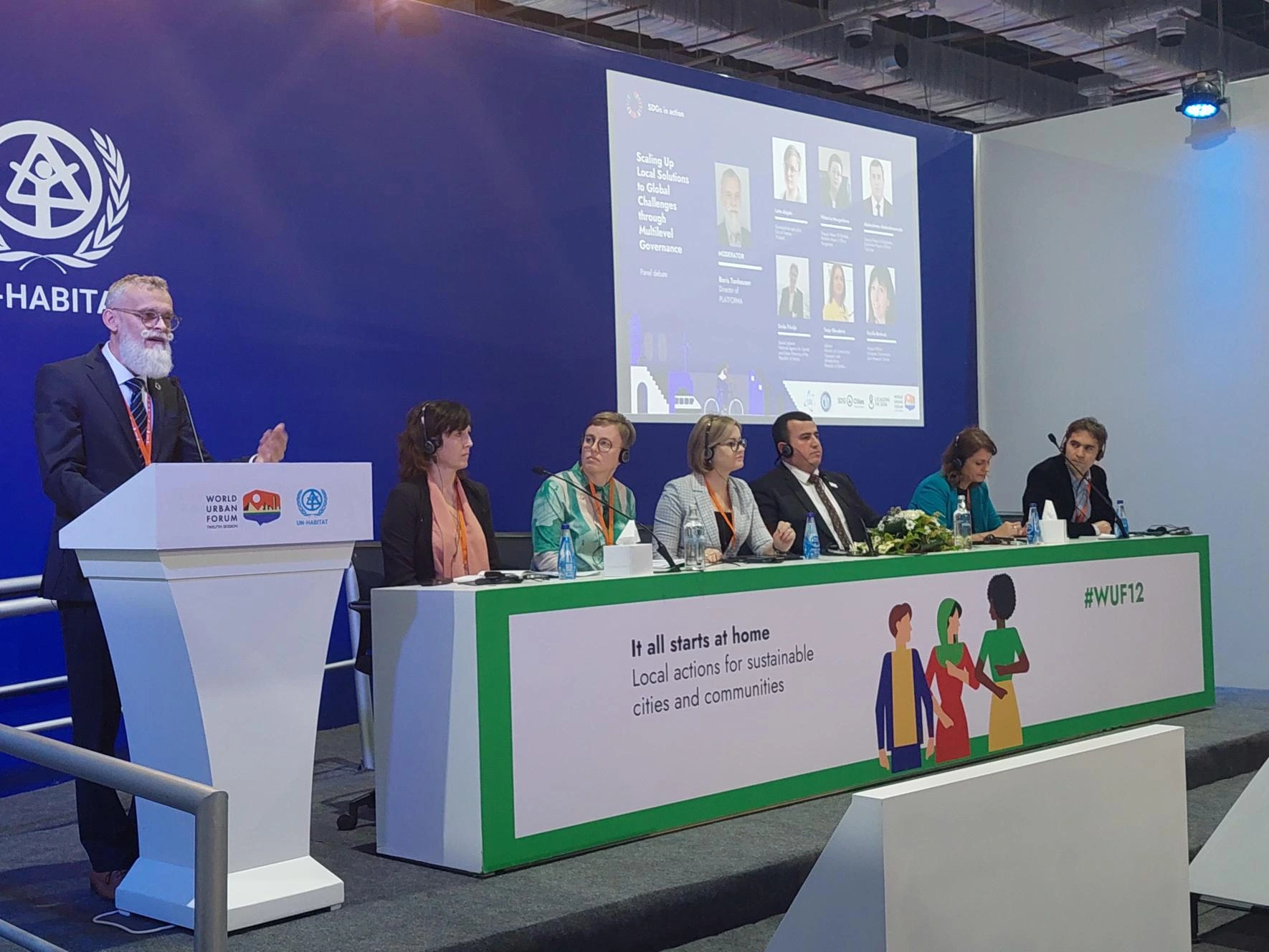
At the 12th World Urban Forum in Cairo, CEMR’s session brought together representatives from cities such as Tbilisi, Bishkek, Dushanbe, Niš and Vantaa, to share their experiences in advancing sustainable urban development through Voluntary Local Reviews (VLRs). These exchanges underscored the vital role of local governments in translating the Sustainable Development Goals (SDGs) into actionable strategies that deliver tangible results. 

Co-hosted with UN-Habitat, the city of Tbilisi, the Reference Framework for Sustainable Cities (RFSC), and the European Commission Joint Research Centre (JRC), the session showcased examples of the new generation of action oriented VLRs, innovative tools like the RFSC’s self-assessment platform and EC JRC’s analysis of VLRs published to date. These resources empower cities to align their urban strategies with the SDGs and measure progress with precision. 

Moderated by Boris Tonhauser, Director of PLATFORMA, the discussions explored how VLRs enable cities to address pressing challenges, including water management, air pollution, and data gaps while enhancing their strategies through citizen engagement and evidence-based decision-making. By leveraging these tools and processes, cities are not only refining their local plans but also contributing to broader global goals with concrete actions. 

The session highlighted the essential role of multilevel governance and cross-sector innovation in addressing sustainability challenges beyond 2030. Key recommendations included revisiting SDG goals with a bottom-up perspective, prioritising cultural and citizen participation, and strengthening partnerships and support for cities engaged in VLR processes. 

As the 2030 deadline for the SDGs approaches, the discussions reaffirmed the transformative power of local governments to lead global efforts. Through collaboration, peer learning, and the use of practical tools such as the RFSC, CEMR and its partners continue to support resilient, inclusive, and climate-neutral cities.  

WUF12: Over 25,000 participants from 182 countries.  

The 12th World Urban Forum in Cairo set new records, with over 25,000 participants from 182 countries gathering to exchange ideas and solutions under the theme “It All Starts at Home.” The event concluded with the unveiling of the Cairo Call to Action, a document capturing the Forum’s key messages and proposed strategies for addressing urban challenges. By emphasising multilevel governance, citizen engagement, and innovative tools, WUF12 reaffirmed the transformative power of local action in shaping inclusive, resilient, and sustainable cities. As the baton passes to Azerbaijan for WUF13, the momentum from Cairo serves as a powerful reminder of the critical role cities play in tackling global challenges. 

Matchmaking Platform

CEMR launches a Matchmaking Platform for Twinning cooperation during the Leaders’ Summit in Karlsruhe


  • CEMR launches a new Matchmaking Platform to promote city-to-city cooperation and international partnerships during the Leaders’ Summit in Karlsruhe, Germany
  • The Bridges of Trust Community is launched in partnership between CEMR and U-Lead to foster new partnerships and support international municipal cooperation
  • The CEMR Leaders’ Summit gathered over 200 international leaders from across Europe, emphasising collaboration for sustainable and inclusive development

The Council of European Municipalities and Regions (CEMR) unveiled an innovative Matchmaking Platform to enhance city-to-city and local cooperation during its Leaders’ Summit in Karlsruhe. This high-profile event gathered over 200 international leaders, representing towns, regions, and cities from EU and Ukranian countries.

The platform, building on CEMR’s seven-decade legacy of town twinning, allows municipalities, cities, and regions to form partnerships sending a matching request to potential peers across Europe in just a few minutes.

First introduced at the Ukraine Recovery Conference in Berlin and now open to all local governments in Europe, the platform is also meant to strengthen partnerships with Ukrainian municipalities to secure its vital recovery support and advance through its integration into the EU.

Building on its long-standing collaboration with Ukrainian local governments, CEMR in partnership with U-Lead with Europe have announced the creation of the Bridges of Trust Community. The project’s positive impact expanded beyond its initial scope, demonstrating the need for wider engagement and collaboration.

CEMR President Gunn Marit Helgesen underlined the Matchmaking Platform strategic importance: “Local leaders are at the forefront when it comes to adopting the acquis communautaire — the foundational laws of the EU. It is crucial to support them in this process to ensure it is carried out equitably, avoiding future disparities between urban and rural communities”.

Christoph Schnaudigel, CEMR Co-President, RGRE President and Mayor of Karlsruhe, highlighted: “City-to-city cooperation has already shown its power as a tool for post-war reconstruction, reconnecting people divided by war and cultural gaps, and fostering peace. Today, we are committed to putting our network at the service of every town in Europe, small or large, to connect, share experience, and work on their dream projects together.”

Stefano Poretti, Councillor of Arconate, Italy, a city twinned with the Ukranian city of Zlatopil, emphasized the Bridges of Trust impact: “In a time of growing geopolitical uncertainty, local governments remain steadfast in promoting cooperation and solidarity. Thanks to Bridges of Trust, we have exchanged knowledge and experiences that will leave a lasting mark on my political journey.”

Media opportunities:
Journalists can interview key participants, including mayors and local leaders, and explore the matchmaking platform in detail.

Register to the Platform – here

€86 billion SCF at risk

Local-Alliance

Vulnerable households risk being underserved by the €86 billion EU Social Climate Fund due to inadequate consultation with local and regional governments, a new Local Alliance report warns.


An exclusive new report from eight major European local and regional government networks reveals that vulnerable households in the EU are at risk of being underserved by the €86 billion Social Climate Fund (SCF) due to inadequate consultation by national governments.

The survey underpinning the report, conducted by the Local Alliance — a coalition comprising ACR+, CEMR, Climate Alliance, Energy Cities, Eurocities, FEDARENE, ICLEI Europe and POLIS — highlights widespread non-compliance with key requirements under SCF legislation. 

Articles 4 and 5 of the SCF state that Member States must engage with local and regional governments in developing their national Social Climate Plans. However, the report finds that many governments are failing to fulfil these obligations, often reducing consultations to empty gestures or bypassing them entirely.

A missed opportunity to address local needs

The SCF is a flagship initiative under the European Green Deal, aimed at supporting vulnerable households. But the findings show a troubling disconnect between national decision-makers and their local governments.

The survey, covering cities and regions across 14 Member States, including Belgium, Finland, Germany, Greece and Spain, paints a stark picture of delayed consultations, inadequate dialogue, and missed opportunities to incorporate local expertise.

“The €86 billion Social Climate Fund holds the potential to transform lives and build a more equitable Europe, but only if the voices of local and regional governments are at the table. These governments are on the frontlines of addressing energy and transport poverty, yet too often, their expertise is overlooked. National governments and the EU Institutions must recognise that meaningful consultation isn’t just a legal requirement — it’s a necessity for effective and inclusive action.”  Fabrizio Rossi, Secretary General of CEMR. 

Local governments: Key partners for effective action

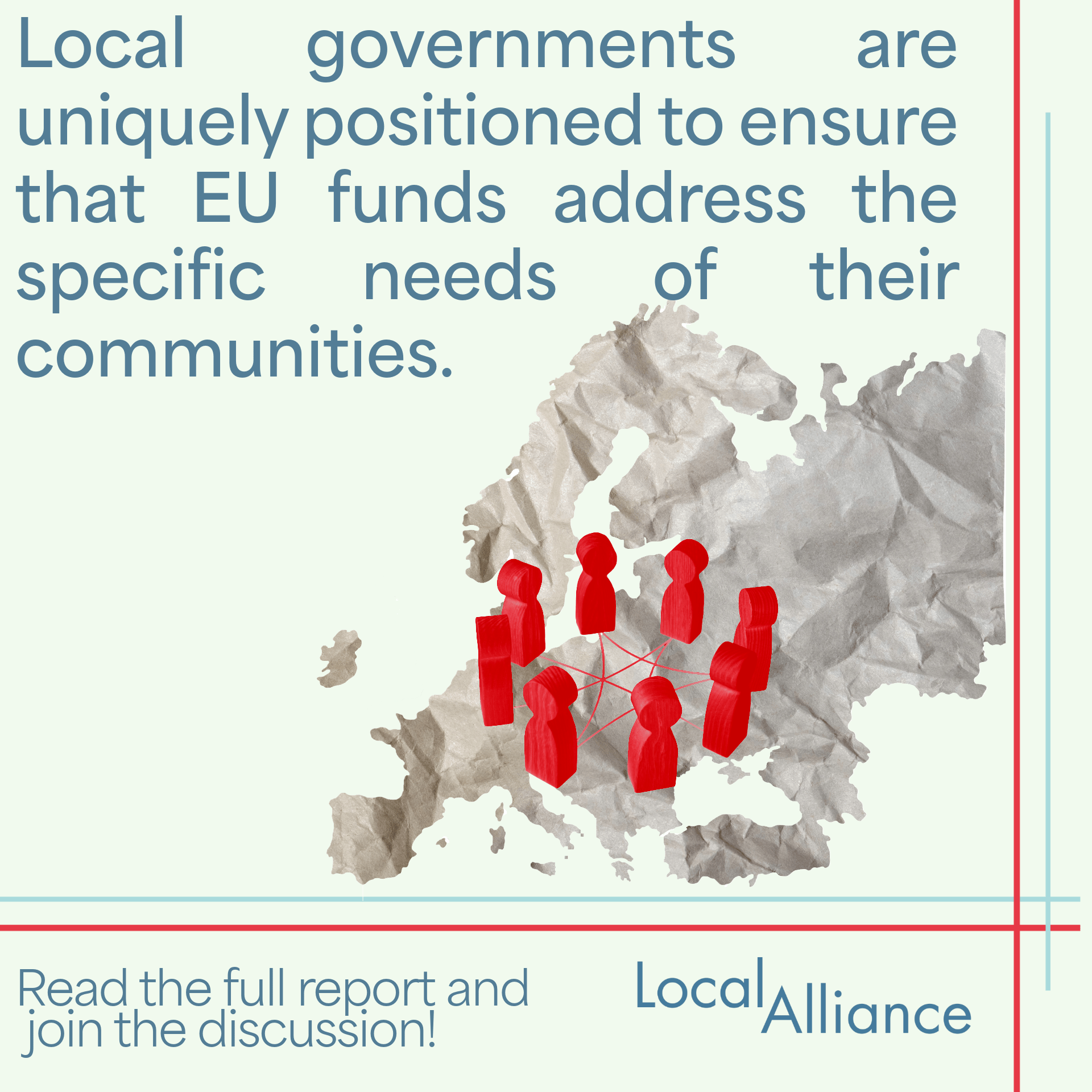
Local and regional governments are uniquely positioned to ensure that EU funds address the specific needs of their communities. They bring expertise, proximity, and an understanding of local priorities, which are crucial for tailoring measures to effectively support vulnerable households.

The absence of meaningful consultation not only undermines the legislative requirements but also jeopardises the effectiveness of the SCF just six months before Member States are due to submit their plans in June.

Recommendations for national and EU decision-makers

To ensure the Social Climate Fund effectively supports vulnerable households, the Local Alliance urges Member States, amongst others, to prioritise meaningful collaboration with regional and local governments, through locally developed plans such as SECAPs and Sustainable Urban Mobility Plans.

This will provide EU investments that are aligned with local needs to address energy and transport poverty, ensuring measures that target the needs of vulnerable groups like women, older people and single-parent households. For more information, download the full report here.

Funding opportunities for Ukraine 

Ukraine's recovery - News

EU and Member State programmes supporting municipalities in Ukraine’s recovery and cooperation with European partners 


In the face of Russia’s invasion and its devastating social and economic consequences, European Union and Member State funding programmes have become lifelines for Ukrainian municipalities. These mechanisms provide not only financial support but also technical expertise and institutional backing, helping local authorities address urgent needs, rebuild services, and strengthen community resilience. 

This guide was developed by the Council of European Municipalities and Regions (CEMR), in cooperation with the U-LEAD with Europe Programme and CEMR’s National Associations, under the Bridges of Trust initiative. It brings together key funding opportunities available to both Ukrainian and European municipalities, offering a practical starting point for collaboration and joint recovery projects. 

The initiatives highlighted stem from training sessions organised with Ukrainian and European partners. These covered project design and development, EU funding instruments, and the implications of Ukraine’s EU accession process. By leveraging existing EU programmes, municipalities can reinforce partnerships, promote local growth, and deliver tangible benefits for their citizens. 

Recognising Ukraine’s strategic path towards EU membership, the European Commission has committed to extending funding mechanisms to Ukrainian municipalities, ensuring they can access resources alongside their European peers. In addition, the Ukraine Facility Programme (2024–2027) is being developed as a central financing instrument for recovery and development. 

To support applicants, the guide provides practical resources: 

  • CEMR’s Guide on 2021–2027 EU Funding, explaining how to use the Funding and Tender Portal and submit strong project proposals. 
  • The PLATFORMA Handbook for local leaders and civil servants, offering step-by-step guidance on preparing applications, managing partnerships, and implementing EU-funded projects. 

As a living document, this guide will continue to be updated with new funding streams and opportunities. It seeks not only to provide access to financial resources but also to strengthen trust and cooperation between Ukrainian and European municipalities, laying the foundations for a shared European future. 

Read the study here 

For more information, contact: