

€86 billion SCF at risk

Local-Alliance

Vulnerable households risk being underserved by the €86 billion EU Social Climate Fund due to inadequate consultation with local and regional governments, a new Local Alliance report warns.


An exclusive new report from eight major European local and regional government networks reveals that vulnerable households in the EU are at risk of being underserved by the €86 billion Social Climate Fund (SCF) due to inadequate consultation by national governments.

The survey underpinning the report, conducted by the Local Alliance — a coalition comprising ACR+, CEMR, Climate Alliance, Energy Cities, Eurocities, FEDARENE, ICLEI Europe and POLIS — highlights widespread non-compliance with key requirements under SCF legislation. 

Articles 4 and 5 of the SCF state that Member States must engage with local and regional governments in developing their national Social Climate Plans. However, the report finds that many governments are failing to fulfil these obligations, often reducing consultations to empty gestures or bypassing them entirely.

A missed opportunity to address local needs

The SCF is a flagship initiative under the European Green Deal, aimed at supporting vulnerable households. But the findings show a troubling disconnect between national decision-makers and their local governments.

The survey, covering cities and regions across 14 Member States, including Belgium, Finland, Germany, Greece and Spain, paints a stark picture of delayed consultations, inadequate dialogue, and missed opportunities to incorporate local expertise.

“The €86 billion Social Climate Fund holds the potential to transform lives and build a more equitable Europe, but only if the voices of local and regional governments are at the table. These governments are on the frontlines of addressing energy and transport poverty, yet too often, their expertise is overlooked. National governments and the EU Institutions must recognise that meaningful consultation isn’t just a legal requirement — it’s a necessity for effective and inclusive action.”  Fabrizio Rossi, Secretary General of CEMR. 

Local governments: Key partners for effective action

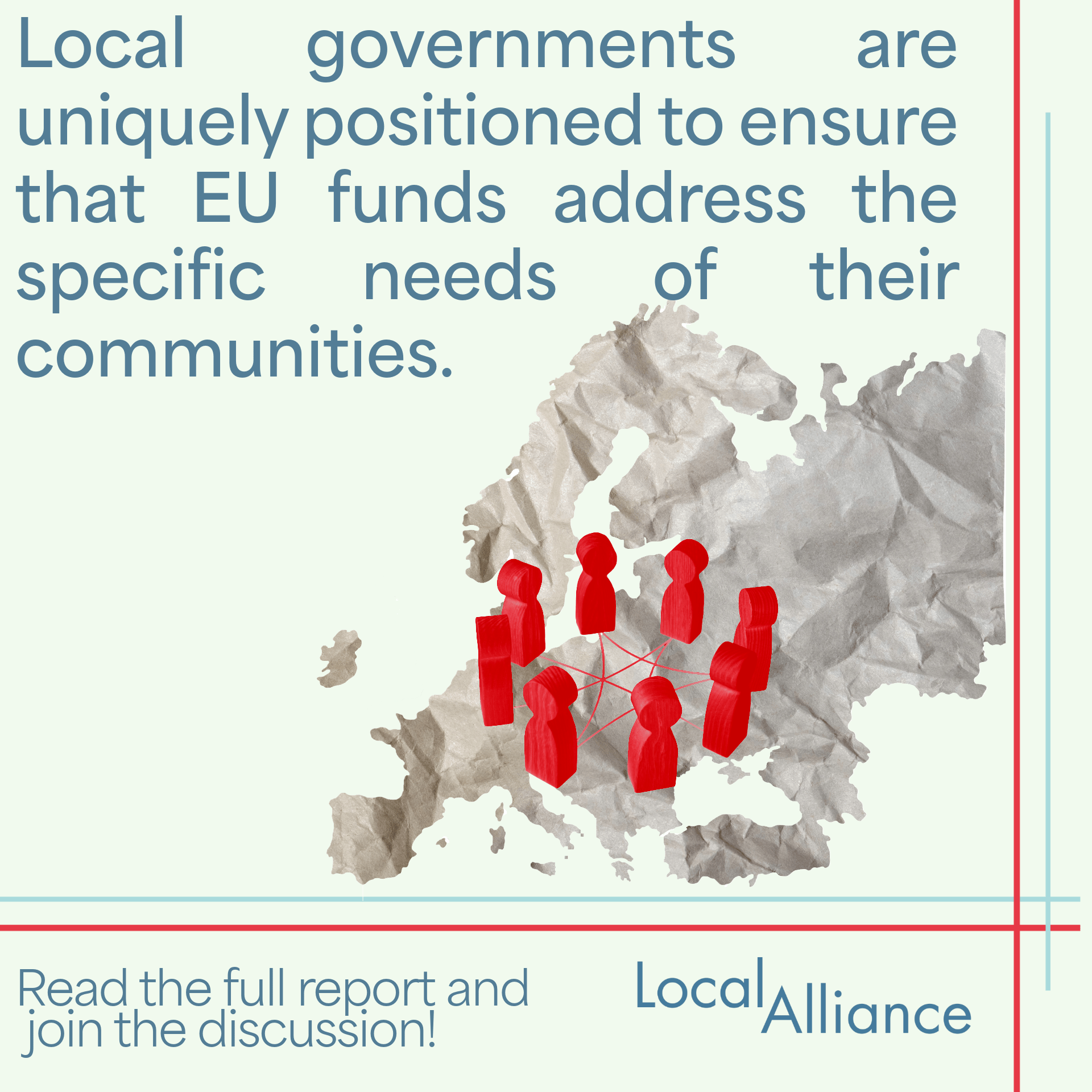
Local and regional governments are uniquely positioned to ensure that EU funds address the specific needs of their communities. They bring expertise, proximity, and an understanding of local priorities, which are crucial for tailoring measures to effectively support vulnerable households.

The absence of meaningful consultation not only undermines the legislative requirements but also jeopardises the effectiveness of the SCF just six months before Member States are due to submit their plans in June.

Recommendations for national and EU decision-makers

To ensure the Social Climate Fund effectively supports vulnerable households, the Local Alliance urges Member States, amongst others, to prioritise meaningful collaboration with regional and local governments, through locally developed plans such as SECAPs and Sustainable Urban Mobility Plans.

This will provide EU investments that are aligned with local needs to address energy and transport poverty, ensuring measures that target the needs of vulnerable groups like women, older people and single-parent households. For more information, download the full report here.

CEMR at COP29

Local Governments Driving Climate Solutions on the Global Stage


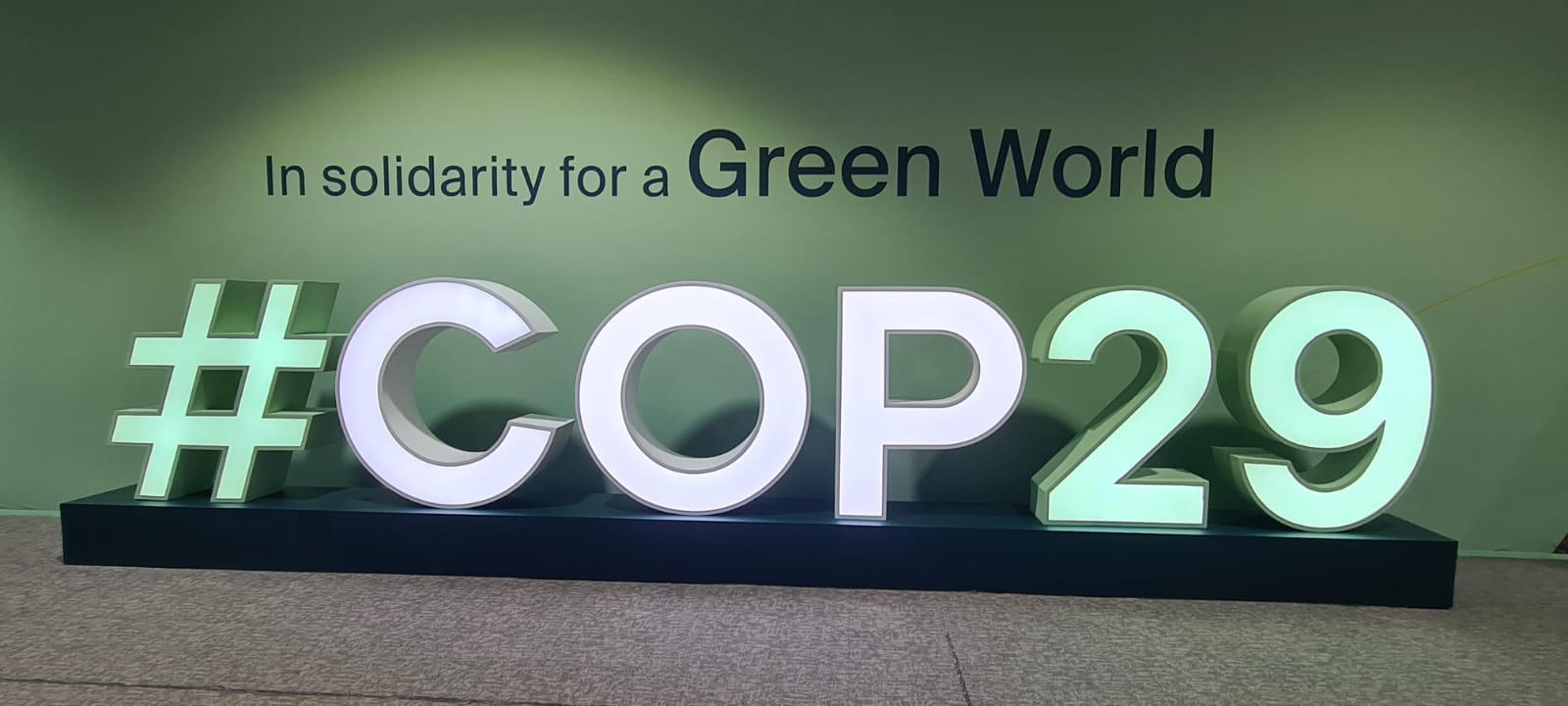
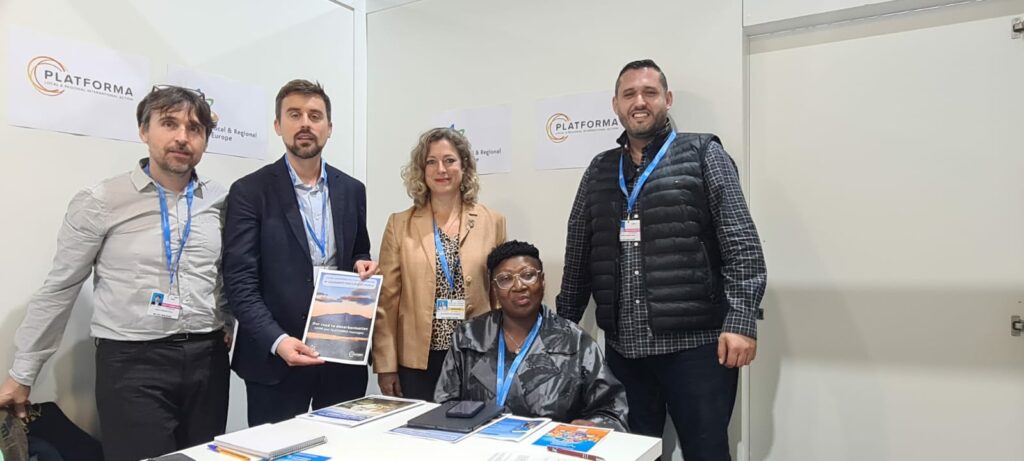
At the 29th UN Climate Change Conference (COP29) in Baku CEMR showcased the indispensable role of Local and Regional Governments (LRGs) in global climate action. Through advocacy, strategic dialogue, and direct engagement with Ministers, Governors, Parliamentarians, Multilateral Development Banks, and UN agencies, CEMR cemented its position as a key player in advancing sustainable urban development and combating climate change.

Local and Regional Governments: A Cornerstone of Climate Action

Local and regional governments are uniquely positioned to address climate challenges. Managing 68% of public climate investments, they are on the frontlines of adaptation and mitigation efforts. Yet, these governments often remain excluded from key international decision-making processes. At COP29, CEMR sought to change this by advocating for LRGs to be fully integrated as strategic partners in shaping climate policies.

CEMR also underscored the importance of multilevel governance. This approach, combining local, regional, and national collaboration, ensures that climate strategies are both inclusive and effective. By engaging in over 170 events, CEMR and the LGMA Constituency showcased how cities and regions lead innovative climate solutions, including sustainable infrastructure, green financing, and community resilience initiatives.

CEMR Delegation in Action

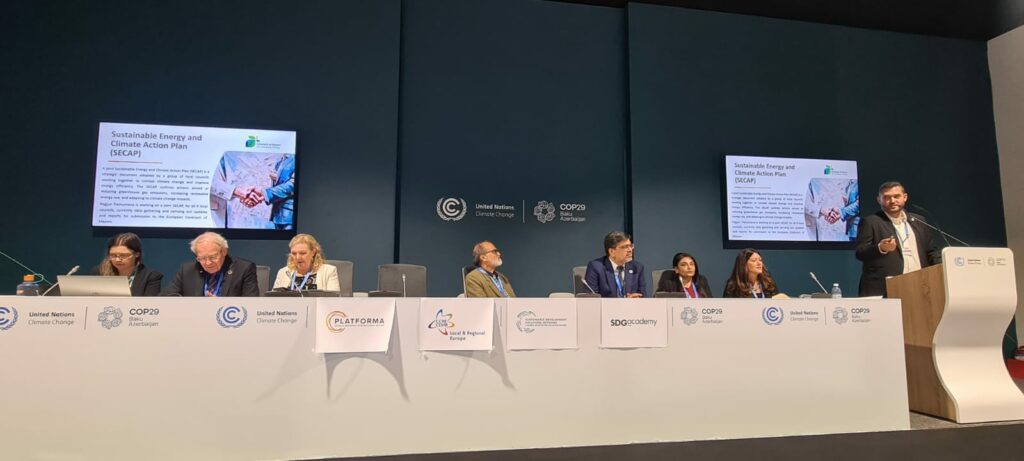
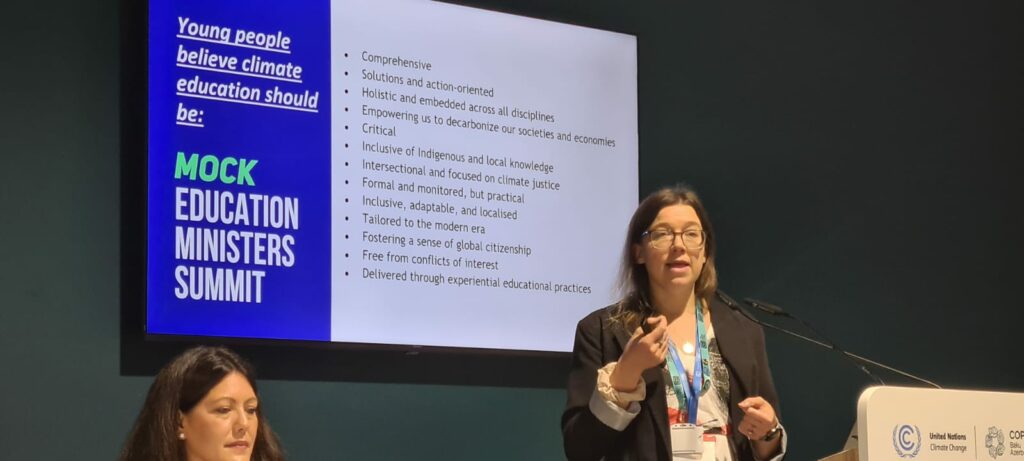
CEMR’s political leadership took centre stage during COP29. Marianne Overton, Vice President of CEMR, and Clifford Galea, a member of our Young Elected Officials Committee member, participated in high-profile sessions, emphasising local governments’ role in climate justice and finance. Key moments included:

  • Panel on Multilevel and Multistakeholder Climate Solutions: Clifford Galea highlighted the urgency of channelling direct funds to local governments, stating, “Efficient climate action starts with empowering those closest to the communities impacted.”
  • Roundtable on Financing Urban Climate Action: Marianne Overton called for innovative financial mechanisms to ensure accessible funding for sustainable urban projects and ecosystem restoration

Efficient climate action starts with empowering those closest to the communities impacted.”

 Advocating for Loss and Damage Response

One of the summit’s most critical topics was the establishment of an effective framework for addressing Loss and Damage. CEMR, together with the LGMA Constituency, endorsed the Call to Action on Loss and Damage, initiated by United Cities and Local Governments (UCLG). This initiative demands equitable resource distribution, North-South collaboration, and the inclusion of subnational governments in funding mechanisms. Notably, the call prioritizes the needs of marginalized communities and the integration of local knowledge into global climate strategies.

CEMR’s endorsement reflects its commitment to securing direct access to the Loss and Damage Fund for local governments, particularly in vulnerable regions. This advocacy reinforces the message that addressing climate crises requires collaboration at all levels of governance.

 Why Local and Regional Governments Matter

The urgency of including LRGs in climate governance cannot be overstated. As the level of government closest to communities, they have the knowledge and capacity to implement tailored solutions that address local realities. This perspective aligns with the broader recognition at COP29 that achieving the Paris Agreement’s goals requires the active involvement of all governance levels.

 Looking Ahead: COP of Cities

The outcomes of COP29 mark a significant step forward with greater recognition for the work of cities in the COP process, but the journey toward equitable climate governance is far from over. While COP29 is about to end, hope is there for cities to play a central role next year in Belem (Brazil). All traffic lights are green: “COP30 has to be the COP of the cities, because climate is central in connecting people”, said Ambassador Antonio Da Costa e Silva, chief international adviser at the Brazilian Ministry of Cities.

Let’s hope national leaders received the message.

Public Conference on environmental resilience

Environment - News section

“Managing the Future for Environmental Resilience”


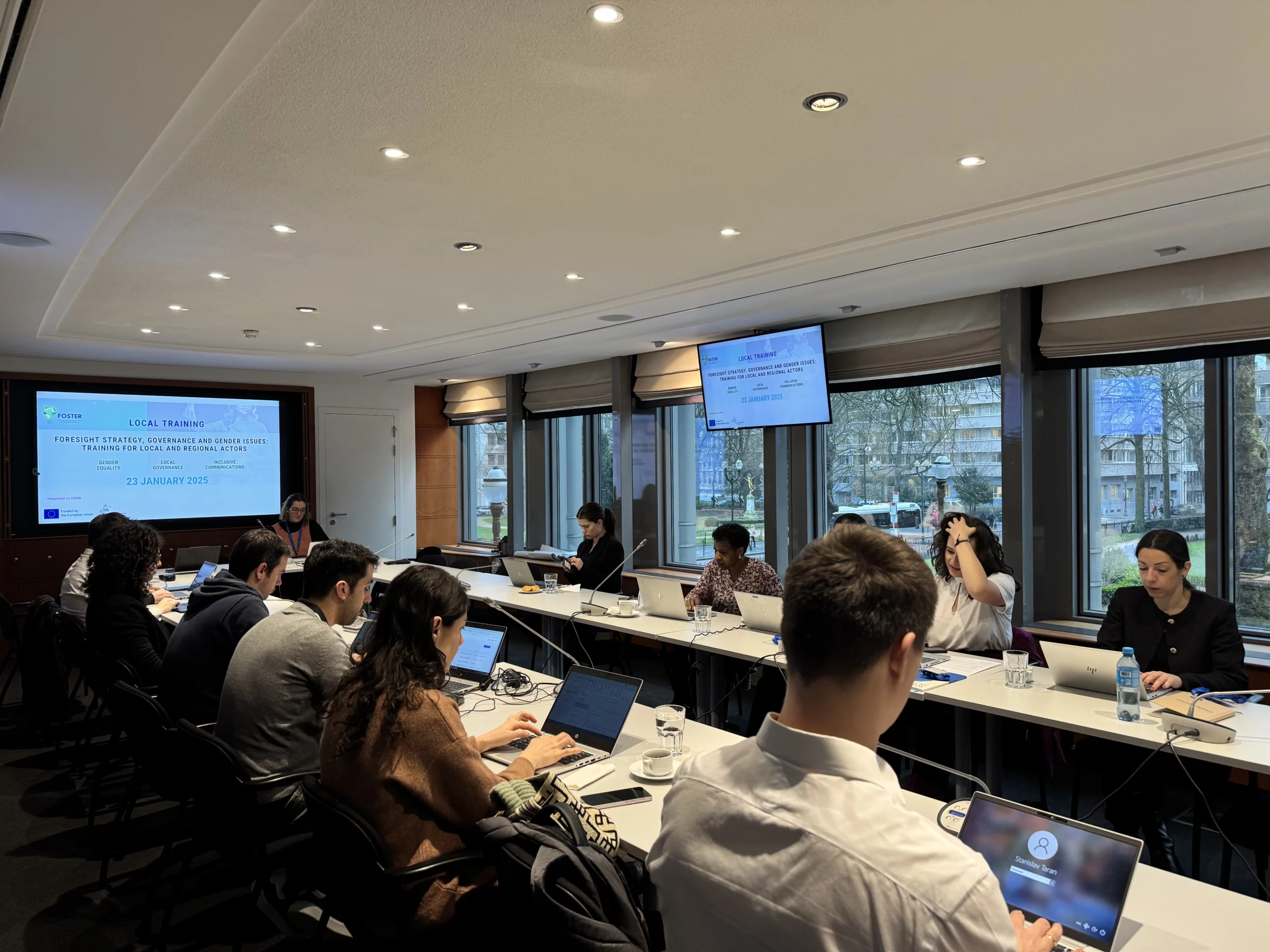
CEMR and ALDA are pleased to announce the Public Conference “Managing the Future for Environmental Resilience”, organised on October 9th, from 11.00 to 17.00. The conference will be a chance to exchange in an interactive way how to overcome the preference for short-term solutions when it comes to local management of climate change and planning for more prepared and participatory environmental governance.

The conference provides an interactive platform to explore how to overcome short-termism in local climate management, with a focus on future-oriented and participatory environmental governance. It will begin with a keynote speech from the European Environment Agency, followed by a panel debate titled “Local and Regional Policy Making for a Sustainable Future,” featuring institutional speakers discussing the challenges facing European cities and innovative approaches to addressing climate change. In the afternoon, experts will share insights on strategic foresight and key elements for future-oriented climate policies, including decentralised cooperation, participatory policymaking, and non-formal education.

Register here and join us on the 9th of October!

The FOSTER project aims to contribute to the development of governance frameworks that can effectively and inclusively address future environmental challenges at the local level, by fostering strategic foresight and preventative local management of climate change-related phenomena. It is a two-year project funded by the CERV – Citizens Equality Rights and Values programme of the European Union

Adoption of the nature restoration law

Green City - News Section

Cities and regions urge swift adoption of EU Nature Restoration Law to combat climate and biodiversity crises


As Europe faces intensifying environmental challenges, from biodiversity loss to climate-driven heatwaves and pollution, cities and regions are stepping up their call for action. Partners of the Urban Agenda for the EU Partnership on Greening Cities, including many local and regional governments, have issued a joint letter urging EU Member States to swiftly adopt the long-delayed Nature Restoration Law. 

Local authorities are often at the frontline of environmental crises. With over 70% of Europeans living in urban areas, the need to restore green spaces is not only a climate priority but also a public health and quality-of-life imperative. The proposed law would provide a long-awaited framework to strengthen biodiversity, adapt cities to rising temperatures, and support sustainable land use. 

Delays in the law’s adoption not only undermine urgent environmental action but also threaten democratic trust in EU decision-making. A provisional agreement between the European Parliament and Council was reached months ago, and failure to finalise it now would send the wrong signal, both to EU citizens and the global community. 

CEMR and its partner’s stress: restoring nature is not optional. It is essential! Local governments stand ready to deliver, but they need the political will at the EU level to match their ambition. 

For more information, contact: 

Soil Health

Negotiations are underway on the adoption of a Soil health directive


In a continent where over 60% of soils are estimated unhealthy, it is today imperative to address soil degradation. Scientific evidence underscores the alarming trend of soil deterioration, driven by unsustainable land management practices, contamination, and the intensifying impacts of climate change. This degradation not only jeopardizes essential ecosystem services but also carries a significant economic burden, with the European Commission estimating an annual cost of at least 50 billion euros to the EU. 

Soil monitoring, already practised in several EU Member States, often involves the engagement of regions and municipalities. Public authorities frequently hold ownership of land, and they are directly impacted by soil health issues. Consequently, they play a crucial role in monitoring and managing land health within their jurisdictions. 

In July 2022, the European Commission unveiled its proposal for a Directive on Soil Monitoring and Resilience, aiming to achieve healthy soils across Europe by 2050. The directive includes three main elements: 

  • A Comprehensive Monitoring Framework covering all soils within the EU, helping Member States to undertake measures for regenerating degraded soils. 
  • Promotion of Sustainable Soil Management: Member States will define sustainable soil management practices while limiting activities that contribute to soil degradation.
  • Identification and Remediation of Contaminated Site: Member States are asked to identify potentially contaminated sites, conduct investigations, and mitigate risks to human health and the environment.  

CEMR welcomes the legislative proposal of the Commission which rightly balances ambition and feasibility for Member States. We put forward six key messages for the European Parliament and Council negotiations:  

  1. Emphasis on Monitoring: CEMR welcomes the directive’s primary focus on soil monitoring and advocates for establishing a practical monitoring framework to improve soil health.
  2. Involvement of Local and Regional Governments: CEMR underscores the importance of involving subnational authorities in the implementation of the Soil Monitoring Law, ensuring collaboration within existing national frameworks without imposing undue administrative burdens. 
  3. Flexible Implementation Framework: Prioritising flexibility at the national level is paramount to accommodate local variations and ensure effective adaptation across different Member States.
  4. Support for Risk-Based Approach: CEMR endorses the adoption of a risk-based approach, emphasising considerations such as land use in monitoring frameworks and remediation efforts. 
  5. A realistic approach to land take mitigation: CEMR advocates for establishing a compensation mechanism at an aggregated level to address the impacts of land take, tailored to local and regional specificities. 
  6. Strengthening the Polluter Pays Principle: To prevent soil pollution and achieve healthy soils by 2050, CEMR emphasizes the importance of setting pollution prevention standards alongside monitoring and remediation efforts. 

What are the next steps?
Following the publication of the legislative proposal by the Commission last year, significant strides have been made in advancing the Soil Monitoring Law. The proposal is broadly supported, notably with its adoption by the Committee on Environment, Public Health and Food Safety (ENVI) on 11 March 23. The rapporteur, MEP Martin Hojsík’s strongly contributed to include the views of local and regional authorities in the draft report. As discussions continue, we call MEPs to support the upcoming adoption of the draft report in plenary on April 10.  

Trilogue negotiations will resume post-EU elections, contingent upon the Council’s adoption of a general approach. 

Wallonia Summit 2024


CEMR Brings the Voice of LRGs to Climate Chance Europe 2024 Wallonia Summit

CEMR represented the voice of Local and Regional Governments at the Climate Chance Europe 2024 Wallonia Summit, organised by the Belgian Presidency on the 8th and 9th of February in Liege.

Eva Banos, CEMR Adviser for Global Agendas, Sustainable Development Goals (SDGs), and Climate, moderated the event session titled “Cross-border and Decentralised Cooperation – How to Strengthen Community-Based & Community-Led Adaptation to Climate Change.” During this session, the discussion focused on giving agency to citizens and communities, rethinking multi-level governance in a grassroots way.

During the summit, Marlon Hilden, CEMR Climate and Sustainable Finance Officer, presented the results of the research “Powering the Future: Driving Europe’s Climate and Energy Policies through Regions and Municipalities,” delving into critical insights expected to influence and shape Europe’s climate and energy policies at regional and municipal levels.

The event culminated with the signing of the “Liège Declaration”: a Roadmap on adaptation to climate change in Europe for non-state actors.

European Commission 

CEMR Engages in Talks with the European Commission on Green Deal Implementation at the Local and Regional Level


The Council of European Municipalities and Regions (CEMR) convened this week with Maroš Šefčovič, Executive Vice-President for the European Green Deal at the European Commission. The meeting was an important opportunity for CEMR to engage with the Commission to discuss the implementation of the European Green Deal at the local and regional levels.
 
Federica Bordelot, Director of Policy and Impact, and Marlon Hilden, Climate Sustainable Finance Officer, took part in the discussions. During the meeting, they highlighted the significance of Local and Regional Governments’ (LRGs) involvement in realising the goals of the European Green Deal. The CEMR delegation seized the occasion to showcase exemplary initiatives outlined in their latest studies, underlining successful models that can be replicated across European municipalities and regions. CEMR also raised concerns about the comparatively low participation of LRGs in decision-making processes and policy implementation. Addressing this issue is crucial for ensuring the inclusivity and effectiveness of environmental policies on the ground.
 
The dialogue emphasised the importance of a coordinated effort between the European Commission and local and regional entities to create a sustainable and resilient future. As discussions continue, CEMR remains dedicated to contributing valuable insights and advocating for the active involvement of Local and Regional Governments in shaping and executing environmental policies across Europe.

Sustainable textile waste management 

Textile Waste - News

Strengthening EU Waste Legislation Through Local Collaboration and Producer Responsibility 


As the EU prepares to implement key provisions of the revised Waste Framework Directive, including mandatory separate collection of textiles by January 2025, the Council of European Municipalities and Regions (CEMR) calls for urgent improvements to ensure fairness, clarity, and efficiency in textile waste management. Drawing from on-the-ground experience and policy best practices, particularly France’s Extended Producer Responsibility (EPR) scheme, CEMR offers targeted recommendations to close critical legislative gaps and empower local governments in achieving sustainable waste solutions. 

1. Expand the Definition of Textile Waste 

The current directive focuses narrowly on ‘household textiles,’ excluding significant sources of textile waste from commercial and institutional settings such as hotels, hospitals, restaurants, offices, and schools. CEMR recommends a broader, more inclusive definition of ‘textile waste’ that reflects its diverse origins and aligns with the Polluter-Pays Principle. 

2. Clarify the Role of Social Enterprises 

Social enterprises play a vital role in collection, sorting, reuse, and resale of textiles. These actors must be fully recognised within the waste legislation and EPR frameworks, with fair access to funding and partnership opportunities. Their unique contributions can enhance the circular economy while delivering strong social outcomes. 

3. Strengthen Extended Producer Responsibility (EPR) for Textiles 

a) Align Implementation Deadlines 

There is currently a mismatch between the 2025 obligation for separate textile collection and the proposed EPR deadline, which may not come into effect until 2027 or 2028. CEMR calls for the EPR scheme to be implemented simultaneously with the collection obligation, and for producers to retroactively reimburse municipalities for collection-related costs from January 2025. 

b) Recognise Local Authorities as Key Partners 

Municipalities are central to waste collection and citizen engagement, yet their role is not clearly defined in the proposed EPR framework. CEMR urges mandatory collaboration between Producer Responsibility Organisations (PROs) and municipalities to ensure streamlined collection systems and cohesive public communication. 

c) Ensure Full Cost Coverage 

EPR funding must comprehensively cover not only infrastructure and operational costs, but also continuous public communication campaigns, which are critical to successful sorting and reuse. Additionally, producers should bear partial responsibility for textiles that remain in mixed waste streams, incentivising better product design and citizen behaviour. 

d) Include Unsold Textiles in EPR Obligations 

To align with the Ecodesign Regulation for Sustainable Products, which bans the destruction of unsold goods, CEMR advocates for including unsold textiles in the scope of EPR. A clear definition should be added to the directive to ensure these products are managed responsibly and transparently. 

4. Introduce Clear Measures to Prevent Textile Waste 

Overproduction and fast fashion are key drivers of Europe’s textile waste crisis. The revised directive must go beyond waste management and address prevention at the source. This includes incentives for sustainable design, extended use, reuse systems, and anti-overproduction regulations. 

Case Study: France’s “Refashion” EPR Scheme 

France’s pioneering EPR program, “Refashion,” offers a proven model. Since 2007, it has tripled the collection and recycling rates of post-consumer textiles. In 2020 alone, it engaged over 4,000 producers and allocated €36 million toward sorting, community projects, and innovation. Nearly 40% of textiles placed on the market were collected, up from 27% in 2013, with a 90% material recovery rate and 50% direct reuse. 

This success story demonstrates how producer accountability, coupled with strong public-private cooperation, can drive significant progress. However, challenges such as labour-intensive sorting and the difficulty of recycling blended fibres remain and must be addressed at the EU level. 

Conclusion 

With the right revisions, the updated Waste Framework Directive can become a powerful tool in reshaping Europe’s approach to textile waste. CEMR urges EU institutions to act decisively by aligning deadlines, empowering municipalities, and ensuring that both social and environmental responsibilities are shared equitably across the textile value chain. Only then can the EU truly advance toward a circular, fair, and sustainable future. 

Read the position paper here 

For more information, contact: 

Fixing Textile Waste

Textile Waste Management - News

CEMR calls for a stronger local role and producer responsibility in EU textile waste reforms


In response to the European Commission’s proposal to revise the Waste Framework Directive, the Council of European Municipalities and Regions (CEMR) has published key messages to ensure that local and regional authorities are central to a fair and effective textile waste management system.

The revision, which includes mandatory Extended Producer Responsibility (EPR) schemes for textiles, is welcomed by CEMR. However, urgent improvements are needed to ensure timely implementation, comprehensive cost coverage, and clearer roles for public authorities and social enterprises.

CEMR’s recommendations highlight several critical areas:

  • Broaden the definition of textile waste to include non-household sources such as hotels, hospitals, and offices.
  • Clarify the role of social enterprises and ensure they are fully integrated into EPR schemes.
  • Align deadlines for separate collection (due by 2025) with the establishment of EPR schemes to avoid unfunded obligations for municipalities.
  • Guarantee full cost coverage for collection, sorting, treatment, and public awareness campaigns.
  • Include unsold textiles under EPR rules, in line with the upcoming Ecodesign Regulation.
  • Promote prevention, especially by tackling overproduction and fast fashion.

Drawing on best practices from France’s “Refashion” scheme, CEMR shows how EPR can drive higher collection and reuse rates, stimulate innovation, and improve cooperation across the value chain, but only when properly implemented.

CEMR urges EU institutions to embed these recommendations into the revised directive to ensure that local governments can continue to lead on circular economy goals without being burdened by unfunded mandates.

For more information, contact:

CEMR and Eurocities

CEMR & Eurocities - News 2023

In response to the European Commission’s proposed Nature Restoration Law, CEMR and Eurocities, issued a joint letter urging for amendments, in order to reach the aspired adoption by the European cities


The proposal aims to restore ecosystems, habitats and species across the EU’s land and sea areas in order to enable the long-term and sustained recovery of biodiverse and resilient nature, in addition to contribute to achieving the EU’s climate mitigation and climate adaptation objectives, and meet the international commitments. According to the proposal, these specific targets are set for 2030, 2040 and 2050 to be improved and expanded over time.
In the joint letter, CEMR and Eurocities, expressed the support for the proposal, yet they underlined the importance of a leaner, more inclusive, comprehensive targets, while taking into account the quality of the green spaces, not just the quantity.
Both organizations also proposed complementing the EU satellite data with local and national data for more accuracy in monitoring the progress of implementation of the targets . CEMR and Eurocities called for increase in the funding for the local authorities to perform the growing responsibilities.