CEMR launches new study on local governments’ role, responsibilities in housing governance
In 2026, CEMR will update its flagship study on governance trends, the Terri Report. The previous edition, published in 2021, focused on the role of local and regional governments in public health. The new edition will place housing policy under the spotlight — a policy field that clearly illustrates how responsibilities are shared across levels of government and how effective coordination shapes tangible outcomes and the well-being of citizens and local communities.
For many years, CEMR has monitored territorial and governance developments across its membership, analysing what institutional and territorial changes mean for democracy and the quality of public decision-making. As governance challenges grow more complex and increasingly differ between places, traditional top-down approaches are proving less effective. Strong coordination across national, regional and local levels is therefore more important than ever.
Alongside updating data on governance structures and administrative reforms, the study will use housing as a lens to examine how competences, financial resources and implementation capacities are distributed across levels of government — and what this implies for addressing territorial disparities and delivering place-based solutions.
To support this work, CEMR’s members will receive a detailed questionnaire in early March 2026, addressed to national associations and experts with practical knowledge of housing policy at municipal or regional level. The questionnaire is structured in two parts: • Part I focuses on governance arrangements, competences and reforms. • Part II examines housing policy as a case study of multilevel cooperation.
This is a substantial, expert-level exercise rather than a quick survey. The evidence gathered will form a key foundation for CEMR’s advocacy on effective multilevel governance and housing policy. Members will have approximately three weeks to respond.
The study is expected to be published in autumn 2026, and CEMR looks forward to your participation in this work. Your contribution will strengthen our collective evidence base and advocacy for better governance and stronger place-based policies across Europe.
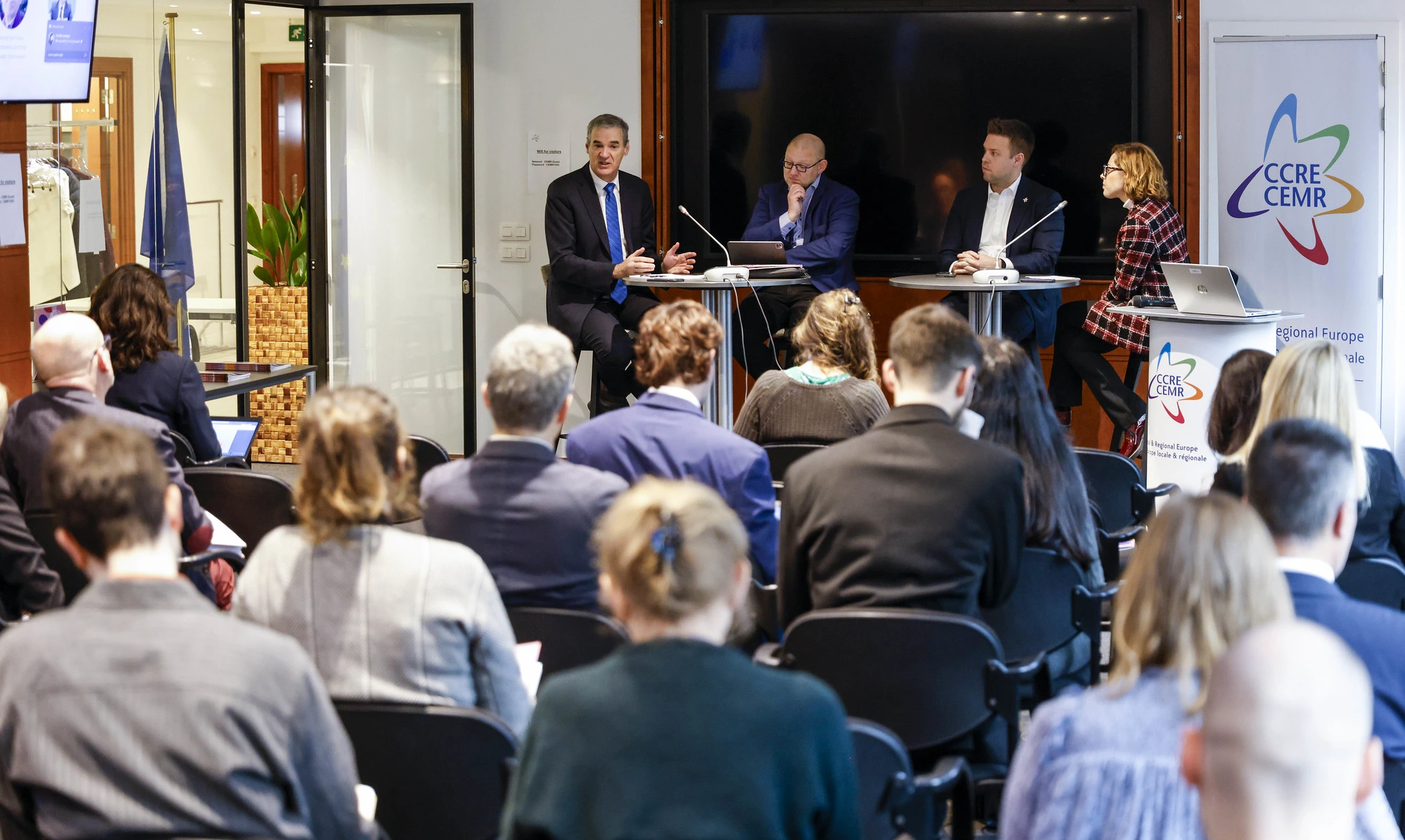
Pol Morillas (CIDOB), MEP Hanna Jalloul and local leaders reflect on the current geopolitics and its effects in Europe, global disorder, and why local leaders matter more than ever
At a time when global politics is increasingly shaped by power rivalries and zero-sum logic, cities and regions may appear peripheral to the big geopolitical chessboard. But according to Pol Morillas, Director of CIDOB (Barcelona Centre for International Affairs), this perception is deeply misleading.
Speaking at a UCLG gathering of the European section, alongside MEP Hanna Jalloul, Vice-Chair of the European Parliament’s Foreign Affairs Committee, and representatives from municipalities and regions across Europe, Morillas offered a sharp diagnosis of the global moment, and a compelling argument for why local and regional leaders are essential actors in Europe’s response to it.
“We are entering a world we were not built for”
Morillas describes 2026 as the year when “brutal geopolitics” has fully taken shape.
“We are not living in the world the European Union wanted”, he explained. “The open markets, rules-based globalisation, and cooperative multilateralism that Europe championed are giving way to power politics, transactional alliances, and the return of the state as the dominant actor”.
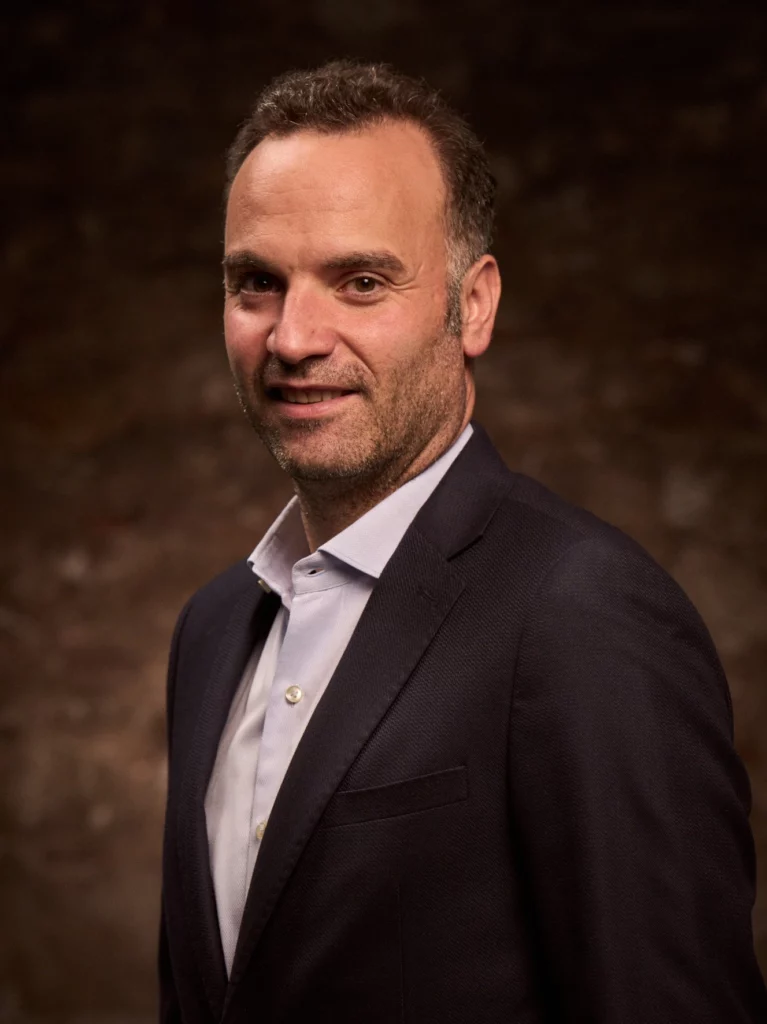
*Pol Morillas, Director of CIDOB (Barcelona Centre for International Affairs)
This shift goes beyond any single election or leader. While the return of Donald Trump to the White House has accelerated trends, Morillas sees a broader transformation driven by major powers — including China and India — embracing national interest and zero-sum competition.
In this emerging order, actors are reacting differently. Some are accommodating. Some are resisting, particularly youth movements across the globe. Others are disoriented.
“And the European Union”, Morillas noted, “is navigating this disorientation”.
Europe’s three strategic choices
According to Morillas, Europe is currently debating three broad strategies:
Keep the United States engaged, even if it requires tactical appeasement, especially in areas like security and intelligence where Europe lacks full autonomy.
Build new alliances with middle powers such as Japan, India, and Mercosur countries to preserve elements of a rules-based order.
Pursue greater autonomy, particularly in areas like technology and geo-economics — though, as Morillas cautioned, “there is often more talk of autonomy than real action”.
These strategies coexist, sometimes uneasily, as Europe attempts to redefine itself in a harsher global landscape.
But this is only part of the story.
New diplomatic opportunities for cities and regions as “laboratories for finding solutions”
While geopolitics grabs headlines, Morillas argues that some of the most urgent crises are concentrated in cities and regions and that is precisely where their diplomatic relevance lies. “The role of cities and regions will be most important when they are laboratories for finding solutions to crises that are most held in cities and regions”, he said.
He pointed specifically to:
Housing
Cost of living
Energy
Youth mobilisation and the response to young people’s demands
“These areas are far away from brutal geopolitics and do not have defence as their main component”, Morillas explained. “They are low-hanging fruits for cities and regions to play an interesting diplomatic role”.
In other words, while states compete over security and strategic dominance, local governments are managing the everyday pressures that shape citizens’ trust in democracy. Their ability to innovate and respond effectively becomes a form of diplomacy in itself.
Youth mobilisation and democratic response
Morillas also underlined a growing global trend: youth resistance to national political systems perceived as unresponsive.
“We are seeing increasing numbers of young people resisting national politics and proposing alternative models of understanding society”, he said.
For cities and regions, this presents both a challenge and an opportunity. Local governments are often the first institutional level confronted with youth demands — from climate action to housing affordability. The quality of their response will shape democratic resilience in Europe.
A multipolar world, including the local level
The global order’s fragmentation is also reshaping inter-city cooperation. The CIDOB director pointed to new forums emerging beyond traditional Western-led networks, including initiatives linked to BRICS+.
“This multipolar world also takes place within regions”, he observed. “European cities and regions need to be aware of these new forums”.
Global alignment is no longer only a matter for foreign ministries. It is increasingly reflected in how cities cooperate, partner, and position themselves internationally.
From consultation to co-decision in Europe
Perhaps most significantly, Morillas sees cities and regions gaining weight within the European architecture itself. “It is not only a question of member states”, he argued. “Cities can play an important role in the European architecture — sometimes only as being consulted but increasingly having something to say about the future of European integration”.
From housing initiatives to urban energy transitions, European policy debates are increasingly touching areas where cities have primary competence.
To advance this agenda, CIDOB has launched the “Local Europe” initiative with the support of Barcelona City Council, aiming to reinforce what Morillas calls “the Europe of cities”.
The underlying message is clear: the future of European integration will not be decided solely in national capitals.
How should local leaders look at the world?
How, then, should local and regional leaders look at the world — and how are they perceived within it?
The discussion made clear that towns, cities and regions are no longer peripheral actors but central pillars of Europe’s global credibility.
As Carola Gunnarsson, CEMR spokesperson for international affairs and local councillor of Sala, Sweden, underlined also during this session, “municipalities and regions are not merely implementers of European policy. We are co-creators of Europe’s credibility”.
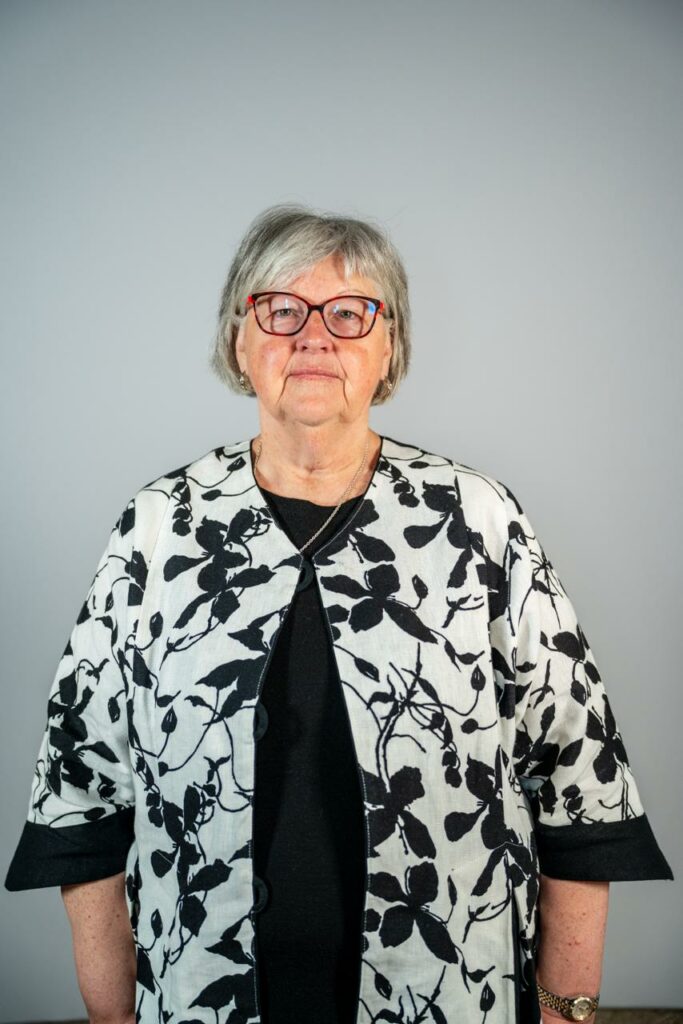
*Carola Gunnarsson, CEMR spokesperson for international affairs and Lord Mayor of Sala, at the Leaders’ Summit in 2025
In a geopolitical environment marked by ideological confrontation and democratic strain, consistency between local governance and global ambition becomes decisive. “If we would like Europe to be a strong global actor, we must be consistent both internationally and locally”, she stressed.
Echoing this call for coherence, MEP Hanna Jalloul, Vice-Chair of the European Parliament’s Foreign Affairs Committee, underlined the direct impact of EU decisions on citizens’ daily lives.
Yet, she questioned the persistent democratic disconnect: “Why have we reached only 50% participation in European elections?” According to Jalloul, “many citizens don’t fully realise how economic and agricultural decisions taken here directly affect them.”
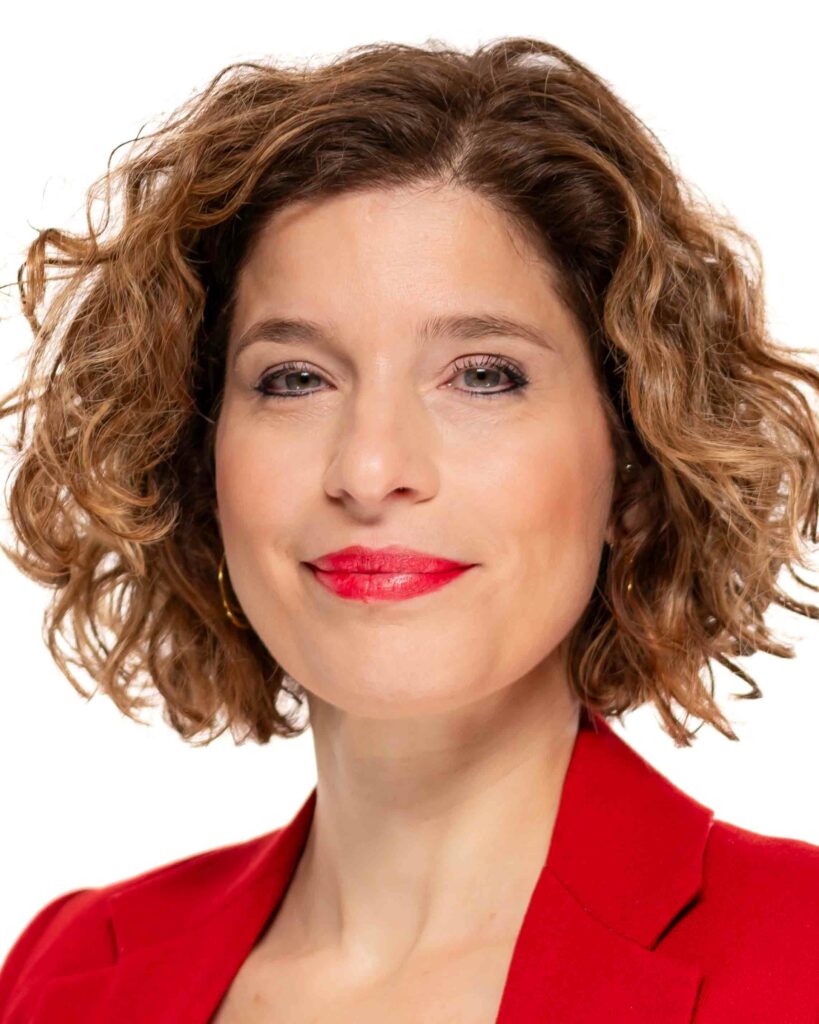
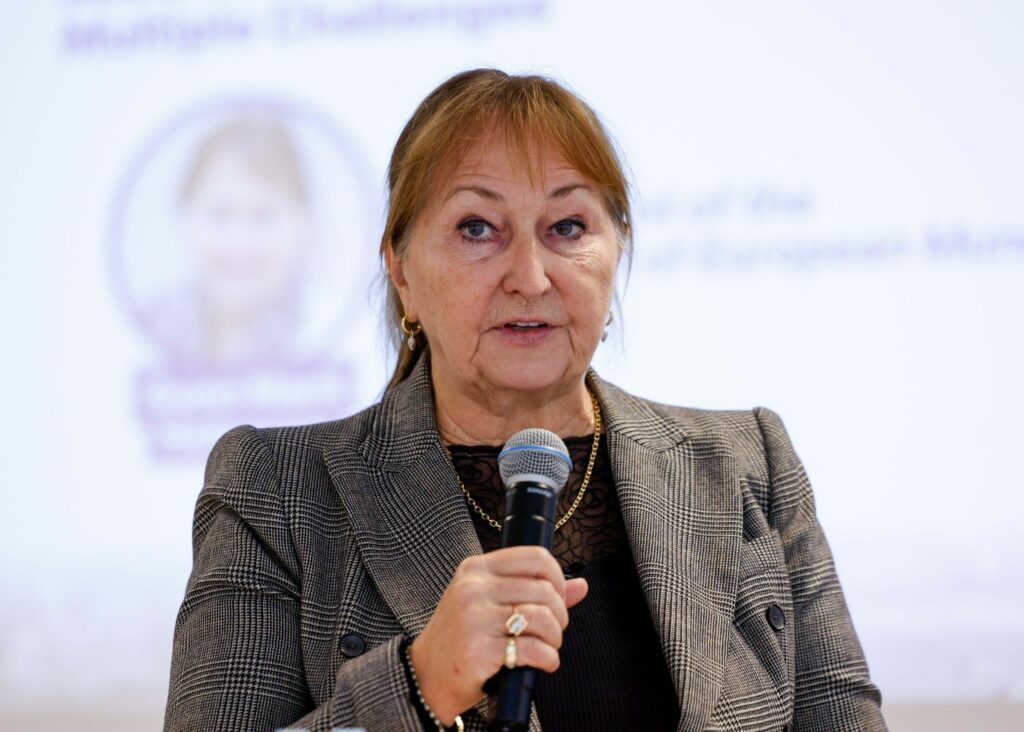
*MEP Hanna Jalloul, Vice-Chair of the European Parliament’s Foreign Affairs Committee, European Parliament photo
Beyond internal policy, she stressed the importance of consistency in Europe’s external action. “We speak of peace, but our multilateral system — which we’ve defended since 1945 — must be consistent.” In a challenging geopolitical environment, she argued, the European Union must align its commercial priorities and strategic autonomy with its foundational values.
When democratic disconnect reaches the local level
This disconnect between European decision-making and citizens’ perception, participants warned, does not remain abstract. When people feel that decisions are distant, unclear or inconsistent with proclaimed values, frustration grows — and it often manifests first at the local level.
As highlighted by Eider Enunciaga, spokesperson for local democracy at CEMR and representative of Bilbao City Council, local leaders are increasingly experiencing hostility and intimidation — both offline and online. “The future of our democracies in Europe is at stake here,” he stressed, noting that geopolitical tensions, disinformation and polarisation are directly affecting municipalities and regions.
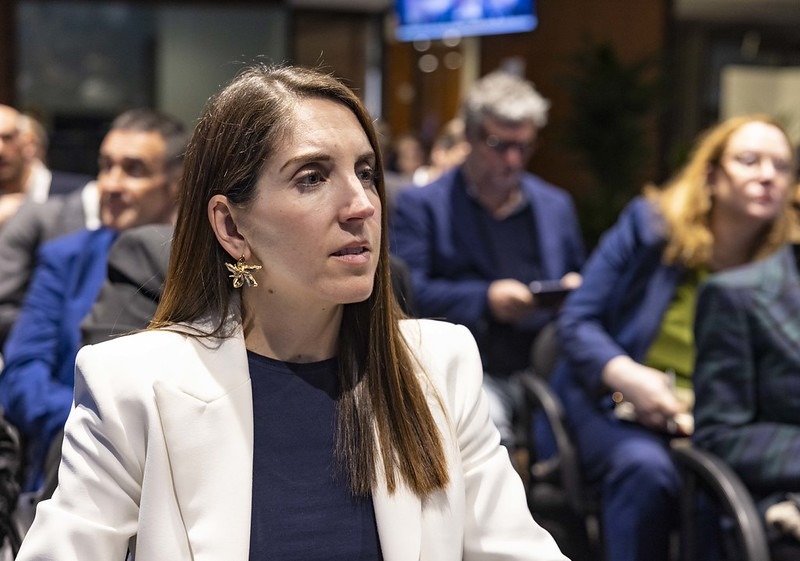
*Eider Enunciaga, spokesperson for local democracy at CEMR and representative of Bilbao City Council, at the CEMR event on the launch of the European Observatory
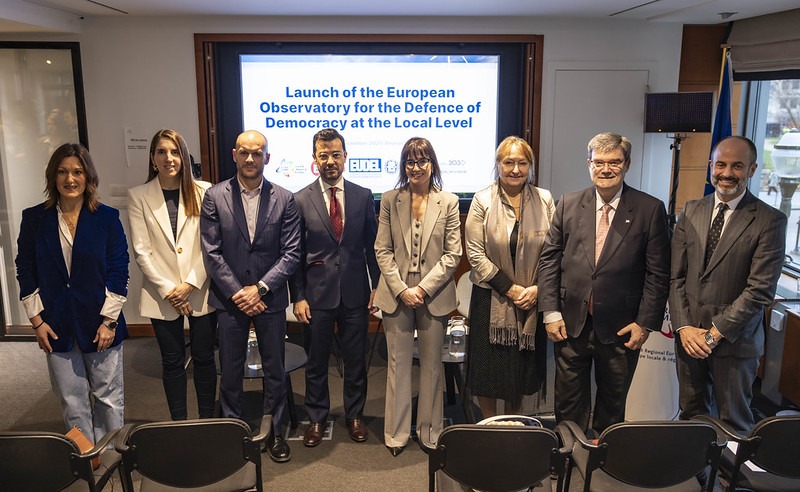
In response to this growing pressure, CEMR, together with the City of Bilbao, Bocconi University and the Basque Association of Municipalities, has launched the European Observatory for Democracy at the Local Level. The initiative aims to gather data on threats against local representatives, identify emerging trends and better understand the drivers behind attacks on democratic institutions.
“By strengthening democracy at the local level, we are also strengthening the European project,” Enunciaga concluded.
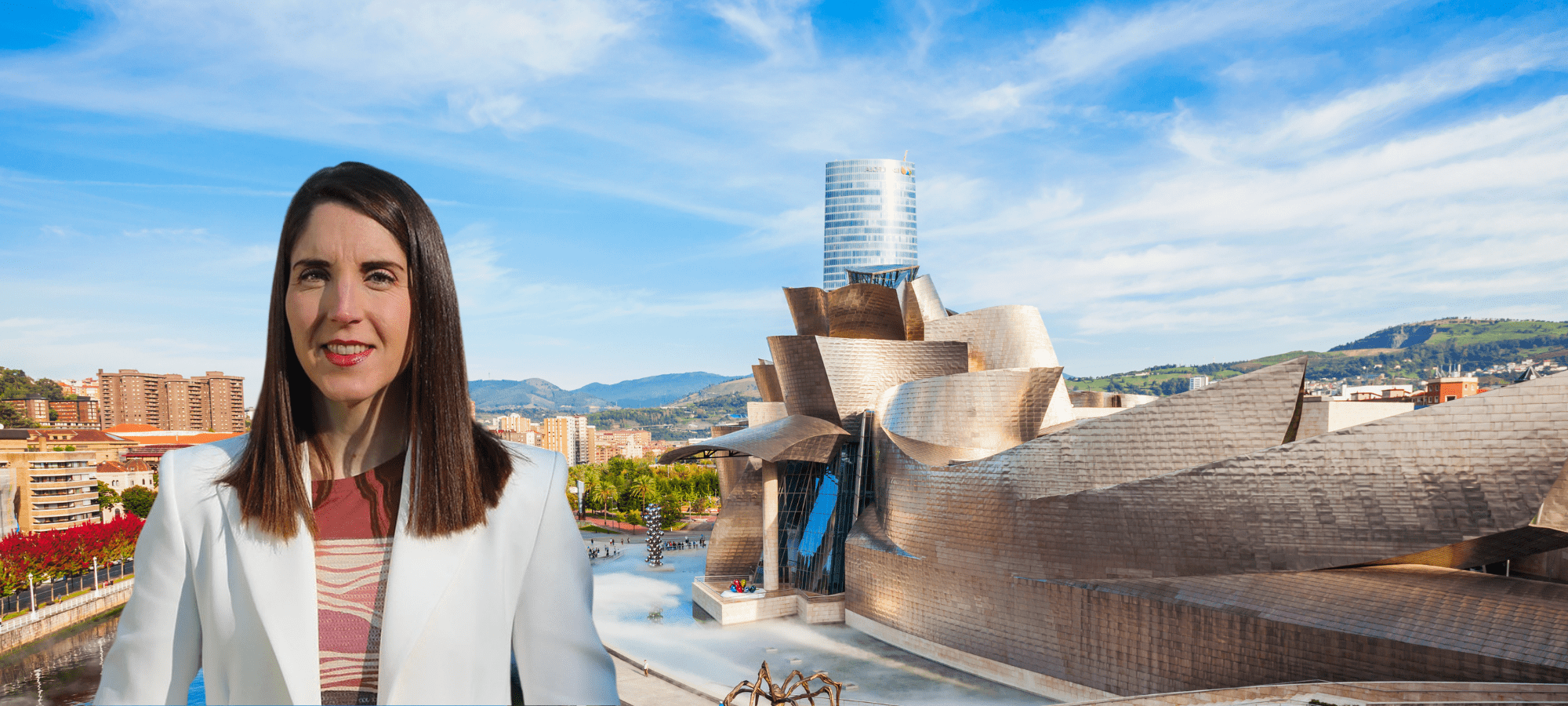
Meet the Local Hero: Eider Inuntziaga, building trust from the streets of Bilbao
When Eider Inuntziaga talks about local government, one word comes up again and again: closeness.
Since 2023, she has served as a city councillor in Bilbao, after years of political engagement within the Basque Nationalist Party. It is her first public mandate, and the experience has changed how she sees political life.
Before, she observed politics from the inside. Now, she experiences it daily — in the street, in neighbourhood conversations, and in the direct reactions of citizens to local decisions. The distance between elected representatives and residents is minimal, which makes local politics both uniquely meaningful and uniquely exposed. She also brings this experience to the European level as one of the Council of European Municipalities and Regions’ spokespersons on Local Democracy.
Across Europe, these challenges are increasingly visible. To better understand and address them, CEMR and its partners, including the City of Bilbao, have launched the European Observatory for the Defence of Democracy at the Local Level — an initiative that collects data, documents threats and harassment against local elected representatives, and helps develop practical tools and responses to better protect those serving their communities.
As she puts it, “local governments are the closest level of administration; we are the face of democracy.”
That proximity builds trust, but it also concentrates frustration. When people are unhappy, local leaders are often the first — and easiest — target.
Social media: useful, but risky
That visibility now extends far beyond the street.
Inuntziaga describes her relationship with social media as “conflicted.” While it can help connect people and share information, she also sees clear downsides.
“Social media can connect people and stories, and it can be useful—up to a point. But it also creates noise, polarisation, and sometimes hate. It can be dangerous.”
For local politicians, the effects are concrete. “It affects integrity, it affects how we speak, and it can silence people. It can make people leave the work they’re doing—or become afraid of what’s happening.”
She keeps her presence limited, using Facebook and LinkedIn, and mixing personal and political communication carefully.
Participation beyond election day
Despite these challenges, Inuntziaga remains firmly optimistic about the role local governments can play in strengthening democracy.
Her approach is simple: stay close, listen carefully and involve citizens as much as possible. For her, elections are only the starting point. Day-to-day participation matters just as much. In Bilbao, this philosophy has taken concrete form through participatory initiatives that invite residents to help shape the city’s direction.
One example is “Bilbao City of Values,” a process through which citizens collectively identified a shared set of principles to guide public life. The idea is to create a common framework that strengthens belonging and counters misinformation. The goal, she explains, is not only better policies, but stronger relationships between institutions and the people they serve.
Learning from Bilbao’s past
Bilbao’s history has also shaped how she thinks about governance.
The city has experienced profound transformation over the past decades — from industrial decline and unemployment to renewal driven by long-term planning and cooperation between public institutions, private actors and civil society. For Inuntziaga, this experience shows that change does not happen overnight and that stability requires patience.
She often points to three elements behind Bilbao’s recovery: cooperation, shared values and long-term vision. Quick fixes rarely work. Instead, consistent decisions taken with the future in mind gradually rebuild trust.
“Decisions must be made with the long term in mind,” she says, describing democracy and stability as mutually reinforcing.
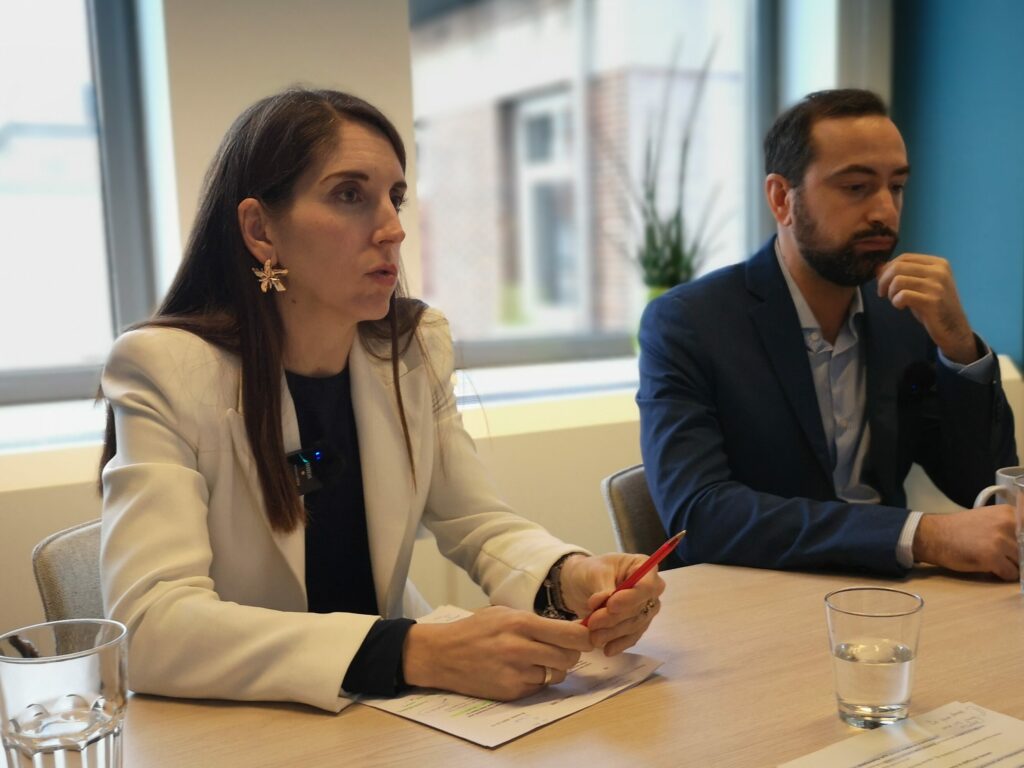
Eider Inuntziaga during the launch of the European Observatory for the Defence of Democracy at the Local Level.
Rooted locally, thinking European
Although her work is grounded in municipal politics, Inuntziaga keeps a strong European outlook. She follows debates beyond Spain closely and draws inspiration from leaders such as Kaja Kallas, whom she admires for her perspective on Europe’s role in a changing world.
Still, her focus remains firmly local. For her, cities are where democracy is tested every day — where policies meet real life, and where trust is either built or lost through everyday interactions.
It is not the most visible level of politics — but, in many ways, it is the one where democracy is felt most directly.
To hear more from Eider Inuntziaga, you can listen to the full episode of Call Simone, also with Gianmarco Daniele of Bocconi University, . They discuss how growing harassment and disinformation are affecting local leaders across Europe, and how the launch of the European Observatory for the Defence of Democracy at the Local Level can better track threats and protect local democracy.
Sakharov Prize 2025: standing with those who defend freedom of thought
The Sakharov Prize for Freedom of Thought is the European Parliament’s most prestigious award for human rights. Established in 1988, it honours individuals and organisations who demonstrate extraordinary courage in defending democracy, freedom of expression and fundamental freedoms, often under severe repression.
Awarded annually, the Prize is both a recognition and a call to action: a reminder that freedom of thought is not guaranteed and must be actively defended.
The 2025 Laureates
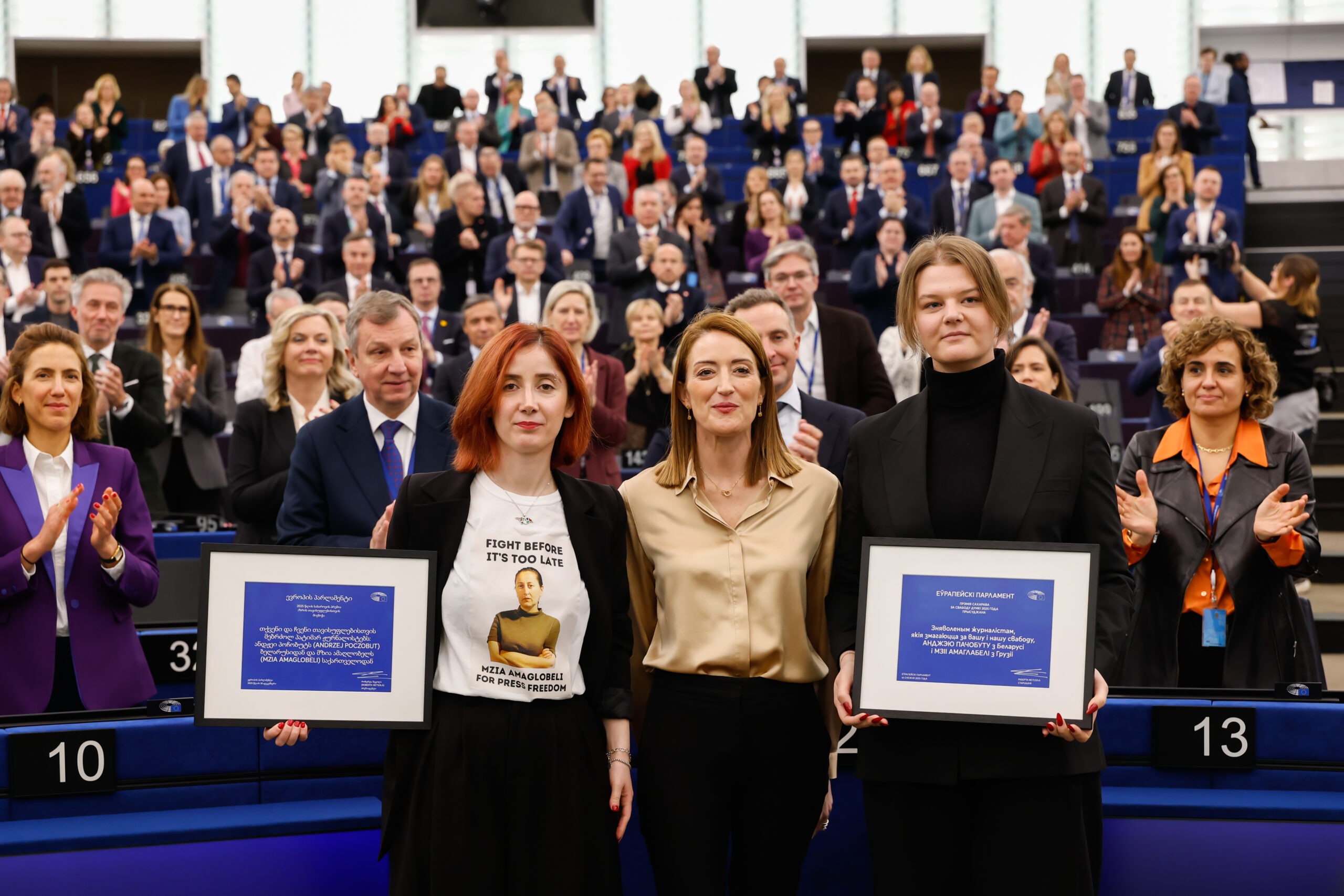
On December 16 2025, the European Parliament awarded the Sakharov Prize to Mzia Amaglobeli of Georgia and Andrzej Poczobut of Belarus, two journalists imprisoned for their commitment to truth, democracy and human rights.
Andrzej Poczobut, a journalist, essayist and activist from the Polish minority in Belarus, has long criticised the Lukashenka regime. Detained since 2021, he was sentenced to eight years in a penal colony on politically motivated charges. His health has deteriorated, his family is denied access, and yet he remains a symbol of resistance against authoritarian repression.
Mzia Amaglobeli, a Georgian journalist and director of the independent media outlets Batumelebi and Netgazeti, was arrested in January 2025 after joining pro-democracy protests. Sentenced to two years in prison, she became Georgia’s first female political prisoner since independence and a powerful symbol of the country’s democratic aspirations.
Announcing the laureates, European Parliament President Roberta Metsola stated that “both have paid a heavy price for speaking truth to power, becoming symbols of the struggle for freedom and democracy. The Parliament stands with them, and with all those who continue to demand freedom.”
Democracy, EU values and enlargement
The Sakharov Prize reflects the European Union’s commitment to defending democracy beyond its borders. In both Belarus and Georgia, democratic backsliding, repression of independent media and attacks on civil society threaten not only national freedoms but also the countries’ European paths.
The European Parliament has repeatedly called for the immediate and unconditional release of both journalists and has adopted resolutions condemning repression, political imprisonment and the erosion of democratic institutions.
Defending democracy from the ground up
At CEMR and PLATFORMA, defending democratic values is central to our work, and we have a specific focus in the context of EU enlargement and the Eastern Partnership. Through cooperation with local and regional governments, national associations of local governments (such as NALAG in the case of Georgia), and civil society, we support democratic governance, freedom of expression and institutional resilience.
Local democracy is often the first target of authoritarian pressure and the first line of defence. By empowering local and regional actors, supporting peer exchange and promoting EU values, CEMR and PLATFORMA contribute to a democratic Europe that is inclusive, resilient and anchored in fundamental rights.
The Sakharov Prize is a reminder that democracy depends on courage but also on solidarity.
According to CEMR’s latest study,nearly half of LRGs report moderate to significant impacts from misinformation, particularly in areas such aspublic health, personal attacks on officials, and election interference. During the pandemic, for example, false claims about vaccines and public measures severely undermined public trust.
The personal toll is also growing. One in four local representatives has faced online abuse or intimidation, and over half report being targeted by false claims about their integrity or conduct. These are not abstract challenges, but rather, they erode both individual safety and democratic trust.
The evidence of CEMR’s study highlighted how misinformation and disinformation spike during crises, for example, around COVID-19, climate policies like low-emission zones, or housing and migration debates. During moments when emotions run high and public debate intensifies, local and regional governments often find themselves on the frontline of these tensions, but many lack the capacity or tools to respond effectively. CEMR’s findings show that 58% of municipalities still lack a formal strategy to counter misinformation and disinformation, and only a quarter are in the process of developing one. Most rely on reactive measures, 58% monitoring social media to spot emerging issues, around a third run awareness campaigns, and a smaller share (4%) collaborate with fact-checkers or pursue legal action (21%). These are useful but insufficient without proactive planning.
For CEMR, building resilience requires three key actions:
Strengthen local capacity and trust. Training staff, protecting targeted officials, and using participatory democracy tools such as citizens’ assemblies can help communities become less vulnerable to false narratives.
Improve coordination and tools. Shared monitoring systems, partnerships, and national or EU knowledge-sharing platforms can help municipalities act faster and avoid duplication.
Create an enabling framework. National and EU support, through measures like the Digital Services Act, AI Act, and national counter-disinformation laws, can provide resources, clarity, and legal backing.
Ultimately, misinformation may be a global issue, but its impact is most visible locally. Empowering local governments with the right capacity, coordination, and frameworks is key to protecting communities, safeguarding democracy, and rebuilding public trust.
It often starts with a rumour. In Sweden, when a local council proposed using municipal land for newly arrived migrants, the debate should have focused on policy. Instead, misleading narratives took over. Trust in the process collapsed, divisions deepened, and planning stalled—not because of disagreement over the proposal itself, but because confidence in local leaders had been shaken.
Similar patterns are appearing across Europe. In the UK, false claims spread by extremists have fuelled threats against local politicians and disrupted council meetings. In Romania, local authorities report having to divert time and resources away from essential services just to counter persistent rumours.
These cases reveal a broader reality: when facts are manipulated, democratic dialogue falters. Decisions that should serve communities are delayed or derailed, while elected representatives—especially women and members of minority groups—face heightened hostility and intimidation.
“Disinformation doesn’t just mislead — it derails local decision-making, sows division, and erodes trust in our institutions. Local governments must be equipped to counter manipulated narratives, protect credibility, and defend democratic dialogue.” Gunn Marit Helgesen, CEMR President
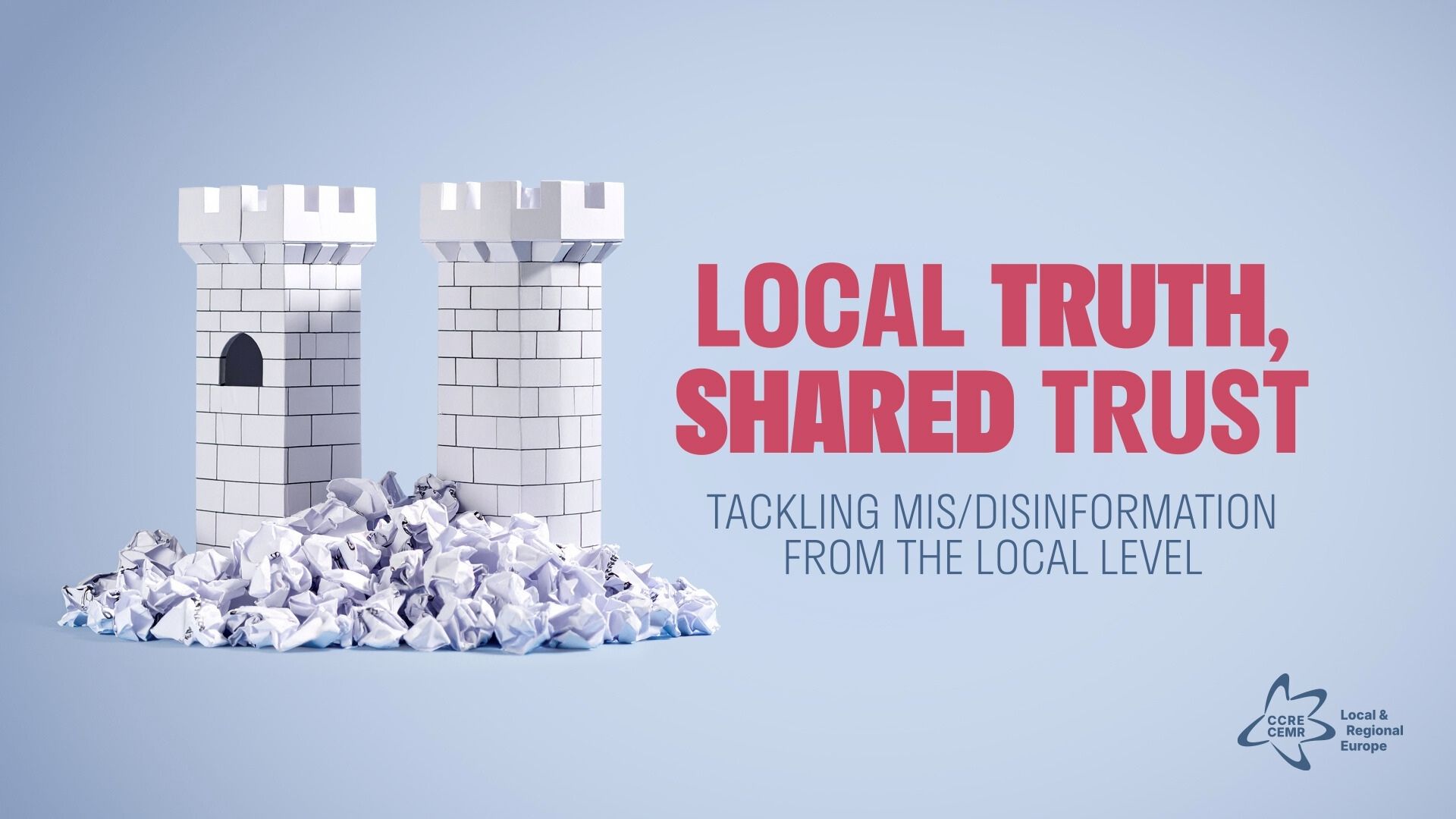
The new CEMR report “Local Truth, Shared Trust” launched on 13 October 2025 during the event “The Local Self-Government Charter turns 40 | Renewing Democracy in the Digital Age”, draws on a spring 2025 survey of national associations to explore these dynamics. Local and regional governments (LRGs) report a rise in mis/disinformation campaigns aimed at discrediting officials, obstructing policy, and deepening community divisions. By sharing real experiences from towns, cities and regions, the report highlights the significant disruption these campaigns create for effective local governance.
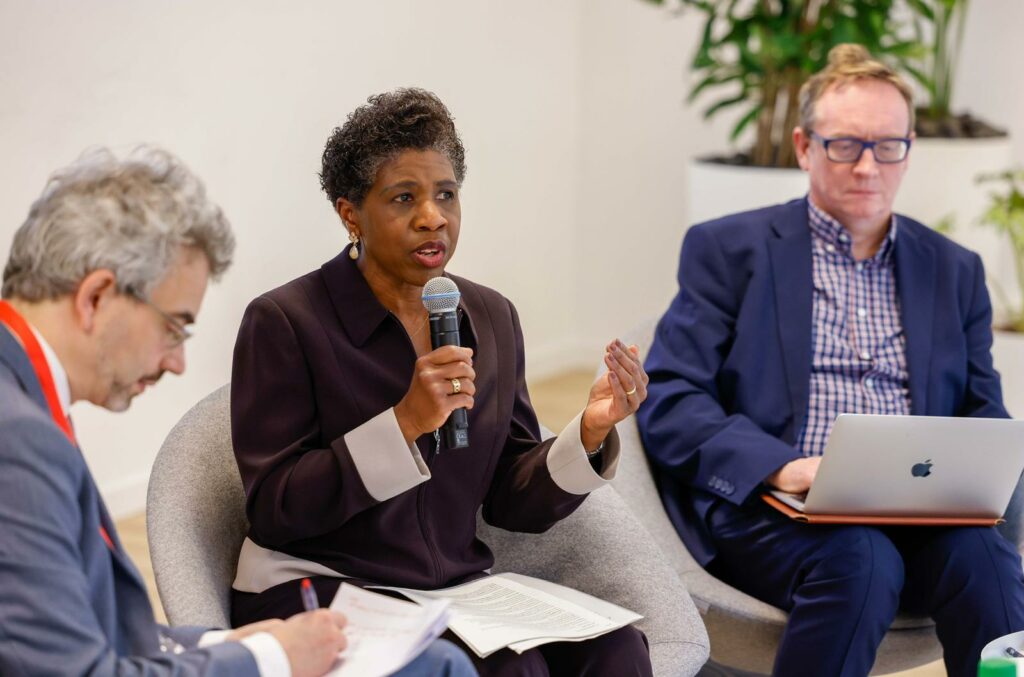
Carol Thomas, Senior Advisor at The Council of European Municipalities and Regions (CEMR) during the report “Local Thruth, Shared Trust” presentation.
Truth in a democracy has always been a contested space, where facts meet beliefs and political narratives shape understanding. But today’s challenge goes beyond healthy debate: it involves deliberate distortion intended to divide. The result is a public sphere that is more polarised, less participatory, and less capable of performing essential functions, from maintaining public order to managing crises and protecting vulnerable populations.
Towns, cities and regions are among the most exposed to these pressures. As the democratic institutions closest to citizens, they are both highly trusted and highly vulnerable. Their central role in service delivery and daily engagement with residents makes them visible targets for narratives that distort facts, fuel mistrust, and erode credibility.
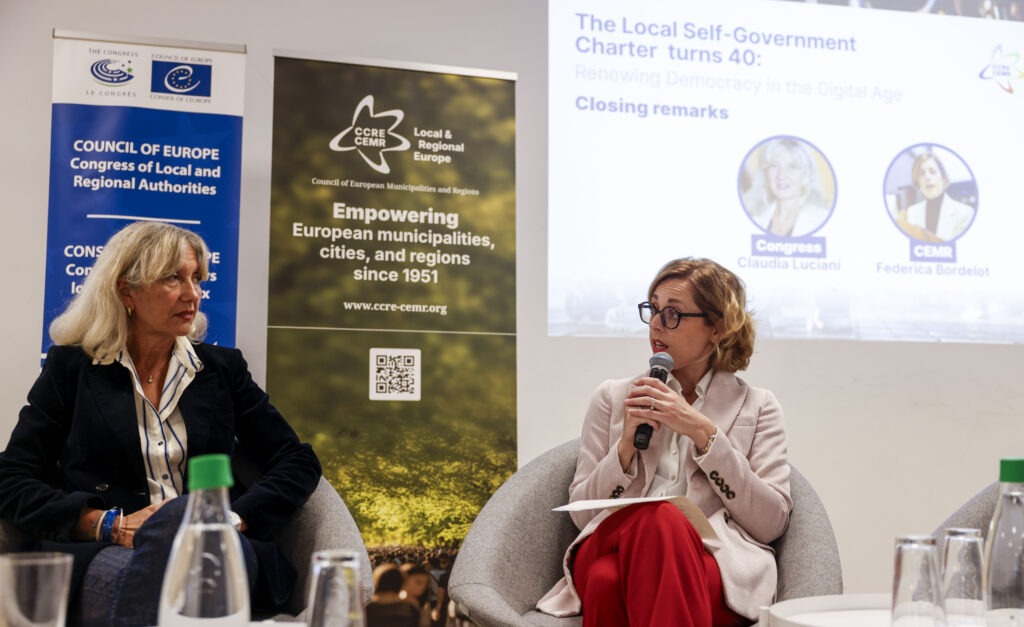
Claudia Luciani, Director of the Congress of Local and Regional Authorities and Federica Bordelot, Director of Advocacy and Impact at CEMR.
Responding effectively to mis/disinformation requires action at the local level. Strengthening local democracy is not only about protecting democratic values, but also ensuring that LRGs can continue providing vital services and leadership for cohesive societies. This includes investing in tools and training for public administrators, supporting independent local media, promoting media literacy, and integrating LRGs into national and EU strategies that reflect on-the-ground realities.
By highlighting these challenges and opportunities, the CEMR report underscores the importance of empowering local governments. Building trust, protecting democratic values, and fostering societal cohesion depends on it. The report’s launch event brought together participants able to share insights, experiences, and expertise—sparking debate and informing concrete solutions to one of democracy’s most pressing challenge.
Leaders of the Council of European Municipalities and Regions (CEMR) and the Network of Associations of Local Authorities of South-East Europe (NALAS) meet to reinforce cooperation
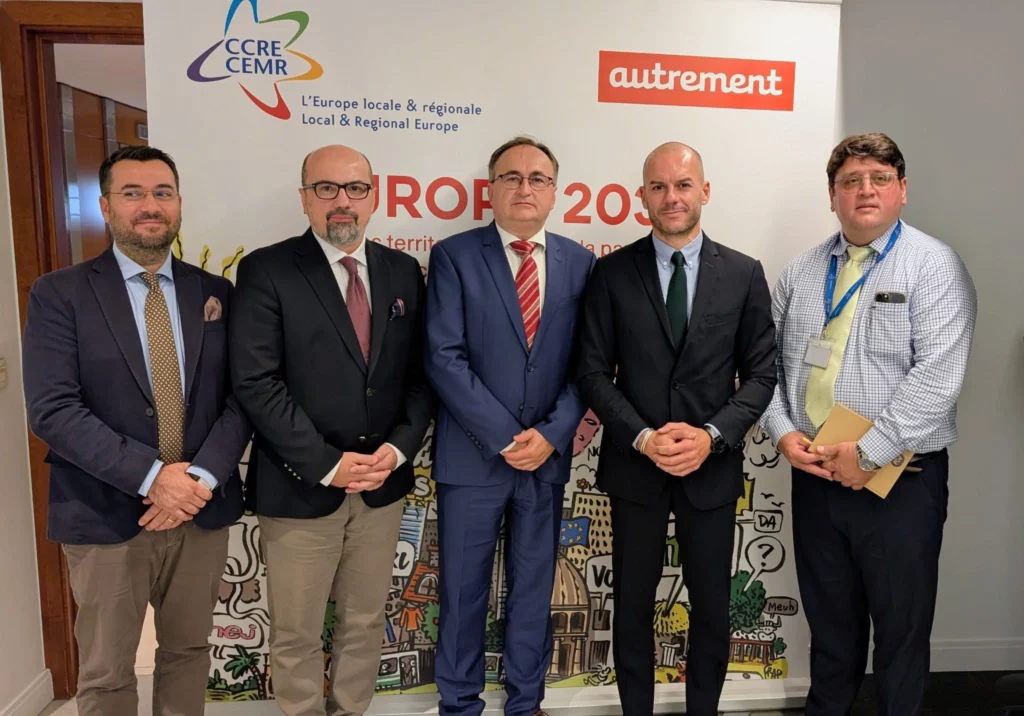
Today, the Secretary General of the Council of European Municipalities and Regions (CEMR) met with the President and Secretary General of the Network of Associations of Local Authorities of South-East Europe (NALAS) to reaffirm the strong spirit of collaboration between the two organisations.
During the meeting, the CEMR Secretary General highlighted the longstanding partnership and the valuable role that NALAS plays in representing and supporting local governments across South-East Europe. Both leadership teams underlined the importance of strengthening the capacities of local and regional governments (LRGs) and their associations (LRGAs), building on shared membership and joint initiatives.
Looking ahead, CEMR and NALAS exchanged views on how to institutionalise their cooperation so that it is not only continued but also fully embedded within CEMR’s political structures. This step would allow for a more systematic exchange, greater representation of shared priorities at the European level, and stronger support for municipalities, regions, and their associations—particularly in addressing today’s challenges and in the enlargement process of the six Western Balkan countries and the Eastern Partnership Trio.
The meeting was followed by a strategic discussion with representatives of the European Commission’s Directorate-General for Neighbourhood and Enlargement Negotiations (DG ENEST) on how to ensure that LRGs and their associations are actively involved in the Growth Plan for the Western Balkans. This major initiative, launched by the European Union, aims to accelerate the region’s economic development and facilitate its integration into the EU’s Single Market. Both organisations stressed the importance of reinforcing cooperation and dialogue with national governments, while also demonstrating the key responsibilities that LRGs should fulfil in the enlargement and negotiation processes.
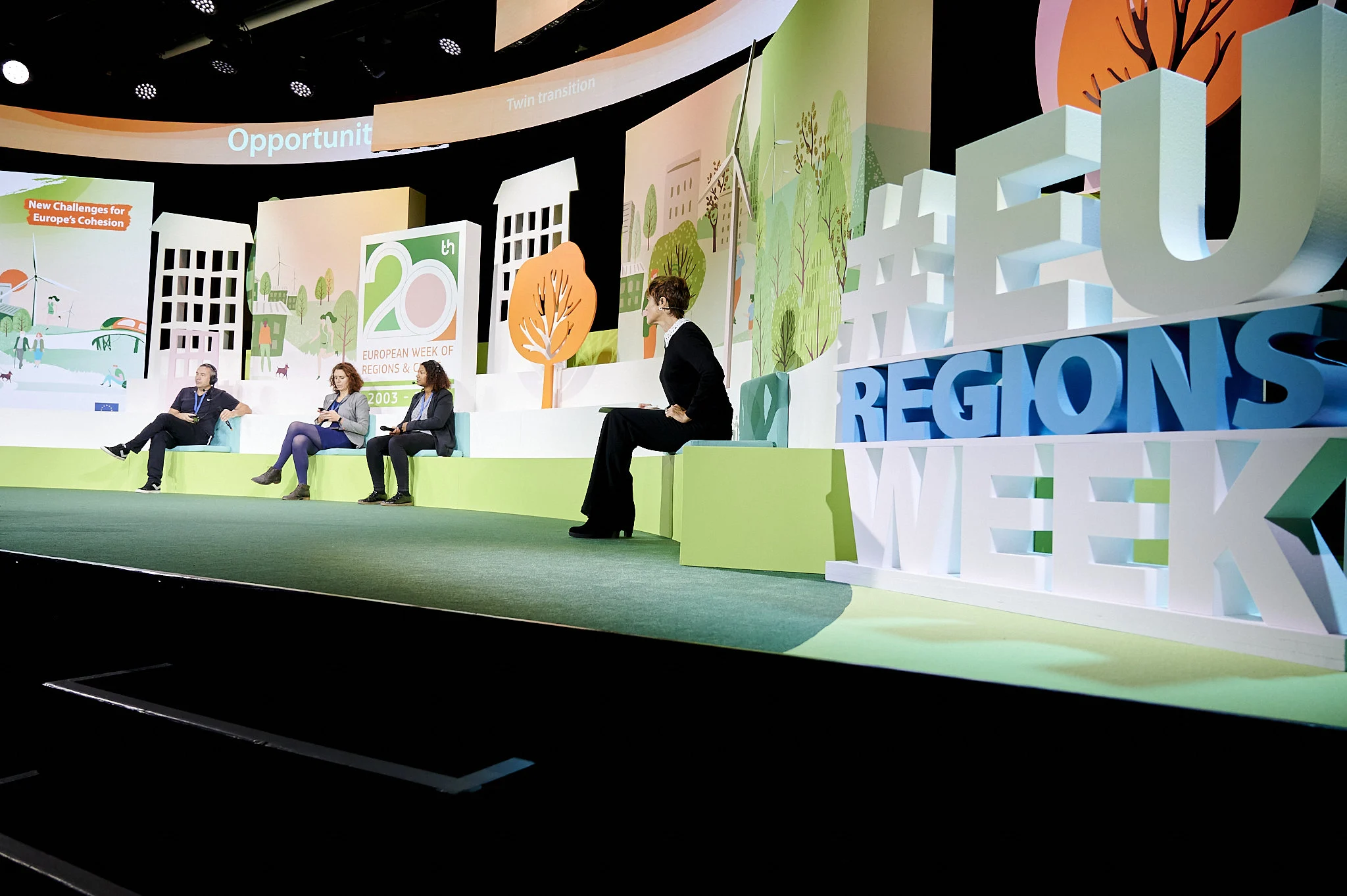
Organised by the European Commission’s Directorate-General for Regional and Urban Policy and the European Committee of the Regions, the European Week of Regions and Cities is the biggest annual Brussels-based event during which cities and regions showcase their capacity to create growth and jobs, implement European Union Cohesion policy, and prove the importance of the local and regional level for good European governance.
If you are a CEMR member and plan to be in Brussels during this week, please let us know by completing this form so we can contact you regarding visibility opportunities.
CEMR event organised on the official programme of the European Week of Regions and Cities
The event will gather high-level representatives of the #CohesionAlliance partners, associations, and the European Committee of the Regions. Together, they will exchange their views on the future of Cohesion Policy and reflect on how far the European Commission’s proposal fosters economic, social and territorial cohesion.
Organised by EasyBusiness, CEMR and the Agency for Recovery and Development, with U-LEAD’s support, this session will focus on Ukraine’s EU accession progress under Chapter 22, municipalities’ pivotal role as ultimate beneficiaries and the power of international municipal partnerships. Acknowledging municipalities’ limited direct experience, the session will highlight how knowledge exchange and collaborative initiatives facilitate vital learning, accelerate EU alignment and crucially contribute to Ukraine’s broader integration and cohesion with the EU, fostering sustainable reconstruction and future growth.
Date and time: 15 October 2025, 16:30 – 18:00 CET
Venue: VMA building – Rue Van Maerlant / Van Meerlantstraat 2, Brussels, VMA23
Other events taking place during the European Week of Regions and Cities (outside the official programme)
CEMR will also organise or co-organise several events alongside the European Week of Regions and Cities, taking advantage of the presence of numerous local leaders in Brussels.
Joint event with the Congress – The Charter turns 40: renewing democracy in the digital age
Organisers: CEMR and the Congress of Local and Regional Authorities of the Council of Europe
2025 marks 40 years since the European Charter on Local Self-Government was opened for signature (the Charter), a milestone document that anchors local democratic governance. In today’s digital age, local democracy is facing unprecedented challenges from disinformation, misinformation, and deliberate efforts to erode trust in public institutions. That’s why CEMR and the Congress of Local and Regional Authorities of the Council of Europe are bringing together policymakers, local leaders, academics, and civil society for a vital discussion on how to build democratic resilience.
This event will spotlight innovative local actions, feature the launch of CEMR’s new report on how local and regional governments are confronting the threats of mis/disinformation, and introduce the New Democratic Pact for Europe, a bold initiative to strengthen democracy for the future.
Local Alliance: Shaping the next EU budget with cities
Date and time: 15 October 2025, 18:30 – 20:30 CET
Venue: European Parliament
This high-level evening discussion will bring together mayors, city networks, Members of the European Parliament, and EU officials to debate how cities can shape the next EU budget. The event will spotlight local priorities for the post-2027 Multiannual Financial Framework (MFF), the need for direct access to EU funds, and the importance of ensuring cities and regions are at the heart of Europe’s investment decisions.
Bridges of Trust – Annual gathering
Date and time: 16 October 2025, 13:30 – 19:00 CET
Venue: CEMR, 1 square Meeûs, 1st floor, Brussels
Organisers CEMR, U-LEAD with Europe
Bridges of Trust’s annual gathering brings together European and Ukrainian municipalities to strengthen cooperation and support Ukraine’s recovery. With local leaders, EU institutions, and partner organisations, the event fosters trust-based partnerships, knowledge exchange, and concrete actions for rebuilding communities and advancing EU integration.
At a time of mounting geopolitical challenges and accelerating climate risks, the role of Europe’s towns, cities, and regions has never been more vital. This year’s Ceremony will bring together mayors, regional leaders, and top EU decision-makers to discuss how cities and towns are helping secure Europe’s future by providing citizens with clean and affordable energy while strengthening local resilience.
For over 15 years, the EU Covenant of Mayors has mobilised local leadership across Europe to plan, act and work with communities towards a more resilient, prosperous, and climate-neutral future, making them indispensable allies in shaping Europe’s vision.
This year’s Ceremony comes at a critical moment for Europe, as new priorities and strategies take shape and gather momentum under the freshly launched EU mandate. The event will shine a spotlight on the essential role of local governments in delivering on these priorities – highlighting how Europe’s security, resilience, and prosperity can only be achieved through close cooperation with its towns, cities, and regions.
The event will feature high-level speakers, including Ursula von der Leyen, President of the European Commission; Roberta Metsola, President of the European Parliament; Kata Tüttő, President of the European Committee of the Regions; Raffaele Fitto, Executive Vice-President for Cohesion and Reforms, European Commission, along with mayors and regional leaders from across Europe.
The Ceremony will also honour the winners of the 2025 EU Covenant of Mayors Award, celebrated for their outstanding leadership and achievements in decarbonising heating and cooling at the local level.
The country profiles offer a short overview of national models of (decentralised) development cooperation frameworks in selected EU Member States. The aim is to provide insights into specific mechanisms and modalities of analysed national frameworks and identify enabling factors as well as challenges related to practical implementation, focusing on the role and opportunities for local and regional governments and their associations.
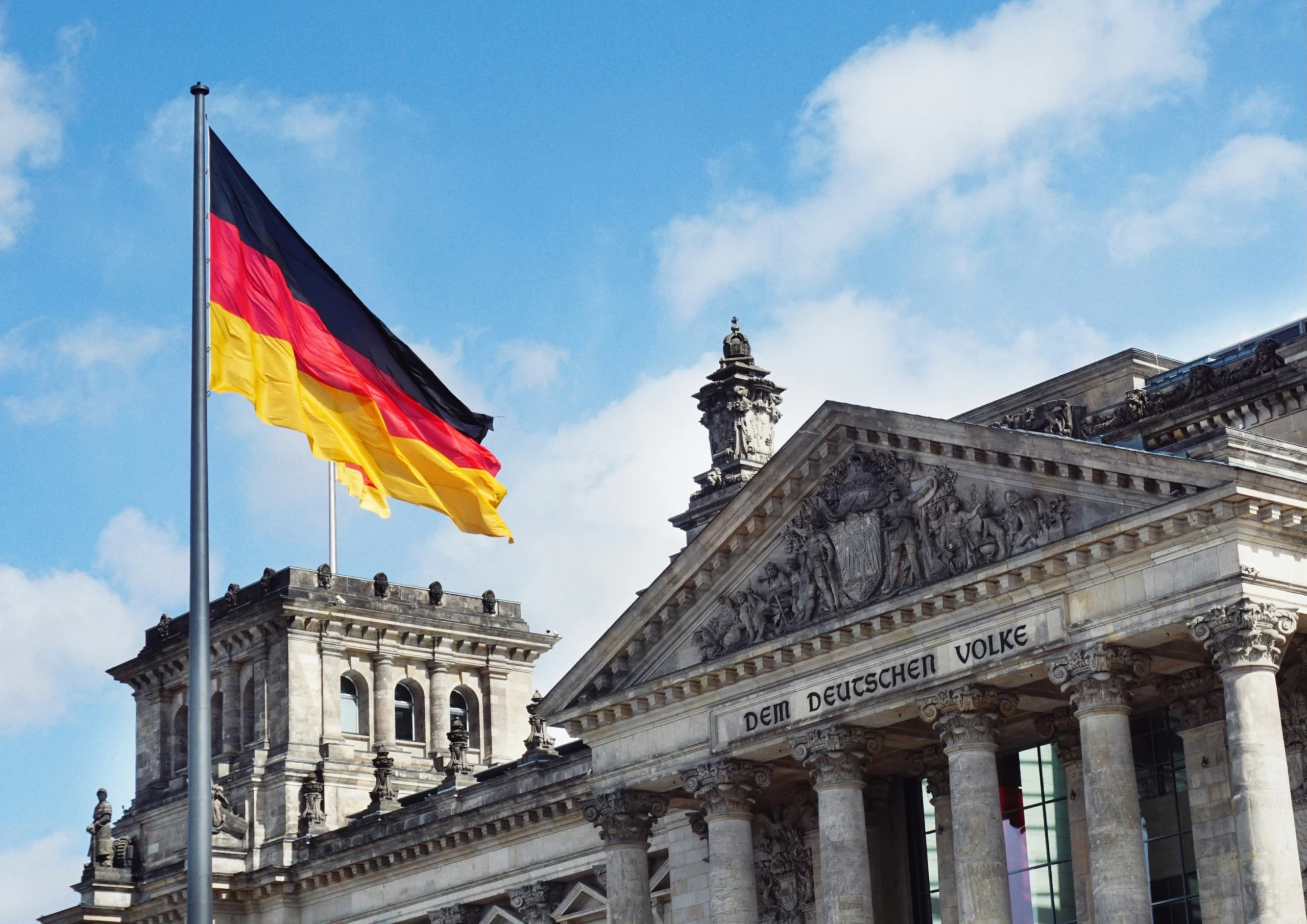
Based on the study, the German framework for DDC is characterised by:
1. German federal states and municipalities maintain lasting partnerships with their counterparts abroad, generating sustainable impact. Recent German-Ukrainian solidarity partnerships underline DDC’s role in development policy and open paths for trilateral and multilateral cooperation.
2. Service Agency Community in One World – SKEW of Engagement Global is the main advisory and grant-providing platform for German LRGs in DDC, supporting project planning, implementation, and international exchange.
3. The variety of funding programmes (mainly financed by the Ministry for Economic Cooperation and Development – BMZ, managed via Service Agency Community in One World – SKEW and Deutsche Gesellschaft für Internaztionale Zusammenarbeit – GIZ), designed for specific purposes, enable project-based, thematiccooperation and long-term partnerships.
This article is part of a series of 7 Country Profiles examining decentralised development cooperation frameworks across Europe. The thirs edition, focusing on Spain, will be published in December. Stay tuned!
Read the Country Profile, available in four languages:
CEMR encourages German authorities to strengthen the role of LRGs in development policy, not only as implementers, but also as strategic partners helping shape a more resilient, inclusive and effective development agenda.
This publication is produced within the Bridging and Mapping Knowledge Gaps in Decentralised Cooperation (Mindcraft), funded by the German Federal Ministry for Economic Cooperation and Development (BMZ) and supported by the Deutsche Gesellschaft für Internationale Zusammenarbeit (GIZ).
The country profiles offer a short overview of national models of (decentralised) development cooperation frameworks in selected EU Member States. The aim is to provide insights into specific mechanisms and modalities of analysed national frameworks and identify enabling factors as well as challenges related to practical implementation, focusing on the role and opportunities for local and regional governments and their associations.
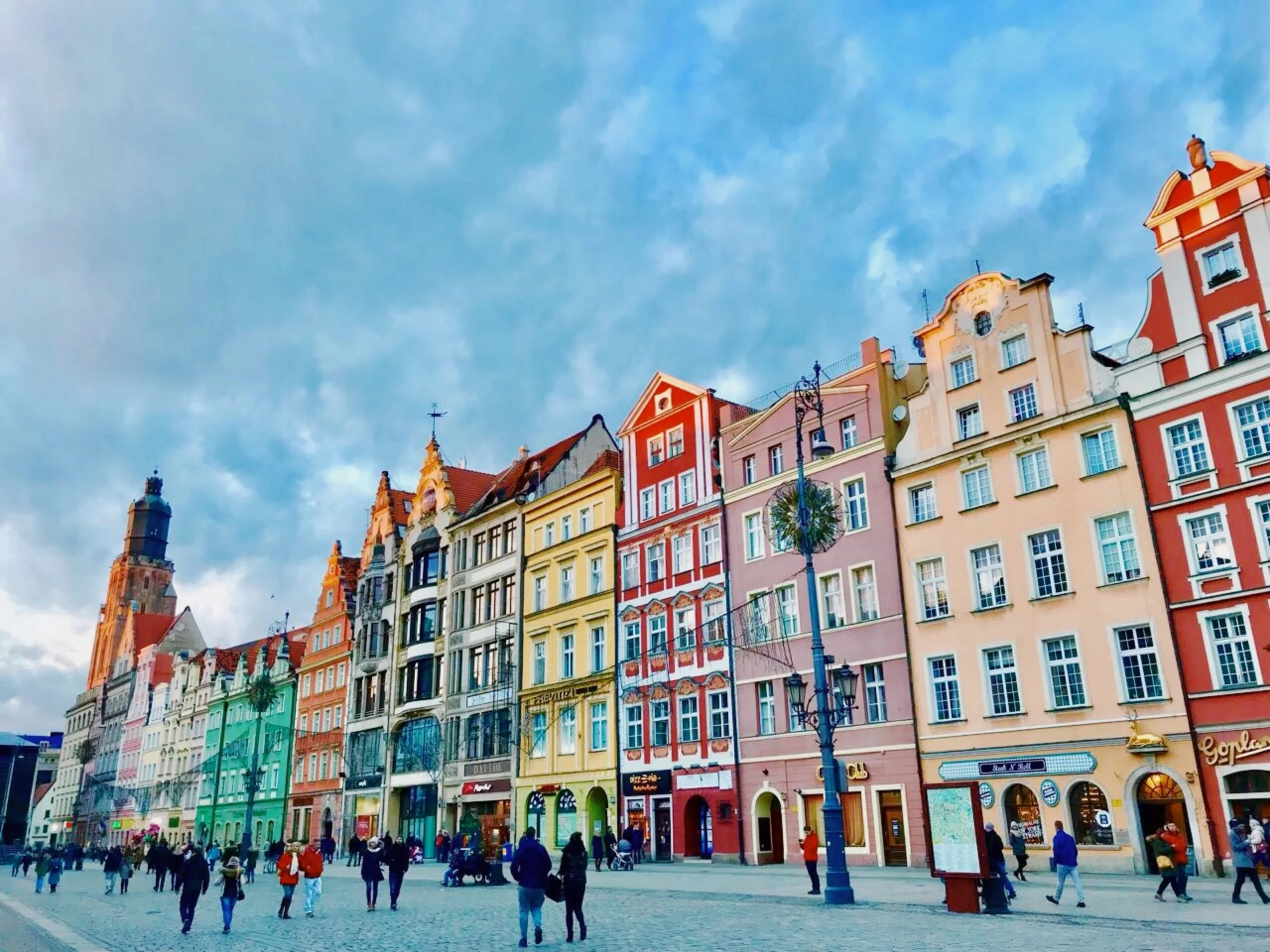
Based on the study, Poland’s approach to DDC is characterised by:
1. Focusing on cooperation with Eastern European countries – with Ukraine, Georgia, and Moldova. Polish local governments actively support partners through strategy development, peer learning, and implementation support.
2. Highlighting the vital role of direct local-level partnerships in times of crisis, including twinning and hands-on collaboration despite the ongoing war.
3. Polish municipalities have developed strong expertise in accessing EU funds and designing effective local strategies, which they can use in their partnerships.
This article is part of a series of 7 Country Profiles examining decentralised development cooperation frameworks across Europe. The second edition, focusing on Germany, will be published in September. Stay tuned!
Read the Country Profile, available in four languages:
CEMR encourages Polish authorities to strengthen the role of LRGs in development policy, not only as implementers, but also as strategic partners helping shape a more resilient, inclusive and effective development agenda.
This publication is produced within the Bridging and Mapping Knowledge Gaps in Decentralised Cooperation (Mindcraft), funded by the German Federal Ministry for Economic Cooperation and Development (BMZ) and supported by the Deutsche Gesellschaft für Internationale Zusammenarbeit (GIZ).
* The content of this publication is the responsibility of its author(s) and does not reflect the views of the German Federal Ministry for Economic Cooperation and Development (BMZ).