Local support to Ukraine 

Mayors in Ukraine - News 2023

European local and regional governments denounce Russia’s aggression and pledge solidarity with Ukrainian communities 


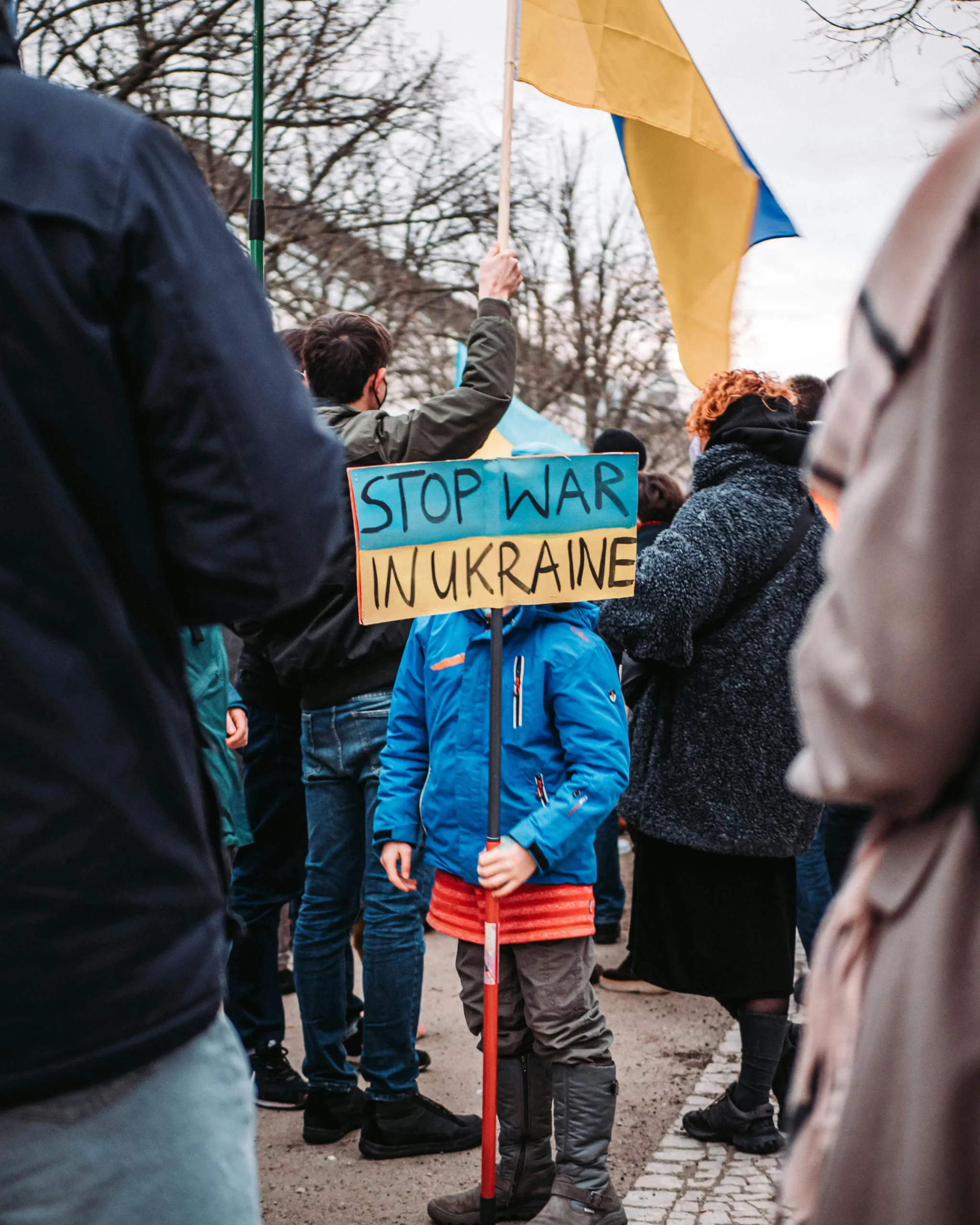
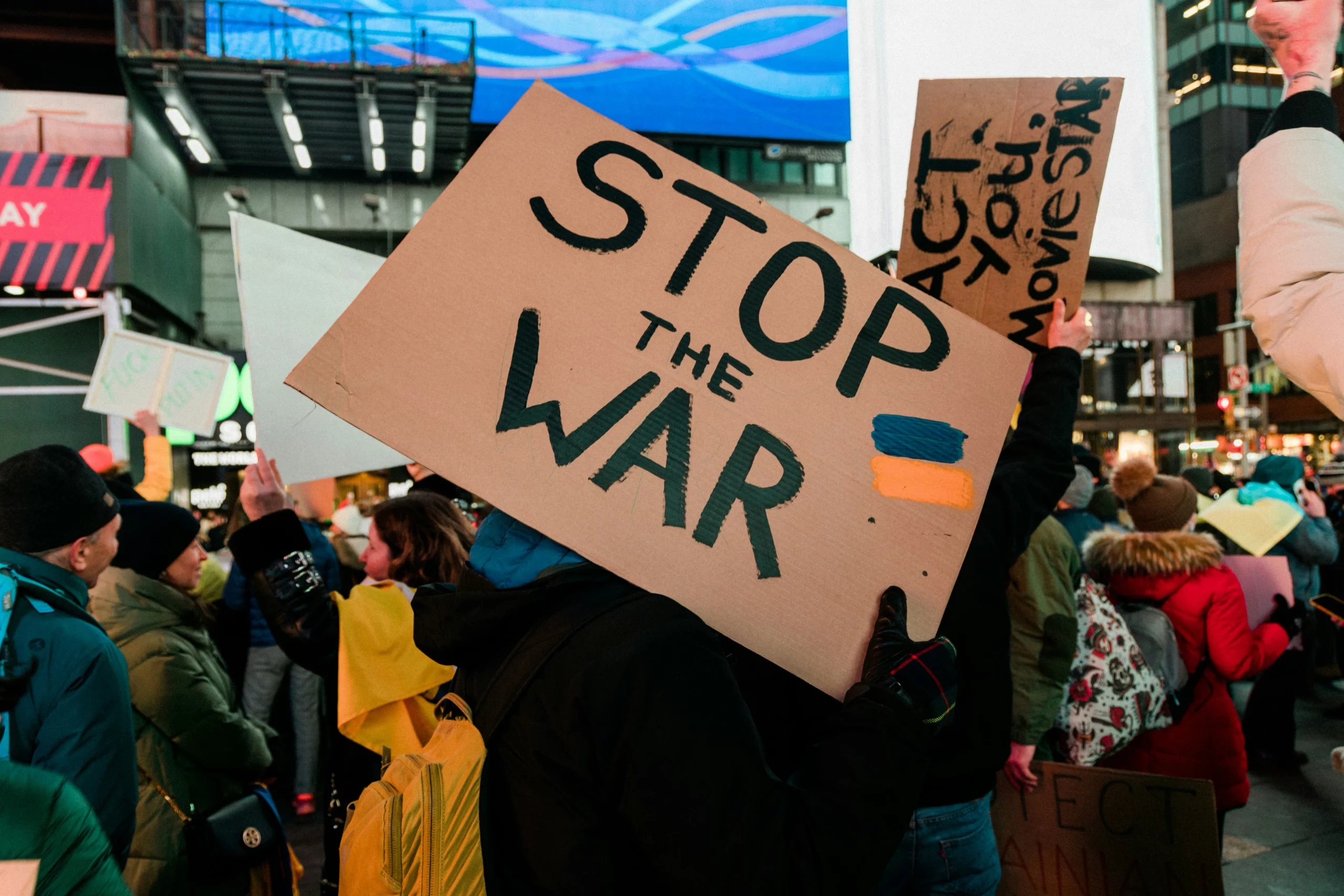
European local and regional governments have expressed their strongest condemnation of Russia’s repeated attacks and violations of Ukraine’s sovereignty and territorial integrity. They reject any attempt to dismantle a free and democratic state in Europe, stressing that these acts threaten peace and democracy across the continent. 

Solidarity with Ukrainian Communities 
Mayors, councils, and regional leaders stand firmly with their peers in Ukraine, municipalities, hromadas, districts, and their associations, who remain on the frontline providing essential services to citizens under the constant threat of bombings and destruction of infrastructure. 

Commitment to Support 
Local and regional governments across Europe, representing 60 national associations in 40 countries, commit to offering Ukrainian communities the materials, expertise, and assistance needed to face the ongoing crisis. They also prepare to respond to the humanitarian consequences, including the likely arrival of refugees, in close coordination with national governments. 

City Diplomacy for Peace 
Rooted in a tradition of local democracy and city diplomacy since 1951, European municipalities reaffirm their belief in peace and cooperation. They call on Russia to cease its aggression, withdraw from Ukraine, including Donbas and Crimea, and respect international law. 

Looking Ahead 
Despite the violence, local leaders remain convinced that diplomacy between cities can once again be a powerful force for unity, peace, and rebuilding across Europe. 

Read the declaration here 

For more information, contact: 

Empowering local Europe 

European Town - News

CEMR unveils its vision for stronger, inclusive and sustainable territories across Europe


The Council of European Municipalities and Regions (CEMR) has launched its political manifesto calling for a more inclusive, resilient, and citizen-driven European Union. With over 41 national associations of local and regional governments behind it, the manifesto sets out a roadmap to bring Europe closer to its citizens, starting from the ground up. 

At its heart are six concrete proposals to reinvigorate European democracy: from establishing permanent citizen panels and annual Europe Day debates in schools, to relaunching town twinning and creating an Erasmus-style programme for civil servants. 

CEMR also stresses that a strong Europe must leave no one and no place behind. It calls for renewed efforts to tackle territorial disparities, address depopulation, and ensure that public services, from education to health, are accessible to all citizens, no matter where they live. 

The manifesto also focuses on key priorities for the coming decade, including: 

  • Citizen participation through inclusive local democracy; 
  • Empowered local climate action, as cities and regions lead Europe’s green transition; 
  • Fair and coordinated migration policies, with strong local support for integration; 
  • Digital transformation that bridges the urban–rural divide; 
  • New forms of town-to-town partnerships, especially beyond the EU’s borders; 
  • And financial means to invest in sustainable local infrastructure and innovation. 

CEMR’s proposals emphasise the urgent need for deeper recognition of local and regional governments in European decision-making. This includes a stronger role for the Committee of the Regions, the creation of a local chamber, and systematic consultation of representative associations like CEMR when shaping EU legislation and strategies. 

By calling for a Europe that is democratic, sustainable, and close to its people, the manifesto is a bold invitation to reimagine the Union from the local level up, with municipalities and regions playing a central role in shaping the continent’s future. 

Read the position paper here 

For more information, contact: 

Boosting public investment capacities 

COVID19 finances - news

Rethinking EU economic governance to empower local investment and drive sustainable recovery 


The COVID-19 crisis has reshaped Europe’s economic landscape and highlighted the essential role played by local and regional governments. From enforcing public health measures to supporting vulnerable communities, municipalities and regions have borne the brunt of the pandemic’s immediate and long-term impacts, often while facing steep declines in revenues. 

As the EU reflects on the future of its economic governance, the Council of European Municipalities and Regions (CEMR) urges a rethink of the Stability and Growth Pact to better align it with today’s realities and tomorrow’s challenges. 

Local governments account for nearly half of public investment in the EU, yet current fiscal rules often restrict their capacity to finance long-term projects. CEMR’s position paper identifies several ways the framework could evolve to support recovery, green and digital transitions, and social inclusion. These include: 

  • Stronger multi-level governance and genuine consultation with local authorities in EU economic coordination; 
  • Greater fiscal flexibility to support sustainable and long-term local investments; 
  • Addressing the investment backlog through accessible financing and capacity building; 
  • Establishing a dedicated European municipal and regional investment facility within the EIB to boost green and digital development; 
  • Ensuring that local-level contributions to the EU Green Deal are not blocked by rigid budget rules. 

Reforming EU economic governance is an opportunity to recognise and unleash the potential of Europe’s cities and regions. A more balanced, investment-friendly approach will strengthen resilience, equity and sustainable growth across the Union. 

Read the position paper here 

For more information, contact: 

Lessons from the COVID19 Pandemic

COVID recovery - News

Local and regional governments need stronger support, recognition, and autonomy in times of crisis


As Europe continues to grapple with the long-term consequences of the COVID-19 crisis, the Council of European Municipalities and Regions (CEMR) highlights the vital role of local and regional governments during the pandemic and the urgent need for stronger multilevel governance and financial resilience.

From the earliest days of the pandemic, local and regional authorities were at the frontline: managing public health measures, ensuring social services, maintaining education and local transport, and supporting vulnerable groups. They also had to cope with increased expenditure while facing plummeting revenues, a phenomenon CEMR described as the “scissor effect.” Despite their efforts, many municipalities and regions received little compensation or recognition for their critical role.

In light of these challenges, CEMR has outlined ten key recommendations to ensure more effective responses in future crises and support long-term resilience:

  1. Recognition of essential services
    Local and regional governments must be acknowledged as essential actors in crisis management. Their competences, funding, and resources must be guaranteed and reinforced, with better alignment of policies across government levels.
  2. Equal access to EU recovery tools
    Municipalities and regions should be directly involved in shaping and implementing national recovery plans, particularly in the context of the Recovery and Resilience Facility. This means ensuring equal access to EU funds, simplification of procedures, and stronger monitoring mechanisms.
  3. Flexible financial frameworks
    The EU fiscal rules need to evolve. CEMR calls for more flexibility for local and regional governments in borrowing and investment, especially for long-term sustainable projects. Debt incurred for these purposes should be excluded from deficit calculations under the Stability and Growth Pact.
  4. Stronger digital transition
    The pandemic highlighted the digital divide across Europe. More investment is needed to strengthen local digital infrastructure and capacity, especially in rural and underserved areas. Local and regional authorities must play a central role in the EU’s digital transition.
  5. Health, care, and social services
    Municipalities and regions are often responsible for delivering or coordinating health and care services. They must be involved in national health policy planning, with proper resources and long-term investment to ensure quality and accessibility.
  6. Support for local economies
    Cities and regions played a key role in supporting local businesses and workers during the crisis. The EU and Member States must ensure that economic recovery policies reach the local level and that municipalities can take proactive measures to protect local economies.
  7. Strengthening social cohesion
    COVID-19 amplified existing inequalities. Local authorities are best placed to address social exclusion, support vulnerable groups, and reinforce community resilience, but need adequate funding and policy support.
  8. Better governance
    The pandemic exposed the weaknesses of top-down crisis responses. Multilevel governance, subsidiarity, and the partnership principle must be strengthened to ensure effective cooperation and faster, more tailored solutions.
  9. Green recovery
    Recovery funds and policies must prioritise sustainability. Local governments are already implementing the Green Deal at ground level, through sustainable mobility, energy-efficient buildings, and green public spaces. Their role must be formally supported in EU policy and funding instruments.
  10. Crisis preparedness
    Europe must develop better tools for future emergencies. This includes building the capacity of local administrations, sharing best practices, and ensuring municipalities have access to critical resources when crises hit.

Conclusion
The COVID-19 pandemic has been a stress test for European governance and local governments passed it with resilience and determination. Now, CEMR urges EU institutions and Member States to turn these lessons into action. By strengthening the role, autonomy, and resources of local and regional authorities, Europe can better prepare for the next crisis and deliver a fair, green, and inclusive recovery for all.

Read the position paper here 

For more information, contact: 

COVID impact on local finances 

COVID 19 finances - News

A Europe-wide snapshot of the pandemic’s fiscal impact on municipalities and regions, and what support is still missing  


The COVID-19 pandemic placed local and regional governments at the frontline of public health response in Europe. While ensuring safety, maintaining essential services, and supporting vulnerable populations, these governments were simultaneously burdened with spiralling costs and plummeting revenues. A survey conducted by the Council of European Municipalities and Regions (CEMR) in May 2020 offers critical insight into the financial distress faced by cities and municipalities across 17 European countries. 

The survey reveals a dual pressure on local and regional finances: soaring expenditures, primarily for personal protective equipment, sanitation, and social support and sharp declines in revenue due to reduced economic activity. Tax revenues, municipal service fees, and income from the cultural and tourism sectors were severely impacted. For example, Bulgaria saw a 41% decrease in municipal income from its own sources, and Austria faced estimated municipal revenue losses between €900 million and €2 billion. 

While local authorities acted swiftly, organising food deliveries, providing accommodation for healthcare workers, and ensuring online education, support from national governments was slow and often insufficient. Although a few countries, like Estonia and Germany, implemented meaningful aid measures, most national support was delayed, limited, or only promised in future budget cycles. 

Many governments, like in France and Sweden, pledged support, but uncertainty remains about the long-term sustainability of subnational budgets. Furthermore, the varied structure of local financing systems across Europe means that the financial impact differs widely between countries and even among municipalities within the same country. 

The CEMR report makes it clear: without timely and adequate support from national and European levels, local and regional governments risk losing the capacity to invest in recovery and sustainable development. To prevent a prolonged post-pandemic investment slump, EU funds, especially from the Recovery and Resilience Facility, must be made directly accessible to local authorities. 

Only by empowering municipalities can Europe hope to achieve its long-term goals for resilience, cohesion, and sustainability. Now is the time for stronger multilevel cooperation and for the EU to acknowledge the central role of local and regional governments in shaping recovery. 

Read the study here 

For more information, contact: 

Europe 2030 – local leaders speak out

Europe 2030 - News

Local and regional leaders call for a renewed European model, rooted in unity, democracy, and empowered territories


Europe has always been a bold political project. Born from the ashes of two World Wars, it was built on the conviction that lasting peace and prosperity can only be achieved together. From the beginning, local and regional leaders played a decisive role: mayors and municipalities spearheaded cooperation across borders and called for stronger local democracy through the European Charter for Local Liberties.

Today, facing crises from climate change to migration, from social tensions to war at its borders, Europe once again needs its local pioneers. In 2016, CEMR launched a visionary initiative inviting leaders, citizens, and young people to share their vision of Europe in 2030. The results were clear: citizens want a more cohesive, democratic, and responsive Europe, one that listens and acts closer to their daily lives.

The vision for 2030 is ambitious: empower local and regional governments with greater resources, strengthen cooperation between all levels of governance, and ensure that policies remain people-centered. Local governments already provide over 60% of public investment in the EU, showing that they are key drivers of innovation, social support, and sustainable development.

Contributors stress that decentralisation is essential to building trust in democracy. Nation-states should act as regulators and guarantors of equality, regions should drive economic growth, and towns should remain the heart of community life. At the same time, Europe must stay united in diversity, serving as the guardian of territorial cohesion, welfare, and collective security.

By 2030, Europe will be more global and more urban. Local and regional governments must therefore take a stronger role in international cooperation, through city diplomacy, twinning, knowledge-sharing, and decentralised cooperation, to tackle challenges like climate change and sustainable development.

The message is simple but powerful: to change the world, we must think and act locally while standing united as Europeans. A renewed European model, decentralised, democratic, and open to the world, is the key to regaining citizens’ trust and securing a brighter future.

Read the study here 

For more information, contact: 

Europe’s democratic future 

European Parliament - News

The 2019 European elections highlight progress in participation, diversity, and gender balance, but also the need for stronger local involvement in shaping EU policies 


The European elections of May 2019 marked a turning point for democracy in the European Union. With more than 400 million citizens called to vote, turnout reached 51%, the highest since 1979, signalling renewed interest in EU politics. Yet, the debate within the Council of European Municipalities and Regions (CEMR) underlined that more must be done to sustain citizen engagement and strengthen local governments’ role in shaping European policies. 

The new European Parliament is more diverse than ever, reflecting a broader range of political views. This diversity will influence the Union’s legislative agenda and policy outcomes. Progress has also been made on gender equality, with women now making up 40% of Members of the European Parliament, up from 36% in the previous mandate. 

Still, challenges remain. Increasing citizens’ interest in Europe requires targeted outreach, particularly towards young people, through communication channels they use and trust. Local and regional governments are key to bridging the gap between European institutions and citizens’ daily lives. Strengthening their role in the EU’s decision-making process is essential for the effective preparation, financing, and implementation of policies. 

Looking ahead, the new Parliament is expected to continue work on the Multi-Annual Financial Framework (MFF) and embed the Sustainable Development Goals into EU legislation. A gender-balanced approach in filling top positions within both the Parliament and the European Commission is also vital to ensuring fair and inclusive representation. 

The 2019 elections opened a new chapter for the European Union. Higher participation, improved gender balance, and a more diverse Parliament are encouraging signs, but further efforts are needed to build trust, foster inclusion, and give local governments a stronger voice. By working together, the EU and its citizens can ensure that Europe’s democratic future is both representative and resilient. 

Read the position paper here 

For more information, contact: 

Achieve “active subsidiarity”  

European Union - EU Enlargement News

Improving EU policymaking through stronger dialogue with Europe’s local and regional governments 


With the European Union facing increasingly complex challenges, from demographic shifts to digitalisation and climate resilience, ensuring that policies are designed and delivered as close to citizens as possible is more relevant than ever. In this context, the Council of European Municipalities and Regions (CEMR) has released a position paper advocating for a more structured, inclusive, and effective approach to subsidiarity and proportionality in EU decision-making. 

The paper responds to the European Commission’s 2018 Communication on subsidiarity and proportionality, which calls for a stronger application of these core principles in the legislative process. CEMR welcomes this shift and provides five concrete proposals to embed local and regional governments more deeply into the EU policy cycle. 

Towards active subsidiarity: five key proposals 

CEMR argues that local and regional governments (LRGs) are not merely stakeholders but essential partners in the design, implementation and evaluation of EU legislation. To improve policy outcomes, the position paper puts forward five central proposals: 

  1. Structured Dialogue: Introduce formal mechanisms to ensure that local and regional governments and their associations are regularly consulted at all stages of policy development, mirroring the success of the Social Dialogue model. 
  1. Effective Engagement: Tailor consultation tools to better capture the input of LRGs and provide feedback on how their responses are considered, moving beyond one-size-fits-all approaches. 
  1. Weighted Input: Recognise the democratic legitimacy of local authorities by assigning greater weight to their input in EU consultations and encourage deliberative dialogue through local stakeholder meetings. 
  1. Use of Local Data: Draw on the unique evidence and experience of LRGs earlier in the legislative cycle, especially through inception impact assessments and a reformed REFIT platform. 
  1. Access to Policymaking: Develop systems allowing LRGs to help shape legislation from the ground up and promote models of multilevel governance like those trialled through the Urban Agenda for the EU. 

A call for genuine partnership 

CEMR highlights that better regulation and stronger subsidiarity are not only technical improvements but democratic imperatives. By embedding multilevel governance and recognising the expertise of towns, cities and regions, the EU can build policies that are more effective, more efficient, and more trusted by citizens. 

This paper adds to CEMR’s broader push for a European governance model based on real partnership with local and regional governments. With the next European Commission mandate on the horizon, the time is ripe to make “active subsidiarity” a reality. 

Read the position paper here 

For more information, contact:  

National associations in Europe

Discover how national associations unite and represent Europe’s 100,000 towns and regions 


Europe is home to approximately 100,000 municipalities, provinces and regions, each embedded in its national political system yet also interconnected across borders. But who represents them? Who ensures their voices are heard by national and European institutions? 

To answer these questions, the Council of European Municipalities and Regions (CEMR) has published a new study delving into the vital but often overlooked world of national associations of local and regional governments. 

Since its creation in 1951, CEMR has championed local democracy, subsidiarity and citizen participation. At the heart of this mission are its member associations, 60 in total from 41 European countries, who work every day to represent the interests of towns and regions. 

Based on a survey conducted among 58 member associations, the publication sheds light on the structure, function and political weight of these associations, also known as LRGAs (Local and Regional Government Associations). 

Organised into five chapters, the report explores: 

  1. Who they represent – the types and numbers of municipalities and regions linked to each association. 
  1. How they are structured – their legal status, governance, staffing and membership models (voluntary or mandatory). 
  1. What they do – including advocacy with national authorities, knowledge sharing, training for elected officials, and support for policy implementation. 
  1. Their legislative influence – assessing how and when they are consulted in national law-making. 
  1. Their European and international role – detailing their involvement in CEMR, the EU institutions and global agendas such as the UN’s Sustainable Development Goals. 

The second part of the study offers a country-by-country overview of all member associations, providing a practical “identity card” for each organisation. 

This study offers a rare and valuable insight into the backbone of local democracy in Europe: the national associations that bring together municipalities and regions, giving them a common voice. Though often under-recognised, these associations play a vital role in shaping effective governance, ensuring policies are informed by local realities and that decisions taken at higher levels reflect citizens’ everyday needs. 

Strengthening the structure, recognition and influence of these associations is more than a technical issue, it’s a democratic imperative. From local services to national reforms and European cooperation, their contribution is essential for building resilient, inclusive and well-governed communities across the continent. 

Read the study here 

For more information, contact: 

European elections manifesto of 2019 

EU Elections - News

Stronger EU policies require the full involvement of local and regional governments to ensure democracy, sustainability, and citizen engagement 


The 2019 European Parliament elections took place at a decisive moment for the Union, marked by global challenges, climate imperatives, and demands for greater transparency. Local and regional leaders stressed that Europe’s future depends on building closer ties between EU institutions and citizens, while ensuring that local governments are recognised as central actors in European governance. 

Local Governments at the Heart of Europe 
Europe’s 130,000 municipalities and regions are indispensable to democracy and public life. They provide services, drive innovation, and implement EU policies on the ground. To meet citizens’ expectations, the EU must adopt governance models that fully recognise the role of local authorities in decision-making, as outlined in Article 4 of the Treaty on the European Union. 

Key Priorities for the Future 
The challenges Europe faces, climate change, sustainable growth, social inclusion, and democratic participation, require a strong partnership across all levels of government. Local and regional leaders have called for: 

  • Strengthened cohesion policy as a central EU priority to reduce inequalities and foster sustainable development. 
  • Citizen-centred democracy, including local dialogues between communities and EU institutions and greater transparency in decision-making. 
  • Education for Europe, such as promoting the EU Charter of Fundamental Rights in schools and ensuring every pupil has the chance to visit EU institutions. 
  • Climate and global commitments, with local governments mobilising to achieve the Paris Agreement and the 2030 Agenda for Sustainable Development. 
  • Inclusive governance, with clearer recognition of the representative role of local associations and easier cooperation across borders, including with UK local governments post-Brexit. 

A stronger European Union can only be built in partnership with its cities, municipalities, and regions. By embedding local governments into EU governance, supporting their projects, and fostering open dialogue with citizens, Europe can remain democratic, resilient, and united in the face of today’s challenges. 

Read the position paper here 

For more information, contact: