
Localising the 2030 Agenda 

Agenda 2030 - News

How local and regional governments and their associations are driving sustainable development 


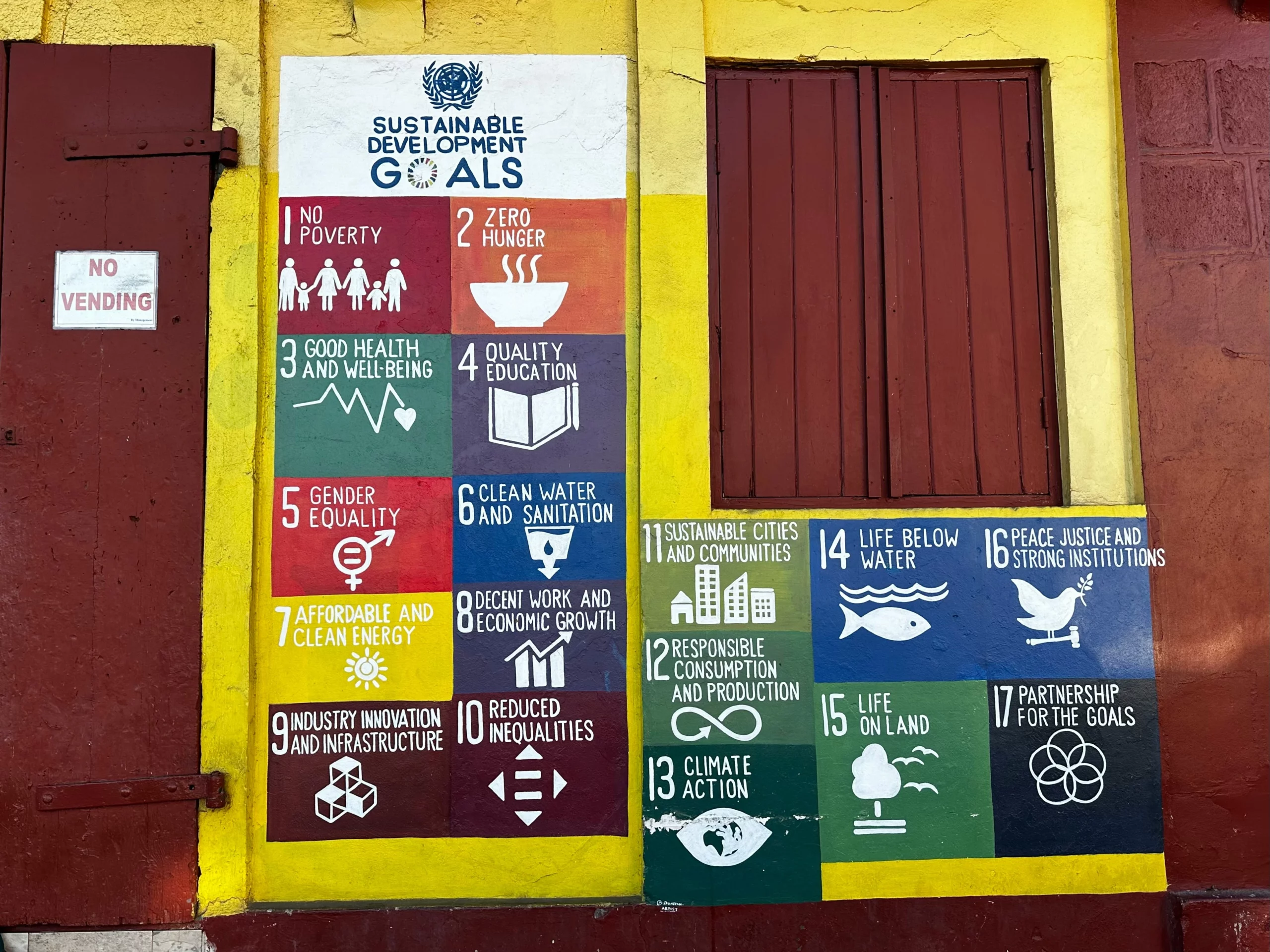
The 2030 Agenda for Sustainable Development, adopted by all UN Member States in 2015, laid out an ambitious global roadmap for peace, prosperity, people, and the planet. Its 17 Sustainable Development Goals (SDGs) are universal in nature but require deeply localised responses to be effectively achieved. 

Local and regional governments (LRGs), and the associations that represent them are at the frontline of this challenge. They have the democratic mandate, institutional legitimacy, and daily proximity to citizens to implement sustainable solutions tailored to local realities. This article explores the critical role these governments and their national associations play in bringing the 2030 Agenda to life across Europe and beyond. 

The Role of LRGs and Their Associations 
Local and regional governments are uniquely positioned to translate global goals into tangible public policies and services. Whether it’s improving access to education, ensuring clean water, fostering inclusive economies, or promoting environmental protection, the SDGs intersect directly with their mandates. 

However, the successful localisation of the SDGs requires not only local action but also strong national coordination and multilevel governance. That’s where national associations of LRGs come in. They serve as intermediaries between municipal and national levels, raising awareness, building capacity, and advocating for policy coherence and the resources necessary for implementation. 

A Framework for Transformation 
For LRGs, the 2030 Agenda is more than a checklist, it’s a strategic and transformative framework that enables long-term thinking, breaks down silos across departments, and connects various stakeholders. When well-integrated, the SDGs improve how public services are delivered and empower communities to engage meaningfully in decision-making processes. 

A New Decade of Action and Challenge 
Despite early progress, the world is not yet on track to meet the SDGs by 2030. The COVID-19 pandemic has added new complexity, strained local budgets and exacerbated inequalities. Yet the pandemic also highlighted the vital role of LRGs in crisis response, ensuring healthcare access, food security, education continuity, and social protection. 

The recovery period offers a chance to “build back better” by placing the SDGs at the core of reconstruction efforts. The UN Secretary General has emphasised the 2030 Agenda as a guiding principle for a resilient, inclusive, and green recovery. In this context, national associations of LRGs become even more essential to facilitate dialogue, share knowledge, and advocate for the tools local governments need to succeed. 

The decade ahead will be decisive. The COVID-19 crisis may have disrupted momentum, but it has not undermined the fundamental relevance of the 2030 Agenda. On the contrary, it has reaffirmed the importance of public services, local resilience, and inclusive governance, values that are deeply embedded in the SDGs. 

Local and regional governments, supported by their associations, are essential actors in this journey. They are adapting, experimenting, and collaborating to deliver sustainable results, even amid uncertainty. Their work shows that global agendas only become real when rooted in local action. 

Going forward, stronger partnerships across sectors and governance levels are needed to ensure no place and no person is left behind. Multi-level and multi-sector cooperation will be vital to address the growing challenges ahead and to seize the opportunities that lie in sustainable, equitable recovery. 

In short, if the SDGs are to be met, they must be localised and that starts with empowering the actors who are closest to the people. 

Read the study here 

For more information, contact: 

Agenda 2030 study for local and regional governments

COVID 19 finances - News

Just out: New study reveals how municipalities, regions and their associations are embracing the SDGs


Caught in the COVID-19 storm, Europe’s local and regional governments and their associations are at risk of losing the progress made in the last few years to achieve the Sustainable Development Goals. Although they are increasingly familiar with the Global Goals, they need further support to bring international ambitions to territorial realities.

This is what emerges from a new study led by the Council of European Municipalities and Regions (CEMR) and PLATFORMA entitled “The 2030 Agenda through the eyes of local and regional governments’ associations”.

In times of COVID-19: the SDGs at a make-or-break moment

The outbreak of the COVID-19 pandemic in Europe and around the world has brought about unprecedented challenges for local and regional governments. In several countries, the pandemic has markedly deepened inequalities and has slowed down efforts to raise awareness and promote the work of the 2030 Agenda at local and regional level.

The current crisis and the uncertain future are a call for action. Every player around the globe has to act now,” said Tine Soens, Member of the City Council of Kortrijk (Belgium), CEMR and PLATFORMA Spokesperson on 2030 Agenda. “Local and regional leaders should not be afraid to take the leap! Our generation of politicians, civil servants and citizens is the generation that has to turn the tide.

The study at a glance

Based on a survey of 34 associations from 28 European countries, the study shows that one third use the SDGs as an important reference in their own development strategies, compared to only one fifth last year. What’s more, four out of five associations are aware of the SDGs.  The trend is clear: year after year, local and regional governments and their associations are increasingly making the efforts necessary to materialise the global agenda at local level.

But have the SDGs also gained traction among central governments? Our study shows that close to 80% of associations indicated that there is an official national strategy to implement the SDGs. For those who indicated that a national strategy has been set up, 59% specified that there is a clear mention of the need to support local and regional action in SDG implementation.

Nevertheless, there is still considerable room for improvement to bring about closer ties between all levels of government and to achieve global progress on sustainable development. To step up our efforts, the study offers a checklist for associations “Know where your members stand in the localisation of the SDGs”, a set of simple steps to contribute to Voluntary National Reporting and several key recommendations.

What’s more, this 40-page publication is packed full of illustrative examples from the ground. Finally, it identifies persisting challenges and new opportunities that municipalities, regions and their associations have been encountering when working with the SDGs. These come at a timely moment as the pandemic continues to spread around the world.

Background information

This new study is based on a joint survey conducted by CEMR and PLATFORMA, designed in collaboration with United Cities and Local Governments (UCLG). It is a follow up to the 2019 study “How local & regional government associations bring the SDGs to life” and the 2018 study “Sustainable Development Goals – How Europe’s towns and regions are taking the lead”.

The study was launched on 15 July 2020 at the occasion of the workshop Localising the Sustainable Development Goals (watch the recording) organised by PLATFORMA during the United Nations’ 2020 High Level Political Forum  on Sustainable Development (HLPF).

PLATFORMA and CEMR are actively taking part in many of this virtual event’s sessions and webinars together with their partners and members.

Please click on this link if you want to get printed copies of our study (Europe only).

For more information, contact:

Lessons from the COVID19 Pandemic

COVID recovery - News

Local and regional governments need stronger support, recognition, and autonomy in times of crisis


As Europe continues to grapple with the long-term consequences of the COVID-19 crisis, the Council of European Municipalities and Regions (CEMR) highlights the vital role of local and regional governments during the pandemic and the urgent need for stronger multilevel governance and financial resilience.

From the earliest days of the pandemic, local and regional authorities were at the frontline: managing public health measures, ensuring social services, maintaining education and local transport, and supporting vulnerable groups. They also had to cope with increased expenditure while facing plummeting revenues, a phenomenon CEMR described as the “scissor effect.” Despite their efforts, many municipalities and regions received little compensation or recognition for their critical role.

In light of these challenges, CEMR has outlined ten key recommendations to ensure more effective responses in future crises and support long-term resilience:

  1. Recognition of essential services
    Local and regional governments must be acknowledged as essential actors in crisis management. Their competences, funding, and resources must be guaranteed and reinforced, with better alignment of policies across government levels.
  2. Equal access to EU recovery tools
    Municipalities and regions should be directly involved in shaping and implementing national recovery plans, particularly in the context of the Recovery and Resilience Facility. This means ensuring equal access to EU funds, simplification of procedures, and stronger monitoring mechanisms.
  3. Flexible financial frameworks
    The EU fiscal rules need to evolve. CEMR calls for more flexibility for local and regional governments in borrowing and investment, especially for long-term sustainable projects. Debt incurred for these purposes should be excluded from deficit calculations under the Stability and Growth Pact.
  4. Stronger digital transition
    The pandemic highlighted the digital divide across Europe. More investment is needed to strengthen local digital infrastructure and capacity, especially in rural and underserved areas. Local and regional authorities must play a central role in the EU’s digital transition.
  5. Health, care, and social services
    Municipalities and regions are often responsible for delivering or coordinating health and care services. They must be involved in national health policy planning, with proper resources and long-term investment to ensure quality and accessibility.
  6. Support for local economies
    Cities and regions played a key role in supporting local businesses and workers during the crisis. The EU and Member States must ensure that economic recovery policies reach the local level and that municipalities can take proactive measures to protect local economies.
  7. Strengthening social cohesion
    COVID-19 amplified existing inequalities. Local authorities are best placed to address social exclusion, support vulnerable groups, and reinforce community resilience, but need adequate funding and policy support.
  8. Better governance
    The pandemic exposed the weaknesses of top-down crisis responses. Multilevel governance, subsidiarity, and the partnership principle must be strengthened to ensure effective cooperation and faster, more tailored solutions.
  9. Green recovery
    Recovery funds and policies must prioritise sustainability. Local governments are already implementing the Green Deal at ground level, through sustainable mobility, energy-efficient buildings, and green public spaces. Their role must be formally supported in EU policy and funding instruments.
  10. Crisis preparedness
    Europe must develop better tools for future emergencies. This includes building the capacity of local administrations, sharing best practices, and ensuring municipalities have access to critical resources when crises hit.

Conclusion
The COVID-19 pandemic has been a stress test for European governance and local governments passed it with resilience and determination. Now, CEMR urges EU institutions and Member States to turn these lessons into action. By strengthening the role, autonomy, and resources of local and regional authorities, Europe can better prepare for the next crisis and deliver a fair, green, and inclusive recovery for all.

Read the position paper here 

For more information, contact: 

Evaluation of Covenant of Mayors in Africa

African Cities - News

Evaluating the Covenant of Mayors in Sub-Saharan Africa: added value, progress, and lessons for the future 


Since its launch in 2015, the Covenant of Mayors in Sub-Saharan Africa (CoM SSA) has become a major initiative supporting African cities in their response to climate change and in improving access to clean energy. Funded by the European Union and co-financed by Germany and Spain, CoM SSA is part of the Global Covenant of Mayors for Climate and Energy. Today, more than 200 cities across 36 Sub-Saharan countries have signed up, committing to long-term climate and energy action through Sustainable Energy Access and Climate Action Plans (SEACAPs). 

Programme Achievements 
The final evaluation highlights both the relevance and scale of the initiative. With Africa’s rapid urbanisation, CoM SSA’s focus on local governments is crucial. The programme has successfully engaged hundreds of municipalities, surpassing its target of 200 signatories, and has provided significant capacity building through technical assistance and workshops. Cities especially valued peer exchanges, which created strong networks for sharing experiences and best practices. 

Pilot projects showed mixed results: while some cities advanced quickly with draft SEACAPs, others faced delays due to political instability, lack of technical expertise, or limited direct involvement of city administrations. Still, the overall added value of the initiative is clear: it created political ownership, improved local technical skills, and promoted sustainable energy and climate planning at the local level. 

Key Lessons and Recommendations 
The evaluation also draws important lessons for the future. Greater alignment between local SEACAPs and national climate strategies is needed to ensure impact. Capacity building remains a priority, requiring more technical staff on the ground and support from local organisations to guarantee continuity. Better coordination with other international programmes is recommended to avoid duplication of efforts. Finally, fostering multilingual platforms for experience-sharing among cities will strengthen the CoM SSA community and enhance learning across regions. 

The Covenant of Mayors in Sub-Saharan Africa has proven its relevance and value by mobilising hundreds of cities and building local capacity for climate action. While challenges remain, the initiative has laid a strong foundation for Phase III, where scaling up, deepening vertical integration with national governments, and securing sustainable financing will be key. CoM SSA is now well-positioned to continue empowering African municipalities as central actors in the global fight against climate change. 

Read the study here 

For more information, contact: 

IncluCities

IncluCities - News 2020

Launching ‘IncluCities’, a new CEMR project to improve long-term migrant integration


With the launch of IncluCities, eight European cities and local government associations are joining forces to improve the integration of migrants. The initiative, managed by the Council of European Municipalities and Regions (CEMR), pairs more and less experienced cities to learn find and spread sustainable local solutions.

Over the past years, migrant and refugee arrivals have often faced negative public attitudes, stereotypes and misconceptions. While there are challenges in some areas, the reality is that there are  thousands of good examples and practices from cities and towns.

While many cities have managed to find sustainable solutions for migrant integration, others, especially smaller and medium-sized often lack the necessary human and financial resources, knowledge and experience.

To bridge this gap the IncluCities project has been brought to life, designed to share knowledge, experiences and good practices among cities in a mentoring process. For that purpose, a network of eight cities with varying degrees of migration-related experience and their corresponding local government associations has been established.

The participating cities, accompanied by their respective associations, are ‘paired’ in groups of two, in which one city acts as a mentor and the other as a mentee. Mechelen, for instance, will be paired with Partinico in Italy.

For the Municipality of Partinico, participation in the IncluCities project represents an opportunity to create a territory of multicultural dialogue, shifting the focus from reception, seen as emergency management, to a rigorous  inclusion strategy ”, said Pietro Puccio,  CEMR’s spokesperson for migration and integration. “Cooperation between cities experiencing migration phenomena seems to be of great value, especially in light of searching for sustainable solutions.

Participating municipalities will collaborate closely at every stage of the project. The cities will organise study visits to identify where integration policy can be improved and co-design action plans to enhance their performance. What’s more, training academies will be organised at a later stage, open to other cities and local government associations, so as to spread the lessons learned and strengthen their capacity to integrate migrants.

IncluCities aims not only to spread successful local practices among cities, but also to contribute to the development of improved EU policies on migration that better reflect local needs and realities. Associations of local and regional governments will play a pivotal role, both by disseminating good practices to the rest of their network and by interfacing with national governments and the EU institutions to feed into policymaking and scale up good practices.

Participating cities and associations:

  • The city of Livadia and the Central Union of Municipalities of Greece (KEDE)
  • Saint-Jean-de-la-Ruelle and the French Association of CEMR (AFCCRE)
  • Capaci and the Italian Association of CEMR (AICCRE)
  • Fuenlabrada and the Spanish Federation of Municipalities and Provinces (FEMP)
  • Brussels and Schaerbeek, together with the Association of the City and Municipalities of the Brussels-Capital Region (BRULOCALIS)
  • Mechelen and the Association of Flemish Cities and Municipalities (VVSG)
  • The city of Jelgava with Latvian Association of Local and Regional Governments (LPS)

IncluCities is a three-year project led by CEMR and funded by the Asylum, Migration and Integration Fund (AMIF) of the European Union.

Local action driving the green deal 

Head Banner - Green Study 2024

CEMR outlines the crucial role of municipalities and regions in making Europe climate neutral by 2050 


The European Green Deal, launched in December 2019, sets out the EU’s ambition to become the world’s first climate-neutral continent by 2050. While the framework is driven at the European level, its implementation will rely heavily on municipalities and regions. Local and regional governments (LRGs) are already responsible for delivering 70% of climate mitigation measures, 90% of adaptation policies, and 65% of the Sustainable Development Goals (SDGs). The Council of European Municipalities and Regions (CEMR) highlights that empowering these actors is essential to achieving the Green Deal’s goals. 

CEMR stresses that LRGs are not only implementers but also innovators, mobilising citizens and setting ambitious targets beyond EU requirements. For example, the 10,000 signatories of the Covenant of Mayors have pledged to reduce CO₂ emissions by 47% by 2030, well above the EU’s current 40% target. 

CEMR puts forward several recommendations to strengthen the Green Deal’s delivery: 

  • Recognition and resources: LRGs must be recognised as full partners, equipped with sufficient financial capacity and flexibility to adapt implementation to diverse local realities. 
  • Better regulation and coordination: The EU should enforce existing legislation, improve policy coherence between sectors, and avoid additional administrative burdens for local governments. 
  • Climate and energy: Ambitious targets are welcome but must be matched with adequate resources. Local authorities should be included in decision-making on National Energy and Climate Plans (NECPs). Renewable energy should be treated equally, whether produced onsite or via networks such as district heating. 
  • Circular economy: Municipalities manage nearly 500 kg of waste per capita annually and are central to recycling, waste reduction, and energy recovery. Their role must be reinforced in shaping circular consumption and production patterns. 
  • Clean mobility: LRGs are at the forefront of decarbonising transport and public mobility, but need financial and regulatory support to modernise infrastructure and introduce innovative solutions. 
  • Financing the transition: Investment is critical. Tools like the Just Transition Fund are welcome but insufficient. Sustainable local investments should be exempt from EU debt rules to unleash their full potential. Innovative funding mechanisms tailored to municipalities of all sizes are also needed. 
  • Global leadership: LRGs can act as ambassadors of the Green Deal through international cooperation, capacity building, and partnerships with local authorities abroad, reinforcing Europe’s climate leadership on the global stage. 

Europe’s success in delivering the Green Deal will be determined locally. Municipalities and regions are already leading in climate action, but they need recognition, resources, and flexibility to scale up their efforts. By ensuring LRGs are fully integrated into EU policies and financing, the Green Deal can drive not only a carbon-neutral Europe but also a more sustainable, inclusive, and resilient future. 

Read the position paper here 

For more information, contact: 

COVID impact on local finances 

COVID 19 finances - News

A Europe-wide snapshot of the pandemic’s fiscal impact on municipalities and regions, and what support is still missing  


The COVID-19 pandemic placed local and regional governments at the frontline of public health response in Europe. While ensuring safety, maintaining essential services, and supporting vulnerable populations, these governments were simultaneously burdened with spiralling costs and plummeting revenues. A survey conducted by the Council of European Municipalities and Regions (CEMR) in May 2020 offers critical insight into the financial distress faced by cities and municipalities across 17 European countries. 

The survey reveals a dual pressure on local and regional finances: soaring expenditures, primarily for personal protective equipment, sanitation, and social support and sharp declines in revenue due to reduced economic activity. Tax revenues, municipal service fees, and income from the cultural and tourism sectors were severely impacted. For example, Bulgaria saw a 41% decrease in municipal income from its own sources, and Austria faced estimated municipal revenue losses between €900 million and €2 billion. 

While local authorities acted swiftly, organising food deliveries, providing accommodation for healthcare workers, and ensuring online education, support from national governments was slow and often insufficient. Although a few countries, like Estonia and Germany, implemented meaningful aid measures, most national support was delayed, limited, or only promised in future budget cycles. 

Many governments, like in France and Sweden, pledged support, but uncertainty remains about the long-term sustainability of subnational budgets. Furthermore, the varied structure of local financing systems across Europe means that the financial impact differs widely between countries and even among municipalities within the same country. 

The CEMR report makes it clear: without timely and adequate support from national and European levels, local and regional governments risk losing the capacity to invest in recovery and sustainable development. To prevent a prolonged post-pandemic investment slump, EU funds, especially from the Recovery and Resilience Facility, must be made directly accessible to local authorities. 

Only by empowering municipalities can Europe hope to achieve its long-term goals for resilience, cohesion, and sustainability. Now is the time for stronger multilevel cooperation and for the EU to acknowledge the central role of local and regional governments in shaping recovery. 

Read the study here 

For more information, contact: 

Local role in the EU enlargement 

EU Enlargement - News

Decentralisation and strong local governance are key for Ukraine, Moldova and Georgia’s EU accession path 


The decision of the European Council to grant candidate status to Ukraine and Moldova and to recognise Georgia’s perspective once further reforms are met marks a historic step in the enlargement of the European Union. Beyond the geopolitical dimension, the process will require profound reforms at the local level, particularly in decentralisation, public administration, and democratic governance. 

The European Commission’s opinions emphasise decentralisation as a cornerstone of EU membership criteria. Strengthening local autonomy, building institutional capacity, and fostering multilevel governance are essential for sustainable reforms in Ukraine, Moldova, and Georgia. Empowering municipalities and regions will not only improve service delivery but also ensure that EU values and standards are implemented where citizens feel them most directly: at the local level. 

Decentralised cooperation plays a decisive role in this transformation. Peer exchanges, partnerships, mentorship programmes, and twinning initiatives provide practical support for reforms while reinforcing democratic practices. These mechanisms are particularly vital in contexts of crisis and recovery, such as the post-pandemic and post-war reconstruction efforts. 

Granting candidate status also strengthens local governments’ ability to modernise, adopt new technologies, and access tools that improve governance and resilience. This process will accelerate reforms in public administration, boost citizen participation, and ensure a closer alignment with the EU’s Green Deal and Sustainable Development Goals. 

The path toward EU membership for Ukraine, Moldova, and Georgia must include a strong local dimension. By prioritising decentralisation and local autonomy, the accession process can deliver long-term sustainable development, stronger democracies, and better services for citizens. Supporting municipalities and regions is therefore not just complementary, but essential for a successful enlargement process. 

Read the declaration here 

For more information, contact: 

MFF and COVID recovery

MFF and COVID recovery - News 2020

Upcoming recovery package and MFF should support municipalities and regions


The response to the COVID-19 pandemic has made it clear: local and regional governments are playing a crucial role in implementing and monitoring the necessary measures to tackle the crisis. With revenue sources in steep decline and expenses skyrocketing, municipalities and regions need to be specifically targeted under the European Union’s proposed recovery plan.

More than ever, the EU needs a robust budget, both for the immediate recovery and to invest in future generations. This has been clearly voiced by European Commission President Ursula von der Leyen and is backed up by the joint proposal of French President Emmanuel Macron and German Chancellor Angela Merkel to provide a €500 billion recovery fund to modernise the European economy.

The European institutions and national governments must closely involve municipalities, regions and their representative associations in the implementation of the recovery fund.  As the OECD states in its recent study on the territorial impact of COVID-19, coordination mechanisms and shared responsibilities across all levels of government are essential to ensuring a coherent and effective response.

What’s more, the recovery fund will be linked to the Commission’s recommendations to member states issued as part of the European Semester. Given that 60% of these recommendations have a local or regional impact, it is essential to take into account local and regional governments’ role in the recovery. This is all the more necessary insofar as the fund aims to support those regions and sectors that have suffered most.

Supporting future-oriented investments and resilient territories

CEMR fully supports using the EU’s new Multiannual Financial Framework (MFF) to encourage future-oriented investments that respect European climate ambitions and foster resilient societies, including through the Green Deal and the Digital Strategy.

Member States have a unique opportunity here to take action to mitigate and fight against climate change”, said French Senator and CEMR Spokesperson for Climate Ronan Dantec. “The EU’s immediate and long-term investments need to be climate-proof, especially in the areas of mobility, construction and energy.

Cohesion funds are more crucial than ever to enabling Europe’s towns and regions to undertake long-term and sustainable planning and investment, and thus become more resilient. That is why cohesion policy should continue to make up at least one third of the EU budget.

“Europe now needs to be thinking about the post-crisis situation and long-term needs”, said Ilaria Bugetti, Councillor of the Toscana Region and CEMR Spokesperson for Territorial Development. “We need to support the local economies and citizens that have suffered from the lockdowns, rethink territorial planning and redesign urban spaces to make them more resilient; we have to invest in innovation and education to make our societies sustainable and fit for a carbon-free future. This is a huge effort, to which cohesion funds need to considerably contribute.”

Decentralised cooperation will contribute to the EUs international engagements

Municipalities and regions are also well-placed to contribute to the EU’s international development policies, if supported by the right tools, notably the new Neighbourhood, Development and International Cooperation Instrument (NDICI).  “Local and regional governments’ actions with partner countries to limit the spread of COVID-19 show once again their central role beyond our borders”, said Tine Soens, Municipal Councillor for Kortrijk (Belgium) and PLATFORMA Spokesperson for International Cooperation. “By financing decentralised cooperation between towns and regions, the EU’s long-term budget can foster a swift recovery and resilient societies worldwide.

The future EU budget must be agreed as soon as possible and ideally before the end of the year. Any further delay would jeopardise the security of many planned EU projects and negatively impact municipalities, regions, SMEs, workers and an already vulnerable population.

Equality in Poland

Equality in Poland - News 2020

Local and regional leaders across Europe oppose self-declared “LGBTI-free zones” in Poland


Whereas in Poland around 100 municipalities have instituted “anti-LGBTI” zones or other discriminatory measures, the Council of European Municipalities and Regions (CEMR) calls on Europe’s local and regional officials to support their peers fighting against homophobia.

Frédéric Vallier, CEMR’s Secretary General, and Emil Broberg, Regional Councillor of Östergötland (Sweden) and Chair of CEMR standing committee for Equality, have jointly penned an open letter opposing these measures to Polish municipalities, counties and regions. They call on local and regional governments throughout Europe to express their support by signing on to the letter. To date, CEMR has collected 120 signatures from 14 European countries.

Expressing his view on the situation in Poland, CEMR President and President of the Emilia-Romana Region Stefano Bonaccini said: “Equality is for all Europeans. It is a core European value. As we are striving to build a better and brighter future for all, we simply cannot turn back the clock on human rights and sweep aside decades’ worth of progress.

“In the world we live in today, equality must be built from the ground up”, said Emil Broberg. “Local and regional governments should not give way to national political movements opposing equality. On the contrary, municipalities and regions can set an example by holding firm to the principles of human rights and to the progress we have made so far.

Further confirmation of the gravity of the situation came last week with the publication of the European Union Agency for Fundamental Rights’ survey on LGBTI equality, which revealed that 40% surveyed people in Europe said they experienced harassment due to their sexual orientation. In the case of Poland, intolerance towards LGBTI people has increased overall and the country has the highest rates of physical or sexual attacks motivated by the victim being LGBTI (15%).

The open letter also seeks to counter the rise in anti-LGBTI rhetoric. It affirms the signatories’ support for Polish local and regional governments that have rejected and resisted discriminatory measures and who continue to champion the common fundamental European values of freedom and human rights.

Many local and regional officials in Poland are fighting against these anti-LGBTI measures. Marta Mazurek, Municipal Councillor for Poznan, is one of them. “As a Polish elected representative and as a European, I am very grateful for any international support for human rights and gender equal policies”, she said. “Such support energises our efforts and fortifies our courage.”

With this action, CEMR calls for dialogue and invites European cities who have relations with the concerned Polish municipalities and regions to raise the issue. Local and regional governments across Europe should share their experiences in addressing issues of discrimination and equal rights, for the benefit of all.

List of signatories (as of 25 August):

Stefano Bonaccini, CEMR President and President of the Emilia-Romana Region – Italy | Emil Broberg, Chair of CEMR’s standing committee for Equality, Regional Councillor of Östergötland – Sweden | Frédéric Vallier, CEMR Secretary General and:

Anne Hidalgo, Mayor of Paris – France | Dagur B. Eggertsson, Mayor of Reykjavík – Iceland | Fernando Medina, Mayor of Lisbon – Portugal | Zoran Janković, Mayor of Ljubljana – Slovenia | Dieter Reiter, Lord Mayor of Munich – Germany | Anders Knape, President of the Congress of Local and Regional Authorities of the Council of Europe, SALAR President, Lord Mayor of Karlstad – Sweden | Gunn Marit Helgesen, President of the Chamber of Regions of the Congress (Council of Europe), Councillor of Telemark – Abel Caballero Álvarez, FEMP President, Mayor of Vigo – Spain | Aldis Hafststeinsdottir, SAMBAND President, Mayor of Hveragerðisbær – Iceland | Bjørn Arild Gram, KS President, Mayor of Steinkjer – Norway | Emile Eicher, SYVICOL President, Mayor of Clervaux – Luxembourg | Gorka Urtaran, EUDEL President, Mayor of Vitoria-Gasteiz – Spain | Jan Van Zanen, VNG President, Mayor of Utrecht – Netherlands | Philippe Laurent, AFCCRE President, Mayor of Sceaux – France | Stéphane Roberti, BRULOCALIS President, Mayor of Forest – Belgium | Ahmed Laaouej, Mayor of Koekelberg – Belgium | Andreas Starke, Lord Mayor of Bamberg – Germany | Belit Onay, Lord Mayor of Hanover – Germany | Bojan Srot, Mayor of Celje – Slovenia | Carlos Martínez Mínguez, Mayor of Soria – Spain | Carola Gunnarsson, Lord Mayor of Sala – Sweden | Christian Scharpf, Lord Mayor of Ingolstadt – Germany | Dirk De fauw, Mayor of Bruges – Belgium | Eva Döhla, Lord Mayor of Hof – Germany | Felix Schwenke, Lord Mayor of Offenbach – Germany | François Rebsamen, Mayor of Dijon – France | Frédéric Valletoux, Mayor of Fontainebleau – France | Fritz Kuhn, Lord Mayor of Stuttgart –- Germany | Henriette Reker, Lord Mayor of Cologne – Germany | Hermann-Josef Pelgrim, Lord Mayor of Schwäbisch Hall – Germany | Javier Ayala, Mayor of Fuenlabrada – Spain | Jochen Partsch, Lord Mayor of Darmstadt – Germany | Johan Rocklind, Mayor of Gnesta – Sweden | Johanna Rolland, Mayor of Nantes – France | Josep Mayoral Antigas, Mayor of Granollers – Spain | Juan María Aburto Rique, Mayor of Bilbao – Spain | Jürgen Zieger, Lord Mayor of Esslingen am Neckar – Germany | Katrin Stjernfeldt Jammeh, Mayor of Malmö – Sweden | Klaus Mohrs, Lord Mayor of Wolfsburg – Germany | Klaus Schmotz, Lord Mayor of Hansestadt Stendal – Germany | Lilja Einarsdóttir, Mayor of Hvolsvöllur – Iceland | Madelaine Jakobsson, Mayor of Nordmaling – Sweden | Mari-Louise Wernersson, Mayor of Falkenberg – Sweden | Maria Noelia Garcia Leal, Mayor of Los Llanos de Aridane – Spain | Markus König, Lord Mayor of Nuremberg – Germany | Markus Lewe, Lord Mayor of Münster – Germany | Michael Ebling, Lord Mayor of Mainz – Germany | Michael Makiolla, Head of Unna District Council – Germany | Nathalie Appéré, Mayor of Rennes – France | Norbert Zeidler, Lord Mayor of Biberach an der Riss – Germany | Peter Freier, Mayor of Offenbach – Germany | Peter Kurz, Lord Mayor of Mannheim – Germany | Phedon Phedonos, Mayor of Paphos – Cyprus | Pietro Puccio, Mayor of Capaci – Italy | Pit Clausen, Lord Mayor of Bielefeld – Germany | Rico Badenschier, Lord Mayor of Schwerin – Germany | Simone Lange, Lord Mayor of Flensburg – Germany | Stefan Belz, Lord Mayor of Böblingen – Germany | Thomas Andersson, President of the Regional Council of Jämtland Härjedalen – Sweden | Thomas Geisel, Lord Mayor of Düsseldorf – Germany | Tim Kähler, Mayor of Hansestadt Herford – Germany | Ulrich Markurth, Lord Mayor of Brunswiek – Germany | Vanessa Slimani, Mayor of Saint Jean de Braye – France | Victor Hadjiavraam, Mayor of Morphou – Cyprus | Yoomi Renström, Lord Mayor of Ovenåker – Sweden | Alessandra Medici, Councillor of Guastalla – Italy | Amelie Tarschys Ingre, Vice-Mayor of Lidingö – Sweden | Anders Henriksson, Regional Councillor of Kalmar – Sweden | Andreas Höffler, Councillor of Berching – Germany | Andreas Wolter, Vice-Mayor of Cologne – Germany | Andri Michalia, Councilor of Lakatamia – Cyprus | Angela Everbäck, Councillor of Vellinge – Sweden | Anne Herrezeel, Councillor of Eghezée – Belgium | Anne Tyssaen, Deputy Mayor of Koekelberg –Belgium | Benjamin Debroux, Councillor of Jumet – Belgium | Jürgen Czernohorszky, Executive City Councillor of Vienna – Austria | Benjamin Plach, Councillor of Innsbruck – Austria | Carine Gol-Lescot, Deputy Mayor of Uccle – Belgium | Carine Henry, Chair of Floreffe public centre for social welfare – Belgium | Caroline Quintero P., Councillor of Namur –Belgium | Cécile Egrix, Councillor of Uccle – Belgium | Cecilia Dalman Eek, Regional Councillor of Gothenburg – Sweden | Christine Oppitz-Plörer, Councillor of Innsbruck – Austria | Christophe Pierroux, Councillor, Etterbeek public centre for social welfare – Belgium | Dennis Wedin, Vice-Mayor of Stockholm – Sweden | Dejan Lukovic, Councillor of Innsbruck – Austria | Elisabeth Unell, Vice-Mayor of Västerås – Sweden | Fatmir Limani, Deputy Mayor of Koekelberg – Belgium | Gabi Laschet-Einig, Councillor of Lahnstein – Germany | Giovanni Allodi, Councillor of Poviglio – Italia | Gunilla Westerberg Dupuy, Deputy Mayor of Suresnes – France | Henrik Hammar, Councillor of Örkeljunga – Sweden | Irlin Bråten, Trosopplæringsleder – Norway | Janine Bex, Councillor of Innsbruck – Austria | Jelena Drenjanin, Vice-Mayor of Huddinge – Sweden | Jens Sjöström, Regional Councillor of Stockholm – Sweden | Jonathan Biermann, Alderman of Uccle – Belgium | Khalil Aouasti, Deputy Mayor of Koekelberg – Belgium | Kathleen Delvoye, Councillor of Uccle – Belgium | Laura Goffart, Councillor of Liège – Belgium | Laurence Vandeputte, Councillor of Uccle – Belgium | Lorenzo Pasini, Councilor of Colorno – Italy | Maëlle Brouwer, Deputy Mayor of Uccle – Belgium | Magnus Berntsson, Vice-President of the Regional Council of Västragötland – Sweden | Marie Bijnens, Deputy Mayor of Koekelberg – Belgium | Martin Casier, Councillor of Watermael-Boitsfort – Belgium | Nadia Badri, Deputy Mayor of Koekelberg – Belgium | Nora Bednarski, Councillor of Ixelles – Belgium | Ossamah Maghfour, Lord Mayor of Koekelberg – Belgium | Patrick Klugman, Deputy Mayor of Paris – France | Paul-Gerhard Weiß, Councillor of Offenbach – Germany | Romain De Reusme, Alderman of Ixelles – Belgium | Ronan Dantec, Senator and Councillor of Nantes – France | Sabine Groß, Councillor of Offenbach – Germany | Sihame Haddioui, Deputy Mayor of Schaerbeek – Belgium | Theresa Ringler, Councillor of Innsbruck – Austria | Thomas Lechleitner, Councillor of Innsbruck – Austria | Véronique Lefrancq, Deputy Mayor of Koekelberg – Belgium