CEMR at COP29

Local Governments Driving Climate Solutions on the Global Stage


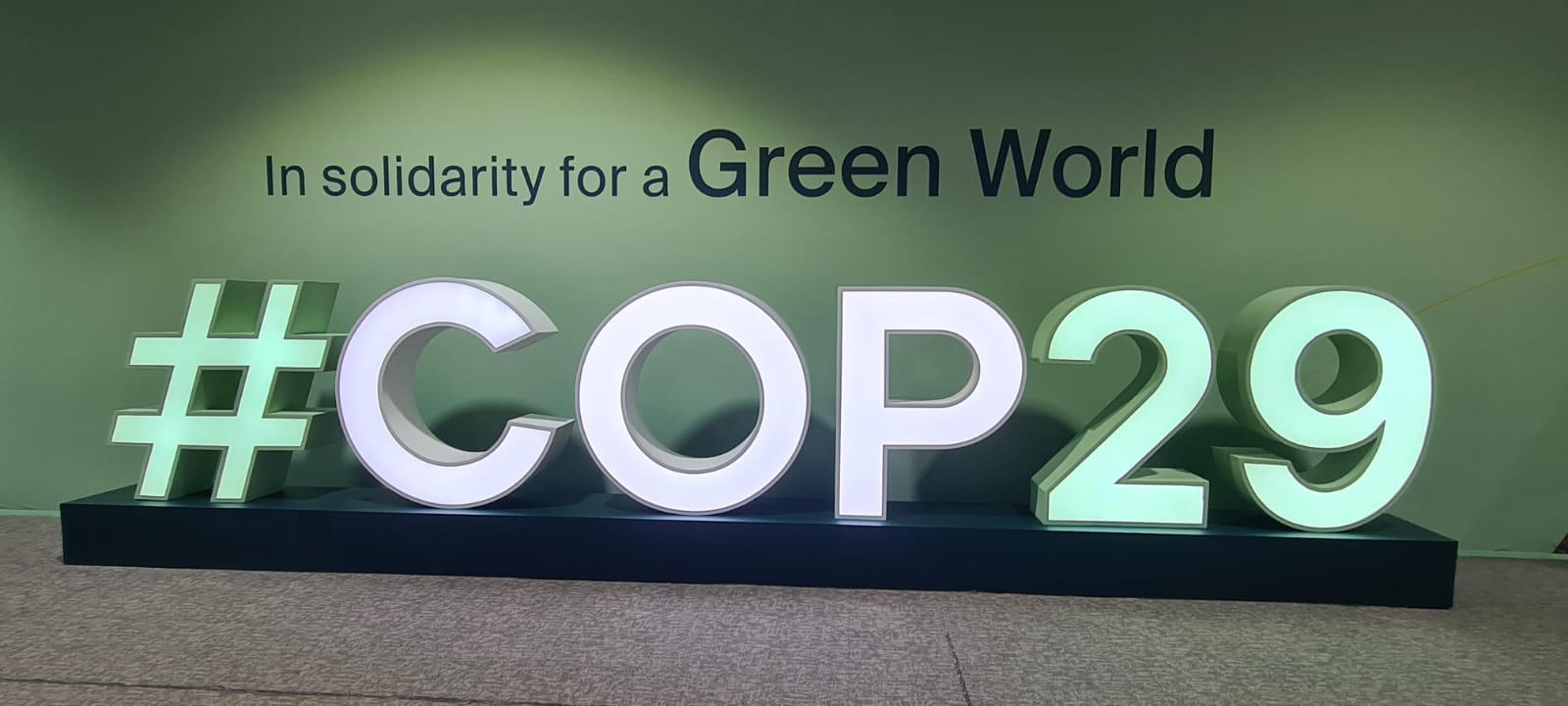
At the 29th UN Climate Change Conference (COP29) in Baku CEMR showcased the indispensable role of Local and Regional Governments (LRGs) in global climate action. Through advocacy, strategic dialogue, and direct engagement with Ministers, Governors, Parliamentarians, Multilateral Development Banks, and UN agencies, CEMR cemented its position as a key player in advancing sustainable urban development and combating climate change.

Local and Regional Governments: A Cornerstone of Climate Action

Local and regional governments are uniquely positioned to address climate challenges. Managing 68% of public climate investments, they are on the frontlines of adaptation and mitigation efforts. Yet, these governments often remain excluded from key international decision-making processes. At COP29, CEMR sought to change this by advocating for LRGs to be fully integrated as strategic partners in shaping climate policies.

CEMR also underscored the importance of multilevel governance. This approach, combining local, regional, and national collaboration, ensures that climate strategies are both inclusive and effective. By engaging in over 170 events, CEMR and the LGMA Constituency showcased how cities and regions lead innovative climate solutions, including sustainable infrastructure, green financing, and community resilience initiatives.

CEMR Delegation in Action

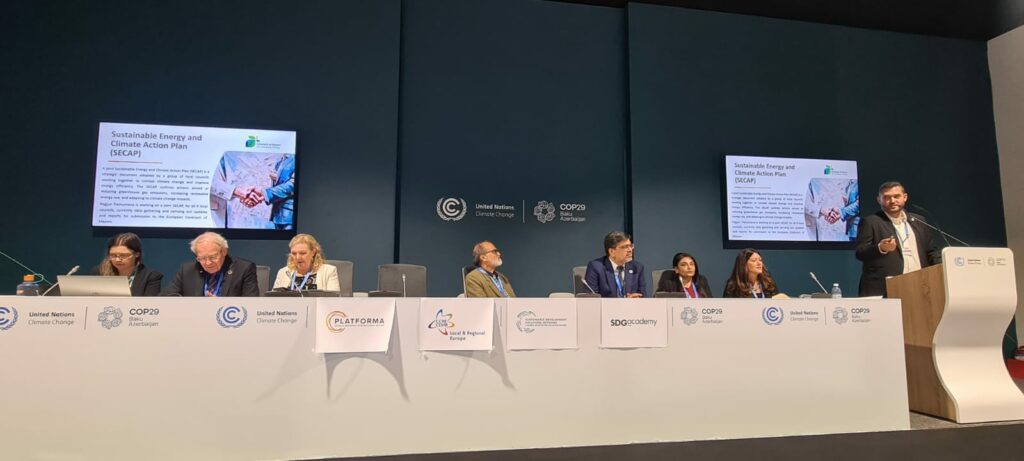
CEMR’s political leadership took centre stage during COP29. Marianne Overton, Vice President of CEMR, and Clifford Galea, a member of our Young Elected Officials Committee member, participated in high-profile sessions, emphasising local governments’ role in climate justice and finance. Key moments included:

  • Panel on Multilevel and Multistakeholder Climate Solutions: Clifford Galea highlighted the urgency of channelling direct funds to local governments, stating, “Efficient climate action starts with empowering those closest to the communities impacted.”
  • Roundtable on Financing Urban Climate Action: Marianne Overton called for innovative financial mechanisms to ensure accessible funding for sustainable urban projects and ecosystem restoration

Efficient climate action starts with empowering those closest to the communities impacted.”

 Advocating for Loss and Damage Response

One of the summit’s most critical topics was the establishment of an effective framework for addressing Loss and Damage. CEMR, together with the LGMA Constituency, endorsed the Call to Action on Loss and Damage, initiated by United Cities and Local Governments (UCLG). This initiative demands equitable resource distribution, North-South collaboration, and the inclusion of subnational governments in funding mechanisms. Notably, the call prioritizes the needs of marginalized communities and the integration of local knowledge into global climate strategies.

CEMR’s endorsement reflects its commitment to securing direct access to the Loss and Damage Fund for local governments, particularly in vulnerable regions. This advocacy reinforces the message that addressing climate crises requires collaboration at all levels of governance.

 Why Local and Regional Governments Matter

The urgency of including LRGs in climate governance cannot be overstated. As the level of government closest to communities, they have the knowledge and capacity to implement tailored solutions that address local realities. This perspective aligns with the broader recognition at COP29 that achieving the Paris Agreement’s goals requires the active involvement of all governance levels.

 Looking Ahead: COP of Cities

The outcomes of COP29 mark a significant step forward with greater recognition for the work of cities in the COP process, but the journey toward equitable climate governance is far from over. While COP29 is about to end, hope is there for cities to play a central role next year in Belem (Brazil). All traffic lights are green: “COP30 has to be the COP of the cities, because climate is central in connecting people”, said Ambassador Antonio Da Costa e Silva, chief international adviser at the Brazilian Ministry of Cities.

Let’s hope national leaders received the message.

Local Governments at COP 29

COP 29 - Baku 2024

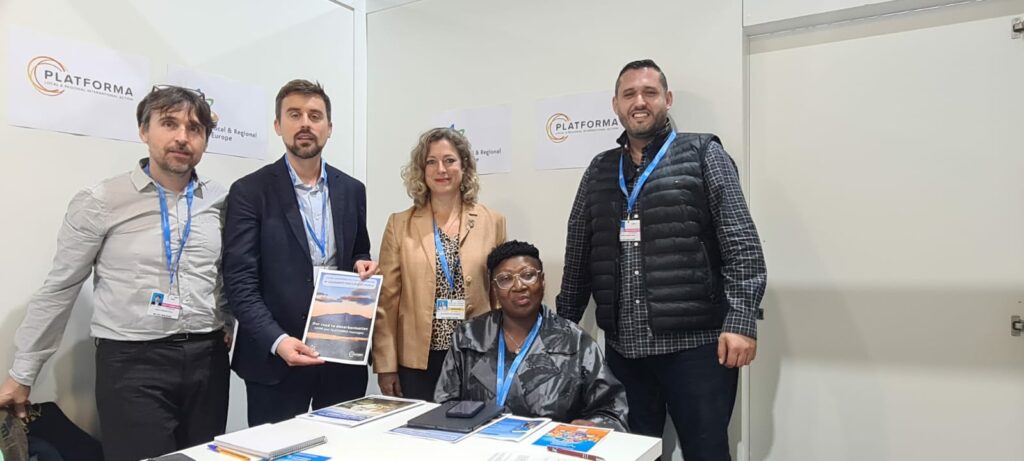
CEMR and PLATFORMA at COP29: Advocating for Local and Regional Government Involvement


As COP29 unfolds in Baku, Azerbaijan, the Council of European Municipalities and Regions (CEMR) and PLATFORMA have taken a significant stand to amplify the voices of local and regional governments (LRGs). Building on years of commitment to sustainable urban development and climate action, these organizations are once again underlining the indispensable role LRGs play in addressing climate change and achieving the 2030 Sustainable Development Goals (SDGs).

Local and regional governments have sent more than 100+ political leaders and mobilized more than 500 delegates to advance city and regional climate goals at COP29. The delegation of the LGMA Constituency will be one of the largest at COP29. Delegates will participate in more than 170 events across the negotiations space, plenary sessions, Pavilions and Green Zone.

On Monday 18 November 15-16:30 local time CEMR and PLATFORMA will gather local leaders for a political meeting where they will think about the most urgent steps following September’s Summit of the Future.

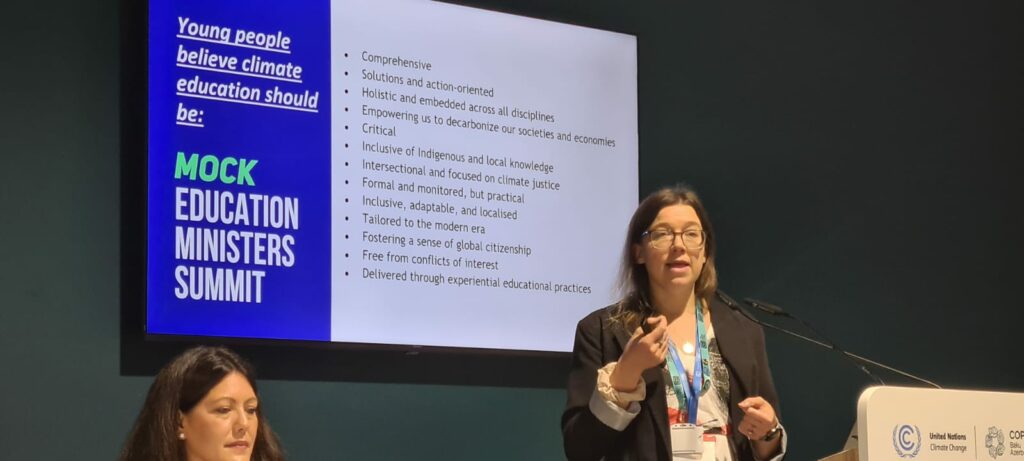
On Tuesday 19 CEMR spokesperson on climate Marianne Overton and Young Elected Official Committee member Clifford Galea will take the floor during an official side event co-organised with PLATFORMA, the UN Sustainable Development Solutions Network (SDSN) and the SDG Academy on “Combating climate change across generations: reinforcing global to local policy action for education”.

On Wednesday 20 Clifford Galea will take part in the Roundtable on Nature, Health and Agriculture in Cities, while Marianne Overton will attend the roundtable on Financing Urban Climate Action.

Why Local and Regional Governments Matter

LRGs are at the forefront of climate action, managing approximately 68% of public investments related to climate and energy. Their unique positioning allows them to efficiently respond to local needs, implement innovative climate strategies, and foster community resilience. Despite this, CEMR and PLATFORMA note that these governments often remain excluded from critical international climate discussions and decision-making processes.

CEMR and PLATFORMA stress the importance of multi-level governance that integrates LRGs into global frameworks. Their participation at COP29 aims to shift the perception of LRGs from mere implementers to strategic partners capable of co-designing and executing climate and sustainability policies.

Key Messages for COP29

  1. Enhanced Multi-Level Governance: Effective climate action requires structured dialogue, diplomacy, and accountability mechanisms involving LRGs. Without their inclusion, policies risk being disconnected from the realities on the ground.
  2. Resource Allocation and Support: CEMR and PLATFORMA advocate for an enabling fiscal framework that recognizes the diversity of LRGs and supports tailored solutions for decarbonization. This is vital to unlock the full potential of local governments in climate adaptation and mitigation.
  3. Capacity Building and Cooperation: To foster impactful climate action, LRGs must have access to capacity-building programs, technology transfer, and collaborative opportunities. Platforms like the Covenant of Mayors and EU Development Education programs are essential for promoting vertical and horizontal partnerships.
  4. SDG Localisation: The localisation of SDGs is integral to reaching climate objectives. With only 17% of SDGs on track globally, CEMR and PLATFORMA emphasize that local-level engagement and tailored public policies are critical for accelerating progress.

Looking Ahead

CEMR and PLATFORMA’s advocacy at COP29 aims to pave the way for more robust, inclusive, and effective climate policies that recognize LRGs as pivotal partners. Through strategic dialogue and collaboration, these bodies are committed to ensuring that local and regional perspectives are not just heard but actively integrated into climate and sustainable development strategies.

Are you in Baku and want to meet CEMR and PLATFORMA members?

Get in touch with Eva Banos de Guisaola

Moldova’s path to Europe

Moldova - News 2024

How Local Governments and International Networks Strengthen Moldova’s European Path and why this matters even more after the Referendum 


CEMR Secretary General Fabrizio Rossi offered heartfelt congratulations to Moldova following the results of last week’s referendum on EU accession. Moldovan citizens narrowly approved constitutional changes reflecting a commitment to joining the EU, with 50.46% voting “Yes” and 49.54% voting “No.”   

“We understand how significant this is for you and your daily efforts. Please know that we at CEMR have been standing by your side and advocating for it from the beginning, and we share in your joy. “- stated Mr.Rossi.  

In response to Russia’s invasion of Ukraine and Moldova’s accelerated reform efforts, the EU granted Moldova candidate status in June 2022. By December 2023, the European Council decided to open accession negotiations, and the first intergovernmental conference in June 2024 officially commenced the process, signifying Moldova’s significant progress toward EU membership. 

CEMR engagement with Moldovan Local Government and the Association CALM: 

Local and Regional cooperation has played an important role in this process. Indeed, since 2015, the Congress of Local Authorities from Moldova (CALM) has partnered with PLATFORMA to strengthen Moldova’s role in the European landscape and build local resilience through sustainable governance. CALM has become a trusted and engaged ally, representing Moldova’s local governments in development discussions and promoting international collaboration within the Neighbourhood East cluster.  

“The role of local authorities in this context is essential, and the membership support processes must guarantee them the means to ensure with responsibility, integrity, and autonomy the provision of local public services to their citizens” – continues CEMR Secretary General Fabrizio Rossi.  

In this perspective, technical cooperation, and exchanges of experience between communities in the EU and candidate countries, or among the candidate countries, constitute an essential tool to enable adapted and pragmatic implementation of the regulatory framework and local public services in compliance with EU standards.  

CEMR and PLATFORMA, since 2015, have delved into critical themes for Europe’s future exploring issues of democracy, sustainable development, and the EU enlargement process. For instance, under the Eastern Partnership programme, our members have longstanding decentralised cooperation activities with Moldovan counterparts.  

PLATFORMA and CALM partnership:  

In August, Lithuania’s association ALAL organised a local-to-local seminar in Moldova promoting youth participation in governance, aiming to build leadership capacity through international cooperation. Similarly, in September, leaders from France and Moldova gathered in Grenoble for the first forum on decentralised Franco-Moldovan cooperation. Organised by the French Association of the Council of European Municipalities and Regions (AFCCRE) under the PLATFORMA Eastern Neighbourhood programme, the event, “Choosing Europe: Decentralisation as a Driving Force Behind the Franco-Moldovan Partnership,” brought together around forty elected officials, reinforcing the links between both nations and highlighting decentralisation’s role in Moldova’s EU accession process. 

On 28 November, local leaders from Georgia, Moldova, and Ukraine will join the EU-Eastern Neighbourhood Local Leaders Seminar in Brussels. This event, organised with SALAR International (part of the Swedish Association of Local Authorities and Regions) and PLATFORMA, will offer a critical opportunity for dialogue with the European Commission and other leaders on the challenges facing local governments across Europe. You can register for the seminar here. 

Local and regional governments, supported by associations such as CALM, play a vital role in Moldova’s EU journey. Their commitment to decentralised cooperation and alignment with EU standards strengthens Moldova’s democratic institutions and helps meet citizens’ aspirations for a European future. 

Why does this matter?  

On 3 November, Moldovan citizens will return to the polls for the second round of the presidential election. Pro-European candidate Maia Sandu led the first round with 41% of the vote, while her opponent, Aleksandr Stoianoglo—backed by the pro-Russian Socialist Party—surprised many with 26%. Sandu now faces a challenging runoff as opposition forces may rally around Stoianoglo. This election could overturn the results of the 20 October referendum, committing local leaders even more crucial to safeguard the hard-won progress achieved so far to bring Moldova closer to the EU.  

Interested in CEMR and PLATFORMA’s work in the Eastern Neighbourhood countries?  

You may want to check the PLATFORMA SGA4 2023-2026 Eastern Partnership Cluster, a hub of collaborative action and regional growth and see how you can get involved! 

Our activities include: 

  • Thematic Cluster Meetings: Regular sessions to set strategies, share updates, and align priorities for Eastern Partnership policies and initiatives. 
  • Advocacy and Policy Work with EU Institutions: Engaging with EU bodies to shape policies, advocate for local government interests, and support integration efforts. 
  • Country Coordination Meetings: National meetings to align activities, share best practices, and strengthen cooperation among local authorities. 
  • Study Visits: Exchange programs where local leaders can learn from peers, enhancing skills and building capacity for effective policy implementation. 
  • Seminars: Workshops to deepen knowledge, foster partnerships, and tackle challenges in local governance. 

Get in touch to learn more about how you can be part of this initiative!

Reflections on the Pact for the Future

European Union - News


Local & Regional Governments are in, but still far from where they should be


The inclusion of Local and Regional Governments (LRGs) in the recently adopted Pact for the Future, particularly in Article 83, represents a significant milestone. This article acknowledges their crucial role and calls on the UN Secretary-General to offer recommendations on engaging with local and regional authorities to advance the 2030 Agenda, especially by localising the Sustainable Development Goals (SDGs).

However, this achievement is only the beginning. Realising the full potential of LRGs in global governance requires continued effort. Below are five key takeaways that reflect the pact’s impact on the local leadership community.

Cities and Local Governments on the Global Stage

The adoption of this text reflects widespread recognition of the vital role cities and local governments play in building a sustainable future. The conversation has shifted from questioning their relevance to focusing on collaboration to drive progress across all levels. This shift is crucial for advancing the 2030 Agenda and promoting sustainable development for all.

The Growing Movement for Local Governance

Engagement with the UN Secretary-General and other key stakeholders highlights the increasing momentum behind the movement advocating for LRGs’ unique role. Unlike civil society organisations, local governments have distinct mandates and constituencies, making their contributions essential for shaping a sustainable future.

The Global Task Force Model: A Proven Approach

Global challenges—whether securing peace, reducing inequalities, addressing water scarcity, or reforming food systems—require coordinated action across all levels of government. The Global Task Force of LRGs has proven effective in uniting agendas and coordinating advocacy on issues that transcend borders and jurisdictions.

Recognition is Progressing, But Still Limited

While LRGs’ inclusion in the text is a positive step, their role remains largely focused on implementing SDGs. It is essential that local and regional governments are recognised not only as implementers but also as full partners in shaping policies that affect the future of our communities.

Challenges to Local Democracy

There are growing concerns about the future of local democracy, as autocratic regimes and centralising reforms threaten the autonomy of local governments. Reduced powers and budget cuts jeopardise the sustainability of local democracy. Although the current UN Secretary-General supports local governance, the post-2025 landscape remains uncertain, posing risks to local self-government.

What to watch

While the Pact for the Future marks a crucial milestone, much work is still needed to achieve full recognition and empowerment of LRGs. Now is the time to press forward, ensuring our voices continue to shape global and national agendas for the future of our communities.

Europe engagement in localising SDGs

Localising SDGs study - News

European Mayors strengthening their engagement at UN High-Level Political Forum


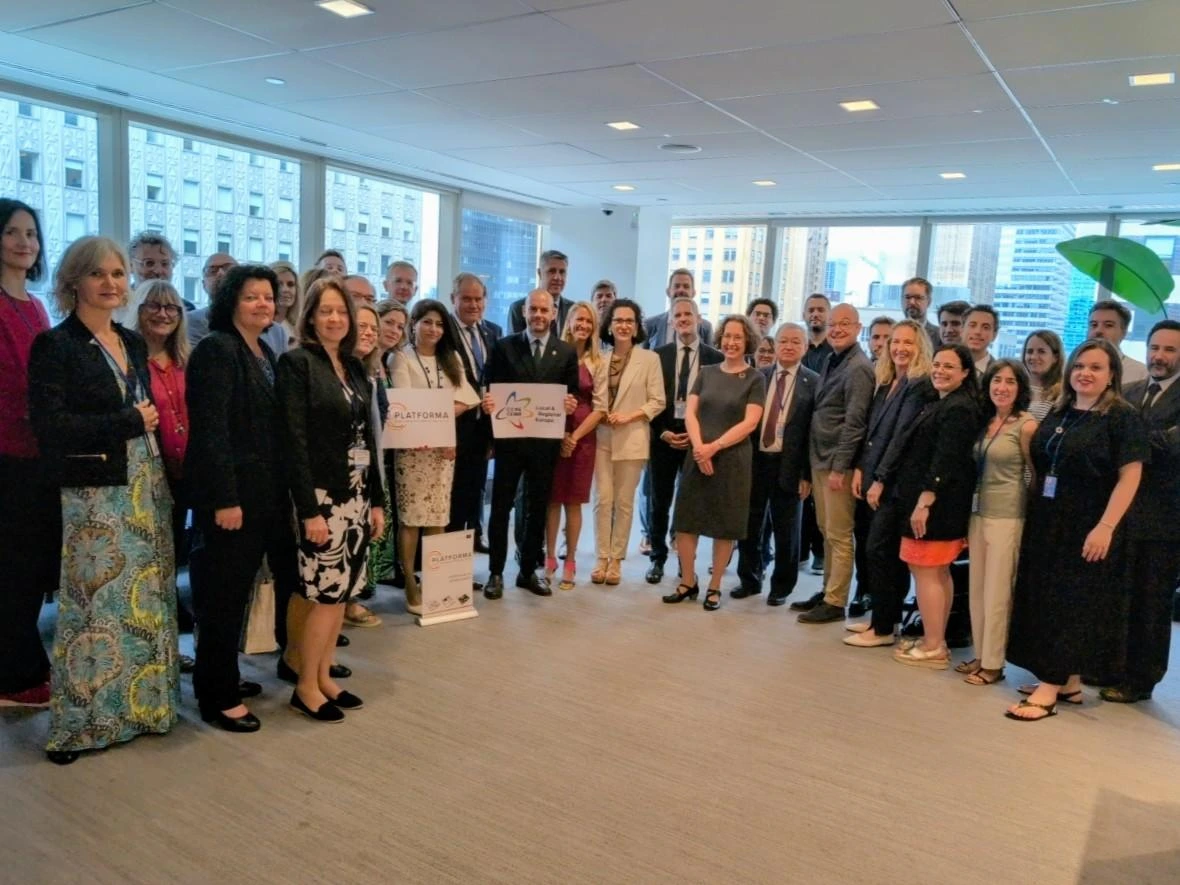
A delegation of European Mayors and councillors is heading to New York to defend the key role of local and regional governments in United Nations intergovernmental bodies during the upcoming High-Level Political Forum (HLPF) (8-17 July).

This year, HLPF will focus on “Reinforcing the 2030 Agenda and eradicating poverty in times of multiple crises” and is held under the auspices of the Economic and Social Council.

Once again, European Mayors and councillors will make they voice heard and present how the local level can deliver sustainable, resilient and innovative solutions.

Among them are:

  • Véronique Bertholle, Vice Mayor on European and International Relations, City of Strasbourg (France), PLATFORMA spokesperson
  • Francine Farrugia, Local Councillor in the locality of Siggiewi (Malta), member of CEMR-PLATFORMA Young Elected Officials Committee
  • Clare Hart, Vice-President Montpellier Métropole, President of Crisis and Rehabilitation Group, Cités Unies France
  • Gail Macgregor, Leader of Dumfries and Galloway Council, Scotland, UK (COSLA), Spokesperson for Environment and Economy, CEMR Spokesperson on SDGs
  • Nicole Unterseh, Mayor City of Bonn (Germany), Deutscher Städtetag

Mayors and councillors will actively participate in several meetings, including the Local2030 Coalition Special Event “Unlocking transformative change through the localisation of the six SDG transitions” on 10 June, during which Francine Farrugia will officially present the CEMR-PLATFORMA 2024 annual study on SDGs.

This year, the study European Territories Localise the SDGs – The time for impact is running out gathers 46 responses from associations of local and regional governments, representing 31 European countries.

In the Foreword, Tengiz Mtvarelishvili, Chair of Telavi City Council in Georgia, and PLATFORMA Spokesperson, warns about delays in implementing the 17 Sustainable Development Goals (SDGs). “But there’s hope: local and regional governments are on the front lines, closest to citizens, and uniquely positioned to find tailored solutions”, he says.

Eva Baños de Guisasola, PLATFORMA Advisor on SDGs, Global Agendas and Climate, and Federica Bordelot, CEMR Director of Policy and Impact, will moderate several sessions.

To strengthen the voice of local and regional governments, PLATFORMA and CEMR are joining forces with the Global Task Force of Local and Regional Governments (GTF) led by UCLG.

This year, HLPF will be followed by the UN Summit of the Future, also in New York on 22-23 September, where local and regional governments will gather during an Action weekend ahead of the meeting.

Discover the study:

Check the agenda of the Global Task Force of Local and Regional Governments (GTF)

For more information, contact:

Policy Forum on Development 

Policy Forum on Development - News 2023

CEMR Secretary General to Address Global Meeting of the Policy Forum on Development 2023


The upcoming “Global meeting of the Policy Forum on Development 2023” is set to kick off with a keynote address by the Secretary General of the Council of European Municipalities and Regions (CEMR), Fabrizio Rossi. Starting on September 27, the three-day Conference will serve as a vital platform for discussing multistakeholder partnerships, equality, and the civic space within the context of the Global Gateway initiative.
 
The Secretary General of CEMR will address the Conference’s inaugural session on September 27, drawing upon CEMR’s extensive experience, which champions active engagement of local governments and regions in influencing policies that directly affect their communities.
 
The opening session will feature Jutta Urpilainen, European Commissioner for International Partnerships. Commissioner Urpilainen will open the session with a keynote address on the Global Gateway initiative and its role in addressing global inequalities. Her insights will set the stage for discussions throughout the Conference.
 
The “Global Meeting of the Policy Forum on Development 2023” aims to facilitate constructive dialogue on topics ranging from sustainable development goals to inclusive governance. Participants will explore innovative solutions and strategies for advancing the Global Gateway initiative, which seeks to foster international cooperation and bridge disparities on a global scale.

UNGA 2023

UNGA 2023 - News 2023

CEMR and PLATFORMA to Showcase Local and Regional Commitment at the 2023 UN SDG Summit


The Council of European Municipalities and Regions (CEMR) is participating in the upcoming United Nations Sustainable Development Goals (SDG) Summit, scheduled for 18-19 September. This high-profile event will bring together leaders from across the globe to discuss crucial sustainability issues and progress toward achieving the SDGs.
CEMR and PLATFORMA will be leading a distinguished delegation, including CEMR Secretariat Eva Baños de Guisasola, Senior Adviser on Global Agendas, SDGs and Climate; Basque Government, Spain; CUF, Cités Unies France; DIBA – Diputació de Barcelona, Spain; ELVL, Estonia; FEMP; Association of German Cities; VNG, The Netherlands; SALAR, Sweden; UCLG.
CEMR’s main objectives at the conference are to advocate for a decentralised, bottom-up, territorial approach to SDG implementation and to emphasise the indispensable role of local and regional governments in achieving these global goals.


Key highlights of CEMR’s participation include:

  1. EU Voluntary Review: CEMR calls for clear recognition of the contributions made by different levels of governance and civil society organisations in achieving the SDGs in Europe.
  2. Localising SDGs: National governments and the EU are urged to accelerate the localisation and territorialisation of the SDGs, ensuring that local and regional governments have the necessary autonomy, means, and resources to drive change at the community level.
  3. Citizen Engagement: CEMR promotes the production of Voluntary Local Reviews (VLRs) and Voluntary Subnational Reviews (VSRs) as tools to engage citizens and enhance awareness of global challenges.
  4. Data Inclusion: CEMR advocates for including relevant disaggregated data and information at the subnational level in Voluntary National Reviews (VNRs). Emphasising the importance of local governments in monitoring and reporting SDG progress.
  5. Political Engagement: CEMR urges EU institutions and European States to engage with local and regional governments through regular dialogue and the inclusion of local elected representatives in high-level meetings.
  6. International Cooperation: CEMR seeks more support for international cooperation at the local and regional levels, emphasising peer-to-peer learning and innovative partnerships as key drivers of SDG achievement.
  7. Inclusivity: CEMR underscores the vital role of youth, women, and vulnerable groups in decision-making and activities contributing to SDG attainment.

CEMR is committed to making a significant impact at the 2023 UN SDG Summit by promoting the pivotal role of local and regional governments in driving sustainable development. We look forward to engaging with global leaders and partners to advance our shared vision for a more sustainable and equitable world. To learn more about CEMR/PLATFORMA’s SDG strategy, you can find our latest study online at this link https://local-sdgs.eu/.

“Rencontres de l’AICT” 

Rencontres de l'AICT - News 2023

Secretary General of CEMR Fabrizio Rossi to address the role of local and regional governments in solving global issues at “Rencontres de l’AICT” Conference


The Secretary General of the Council of European Municipalities and Regions (CEMR) will participate in the “Rencontres de l’AICT” Conference. This annual event, hosted by Cités Unies France, brings together thought leaders, policymakers, and experts from around the world to discuss the role of local and regional authorities in resolving major global issues.

The Secretary General, Fabrizio Rossi, will speak on Tuesday, September 19 in the plenary session. During his intervention, Mr Rossi will showcase how regional partnerships can contribute to achieving the Sustainable Development Goals (SDGs) through the prism of their international action and by presenting CEMR and Platforma’s on-field experience. 

The session will also be broadcast live via the Cités Uites France YouTube channel, with the option of asking questions.

  • Access the channel here

The Organisation will participate in the event:

  • On Tuesday, September 19, 14:30 to 15:00 – PLATFORMA workshop development education and awareness raising where the initiative “European Days of Local Solidarity” will be presented.

Study on SDGs localisation

Energy Behaviour Forum - image 1

Discover our new study on progress made by local governments in promoting the Global Goals


The Council of European Municipalities and Regions (CEMR) and PLATFORMA are releasing today (12 July) their annual study on the localisation of the Sustainable Development Goals (SDGs) at a United Nations special event in New York. The study is presented by CEMR President Gunn Marit Helgesen at the 6th Local and Regional Governments Forum on the 2030 Agenda, organised in the framework of the High-Level Political Forum (HLPF), the United Nations annual event on the SDGs.

The report collects data from 41 associations of local and regional governments from greater Europe and makes seven recommendations. As estimates show, 65% of the 169 targets underpinning the 17 SDGs cannot be achieved without the involvement of local and regional governments.

One more time, this report resonates as a strong call to national and European institutions to further recognise and include in their reports progress made by municipalities and regions in achieving the SDGs. More than ever, decentralised cooperation and partnerships are crucial instruments to achieve the 2030 Agenda at the local and regional levels.

“We are fast approaching the halfway point on the road to the 2030 Agenda and the implementation of the Sustainable Development Goals (SDGs), meaning there are only six summers left!” warns Gunn Marit Helgesen, CEMR President, in the foreword of the study.

The 6th Local and Regional Governments Forum on the 2030 Agenda is organised by UN DESA, the Global Taskforce of Local and Regional Governments (GTF), UN-Habitat, UNDP and Local 2030.

Mayors have a say

This year, the European delegation of local and regional governments is composed of several mayors and councillors:

  • Gunn Marit Helgesen, CEMR President and Councillor of Vestfold and Telemark, President of the Norwegian Association of Local and Regional Authorities (KS)
  • Magda Kostava, Member of Kutaisi Municipal Council, Georgia (NALAG), member of the CEMR Young elected officials committee
  • Wim Dries, VVSG President and Mayor of the City of Genk
  • Luisa Salgueiro, President of the National Association of Portuguese Municipalities (ANMP) and Mayor of Matosinhos, Portugal
  • Manueal Alvares, Councillor in the Municipality of Matosinhos, Portugal
  • Stephan Neher, Mayor, City of Rottenburg am Neckar, Germany
  • Anne-Marie Jean, Vice-President of Eurométropole de Strasbourg (CUF)
  • André Viola, Councillor, Department of Aude (AFCCRE)

Fabrizio Rossi, CEMR Secretary General, Emilia Saiz, UCLG Secretary General, Lucy Slack, CLGF Secretary General, Unai Tellería, Delegate of the Basque Government (Spain) in the United States, Leen Verbeek and Mathieu Mori, respectively President and Secretary General of the Congress of Local and Regional Authorities of the Congress of Europe are also attending HLPF and parallel dedicated to local and regional governments.

More information:

For more information, contact:

Promoting the Global Goals

Promoting the Global Goals - News 2023

Discover our new study on progress made by local governments in tracking & promoting the Global Goals


The Council of European Municipalities and Regions (CEMR) and PLATFORMA are releasing today (12 July) their annual study on the localisation of the Sustainable Development Goals (SDGs) at a United Nations special event in New York. The study is presented by CEMR President Gunn Marit Helgesen at the 6th Local and Regional Governments Forum on the 2030 Agenda organised in the framework of the High-Level Political Forum (HLPF), the United Nations annual event on the SDGs.

The report collects data from 41 associations of local and regional governments from greater Europe and makes seven recommendations. As estimates show, 65% of the 169 targets underpinning the 17 SDGs cannot be achieved without the involvement of local and regional governments.
One more time, this report resonates as a strong call to national and European institutions to further recognise and include in their reports the progress made by municipalities and regions in achieving the SDGs. More than ever, decentralised cooperation and partnerships are crucial instruments to achieve the 2030 Agenda at the local and regional levels.
“We are fast approaching the halfway point on the road to the 2030 Agenda and the implementation of the Sustainable Development Goals (SDGs), meaning there are only six summers left!” warns Gunn Marit Helgesen, CEMR President in the foreword of the study.
The 6th Local and Regional Governments Forum on the 2030 Agenda is organised by UN DESA, the Global Taskforce of Local and Regional Governments (GTF), UN-Habitat, UNDP and Local 2030.
Mayors have a say
This year, the European delegation of local and regional governments is composed of mayors and councillors:

  • Gunn Marit Helgesen, CEMR President and Councillor of Vestfold and Telemark, President of the Norwegian Association of Local and Regional Authorities (KS)
  • Magda Kostava, Member of Kutaisi Municipal Council, Georgia (NALAG), member of the CEMR Young elected officials committee
  • Wim Dries, VVSG President and Mayor of the City of Genk
  • Luisa Salgueiro, President of the National Association of Portuguese Municipalities (ANMP) and Mayor of Matosinhos, Portugal
  • Manueal Alvares, Councilor in the Municipality of Matosinhos, Portugal
  • Stephan Neher, Mayor, City of Rottenburg am Neckar, Germany
  • Anne-Marie Jean, Vice-President of Eurométropole de Strasbourg (CUF)
  • André Viola, Councillor, Department of Aude (AFCCRE)

Fabrizio Rossi, CEMR Secretary General, Emilia Saiz, UCLG Secretary General, Lucy Slack, CLGF Secretary General, Unai Tellería, Delegate of the Basque Government (Spain) in the United States, Leen Verbeek and Mathieu Mori, respectively President and Secretary General of the Congress of Local and Regional Authorities of the Congress of Europe are also attending HLPF and parallel dedicated to local and regional governments.
More information:

  • Discover the study online local-sdgs.eu
  • Read the study (pdf)
  • Follow the conversation online with #HLPF2023 & #LocalizingSDGs