Climate Academy for local leaders

Energy Behaviour Forum - image 1

Local leaders’ climate academy: co‑creating justice‑centred climate action 


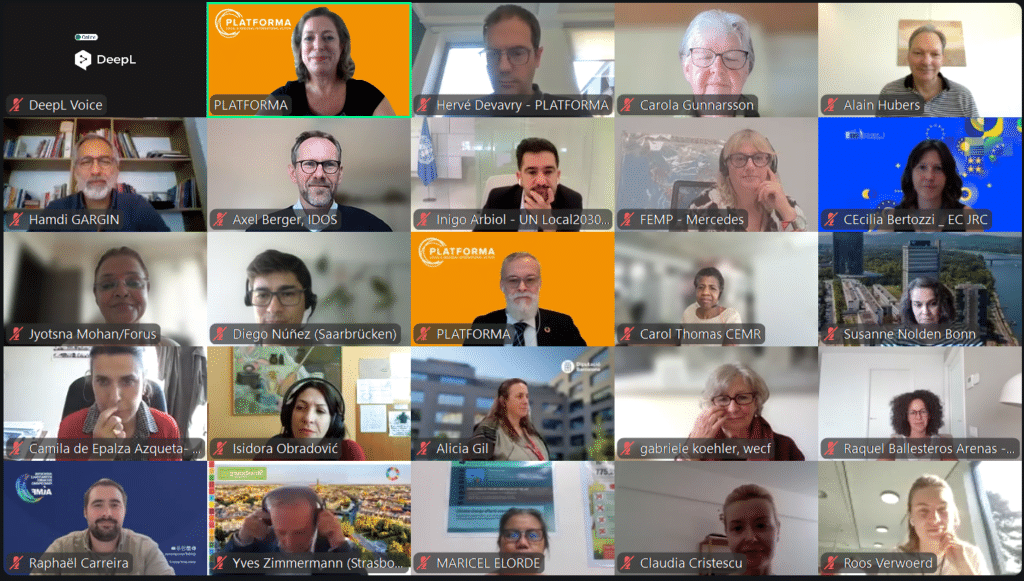
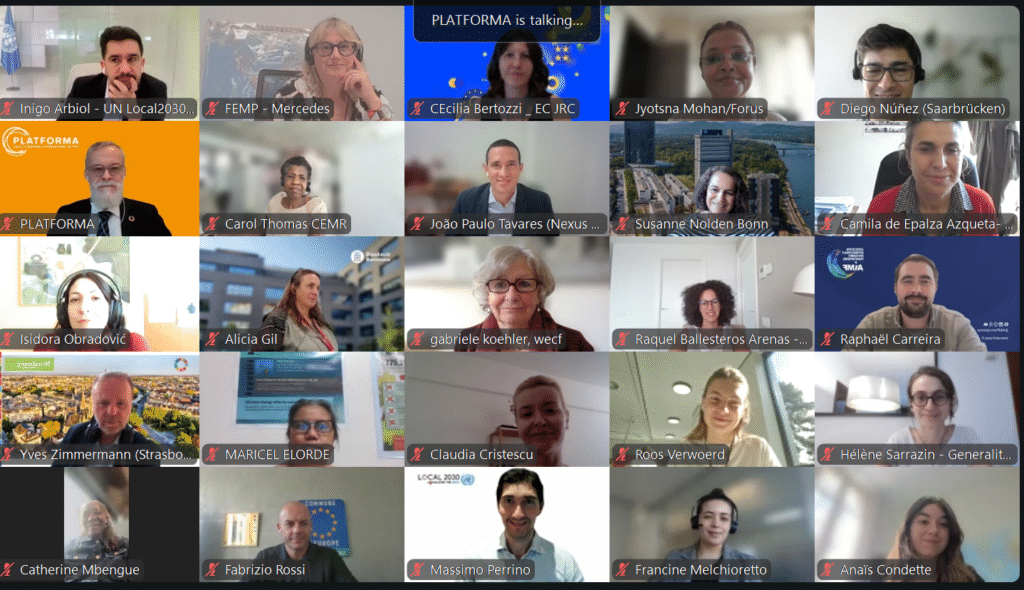
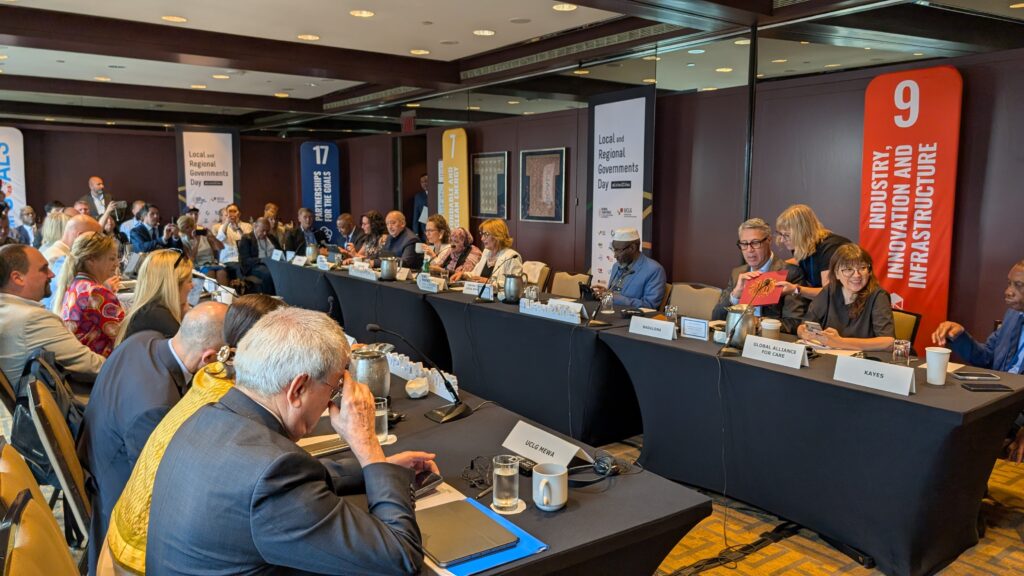
On 25 and 26 March, CEMR, together with UCLG and PLATFORMA, hosted the Local Leaders’ Climate Academy, an online training and exchange space for local and regional leaders committed to advancing climate action rooted in justice, equality, and participation. 

Held under the title “Co‑Creating Climate Action: Justice‑Centred Leadership for Local and Regional Governments”, the Academy brought together elected officials, practitioners, youth representatives, and experts to explore how local governments can translate climate commitments into inclusive, locally grounded action. 

Putting justice at the centre of climate leadership 

Opening the Academy, Fabrizio Rossi, Secretary General of CEMR, underlined the need for local leaders to move beyond fragmented climate responses and instead co‑create solutions that address climate change alongside social and gender inequalities. 

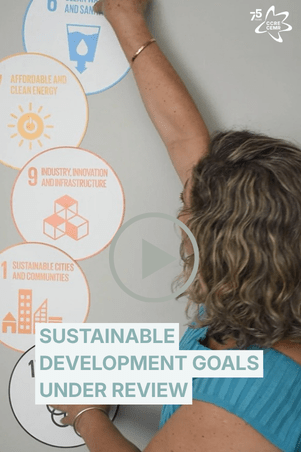
On the second day, Pablo Fernández, Assistant Secretary‑General for Partnerships at UCLG, presented UCLG’s global learning strategy, emphasising city diplomacy and co‑creation as key tools for implementation. He stressed that inclusive capacity‑building — particularly involving youth and women — is central to accelerating progress on the Sustainable Development Goals, including the ongoing review of SDG 11. 

Learning from local practice 

Throughout the two days, the Academy showcased concrete examples of justice‑centred climate action led by cities and territories: 

  • In Catalonia, municipalities are collaborating on collective renewable energy purchasing to reduce emissions and costs. 
  • Dublin shared its work on systemic climate finance approaches to address organisational barriers to investment. 
  • Athens presented the co‑creation of its Climate Contract, including a Youth Climate Assembly and support for 30 youth‑led projects. 
  • International partnerships were highlighted, such as the long‑standing cooperation between Cologne (Germany) and Indigenous communities in Yarinacocha (Peru), and the Bio Plateau project promoting community‑based water management in the Guyana Shield. 

Youth voices and global perspectives 

The Academy was shaped by keynote interventions from Marcele Oliveira, Youth Climate Champion for COP30, and Mark M. Akrofi, Research Fellow at AISESA. Their contributions stressed the importance of engaging vulnerable communities, addressing environmental racism, and integrating intergenerational justice into local climate planning. 

Their reflections echo broader debates on climate justice, including those shared in the PLATFORMA interview “Climate justice starts where people live”, which explores why locally rooted approaches are essential to fair and effective climate action. 

Climate adaptation and multi-level cooperation: the Climate Chance session 

On 26 March 2026, a dedicated session organised by Climate Chance brought climate adaptation to the centre of the discussions, highlighting the growing impact of floods, droughts, heatwaves and wildfires across European territories, and the need to act now. 

Opening the session, Ronan Dantec, President of Climate Chance and CEMR spokesperson on climate, stressed that tackling climate risks requires collective effort: “Climate change affects Europe with floods, droughts, heatwaves, and wildfires impacting communities and economies. Building resilience requires collaboration between governments, businesses, insurers, investors, and civil society.” 

The exchange focused on the challenges ahead for climate adaptation and on how multi‑level governancecross‑sector cooperation, and improved financing and risk‑sharing mechanisms can strengthen resilience. The session also contributed reflections to the forthcoming EU Integrated Framework on Climate Adaptation, expected in late 2026, and featured expert input from Dr. Christiana Photiadou of the European Environment Agency. 

Want to know more? 

Do you want to know more about our Local Leaders’ Climate Academy? 

🎥 Watch the recordings: 

Read the cross-interview of Climate leader Marcele Oliveira and sustainability scientist Mark M. Akrofi.

For more information, please contact:

Global Europe 2028–2034

Global Europe - position paper

Local and regional governments at the heart of “Global Europe 2028–2034”: our Policy position


As the European Union prepares its next Multiannual Financial Framework (MFF) for 2028–2034, the Global Europe instrument will define the EU’s external action for the years ahead — encompassing development cooperation, humanitarian aid, enlargement support and Global Gateway. Discover PLATFORMA detailed policy position outlining how this strategic instrument should be shaped to foster sustainable global partnerships and advance inclusive governance.

At a time marked by intersecting global crises — from climate breakdown and shrinking development funds to geopolitical instability — the role of local and regional governments (LRGs) is more critical than ever. PLATFORMA’s paper is thus anchored in the belief that effective global action starts from the ground up.

Local and regional governments as co-decision-makers, implementers and partners

PLATFORMA’s position starts from a stark reality: despite their proximity to citizens and deep knowledge of local contexts, LRGs remain under-recognised in EU external action frameworks. The coalition calls for the Global Europe instrument to move beyond symbolic references to “local authorities” and embed mechanisms that genuinely empower LRGs as co-decision-makers, implementers and partners in EU external policies.

Key recommendations

The Policy Paper makes 9 key recommendations to EU decision makers:

  1. Strengthen multilevel governance in Global Europe and place local and regional governments in the driving seat of territorial development
  2. Pair flexibility and simplification with ambitious official development assistance targets, and enhance accountability and transparency mechanisms
  3. Unlock Global Gateway’s potential through the involvement of local and regional governments
  4. Foster EU delegations’ engagement with local and regional governments
  5. Recognise and empower local and regional governments as unique and effective development partners in fragile contexts
  6. Advance the localisation of the Sustainable Development Goals to achieve decarbonised societies and climate justice
  7. Involve citizens through Global Citizenship Education as a key component of decentralised development cooperation
  8. Foster inclusive and participatory local governance: empower youth, women, and disadvantaged and underrepresented groups
  9. Strengthen local governance through the EU Eastern neighbourhood and enlargement strategy

Through these recommendations, PLATFORMA aims to improve the current proposal for the Global Europe instrument, so that it fully recognises, acknowledges, and supports the contribution of local and regional governments to EU external action, notably through decentralised cooperation as a development aid modality.

PLATFORMA also calls on the European Commission to issue an updated Communication on the structured involvement of local and regional governments and their associations in the new (geo)strategic approach to EU external action.

Read the full Policy position

For more information, contact:

Sakharov Prize 2025 winners

Sakharov Prize 2025

Sakharov Prize 2025: standing with those who defend freedom of thought


The Sakharov Prize for Freedom of Thought is the European Parliament’s most prestigious award for human rights. Established in 1988, it honours individuals and organisations who demonstrate extraordinary courage in defending democracy, freedom of expression and fundamental freedoms, often under severe repression. 

Awarded annually, the Prize is both a recognition and a call to action: a reminder that freedom of thought is not guaranteed and must be actively defended. 

The 2025 Laureates 

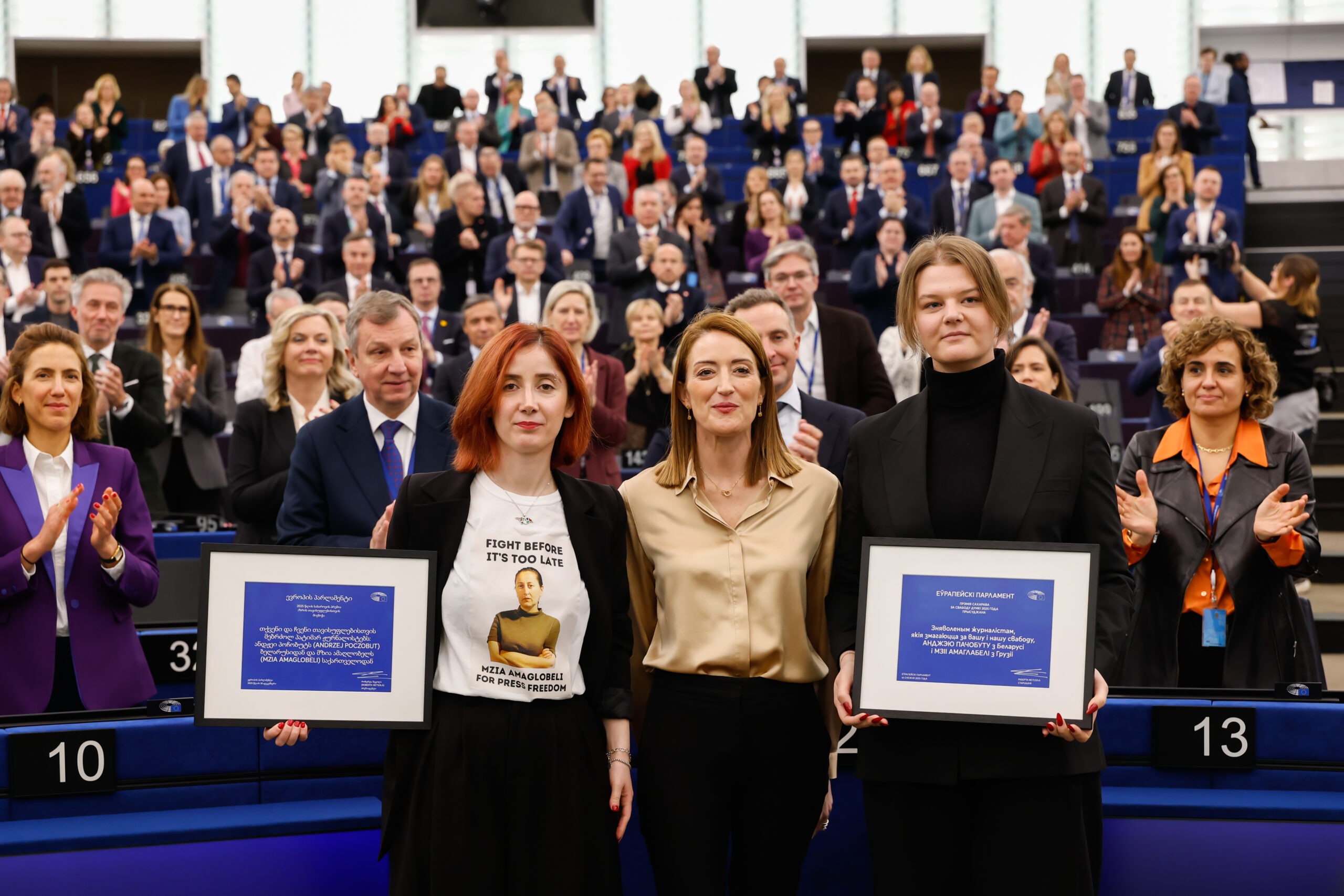
On December 16 2025, the European Parliament awarded the Sakharov Prize to Mzia Amaglobeli of Georgia and Andrzej Poczobut of Belarus, two journalists imprisoned for their commitment to truth, democracy and human rights. 

Andrzej Poczobut, a journalist, essayist and activist from the Polish minority in Belarus, has long criticised the Lukashenka regime. Detained since 2021, he was sentenced to eight years in a penal colony on politically motivated charges. His health has deteriorated, his family is denied access, and yet he remains a symbol of resistance against authoritarian repression. 

Mzia Amaglobeli, a Georgian journalist and director of the independent media outlets Batumelebi and Netgazeti, was arrested in January 2025 after joining pro-democracy protests. Sentenced to two years in prison, she became Georgia’s first female political prisoner since independence and a powerful symbol of the country’s democratic aspirations

Announcing the laureates, European Parliament President Roberta Metsola stated that “both have paid a heavy price for speaking truth to power, becoming symbols of the struggle for freedom and democracy. The Parliament stands with them, and with all those who continue to demand freedom.” 

Democracy, EU values and enlargement 

The Sakharov Prize reflects the European Union’s commitment to defending democracy beyond its borders. In both Belarus and Georgia, democratic backsliding, repression of independent media and attacks on civil society threaten not only national freedoms but also the countries’ European paths. 

The European Parliament has repeatedly called for the immediate and unconditional release of both journalists and has adopted resolutions condemning repression, political imprisonment and the erosion of democratic institutions. 

Defending democracy from the ground up 

At CEMR and PLATFORMA, defending democratic values is central to our work, and we have a specific focus in the context of EU enlargement and the Eastern Partnership. Through cooperation with local and regional governments, national associations of local governments (such as NALAG in the case of Georgia), and civil society, we support democratic governance, freedom of expression and institutional resilience. 

Local democracy is often the first target of authoritarian pressure and the first line of defence. By empowering local and regional actors, supporting peer exchange and promoting EU values, CEMR and PLATFORMA contribute to a democratic Europe that is inclusive, resilient and anchored in fundamental rights. 

The Sakharov Prize is a reminder that democracy depends on courage but also on solidarity. 

For more information, contact:

Implementing the Global Gateway

Global Gateway - Event news

Towns, cities and regions call for a stronger partnership in advancing the Global Gateway


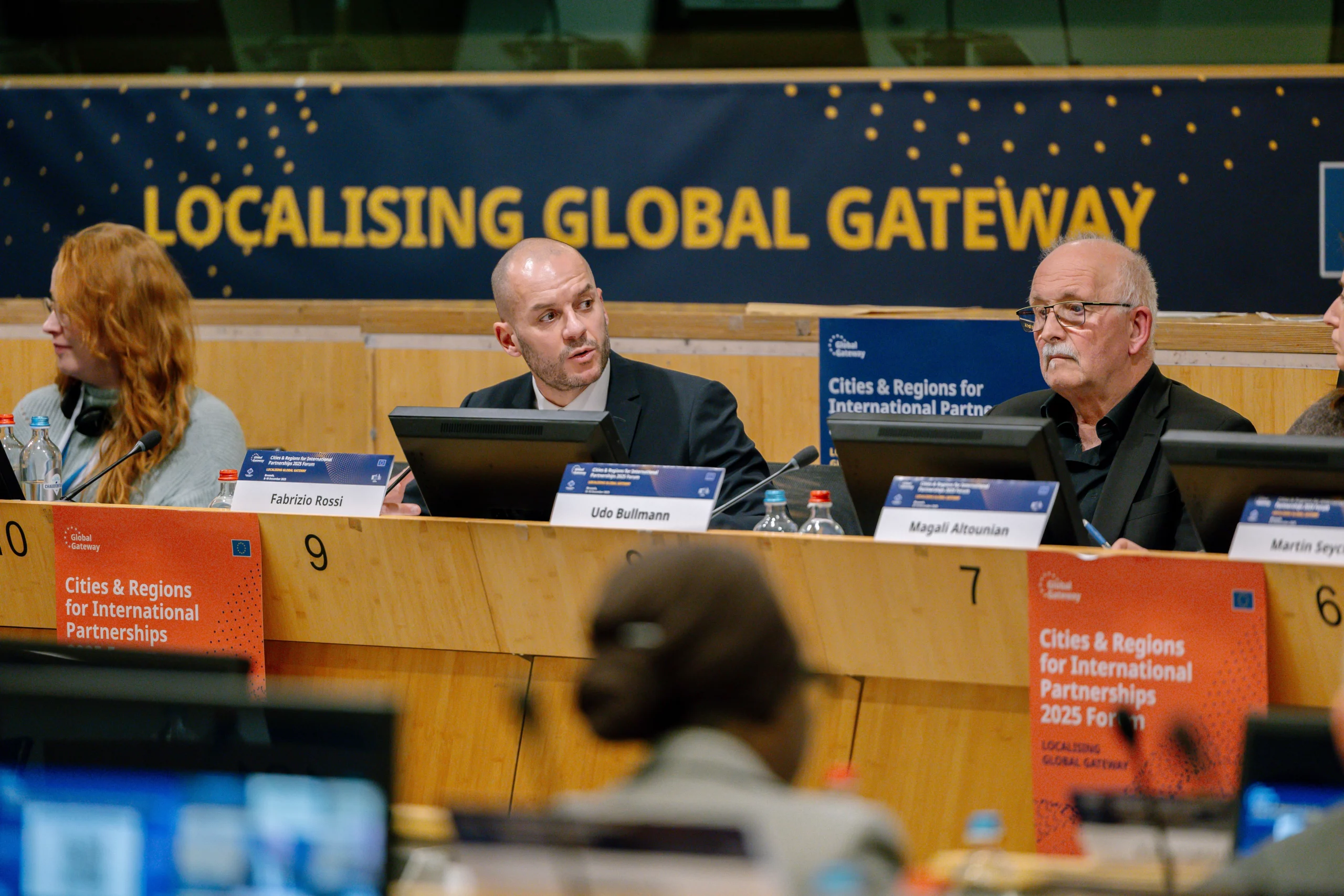
International networks of towns, cities and regions have issued a joint Declaration yesterday [10 December 2025] in Brussels, calling for a stronger and more structured involvement of local governments in the implementation of the European Union’s Global Gateway strategy. Representing thousands of towns, cities, regions, and local government associations worldwide, the signatories stress that partnering with local and regional governments (LRGs) is essential to ensure the legitimacy, sustainability, and long-term impact of Global Gateway investments.

This Declaration was handed over on behalf of the signatories by Joseph Bernard Wagner, Mayor of Belize City (Belize) and Chairperson of the Commonwealth Local Government Forum (CLGF), to Koen Doens, Director-General at the European Commission Directorate-General for International Partnerships (DG INTPA), during the Plenary Session of the Committee of the Regions, marking the end of the 3-day “Cities and Regions for International Partnerships” 2025 Forum.

Local and regional governments are recognised by the EU as distinct development actors and play a central role in shaping inclusive economic growth, delivering public services, and connecting communities to global opportunities. Their leaders warn that without systematic engagement of towns, cities and regions, Global Gateway projects risk missing their full development potential.

A joint call for a more inclusive Global Gateway

The declaration is signed by the leaders of four major global networks of local and regional governments:

  • Fabrizio Rossi, Secretary General, Council of European Municipalities and Regions (CEMR) – PLATFORMA
  • Lucy Slack, Secretary General, Commonwealth Local Government Forum (CLGF)
  • Emilia Saiz, Secretary General, United Cities and Local Governments (UCLG)
  • Frédéric Vallier, General Delegate, International Association of Francophone Mayors (AIMF)

Together, they call on EU institutions, partner countries, and development actors to recognise towns, cities and regions as co-creators of the enabling environment needed for sustainable, inclusive and democratic investment.

Quotes

It is critical that local governments are around the table in the context of investments being made through Global Gateway. After all, we are responsible for all development in our territories, and should be recognised as partners in planning and delivery,” Joseph Bernard Wagner, Mayor of Belize City (Belize) and Chairperson of the Commonwealth Local Government Forum (CLGF) stressed in his speech.

Local and regional governments should be involved in the designing phase of the Global Gateway. As CEMR and PLATFORMA, we see ourselves as the enabling institutions, and we are there to harvest learning and data, to monitor and evaluate the actions,” CEMR Secretary General Fabrizio Rossi earlier said during the Forum.

Decentralised cooperation is a real lever for solidarity and development that serves the interests of local communities. However, it can only be effective if decentralisation itself is effective and if our local authorities have secure financial and human resources. The Global Gateway is an important opportunity to support us in this regard,” Dieudonné Bantsimba, Mayor of Brazzaville, Vice-President of the AIMF.

The mobilisation of our members at the Forum of Cities and Regions shows the strong commitment of local and regional governments to cooperation and city diplomacy. Yet the localisation of the Global Gateway will only be possible if local governments are fully recognised as strategic partners,” Emilia Saiz, UCLG Secretary General

Towns, cities and regions are the link between investments and citizens. As first ports of call to citizens, they bring legitimacy, ownership and long-term sustainability to Global Gateway projects,” the signatories emphasise. 

Local and regional governments are indispensable partners for making the Global Gateway a strategy that truly works for people,” the signatories stress.

Towns and regions: Essential partners for sustainable impact

In their declaration, associations of local and regional governments highlight that LRGs hold wide-ranging mandates across Global Gateway priority sectors, including digitalisation, climate and energy, transport, health, education and research. By grounding investments in local realities, they ensure projects respond to the needs and priorities of communities, reinforce policy coherence, and foster inclusive economic ecosystems involving SMEs, investors, CSOs, academic institutions and citizens.

The declaration also underscores the decisive role of local governments in fragile and conflict-affected contexts, where they are often the only functioning public institutions capable of coordinating local stakeholders and delivering basic services.

Key recommendations to strengthen the Global Gateway

To unlock the full potential of local authorities as partners for sustainable investment, the signatories put forward three main recommendations:

  1. Engage directly with local governments and give them direct access to funding within Global Gateway investments.
    This includes dedicated calls for proposals, tailored evaluation criteria, specific funding streams similar to the former “Partnerships for Sustainable Cities” programme, and country-level mechanisms to ensure structured dialogue between EU Delegations, Teams Europe and LRGs.
  2. Ensure systematic involvement of governments in all phases of Global Gateway projects.
    Clear guidance should be provided to EU Delegations and Teams Europe to meaningfully include local authorities in planning, implementation, monitoring and evaluation processes.
  3. Support national associations and international networks of local governments.
    These organisations—signatories of Framework Partnership Agreements with the EU since 2015—are crucial in coordinating LRG participation, sharing knowledge, and scaling innovations across borders.

Read the full Declaration.

Read PLATFORMA note on Global Gateway.

Photo: © European Union 2025 / Emile Windal

Town Hall COP webinar

TOWN HALL COP - News

Town Hall COP: Faster climate action and multilevel governance to tackle climate change


Strengthened local action and multilevel governance to meet climate targets is one of the key messages defended by CEMR and PLATFORMA. On 19 November 2025, both networks organised their first Town Hall COP, a community-led climate dialogue aimed at reinforcing partnerships across levels of government. Participants insisted on linking climate efforts with broader global agendas such as the Sustainable Development Goals (SDGs). The event took place online while COP30 negotiations are expected to conclude by the end of the week in Belém (Brazil).

COP30 negotiations update and progress made since COP21

Intervening from Belém, the Director for Intergovernmental Support and Collective Progress at UNFCCC Cecilia Kinuthia-Nienga provided an update on the COP 30 negotiations, highlighting the presidency’s focus on multilateralism, building trust, and moving “from commitments to implementation.”

She discussed the importance of clear governance structures, investment pipelines, and support for developing countries to ensure credible Nationally Determined Contributions (NDCs) implementation.

Just back from COP30, Bridgette Burken-Holder, Director of International Program at the European Climate Foundation, emphasised the evolution of the 2015 Paris Agreement as a “living instrument” and the progress made in reducing emissions in cities, but also the growing recognition of subnational governments in climate policy. She noted that 80% of submitted NDCs now include cities and regions as key partners.

Paraphrasing a COP30 participant, she said: “As local governments, we don’t need just a seat at the COP table, we need to rebuild the table to make sure that we can fit everyone we need.”

CEMR Spokesperson on environment and Senator for Loire-Atlantique (France) Ronan Dantec, also discussed the evolution of local governments’ role in climate governance over the past 20 years, emphasising the importance of their involvement for reaching climate targets.

Thysia Tchekouteff, Policy Assistant at the European Commission Directorate-General for Climate Action, reminded the European Union’s climate goals: to become the first climate-neutral continent by 2050, with a 55% reduction in greenhouse gas emissions by 2030 and a 90% reduction by 2040.

She emphasised the importance of multi-level cooperation, highlighting the EU’s endorsement of the Coalition of High Ambition Multi-Level Partnerships (CHAMP) and its commitment to working with subnational governments.

Climate action: political, financial, and citizen engagement

“Climate change does not wait for the next election,” stressed Emil Brogn, Mayor of Cluj-Napoca (Romanian Municipalities Association), who called for reinforced political support, blending financial resources, and making green choices easy for citizens. The mayor named “three key elephants in the room”: political support, finance, and citizen engagement.

He stressed the importance of communicating climate change actions in a way that resonates with citizens. A comment shared by Siri de Vrijer, Policy advisor on environment to MEP Gerben-Jan Gerbrandy (Renew Europe – Netherlands), who said: “we must show citizens what’s in it for them.” She discussed the need for a narrative that aligns with citizens’ perspectives and policy makers’ responsibilities.

This was also supported by Nadia Pellefigue who presented the Committee of the Regions’ opinion on COP30. “Without multi-level governance, ambitions remain theoretical. With it, ambitions become reality,” stated the Vice-President of the Occitanie Region (France). She called for a formal multi-level governance dialogue within the UNFCCC.

National perspectives from Moldova and Croatia

Marina Lungu, Head of Climate Change section at the Ministry of Environment of Moldova presented her country’s newly submitted NDC, which emphasises multi-level governance and includes institutional mechanisms for climate policy coordination across all levels of government.

Miljenko Sedlar, Head of climate in the Northwest Croatia Regional Energy and Climate Agency, presented Croatia’s approach to climate action. He also mentioned a new EU27 project called National Adaptation Hubs, which aims to shift from reactive to systemic adaptation and resilience across EU member states.

Local climate action initiatives

“80% of what can be done is under the influence of local governments,” said CEMR spokesperson for climate Marianne Overton, who discussed the challenges of climate change and the importance of local government in addressing it. The Councillor of North Kesteven and Lincolnshire (UK) highlighted the need “to make green choices easier for residents” and shared examples of successful initiatives, such as solar installations on council housing and energy-efficient building designs.

Overton emphasised the role of local municipalities in achieving climate targets and mentioned a motion passed by over 200 councils aiming for net zero by 2030.

Ola Nord, Head of the City of Malmö (Sweden) EU Office presented his city’s Town Hall COP initiative, which engaged 40 citizens to identify key climate action areas, resulting in 26 proposals focused on city planning, transport, democracy, just transition, lifestyle, and energy. “Change is happening, there’s a lot of positive developments, but it needs to be sped up and made stronger,” he said.

Looking towards 2027

Risto Veivo, Climate director at Central Administration of the City of Turku (Finland) provided an update on the IPCC Special Report on Cities to be presented at COP27. The report, involving approximately 100 lead authors will focus on various aspects of urban climate change, including solutions by city types and regions globally.

The results of CEMR-PLATFORMA Town Hall COP will now be shared with the large community of the Local Governments and Municipal Authorities (LGMA) Constituency of the United Nations, of which CEMR is a member. Ahead of COP30, CEMR endorsed the LGMA Joint Position, a joint call for COP30 leaders to empower cities and regions as key drivers of global climate implementation.


More information

For more information, contact:

Local leaders bring their voice to the UN

HLPF 2025 - News

No SDGs without local action: European cities and regions step up at the United Nations (UN) HLPF 


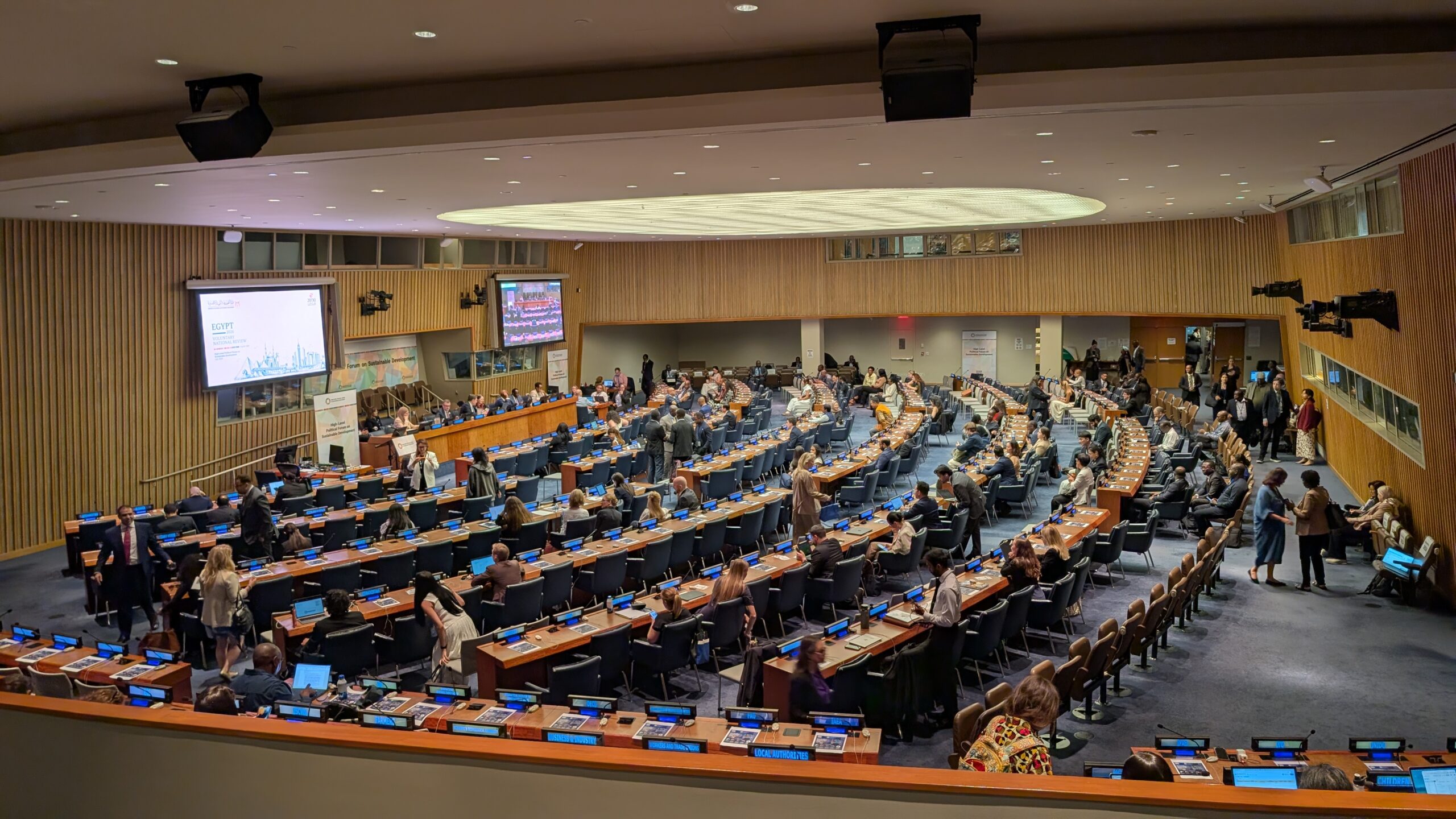
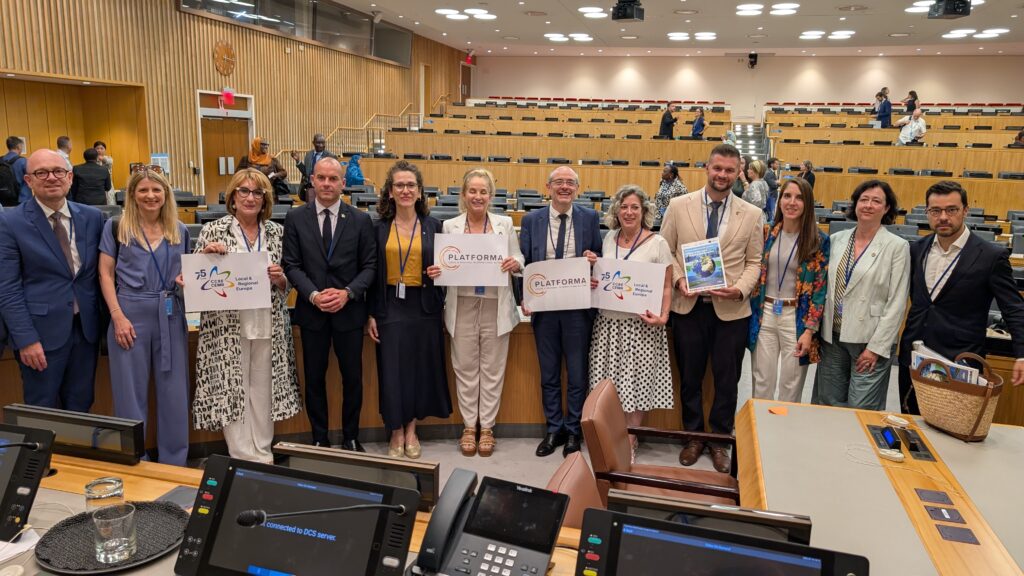
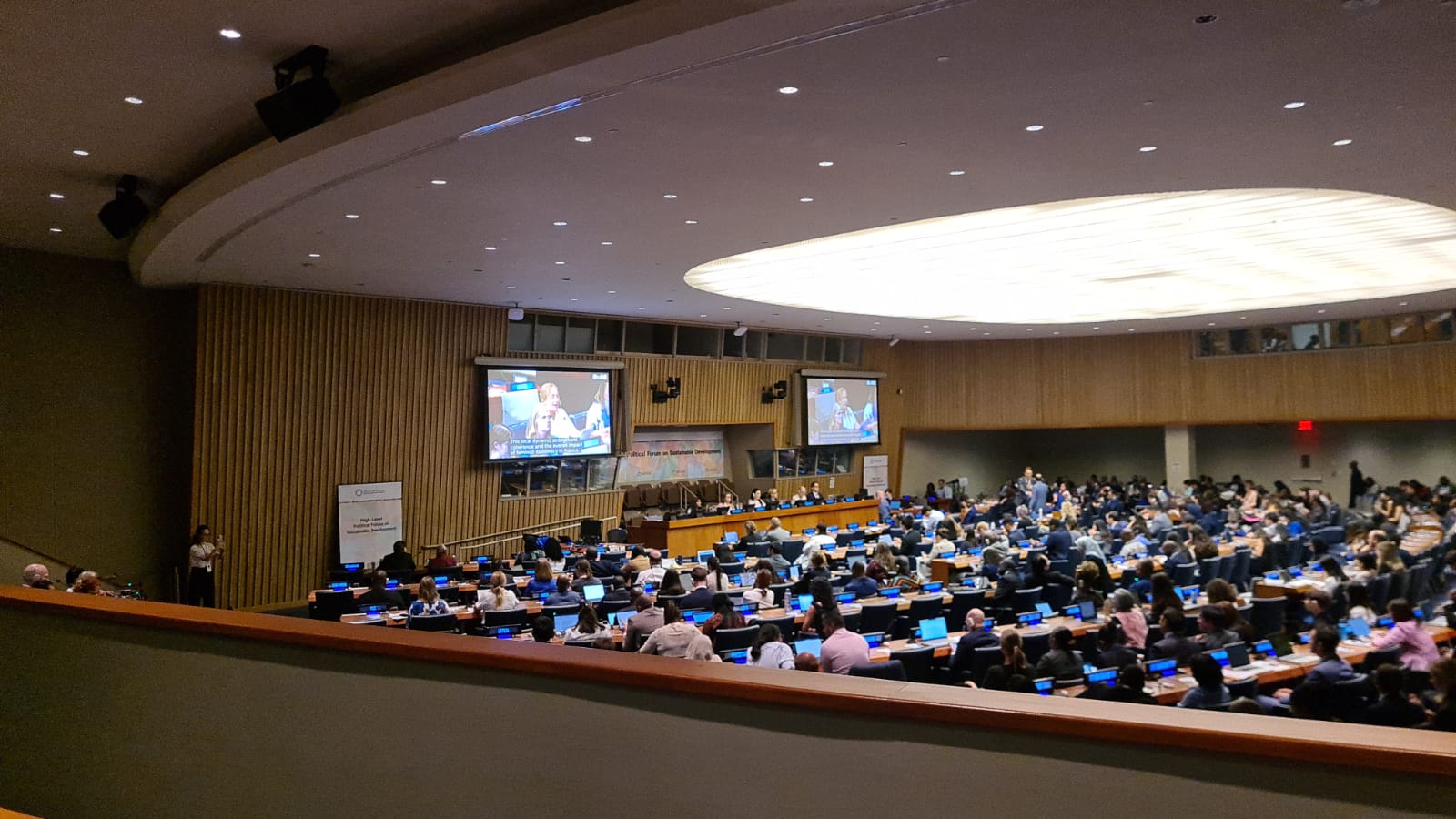
From 14 to 23 July, the Council of European Municipalities and Regions (CEMR) and PLATFORMA took part in the 2025 UN High-Level Political Forum (HLPF) in New York, where more than 40 local and regional leaders from across Europe joined the global conversation on advancing the 2030 Agenda. Their mission: make the voice of local and regional governments (LRGs) heard at the heart of global decision-making. 

As part of the Global Taskforce of Local and Regional Governments led by UCLG, CEMR and PLATFORMA contributed to key HLPF sessions, brought fresh evidence from the field, and called for stronger partnerships to accelerate SDG implementation.  

This year’s Forum was also the first since the adoption of the 2024 Pact for the Future —a milestone that calls for more inclusive, effective multilateralism. “The Pact for the Future clearly calls for local and regional voices to be part of global decision-making” said Fabrizio Rossi, Secretary General of CEMR. “That’s why our presence in New York this year was more relevant than ever—we’re here to make sure those voices are heard”. 

Bringing local realities to the global stage: launching the European territories SDG report 

At this year’s HLPF, CEMR and PLATFORMA officially launched their latest flagship study European Territories Localise the SDGs: Getting Local SDG Actions onto the Fast Track. Based on a survey conducted with UCLG and contributions from 31 national associations, the report highlights how local and regional governments across Europe are advancing the 2030 Agenda—often with limited means, but high ambition. 

With over 150 concrete examples collected, the study provides a detailed snapshot of how local SDG action is evolving in real time. It looks at policy priorities, bottlenecks, and the extent to which national governments involve municipalities and regions in their Voluntary National Reviews (VNRs). Special focus was placed on the five SDGs under review this year—SDG 3 (health), SDG 5 (gender equality), SDG 8 (decent work), SDG 14 (life below water), and SDG 17 (partnerships). 

The report is part of an ongoing effort by CEMR and PLATFORMA to track progress, share innovations, and ensure local voices shape global decisions. Since 2016, these annual studies have become a key contribution to the HLPF process, reinforcing the call for stronger multilevel governance in sustainable development. 

Local voices in National Reviews: making VNRs truly inclusive 

This year, six countries with active CEMR members—Malta, Finland, Germany, Czech Republic, Bulgaria, and Israel—presented their Voluntary National Reviews (VNRs). CEMR and PLATFORMA were present not only as observers, but as co-creators of the process. 

Their messages were clear: national governments must engage LRGs from the start—not just during reporting phases. “The example of Finland proves that good cooperation between local and national governments deliver results for citizens. And CEMR and PLATFORMA are very useful partners when it comes to bring these results at the global stage said Eveliina Kiema-Majanen from Kuntalitto (Finland). Their interventions underscored that successful national strategies depend on strong, empowered local actors.  

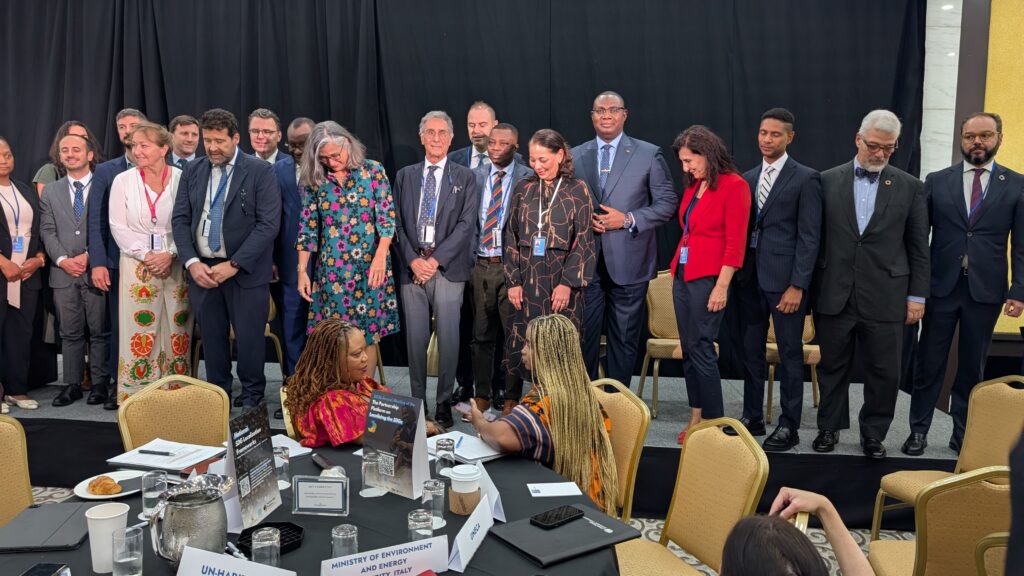
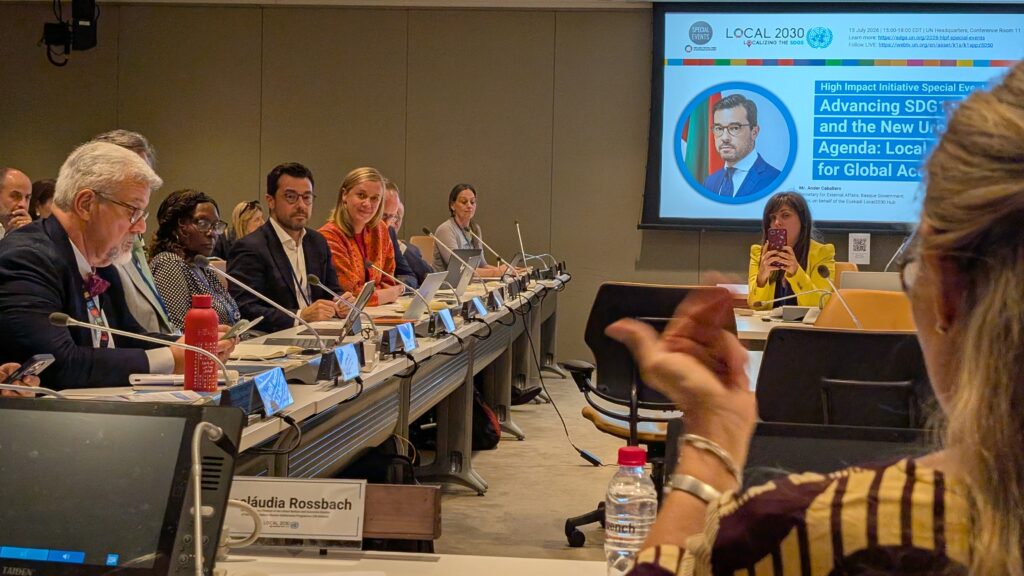
CEMR and PLATFORMA members took the floor at all key events for local and regional governments during the Forum. These included the High-Impact Initiative on SDG Localization by the Local2030 Coalition, the launch of the Global Taskforce’s 9th report, the 8th Local and Regional Governments Forum, and the official UN session “Transformation from the ground up: Acting at local level”. They also joined the second annual meeting of the “Partnership Platform on Localizing the SDGs,” reinforcing the call for systemic change through multilevel governance and stronger local action. 

“Local leaders are best placed to deliver on the SDGs—because we are closest to people’s lives and everyday needs”, said Clifford Galea, member of CEMR-PLATFORMA Young Elected Officials Committee, President of the Tramuntana Region and High Commissioner of Malta to Namibia. 

Bettina Bunk, from the City of Stuttgart, underlined the power of collaboration beyond borders: “International cooperation between local governments and the exchange of best practices is key to advancing the 2030 Agenda”. 

Their messages sent a clear signal: meaningful, institutionalised involvement of local governments is not optional—it is essential for delivering on global goals. 

A seat at the table: meeting with the EU Delegation on the future of EU funding 

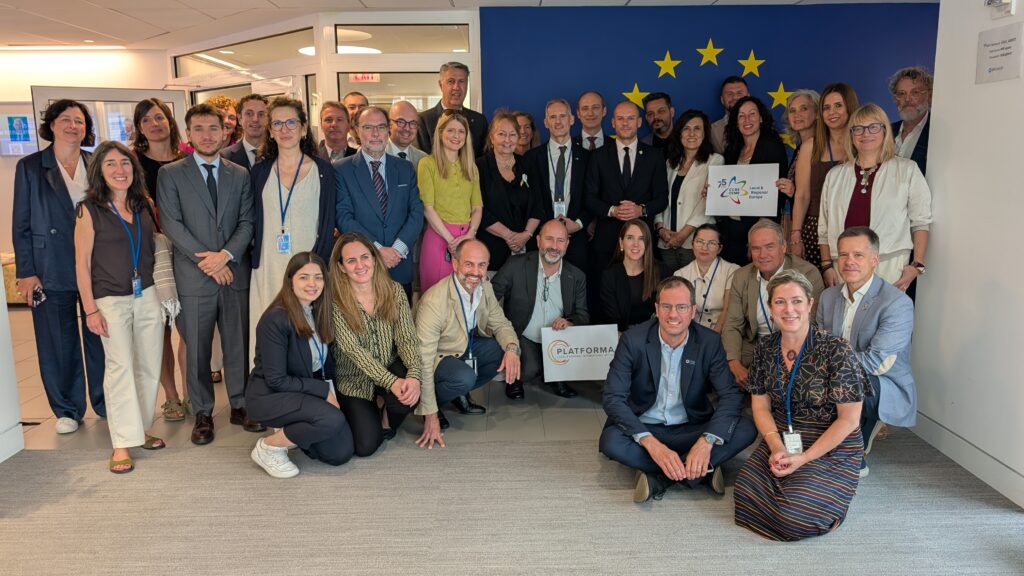
On the sidelines of the HLPF, CEMR and PLATFORMA hosted a high-level breakfast meeting with the EU Delegation to the United Nations—just days after the European Commission unveiled its proposal for the post-2027 Multiannual Financial Framework (MFF). With over 45 participants, the exchange focused on how the next EU budget can better reflect local and regional priorities in the delivery of the SDGs. 

CEMR Secretary General Fabrizio Rossi made a clear call: “The next EU budget must reflect the needs and contributions of local and regional governments in delivering the SDGs. From climate neutrality to youth employment, any fair transition starts locally. We need robust, accessible funding and stronger partnerships to deliver on the SDGs”. 

The meeting also served as a platform to discuss the risk of re-centralisation in EU governance. CEMR and PLATFORMA welcomed the EU Ambassador’s Renaud Savignat invitation to deepen collaboration with local government networks ahead of the EU’s next SDG implementation assessment. The message was clear: no sustainable future without strong local roots. 

At the heart of the forum: localising the SDGs one goal at a time  

While much of the week focused on advocacy, knowledge-sharing, and political dialogue, CEMR and PLATFORMA also used their platform to showcase concrete results from European cities and regions: 

SDG 3 – Health and well-being 
From digital elderly care in North Macedonia to “caring neighbourhoods” in Belgium, local initiatives are closing health gaps—despite growing inequalities between urban and rural areas. Greater investment and localised strategies are urgently needed. 

SDG 8 – Decent work and economic growth 
Municipalities are leading in youth employment, digital skills, and local job creation. But tight budgets and evolving labour markets demand new tools. Initiatives like the EU’s Union of Skills offer a path forward. 

SDG 5 – Gender equality 
Achieving gender equality requires action where inequality is most visible: locally. From safe public spaces to inclusive service delivery, local authorities are transforming values into policy. 

Local voices at the UN for sustainable development

PLATFORMA - banner 2

Local and regional leaders at the United Nations: getting local SDG actions onto the fast track


More than 30 local and regional European leaders are heading to New York to advocate for their vital role in achieving the Sustainable Development Goals (SDGs) at the High-Level Political Forum on Sustainable Development (HLPF). Among them is Clifford Galea Vella Maslennikov, President of the Tramuntana Region (Malta) and a member of the CEMR-PLATFORMA Young Elected Officials Committee. He also signs the foreword of this year’s study on SDG localisation.

Galea Vella Maslennikov sends a strong and hopeful message:

“I firmly believe that localising the SDGs through inclusive processes that engage all levels of government, and all sectors of society […] is in fact the key to building a more inclusive, just, and sustainable future for all.”

This year’s report includes contributions from 31 associations of local and regional governments and puts forward nine key recommendations to the United Nations, the European Union, and EU Member States.

Local governments in dialogue with Member States

In recent years, the United Nations has increasingly acknowledged the essential role of local action in advancing global sustainability, including through various HLPF initiatives. However, the degree of involvement of local and regional governments – and their associations – in national SDG reporting processes still varies significantly from one country to another.

This year, Malta is one of 37 countries presenting a Voluntary National Review (VNR) at the HLPF. Three other countries with membership within CEMR – BulgariaFinland, and Germany – will also present their VNRs. Our latest study provides insights into how these four nations have involved local authorities in shaping their national SDG reports.

It also gives details about the progress made in achieving the five SDGs under review this year: SDG 3 (Good health and well-being), SDG 5 (Gender equality), SDG 8 (Decent work and economic growth), SDG 14 (Life below water), and DSG 17 (Partnerships for the Goals).  

Over 30 local and regional leaders representing Europe

Next week, PLATFORMA and CEMR, in collaboration with the Global Task Force of Local and Regional Governments (GTF), will represent European cities and regions at the HLPF, under the auspices of the UN.

Their participation aims to fast-track the localisation of the SDGs and ensure that local voices are not only heard, but also acted upon.

Here are some of the events they will attend:

  • 15 July, Local and Regional Governments’ Networking Hub, with the launch of the GTF Annual Report “Towards the Localization of the SDGs”, by the GTF and UCLG
  • 16 July, 8th Local and Regional Governments Forum on the 2030 Agenda, by UCLG, GTF, UN-DESA, the Executive Office of the UN Secretary-General, UN Habitat, UNDP, Local2030
  • 17 July, EU delegation – local leaders breakfast meeting, by CEMR and PLATFORMA
  • 17 July, HLPF Official Session on Localisation: “Transformation from the ground up: Acting at local level”, by UN
  • 18 July, VNR Lab on Local and Regional Governments engagement in VNR/VLR processes, by UN-DESA, UN-Habitat, and UCLG

For more information, contact:

Debate at the UN on localising SDGs

Localising SDGs - News 2025

Local and regional leaders at the HLPF: Getting local Sustainable Development Goals (SDGs) actions onto the fast track


More than 30 local and regional leaders are heading to New York to advocate for their vital role in achieving the Sustainable Development Goals (SDGs) at the High-Level Political Forum on Sustainable Development (HLPF). Among them is Clifford Galea Vella Maslennikov, President of the Tramuntana Region (Malta) and a member of the CEMR-PLATFORMA Young Elected Officials Committee. He also signs the foreword of this year’s study on SDG localisation.

Galea Vella Maslennikov sends a strong and hopeful message:

“I firmly believe that localising the SDGs through inclusive processes that engage all levels of government, and all sectors of society […] is in fact the key to building a more inclusive, just, and sustainable future for all.”

This year’s report includes contributions from 31 associations of local and regional governments and puts forward nine key recommendations to the United Nations, the European Union, and EU Member States.

Local governments in dialogue with Member States

In recent years, the United Nations has increasingly acknowledged the essential role of local action in advancing global sustainability, including through various HLPF initiatives. However, the degree of involvement of local and regional governments – and their associations – in national SDG reporting processes still varies significantly from one country to another.

This year, Malta is one of 37 countries presenting a Voluntary National Review (VNR) at the HLPF. Three other countries with membership within CEMR – Bulgaria, Finland, and Germany – will also present their VNRs. Our latest study provides insights into how these four nations have involved local authorities in shaping their national SDG reports.

It also gives details about the progress made in achieving the five SDGs under review this year: SDG 3 (Good health and well-being), SDG 5 (Gender equality), SDG 8 (Decent work and economic growth), SDG 14 (Life below water), and DSG 17 (Partnerships for the Goals).  

Over 30 local and regional leaders representing Europe

Next week, PLATFORMA and CEMR, in collaboration with the Global Task Force of Local and Regional Governments (GTF), will represent European cities and regions at the HLPF, under the auspices of the UN.

Their participation aims to fast-track the localisation of the SDGs and ensure that local voices are not only heard, but also acted upon.

Here are some of the events they will attend:

  • 15 July, Local and Regional Governments’ Networking Hub, with the launch of the GTF Annual Report “Towards the Localization of the SDGs”, by the GTF and UCLG
  • 16 July, 8th Local and Regional Governments Forum on the 2030 Agenda, by UCLG, GTF, UN-DESA, the Executive Office of the UN Secretary-General, UN Habitat, UNDP, Local2030
  • 17 July, EU delegation – local leaders breakfast meeting, by CEMR and PLATFORMA
  • 17 July, HLPF Official Session on Localisation: “Transformation from the ground up: Acting at local level”, by UN
  • 18 July, VNR Lab on Local and Regional Governments engagement in VNR/VLR processes, by UN-DESA, UN-Habitat, and UCLG

Contact for more information:

EU enlargement from a local perspective

European Union - EU Enlargement News

EU enlargement is not sustainable without local ownership: 8 takeaways from CEMR webinar 


Empowering local and regional governments will ensure that EU integration is felt, understood, and embraced by citizens, making enlargement not only a policy success but a democratic one. This is the main lesson learned from the CEMR webinar on Empowering Local Governments on the Road to EU Enlargement, organised in collaboration with PLATFORMA on 1st July. 

Local leaders, EU officials, and representatives from candidate and EU member countries reaffirmed the essential role of local and regional governments in the EU enlargement process. They also discussed the capacity needs involved in this journey. 

Here are the 8 key findings based on the webinar discussions, which witnessed that enlargement is not sustainable without local ownership.

1. Set local and regional governments as strategic actors in the EU accession process 

  • Involve local governments early and systematically in national accession plans, screenings, and cluster evaluations. 
  • Ensure local leaders are recognised not just as implementers, but as policy co-creators, especially in areas aligned with the EU acquis. 

2. Strengthen multilevel governance structural dialogue 

  • Establish permanent coordination mechanisms between LRGs, national governments, and EU institutions. 
  • Move from consultation to co-creation platforms—especially during roadmap design, monitoring, and policy review phases. 

3. Guarantee local access to EU funding mechanisms 

  • Ensure that a minimum percentage of EU financial assistance is directly allocated to local governments (e.g., in Ukraine, it is already 20%) 
  • Simplify procedures for municipalities to access EU funds and develop capacity-building programs to support their management. 

4. Invest in capacity building and institutional continuity 

  • Develop sustained training for local officials, including in public procurement, project management and all locally implementing EU standards.  
  • Address gaps in institutional memory due to political turnover by investing in civil service professionalisation and knowledge transfer. 

5. Support peer-to-peer learning and twinning initiatives 

  • Promote city-to-city cooperation between EU member states and candidate countries (decentralised cooperation) 
  • Expand twinning programs across thematic areas such as education, green transition, disaster resilience, and digital governance (if you need tools to find partners, use existing ones such as the CEMR Matchmaking Platform). 

6. Promote inclusive participation and gender equity 

  • Encourage the participation of women leaders and marginalised communities in enlargement dialogues. 
  • Ensure that decentralisation and integration efforts incorporate diverse perspectives and address local inequalities.

7. Strengthen civic trust and communication

  • Support local and regional governments in leading public communication campaigns that explain EU values and the benefits of enlargement. 
  • Equip municipalities to become trusted messengers of the EU to citizens, countering misinformation and building democratic resilience. 

8. Leverage local and regional governments for reconstruction and sustainability goals 

  • In countries affected by war (e.g., Ukraine), prioritise local-led reconstruction and sustainable recovery as a path to integration. 
  • Align local development strategies with the Green Deal, digital transition, and social cohesion policies. 

Context: 

Nine countries are officially on a path to join the European Union in the coming years: five in the Western Balkans (Albania, Bosnia and Herzegovina, Montenegro, North Macedonia and Serbia), three in the Eastern neighbourhood (Georgia, Moldova and Ukraine), and Turkey. 

For more information, contact:

UCLG meeting with EU Commissioner Síkela

“Local governments must be at the heart of the EU’s international partnerships”


UCLG President, Jan van Zanen, met with EU Commissioner Jozef Síkela: “Local governments must be at the heart of the EU’s international partnerships”

In a bilateral meeting on 10 June UCLG President and Mayor of The Hague Jan van Zanen met with the European Commissioner for International Partnerships Jozef Síkela at the occasion of 10 years of strategic partnership agreements between key associations of local and regional governments with DG INTPA (2015–2025), to advocate for a stronger role of local and regional governments (LRGs) in EU development cooperation – and to secure long-term support for decentralised cooperation in the next EU budget.

The delegation of CEMR and PLATFORMA, led by Mayor van Zanen, and including CEMR Secretary General Fabrizio Rossi, found promising common ground with the Commissioner. Both sides agreed that the goals of the Global Gateway strategy and the objectives of the EU international action – from sustainable development to infrastructure investment – can only be met by empowering the actors who are closest to the people: local governments.

Mayors and local leaders are not just implementers. They are political actors, democratically elected and accountable to their communities“, Mayor Jan van Zanen said. “They have a unique role to play in achieving the EU’s goals – but they need the means and the recognition to do so“.

Commissioner Síkela acknowledged the critical contribution of cities and regions to the EU’s Global Gateway strategy and international partnerships. As a former Czech Minister of Industry and Trade and a representative of the liberal “Mayors and Independents” party, Síkela expressed strong political sensitivity to the added value of local and regional leadership in global cooperation.

The meeting was part of a coordinated advocacy effort based on the PLATFORMA Political Declaration on the Role of Local and Regional Governments in the next Multiannual Financial Framework and EU External Action, adopted by local leaders in April 2025. CEMR and PLATFORMA underlined the need for a dedicated financial mechanism in the next Multiannual Financial Framework (MFF 2028–2034) that would allow LRGs and their associations to scale up their international cooperation and support peer-to-peer partnerships with their counterparts in partner countries.

They also called for improved dialogue with EU Delegations on the ground, clearer distinction between LRGs and civil society organisations in EU instruments, and tailored, realistic and impactful calls for proposals.

Beyond financial tools, CEMR and PLATFORMA emphasised the importance of political recognition of the role of local and regional governments and their associations and networks in the implementation and governance of the Global Gateway strategy. As Europe’s largest network of municipalities and regions, CEMR highlighted the importance of structured policy dialogue and inclusive governance – especially in fragile contexts where local actors are often the last line of defence of democratic values, and provision of basic public services to the local populations.

The exchange with Commissioner Síkela comes ahead of the “2025 Cities and Regions for International Partnerships” conference, scheduled for December, where the Commissioner is invited to continue the dialogue with the presidents of five key associations, signatories of a strategic partnership agreement with DG INTPA.

As the EU begins to shape its upcoming budget cycle, the message from Europe’s mayors and local leaders is clear: for EU development cooperation to succeed, and for the Global Gateway strategy to deliver on its ambition as a value-based offer to partner countries, the local level must be included.

For more information, contact: