Cities Energy Savings Sprint initiative

Energy - News Section

Join the new EU initiative to reduce our cities’ dependence on Russian energy


The Cities Energy Saving Sprint is a joint initiative of the European Commission, the Covenant of Mayors – Europe, and the European Committee of the Regions to encourage cities to take measures that will immediately reduce their energy consumption. The “Sprint” will last for 4 months.

It is crucial to increase energy savings now to prepare for next winter. Every kilowatt/hour saved now will allow us to refill the storage tanks and be better prepared for next winter. Every gram of greenhouse gas we don’t emit in the coming months will be an important step, not only for the climate, but also as an act of solidarity with Ukraine.

In parallel with all the measures for profound changes, reduction of consumption and energy transition, there is an urgent need to take emergency energy saving measures today and to plan for energy consumption reductions during the coming winter. Municipalities have a crucial role to play here.

How can my city take part in the Cities Energy Savings Sprint?

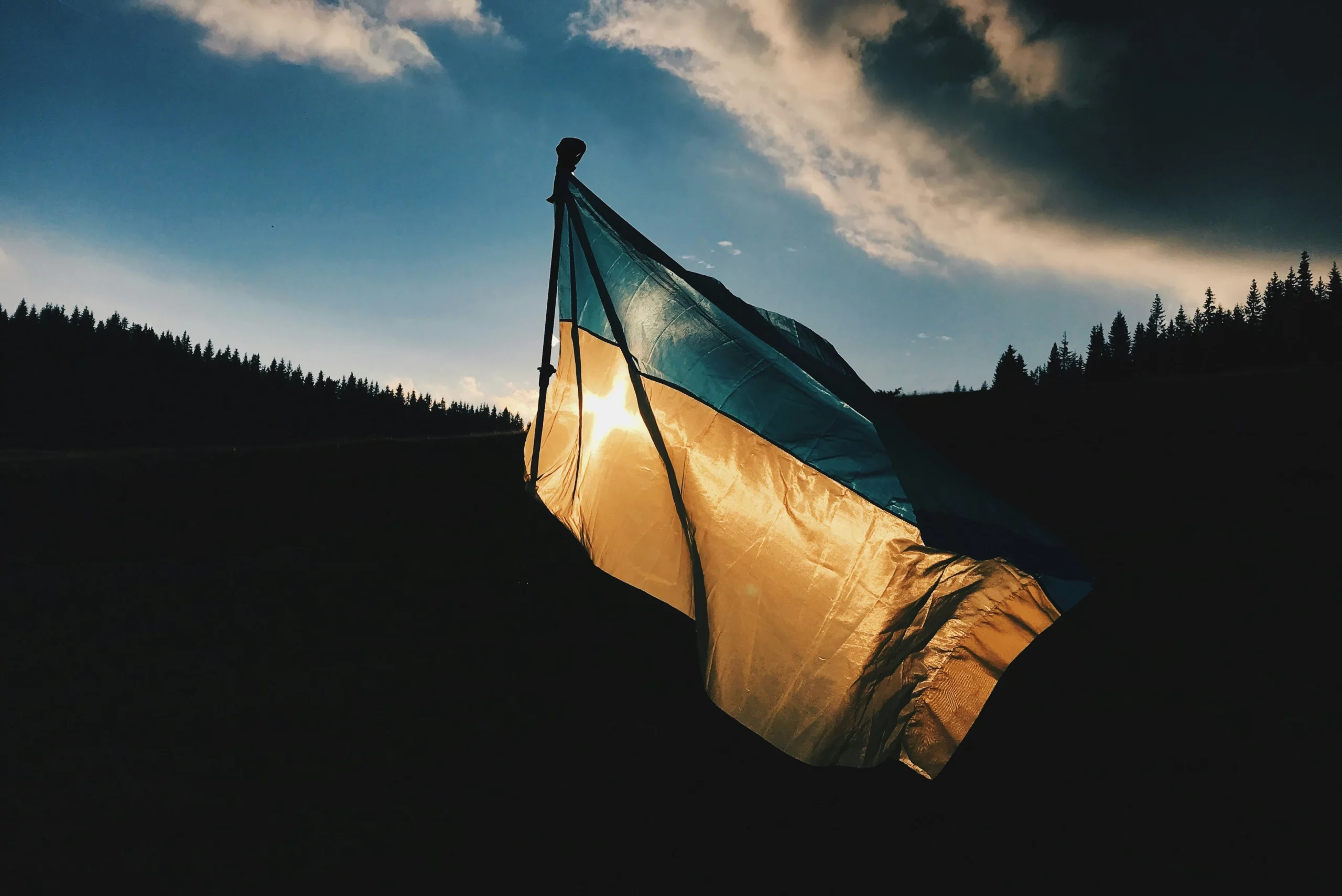
Solidarity with Ukraine

Bridges of Trust Branding - News 2024

Lithuania’s Ukmergė district municipality signed a partnership agreement with its Ukrainian partner Korosten municipality


As part of our coverage of the local and regional dimensions of Russia’s war in Ukraine, CEMR is highlighting the help given by European municipalities and regions to their Ukrainian peers. We hope these stories inspire other local and regional governments to heighten their efforts to support Ukraine.
 
Despite the war, a project implemented by CEMR, PLATFORMA and supported by the U-LEAD with Europe programme, helps build bridges of trust between European and Ukrainian municipalities.
 
As a part of the “Bridges of Trust” Initiative, the Ukmergė District Municipality of Lithuania and Korostenska Municipality in Zhytomyr region signed a partnership agreement.  This agreement was signed by Ukmergė Mayor Rolandas Janickas and Korosten municipality head Volodymyr Moskalenko.
 
“Korosten has suffered from Russian aggression – its schools, kindergartens, and houses were bombed, there are dead and wounded locals. Therefore, it is so kind of Lithuanian friends to support Ukraine in such a difficult time. We are grateful to our friends from Ukmergė who sent humanitarian aid, which is distributed among our people, internally displaced persons and low-income people, we appreciate it very much,” said Volodymyr Moskalenko. Ukmergė district municipality sent humanitarian aid to its Ukrainian partner in the first weeks of the Russian war against Ukraine.
 
In turn, Rolandas Janickas said that Ukraine is at the forefront of defending European values, and one can learn real unity from Ukrainians who help fight the enemy.
 
Heads of municipalities expressed hope for successful cooperation in various fields and mutual visits after the war.
 
The two municipalities first met in November 2021, in the framework of the “Bridges of Trust” Initiative, implemented by the Council of European Municipalities and Regions, PLATFORMA and supported by the U-LEAD with Europe programme.

Twinning in Ukraine

Mayors in Ukraine - News 2023

Twinning has to be a part of Ukraine’s reconstruction


In a letter to the president of the European Parliament, the Council and the Commission, CEMR calls on the European institutions to set up an initiative to strengthen twinning for the reconstruction of Ukraine.

The letter is signed by the Mayor of Kyiv and President of the Association of Ukrainian Cities (AUC), Vitaliy Klitschko, its Executive Director, Oleksandr Slobozhan, but also by CEMR’s President, Stefano Bonaccini, and its Secretary General, Fabrizio Rossi.

It stresses the willingness of local and regional governments across Europe to contribute to the reconstruction of Ukrainian municipalities and cities. It also invites the institutions to define, in collaboration with CEMR and its Ukrainian association, “strategic and operational aspects of a twinning initiative to launch and implement the reconstruction of Ukrainian cities and towns »

Letter to the President of the European Parliament, Roberta Metsola.
Letter to the President of the European Commission, Ursula von der Leyen. 
Letter to the President of the European, Charles Michel.

Recovery plan

Pandemic - News Section

What happened to subsidiarity? Local governments have little say in post-COVID recovery plans


The Committee of the Regions and CEMR have teamed up again to explore the involvement of local and regional governments in the implementation of the European Union’s 724-billion-euro post-COVID recovery plan, the Recover and Resilience Facility (RRF).

The results of the survey, based predominantly on the responses of CEMR members, give important insights to the extent of local and regional governments’ ability to influence and contribute to the national recovery plans.

One year after the earlier CoR-CEMR study, the results remain largely discouraging: too often national recovery plans have been implemented as top-down processes with little input from municipalities and regions.

While respondents were broadly positive about the recovery plans’ ability to support the green and digital transitions, they were more ambivalent regarding other policy objectives, such as territorial cohesion.

The study will be a valuable tool as CEMR continues its advocacy work on the RRF, especially in view of the European Parliament’s upcoming vote on its position on the plan’s implementation.

Temporary Protection

Ukraine people - News

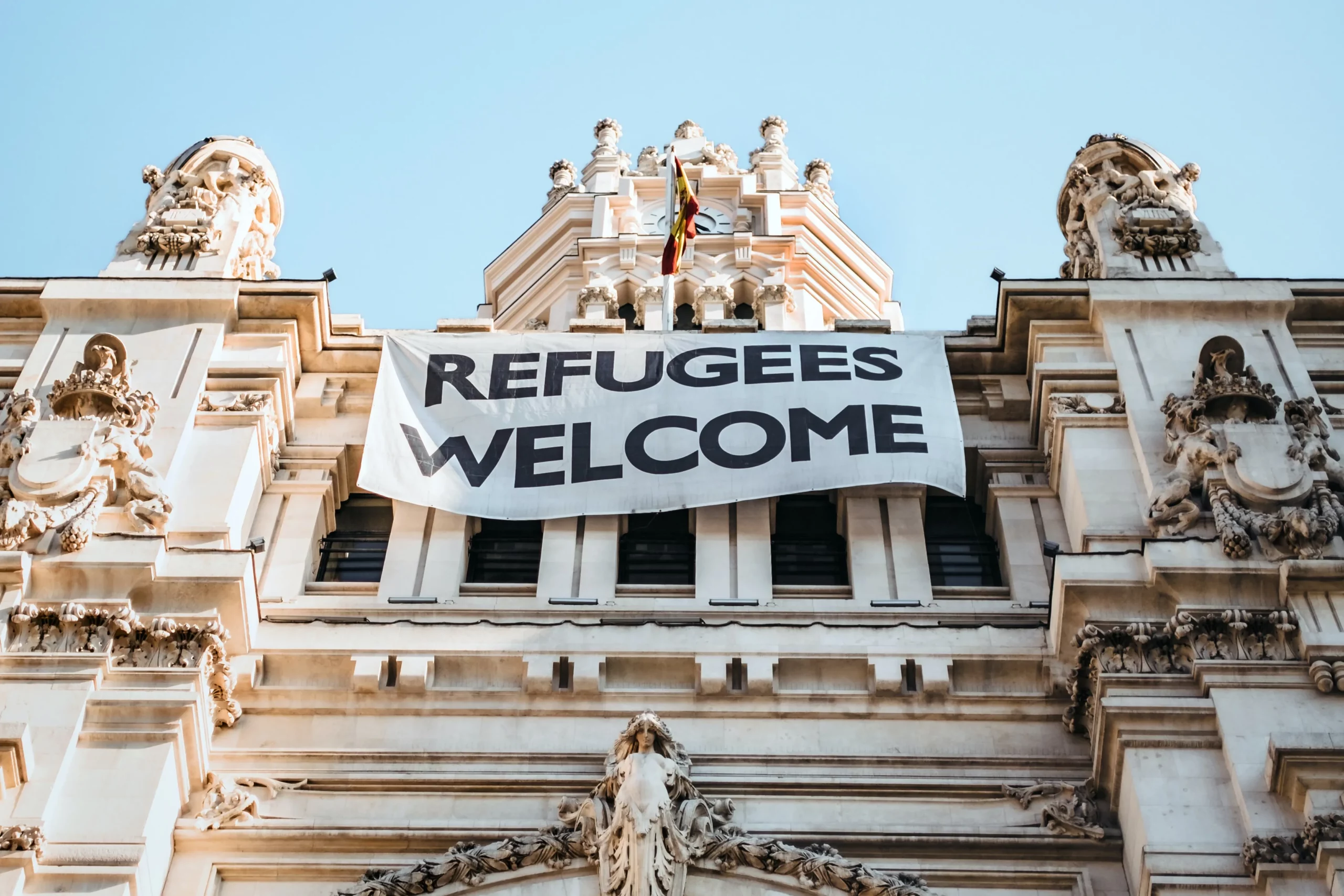
What is the local and regional governments’ role in welcoming Ukrainian refugees?


Many women, minors and elderly men are settling within the borders of the European Union. To date, over 5.5 million Ukrainians have been forced to leave their country. They seek refuge, especially in the EU’s border countries, such as Poland and Romania.

The EU’s activation of its Temporary Protection Directive (TPD) in early March 2022 demonstrated national governments’ unanimous willingness to welcome Ukrainian refugees. It guarantees immediate and temporary protection for people fleeing war in Ukraine for one year, automatically extendable by periods of six months for up to a maximum of three years.

But what are the responsibilities of local and regional governments, notably in areas such as health, housing and employment? Find out by reading the analysis of local governments’ role in the Temporary Protection Directive by IncluCities.

Europe Day 2022

European Parliament - News

Conference on the future of Europe: What direction should Europe take?


Every 9 May, Europeans celebrate Europe Day. But this year, the celebrations take on a new meaning. Today, one year after it officially began, the Conference on the Future of Europe (CoFoE) comes to a close with 49 proposals being delivered to the presidents of the European Parliament, the Council and the Commission.

This a good time for the Council of European Municipalities and Regions (CEMR) to provide an update on this exercise in participatory democracy and to highlight certain proposals which should define the European Union’s agenda in the coming years.

“People need to take ownership of Europe”, said Manuela Bora, regional councillor for Marche (Italy) and a member of the CoFoE plenary, on 5 May at a meeting organised by our French Association (AFCCRE) and the Strasbourg Eurométropole.

“The most sensible choice, in my opinion, is to make the Conference on the Future of Europe a permanent body within which it is possible to continue to share ideas, especially the most controversial ones”, Ms Bora said. “A participatory debate between local authorities, citizens and the European institutions is the best guarantee for concrete and far-sighted results. And this is why CEMR has developed its six proposals to bring Europe closer to citizens.”

Among these, CEMR called for holding every year on 9 May “a debate on the European project, its benefits and challenges, such as how to build a decarbonised society, in every school and in every municipality and region in Europe.”

Twinning is also a powerful way to bring Europe closer to its citizens. In line with the CoFoE’s proposal of “reinforcing existing EU exchange programme”, CEMR argues for setting up a genuine Erasmus programme for local civil servants through exchanges between municipalities and regions, twinned if possible.

Another proposal promoted by CEMR: the development of European universities beyond the two Colleges of Europe and the teaching of languages such that by 2050 every European speaks at least English and two other European languages, in addition to his own mother tongue.

While ideas are not lacking, these still need to be formalised and consultation with civil society organisations and local governments needs to be made systematic. As Manuela Bora stressed: “If so much has been done in just a year, imagine what could be done in a permanent structured system! And that’s exactly the direction we need to go in.”

On the event

This event, entitled “The Future of Europe: The Vision of Local Governments”,  gathered representatives of local governments and civil society, among which were Antoine Chabal, President of the French section of the European Federalists, Philippe Laurent, the Mayor of Sceaux and the President of AFCCRE, and Jeanne Barseghian, the Mayor of Strasbourg.

Twinning for Rebuilding

European mayors eye long-term partnerships with counterparts to rebuild Ukraine


Leaders of European cities and towns are moving to support Ukrainian local and regional authorities through peer to peer schemes as sub-national leaders look to rebuild the war-torn country.

Mayors of European cities have been some of the most ardent supporters of placing more pressure on Russia as it continues its devastating war in Ukraine.

By Wednesday, 28 April, 300 mayors, among them leaders of 15 European capitals, joined the call for an immediate full embargo on Russian energy exports.

“Not at the end of this year but immediately”, the mayors said in a joint video message.

In the meantime, European towns are helping their Ukrainian partners with donations. Lithuania’s Šiauliai district was one of the European municipalities that sent humanitarian and material aid worth around €100,000 to Dolyna in western Ukraine. However, they do not plan to stop there.

“I think not long from now, the war will be over, and even after, various forms of support will be necessary,” Mayor Antanas Bezaras told EURACTIV.

Bezaras is now planning to exchange visits with Dolyna to map local forms of self-governance and develop a long-term partnership with the city that his administration met in November 2021 through a project meant to increase cooperation and exchange of best practices, knowledge and skills between municipalities in Ukraine and the EU.

The municipalities met in the framework of the “Bridges of Trust” Initiative, implemented by the Council of European Municipalities and Regions and PLATFORMA with the support of the U-LEAD with Europe programme.

This article was first published by EurActiv. Real the whole text.

We need your city! 

Ukraine flag - News section

Cities4Cities: a platform for European local governments to help their Ukrainian peers


With the Cities4Cities platform, Europe’s local and regional governments can already provide assistance to Ukrainian communities and their inhabitants.

This online tool, created with the support of the Congress of Local and Regional Authorities of the Council of Europe, is a coordination platform: Ukrainian local and regional governments can voice their requests and needs, while their European peers can respond with their expertise and resources.

Mayors and other local and regional leaders are the first point of contact for residents, especially in time of war and crisis. This makes it all the more important that Ukraine’s local infrastructures are maintained in place and are able to address residents’ daily challenges.

The platform aim to simplify exchanges, address the needs of Ukrainian communities and build bridges, both in the immediate and in the long term, between European and Ukrainian municipalities.

Ukrainian local and regional governments have already started to provide information on their needs on the Cities4Cities platform. Register your local government and find out how you can contribute with your material aid and know-how.

The platform is supported by the Council of European Municipalities and Regions (CEMR), its Ukrainian association (AUC) and its German association (Deutscher Städtetag).

Capitals for Culture

Cities - News

Training capacity-building for European Capitals of Culture


On 12 & 13 May 2022, the final Academy Camp of the project “Capacity-building for European Capitals of Culture (ECoC)” will take place online, under the moderation of the the UCLG Committee on Culture. The project started in October 2019 with the aim at supporting capacity building and peer-learning activities for ECoC.
This final session of the project will provide the opportunity to review lessons learnt in the previous workshops as well as discussing additional topics and way forward.


The programme and registration link are available here.

Welcoming refugees

Refugees - News

French mayors and the Ukrainian crisis: A conversation with Christophe Chaillou


As part of a series of interviews of the local leaders engaged in the IncluCities project, we spoke with Christophe Chaillou, the Mayor of Saint-Jean-de-la-Ruelle in France, on the Ukrainian crisis, the integration of migrants and the role of local governments. Mayor since 1998 and a councillor for the Loiret département since 2001, Christophe Chaillou is also the Director General of CEMR’s French Association (AFCCRE).


With over 4 million Ukrainian refugees in Europe, we are witnessing the biggest migratory movement since the Second World War. What does this mean for local and regional governments?

Municipalities and regions are playing a leading role in managing, day by day, the impact of major crises. Responding to our citizens’ emotion and solidarity initiatives, local and regional governments immediately took action to support and take part in the welcoming of refugees, each according to their competencies. Municipalities have then been in the front line in determining the accommodation possibilities in their territories.

National associations of local and regional governments like the AFCCRE are also taking action. What role can they play to support the Ukrainians?

The national associations rightly support these actions, notably in the countries most affected by the massive arrival of displaced people. I was able to see this recently, in Romania, where the mayors and other elected officials are mobilised to manage and anticipate this evolving situation.

The AFCCRE is working with local government associations in the most affected countries in order to communicate their local governments’ needs with their French peers, as was the case recently during an online meeting with our Polish colleagues, on 31 March. The AFCCRE, in solidarity with Ukrainian citizens and local elected officials, also shared with its members CEMR’s Declaration on Ukraine.

Your municipality, Saint-Jean-de-la-Ruelle,stands in solidarity with Ukraine. You have decided to take a series of actions in partnership with your twin-town Niepolomice, in Poland, which itself is twinned with Kobeliaky, in Ukraine. What actions are you planning?

Our twin town is facing a massive arrival of refugees: over 2000 over ten days. It then had to mobilise all its energies to facilitate the hosting of this population, with the decisive support of citizens and the big associations. We immediately proposed to help them and this will take concrete form in the coming days.

For example, in the area of education, we are going to support the financing of language classes. Our Municipal Council unanimously voted to provide €30,000 in financial support to Ukrainian citizens and, notably, €10,000 for our Polish twin town. This will fund language classes in the Niepolomice municipal library for the Ukrainian families being hosted.

We are witnessing an unprecedented moment of European unity on the welcoming of Ukrainian refugees. The European Commission’s proposal to active the directive on the temporary protection of people fleeing Ukraine would give these refugees right of residence and access to the labour market and schools. However, concerns have also been raised about discrimination against other refugee populations. What is your position on this subject?

For my part, I am very attached to the tradition of welcoming and protecting people, particularly those asking for asylum, which for me is an elementary human right in our societies and is part of Europe’s fundamental values. I had, in this spirit, welcomed in our municipality a family of Syrian refugees and had expressed my readiness to do the same for an Afghan family last summer.

The integration of Ukraine refugees is a major challenge. How can cities and other local governments prepare themselves?

We are particularly aware of this challenge. We know that the people who are arriving are mostly women and children, and we will be sure to take the particular needs of these refugees into account. That’s why are providing psychological support tailored to their family situations and will ensure the children’s schooling.

With the French presidential elections fast approaching, what role is immigration playing in the political debates?

This question polarised the debates from the beginning of the campaign by providing, with the support of the media and social networks, a first-class a highly prominent platform for all the populists. The war in Ukraine has disrupted this cycle of hatred and rejection.

Turning back to Saint-Jean-de-la-Ruelle, the Orléans Metropole and the département of Loiret. Where are the migrant-origin populations from?

We have in our territories communities stemming from the major waves of immigration, notably those related to economic development and the need for workers: southern Europe, the Maghreb, sub-Saharan Africa, Turkey, and, most recently, eastern Europe.

Your municipal partner within the IncluCities project is the City of Brussels. You are also keeping close ties with six other cities and local government associations via the IncluCities network. What does this direct collaboration between cities entail and what are your expectations regarding this project?

Our town has always favoured cooperation, exchanges, openness and working together through networks. The exchange of good practices, notably at the European level, is a deeply enriching approach for us. IncluCities is an opportunity to take advantage of the experience of the City of Brussels and of other participating European cities in order to develop our know-how and build upon our own experience in the area of welcoming migrants. With the arrival of thousands of Ukrainian refugees in our territories, we will more than ever need to progress in this area and indeed go beyond the response to an urgent humanitarian situation.