Recovery & Resilience Facility funds 

RRF Consultation - News

Local and regional governments warn of weak involvement, risks of fund misallocation, and limited ownership of recovery plans 


The Recovery and Resilience Facility (RRF) is the EU’s largest ever economic support plan, launched in response to the COVID-19 crisis. While national governments designed National Recovery and Resilience Plans (NRRPs) to guide investments and reforms until 2026, a new consultation by the Committee of the Regions (CoR) and the Council of European Municipalities and Regions (CEMR) highlights a persistent problem: local and regional authorities (LRAs) remain sidelined in the process. 

Weak involvement in preparation and governance 

The survey, conducted in early 2022 among 26 associations across 19 EU member states, shows that most LRAs had little to no influence on defining objectives, reforms, or investments. Compared with 2021, dialogue with national governments slightly improved, but respondents stress that these consultations had minimal impact on final plans. Governance of the process remains largely top-down. 

Mixed views on the plans’ content 

Respondents were broadly positive about the NRRP’s contribution to the green (37% earmark) and digital transitions (20% earmark). However, they expressed doubts about the plans’ ability to advance territorial cohesion, one of the RRF’s six pillars. The interplay between NRRPs and other EU funds such as the ERDF or Cohesion Fund also remains unclear and inconsistent, raising fears of overlaps and inefficient spending. 

Implementation: low ownership, high risks 

When it comes to implementation, optimism is scarce. Only a handful of LRAs reported having a meaningful role in monitoring, adapting, or co-managing projects. Ownership is strikingly low, despite LRAs’ frontline role in pandemic response and recovery. The main barriers identified were a lack of political will at the national level and tight or unsuitable formats and timelines, rather than a lack of local capacity. 

These shortcomings translate into serious risks: 

  • Failure to meet milestones and targets 
  • Misallocation of funds 
  • Increased territorial disparities 
  • Public distrust in the EU and national institutions 

Calls for stronger EU-level monitoring 

To improve outcomes, respondents strongly supported enhanced dialogue between the EU and local/regional representatives and the creation of an early warning mechanism to flag delays or problems in implementation. 

Conclusion 

Two years after the pandemic outbreak, Europe’s recovery is underway, but its governance remains overly centralised. The CoR-CEMR consultation warns that without meaningful involvement of local and regional governments, the RRF risks missing its objectives, weakening both recovery efforts and citizens’ trust in the European project. 

Read the study here 

For more information, contact: 

Impact of COVID-19

COVID 19 - News

Territorial impacts of COVID-19 and policy responses in European regions and cities


The COVID-19 pandemic has wreaked havoc on everyone’s lives. At the same time, local and regional governments face the most hard test of their capacity to achieve political, economic and social responses to this crisis. What solutions have they come up with to minimise setbacks and to change the direction for the better? What recommendations can we draw from these insights? 

These are some of the questions we will be examining in an online discussion on “Territorial impacts of Covid-19 and policy answers in European regions and cities”, on 11 May 2022.

This workshop will present the key overall policy findings and recommendations to emerge from the ESPON Covid 19 project. The workshop will bring together the Council of European Municipalities and Regions (CEMR), associations of local and regional governments, and other relevant networks, in an interactive process designed to:

  • discuss and share information on the regional policy responses to the crisis;
  • learn about innovative good practice policies that emerged during the pandemic;
  • assess project recommendations (policy, governance, territorial and financial) that can help regions recover from the crisis and build resilience in the future.

CEMR will be represented by Durmish Guri, Director – External Resources and Knowledge Strategy, and Carol Thomas, Adviser – Governance and Institutional Relations.

You can find the agenda attached and you can register today by following the link here. The link for the workshop will be sent to the registered participants some days before the event.

Countries share experiences on the implementation of the SDGs

RFSC - News Section

Event UNECE – 7 april


At the occasion of the Regional Forum for Sustainable Development organised by the United Nations Economic Commission for Europe (UNECE) and as part of the Forum of Mayors, an event on the SDG localisation process in cities was held on 7 April.

This event allowed speakers from different bodies and countries to talk about their experiences regarding the implementation of the SDGs, mainly Mrs Sidorova, working at the Metropolitan Institute of Bratislava and Mr Dimitrov, representing the city of Veliki Preslav.

This exchange of good practices showed the usefulness of the Reference Framework for Sustainable Cities (RFSC) for different types of stakeholders, to help them implement the SDGs in their cities, where it might not always be popular.

Secretaries General

CEMR’s Secretaries General and Directors met to discuss Ukraine and their priorities for the next months


Secretaries General and Directors of CEMR’s member associations took part in an executive meeting to develop a common position on priority issues on the local and international agenda. They exchanged on the war in Ukraine, discussed a base document proposing joint measures on climate neutrality and decarbonisation of towns and cities and presented the actions of the Young Elected Committee. They also discussed statutory, general and internal affairs. This first face-to-face meeting after the pandemic took place from 5 to 6 April in Vitoria-Gasteiz, Spain at the invitation of the Association of Basque Municipalities (EUDEL) and the city’s mayor Gorka Urtaran Agirre. It has been attended by twenty delegates (from Czech Republic, Turkey, Greece, United Kingdom, France, Norway, Spain, Cyprus, the Netherlands…) and the rest of the attendees have participated online.
 
Renewing solidarity and support with Ukraine
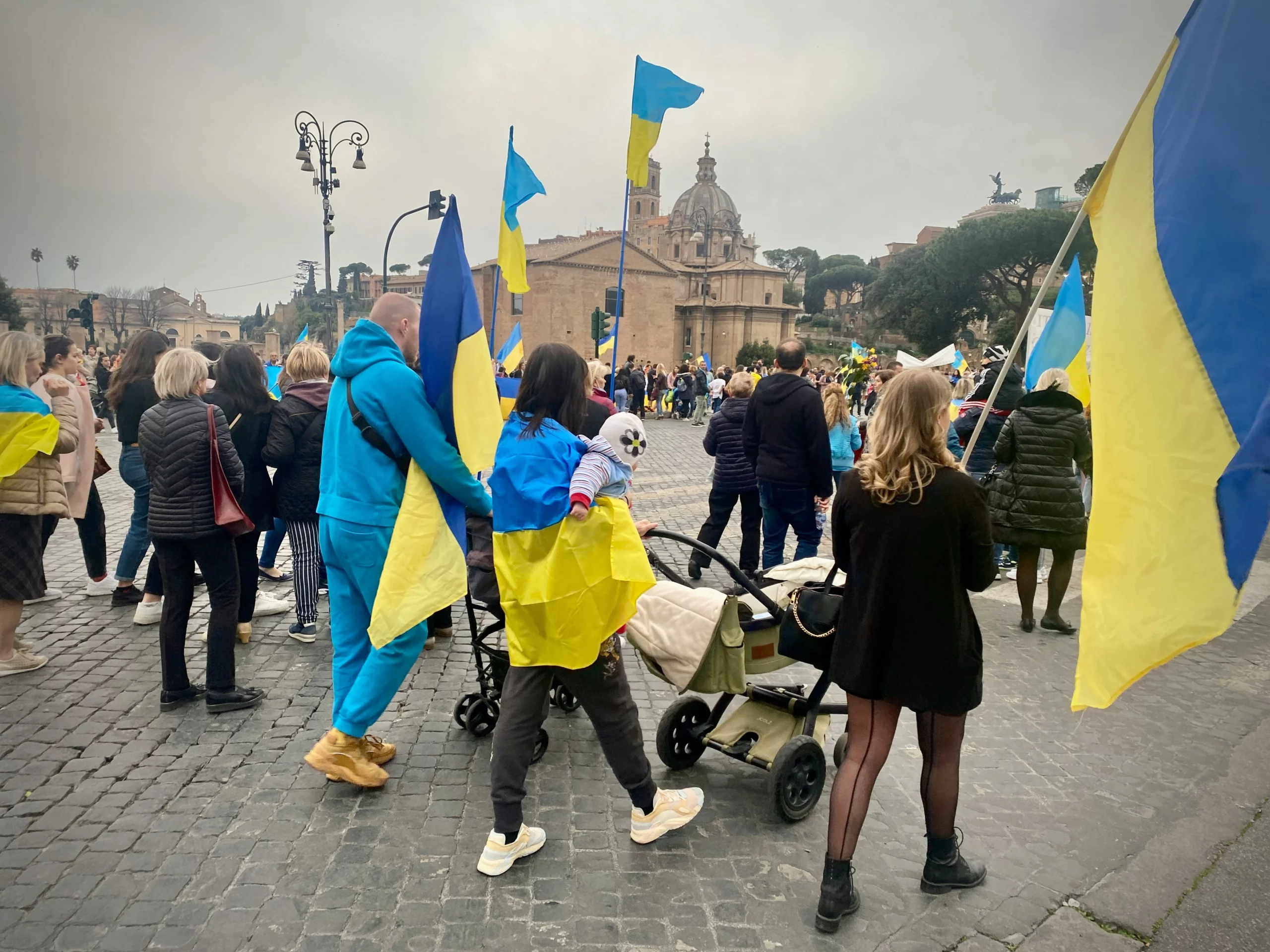
Participants, in particular, renewed their full solidarity and support with Ukraine. In this complex international context, they called for unity of local and multilevel action. Marlène Siméon, Operations Director of CEMR explained that “Since its creation in 1951, the CEMR and its members have worked to promote the construction of a united, peaceful and democratic Europe, based on local autonomy, respect for the principle of subsidiarity and the participation of citizens, but also on twinning and solidarity between municipalities on the continent and beyond. This is why the war in Ukraine immediately provoked a reaction from CEMR, with an appeal signed by more than 750 mayors and local or regional leaders from all over Europe, condemning the Russian invasion and pledging to support the municipalities and cities of Ukraine.” She emphasised that “in these times of pain and suffering, the European family of local and regional governments is united. Ukraine is part of Europe and we will continue to support it”.
 
40th Anniversary of EUDEL
The CEMR also participated in the ceremony celebrating the 40th anniversary of EUDEL. Chaired by Iñigo Urkullu, President of the Basque government, the celebration recalled the important milestones in the strengthening and transformation of the municipalities of the Basque country over the last 40 years. The association also paid tribute to the people who have presided EUDEL since its creation in 1982. For 40 years, EUDEL has energetically participated in many of CEMR fields of action. They are strongly involved in policy and advocacy work. For example, EUDEL has contributed greatly to CEMR’s work on local gender equality and, in particular, the revitalisation of the European Charter for Local Equality currently underway. Building on the Basque Country’s long tradition of promoting effective gender equality, EUDEL has been an active player in ensuring the Charter remains a useful and effective tool to mainstream gender equality in Europe’s territories. The whole CEMR is looking forward to many more years of collaboration with its Basque friends!

Peer learning programme on climate and energy

Covenant of Mayors - News

Apply for the Covenant of Mayors peer learning programme: The deadline extended to 15 April!


Cities and towns have until 15 April 2022 to apply for the Covenant of Mayors for Climate and Energy’s peer learning programme. The programme offers Covenant of Mayors signatories across Europe the opportunity to increase their capacity and knowledge on climate and energy challenges through peer discussions tailored to their needs.
 
In 2021, the Covenant Office supported 45 cities, 6 coordinators, and 4 energy agencies. This year, the Covenant of Mayors offers four programmes to respond to local needs: twinning, expert missions, peer review and technical assistance.
 
Find out more
Peer Learning Programme 2022/2023
Recording of the info session
Selection criteria

New Secretary General

A new Secretary General for CEMR: Fabrizio Rossi


The CEMR is very pleased to welcome Fabrizio Rossi as its new Secretary General. Elected on 20 January 2022 by CEMR’s Policy Committee, Mr Rossi takes over from Frédéric Vallier. Speaking of his new position, Mr Rossi said: “I want to make a contribution to addressing the main challenges humankind is currently facing by working hand in hand with territories and local communities in Europe and across the world.

As Secretary General, Mr Rossi will work on the whole range of issues faced by local governments and their citizens. “The challenges are great and plenty – building local solutions to current and future crises, promoting peace and security, decarbonising European territories and societies, reducing social inequality and many others”, he said.

A career in service of local governments and sustainability

Born and raised in Italy, Mr Rossi graduated with a bachelor’s degree in political science from the University of Cagliari, his hometown, and completed his education in Spain with a master’s degree in European and international cooperation from the Autonomous University of Barcelona.

Mr Rossi has worked with local and regional governments across Europe throughout his career. After his studies, he became an EU affairs advisor for the Regional Parliament of Sardinia. A year later, working for the Barcelona Provincial Council, Mr Rossi took the leadership of Partenalia, a European association representing provincial authorities.

Besides his work with local governments, Mr Rossi has been a social entrepreneur active in environmental issues such as forest restoration and climate change. He founded a start-up focused on reforestation projects in Madagascar which later expanded to Bolivia.

Before joining CEMR, Mr Rossi was an Innovation Orchestrator and Head of Programmes for the Land Use Area in Climate-KIC, the main climate innovation initiative of the European Union. Prior to that, he worked for INTERACT, an EU-funded project facilitating cross-border cooperation across Europe.

Supporting Ukrainians in the face of Russia’s war

Mr Rossi’s term of office began in tragic circumstances with the launch of Russia’s war against Ukraine. One of his first decisions was to set up a taskforce with CEMR members to exchange and coordinate on how to best support Ukraine.

The taskforce is working on issues such as financial and logistical support to Ukrainian municipalities, the hosting of refugee and EU sanctions and the consequences for procurement and cooperation with Russian municipalities.

“In the face of this horrifying situation, we are prouder than ever of the work we have implemented so far together with our friends in Ukraine”, Mr. Rossi said. “Cooperation will not stop and we are getting ready to build new bridges to support the Ukrainian people.”

A new tool to help cities on urban development

RFSC - News

Online event on 7 April – Plan, deliver on and monitor the 2030 Agenda in cities with the RFSC tool


The Reference Framework for Sustainable Cities (RFSC) is a user-friendly online self-assessment tool that helps cities to analyse, design, implement and monitor integrated sustainable urban development strategies and/or projects. Cities can review and assess their priorities in light of European and Global frameworks, and develop a set of actions and a monitoring system linked with the objectives of integrated and sustainable urban development.

Discover or learn more about the RFSC tool in an online event on 7 April from 17:15 to 18:30! This event will introduce the RFSC tool to urban stakeholders and demonstrate its added value to build back better from the COVID-19 crisis. Cities, working on the localisation of the SDGs, and with the RFSC, will share their experience of being partners of an URBACT network: GG4C (Global Goals for Cities).

For more information click here.
To register click here.

Employment Report

Labour - News Section

Report: EU Dialogue, Local Solutions


Do you want to know more about the work of municipalities and local trade unions? Here is the final report of the EPSU-CEMR joint project “EU Dialogue, Local Solutions” that concluded with a final online event on 25 March. The project focused on the share of good practice examples among members regarding the implementation of three sets on EU guidelines agreed over the years by CEMR and EPSU: on gender equalitythird-party violence and harassmentmigration and anti-discrimination.


This project showed there exists a variety of initiatives implemented by local and national affiliates, and the joint action of local and regional governments together with trade unions is crucial to implement far-reaching actions on many different policy areas, while ensuring better working conditions for the LRGs workforce. Find the project’s final report here.

Investing in Europe’s future 

Investing in Europe - News

A new EU growth model must empower local services, boost resilience and deliver sustainable investments 


The war in Ukraine and the aftermath of the COVID-19 crisis have placed Europe at a critical crossroads. These overlapping challenges are testing the strength of our democracies, economies and social fabric and call for a bold rethinking of Europe’s economic governance. 

In response, the SGIs Network, bringing together key public service stakeholders, has issued a joint declaration ahead of the Tripartite Social Summit on 23 March 2022. The message is clear: to manage the transition and strengthen the EU’s resilience, Europe must urgently shift towards a more forward-looking, inclusive and investment-oriented growth model. 

A new economic framework 
The current EU fiscal rules are no longer fit for purpose in the face of permacrisis. The declaration calls for a reformed fiscal architecture that reconciles debt sustainability with long-term, growth-enhancing investments. This includes distinguishing productive investments, such as in green infrastructure, digitalisation, healthcare and education, from unproductive spending. 

Empowering local action 
Local and regional governments are essential to achieving a green, digital and fair transition. The declaration stresses the need for their full involvement in implementing the National Recovery and Resilience Plans (NRRPs) and accessing the Next Generation EU funds. Without this multilevel approach, the EU risks missing the full potential of its recovery strategy. 

From temporary response to permanent capacity 
As the NGEU package and current EU budget cycle expire in 2026–2027, the declaration urges leaders to prepare for a longer-term fiscal and investment strategy. A permanent common fiscal capacity will be vital to address future shared challenges, from climate change to geopolitical instability, and avoid deepening inequalities between territories. 

The call from the SGIs Network is not just for more funding, but for better governance and greater solidarity. It is a reminder that investing in public services, social cohesion and local resilience is not a cost. It is the foundation of a stronger, united Europe. 

Read the declaration here 

For more information, contact: 

Ukraine Joint Call

Ukraine people - News

Joint Call of European Mayors


On the initiative of the mayor of Gdansk, who is also CEMR’s executive president, 100 mayors of European cities launched a joint call to European governments and the European Commission. They ask them to increase their efforts to end the war against Ukraine.
They call on the mayors of European cities to join their call by filling in this form.