Survey on AI training needs

CEMR seeks input from its member associations on AI training needs and priorities for local and regional governments


CEMR, together with Platforma, and in collaboration with 28DIGITAL (formerly EIT Digital), is launching a short survey on Artificial Intelligence (AI) training needs and priorities for local and regional governments and their associations across Europe.

This survey, which takes approximately 5 to 7 minutes to complete, aims to gather insights on needs, priorities, and learning preferences. The results will help shape an AI training programme tailored to the expectations of local and regional authorities and their representative associations.

CEMR kindly invites our member associations to share the questionnaire with the following profiles:

  • CEMR member associations and their networks (towns, regions, associations)
  • Elected officials
  • Civil servants at the local or regional level
  • IT and digitalisation experts

The survey is open until 8 April. Each respondent is invited to complete the questionnaire individually through the following link.

For more information, please contact:


Call for proposals – interpretation services

Call for Proposals - News 2023

CEMR is currently looking for a professional interpretation provider for English-Ukrainian


CEMR seeks a professional interpretation provider for English-Ukrainian simultaneous interpretation. The assignment is linked to our project, Bridges of Trust, which will organise several online training sessions, information sessions, and related events.

The selected contractor will work in close and continuous coordination with CEMR’s Administrative and Finance team, who will oversee the development and delivery of all outputs covered by this call for proposals.

Read more in our terms of reference

For more information, contact:

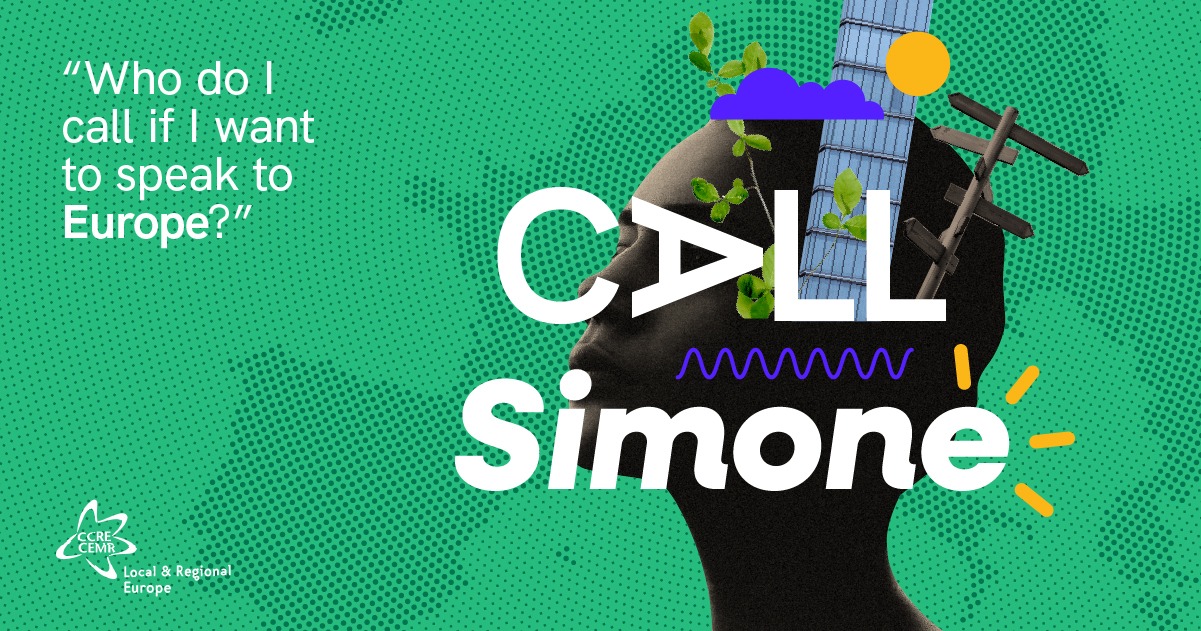
Call Simone EU budget episode

Who Decides Europe’s Future? The Battle Behind the EU’s Next Budget


Who decides Europe’s future—the Member States, the EU institutions, or the cities and regions that implement policies on the ground?

This is the question at the heart of the negotiations for the European Union’s next long-term budget (2028–2034), and the starting point of the latest Call Simone episode with Jan Olbrycht, former Member of the European Parliament and one of the most experienced figures in EU budget negotiations.

What may appear as a technical discussion about figures and funding lines is, in reality, a political struggle over power, priorities, and governance. And it comes at a moment when Europe must define what it wants to become: a more centralised political actor, or a union that remains fundamentally different from the United States—more negotiated, more decentralised, and ultimately dependent on consensus.

A budget under pressure

As Olbrycht explains, the next Multiannual Financial Framework (MFF) is being shaped by an unusually heavy context: war at Europe’s borders, growing global competition, the repayment of pandemic-era debt, and the prospect of enlargement.

The European Commission has proposed a significantly larger budget—potentially close to €2 trillion. But this ambition depends on new sources of revenue. Without them, the EU risks financing new priorities by cutting existing ones, turning the negotiation into a zero-sum game.

A shift in how Europe spends and governs

One of the central points raised in the discussion is that the most controversial change is not the size of the budget, but its structure.

Rather than organising spending around established policies like cohesion and agriculture, the proposal introduces broader categories and national plans that bundle different funding streams together. According to the Commission, this is meant to simplify the system and make it more flexible in times of crisis.

In practice, however, it redistributes power.

It strengthens the role of national governments while allowing the Commission to impose mandatory priorities—such as minimum spending on climate or support for less developed regions. As Fiorella Lavorgna, host of the podcast points out in the conversation, this creates a hybrid system that raises a key question: is this simplification, or a new form of centralisation?

The real fault line: who gets a say

This leads to one of the clearest political fault lines discussed in the episode: governance.

Will cities and regions be co-authors of these national plans, or merely consulted?

For organisations like CEMR—where Jan Olbrycht also served as of the vice presidents between 1995 and 2001—this is a red line. The experience of recent instruments, such as the Recovery and Resilience Facility, showed that consultation without real involvement risks weakening both effectiveness and accountability.

The European Parliament has taken a relatively strong position in favour of reinforcing the role of local and regional authorities. But within the Council positions remain divided, reflecting different national governance models.

Competitiveness vs cohesion

Another key tension highlighted in the discussion concerns the balance between competitiveness and cohesion.

The proposed competitiveness fund reflects a shift toward innovation, strategic industries, and investment attraction—an acknowledgement that Europe must strengthen its global economic position. This raises concerns about the future of cohesion policy, which has long been central to reducing regional disparities.

This is not simply a budgetary trade-off. It is a political one: a more competitive Europe that deepens internal inequalities risks undermining its own foundations.

Enlargement and the limits of unity

The conversation also touches on enlargement.

Integrating countries like Ukraine or Moldova is not only a financial challenge—it is a political one that requires unanimity among Member States. As Olbrycht stresses, enlargement ultimately depends as much on the willingness of current members as on the readiness of candidate countries.

This reinforces a central feature of the EU: its dependence on consensus.

Not a United States of Europe

When asked who one should “call” to speak to Europe in ten years’ time, Olbrycht’s answer is telling: not one leader, but several—reflecting a system where authority is shared rather than concentrated.

For him, the EU is not moving toward a single-leader model like the United States. Instead, it will maintain its own specificity: a political system built on balance between institutions and Member States, where decisions emerge from negotiation rather than hierarchy.

The next EU budget embodies this reality. It is not just a financial framework, but a test of how Europe functions: whether it can act strategically without becoming centralised, and whether it can remain cohesive without becoming fragmented.

Ultimately, what is at stake is not only how much Europe spends, but how it governs itself. And in that sense, the outcome of these negotiations will say as much about the EU’s political future as any treaty reform.

Learn more about our key asks on the EU budget 2028-2034

Download here the uncut episode transcript

For more information, please contact:
Protecting Europe’s water future

Water Management - Best Practices

CEMR calls for the timely implementation of the Urban Wastewater Treatment Directive (UWWTD)


The Council of European Municipalities and Regions (CEMR) call on Members of the European Parliament to support the timely and effective implementation of the revised Urban Wastewater Treatment Directive (UWWTD).

The Directive introduces a new treatment step for the removal of micropollutants from urban wastewater, a major requirement to protect public health and the environment. Its Extended Producer Responsibility (EPR) scheme ensures that the contributors to these pollutants cover at least 80% of the related treatment costs.

For local and regional governments, this mechanism is crucial to uphold the polluter-pays principle and to avoid placing the financial burden of quaternary treatment on users. The Directive already includes safeguards to address concerns around medicine affordability, supply and accessibility, as well as mechanisms for monitoring and adjustment once implementation begins.

CEMR firmly opposes proposals to suspend or delay the EPR provisions. Such a suspension would undermine long-term investment planning in wastewater infrastructure, increase uncertainty, and put essential public services at risk.

Local and regional authorities are already preparing investments to meet the Directive’s requirements. A stable regulatory environment is essential to safeguard public health, environmental protection, and Europe’s long-term competitiveness.

CEMR calls on EU decision-makers to move forward with implementation as agreed and to use the Directive’s existing review mechanisms to make any necessary adjustments based on data collected during the implementation process.

Learn more about CEMR action on water protection:

CEMR and partners’ joint call to MEPs to swiftly implement the recast of UWWTD

Protecting Clean Water

CEMR Policy paper on Urban Wastewater Treatment Directive

For more information, contact:

EU budget campaign – The Netherlands

EU budget campaign 2026

The advocacy work of our national associations: the case of the Netherlands


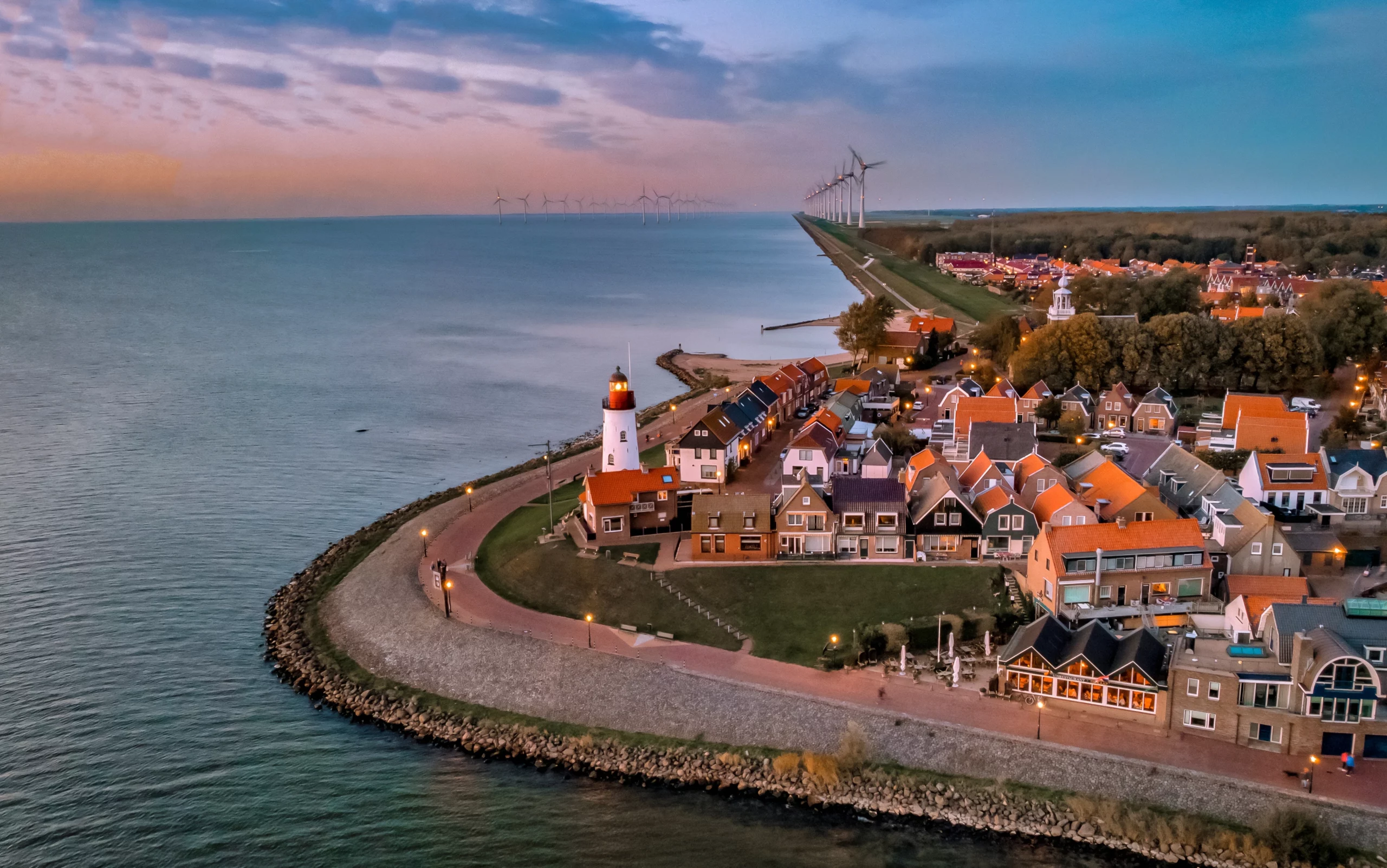
As negotiations on the next long-term EU budget move forward on two fronts—both between the EU institutions and within each member state among national governments, stakeholders, and regional and local networks—CEMR is sending a clear message: Europe works best when towns, cities, and regions have a real seat at the table.

In this video message, Arjen Gerritsen, King’s Commissioner of Flevoland and CEMR spokesperson on the EU budget, highlights why the stakes are high — not just for local governments, but for every European community.

Town, cities and regions are where EU policies become real. This is where roads are built, where homes are planned, where climate protection happens, where small businesses get support, and where essential public services are delivered every single day. Europe’s ambitions only work when they work locally.

The most crucial discussions are now taking place within the Council and the European Parliament. This is why conversations in the capitals of the different member states are more relevant than ever. CEMR is mobilising its full strength to advocate at the national and regional levels, drawing on the influence of our national associations in the member states.

In this video, Arjen Gerritsen stresses that organisations like the Association of Provinces of the Netherlands (IPO) are already working to ensure regional voices are heard at the national level. But this effort needs to be shared across Europe, and he invites every local and regional politicians to do the same: “Talk to your governments. Raise your voice. Defend multilevel governance.”

Our views on the current EU budget proposal

The current proposal for the next Multiannual Financial Framework (MFF) risks shifting decisions further away from local and regional governments. And when choices are made too far from the ground, investments become less effective — and citizens feel the gap.

That’s why CEMR’s message is clear: partnership should not be optional — it must be the standard.

For months, CEMR has been calling for:

  • A strong role for local and regional governments in EU programmes and funds
  • Clear guarantees for multilevel governance and partnership
  • Greater flexibility so local governments can respond quickly to crises
  • A budget that matches today’s real challenges, from climate adaptation to housing, digital services and territorial cohesion

CEMR’s EU budget campaign centres on one simple truth: When local and regional governments are involved from the start, Europe delivers better results for its citizens.

This is how democracy works — through cooperation, partnership and decisions made close to the people they affect.

Join us in defending that principle.

Learn more about the CEMR EU budget campaign

For more information, contact:

EU gender equality strategy: our reaction 

Gender Equality Strategy 2026-2030 news

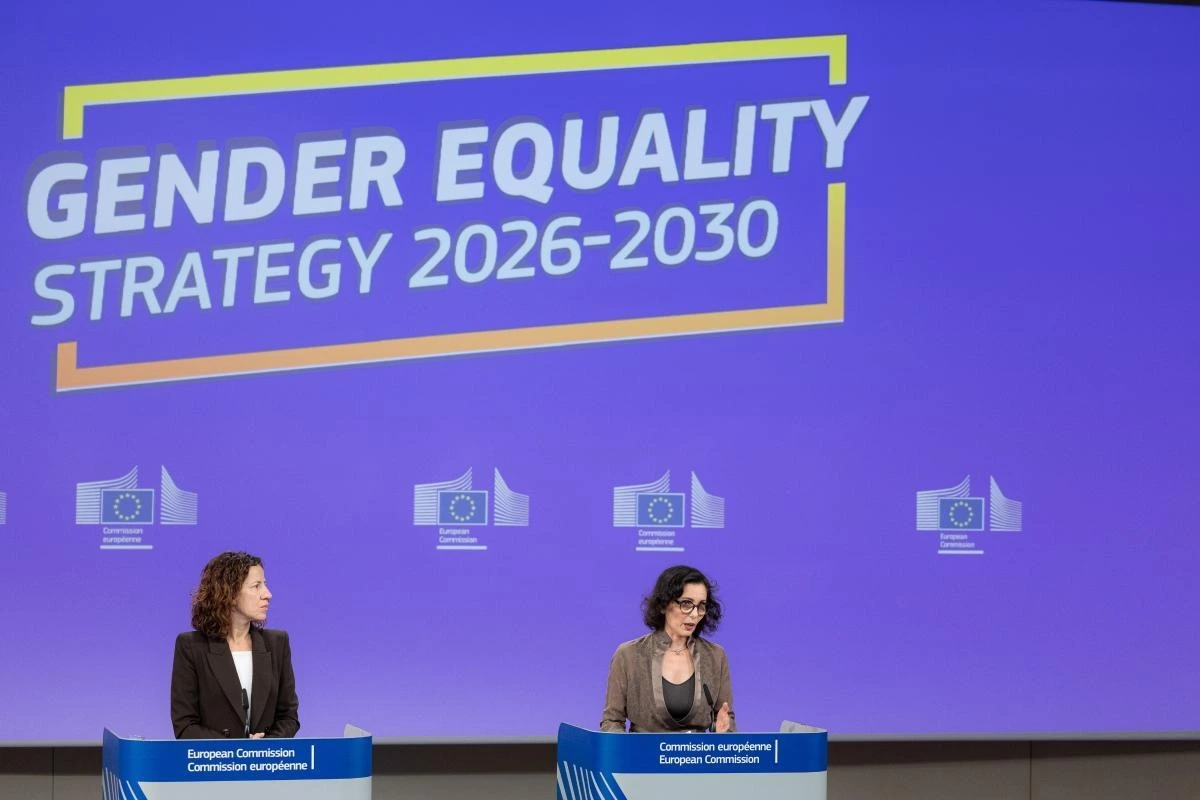
From principles to practice, making the European Commission’s new Gender Equality Strategy 2026-2030 deliver 


The European Commission’s new Gender Equality Strategy 2026–2030 starts from an important premise: gender equality is not a side issue, but a principle that must shape public life as a whole. Built on the Roadmap for Women’s Rights and its Declaration of principles for a gender-equal society, it sets out a broad vision across education, health, work, leadership and online life, while also confronting cyberviolence, anti-gender narratives and backlash against hard-won rights.  

This approach closely reflects CEMR’s own long-standing work. For almost 20 years, the European Charter for Equality of Women and Men in Local Life has advanced the same principle: equality must be anchored in shared commitments, but progress only comes through action at every tier of government. That is why the real test of the new EU Strategy, as with the Charter itself, will be implemented. 

That matters because women and girls are still too often pushed out of public life. CEMR’s Women in Politics: Local and European Trends shows that around 32% of women in politics have experienced violence, with cyberviolence rising sharply. The fact that the Commission’s Strategy itself draws on the CEMR study underlines the importance of local and regional experience in shaping the wider European agenda. The study also highlights wider structural barriers: women are still less likely to be drawn into political life and, once elected, are too often denied the most influential responsibilities. Politics cannot be meaningful if it excludes half the population.  

Governments must therefore ensure that the safety of women and girls is never pushed to the margins when other priorities arise. Girls must feel that their voice will be heard and that it will lead to action. Only then will they believe there is a place for them in politics. CEMR’s more recent study, Local Truth, Shared Trust, reinforces this message by showing how closely trust in institutions is linked to people’s sense of safety and inclusion, especially for those considering entering public life. Women must have not only a voice in politics, but a safe space in which to use it. 

While the Strategy acknowledges elements of CEMR’s work, this recognition represents a welcome first step rather than the destination. To ensure the Strategy’s ambitions translate into meaningful outcomes, there is value in more systematically integrating the depth of local and regional evidence that CEMR and its members have built over two decades. After all, gender equality is shaped on the ground: in towns, cities and regions where policies take effect and where women experience the impact of public action on their lives. Taking local and regional realities into account throughout the EU policy cycle, from data collection to programme design, delivery and monitoring, would help the Strategy reflect women’s lived experiences and enable more effective, inclusive implementation across Europe

As CEMR marks the 20th year of its Charter, it looks forward to working with the European Commission and partners across Europe to turn principles into lasting change. That same message was recently carried to United Nations at this year’s 70th Conference on the Status of Women, where Flo Clucas, CEMR’s spokesperson on gender equality brought the local perspective into a wider discussion among women and men in public office: local political life must be genuinely open to both women and men, and women cannot participate fully if safety is not guaranteed. The work is far from finished. But the direction is clear: women and girls must be able to participate fully and safely in public life, without fear of violence or intimidation, in every town, city, region and country. 

For more information, please contact:  
———-

* Banner photo: EC – Audiovisual Service, Copyright European Union, 2026 – source: https://audiovisual.ec.europa.eu/en/media/photo/P-069195

Ten years of cities taking climate action

Circular Cities and Regions Initiative - image

Celebrating a decade of driving local climate action in sub-Saharan Africa

The Covenant of Mayors in Sub-Saharan Africa (CoM SSA) is the “regional covenant” of the Global Covenant of Mayors for Climate & Energy (GCoM). It is a bottom-up and voluntary initiative that invites cities to define and meet ambitious and realistic energy and climate targets.

Launched in 2015 and funded by the European Commission, CoM SSA was initially led by the Council of European Municipalities and Regions, in partnership with African and European city networks, national associations of local governments, and civil society organisations.

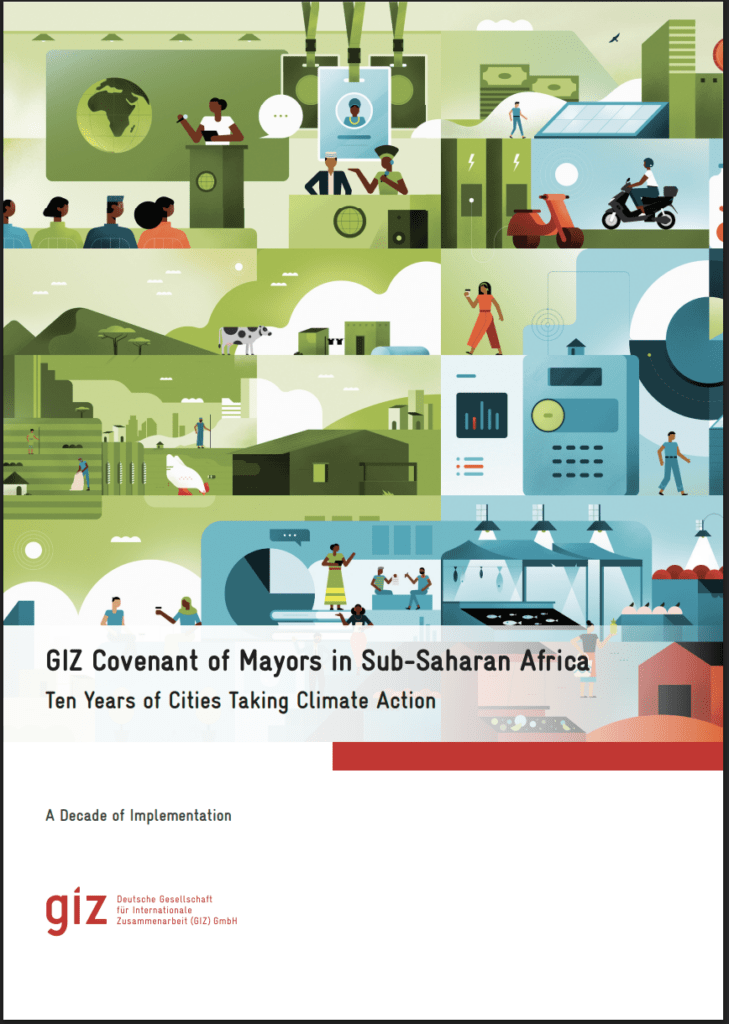
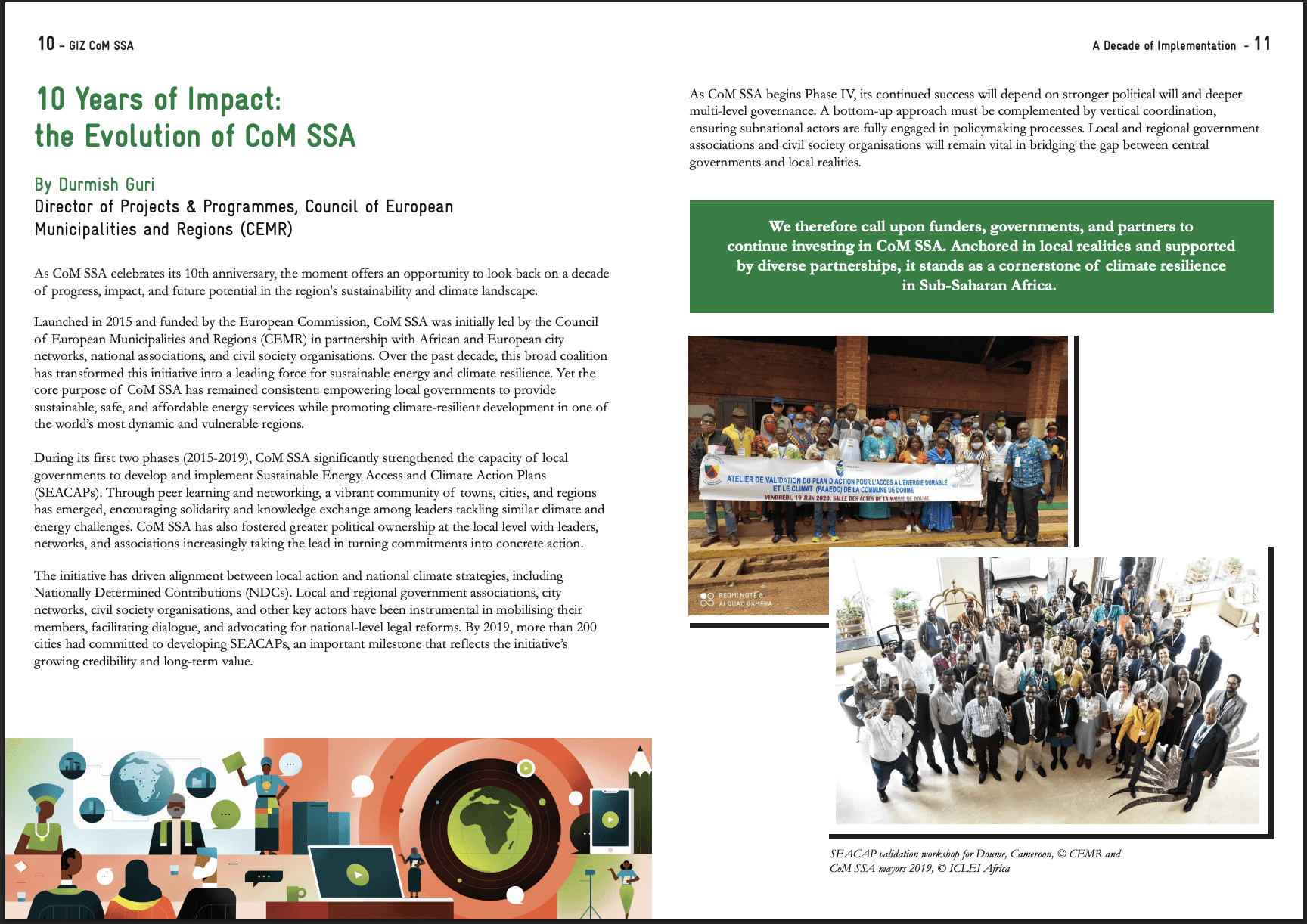
To mark this decade, the new publication A Decade of Implementation, produced by GIZ in the framework of CoM SSA, brings together reflections from cities, institutional partners, donors and long-standing experts. Combining strategic perspectives with concrete city examples, it documents how more than 400 local governments, representing over 166 million people, have moved from climate planning to implementation and investment. The publication highlights key milestones and results achieved over the past ten years, including the development of the Sustainable Energy Access and Climate Action Plans (SEACAP), support for project preparation for cities, and an increasing focus on implementation, investment and impact.

Over the past decade, CoM SSA has shown that local climate and energy actions can only be effective and sustainable when it is anchored in political ownership and supported by strong associations of local governments and city networks. By empowering mayors and local leaders, and by facilitating peer exchange and collective representation, the initiative has enabled cities to move from commitments to concrete action.

The publication includes a contribution from CEMR, authored by the Director of Projects and Programmes, Durmish Guri, reflecting on the role of national associations of local and regional goverments and networks in anchoring the Covenant politically and ensuring its sustainability, a message that remains highly relevant as reflections on the future of the Covenant of Mayors continue, including in Europe.

“We therefore call upon funders, governments and partners to continue investing in CoM SSA. Anchored in local realities and supported by diverse partnerships, it stands as a cornerstone of climate resilience in Sub-Saharan Africa.”
Durmish Guri, Director of Projects & Programmes, Council of European Municipalities and Regions (CEMR)
Deutsche Gesellschaft für Internationale Zusammenarbeit (GIZ) GmbH, GIZ CoM SSA – 10 Years of Cities Taking Climate Action, p.10-11.

We would like to thank our partners — Climate Alliance, Energy Cities, Environment Development Action in the Third World (ENDA), French Agency for Environment and Energy Management (ADEME), ICLEI – Local Governments for Sustainability (World Secretariat and Africa), International Association of French Mayors (AIMF), Portuguese Energy Agency (ADENE), Sustainable Energy for Africa, and United Cities and Local Governments Africa (UCLG Africa) — for their invaluable collaboration and commitment.

For more information, contact:

Bonn’s path toward gender equality

Bonn - European Charter for Equality signatory

Inside Bonn’s 40-year effort to advance gender equality


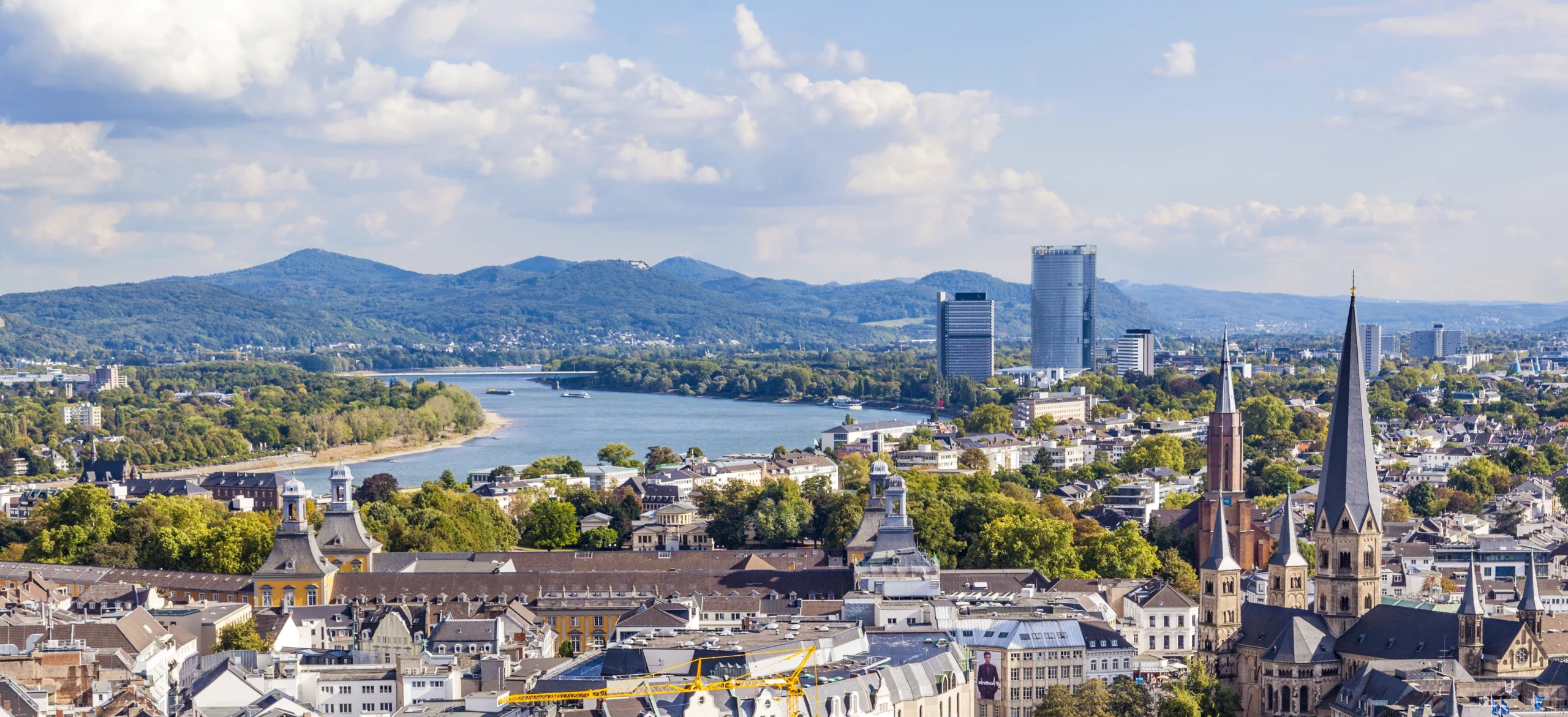
The city of Bonn (Germany) signed the European Charter for Equality of Women and Men in Local Life nineteen years ago. Yet Bonn’s story promoting gender equality does not begin there. It stretches back more than forty years, to a time when gender equality was little more than an ambition, and when the structures needed to drive real change barely existed. 

In 1984, Bonn established a dedicated Office for Equal Opportunitiesa bold move for its time, signalling that equality was not an abstract value but a governance priority. By 1991, the city had introduced its first bylaws on equal opportunities. A decade later, in 2001, Bonn adopted its first comprehensive Equal Opportunities Plan, laying the foundations for long‑term, structural change in work, care, safety and representation. 

Bonn’s commitment has remained unwavering. Today, the city hall maintains a near-equal gender balance in senior management, while women in middle management are empowered to assume leadership responsibilities through structured mentoring programmes

Deputy Mayor of Bonn, Ursula Sautter, explains that the local administration “advocates and promotes equal care solutions” due to the “still unequal division of work and care”.  

Sautter also highlights that the city actively combats all forms of violence and stands firmly with victims. This effort is reinforced by the new German Violence Assistance Act of 2025, which strengthens support frameworks across the country. 

Bonn has been a signatory of CEMR’s European Charter for Equality since 2007, demonstrating its commitment to turning principles into action. As Sautter mentions, “the European Charter for Equality is a beacon of empowerment for us, uniting us with a multitude of diverse cities in this important endeavour”. 

Ursula Sautter, Deputy Mayor of Bonn

20 years of the European Charter for Equality 

This year, we mark the 20th anniversary of the European Charter for Equality, a milestone that invites reflection, celebration and renewed ambition. 

Since its creation, the Charter has become one of Europe’s strongest frameworks for driving equality at the local and regional levels. Today, more than 2,053 signatories from 36 countries are part of this growing movement of cities, towns, and regions committed to turning equality principles into reality. 

Developed by CEMR together with its national associations and project partners, the Charter brings together diverse European visions of equality. Hundreds of local and regional representatives contributed to shaping a shared framework that considers the diverse competences and contexts across Europe. Signing the Charter is a public and formal commitment, a pledge to advance gender equality through policies, programmes, and concrete actions implemented in cooperation with local partners and civil society. 

While the Charter is not legally binding, it is intentionally ambitious. CEMR recognises that achieving these objectives requires time, dialogue, and structural change. That is why signatories are encouraged to adopt a progressive approach, identifying priority areas for action while steadily expanding their efforts. 

To support signatories, CEMR established the European Observatory on the Charter, dedicated to helping local and regional authorities develop and implement strong equality policies. 

The Observatory’s mission is threefold: 

  • Support the development of Local Action Plans for gender equality 
  • Monitor implementation and progress on the ground 
  • Evaluate impact and share knowledge across Europe 

By connecting municipalities, facilitating exchanges, and making progress visible, the Observatory ensures that the Charter remains a living, evolving tool, anchored in real practice. 

— 

Discover the story of Aubagne (France), which signed the European Charter for Equality in November 2025. 

Bonn is a member of CEMR’s association Deutscher Städtetag. 

For more information, please contact:

Call for proposals – multimedia editor

Looking for Proposals EU Green Deal - News 2024

CEMR is currently looking for an agency to produce videos


CEMR seeks a multimedia editor capable of creating 4 videos that showcase key initiatives and CEMR work throughout the year in a specific timeline.

The contractor will work in close and continuous coordination with CEMR’s Head of Communications.

Read more in our terms of reference

For more information, contact:

European Partnership Hub: EU-Ukraine ‘one-stop-shop’

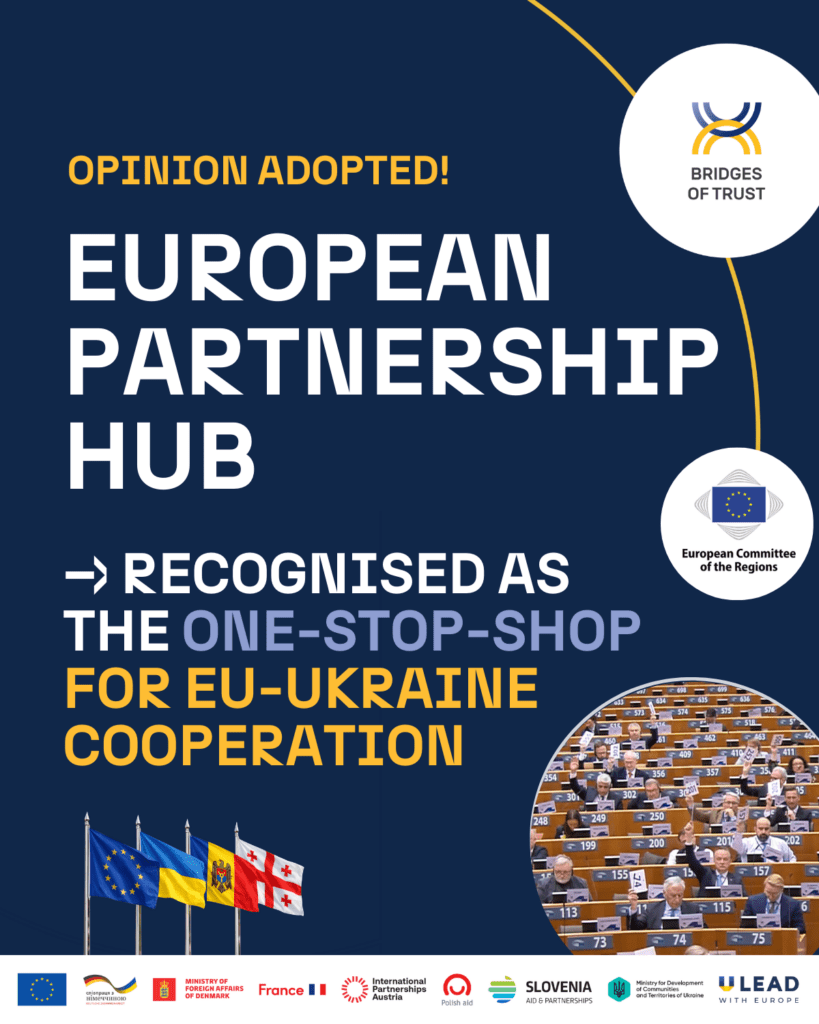
Last week, the European Committee of the Regions (CoR) adopted in Plenary the ‘Enlargement package 2025 – Ukraine, Moldova & Georgia’


The European Committee of the Regions (CoR) has adopted an amendment explicitly recognising the European Partnership Hub (EPH) as the “one-stop-shop” for cooperation between local and regional governments in Ukraine and the EU. The Hub was launched at the 2025 Ukraine Recovery Conference, following the Joint Statement of the European Alliance of Cities and Regions for the Reconstruction of Ukraine.

Hosted by CEMR, which already drives EU–Ukraine municipal partnerships through Bridges of Trust, the Matchmaking Platform, and SUN4Ukraine, the Hub coordinates and connects initiatives within the Bridges of Trust Community. It facilitates exchanges, provides information, and organises joint meetings to align efforts, build synergies, and support municipalities with the skills needed for recovery, cooperation, and EU accession.

Six other amendments reinforcing the role of local and regional governements in the EU enlargement

The final text of the CoR also includes six amendments tabled by CoR members Māris Zusts and Gints Kaminskis and suggested by the Latvian Association of Local and Regional Governments (LALRG), in close cooperation with PLATFORMA.

The amendments aim to reinforce a central political message: EU enlargement will only succeed if it is rooted in local and regional levels, resilient to hybrid threats, and democratically endorsed by citizens. In this opinion, decentralisation, multilevel governance, gender equality, and combating foreign information manipulation are framed as essential components of sustainable enlargement.

Cooperation with local governments 

The adopted amendments further stress the need for public support through cooperation with local governments, especially in Ukraine’s post-war context, advocating for awareness campaigns and media engagement to foster acceptance of candidate countries. Democratic resilience and integrity are further prioritised, particularly through strengthened anti-corruption measures at all government levels. Transparency in public procurement is highlighted, especially regarding reconstruction efforts.

Concerning Moldova, the amendments commend reform progress but express concerns over foreign interference (FIMI) during the 2025 elections, advocating for resilience measures and support for independent media.

The amendments also support local governments in Georgia amidst democratic backsliding, emphasising ongoing cooperation to maintain dialogue and democratic governance as the country navigates its EU accession path.

Looking ahead

These amendments place local and regional governments at the heart of EU enlargement, recognising that lasting impact, resilient democracies, and strong communities depend on their active role. 

The next step is for the European Parliament, Council, and Commission to take these recommendations into account for their respective work on enlargement.
CEMR together with PLATFORMA and their partners will continue to advocate, coordinate initiatives, and foster exchanges, to strenghten the role of local and regional governments.  

The European Partnership Hub is supported by the European Union and its member states through U-LEAD with Europe.

For more information, contact: