Empowering local climate action

Renewable Energy - News Section

CEMR’s Joint Response to the EU Energy Efficiency and Renewable Energy Directive Reviews


The Council of European Municipalities and Regions (CEMR) submitted a joint response to the European Commission’s consultations on the Energy Efficiency Directive (EED) and the Renewable Energy Directive (RED) in early 2021. This contribution reflects CEMR’s deep commitment to achieving climate neutrality by 2050 while safeguarding the role and autonomy of local and regional governments (LRGs).

CEMR supports ambitious climate targets at the EU level, with a focus on greenhouse gas (GHG) reduction. However, it argues that targets for energy efficiency and renewable energy should remain indicative at the national level, respecting the subsidiarity principle and local conditions. The organisation firmly opposes EU obligations that impose rigid requirements on LRGs, particularly concerning building renovations, public procurement, and energy planning.

A key concern is the extension of renovation obligations for public buildings to LRGs. CEMR highlights that such mandates overlook the economic realities, building uses, and planning capacities at the local level, and may burden communities with higher costs and social impacts. Instead, it advocates for flexible, cost-effective approaches tailored to local and regional contexts, supported by adequate funding, technical assistance, and capacity-building.

CEMR also calls for a technology-neutral approach to energy policy, where different forms of renewable and low-carbon energy, whether on-site, from the grid, or district heating, are treated equally. It stresses that regulations should reflect GHG savings and sustainability from a life-cycle perspective, not just the type or source of energy.

The response urges the Commission to recognise the central role of LRGs in the energy transition. This means involving them directly in National Energy and Climate Plans (NECPs), ensuring multi-level governance, and avoiding overregulation that could stifle local innovation and initiative.

In short, CEMR’s response is a strong call for an EU climate framework that is ambitious, but also realistic, inclusive, and enabling, one that empowers cities and regions to lead in achieving a just and effective energy transition.

Full the joint response here

For more information, contact:

New EU strategy to climate change 

Climate - News Section

CEMR’s Response to the EU Adaptation Strategy Review 


The Council of European Municipalities and Regions (CEMR) strongly supports the development of a revised EU Strategy on Adaptation to Climate Change, calling for a clear EU Action Plan that empowers local and regional governments (LRGs) to lead on the ground. 

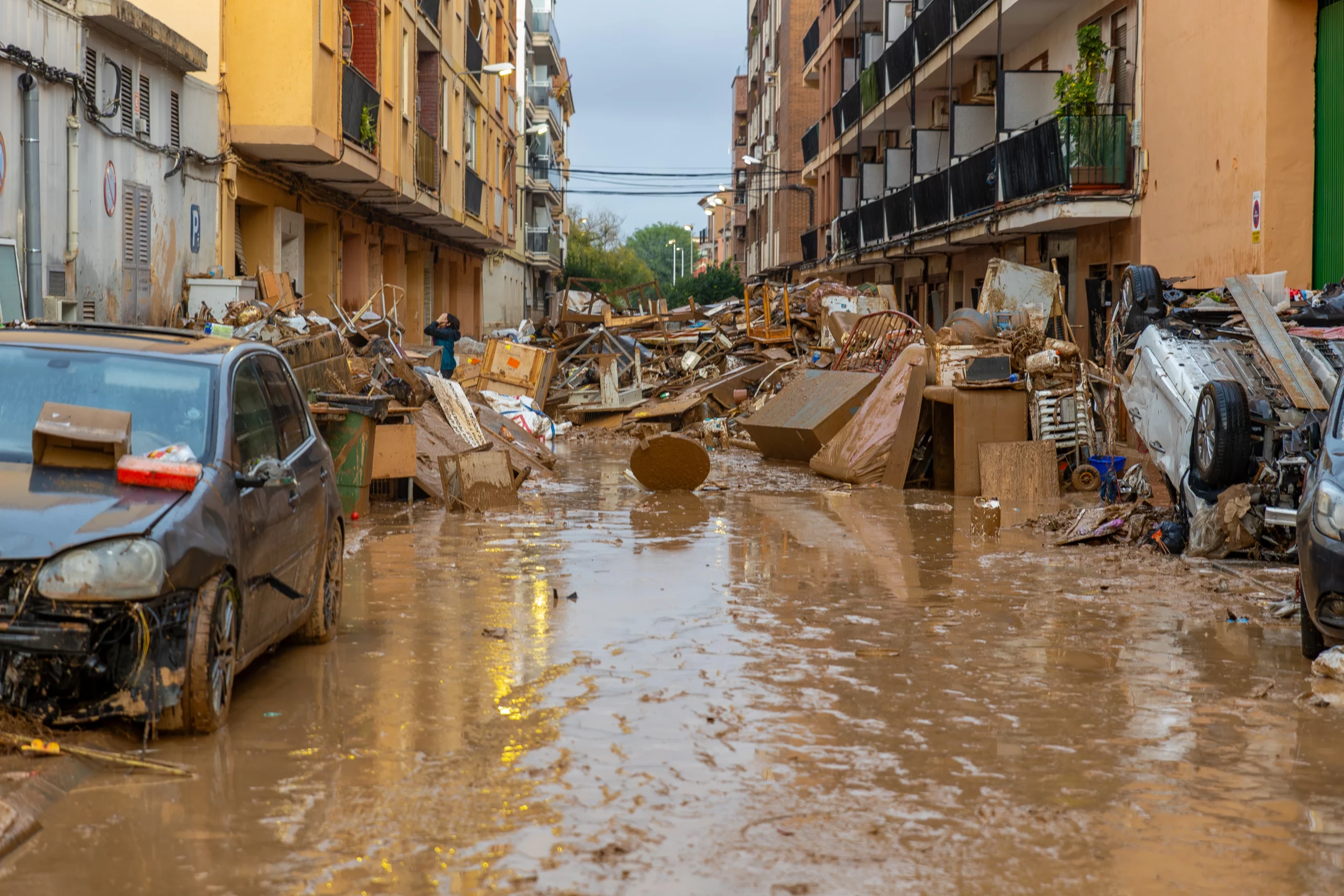
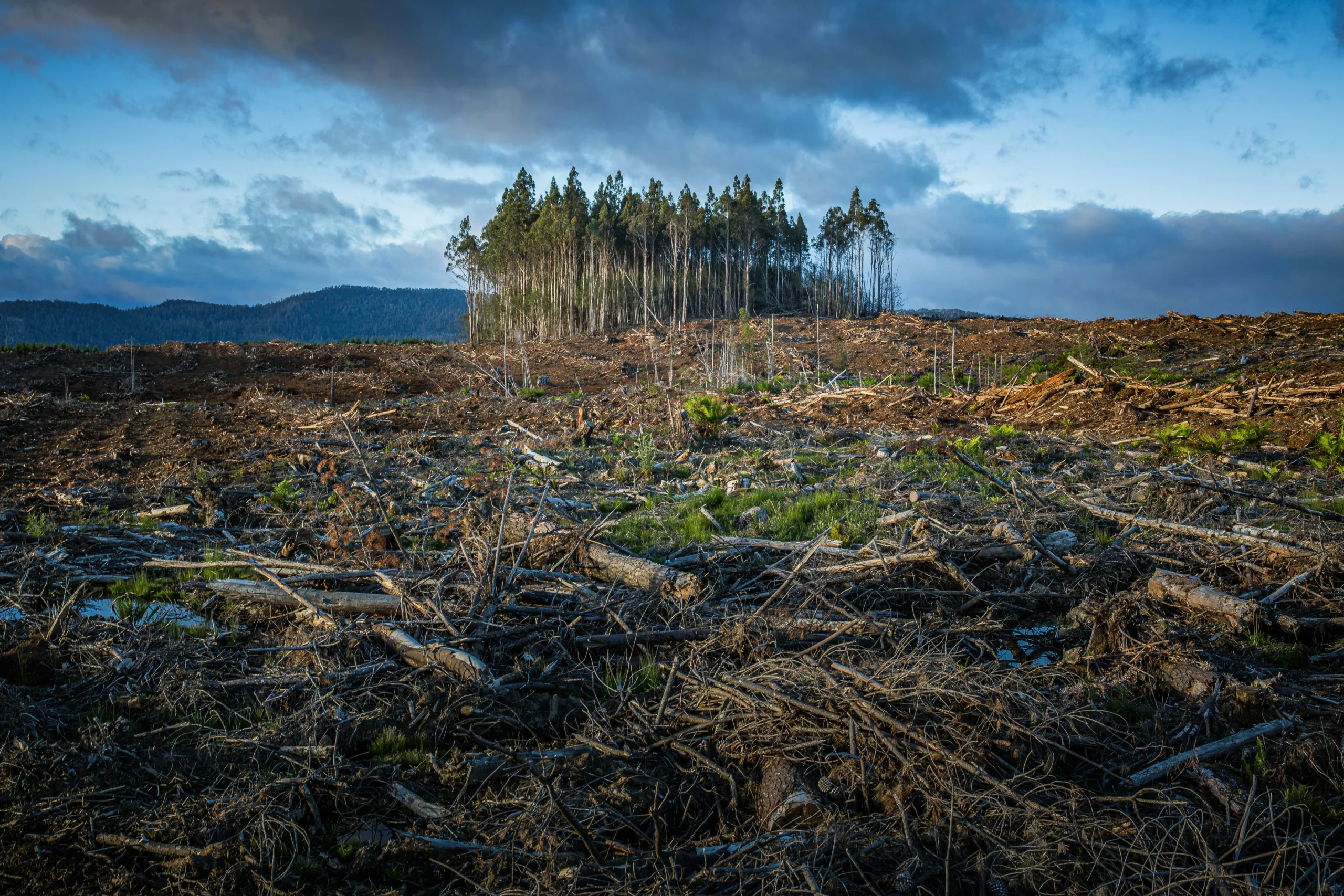
Climate change is already a reality for Europe’s cities and regions, with impacts ranging from floods and heatwaves to droughts, wildfires and biodiversity loss. As the first responders to these challenges, LRGs are on the front line and play a vital role in ensuring climate-resilient communities. 

In its official response to the 2020 EU consultation, CEMR stresses that: 

  • Adaptation is as urgent as mitigation. While reducing emissions remains essential, Europe must also adapt to unavoidable impacts already underway. 
  • Localised responses are essential. Climate impacts vary significantly across territories. An effective adaptation strategy must reflect local vulnerabilities, risks and capacities
  • Integration is key. Adaptation should be embedded into land use planning, infrastructure, housing, water and environmental management, combining it with mitigation whenever possible. 
  • Transformation requires support. LRGs need financial tools, enabling policies, capacity-building, data access and stronger multilevel governance to deliver meaningful change. 
  • Nature-based solutions are critical. Investments in green infrastructure, biodiversity and water retention areas help cities adapt sustainably and cost-effectively. 

CEMR also urges the Commission to ensure that adaptation becomes a mainstream requirement in planning and investment decisions. Risk and climate vulnerability assessments should guide long-term urban development, infrastructure planning and emergency preparedness. 

Moreover, LRGs are not only ready to act locally but also to support international efforts, particularly in cooperation with developing countries, contributing to the goals of the Paris Agreement

As part of the European Green Deal, the new strategy should enable and accelerate local action, ensuring that no city or region is left behind in preparing for climate risks. 

Read the position paper here 

For more information, contact: 

Local action driving the green deal 

Head Banner - Green Study 2024

CEMR outlines the crucial role of municipalities and regions in making Europe climate neutral by 2050 


The European Green Deal, launched in December 2019, sets out the EU’s ambition to become the world’s first climate-neutral continent by 2050. While the framework is driven at the European level, its implementation will rely heavily on municipalities and regions. Local and regional governments (LRGs) are already responsible for delivering 70% of climate mitigation measures, 90% of adaptation policies, and 65% of the Sustainable Development Goals (SDGs). The Council of European Municipalities and Regions (CEMR) highlights that empowering these actors is essential to achieving the Green Deal’s goals. 

CEMR stresses that LRGs are not only implementers but also innovators, mobilising citizens and setting ambitious targets beyond EU requirements. For example, the 10,000 signatories of the Covenant of Mayors have pledged to reduce CO₂ emissions by 47% by 2030, well above the EU’s current 40% target. 

CEMR puts forward several recommendations to strengthen the Green Deal’s delivery: 

  • Recognition and resources: LRGs must be recognised as full partners, equipped with sufficient financial capacity and flexibility to adapt implementation to diverse local realities. 
  • Better regulation and coordination: The EU should enforce existing legislation, improve policy coherence between sectors, and avoid additional administrative burdens for local governments. 
  • Climate and energy: Ambitious targets are welcome but must be matched with adequate resources. Local authorities should be included in decision-making on National Energy and Climate Plans (NECPs). Renewable energy should be treated equally, whether produced onsite or via networks such as district heating. 
  • Circular economy: Municipalities manage nearly 500 kg of waste per capita annually and are central to recycling, waste reduction, and energy recovery. Their role must be reinforced in shaping circular consumption and production patterns. 
  • Clean mobility: LRGs are at the forefront of decarbonising transport and public mobility, but need financial and regulatory support to modernise infrastructure and introduce innovative solutions. 
  • Financing the transition: Investment is critical. Tools like the Just Transition Fund are welcome but insufficient. Sustainable local investments should be exempt from EU debt rules to unleash their full potential. Innovative funding mechanisms tailored to municipalities of all sizes are also needed. 
  • Global leadership: LRGs can act as ambassadors of the Green Deal through international cooperation, capacity building, and partnerships with local authorities abroad, reinforcing Europe’s climate leadership on the global stage. 

Europe’s success in delivering the Green Deal will be determined locally. Municipalities and regions are already leading in climate action, but they need recognition, resources, and flexibility to scale up their efforts. By ensuring LRGs are fully integrated into EU policies and financing, the Green Deal can drive not only a carbon-neutral Europe but also a more sustainable, inclusive, and resilient future. 

Read the position paper here 

For more information, contact: 

Just transition mechanism analysis 

Impact Goal - Climate

The Just Transition Mechanism urges stronger local partnerships and clearer funding priorities 


The EU’s ambition to become the first climate-neutral continent by 2050 is taking shape through the European Green Deal and its financing arm: the Just Transition Mechanism (JTM). In its policy analysis, the Council of European Municipalities and Regions (CEMR) acknowledges the value of this tool while calling for stronger local engagement and better alignment with existing cohesion funds. 

The JTM, made up of the Just Transition Fund, a dedicated InvestEU scheme, and a public sector loan facility via the EIB, aims to support the territories most affected by the transition to a green economy, particularly those dependent on carbon-intensive industries. 

CEMR welcomes: 

  • The creation of new financial tools tailored to the social and economic impacts of decarbonisation, especially the Just Transition Fund, with its €7.5 billion proposal. 
  • Inclusion of the JTF in Cohesion Policy, which ensures the application of the partnership principle and opens space for dialogue with local and regional governments in the design of transition plans. 
  • The focus on NUTS 3 level, allowing targeted support to local realities and better alignment with community needs. 
  • Technical assistance and peer exchange platforms can empower municipalities to replicate successful models and accelerate climate-neutral transitions. 

However, CEMR expresses concern over: 

  • Budget uncertainty: With Member States resisting increases to the EU’s overall budget, there’s a risk the JTF will simply reallocate existing cohesion funds, limiting its added value. 
  • Overlap with existing cohesion goals: Much of the JTF’s focus, green investment, upskilling, and digitalisation, is already covered by current ESIF priorities (PO2 and PO4). Its distinct impact must be clarified. 
  • Thematic constraints on cohesion funds: Requirements to reallocate ERDF and ESF+ funds to the JTF may reduce resources available for other local development priorities. 

For CEMR, local and regional governments must remain central actors in this transition. Their involvement is key not only in planning and implementation but also in ensuring that no territory is left behind as Europe moves toward a greener, fairer future. 

Read the position paper here 

For more information, contact: 

Water framework and floods directive 

Floods - News

Balancing high environmental goals with realistic implementation, funding, and stronger local involvement 


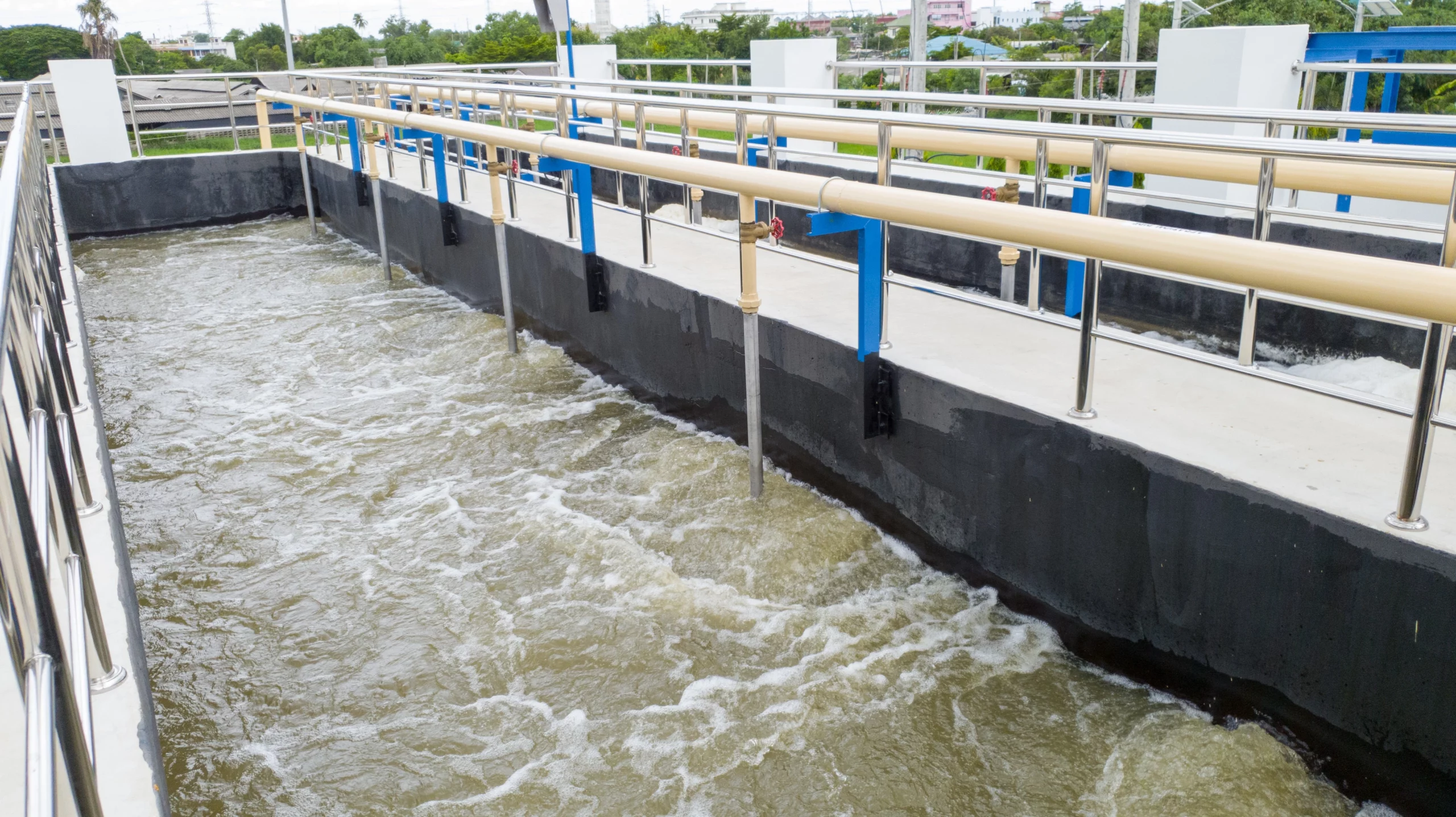
The Water Framework Directive (WFD), in force since 2000, is one of the EU’s most ambitious environmental laws, aiming for good status of all EU waters by 2027. While progress has been made, challenges such as climate change, pollution, and increasing pressure on water resources demand a renewed and practical approach. In its response to the EU’s fitness check, the Council of European Municipalities and Regions (CEMR) underline the importance of keeping high ambition while ensuring realistic implementation for local and regional governments (LRGs). 

Key Messages 

  1. Maintain ambition, improve delivery 
    The WFD has led to clear improvements in Europe’s waters and should be continued. While full achievement by 2027 may not be possible everywhere, the Directive remains a vital tool. Environmental goals must be preserved, supported by realistic intermediate targets and achievable management cycles. 
  1. Adjust without lowering ambition 
    LRGs stress the need to adapt the WFD to 21st-century challenges such as land-use changes, climate impacts, and new pollutants. The Directive should move towards a more realistic framework, reflecting natural and historical influences on water quality. 
  1. Better harmonisation with other EU policies 
    Water protection cannot be addressed in isolation. The WFD must align with related legislation, including the Drinking Water Directive, Urban Wastewater Treatment Directive, and rules on water reuse. Agriculture, industry, and transport have major impacts on water quality, requiring stronger links with the Common Agricultural Policy, REACH, and strategies to reduce nitrates, pesticides, and pharmaceuticals in water. 
  1. Stronger local involvement and governance 
    Municipalities, as the level of government closest to citizens and water bodies, must be more involved in water governance. LRGs are best placed to enforce measures, raise awareness, and apply flexible, site-specific solutions. This aligns with SDG 6.5 on integrated water resources management. 
  1. Simplification and funding 
    Implementation of the WFD is often too complex and administratively burdensome for municipalities and water operators. Reporting requirements should be simplified, and EU or national funding must accompany new obligations to ensure effective delivery. 
  1. Polluter Pays Principle 
    A stronger source-control approach is needed. Responsibility for water quality should not fall solely on municipal treatment plants but be shared across all polluters. Applying the “polluter pays” principle will create transparency, fairness, and stronger engagement from all stakeholders. 
  1. More flexible derogations 
    The current rules on exemptions are too rigid, often blocking socially important projects like new wastewater treatment plants. CEMR calls for clearer and more balanced derogation rules, allowing essential societal developments while safeguarding water protection. 

 
CEMR’s position is clear: the WFD has proven its value and must remain ambitious, but reforms are needed to reflect new challenges, reduce administrative burdens, and empower local governments. By ensuring flexibility, proper funding, and shared responsibility, Europe can better safeguard its waters while supporting sustainable development at local and regional levels. 

Read the position paper here 

For more information, contact: 

Review of clean vehicles directive

Mobility - News section

Rethinking EU Clean Vehicles Rules: Why CEMR Calls for Flexibility, Funding, and Local Autonomy 


With road transport accounting for nearly a quarter of Europe’s greenhouse gas emissions, the EU is pushing for cleaner mobility solutions across all sectors. But in its current form, the proposed revision of the Clean Vehicles Directive could undermine the very public transport systems it aims to green. The Council of European Municipalities and Regions (CEMR) raises serious concerns about the directive’s scope, rigid procurement quotas, and potential to impose disproportionate costs on local and regional governments. 

Rather than empowering local authorities, the directive risks creating new financial burdens, administrative complexity, and counterproductive outcomes, such as reduced services or higher fares that could drive citizens away from public transport. 

Key messages include: 

  • Public authorities are not the problem. Local public transport is already among the cleanest transport modes. Efforts must focus more on vehicle manufacturers and private transport operators, not just municipalities. 
  • Procurement must remain flexible. While green public procurement should be encouraged, mandatory environmental or social criteria for public contracts would conflict with the subsidiarity principle and public procurement law. Local governments must retain the freedom to balance cost, service needs, and environmental goals. 
  • Technology neutrality is essential. The directive should avoid favouring specific technologies. Instead, a life-cycle emissions approach should guide definitions of “clean vehicles,” including real-driving emissions and biofuels. Special-purpose vehicles such as snow ploughs and waste trucks should be excluded. 
  • Quotas may backfire. Mandatory targets for clean vehicle procurement risk creating a vicious cycle: higher costs for local authorities may lead to service cuts, higher fares, and reduced public transport use, ultimately undermining climate goals. 
  • Funding must follow ambition. The transition to cleaner fleets requires substantial investment. CEMR calls for EU support, including a “golden rule” exempting public transport investment from Maastricht deficit rules, and more targeted funding. 
  • Reporting must be simplified. New national-level monitoring and reporting rules must not overload the over 100,000 local authorities across the EU. CEMR urges a streamlined, risk-based approach to limit bureaucracy. 

Ultimately, CEMR opposes the directive in its current form and urges amendments that respect local autonomy, enable cost-effective transition, and support sustainable transport without penalising the public sector already leading the way. 

Read position paper here

For more information, contact:

EU strategy on climate change

Climate Change - News

Why Local Governments Must Be Central to the EU’s Climate Resilience Strategy


As the EU evaluates its 2013 Adaptation Strategy, the Council of European Municipalities and Regions (CEMR) highlights a critical gap: climate resilience cannot succeed without fully involving local and regional governments. In its response to the Commission’s consultation, CEMR stresses that municipalities are already adapting to the effects of climate change, but current EU and national frameworks fail to empower them with the resources, recognition, and flexibility they need.

From floods and droughts to infrastructure strain, local authorities are on the frontlines of climate impacts. Yet too often, policies are shaped top-down, with insufficient consultation and support for those who must implement solutions on the ground. CEMR calls for a strengthened multi-level governance model, dedicated funding streams, and enhanced city-to-city cooperation to ensure the EU’s adaptation ambitions translate into effective, community-driven action.

Read the position paper here

For more information, contact:

Permanent platforms for energy dialogue 

Energy - News

Integrating local governments into national climate and energy planning through multilevel dialogue 


The transition towards a sustainable, decentralised and decarbonised energy system is a collective endeavour. Local and regional governments across Europe are already demonstrating leadership, delivering a significant share of the EU’s climate objectives. Yet, despite their strong track record and growing involvement, their role in shaping national climate and energy strategies remains fragmented. Ongoing negotiations on Energy Union Governance open the door to correcting this imbalance by establishing permanent Multilevel Climate and Energy Dialogue Platforms

Building on local experience 
Cities and regions have proven to be persistent drivers of Europe’s energy transition, with research showing they contribute to more than a third of the EU’s 2020 climate target. Initiatives like the Covenant of Mayors have showcased how local ambition can exceed European targets, but without a formal structure, their contributions risk being underutilised. The European Parliament’s proposal for dialogue platforms would ensure local authorities, alongside civil society and business stakeholders, are systematically involved in drafting, monitoring, and reviewing National Energy and Climate Plans (NECPs) and Long-Term Strategies. 

Such platforms would offer multiple benefits: continuous political support, feedback loops between delivery agents and policymakers, shared responsibility across sectors, stronger policy implementation, and the spread of best practices across Member States. 

National examples to inspire Europe 

Several countries already provide valuable models. In the Netherlands, municipalities and provinces negotiate national energy strategies with the government and social partners, resulting in formal agreements and regional climate plans. France has institutionalised citizen and stakeholder involvement through its Public Debate Commission, engaging the public directly in shaping energy programmes. Sweden demonstrates the value of capacity-building, with national agencies supporting local governments in setting and implementing climate objectives aligned with national goals. 

These examples show that permanent platforms for dialogue are both feasible and effective. Institutionalising multilevel dialogue under the Energy Union Governance would not only ensure that the EU benefits from the proven ambition of local authorities but also strengthen the democratic legitimacy and efficiency of Europe’s energy transition. Local governments are ready to contribute, what is needed now is a framework that guarantees their voice is heard at every stage. 

Read the position paper here 

For more information, contact: 

State ofplay – energy union

Energy Transition - News

Becoming More Energy Efficient: CEMR’s Key Messages for the EU’s Legislative Review on Energy


As the European Union prepares to revise its energy legislation, the Council of European Municipalities and Regions (CEMR) is calling on the EU and national governments to place local and regional authorities at the heart of the energy transition.

Cities and regions across Europe are already taking bold steps to become more energy-efficient, reduce emissions, and build climate-resilient communities. But to succeed, they need enabling legislation, access to funding, and recognition of their existing efforts. The forthcoming reviews of the Energy Efficiency Directive, the Energy Performance of Buildings Directive, and the Renewable Energy Directive are key opportunities to strengthen local involvement and accelerate the green transition.

Four Key Messages from CEMR

1. Governance: Empower Local and Regional Authorities

CEMR urges EU institutions to embrace a shift towards inclusive, multi-level governance. Local and regional governments are no longer just implementers, they are now co-drivers of the energy transition. The EU must ensure that subnational authorities are directly involved in preparing and implementing national energy and climate plans. A bottom-up approach is not only more democratic but also more effective in engaging citizens and delivering tangible results on the ground.

Many local governments have already developed Sustainable Energy and Climate Action Plans through initiatives like the Covenant of Mayors. These efforts show that local leadership is essential to reaching EU targets for 2030, including a 40% reduction in greenhouse gas emissions and a 27% share of renewable energy.

2. Regulation: Promote Flexibility and Policy Integration

CEMR advocates for flexible regulations that acknowledge the diverse realities across Europe. While energy efficiency goals are shared, the path to achieving them must be adaptable to local contexts. The principle of subsidiarity must guide legislation, allowing local governments to balance economic, social, and environmental priorities.

Local authorities must also retain discretion in public procurement, especially when it comes to energy performance requirements. Instead of imposing rigid obligations, the EU should provide guidance and incentives, for instance, by supporting the use of life-cycle costing and encouraging innovation in decentralised energy systems.

3. Financing: Ensure Access to Funding

Ambitious targets demand robust financial support. Cities and regions need accessible and flexible financing tools to renovate public buildings, deploy renewables, and invest in low-carbon infrastructure. CEMR stresses the importance of tailored financial mechanisms, such as off-balance sheet financing and favourable loans supported by the European Investment Bank or Member States.

The EU must also address legal and procedural barriers to joint procurement and bundled investments across municipalities. Initiatives like the CITYnvest project show how collaboration can unlock innovative financing and accelerate energy-efficient renovation.

4. International Cooperation: Strengthen Global Partnerships

CEMR, together with its PLATFORMA partners, champions international cooperation among local and regional authorities. Building on the legacy of strong local governance, these partnerships support low-carbon development worldwide.

CEMR also plays an active role in global advocacy through forums like the UNFCCC COPs and Habitat summits. The international community is increasingly recognising the value of local action, and European cities are leading the way.

Conclusion

CEMR stands ready to support the EU’s energy transition, but success hinges on empowering local and regional governments. With the right governance, flexible regulation, accessible financing, and global collaboration, the EU can deliver a just, effective, and locally driven pathway to a sustainable energy future.

Read the position paper here

For more information, contact:

Circular economy starts locally

Waste - News Section

CEMR’s Priorities for Revising EU Waste Rules and Advancing the Circular Economy 


With the EU revising its Waste Framework Directive as part of the broader Circular Economy Package, the Council of European Municipalities and Regions (CEMR) is calling for an approach that respects local realities and builds true governance partnerships

Local and regional governments are central to delivering Europe’s circular economy goals. From waste collection and recycling to raising citizen awareness, they are closest to the daily operations that make sustainability a reality. 

In its 2016 position, CEMR welcomes the Commission’s shift toward a more balanced approach. It supports clearer definitions for municipal waste, realistic recycling targets, and the inclusion of Extended Producer Responsibility (EPR) rules. However, CEMR also warns against overregulation through delegated acts and stresses the importance of flexibility in areas like separate collection and biowaste. 

Key recommendations include: 

  • Respecting subsidiarity: Leave room for national and local adaptation. 
  • Ensuring fair cost-sharing: Producers should fully cover the costs of waste linked to their products. 
  • Supporting public investment: EU funds must clearly back local waste infrastructure. 
  • Promoting green public procurement: Encourage but avoid overlap with procurement rules. 
  • Looking beyond municipal waste: Industrial and commercial sectors must also be addressed. 

Ultimately, CEMR sees municipalities as essential partners, not just implementers, in shaping a sustainable and job-creating circular economy. Without their full involvement and adequate resources, Europe risks missing the mark on both ambition and delivery. 

Read the position paper here 

For more information, contact: