CEMR at COP29

Local Governments Driving Climate Solutions on the Global Stage


At the 29th UN Climate Change Conference (COP29) in Baku CEMR showcased the indispensable role of Local and Regional Governments (LRGs) in global climate action. Through advocacy, strategic dialogue, and direct engagement with Ministers, Governors, Parliamentarians, Multilateral Development Banks, and UN agencies, CEMR cemented its position as a key player in advancing sustainable urban development and combating climate change.

Local and Regional Governments: A Cornerstone of Climate Action

Local and regional governments are uniquely positioned to address climate challenges. Managing 68% of public climate investments, they are on the frontlines of adaptation and mitigation efforts. Yet, these governments often remain excluded from key international decision-making processes. At COP29, CEMR sought to change this by advocating for LRGs to be fully integrated as strategic partners in shaping climate policies.

CEMR also underscored the importance of multilevel governance. This approach, combining local, regional, and national collaboration, ensures that climate strategies are both inclusive and effective. By engaging in over 170 events, CEMR and the LGMA Constituency showcased how cities and regions lead innovative climate solutions, including sustainable infrastructure, green financing, and community resilience initiatives.

CEMR Delegation in Action

CEMR’s political leadership took centre stage during COP29. Marianne Overton, Vice President of CEMR, and Clifford Galea, a member of our Young Elected Officials Committee member, participated in high-profile sessions, emphasising local governments’ role in climate justice and finance. Key moments included:

  • Panel on Multilevel and Multistakeholder Climate Solutions: Clifford Galea highlighted the urgency of channelling direct funds to local governments, stating, “Efficient climate action starts with empowering those closest to the communities impacted.”
  • Roundtable on Financing Urban Climate Action: Marianne Overton called for innovative financial mechanisms to ensure accessible funding for sustainable urban projects and ecosystem restoration

Efficient climate action starts with empowering those closest to the communities impacted.”

 Advocating for Loss and Damage Response

One of the summit’s most critical topics was the establishment of an effective framework for addressing Loss and Damage. CEMR, together with the LGMA Constituency, endorsed the Call to Action on Loss and Damage, initiated by United Cities and Local Governments (UCLG). This initiative demands equitable resource distribution, North-South collaboration, and the inclusion of subnational governments in funding mechanisms. Notably, the call prioritizes the needs of marginalized communities and the integration of local knowledge into global climate strategies.

CEMR’s endorsement reflects its commitment to securing direct access to the Loss and Damage Fund for local governments, particularly in vulnerable regions. This advocacy reinforces the message that addressing climate crises requires collaboration at all levels of governance.

 Why Local and Regional Governments Matter

The urgency of including LRGs in climate governance cannot be overstated. As the level of government closest to communities, they have the knowledge and capacity to implement tailored solutions that address local realities. This perspective aligns with the broader recognition at COP29 that achieving the Paris Agreement’s goals requires the active involvement of all governance levels.

 Looking Ahead: COP of Cities

The outcomes of COP29 mark a significant step forward with greater recognition for the work of cities in the COP process, but the journey toward equitable climate governance is far from over. While COP29 is about to end, hope is there for cities to play a central role next year in Belem (Brazil). All traffic lights are green: “COP30 has to be the COP of the cities, because climate is central in connecting people”, said Ambassador Antonio Da Costa e Silva, chief international adviser at the Brazilian Ministry of Cities.

Let’s hope national leaders received the message.

Meet Local Leaders Event

Meet Local Leaders - News

CEMR’s ‘MEPs Meet Local Leaders’ Event: Bridging Local and European Governance


On 2 October, CEMR hosted the networking event “MEPs Meet Local Leaders,” which united over 80 participants, including 15 newly elected Members of the European Parliament (MEPs) and local elected officials from across Europe.

This gathering served as a crucial platform for discussing the current needs and opportunities in both urban and rural areas. Participants delved into insights from CEMR’s recent study on the future of the green transition, emphasising the necessity of ensuring that local voices are heard in shaping European policy.

The urgency of the moment was palpable, as discussions focused on how local governments—often the true experts of their territories—can effectively leverage EU resources to benefit citizens. The role of local leaders is irreplaceable in this context, and the event powerfully underscored their unique position in fostering meaningful change.

CEMR President Gunn Marit Helgesen highlighted the importance of collaboration, stating, “We face unprecedented challenges that highlight the need to unite efforts across all levels of governance—local, regional, national, and European—to ensure the well-being of Europe’s citizens remains central to our collective mission.”

Jean-Paul Judson expertly moderated the proceedings, guiding discussions that illuminated the perspectives and expectations of local and regional elected officials regarding the work of the European Parliament. The event underscored the necessity of unity across all governance levels as we collectively strive to place citizens’ well-being at the heart of the European project.

Since its founding in 1951, CEMR has been at the forefront of promoting collaboration among local and regional leaders, advocating for a united, peaceful, sustainable, and democratic Europe. As we face increasingly complex challenges, the dialogue fostered at this event is essential for shaping the future of Europe’s governance.

A heartfelt thank you to all participants for making the evening a success. Together, we can bring EU resources closer to the people, paving the way for an economy that truly works for future generations of Europeans. This memorable evening highlighted the power of partnership and dialogue, reaffirming our commitment to building a better future for all.

Explore the event’s gallery here.

An incluve local green transition deal

Renewable Energy - News Section

CEMR launches groundbreaking report on the local green transition


CEMR is excited to announce the launch of its new report, “Local Green Transition: Prospects for an Inclusive and Competitive Deal”. This study examines how Local and Regional Governments adapt to and implement the European Green Deal, aiming for climate neutrality by 2050.  It provides a comprehensive assessment of the opportunities and challenges LRGs face in executing green policies, highlighting their critical role in achieving Europe’s climate goals. With over 300 LRGs participating in extensive surveys, the study presents sector-cross-cutting and specific recommendations to enhance local-level implementation of green strategies.

Key Insights:

  • High Awareness: An impressive 92% of LRGs are familiar with the decarbonisation legislation affecting their regions.
  • Impact of Climate Change and Preparedness: Many LRGs report feeling the effects of climate change acutely, with only a third feeling adequately prepared to implement necessary legislation.
  • Positive Outcomes: More than half of the surveyed LRGs have experienced benefits from green policies, including job creation and improved air quality, although challenges like funding access and regulatory complexity remain significant.
  • Social Equity: The report emphasises the need for equitable and responsive policies to the diverse needs of urban and rural areas.

Recommendations for EU Decision-Makers: CEMR identifies crucial priorities for European and national governments to support LRGs in their green transition efforts, including:

  1. Addressing local needs during EGD implementation.
  2. Fostering collaborative dialogue and partnerships with LRGs.
  3. Simplifying and increasing funding for local initiatives.
  4. Ensuring equitable implementation across regions.
  5. Making the green transition a priority for cross-border cooperation.

CEMR President Gunn Marit Helgesen emphasised the importance of local governments in facilitating real change, stating, “Municipalities and regions lay the groundwork for a more competitive Europe by implementing renewable energy projects and developing sustainable infrastructure.”

This report serves as a vital resource for local and regional governments, aiming to guide them in harnessing the green transition to foster economic growth while addressing the pressing challenges of climate change

Read study here

For more information, contact:

Public Conference on environmental resilience

Environment - News section

“Managing the Future for Environmental Resilience”


CEMR and ALDA are pleased to announce the Public Conference “Managing the Future for Environmental Resilience”, organised on October 9th, from 11.00 to 17.00. The conference will be a chance to exchange in an interactive way how to overcome the preference for short-term solutions when it comes to local management of climate change and planning for more prepared and participatory environmental governance.

The conference provides an interactive platform to explore how to overcome short-termism in local climate management, with a focus on future-oriented and participatory environmental governance. It will begin with a keynote speech from the European Environment Agency, followed by a panel debate titled “Local and Regional Policy Making for a Sustainable Future,” featuring institutional speakers discussing the challenges facing European cities and innovative approaches to addressing climate change. In the afternoon, experts will share insights on strategic foresight and key elements for future-oriented climate policies, including decentralised cooperation, participatory policymaking, and non-formal education.

Register here and join us on the 9th of October!

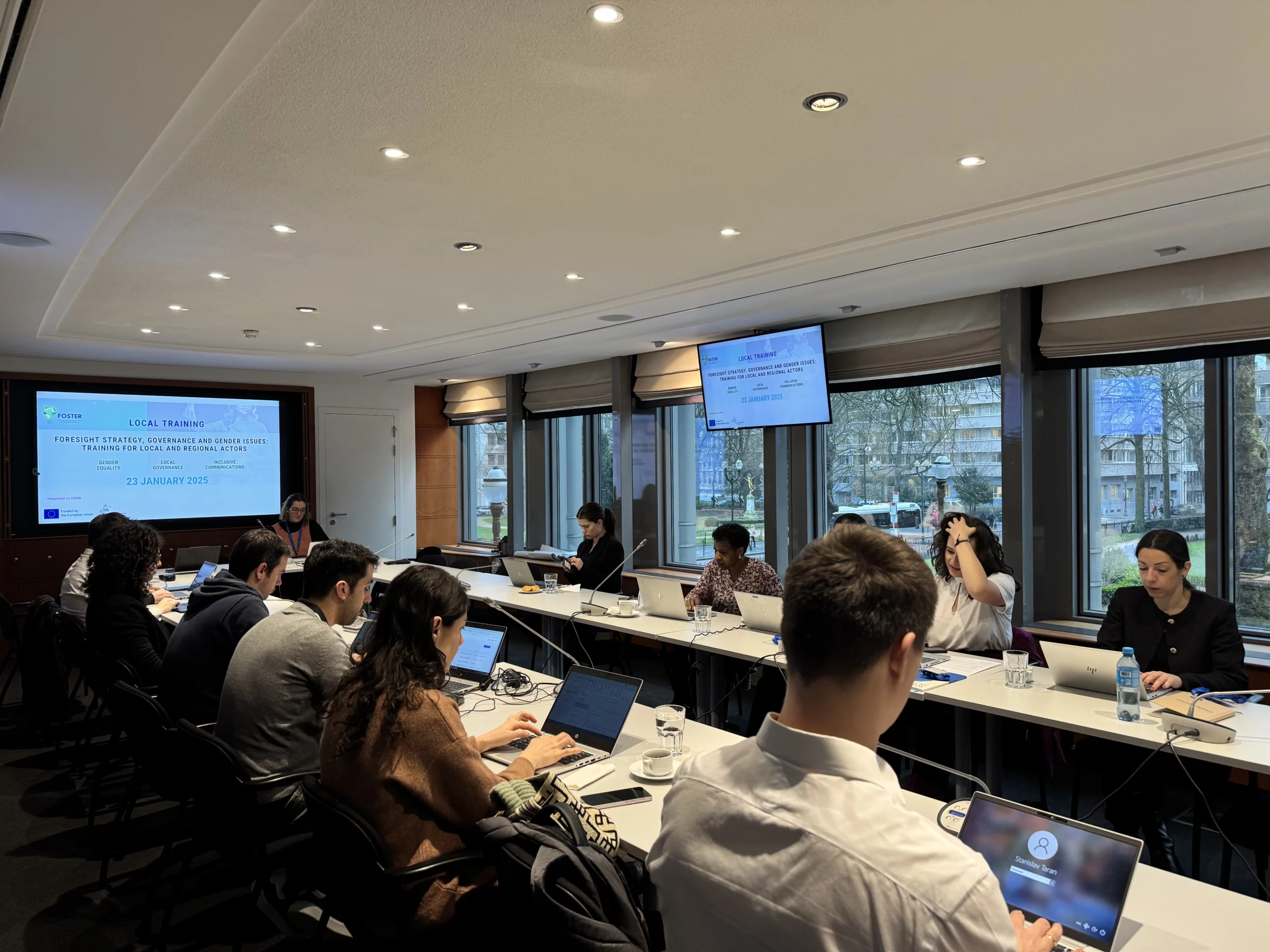
The FOSTER project aims to contribute to the development of governance frameworks that can effectively and inclusively address future environmental challenges at the local level, by fostering strategic foresight and preventative local management of climate change-related phenomena. It is a two-year project funded by the CERV – Citizens Equality Rights and Values programme of the European Union

Reflections on the Pact for the Future

European Union - News


Local & Regional Governments are in, but still far from where they should be


The inclusion of Local and Regional Governments (LRGs) in the recently adopted Pact for the Future, particularly in Article 83, represents a significant milestone. This article acknowledges their crucial role and calls on the UN Secretary-General to offer recommendations on engaging with local and regional authorities to advance the 2030 Agenda, especially by localising the Sustainable Development Goals (SDGs).

However, this achievement is only the beginning. Realising the full potential of LRGs in global governance requires continued effort. Below are five key takeaways that reflect the pact’s impact on the local leadership community.

Cities and Local Governments on the Global Stage

The adoption of this text reflects widespread recognition of the vital role cities and local governments play in building a sustainable future. The conversation has shifted from questioning their relevance to focusing on collaboration to drive progress across all levels. This shift is crucial for advancing the 2030 Agenda and promoting sustainable development for all.

The Growing Movement for Local Governance

Engagement with the UN Secretary-General and other key stakeholders highlights the increasing momentum behind the movement advocating for LRGs’ unique role. Unlike civil society organisations, local governments have distinct mandates and constituencies, making their contributions essential for shaping a sustainable future.

The Global Task Force Model: A Proven Approach

Global challenges—whether securing peace, reducing inequalities, addressing water scarcity, or reforming food systems—require coordinated action across all levels of government. The Global Task Force of LRGs has proven effective in uniting agendas and coordinating advocacy on issues that transcend borders and jurisdictions.

Recognition is Progressing, But Still Limited

While LRGs’ inclusion in the text is a positive step, their role remains largely focused on implementing SDGs. It is essential that local and regional governments are recognised not only as implementers but also as full partners in shaping policies that affect the future of our communities.

Challenges to Local Democracy

There are growing concerns about the future of local democracy, as autocratic regimes and centralising reforms threaten the autonomy of local governments. Reduced powers and budget cuts jeopardise the sustainability of local democracy. Although the current UN Secretary-General supports local governance, the post-2025 landscape remains uncertain, posing risks to local self-government.

What to watch

While the Pact for the Future marks a crucial milestone, much work is still needed to achieve full recognition and empowerment of LRGs. Now is the time to press forward, ensuring our voices continue to shape global and national agendas for the future of our communities.

Europe engagement in localising SDGs

Localising SDGs study - News

European Mayors strengthening their engagement at UN High-Level Political Forum


A delegation of European Mayors and councillors is heading to New York to defend the key role of local and regional governments in United Nations intergovernmental bodies during the upcoming High-Level Political Forum (HLPF) (8-17 July).

This year, HLPF will focus on “Reinforcing the 2030 Agenda and eradicating poverty in times of multiple crises” and is held under the auspices of the Economic and Social Council.

Once again, European Mayors and councillors will make they voice heard and present how the local level can deliver sustainable, resilient and innovative solutions.

Among them are:

  • Véronique Bertholle, Vice Mayor on European and International Relations, City of Strasbourg (France), PLATFORMA spokesperson
  • Francine Farrugia, Local Councillor in the locality of Siggiewi (Malta), member of CEMR-PLATFORMA Young Elected Officials Committee
  • Clare Hart, Vice-President Montpellier Métropole, President of Crisis and Rehabilitation Group, Cités Unies France
  • Gail Macgregor, Leader of Dumfries and Galloway Council, Scotland, UK (COSLA), Spokesperson for Environment and Economy, CEMR Spokesperson on SDGs
  • Nicole Unterseh, Mayor City of Bonn (Germany), Deutscher Städtetag

Mayors and councillors will actively participate in several meetings, including the Local2030 Coalition Special Event “Unlocking transformative change through the localisation of the six SDG transitions” on 10 June, during which Francine Farrugia will officially present the CEMR-PLATFORMA 2024 annual study on SDGs.

This year, the study European Territories Localise the SDGs – The time for impact is running out gathers 46 responses from associations of local and regional governments, representing 31 European countries.

In the Foreword, Tengiz Mtvarelishvili, Chair of Telavi City Council in Georgia, and PLATFORMA Spokesperson, warns about delays in implementing the 17 Sustainable Development Goals (SDGs). “But there’s hope: local and regional governments are on the front lines, closest to citizens, and uniquely positioned to find tailored solutions”, he says.

Eva Baños de Guisasola, PLATFORMA Advisor on SDGs, Global Agendas and Climate, and Federica Bordelot, CEMR Director of Policy and Impact, will moderate several sessions.

To strengthen the voice of local and regional governments, PLATFORMA and CEMR are joining forces with the Global Task Force of Local and Regional Governments (GTF) led by UCLG.

This year, HLPF will be followed by the UN Summit of the Future, also in New York on 22-23 September, where local and regional governments will gather during an Action weekend ahead of the meeting.

Discover the study:

Check the agenda of the Global Task Force of Local and Regional Governments (GTF)

For more information, contact:

Climate Neutrality at Stake

Climate neutrality - News 2024

Climate Neutrality at Stake: Why Local Governments Must Lead in Decarbonising Heating and Cooling


Decarbonising cooling and heating is a climate imperative. Heating represents 80% of European households’ final energy use, with more than half of heat generation still relying on fossil fuels. This significant dependency on non-renewable energy sources poses a substantial challenge in achieving climate neutrality.

As buildings account for around 40% of the EU’s energy use, there is a vast potential for enhancing energy efficiency and integrating renewables in the energy mix through local solutions. The recent European Sustainable Energy Week (EUSEW) organised by the Covenant of Mayors, the European Energy Award, and the Smart Cities Marketplace, explored the role of Local and Regional Governments (LRGs) can play in this sector by promoting decentralised cooperation and efficient heating and cooling plans.

Local and Regional Governments leading Europe’s heating transition
Subnational governments are responsible for two-thirds of climate and energy policies, accounting for 58% of public climate-significant expenditures in Europe*. When it comes to heating and cooling policies, LRGs hold 89% of both decision-making and implementation responsibilities. This makes LRGs crucial enablers of the cooling and heating transition schemes. The challenges they face is ensuring energy efficiency in buildings while providing renewable heating and cooling through various technologies.

The case of Karlsruhe County
Dr. Schnaudigel, who is also the President of the County of Karlsruhe presented the solution found by his region at the EUSEW Conference.  The 32 municipalities of Karlsruhe cooperated to map the needs – present and potential – of the county and put in common their knowledge to find the most cost-efficient solution for Karlsruhe cooling and heating plans.  This allowed even small municipalities to become energy independent, by leveraging geothermal energy. This scheme granted Karlsruhe recognition as Gold District by the Energy Award Prize.

Addressing Municipal Challenges and Financial Constraints
Still, significant challenges remain. There is a constrained fiscal capacity to mitigate systemic crises, whether they are related to climate change or not.  Additionally, even though renewable energy is cheaper than fossil fuels, and the green heating and cooling districts have lower operational costs, they still require substantial upfront investments. For these reasons, Dr. Schnaudigel emphasised the need for national and European policymakers to support LRGs by providing financial resources through guarantee programs, direct funding lines, or investment-friendly fiscal rules. Without such support, individual solutions may prevail over sustainable, collective approaches, potentially exacerbating social and political inequalities.

Decarbonising Local Cooling and Heating under the Urban Agenda for the EU and the Covenant of Mayors
At the conclusion of the conference, the Covenant of Mayors launched the Cities Heat Detox initiative, which aims to detoxify urban heat sources to achieve climate benefits, cleaner air, and create new green jobs. This initiative emphasises the role of social policies in ensuring equitable transitions, with a particular focus on addressing the rural-urban divide. CEMR will participate in this initiative by promoting regional collaboration and advocating for supportive financial frameworks.


* ENG: https://ccre-cemr.org/wp-content/uploads/2024/04/NECP_Report_CEMR_2023.pd

* FR: https://ccre-cemr.org/wp-content/uploads/2024/04/NECP_Report_CEMR_FR_2023.pdf

Adoption of the nature restoration law

Green City - News Section

Cities and regions urge swift adoption of EU Nature Restoration Law to combat climate and biodiversity crises


As Europe faces intensifying environmental challenges, from biodiversity loss to climate-driven heatwaves and pollution, cities and regions are stepping up their call for action. Partners of the Urban Agenda for the EU Partnership on Greening Cities, including many local and regional governments, have issued a joint letter urging EU Member States to swiftly adopt the long-delayed Nature Restoration Law. 

Local authorities are often at the frontline of environmental crises. With over 70% of Europeans living in urban areas, the need to restore green spaces is not only a climate priority but also a public health and quality-of-life imperative. The proposed law would provide a long-awaited framework to strengthen biodiversity, adapt cities to rising temperatures, and support sustainable land use. 

Delays in the law’s adoption not only undermine urgent environmental action but also threaten democratic trust in EU decision-making. A provisional agreement between the European Parliament and Council was reached months ago, and failure to finalise it now would send the wrong signal, both to EU citizens and the global community. 

CEMR and its partner’s stress: restoring nature is not optional. It is essential! Local governments stand ready to deliver, but they need the political will at the EU level to match their ambition. 

For more information, contact: 

CEMR Green Day

Insights from CEMR Green Day 2024: What will the future green transition look like in European municipalities and regions?


CEMR Green Day 2024 provided a platform for policymakers, experts, and stakeholders to delve into the future of the green transition within the EU and beyond. Held on April 10th, this event fostered a dynamic exchange of strategies, challenges, and opportunities for driving climate action at the local and regional levels.

Tadashi Matsumoto, Head of the National Urban Policy and Climate Resilience Unit at OECD, presented the report “A Territorial Approach to Climate Action and Resilience.” Matsumoto emphasised the need for a coherent territorial approach to enhance climate resilience and bridge regional disparities. He introduced the TACAR policy framework, aimed at prioritizing climate policies at the local level and enabling more effective climate action. The framework’s applicability was illustrated through examples from Bratislava and New York State.

The panel discussion featured insights from diverse stakeholders, including Michaël Quernez, Mayor of Quimperlé; Patrick Princen, First Alderman of Mechelen; Pedro Dias, Policy Director at Solar Heat Europe; and Lucian Pârvulescu from the European Commission’s European Green Deal Unit.

Quernez emphasized the importance of EU funds for supporting local transitions, while Princen shared Mechelen’s successful climate resilience initiatives. Dias stressed the need for empowering LRGs in energy policy, and Pârvulescu outlined the EC’s commitment to supporting local initiatives.

The discussion highlighted the importance of empowering LRGs, engaging citizens in climate action, adopting a territorial approach to address regional disparities, and enhancing dialogue between national and local levels.

“We need to ensure that local governments are actively involved in planning, decision-making, and implementation processes to guarantee the effectiveness of sustainability measures” concluded Marianne Overton, CEMR spokesperson for Climate.

In the second part of the meeting, CEMR experts discussed water resilience and 2040 climate targets. We also discussed CEMR’s forthcoming study on the challenges of the implementation of the green agenda to be published in autumn.