Lessons learned from the project FOSTER on climate

Climate - News

Climate change impact mitigation: what about the role of participatory democracy? Lessons from the FOSTER Project 


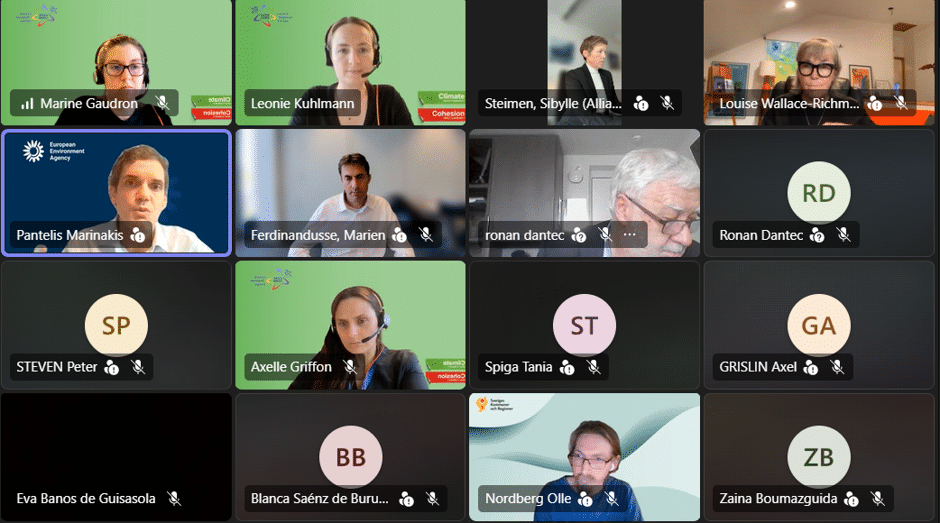
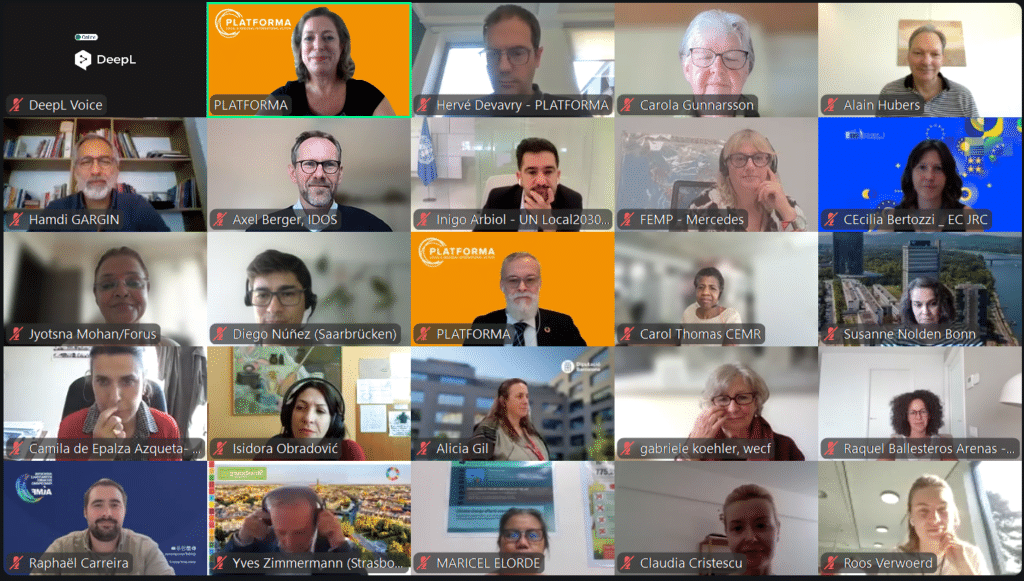
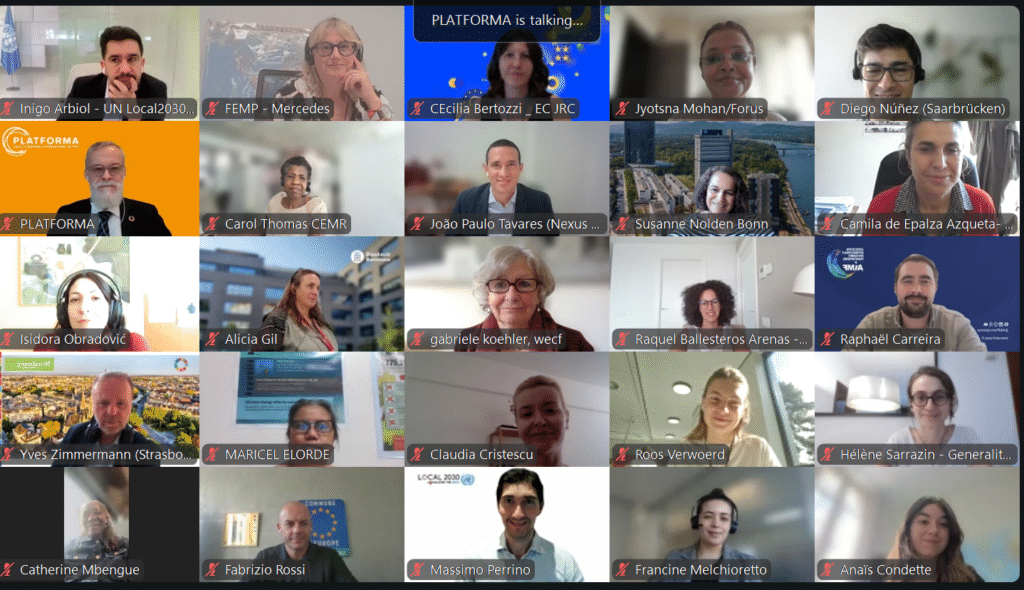
On 9 June 2026, the FOSTER project brought together policymakers, researchers, civil society organisations and citizens from across Europe for an online conference to answer the following question: how can local communities become more resilient to the long-term impacts of climate change through democratic participation? 

Hosted by the partner Foster Europe Foundation, the event offered a unique opportunity to showcase the results achieved throughout the project while fostering a broader discussion on the role of participatory democracy, strategic foresight and collaborative governance in addressing climate-related challenges.

A central part of the event was dedicated to the presentation of the local pathways developed by FOSTER partners: Association of Romanian Municipalities (Romania), Comparative Research Network – CRN (Germany), Foster Europe (Austria),  IASIS (Greece), Istituto per la Ricerca Sociale – IRS (Italy),  NOTUS (Spain), Union of Bulgarian Black Sea Local Authorities – UBBSLA (Bulgaria), with the support of ALDA and CEMR.

Participants had the opportunity to explore the case studies, exchange perspectives and reflect on the lessons learned in the project. The presentations demonstrated how strategic foresight can become a powerful tool for communities to anticipate future challenges and transform them into opportunities for collective action and highlighted both the potential and the challenges of participatory climate governance.

Despite the diversity of local contexts, several common challenges emerged from the case studies. Participants highlighted the increasing vulnerability of urban areas to extreme weather events, the unequal distribution of green infrastructure, the need to protect and regenerate public spaces, and the importance of ensuring that climate adaptation measures also address social inclusion and quality of life.

Strategic foresight as a key tool for engaging with local stakeholders

The FOSTER local pathways demonstrated how participatory foresight can help communities move beyond short-term responses and engage in long-term thinking. Through workshops, scenario-building exercises and co-design activities, citizens, civil society organisations and local authorities worked together to identify future risks and develop locally grounded solutions. These ranged from urban greening interventions and climate-resilient public spaces to sustainable housing strategies, stronger governance mechanisms and new forms of civic participation.

The project also highlighted the importance of building trust between citizens and public institutions. Involving municipal representatives directly in the participatory process helped create constructive dialogue and increased the legitimacy of the proposed solutions. At the same time, participants recognised that maintaining engagement over time remains a challenge. Project’s partners highlighted the phenomenon of “participation fatigue”. Discussions confirmed that citizens are willing to engage in climate-related decision-making when they can clearly understand the purpose of the process and when their contributions are translated into concrete actions.

Another key lesson emerging from the conference and the project was that participatory processes alone are not sufficient. Long-term impact requires institutional commitment, supportive legal frameworks, coordination among stakeholders, and mechanisms that ensure the implementation of the solutions developed collaboratively. As several speakers noted, participation is most effective when it becomes an integral part of governance rather than an isolated project activity.

Together, these contributions reinforced one of the key messages emerging from the FOSTER project: addressing climate change requires governance models that combine long-term thinking, community participation and cross-sector collaboration. Resilient communities are built through inclusive decision-making processes that empower citizens to actively anticipate and shape their futures while co-creating practical and inclusive responses.

Recordings from the Conference:

For more information, contact:

Local Alliance calls to put cities at the heart of Europe’s climate plans

Local Alliance news

Local Alliance calls for a governance overhaul to put cities at the heart of Europe’s climate plans

408 words
2–3 minutes

In a new position paper, the Local Alliance – a coalition of CEMR, ACR+, Climate Alliance, Energy Cities, Eurocities, FEDARENE, ICLEI Europe, and POLIS – calls on the EU to seize the revision of the Governance Regulation to make National Energy and Climate Plans (NECP) truly implementable, investable, and grounded in local realities. 

Cities, towns and regions across Europe are already acting — renovating buildings, deploying renewables, transforming mobility systems. Yet the EU’s climate planning framework has not caught up. National Energy and Climate Plans (NECPs) continue to be drafted largely without the involvement of the local and regional governments that will ultimately deliver them. 

The revision of the Governance Regulation, expected from the European Commission in the last quarter of 2026, is therefore a critical opportunity — one the Local Alliance is determined not to miss. 

A structural disconnect 

A wealth of local data, investment pipelines and climate plans already exists across Europe — from Sustainable Energy and Climate Action Plans to Climate City Contracts and local heating strategies. Yet this territorial knowledge rarely feeds into NECPs, creating duplication, fragmentation and missed investment opportunities.  

Meanwhile, the multi-level dialogues already required under Article 11 of the current Regulation have largely remained disconnected from real implementation decisions or remained tick-the-box level only. 

The result is a dangerous two-speed dynamic: high ambition at European and national levels, too little attention to what happens on the ground. 

The Local Alliance’s answer: connect what already exists 

The position paper calls for the revised Regulation to be built around four mutually reinforcing elements:  

  1. a permanent multi-level dialogue platform in each Member State to align all levels of government around NECP preparation and monitoring, taking into account national governance structures and needs;  
  1. a territorial chapter in each NECP drawing on existing local plans to show where and how national objectives will be delivered;  
  1. territorially informed sectoral pathways linking national targets across buildings, transport, heating, renewable energy, and circular economy with the local realities that determine whether delivery is actually possible; 
  1. and investment strategies that take account of local investment and capacity needs. 

This is not a call for more bureaucracy. It is a call to make what already exists work together — reducing consultation fatigue, cutting administrative duplication, and turning NECPs from reporting exercises into genuine frameworks for implementation and investment. 

Read the full position paper here

For more information, contact:

Our reaction to the Urban Wastewater Treatment directive 

Water management news 2026

CEMR warns EU Parliament’s move risks weakening the Polluter Pays Principle and undermining investments by local and regional governments and wastewater operators


Following todays European Parliament vote on a motion for resolution calling for a “stop the clock” on the implementation of the revised Urban Wastewater Treatment Directive (UWWTD), the Council of European Municipalities and Regions (CEMR) regrets the adoption of amendments calling on the European Commission to consider suspending the implementation of the Extended Producer Responsibility (EPR) and quaternary treatment obligations*. CEMR finds the resolution to be contradictory to all the efforts that are currently being undertaken by local and regional governments, and wastewater operators, which include optimising the machinery to meet the requirements of the revised Directive. 

According to Andrea Carli, CEMR spokesperson for the environment and Regional Councillor of Friuli Venezia Giulia “we are deeply concerned with the outcome of today’s plenary vote. We are standing with Europe’s local and regional governments and wastewater operators that have already been preparing the investments needed to implement the revised Urban Wastewater Treatment Directive.  What they need now is a clear commitment that the agreed implementation timeline will be respected.” 

The polluter pays principle, which states that those responsible for causing pollution should bear the costs of managing it and repairing the damage caused, is one of the cornerstones of EU environmental policy. Any suggestion that the implementation of EPR could be suspended risks undermining investor confidence. The revised Directive reached a carefully negotiated balance between protecting public health, safeguarding the environment, and ensuring that those responsible for pollution contribute to the costs of its removal. 

CEMR recognises the legitimate need to monitor the impact of the Directive on the availability of critical and generic medicines. However, it strongly believes these concerns should be addressed through the monitoring and flexibility mechanisms already provided for in the legislation.   

Therefore, CEMR calls the Commission to maintain the agreed implementation timeline and provide the legal certainty that local and regional governments, and wastewater operators need to invest in quaternary treatment. As Member States will likely start preparing next year their National and Regional Partnership Plans (NRPPs) under the next EU budget, delaying implementation could result in wastewater infrastructure investments being deprioritised or excluded from future funding plans.  

In a letter written last year to Commission President Ursula von der Leyen, CEMR and 11 other European organisations representing local and regional governments, public utilities, environmental NGOs, trade unions, and water professionals urged the Commission to firmly uphold the EPR scheme introduced by the revised UWWTD, which entered into force on 1 January 2025. 

*The quaternary treatment is the additional treatment step for removing micropollutants from urban wastewater, which is now an obligation introduced in the last revision of the UWWTD. EPR is the scheme that makes the contributor (pharmaceutical and cosmetic industry), cover at least 80% of the related treatment costs. 

Read more about CEMR‘s advocacy on the UWWTD implementation:  https://ccre-cemr.org/impact-community-climate/water/protecting-europes-water-future 

For more information, contact:

Climate Chance Summit 2026

Climate Chance Summit 2026

Cities and regions must lead Europe’s climate adaptation 


CEMR participated on 3 and 4 of June in the Climate Chance Europe Summit 2026 organised in Brussels by The Climate Chance association. The two-day event brought together local and regional leaders, European institutions, businesses, NGOs and civil society networks around a shared theme: climate adaptation as a lever for resilience and prosperity in Europe.  

The message shared by the Council of European Municipalities and Regions (CEMR) was that towns, cities and regions must be recognised as strategic partners in designing Europe’s climate response, not merely as implementers on the ground.  

The summit echoes the key messages of CEMR’s position paper “Adapting Together – A territorial approach to resilience and risk management”, published in February 2026. In this position paper, CEMR makes a case for a territorial approach to climate resilience, grounded in multi-level governance. A fundamental gap is highlighted: local and regional governments already implement most adaptation measures, yet their role remains insufficiently recognised and supported in EU and national frameworks.  

To close this gap, CEMR continues to flag six priorities:  

  1. Empowering local and regional governments with clear mandates and flexibility to act 
  1. Strengthening local capacity through better access to data and peer learning 
  1. Securing predictable and accessible funding for adaptation investments 
  1. Improving preparedness and disaster risk management 
  1. Restoring ecosystems and scaling nature-based solutions 
  1. Ensuring water resilience through integrated, locally driven water management 

The summit organised by Climate Chance came at a critical political moment. The European Commission is currently developing a new integrated framework for European Climate Resilience and Risk Management, expected to be adopted in the second half of 2026.  

Ronan Dantec, CEMR Spokesperson for Climate: “Climate adaptation will only succeed if local and regional governments are recognised as full partners in the future resilience framework. Territories need a common trajectory, the tools to understand their vulnerabilities and the long-term funding to turn resilience into reality.” 

Discussions at the summit on multi-level governance, funding adaptation and resilience at local level, technical support for LRG to prepare risk management strategies and investments, and solidarity mechanisms all reinforced what our position paper argues: coherent and effective climate action requires local and regional governments at the table from the very beginning — in the design, financing and monitoring of policy, not just its delivery. 

The summit closed with the adoption of the Brussels Declaration of European Non-State Actors on Climate Change Adaptation, signed by a wide range of local government networks, economic actors networks, and NGOs, including: Eurocities, FEDARENE and Association internationale des maires francophones (AIMF). 

It commits all signatories to playing an active role in shaping Europe’s climate resilience policies and calls for adaptation to be built into every level of decision-making, from EU policy down to local plans. 

CEMR will continue to push this message forward in the lead-up to the adoption of the EU framework by the end of the year. Europe’s resilience starts in its territories. 

Connie Heedegard, Chair of the Climate Adaptation Mission and former Commissioner for Climate Action: “Adaptation is crucial for resilience, but it is also key for citizens safety. The EU Adaptation Mission has laid the foundations; now is the time to harvest the fruits and scale up implementation.” 

Read our position paper Adapting Together – A territorial approach to resilience and risk management  

For more information, contact:

New MFF: EU funding and water 

Climate - Water management

Webinar report: EU funding opportunities for water resilience in local governments


How can towns, cities and regions secure the investments needed to strengthen water resilience in the face of climate change, ageing infrastructure and growing regulatory requirements?

On 13 May 2026, CEMR and Aqua Publica Europea (APE) hosted a webinar bringing together representatives from the European Commission, the European Investment Bank (EIB), local and regional governments, and public water operators to discuss EU funding opportunities for water resilience.

The discussions highlighted both the opportunities available under the current EU budget and the challenges that local and regional governments may face under the future Multiannual Financial Framework (MFF). The key messages and recommendations from the event are now available in a new webinar report jointly published by CEMR and APE.

Water resilience starts locally

Opening the webinar, Andrea Carli, CEMR spokesperson for Environment and Regional Councillor of Friuli Venezia Giulia, highlighted the growing pressures facing towns, cities and regions across Europe. From droughts and water scarcity to flooding, local and regional governments are increasingly at the forefront of climate adaptation while also facing rising investment needs.

For CEMR, this reinforces the need for strong governance frameworks, technical support and sufficient financial resources to ensure sustainable and affordable water services for all communities.

Financing remains the key challenge

A central message emerging from the discussions is clear: financing remains the main barrier to achieving Europe’s water policy objectives.

APE and CEMR highlight the significant investment gap identified by the European Commission, while also pointing to governance and capacity challenges that can limit access to available funding. Although water resilience has been recognised as a priority area in the mid-term review of cohesion policy, many local and regional governments and water operators continue to struggle to secure the resources needed for critical investments.

Looking ahead to the next MFF

With negotiations on the next Multiannual Financial Framework (MFF) underway, the webinar explored how the proposed future funding architecture could affect water investments.

While the new National and Regional Partnership Plans (NRPP) may offer greater flexibility, they also raise important questions about the involvement of local and regional governments in setting investment priorities. CEMR continues to advocate for a strong cohesion policy and meaningful participation of towns, cities and regions in shaping and implementing the future EU budget.

New opportunities through the EIB

During the webinar, participants also heard about EIB’s growing role in supporting water investments, including the forthcoming Sustainable Water Advisory Facility. The initiative aims to help local and regional governments and water operators access financing and advisory support more easily, strengthening the preparation and delivery of water projects across Europe.

As discussions on the future EU budget continue, achieving Europe’s water resilience objectives will require long-term investment, strong local governance and a central role for towns, cities and regions.

Read the webinar report to discover the main conclusions from the discussion, the latest funding opportunities, policy developments and recommendations for local and regional governments.

Read the article on APE´s website here: APE and CEMR host webinar on EU funding opportunities for Water Resilience | Aqua Publica Europea

 Check the presentations used during the event:

For more information, contact:

Leaders’ Summit in Rovaniemi

CEMR Leaders Summit 2026 - Rovaniemi

CEMR local leaders adopt a political declaration calling for cohesion, competitiveness and global partnerships at the heart of the next EU budget 


Gathered at the CEMR Leaders’ Summit in Rovaniemi, around 150 local leaders call on EU Heads of State to include the European Parliament’s EU budget recommendations on multilevel governance, territorial delivery and predictable funding into their negotiations with the Council 


Over 150 local leaders from 29 countries across Europe gathered in Rovaniemi, Finland, for the Council of European Municipalities and Regions (CEMR) Leaders’ Summit, engaging in timely discussions on key European priorities. 

A political declaration at a pivotal moment 

One of the Summit’s main outcomes was the adoption of a political declaration signed by 55 local leaders who are calling on EU Heads of State to incorporate the European Parliament’s key recommendations on the next EU budget (2028-2034) into their negotiations in the European Council. Adopted during the CEMR Leaders’ Summit in Rovaniemi, the declaration comes at a crucial stage in the interinstitutional discussion on the upcoming Multiannual Financial Framework (MFF). 

By endorsing this declaration in support of an EU budget that works for every territory, CEMR members urge that cohesion, competitiveness and global partnerships remain at the core of the next long-term EU budget. Addressed to national leaders, the declaration advocates for a place-based, predictable budget grounded in genuine multilevel governance

The declaration follows the European Parliament’s adoption of its interim report on the 2028–2034 EU budget on its plenary meeting of 28 April 2026, in which the Parliament set out its political priorities and will be the basis of negotiations with the Council.   

Given that the Member States will finalise their position at the Council meeting to be held on 18 and 19 June, CEMR calls on them to take into consideration the position and proposals put forward by the European Parliament towards an EU budget that delivers competitiveness, cohesion, and trust across all territories. 

Christoph Schnaudigel, CEMR president, stated that: The next EU budget must work for every territory in Europe. Cities and regions are where European policy meets real life — where floods are managed, where people need cooling centres, where businesses invest or leave. Europe’s competitiveness and resilience will only be as strong as its weakest territory. The time to act is now”. 

Local leaders attending the CEMR Leaders’ Summit also had the opportunity to exchange views on the interinstitutional negotiations on the next MFF with the Member of the European Parliament, Vice-chair of the EU Budget Committee, Giuseppe Lupo. During the discussion, Luppo stated that “we are asking for the Council’s official position, therefore it is extremely important to develop any initiative in order to convince member states to accept the European Parliament proposal.” 

Local and regional governments: strengthening resilience through foresight and preparedness 

The Summit also provided a platform to discuss how local and regional governments can better use foresight and preparedness to anticipate and mitigate the impacts of crises and emergencies. 

As the host country, Finland—internationally recognised as a global leader in crisis preparedness and long-term strategic foresight—offered valuable insights. Participants explored how democratic institutions at all levels must evolve to govern effectively in an era marked by uncertainty and disruption. 

Katri Kulmuni, Former Deputy Prime Minister of Finland and the northernmost Member of the European Parliament, stated that “preparedness is a broader way of living. It is not a cost but an investment, and it will only work if the local communities are involved.”   

The political discussion included voices from across the continent, from north to south. 

Director of Technical Service of the City of Rovaniemi, Pertti Onkalo, expressed that “across Europe, cities and regions face similar challenges, even though each has its own unique characteristics. By sharing lessons learned, we can ensure that no one has to reinvent the wheel”. He also added that “these days the importance of preparedness is increasingly recognised; but preparedness must be built before a crisis, not during it.” 

This is what Elisabeth Unell, the mayor of Västerås in Sweden, stated: “Building preparedness means practising different scenarios and preparing together. We need stronger coordination and experience sharing among local governments across Europe.” 

“Preparedness and foresight are getting more into our DNA, especially in the western part of Europe. When there is a crisis, the most vital thing is the structure. But it is not always the government that can instantly help. It is also important to invest in the local governments.“ Ap Reinders, the Mayor of Stichtse Vecht. 

The Mayor of Estarreja (Portugal), Isabel Simoes Pinto, argued that “for citizens, preparedness cannot be an abstract concept. It needs to come from the confidence of the local leaders. We must transform preparedness into a normal dimension of governance, a daily aspect of life.” – Mayor of Estarreja (Portugal), Isabel Simoes Pinto 

Christoph Schnaudigel appointed CEMR President 

During the Summit, the CEMR Policy Committee appointed Christoph Schaudigel as the new President of the organisation, following the resignation of Gunn Marit Helgesen after her election as President of the Congress of Local and Regional Authorities (CLRAE).  

CEMR local leaders also decided that Gunn Marit Helgesen will continue to serve as CEMR Co-President alongside Philippe Laurent and Vince Maple. 

In his initial speech, Christoph Schnaudigel stated: “I am honoured to take on the role of President of CEMR at such a crucial moment for Europe’s towns, cities and regions. As the negotiations on the next EU budget unfold, and as our values and local democracy are increasingly challenged in a turbulent geopolitical context, our unity matters more than ever. I look forward to working even more closely with all our members to ensure that local voices are heard and involved in the European process of decision-making. This also includes strengthening CEMR’s commitment to international partnerships to uphold peace, democracy, sustainability and solidarity.” 

Christoph Schnaudigel is the President of the German Section of CEMR (RGRE) and the President of the County of Karlsruhe (Germany). He has been an active member of CEMR’s leadership since 2017, when he became the Spokesperson on Public Services. 

Marking CEMR’s 75th anniversary 

The Rovaniemi Summit built on CEMR’s 75-year legacy of supporting towns, cities and regions through major transformations—from post-war reconstruction to today’s climate and social transitions. 

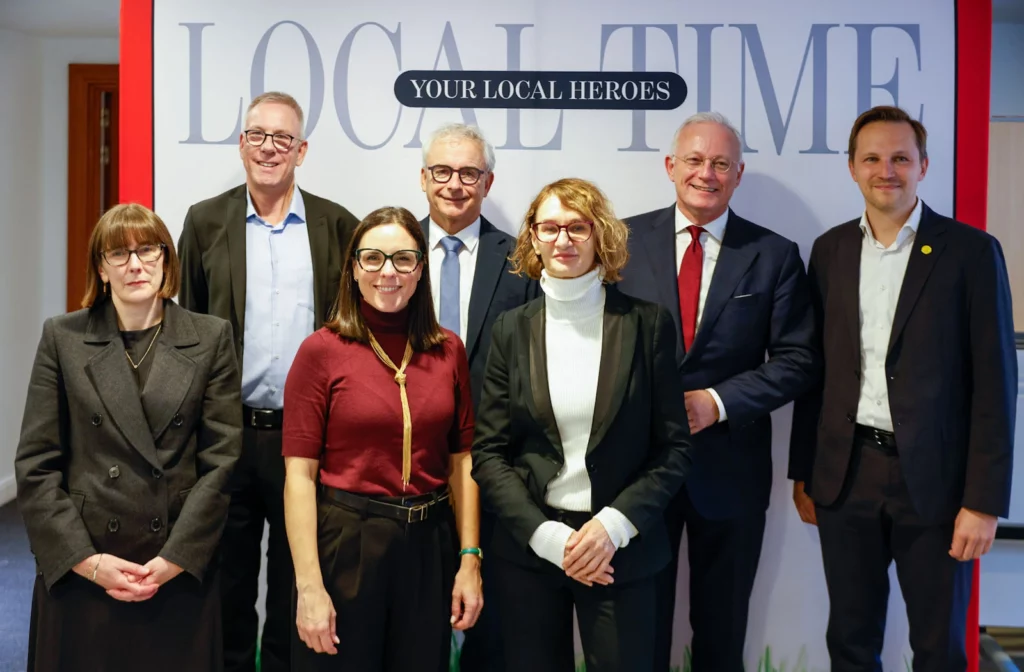
Local leaders celebrated this milestone with the launch of a new CEMR video presentation, as well as a series of interviews titled “Voices of our 75-year history.” A photobooth featuring a “Local Time” newspaper, showcasing “Our local leaders” as protagonists, also formed part of the celebrations. 

The CEMR Leaders’ Summit in Rovaniemi was hosted by the city of Rovaniemi and the Association of Finnish Cities and Municipalities (Kuntaliitto). 

For more information, contact:

Municipal energy solutions

Municipalities demonstrate the value of locally powered homegrown energy


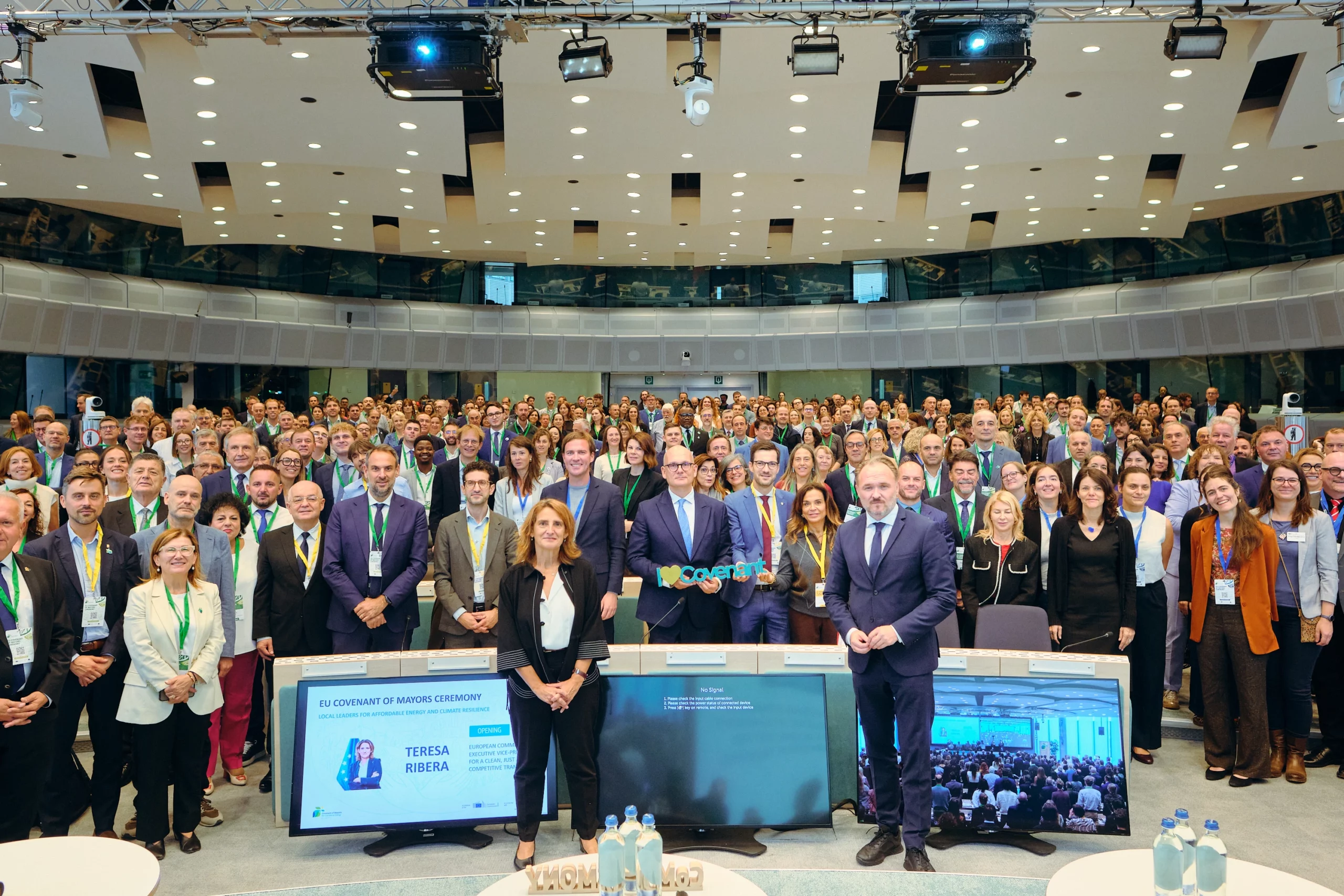
In a time of geopolitical uncertainty, municipalities are key to Europe’s energy independence by advancing local renewables with communities. The EU Covenant of Mayors is mobilising local leaders to scale community energy and keep benefits local. 

Over the past five years, geopolitical conflicts have twice driven up energy prices for Europeans, exposing Europe’s fossil fuel dependence and vulnerability. European Commission President Ursula von der Leyen has warned that the recent war in Iran is costing the EU 500 million euros per day. As oil and gas prices climb, households and businesses across Europe feel the consequences.

The answer is becoming increasingly clear for Europe: producing more renewable energy at home.

This vision is clearly outlined in the European Commission’s recently released AccelerateEU communication, responding to the EU’s rising energy costs on volatile fossil fuel markets and aims to accelerate the clean energy transition and strengthen our energy resilience, one of its pillars being ‘more homegrown energy’.

But this transformation will not happen only at national level. It will also be built locally – in cities, towns, and villages across Europe – where local authorities can work with local communities to build Europe’s homegrown energy future from the ground up.

The local dimension of homegrown energy

Local governments are uniquely placed to turn nearby resources like sun, wind, and water into affordable, reliable power for their communities.

Homegrown energy protects residents from global price shocks by reducing dependence on imported fossil fuels. It strengthens energy security, giving communities more control over supply. It also helps municipalities meet climate goals faster, bringing everyone along in the journey, while keeping the economic value of the energy transition within the local economy.

That means lower and more stable bills, new jobs, and stronger public trust in the transition.

Across Europe, municipalities are dedicated to advancing homegrown energy, using a wide array of tools, as demonstrated by EU Covenant of Mayors signatories.

Community energy: homegrown and powered by us

One of the most effective tools local governments have for this is community energy – where citizens, municipalities, and local businesses produce, co-own, and manage renewable energy together. Community energy is homegrown energy in its purest form. It gives people ownership over their energy future, stable pricing, and a direct share in the benefits.

Recognised in the European Commission’s Citizen Energy Package, more than 8,000 energy communities already exist across Europe. Their potential is enormous: by 2030, they could scale tenfold and help supply 25 to 30 million households.

Community energy projects are often carried by citizens, but municipalities can also get involved, help drive the project and at times even lead it. When they do, the impacts tend to be broader and more far-reaching, helping these communities reach their full potential.

Across Europe, local governments of all shapes and sizes – from urban cities and towns to rural villages – are showing how municipal leadership makes community energy stronger.

How municipalities can lead

The first and simplest way for a municipality to lead, is just by making it easier for those driving the project. Setting up an energy community comes with many legal and technical challenges. 

Municipalities can help by simplifying procedures, connect stakeholders, raise awareness, and provide technical guidance.

In Valencia, Spain, a network of local energy offices has helped create ten citizen-led energy communities since 2020 through sustained outreach, expert advice, and direct support for residents.

In Siena, Italy, local authorities supported the development of a local energy community by mapping suitable public spaces and helping to streamline administrative procedures. They also established a technical working group with academic and institutional partners to put in place a stable, non-profit governance structure, playing a key role in setting up the initiative and guiding its early development.

Second and a bit more advanced, municipalities can directly lend a hand and support those establishing the community.

They can unlock public assets, provide financing support, and offer practical resources that communities may lack.

In Heilbronn, Germany, the municipality rented public rooftops to cooperative EnerGeno in exchange for cheaper electricity. What began as a simple arrangement evolved into a long-term climate and energy partnership.

In the rural catalonian village of Bellpuig, Spain, the municipality made rooftops and public space available for solar installations and EV charging, while supporting the cooperative that now produces more than 490 MWh of renewable electricity each year.

To go even further, municipalities can directly get involved and directly lead community energy projects

For those wishing to go the extra mile, they can directly join energy communities and co-invest. When there is limited awareness and proactivity around community energy, municipalities can also themselves initiate and lead the project, setting the example.

In the rural Basque town of Ispaster, Spain, the municipality became a member of its local energy community, reinforcing trust and long-term commitment.  

In Križevci, Croatia, the municipality partnered with a local energy cooperative to launch a crowdfunding campaign for the development of solar power plants in the city centre and library. These campaigns for a solar roof project raised the required funds within days and showed a strong citizen interest in renewable energy.  

When local authorities participate directly, they send a strong signal that community energy is a shared priority.

Beyond community energy

Community energy is one of the strongest tools available, but it is not the only one. Municipalities can also promote homegrown power through strategic procurement, public-private partnerships, flexibility schemes with grid operators, digital energy management, building renovation, demand reduction, and neighbourhood micro-grids.

Valencia, for example, integrates social and green criteria into energy procurement, while Ispaster operates a hybrid microgrid supplying buildings and households with renewable heat and electricity backed by storage.

Meaningful leadership does not need to start large. It can begin with one school roof, one housing block, or one street.

Unlock your power with homegrown energy

Europe’s energy future does not need to be imported. It can be produced locally, owned collectively, and designed to serve communities first – homegrown and powered by us.

Municipalities are uniquely placed to lead this transition. The EU Covenant of Mayors is spotlighting all the ways in which local leadership is powering Europe’s clean, affordable and independent energy future. Follow to find out more.

Is your municipality doing something to promote homegrown energy? 

Join the movement – share your story.

For more information, contact:

Meet Fabien Pérez (Marseille)

Marseille city image

Meet the Local Hero: Fabien Pérez, building Marseille a climate-neutral city


Marseille’s path to climate neutrality

Marseille is in the middle of a major ecological transformation — one that began in 2020, when climate action was placed firmly at the centre of the local political agenda. This renewed momentum emerged at the same time as Europe was strengthening support for cities taking the lead on climate neutrality, creating the right moment for Marseille to accelerate its transition.

The city recognised that its challenges were multidimensional. Reducing greenhouse gas emissions, adapting to climate change or addressing energy poverty were among the urgent priorities. Local leaders understood that climate action could not be separated from social realities.

In February 2026, ahead of the French local elections, we interviewed Fabien Pérez, then Marseille’s councillor responsible for European Funds, to learn more about this experience.

Connecting local vision with European ambition

In 2022, Marseille was selected from 377 candidates to join the 100 cities part of the “EU Mission: Climate-neutral and smart cities”, a moment that Fabien Pérez describes as “the start of a new chapter in Marseille’s ecological transition”.

Two years later, in 2024, the city officially received the “100 climate-neutral cities” label after an evaluation by the European Commission. The distinction not only strengthens the city’s visibility at the European level but also provides access to technical expertise and dedicated funding to accelerate decarbonisation — crucial steps on the path towards Europe’s 2050 climate neutrality goal.

A collective process: building a shared Climate City Contract

One of the cornerstones of this transformation is Marseille’s Climate City Contract, drafted in collaboration with the Aix‑Marseille‑Provence Metropolis, the Region Sud and more than 250 private actors. As Pérez explains, “the Climate City Contract was prepared with citizens, enterprises, associations… a collective roadmap to decarbonise the territory by 2030”.

Behind this roadmap lies a political choice: to move away from a top‑down vision and instead build a shared strategy that tackles various topics such as mobility, building, renewable energy, circular economy and waste, nature in the city, urban agriculture, sea and coastline or education.

The elaboration of the contract also created a new sense of momentum across the territory — a desire to transform the city and accelerate the transition, matched with the need to secure and coordinate the necessary financial resources.

Climate action rooted in Marseille’s realities

Marseille’s ecological transition is shaped by the unique challenges of its territory. Like many European cities, road transport is a major source of emissions. But Marseille also faces additional pressure from industrial activities surrounding the city, emissions linked to air transport or food supply chains, and the geographical reality of being a major port.

Being part of the Mediterranean region also makes this city extremely vulnerable to the effects of climate change. As Pérez explains, Marseille regularly faces extreme weather events, soil fragility, and a coastline that is already evolving — and will continue to change in the coming years. These vulnerabilities have forced the local government to think long‑term and to get ready for tomorrow’s challenges.

Social urgency is another defining factor. Combating energy poverty has become not only an environmental priority but also a way to build social cohesion and support residents in tangible, meaningful ways. “The ecological transition must go hand in hand with social justice”, says Pérez.

From planning to action: relevant projects on the ground

The European label has already helped unlocking new funding for Marseille’s transition. Around €6 million are being invested in concrete, community-centred initiatives, including:

  • A neighbourhood outreach programme (€600,000), sending ambassadors into key districts to work directly with residents and companies on ecological initiatives.
  • Jet cities project, supporting changes in employment and skills caused by green transition (€1.5 million).
  • The “Poséidon” project (€400,000), promoting renewable energy, heat recovery systems and energy‑efficient renovation.
  • The PeriAsty project (€1.2 million), supporting the transition of Europe’s peri-urban areas towards climate-neutral, sustainable and resilient environments in areas such as mobility.
  • Additional support via the ELENA mechanism, helping finance large scale retrofits of public buildings and the expansion of renewable energy solutions.

These early projects illustrate how Marseille is moving from planning to delivery — and how European support can help local authorities turn long-term strategies into visible action.

Marseille also became a signatory of the EU Covenant of Mayors in 2021, an initiative in which CEMR is also involved. Through this initiative, the city has shared various of its case studies such as its plan for zero-euro electricity bills, its strategy to “refresh” public spaces, its heat strategy, and its transformative energy community strategy.

Under the umbrella of the Metropole Aix-Marseille-Provence, the city has been involved in the EU Missions Adaptation to Climate Change, another initiative in which CEMR is involved, with a budget of €999,000 budget for a project combining public and private partnerships to reduce CO₂ emissions.

A Mediterranean city that can inspire Europe

Marseille’s initiative in this field, combined with its geography and identity, makes it a compelling example for other European cities. As a major Mediterranean hub with diverse communities and a complex socio‑climatic landscape, it faces many of the shared challenges that cities across Europe are dealing with.

Fabien Perez - Local Hero Marseille

This is why Pérez emphasises the city’s wider relevance:

“Bring forward representative cities like Marseille, with a Mediterranean port, can inspire other cities in Europe to move towards carbon neutrality”.

Marseille is proving that climate neutrality is not only an environmental imperative, but also an opportunity to rethink governance, strengthen social cohesion and build a shared vision for the future. Its initiative shows how cities are already delivering results aligned with the global objectives of achieving the climate neutrality goal by 2050.

Marseille is a member of CEMR’s French association AFCCRE.

For more information, please contact:

Climate Academy for local leaders

Energy Behaviour Forum - image 1

Local leaders’ climate academy: co‑creating justice‑centred climate action 


On 25 and 26 March, CEMR, together with UCLG and PLATFORMA, hosted the Local Leaders’ Climate Academy, an online training and exchange space for local and regional leaders committed to advancing climate action rooted in justice, equality, and participation. 

Held under the title “Co‑Creating Climate Action: Justice‑Centred Leadership for Local and Regional Governments”, the Academy brought together elected officials, practitioners, youth representatives, and experts to explore how local governments can translate climate commitments into inclusive, locally grounded action. 

Putting justice at the centre of climate leadership 

Opening the Academy, Fabrizio Rossi, Secretary General of CEMR, underlined the need for local leaders to move beyond fragmented climate responses and instead co‑create solutions that address climate change alongside social and gender inequalities. 

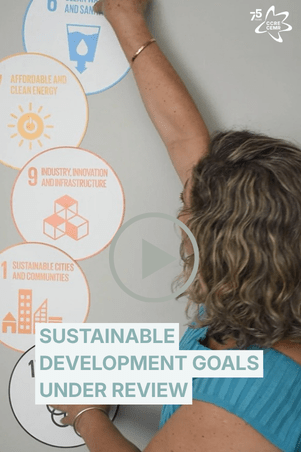
On the second day, Pablo Fernández, Assistant Secretary‑General for Partnerships at UCLG, presented UCLG’s global learning strategy, emphasising city diplomacy and co‑creation as key tools for implementation. He stressed that inclusive capacity‑building — particularly involving youth and women — is central to accelerating progress on the Sustainable Development Goals, including the ongoing review of SDG 11. 

Learning from local practice 

Throughout the two days, the Academy showcased concrete examples of justice‑centred climate action led by cities and territories: 

  • In Catalonia, municipalities are collaborating on collective renewable energy purchasing to reduce emissions and costs. 
  • Dublin shared its work on systemic climate finance approaches to address organisational barriers to investment. 
  • Athens presented the co‑creation of its Climate Contract, including a Youth Climate Assembly and support for 30 youth‑led projects. 
  • International partnerships were highlighted, such as the long‑standing cooperation between Cologne (Germany) and Indigenous communities in Yarinacocha (Peru), and the Bio Plateau project promoting community‑based water management in the Guyana Shield. 

Youth voices and global perspectives 

The Academy was shaped by keynote interventions from Marcele Oliveira, Youth Climate Champion for COP30, and Mark M. Akrofi, Research Fellow at AISESA. Their contributions stressed the importance of engaging vulnerable communities, addressing environmental racism, and integrating intergenerational justice into local climate planning. 

Their reflections echo broader debates on climate justice, including those shared in the PLATFORMA interview “Climate justice starts where people live”, which explores why locally rooted approaches are essential to fair and effective climate action. 

Climate adaptation and multi-level cooperation: the Climate Chance session 

On 26 March 2026, a dedicated session organised by Climate Chance brought climate adaptation to the centre of the discussions, highlighting the growing impact of floods, droughts, heatwaves and wildfires across European territories, and the need to act now. 

Opening the session, Ronan Dantec, President of Climate Chance and CEMR spokesperson on climate, stressed that tackling climate risks requires collective effort: “Climate change affects Europe with floods, droughts, heatwaves, and wildfires impacting communities and economies. Building resilience requires collaboration between governments, businesses, insurers, investors, and civil society.” 

The exchange focused on the challenges ahead for climate adaptation and on how multi‑level governancecross‑sector cooperation, and improved financing and risk‑sharing mechanisms can strengthen resilience. The session also contributed reflections to the forthcoming EU Integrated Framework on Climate Adaptation, expected in late 2026, and featured expert input from Dr. Christiana Photiadou of the European Environment Agency. 

Want to know more? 

Do you want to know more about our Local Leaders’ Climate Academy? 

🎥 Watch the recordings: 

Read the cross-interview of Climate leader Marcele Oliveira and sustainability scientist Mark M. Akrofi.

For more information, please contact:

Protecting Europe’s water future

Water Management - Best Practices

CEMR calls for the timely implementation of the Urban Wastewater Treatment Directive (UWWTD)


The Council of European Municipalities and Regions (CEMR) call on Members of the European Parliament to support the timely and effective implementation of the revised Urban Wastewater Treatment Directive (UWWTD).

The Directive introduces a new treatment step for the removal of micropollutants from urban wastewater, a major requirement to protect public health and the environment. Its Extended Producer Responsibility (EPR) scheme ensures that the contributors to these pollutants cover at least 80% of the related treatment costs.

For local and regional governments, this mechanism is crucial to uphold the polluter-pays principle and to avoid placing the financial burden of quaternary treatment on users. The Directive already includes safeguards to address concerns around medicine affordability, supply and accessibility, as well as mechanisms for monitoring and adjustment once implementation begins.

CEMR firmly opposes proposals to suspend or delay the EPR provisions. Such a suspension would undermine long-term investment planning in wastewater infrastructure, increase uncertainty, and put essential public services at risk.

Local and regional authorities are already preparing investments to meet the Directive’s requirements. A stable regulatory environment is essential to safeguard public health, environmental protection, and Europe’s long-term competitiveness.

CEMR calls on EU decision-makers to move forward with implementation as agreed and to use the Directive’s existing review mechanisms to make any necessary adjustments based on data collected during the implementation process.

Learn more about CEMR action on water protection:

CEMR and partners’ joint call to MEPs to swiftly implement the recast of UWWTD

Protecting Clean Water

CEMR Policy paper on Urban Wastewater Treatment Directive

For more information, contact: