
€86 billion SCF at risk

Local-Alliance

Vulnerable households risk being underserved by the €86 billion EU Social Climate Fund due to inadequate consultation with local and regional governments, a new Local Alliance report warns.


An exclusive new report from eight major European local and regional government networks reveals that vulnerable households in the EU are at risk of being underserved by the €86 billion Social Climate Fund (SCF) due to inadequate consultation by national governments.

The survey underpinning the report, conducted by the Local Alliance — a coalition comprising ACR+, CEMR, Climate Alliance, Energy Cities, Eurocities, FEDARENE, ICLEI Europe and POLIS — highlights widespread non-compliance with key requirements under SCF legislation. 

Articles 4 and 5 of the SCF state that Member States must engage with local and regional governments in developing their national Social Climate Plans. However, the report finds that many governments are failing to fulfil these obligations, often reducing consultations to empty gestures or bypassing them entirely.

A missed opportunity to address local needs

The SCF is a flagship initiative under the European Green Deal, aimed at supporting vulnerable households. But the findings show a troubling disconnect between national decision-makers and their local governments.

The survey, covering cities and regions across 14 Member States, including Belgium, Finland, Germany, Greece and Spain, paints a stark picture of delayed consultations, inadequate dialogue, and missed opportunities to incorporate local expertise.

“The €86 billion Social Climate Fund holds the potential to transform lives and build a more equitable Europe, but only if the voices of local and regional governments are at the table. These governments are on the frontlines of addressing energy and transport poverty, yet too often, their expertise is overlooked. National governments and the EU Institutions must recognise that meaningful consultation isn’t just a legal requirement — it’s a necessity for effective and inclusive action.”  Fabrizio Rossi, Secretary General of CEMR. 

Local governments: Key partners for effective action

Local and regional governments are uniquely positioned to ensure that EU funds address the specific needs of their communities. They bring expertise, proximity, and an understanding of local priorities, which are crucial for tailoring measures to effectively support vulnerable households.

The absence of meaningful consultation not only undermines the legislative requirements but also jeopardises the effectiveness of the SCF just six months before Member States are due to submit their plans in June.

Recommendations for national and EU decision-makers

To ensure the Social Climate Fund effectively supports vulnerable households, the Local Alliance urges Member States, amongst others, to prioritise meaningful collaboration with regional and local governments, through locally developed plans such as SECAPs and Sustainable Urban Mobility Plans.

This will provide EU investments that are aligned with local needs to address energy and transport poverty, ensuring measures that target the needs of vulnerable groups like women, older people and single-parent households. For more information, download the full report here.

Funding opportunities for Ukraine 

Ukraine's recovery - News

EU and Member State programmes supporting municipalities in Ukraine’s recovery and cooperation with European partners 


In the face of Russia’s invasion and its devastating social and economic consequences, European Union and Member State funding programmes have become lifelines for Ukrainian municipalities. These mechanisms provide not only financial support but also technical expertise and institutional backing, helping local authorities address urgent needs, rebuild services, and strengthen community resilience. 

This guide was developed by the Council of European Municipalities and Regions (CEMR), in cooperation with the U-LEAD with Europe Programme and CEMR’s National Associations, under the Bridges of Trust initiative. It brings together key funding opportunities available to both Ukrainian and European municipalities, offering a practical starting point for collaboration and joint recovery projects. 

The initiatives highlighted stem from training sessions organised with Ukrainian and European partners. These covered project design and development, EU funding instruments, and the implications of Ukraine’s EU accession process. By leveraging existing EU programmes, municipalities can reinforce partnerships, promote local growth, and deliver tangible benefits for their citizens. 

Recognising Ukraine’s strategic path towards EU membership, the European Commission has committed to extending funding mechanisms to Ukrainian municipalities, ensuring they can access resources alongside their European peers. In addition, the Ukraine Facility Programme (2024–2027) is being developed as a central financing instrument for recovery and development. 

To support applicants, the guide provides practical resources: 

  • CEMR’s Guide on 2021–2027 EU Funding, explaining how to use the Funding and Tender Portal and submit strong project proposals. 
  • The PLATFORMA Handbook for local leaders and civil servants, offering step-by-step guidance on preparing applications, managing partnerships, and implementing EU-funded projects. 

As a living document, this guide will continue to be updated with new funding streams and opportunities. It seeks not only to provide access to financial resources but also to strengthen trust and cooperation between Ukrainian and European municipalities, laying the foundations for a shared European future. 

Read the study here 

For more information, contact: 

New Mandate, Funding Crossroads

New EU Mandate: Navigating a Crossroads in European Funding and Governance


With the confirmation of the European Commissioner College, the second mandate of Ursula von der Leyen is ready to start. If you are wondering on the direction the EU will turn, especially when it comes to what is coming next for local governments, the hearings of Commissioners-designate provide valuable insight into the mindset, priorities and challenges of the next EU Executive. It is evident that addressing these challenges – boosting European competitiveness and improving citizens’ lives – will require more than ambition. Vision needs to be translated into action through effective policy implementation and ensuring funding meets the Europeans everywhere. It will also be crucial to avoid learning the wrong lessons from past experiences, especially when it comes to fund management and policy implementation.  

What did the interviews with College candidates at the European Parliament reveal? 

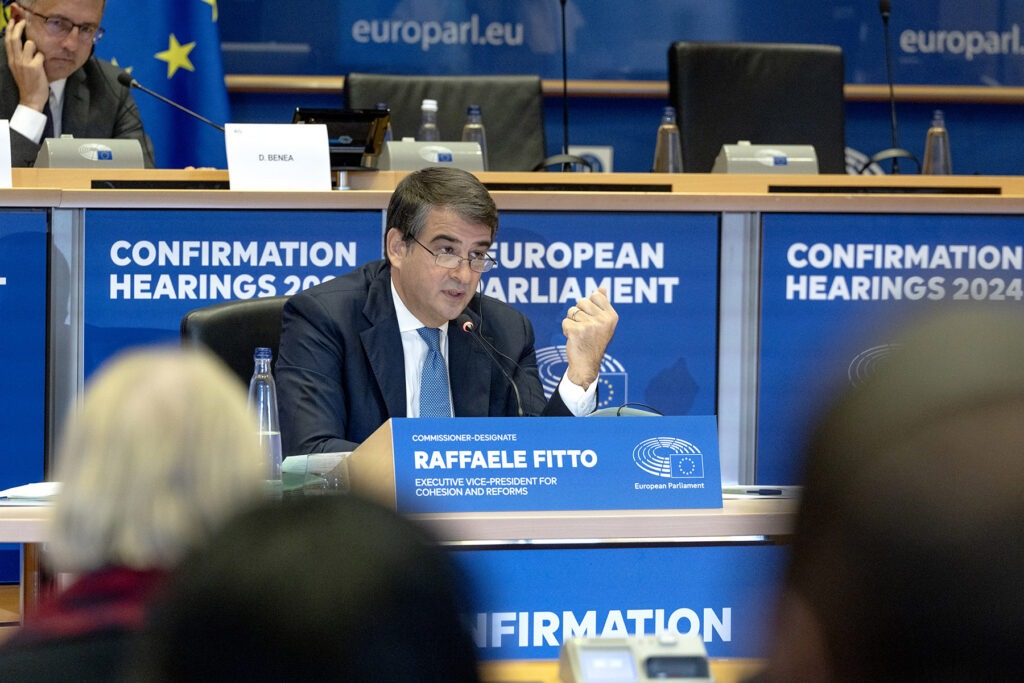
© European Union, 2024 – Source: EP – https://www.europarl.europa.eu/news/en/press-room/20241029IPR25049/hearing-of-executive-vice-president-designate-raffaele-fitto

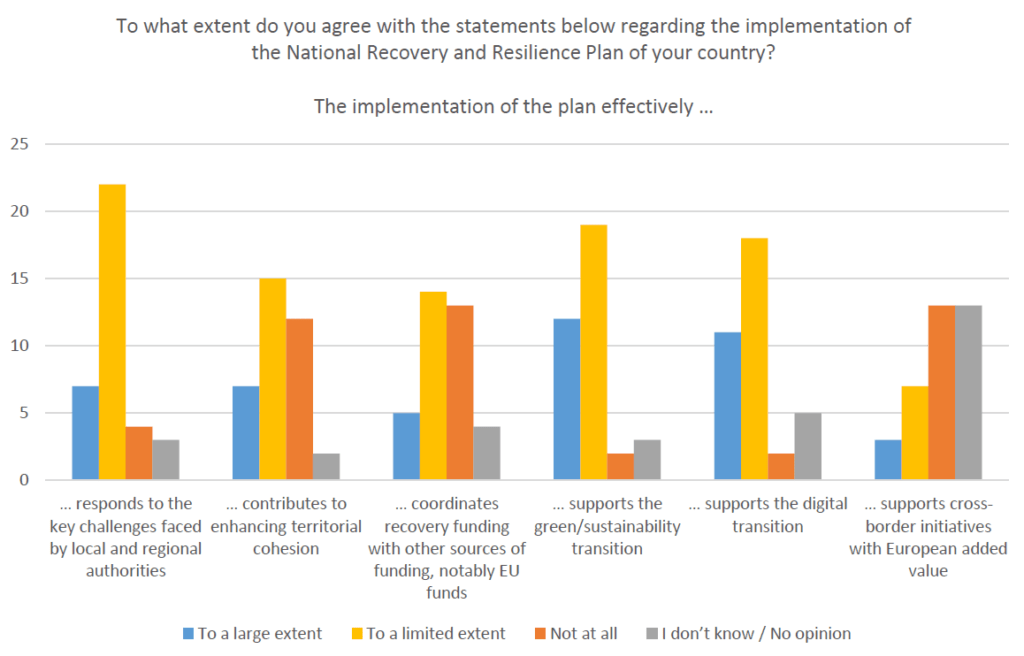
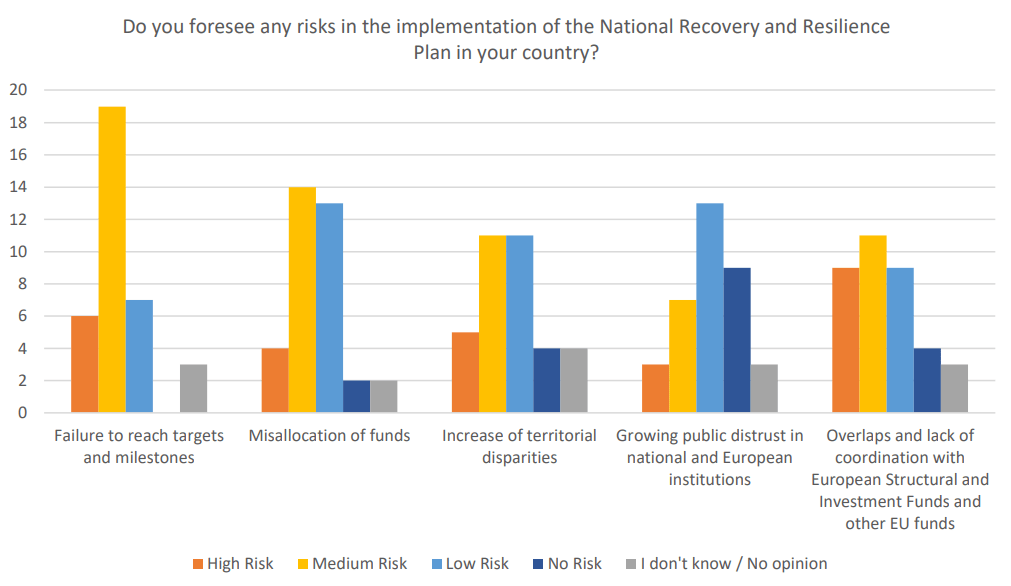
Yet the hearings offered little reassurance for local governments. The centralisation intentions clearly outlined in Commission President Ursula von der Leyen’s political guidelines, which propose replacing the Recovery and Resilience Facility (RRF) with “fewer programmes and a plan for each country linking key reforms with investment”. The RRF, the centrepiece of the EU’s €800 billion NextGenerationEU recovery package, revealed the pitfalls of the performance-based, cash for reform approach. From the outset, CEMR, in partnership with the Committee of Regions (CoR), has closely monitored the RRF’s rollout, consulting with stakeholders to assess local and regional governments participation. The findings are clear: the exclusion of those closest to understanding local needs has hampered the RRF’s effectiveness. The lack of involvement of local governments has led to misaligned priorities, with some reforms and investments failing to address local needs or capitalise on the unique insights and expertise of regional authorities. With the risk of not only missing the RRF community targets but also displacing other essential funding streams, such as cohesion funds, further compromising the EU’s territorial cohesion goals. 

Data from CCRE-COR consultation on the RRF implementation.

The hearings of the Commissioner-designates echoed these concerns. Commissioner-designate Valdis Dombrovskis faced sharp criticism for the RRF’s shortcomings, with Members of the European Parliament (MEPs) expressing frustration over the performance of the RRF to date. Mr Dombrovskis conceded that stronger partnerships with local governments are essential for the RRF to have a transformative impact, and this needs to be addressed as we go forward. In his hearing Commissioner-designate for Budget Piotr Serafin backed the idea, expressed in von der Leyen political guidelines, of single national plans for investment and reforms but also emphasised the central role that regions should play in the elaboration of these plans. On the other hand, Vice-President and Commissioner-designate for Cohesion and Reforms Raffaele Fitto did not substantively address MEPs concerns regarding the risks of centralisation. However, he expressed that a single national plan would not be problematic, provided that local and regional governments are consulted – demonstrating at least a recognition of multi-level governance. 

We need to make room for learning complex lessons  

Designed to foster a greener, more resilient, and innovative Europe, the delays in implementing national recovery plans have worsened the governance conversation surrounding the RRF, casting doubt on its ability to meet its goals. However, the proposed cure risks misusing EU resources and undermining the critical green and digital transitions essential for towns, cities, and regions. 

CEMR is committed to promoting evidence-based evaluations of funding performance, ensuring that critical development policies are not subject to hasty adjustments. Local governments, which implement 70% of European legislation—including key policies for the green transition—cannot be excluded from these discussions. They are on the frontlines of delivering climate action, digital innovation, and social transformation. Their unique territorial knowledge ensures that EU funding aligns with real, localised needs rather than blanket national strategies that often overlook regional disparities. As we learnt from the RRF, neglecting this level of expertise risks inefficiencies, missed opportunities, and a failure to meet citizens’ expectations. Discussions on the next major EU funding package must acknowledge the lessons from the RRF’s shortcomings. Decentralising funding management will not only enhance transparency but also ensure resources are channelled where they can make the most significant long-term impact. 

From the roundtable: Local and Regional Perspectives on the Recovery and Resilience Facility (RRF)

As the new Commission takes office, CEMR will continue pushing for transparent monitoring of the RRF’s performance, emphasising the need for territorial expertise to shape EU funding policies. Ensuring that those with the greatest knowledge of their localities have a say in how resources are allocated is not just a matter of fairness—it is the key to delivering sustainable, transformative outcomes across Europe.

CEMR at COP29

Local Governments Driving Climate Solutions on the Global Stage


At the 29th UN Climate Change Conference (COP29) in Baku CEMR showcased the indispensable role of Local and Regional Governments (LRGs) in global climate action. Through advocacy, strategic dialogue, and direct engagement with Ministers, Governors, Parliamentarians, Multilateral Development Banks, and UN agencies, CEMR cemented its position as a key player in advancing sustainable urban development and combating climate change.

Local and Regional Governments: A Cornerstone of Climate Action

Local and regional governments are uniquely positioned to address climate challenges. Managing 68% of public climate investments, they are on the frontlines of adaptation and mitigation efforts. Yet, these governments often remain excluded from key international decision-making processes. At COP29, CEMR sought to change this by advocating for LRGs to be fully integrated as strategic partners in shaping climate policies.

CEMR also underscored the importance of multilevel governance. This approach, combining local, regional, and national collaboration, ensures that climate strategies are both inclusive and effective. By engaging in over 170 events, CEMR and the LGMA Constituency showcased how cities and regions lead innovative climate solutions, including sustainable infrastructure, green financing, and community resilience initiatives.

CEMR Delegation in Action

CEMR’s political leadership took centre stage during COP29. Marianne Overton, Vice President of CEMR, and Clifford Galea, a member of our Young Elected Officials Committee member, participated in high-profile sessions, emphasising local governments’ role in climate justice and finance. Key moments included:

  • Panel on Multilevel and Multistakeholder Climate Solutions: Clifford Galea highlighted the urgency of channelling direct funds to local governments, stating, “Efficient climate action starts with empowering those closest to the communities impacted.”
  • Roundtable on Financing Urban Climate Action: Marianne Overton called for innovative financial mechanisms to ensure accessible funding for sustainable urban projects and ecosystem restoration

Efficient climate action starts with empowering those closest to the communities impacted.”

 Advocating for Loss and Damage Response

One of the summit’s most critical topics was the establishment of an effective framework for addressing Loss and Damage. CEMR, together with the LGMA Constituency, endorsed the Call to Action on Loss and Damage, initiated by United Cities and Local Governments (UCLG). This initiative demands equitable resource distribution, North-South collaboration, and the inclusion of subnational governments in funding mechanisms. Notably, the call prioritizes the needs of marginalized communities and the integration of local knowledge into global climate strategies.

CEMR’s endorsement reflects its commitment to securing direct access to the Loss and Damage Fund for local governments, particularly in vulnerable regions. This advocacy reinforces the message that addressing climate crises requires collaboration at all levels of governance.

 Why Local and Regional Governments Matter

The urgency of including LRGs in climate governance cannot be overstated. As the level of government closest to communities, they have the knowledge and capacity to implement tailored solutions that address local realities. This perspective aligns with the broader recognition at COP29 that achieving the Paris Agreement’s goals requires the active involvement of all governance levels.

 Looking Ahead: COP of Cities

The outcomes of COP29 mark a significant step forward with greater recognition for the work of cities in the COP process, but the journey toward equitable climate governance is far from over. While COP29 is about to end, hope is there for cities to play a central role next year in Belem (Brazil). All traffic lights are green: “COP30 has to be the COP of the cities, because climate is central in connecting people”, said Ambassador Antonio Da Costa e Silva, chief international adviser at the Brazilian Ministry of Cities.

Let’s hope national leaders received the message.

The EU Semester & local governments

EU Enlargement - News

Top level decision – Local consequences
The European Semester explained


How does the European Semester impact your local government and the public services they provide?

The European Semester, the EU’s vital mechanism for coordinating economic and social policies among Member States, is steadily growing in scope and impact. As it increasingly shapes investment and reform priorities across Europe, it’s essential for local governments to understand its direct consequences on their work.

The Council of European Municipalities and Regions (CEMR) invites you to an exclusive event on December 2nd, where we will unveil our latest publication, “Top-Level Decisions – Local Consequences: The European Semester Explained.” This breakfast session will provide an engaging platform for policymakers, local leaders, and stakeholders to explore the report’s findings and share perspectives.


Event Programme:

8:30 – 9:00 | Welcome and networking breakfast

9:00 – 9:10 | Welcome remarks by CEMR Secretary General Fabrizio Rossi

9:10 – 9:20 | Presentation of EU Semester’s study findings by CEMR Secretariat

9:20 – 10:20 | Panel debate Moderation by Federica Bordelot, CEMR Director for Policy and Impact, on:

  • How does Cohesion Policy link with the EU Semester?
  • The next programming period wants to create a stronger link between investments and reforms: what does this mean for local and regional governments?
  • How does the EU economic governance impact local finance and investments?
  • Is the EU Semester compatible with multi-level governance? examples and reflections on needed changes.

10:20 – 10:30 | Q&A and discussion

10:30 – 10:45 | Wrap up with panel speakers and conclusions

Why attend?

  • Discover Practical Insights: Gain an in-depth understanding of how the European Semester impacts local governance, from taxation and public services to territorial administration and cohesion investments.
  • Hear from Experts: The event will feature detailed country case studies and commentary from CEMR members who have firsthand experience navigating these challenges.
  • Engage in Forward-Looking Discussions: With the European Commission under President Ursula von der Leyen emphasizing the link between reforms and future investments, learn how local governments can advocate for principles of partnership, subsidiarity, and multi-level governance.

As we move into discussions about the EU’s next long-term budget, this event is your chance to ensure your voice is part of the conversation.

Don’t miss out on this opportunity to shape the dialogue around the European Semester and its implications for subnational governments.

Local Governments at COP 29

COP 29 - Baku 2024

CEMR and PLATFORMA at COP29: Advocating for Local and Regional Government Involvement


As COP29 unfolds in Baku, Azerbaijan, the Council of European Municipalities and Regions (CEMR) and PLATFORMA have taken a significant stand to amplify the voices of local and regional governments (LRGs). Building on years of commitment to sustainable urban development and climate action, these organizations are once again underlining the indispensable role LRGs play in addressing climate change and achieving the 2030 Sustainable Development Goals (SDGs).

Local and regional governments have sent more than 100+ political leaders and mobilized more than 500 delegates to advance city and regional climate goals at COP29. The delegation of the LGMA Constituency will be one of the largest at COP29. Delegates will participate in more than 170 events across the negotiations space, plenary sessions, Pavilions and Green Zone.

On Monday 18 November 15-16:30 local time CEMR and PLATFORMA will gather local leaders for a political meeting where they will think about the most urgent steps following September’s Summit of the Future.

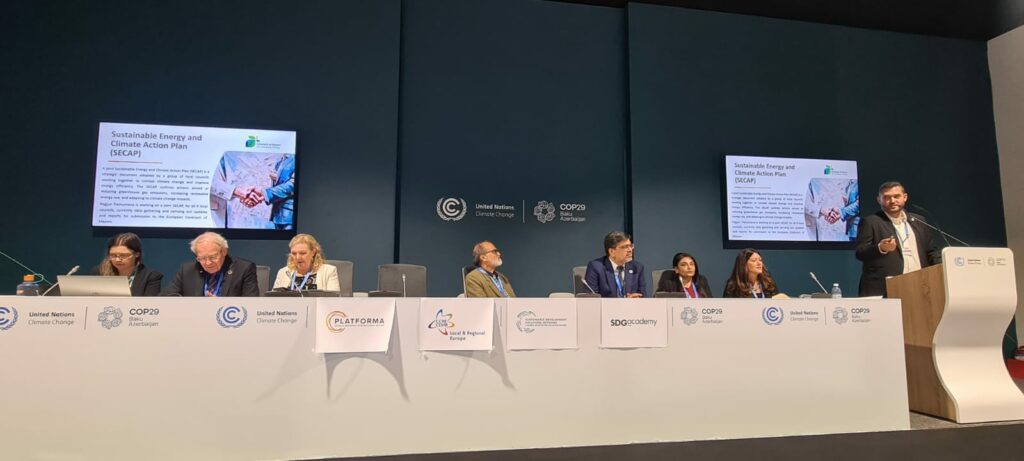
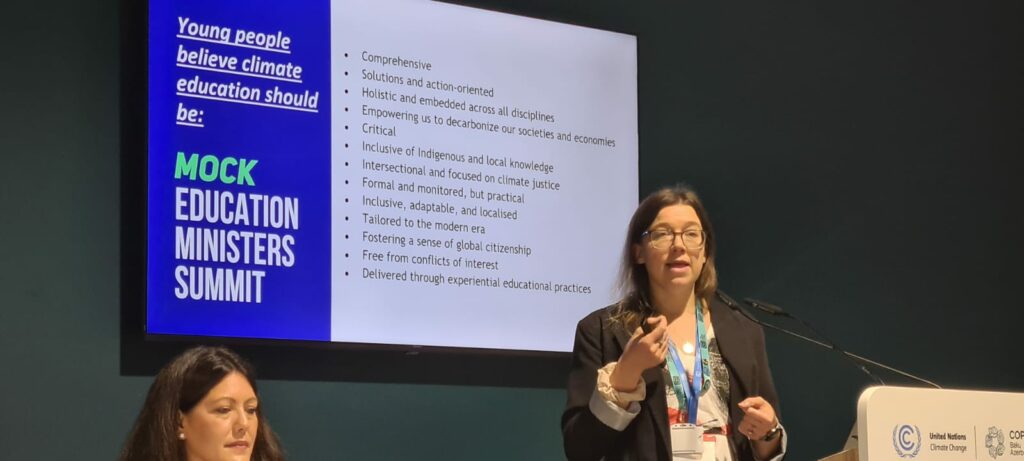
On Tuesday 19 CEMR spokesperson on climate Marianne Overton and Young Elected Official Committee member Clifford Galea will take the floor during an official side event co-organised with PLATFORMA, the UN Sustainable Development Solutions Network (SDSN) and the SDG Academy on “Combating climate change across generations: reinforcing global to local policy action for education”.

On Wednesday 20 Clifford Galea will take part in the Roundtable on Nature, Health and Agriculture in Cities, while Marianne Overton will attend the roundtable on Financing Urban Climate Action.

Why Local and Regional Governments Matter

LRGs are at the forefront of climate action, managing approximately 68% of public investments related to climate and energy. Their unique positioning allows them to efficiently respond to local needs, implement innovative climate strategies, and foster community resilience. Despite this, CEMR and PLATFORMA note that these governments often remain excluded from critical international climate discussions and decision-making processes.

CEMR and PLATFORMA stress the importance of multi-level governance that integrates LRGs into global frameworks. Their participation at COP29 aims to shift the perception of LRGs from mere implementers to strategic partners capable of co-designing and executing climate and sustainability policies.

Key Messages for COP29

  1. Enhanced Multi-Level Governance: Effective climate action requires structured dialogue, diplomacy, and accountability mechanisms involving LRGs. Without their inclusion, policies risk being disconnected from the realities on the ground.
  2. Resource Allocation and Support: CEMR and PLATFORMA advocate for an enabling fiscal framework that recognizes the diversity of LRGs and supports tailored solutions for decarbonization. This is vital to unlock the full potential of local governments in climate adaptation and mitigation.
  3. Capacity Building and Cooperation: To foster impactful climate action, LRGs must have access to capacity-building programs, technology transfer, and collaborative opportunities. Platforms like the Covenant of Mayors and EU Development Education programs are essential for promoting vertical and horizontal partnerships.
  4. SDG Localisation: The localisation of SDGs is integral to reaching climate objectives. With only 17% of SDGs on track globally, CEMR and PLATFORMA emphasize that local-level engagement and tailored public policies are critical for accelerating progress.

Looking Ahead

CEMR and PLATFORMA’s advocacy at COP29 aims to pave the way for more robust, inclusive, and effective climate policies that recognize LRGs as pivotal partners. Through strategic dialogue and collaboration, these bodies are committed to ensuring that local and regional perspectives are not just heard but actively integrated into climate and sustainable development strategies.

Are you in Baku and want to meet CEMR and PLATFORMA members?

Get in touch with Eva Banos de Guisaola

Women in politics: European trends

Women - News Section

Launch of the women in politics study – Breaking the silence, ending the violence 


The Council of European Municipalities and Regions (CEMR) is proud to have launched its second groundbreaking study Women in Politics: Local and European Trends, which provides important data and insights into women’s representation in politics across Europe from 2019 to 2024. 

The study shines a light on both the progress and the persistent, systemic challenges, from underrepresentation in leadership to the rising issue of violence against women in politics – especially online abuse and cyberviolence. 

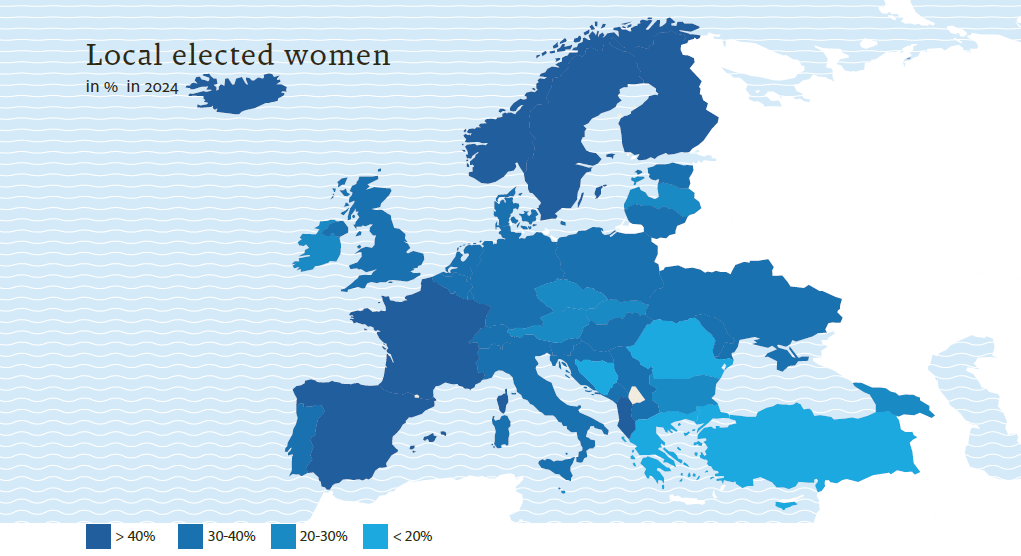
This study comes at a critical time. While representation in local councils has risen to above 40% in some European countries, leadership roles at all levels still show a troubling gender gap. At the national level, women’s representation in parliaments averages around 33%, with notable disparities among countries. In the European Parliament, women currently occupy 38.5% of the seats, which is the first decrease in the proportion of women Members of the European Parliament since 1979. 

Source: Women in Politics – Local and European Trends, page 14

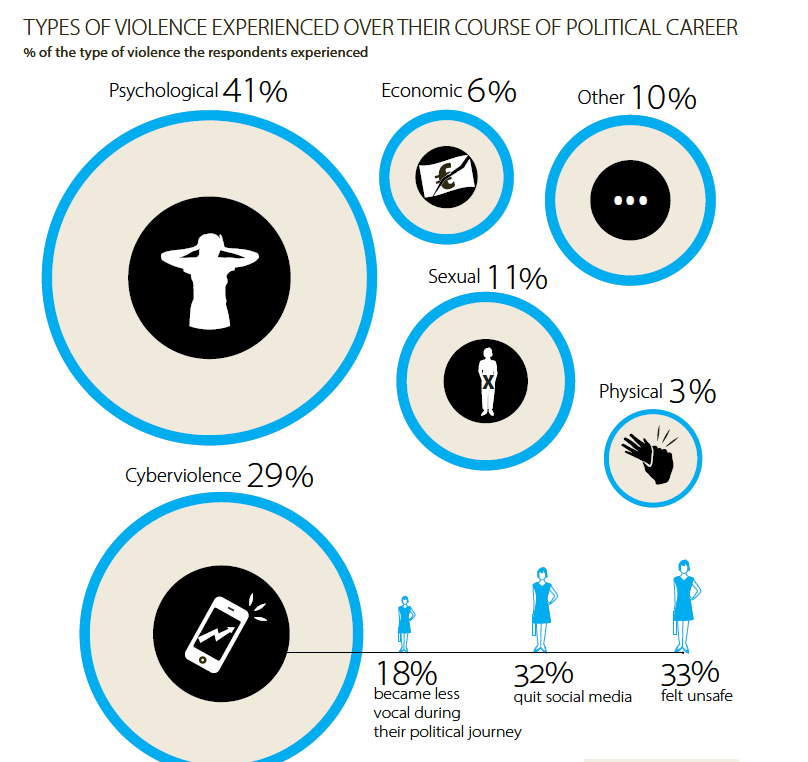
Violence against women in politics, both physical and digital, remains a major deterrent to women’s political participation. The data collected shows that 32% of respondents have experienced violence during their political career, and of those that suffered some type of violence 29% experienced cyberviolence. As highlighted by one of the speakers, Dr Marta Mazurek, Councillor from Poznan, on “recognising the serious consequences of cyberviolence” signalling that the responsibility to combat online harassment lies not only with national bodies but also with local authorities dedicated to fostering inclusive governance. 

Only 29% of those affected by violence had reported experiencing different types of violences, which may not only undermine their personal well-being but also their potential participation in politics. Angela Lowe, Senior Advisor at Women Political Leaders (WPL) emphasized that “the path towards a safe environment for women requires a collaborative effort,” underscoring the importance of working together across sectors to protect women in politics. 

Source: Women in Politics – Local and European Trends, page 87

The Women in Politics study collected data from across Europe, presenting the importance and need for reliable data on women’s political representation and experience to ensure informed policies and targeted actions. Robin Devroe, a researcher at the Vrije Universiteit Brussel (VUB), pointed to the broader impact of these challenges, noting that “these issues of gender-based violence contribute to a more global cycle of underrepresentation,” which weakens democratic structures and the inclusiveness of policymaking. Additionally, women from disadvantaged backgrounds—such as women of colour and LGBTQI+ women—are particularly vulnerable, facing unique and compounded challenges that further hinder their political participation. 

The study also underscored that lasting change will require widespread engagement from everyone within society and the need to shift our mindset of the current social and cultural norms and attitudes towards more inclusive equality, with Sari Rautio from Hämeenlinna City Council in Finland stressing that “all genders, all girls and boys should be interested in working on gender balance”. 

Read the Full Report 

For a deeper understanding of these findings and practical recommendations, the Women in Politics: Local and European Trends report is now available on the CEMR website. This study serves as a call to action for governments, communities, and advocates to work together in building a political landscape that champions gender equality and safeguards women’s participation across all levels of governance. 

For more information, contact:

Key retreat takeaways

Strategic Retreat 2024 - News

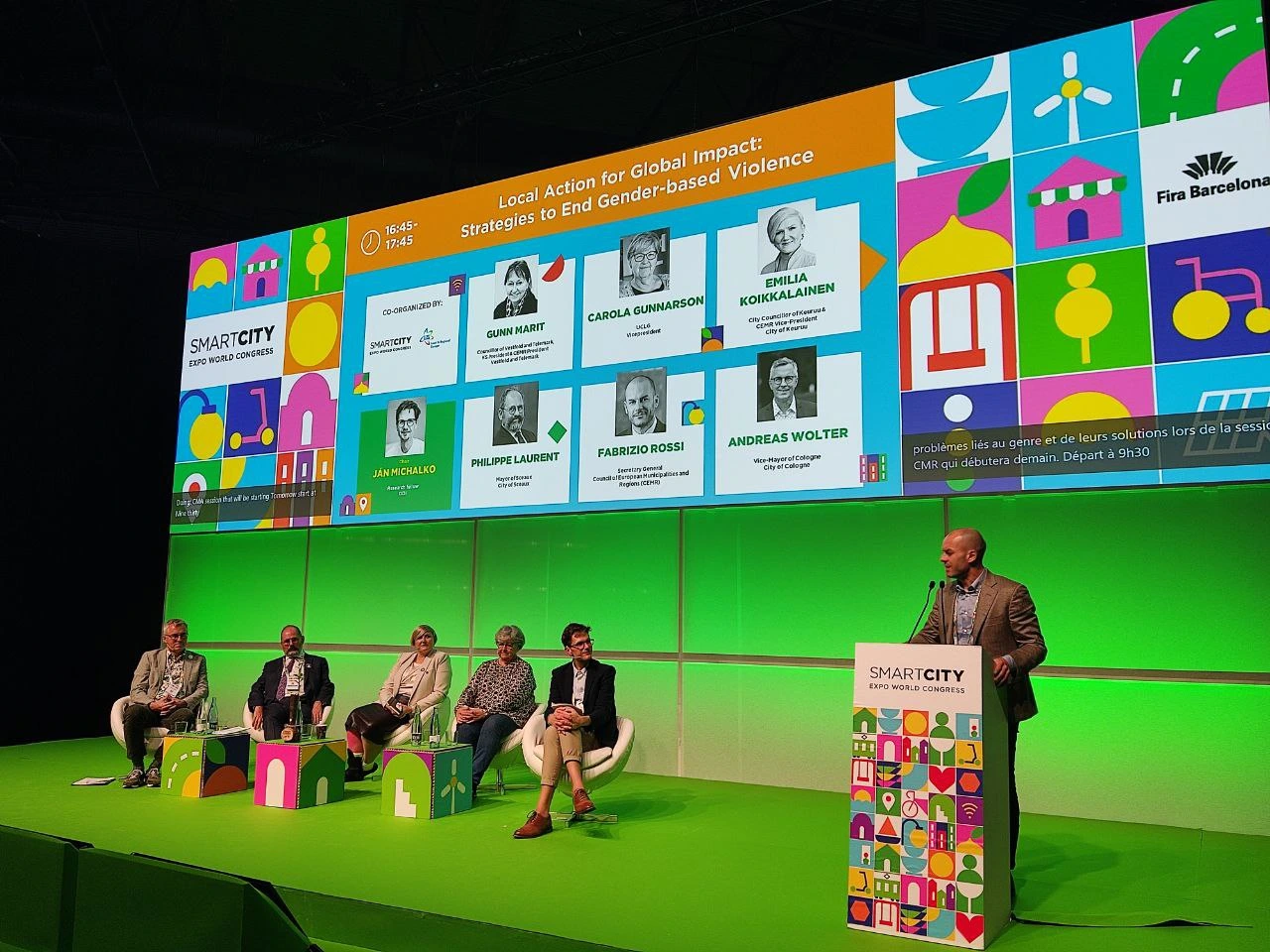
CEMR members gather at Smart City Expo in Barcelona: facing global challenges together


What does it take for Local and Regional Governments to stay resilient in a world of growing challenges? From November 5 to 7, members of the Council of European Municipalities and Regions (CEMR) convened in Barcelona for a strategic retreat to tackle this very question.

The event, hosted at the Smart City Expo, opened with a sombre reminder: a devastating flood in Valencia had claimed over 200 lives. This tragedy underscored the urgent need for stronger climate adaptation policies and support for local governments to drive the green transition. The gathering also coincided with the announcement of the US election results, sparking discussions about its potential ripple effects across Europe and beyond.

This convergence of events set the stage for the retreat, emphasizing the urgency of collective action and mutual support in the face of global shifts. Our members worked in groups, guided by a professional facilitator, where they had the chance to present the situation in their territory and exchange ideas with their peers. The insights and conclusions drawn from these discussions will shape and guide CEMR’s strategic direction and priorities in the coming years.

Key Trends Defining the Future

How can local governments anticipate and prepare for emerging challenges? CEMR’s mission to foresee these trends and advocate for local authorities at the EU and international levels was a central theme. With insights from CIDOB (Barcelona Centre for International Affairs), participants defined major trends shaping European territories in the coming years.

Demographic Shifts and Labour Shortages

What if migration can help bridge the void between urban and rural? Europe faces a severe demographic crisis, marked by an ageing population and labour shortages. These trends widen gaps between urban and rural areas and between developed and less developed regions, creating significant challenges for local administrations. Yet, migration, when managed inclusively, can be a vital asset. CEMR members shared the difficulties and successes of implementing inclusive policies that benefit their communities and defined how CEMR can be meaningful in influencing the EU policy making when it comes to migration inclusion at the local level.

Climate Change and adaptation policies

How can we effectively address climate change at the local level? Recent extreme weather events, such as the DANA floods, have highlighted the urgent need for climate adaptation. Local governments play a critical role in implementing 70% of climate policies and driving sustainable solutions. Yet, they often face significant funding challenges at both European and international levels. Additionally, the retreat recognised how climate change is influencing migration patterns, further complicating future planning for cities and regions. CEMR is exploring the interconnectedness of these challenges and has recently published a report on the impact of these two global dynamics at the local level. The report is available here.

Artificial Intelligence and Hyperconnectivity

Why is attracting talent vital for local governments? In an era of rapid technological advancement, investing in AI-driven services and innovative solutions is essential. The retreat underscored the importance of harnessing collective intelligence and empowering younger leaders to drive digital transformation in local governance. It also introduced the Talent Hub for Regions and Cities – developed in partnership with UCLG and Eurocities – an innovative platform designed to attract, train, and retain talent in the field of local diplomacy.

Threats to Liberal Democracy

Did you know that 73% of the world’s population lives under autocratic regimes and that this trend threatens local self-governance and diminishes the role of local governments in international forums? CEMR members discussed how rising inequality and polarisation fuel violence, particularly against female elected officials. Drawing from a recent report on women in local politics, members examined ways to protect these leaders and ensure equitable portfolio distribution.

Shifts in Geopolitics

What role will city diplomacy play in a fragmented world? As geopolitical alliances evolve, city-to-city partnerships may shift from value-based to interest-driven collaborations. Yet, city diplomacy remains a powerful tool when national dialogues falter. As Fabrizio Rossi, CEMR Secretary General, reflected: “It is our collective duty to think ahead and prepare local and regional governments to navigate the profound transformations shaping our world. By working together, we can build the resilience and inclusivity needed to safeguard democracy and prosperity.”

The three-day retreat concluded with CEMR members agreeing that, while local leaders continue to earn the trust of their communities, tackling these complex challenges demands a renewed commitment to collaboration. The priorities set during the retreat will be further developed in upcoming CEMR gatherings to define our organisation’s action and advocacy. Only through united action can we create sustainable solutions for a resilient and democratic future.

Gender Equality for all

Gender Charter - News

Municipalities Can Lead by Example: The European Charter for Equality of Women and Men in Local Life


Today, at the World Forum for Democracy in Strasbourg, France, CEMR’s Bella Tskhelishvili shared insights into a powerful instrument for local change: the European Charter for Equality of Women and Men in Local Life. “Gender equality is more than an ambition—it’s a necessary foundation for democratic and inclusive communities,” Bella affirmed.

Since its launch in 2006, the Charter has empowered over 2,035 local and regional governments in 36 countries to commit to gender equality. With updates in 2022 that tackle issues like cyber violence, workplace flexibility, and climate change, the Charter has adapted to modern challenges, making it a living document that continues to evolve.

Empowering Local Governments

Local governments are uniquely positioned to lead in promoting gender equality. Initiatives inspired by the Charter, such as gender-responsive budgeting in Ixelles and stereotype prevention in Sienna, exemplify how local measures can drive tangible results. The Observatory of the European Charter for Equality supports municipalities with tools and frameworks to develop and track action plans, ensuring impactful progress.

A Call for Continued Action

Despite challenges such as resource constraints and opposition from anti-gender movements, the drive for gender equality persists. As Bella highlighted, “Our journey to equality requires resilience, collaboration, and unwavering commitment.”

Disseminating the Charter throughout Europe and beyond is crucial. By expanding the reach of the European Charter for Equality and forging international connections, CEMR demonstrates that this mission is global. The Euro-Mediterranean Charter for Equality and the Local Authorities Charter for Gender Equality in Africa underscore this commitment, promoting shared values and actionable strategies across diverse regions. These efforts reflect CEMR’s vision to inspire a world where every local government embraces and advances gender equality

For more on the Charter, visit the European Charter for Equality.

Learn more about global initiatives at the Euro-Mediterranean Charter for Equality and the Local Authorities Charter for Gender Equality in Africa.

Reinforce Cohesion Policy

Cohesion Policy Study - News 2023

CEMR calls on Executive Vice-President designate for Cohesion and Reforms Raffaele Fitto to preserve and reinforce the foundations of Cohesion policy


Looking ahead to the Executive Vice-President Designate for Cohesion and Reforms Raffaele Fitto hearing on November 12, the Council of European Municipalities and Regions (CEMR) issues a strong call to ensure that future reforms to Cohesion Policy preserve its essential role in line with the Treaty objective of reducing economic, social and territorial disparities. 

Cohesion Policy is the EU’s main investment policy addressing and correcting economic, social and territorial inequalities. Amid mounting challenges —including Europe’s search for a competitive model— CEMR calls for a proactive approach to reinforce the policy’s original objectives.

CEMR’s expert group on territorial cohesion recently convened to discuss the next multi-annual financial framework. “We count on the European Parliament’s support,” said Michael Schmitz, Chair of the CEMR expert group on territorial cohesion, in response to centralisation concerns. “MEPs can still prevent the centralisation of EU funds and uphold the principles of shared management and partnership.”

CEMR Priorities for Cohesion Policy

Commitment to Multi-level Governance and the Partnership Principle

For EU investments to be effective, decision-making must involve all levels of governance and respond to local needs. CEMR advocates for a governance model where EU reforms are designed with local beneficiaries in mind. Cohesion Policy managed locally, brings EU funds closer to citizens, avoiding the centralisation trends observed in recent policies like the Common Agricultural Policy and the Recovery and Resilience Fund.

Support for locally driven Sustainable Growth and Competitiveness

Cohesion Policy underpins the European project, ensuring growth and competitiveness reach all territories, beyond capital cities. At the same time, Local and Regional Governments are responsible for more than half of public investments in the EU. For these reasons, CEMR urges the EU to earmark Cohesion Policy funds for local public services and essential local investments.

A Long-Term Vision with Simplified Rules

Cohesion Policy should minimize bureaucratic obstacles. To ease access for beneficiaries, CEMR calls for a streamlined set of rules for all EU funds, allowing municipalities, cities, and regions to identify their own priorities flexibly. 

Cohesion Policy at the Heart of the EU

CEMR affirms that Cohesion Policy is integral to the EU’s long-term project, essential to resilience in times of crisis, and calls on the incoming Commission to heed the High-Level Specialists Group’s recommendations and ensure that the 2028–2034 Cohesion Policy remains resilient, sustainable, and locally driven.

As a founding member of the Cohesion Alliance, CEMR stands ready to collaborate with the Executive Vice-President Designate for Cohesion and Reforms, Raffaele Fitto,  to shape a Cohesion Policy that provides equal opportunity, resilience, and sustainable growth for all European territories.

Read more in our position paper here