Gender Equality in Afghanistan

Afghanistan - News Section

Afghanistan: ‘We cannot only sit and watch as human rights violations are taking place’


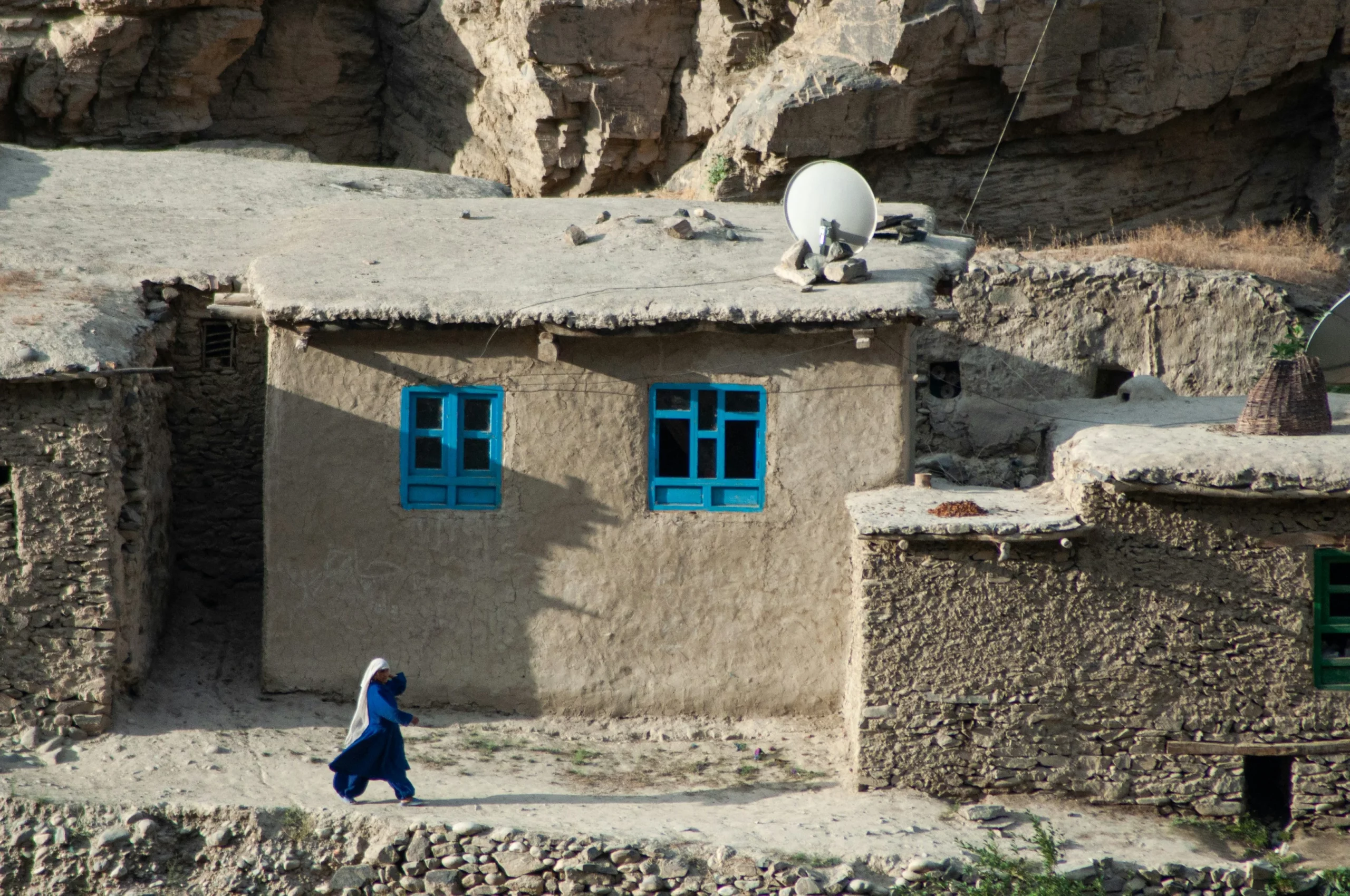
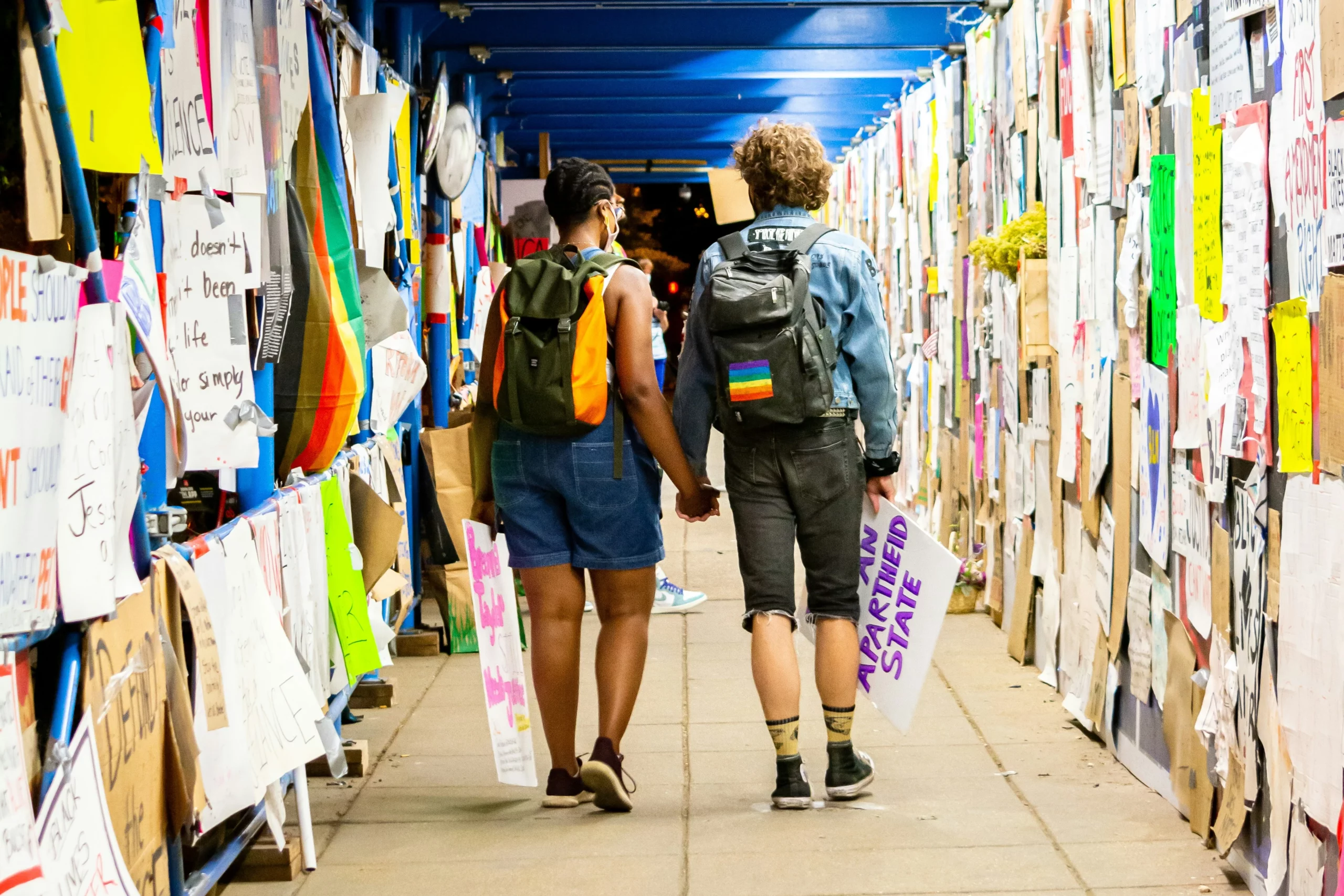
Reacting to the situation in Afghanistan as Taliban took control of the country, CEMR’s spokesperson on gender equality, Silvia Baraldi, urges the international community and the EU to use all tools at their disposal to prevent Afghanistan becoming a jail for women.
 
The worrying news that reaches us in these hours from Afghanistan must push us to a profound reflection and to even more incisive action on the urgency of guaranteeing equal opportunities for all“, she declared. 
 
CEMR has been committed for years to promote initiatives aimed at advancing the issue of gender equality in the municipalities and regions of Europe and beyond. 
 
Today we cannot remain silent and watch the rights of Afghan women and girls being trampled underfoot, rights so hard-won and ready to crumble before their eyes.  We care about human rights and especially the protection of those most at risk, such as women and children.
 
The international community and the EU must join forces so that the efforts made in recent years for gender equality are safeguarded, aware that the most advanced societies are those where women have the greatest rights and freedom of expression. Afghanistan is a brutal reminder to all of us: Never take freedom and human rights for granted.

Future of Europe

​Greater say for local governments and social partners


The Executive Board of the Conference on the Future of Europe agreed to allocate more seats in the Conference Plenary to local elected representatives, as well as to social partners. 

The Board amended the rules of procedure by adding to the plenary six elected representatives from local and six from regional authorities. They also agreed to increase the number of representatives from the social partners by four, to a total of 12. 

The Conference combines online and offline, local, regional, national and Europe-wide events, organised by civil society organisations and citizens, the European institutions, and national, regional and local authorities. These will all feed into the Plenary and the final report.

Next steps

In September, the first sessions of the European Citizens Panels will take place.

For more information: multilingual digital platform

Migration and inclusion

Democracy - News Section

Migration and inclusion: a snapshot of our upcoming activities


Over the past few months, the CEMR Task Force on Migration and Integration has been re-activated with a twofold mission. First, to put cities and regions at the heart of the new EU policies dealing with migration. Second, to raise awareness and share expertise on migrant integration through initiatives such as the EU Inclusion Partnership and IncluCities.

Eight member associations are currently part of the Task Force and more have expressed interest and willingness to join the group after the summer break. This shows our members’ with migration and integration topics, especially in regions and cities with significant inflows of newcomers and large immigrant background populations. All member associatiosn can take part in the two pillars’ activities on an ad hoc basis.

Preparing advocacy on the EU’s New Migration Pact

European policy in these areas is being defined in two key documents. The New Pact on Migration and Asylum issued by the European Commission in September 2020 deals with migration flows, relocation and border screening, while the Action Plan on Integration and Inclusion (2021-2027) outlines future legislative and policy actions to be taken. Negotiations on these dossiers has been prolonged and difficult since the 2015 migration crisis.

Compared to that of 2016, , the current Action Plan covers not only third-country nationals, but also migrants and EU citizens with a migration background. CEMR contributed to the EU’s consultation on the Plan and indeed the Commission’s final version puts considerable emphasis on local needs, namely: long-term integration of migrants, knowledge exchange and cooperation between cities, increasing local governments’ capacities and stronger coordination between levels of government.

CEMR met with the EU vice-president responsible for migration, Margaritis Schinas, in February. The Greek commissioner emphasised the crucial role that local governments play on migration and integration. In the wake of this meeting, the Task Force decided to work on a a new resolution responding to the New Pact on Migration and Asylum, presenting local governments’ views and needs on these issues

Sharing knowledge through the Inclusion Partnership of the EU Urban Agenda

On a parallel track, the Task Force will work on awareness raising and sharing knowledge and best practices between local and regional governments on migration issues. This goes to the heart of the practical work of integratingnewcomers in our towns and regions.

CEMR renewed its participation to the Inclusion Partnership of the Urban Agenda – in which cities can collaborate and provide their input to EU policymakers. We are particularly interested in the EU actions on integration of LBGTQ+ migrants, the creation of a database for evidence-based integration policymaking and financial instruments for inclusion aiming to build capacities for cities.

The Task Force will exploit synergies between CEMR’s migration on advocacy and knowledge sharing, as well as with the IncluCities project. IncluCities in particular will share examples of good practices and provide input into CEMR’s recommendations on migrant integration, which will also generate visibility for project.

​Better regulation

Law - News Section

The EU promises more transparent and collaborative lawmaking: what does it mean for local and regional governments?


Today about 60% of a mayor’s political agenda is influenced by European legislation. It is therefore crucial to ensure that EU rules do not add unnecessary administrative burdens to local governments and can be effectively implemented without additional costs.

With its agenda on Better Regulation, the EU executive aims to make progress in future law-making by focussing on more transparent and evidenced-based policy processes for improved  outcomes. How? For instance, by enhancing impact assessments and introducing a “rural proofing” mechanism in EU legislation to analyse any potential impact on rural jobs, growth and sustainable development. 

To ensure the EU’s recovery, we need improved European lawmaking able to respond to tomorrow’s challenges. Last April, the European Commission made an important step forward in this direction with the adoption of a recent Communication on Better Regulation. Here are some of the issues at stake for local governments.

Better involvement of local governments and other stakeholders

The Commission created the Fit4Future platform in 2020 to receive input on how to simplify EU laws and reduce administrative costs. The platform brings together the expertise of those in charge of implementing EU legislation (public administration, social partners, businesses, technical experts, consumers and NGOs) to share their ideas on how to achieve this.

Cities and regions have a prominent role to play on the platform, notably as represented through the Committee of the Regions. The Commission promises to better distinguish the contributions of different types of stakeholders (such as local governments), to swiftly respond to feedback to consultations and to “more accurately reflect the input of local, regional and national authorities.”

More transparency on the evidence behind EU law-making

The Commission proposes the creation of a common evidence register: the Joint Legislative Portal, which would provide easy access to all the evidence underpinning every EU initiative. This new tool would allow more effective communication between policymakers at EU and national level, as well as fostering evidence-based policies. The creation of this Portal responds to previous calls by CEMR for more transparency in legislative processes to enable local and regional governments to follow more easily the preparation and amending of draft legislation.

The SDGs will guide EU policy-making

The Commission is intensifying its efforts to anticipate future challenges that Europe will face and how policymaking needs to respond to these challenges. As a result, the UN Sustainable Development Goals (SDGs) will become the new reference framework for assessing ‘ex-ante’ the sustainability of all legislative proposals. The Commission will identify the relevant SDGs linked to each of its proposals and examine how the initiative will support the achievement of the SDG(s) concerned. 

This is great news for local and regional governments across Europe, as many of them have already been using the SDGs for some time now as a way to support more joined-up policymaking, in pursuit of carbon neutral economies.

With this Communication, the Commission aims to take into account the challenges and opportunities that lie ahead in the COVID-19 recovery and the need to legislate as efficiently as possible, with an eye to the future. And the best way to do it is by ensuring that all key stakeholders “work together on high-quality EU policymaking that will translate into a stronger, more resilient Europe“, according to Maroš Šefčovič, EU Commission Vice-President for Interinstitutional Relations and Foresight.

Let’s hope this collaborative vision becomes a reality for Europe’s local governments and citizens!

Agenda 2030

UCLG - News

Local and regional governments pave the way for the implementation of Global Goals


“Local and regional governments in Spain and across Europe are paving the way to the active implementation of the global goals”, writes Carlos Martínez Mínguez Mayor of Soria (Spain), CEMR Vice-President & Spokesperson on the 2030 Agenda and the Sustainable Development Goals (SDGs). He signed the foreword of PLATFORMA and CEMR’s joint study “European Territories Localise the SDGs: Continuity and Change in Times of COVID-19“. This opinion piece was originally published in EURACTIV.

Sustainable development is increasingly being linked with a new trending concept: sustainable recovery. The COVID-19 pandemic which hit Europe so hard, and continues to affect us, still requires local and regional governments to be at the forefront of crisis management and recovery planning, touching not only upon health issues but also social, environmental and economic priorities for citizens and local governments.

For us to build back better together towards a stronger and more resilient Europe, we need to fully harness and foster the power of the 2030 Agenda and all the values it showcases: inclusiveness and diversity; fostering new multi-sectoral and multi-level partnerships; policy coherence; gender equality; and territorial cohesion, with a particular focus on depopulated Europe. For effective localisation to take place, it is imperative to address all of the Sustainable Development Goals (SDGs) as a whole, as an indivisible set of objectives that need to be achieved from the bottom-up.

New localisation strategies need to be addressed to promote synergies between the 2030 Agenda and the New Urban Agenda, as this political commitment will lay down the foundations for the holistic urban and rural design of Europe 2030: i.e. territories for better lives.

This year, Spain is presenting a Voluntary National Review at the United Nations High Level Political Forum that includes the recently approved Sustainable Development Strategy 2030, recognising and promoting the essential role of Spanish local governments to make the Sustainable Development Goals possible in the decade of action that lies ahead.

At the local level, periodical reports have been published (such as the Voluntary Local Review by Valencia, Barcelona, Diputación de Córdoba and Málaga, among others). Progress has been made in the definition of indicators, both with the Secretary of State for the 2030 Agenda of the Spanish Government and with a national think tank (Red Española para el Desarrollo Sostenible). All this with the strong support our national association, the Spanish Federation of Municipalities and Provinces (FEMP).

Local and regional governments in Spain and across Europe are paving the way to the active implementation of the global goals, but we need to have a dedicated space in these national and international reports and decision-making processes to showcase the realities of our territories: our differences, our challenges and most of all our strengths.

Green transition

Renewable Energy - News Section

Co-creating the green transition with cities: a conversation with Mayor Sari Rautio of Hämeenlinna


Sari Rautio is chairperson of the city board of Hämeenlinna, a mid-sized city in Finland, and CEMR spokesperson on the environment. She spoke with us to discuss the many actions her city is taking for a sustainable future and the reasons she signed the Green City Accord. Read on to discover one among countless examples across Europe of how the goals of the Green Deal are being realised from the ground up!

How would you describe the city of Hämeenlinna?

Hämeenlinna is the oldest inland city in Finland, rich with history and beautiful nature. We not only have forests but also over 300 lakes within our city limits! We have 70,000 inhabitants and are close to the population centres of southern Finland; so in many ways we combine the advantages of urban and country life.

We have a diversified economy that includes agriculture, traditional industry and new innovative sectors. Many people commute to or from neighbouring areas to work, making traffic and railroad networks very important. So, between the nature, a diverse economy and logistical challenges, we face many environmental issues.

What are you doing for the environment in the city of Hämeenlinna?

Because of our situation we have been taking a wide range of environmental actions. We had already been taking steps to reduce our footprint in the previous years, but at the beginning of 2020 we created the city’s programme to become carbon-neutral.

Heating for example represents 40% of our emissions. Earlier this year we changed the district heating system, which is very popular, so that 95% of the heat comes from renewables, mainly from biomass such as wood. We also have a local company which is making biofuel from waste.

We all have an impact on the environment in some way. But how can local governments engage people to become part of the solution?

I am a strong believer in cocreation with companies and citizens. That’s how we developed our carbon-neutral programme. For example, our city the steel company SSAB has a big plant in our city which plans to become carbon-neutral by 2027. No one can achieve the green transition alone. It’s through such cooperation that we be able to reduce the emissions from heating, traffic and industry.

In addition to action by the municipality and companies, the third big thing is to get people involved to make sustainable choices. We have an old saying in Hämeenlinna: “The big things are small, and the small things are big.” Small actions can have a big impact. That’s why we are working with kids, educating them about the UN Sustainable Development Goals (SDGs) and we can each live more sustainably.

Hämeenlinna has always been a city where people want to do their share but are also very independent-minded. That’s why raising awareness is so important and can have such a big impact.

Hämeenlinna was one of the first 50 cities to sign the Green City Accord, an EU initiative in which cities commit to taking action to become cleaner, healthier and more sustainable. Why did you sign the Green City Accord and what is the added value for cities?

There are several advantages to working with the Green City Accord. First, it’s a way to combine all the big and small things we are already planning on environment into one coherent package.

Second, it’s a way for us to build a community with other cities, compare what each of us has done and learn from each other. It’s important to understand the similarities at European level but also what is different and why things aren’t done the same way everywhere. And it’s important to stress European cooperation.

Third, it’s great to highlight each city’s actions on environment as something people can be proud of. Particularly in these times of isolation with corona, it’s important for people to be proud of their home city and what we achieve together.

The European institutions are passing a huge range of measures as part of the Green Deal, including on climate, energy, transport… What’s your local perspective on these kinds of measures?

The most important thing is that we cannot do these big changes only at one level. National governments and the EU do the legislation but the implementation is local, as are the innovations. That’s not only local governments, but also companies, NGOs and the people. That’s why it’s so important that cities are involved. Cities are the glue that combine all these stakeholders. Cocreation is key here.

In general, European and national legislation should be more about the goals and be less specific about how we achieve them. Local conditions vary a lot and we don’t always know yet what are the best ways of achieving these goals. I hope being goal-oriented will be the new normal in public policy by 2030. This changes the whole system towards more strategic work.

What challenges do you face regarding water management? Do you think the European legislative framework is fit for purpose for local and regional governments?

In Finland, wastewater management is in a very good position. The biggest water issue is the Baltic Sea and the pollution there. In the Committee of the Regions, I started the Baltic Sea Interregional Group as chairperson with members from all states around the Baltic.

Our slogan: “Make the Baltic Sea the first plastic-free sea!” Plastic is a terrible symbol of pollution and the idea of eliminating it from our seas inspires me a lot. And that is something that no country or administration can do on its own! Innovations are crucial here, to collect plastic from the seas, reform our waste system and produce substitutes for plastic.

Finland is one of the few EU countries in which local and regional governments were consulted in the design of their national recovery plan. What kinds of projects did cities and regions propose to further the green transition?

There are 18 regions in Finland and each has done their recovery plan, which were then combined into a national plan. This process has worked well. We are funding a wide variety of measures for railroads new industries, agriculture and digitalisation, which will also have a positive environmental impact.

I am really happy that the recovery package is so strongly intertwined with the Green Deal. We have to stick to that and not let countries do too little or choose the easy way out. What worries me a bit now is actually getting started. How long will it take to actually disburse the funding and materialise the projects?

The recovery plan is a great example of how we can work together to achieve great things. As individual cities and countries, we are too small by ourselves. But together as Europe, we can change how the world flows!

Climate-neutral territories

Green City - News Section

Host your own Covenant of Mayors satellite event


Get ready for the premier event promoting local climate action in Europe: EU leaders, mayors and regional presidents active on climate change and citizens will come together on 7 October 2021 for the Covenant of Mayors – Europe Ceremony.

This fully digital event will be a key moment to celebrate the achievements of the Covenant community and debate on how to commit, engage, act and network towards a fairer, climate-neutral Europe.

Covenant signatories and supporters can organise their own satellite events to accompany the Ceremony. This will give you the opportunity to promote the Covenant of Mayors’ 2050 vision of a Europe in which we all live in decarbonised and resilient cities with access to affordable, secure and sustainable energy.

You will be able to discuss your local or national community what is needed to step up action and may include a moment to sign the new Political Commitment to decarbonise their territory.

These events can be organised at local, regional or national level by signatories, coordinators, supporters and other members of the Covenant community. Your event should take place between September and December 2021 and have no admission fees.
Multiple types of event can be registered:

  • An awareness-raising action around the Covenant of Mayors’ vision to promote the 2050 Political Commitment to local leaders and local communities.
  • A mini-signing ceremony with local leaders and elected representatives.
  • A climate and energy event open to the general public, for example: an exhibition, debate or study visit.
  • A networking session around climate and energy issues tackled as part of the Covenant movement.
  • And more!

Go to this page to find more information and submit your event. Events should be submitted at least two weeks before they take place.
We encourage everyone to submit their events as early as possible to increase their visibility and promotion. A report of the event must be submitted within 10 working days after taking place.

The Covenant of Mayors – Europe Office will support you with templates, communications materials and promotion in our online calendar and social media. Events submitted before 1 October will also receive visibility in the main Ceremony.

Get involved and become part of the bottom-up movement for the climate transition and a healthy planet!

Rural development

Rural Development - Press

EU develops its vision for rural areas alongside local governments


Good news! The long-awaited EU’s long-term vision for rural areas towards 2040 was finally presented this week by the EU Commission’s Vice President, Dubravka Suica, and Commissioners for Cohesion, Elisa Ferreira, and for Agriculture, Janusz Wojciechowski.

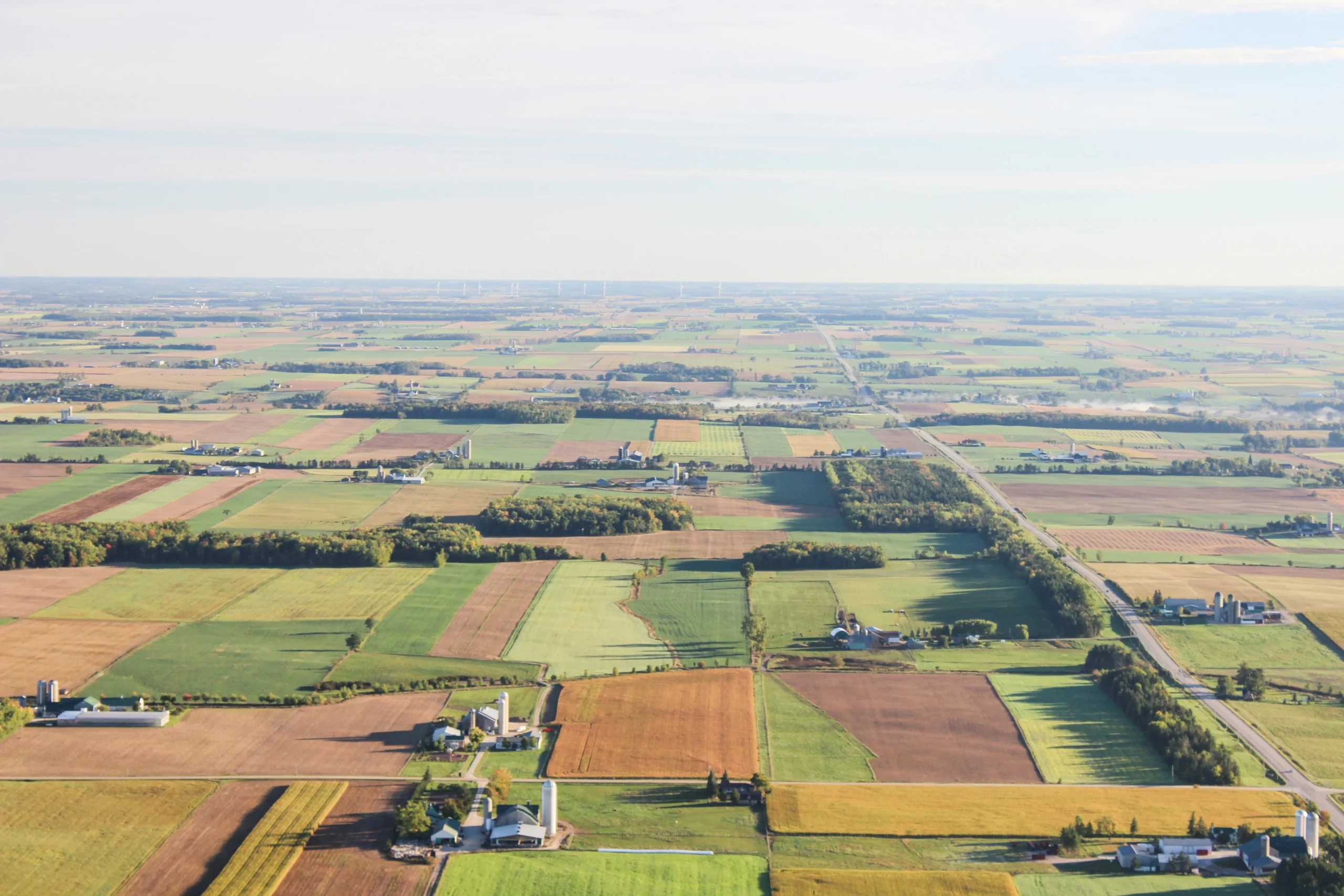
Today, rural areas are home to almost 30% of Europe’s population (137 million people in total) which covers 80% of the EU’s territory. However, their situation is a cause for concern: depopulation and the decline of public services are driving alienation and political discontent across our continent.

With this new vision, the EU executive aims to ensure stronger and connected rural areas through mobility and digital solutions, areas more resilient to climate change and economic crisis and prosperous rural areas through diversified economy.

With no doubt, the EU is part of the answer, but it has to involve towns and regions as drivers for long-term territorial development. Here in short is what is planned: 

What place for local and regional governments?

The Commission aims to mobilise public authorities at all levels and rural stakeholders, with the launch of a Rural Pact by the end of 2021. It invites the different levels of government to design a strategy and an action plan addressing the challenges faced by rural areas.  

We need to ensure that Europe’s towns and regions will be at the centre of this strategy. In this regard, the creation of a “Rural revitalisation platform” represents a great step forward as the one-stop shop for rural communities, project holders and local governments offering guidance on funding opportunities and visibility for successful projects. 

According to the communication, a special focus will be put on the collection of best practices specifically for rural municipalities and regions, around sustainable multimodal mobility, energy transition and climate adaptation. 

At CEMR we have advocated a change in narrative towards more positive messages that promote assets of the countryside, from a cultural and tourism viewpoint, but also through economic diversification. It is a great step ahead that EU’s vision is clearly aligned with this recommendation and that it recognises the diversity of rural areas, calling for locally designed solutions. 

An EU Rural action plan to implement the vision 

The Commission also proposed a Rural action plan to implement its vision around some flagship initiatives. But in terms of funding, it doesn’t propose new financing sources beyond the European Agricultural Fund for Rural Development (EAFRD), the Cohesion Policy funds, the Recovery and Resilience Facility and InvestEU. Therefore, the Commission also intends to develop a toolkit on access to and optimal combination of EU funding opportunities in rural areas, accessible to local and other stakeholders. 

There is a need for more consistency between various EU policies and their impact at the local level. This is why we welcome the introduction of a “Rural proofing” mechanism to analyse any potential impact that EU policies may have on rural jobs, growth and sustainable development as part of the Better Regulation Agenda. 

As of now, all EU policies will be reviewed through a rural lens, the Commission is creating a rural observatory in 2022 to better understand and analyse economic, social and demographic trends in rural areas. 

Citizens support local decision making

A recently published Eurobarometer shed light on citizens’ concerns around the situation of rural areas. Some of the results resonate clearly with CEMR’s recommendations to revitalise the countryside: 

– 79% of EU citizens support the EU giving consideration to rural areas in public spending decisions

– 65% think that the local area or province should be able to decide how the EU investment in rural areas is spent

– 44% mentioned transport infrastructure and connections as a key need of rural areas

Nest steps

By mid-2023 the Commission will take stock of the achievements and highlight remaining gaps and funding needs. In 2024, it will come up with recommendations for the upcoming Commission’s budget (2028-2032).

For CEMR also our work will continue. Save the date for our session “Rural connections” on 14 October (11.30 – 13.00) during the European Week of Regions and Cities. We will discuss how to achieve the vision’s objective through mobility and digital innovation. 

Horizon Europe

European Union - News section

How local governments can take part in the EU’s €95-billion research programme


Horizon: this evocative word summarises the hopes for the European Union’s science and innovation funding programme, the biggest in the world. All places are deeply concerned by the possibilities and transformations enabled by innovation.

That’s why EU officials and local and regional governments met yesterday (29 June) to discuss how local and regional governments can better take advantage of the Horizon Europe programme to implement innovative projects in their territories.

Horizon is armed with a whopping €95.5 billion for the 2021-2027 period, with municipalities, counties and regions being eligible for many of its projects either as a contractor or as the entity physically hosting projects on their territory.

There are however obstacles to local and regional governments’ participation, notably lack of awareness and of local capacity to engage in the projects. Associations of local and regional governments can play a crucial role in overcoming these challenges. More generally, Horizon should be adapted to every national situation and the diversity of local conditions.

The new Horizon programme: great opportunities for local governments

Magda De Carli, Head of Unit in the European Commission’s Directorate-General for Research and Innovation (DG RTD), provided an overview of the many new EU funding opportunities for local innovation.
The role of regions and local authorities is there both as direct beneficiaries or as the entity where the activity is taking place“, said De Carli. “What is next is to take on board this opportunity and make the most of it.

The regulation stipulating how Horizon will be run includes many references to local and regional governments and has been drafted in harmony with the rules for cohesion policy, the primary EU funding programme targeting territories.

Local and regional governments are heavily involved in Horizon Europe’s new “missions”, thematic areas where research will tackle major societal challenges. Municipalities and regions are strongly implicated in the mission “adaptation to climate change” and will receive support to comply with the EU’s Climate Law. Local governments and communities will also cooperate closely in the mission “soil health and food” and municipal authorities are naturally central to the mission “climate-neutral and smart cities”.

Municipalities and regions also feature prominently in other areas. Regions are major beneficiaries of European Innovation Ecosystems, a programme promoting the scaling up and interconnection of local innovation ecosystems. Cities and local communities are also involved in the research cluster “civil security for society”, which deals with protection against cybercrime and natural or man-made disasters.

Beyond Horizon, local and regional governments will also be able to mobilise cohesion spending for innovation in their territories. For instance, SMEs that have been awarded an EU Seal of Excellence quality label will be eligible for cohesion funding without violating state-aid rules. In the previous seven-year budget period, cohesion funding provided €40 billion to research and innovation.

Good practices from Norway: advocacy and mentoring

The event was an occasion to share experiences from local and regional government associations on how to promote engagement with Horizon. While Horizon is an EU programme, it also has beneficiaries in non-EU countries.

This became clear with the intervention of Jon Anders Drøpping, Manager for Research and Development in the Norwegian Association of Local and Regional Authorities (KS), which covers all of Norway’s 356 local and 11 regional governments. The EU is a major source of innovation funding in Norway, accounting for around a third of research and innovation resources open to competition.

KS has strongly lobbied at both national and EU level to make sure local governments can compete for research funding. Municipalities and regions are now an integral part of the country’s national strategy for participating in Horizon Europe.

Applying for Horizon projects is often a challenging undertaking, particularly for smaller municipalities. That is why KS organises a mentorship programme, over a period of 18-24 months, in which local governments learn how to structure an application, get administrative and political support and participate in a consortium. The programme works like a skills and talent development scheme and as a professional network for mutual learning.

Participants in KS’ membership programme made five applications for the last batch of Horizon 2020 projects – the EU’s previous research programme – under the European Green Deal. Norwegian local and regional governments in general participated in around 50 Horizon 2020 projects.

National associations: the key to engaging municipalities and regions

Other associations also gave their perspectives on Horizon Europe. Aleksandra Vukmirovic of the Standing Conference of Town and Municipalities of Serbia (SCTM) noted that municipalities in her country are also eligible for some Horizon funds. She stressed the need to encourage local governments to participate and find partners, as well as to provide technical assistance. She also pointed out that during implementation of the Horizon Europe specific characteristics of local governments in pre-accession countries should be taken into account.

Several participants highlighted the need to provide local and regional governments with practical examples of the kinds of projects Horizon has funded. This would give local officials more concrete ideas as to what is possible and motivate their administrations to seize opportunities.

Looking to the future, CEMR hopes to establish a long-term collaboration with the European Commission’s DG RTD to organise regular exchanges with our member associations to improve local and regional governments’ access to innovation funding.

European territories localise the SDGs

Climate - News

Hot off the press: “European Territories Localise the SDGs”


From global to local: PLATFORMA and CEMR are proud to present the 2021 edition of our regular series of publications on how municipalities, regions and their associations are making the UN Sustainable Development Goals (SDGs) a reality on the ground.

Entitled European Territories Localise the SDGs: Continuity and Change in Times of COVID-19, this 46-page report is jam-packed with data, infographics, charts and best practices on how local and regional governments are working on the SDGs in Europe and beyond.

Based on data from 39 local and regional government associations in 29 countries, the study provides a succinct overview of the often-diverse situation across the European continent.

Local governments: key to monitoring and cooperation on the SDGs

The report’s findings are clear: an increasing number of local and regional governments and their associations in Europe are taking the lead in implementing what is still seen by many others as ‘just’ a global agenda. Those on the forefront however know how the 2030 Agenda and its SDGs can transform their daily work, policies and public services with inclusive approaches.

Indeed, 15.4% of associations are now more involved in the SDGs than in 2019. Today, over 3/4 associations have sound knowledge of the SDGs and 1/3 use them as a guiding reference.

The SDGs offer a shared vocabulary and goals, enabling local governments to interconnect with other governments and players, ultimately forming links between citizens and the world. Local governments and their associations have a particularly crucial role in promoting cooperation on and monitoring of progress on the SDGs.

84% of associations are involved in some way in national SDG coordination mechanisms. What’s more, around 4/5 associations have taking action on the SDGs’ international dimension and considers that the SDG framework helps development of partnerships with peers (i.e. decentralised cooperation activities around the 2030 Agenda).

The report also highlights the essential role of local government associations have played during the COVID crisis. This has included sharing information with municipalities and regions, capacity-building, advocating for financial support and participating in national consultations.

Recommendations to realise the 2030 Agenda from the bottom-up

We have long known that the ambitious goals of the 2030 Agenda need to be implemented from the bottom-up. The local level is ideal for experimentation, innovation and acceleration of work on the SDGs. However, the right conditions need to be in place to realise this potential.

The report formulates 5 key recommendations:

  • Increase EU and national funding for SDG localisation
  • Promote mutli-level governance, multi-stakeholder partnerships and policy coherence
  • Local and regional governments and their associations should continue peer learning within and outside Europe
  • National governments should increase recognition and support for SDG localisation (notably to monitor progress)
  • Strengthen human resources and capacities on SDG localisation

The report and its key findings will be presented on 29 June at the 12th Annual Meeting of Cités Unies Frances (CUF), on 8 July during a PLATFORMA-CEMR dedicated webinar taking place in the context of the the UN High Level Political Forum on Sustainable Development (HLPF, registration form) and at other local government events.

More information:

For more information, contact: