Cohesion Alliance

Cohesion Policy Alliance - News 2021

EU-wide coalition urges national governments to involve regions and cities in the preparation of post-COVID recovery plans and to avoid a “vaccine divide” in Europe


On the eve of the European Council meeting, the #Cohesion Alliance – an EU-wide alliance of 12,000 signatories advocating for a stronger cohesion policy after 2020 – calls upon member states to work in partnership with local and regional governments in the design, implementation and governance of national recovery and resilience plans.

The Cohesion Alliance also urges national parliaments to ratify the decision on own resources as soon as possible, allowing the European Commission to borrow up to EUR 750 billion on the capital markets to address the negative effects of the COVID-19 crisis. Moreover, the Alliance warns EU leaders against the risk of a competition for vaccines, as this would increase inequalities between European regions, cities and villages.  

Local and regional governments have been on the frontline of the health crisis from the outset, and will play a key role in delivering a fair, sustainable and resilient recovery across Europe. However, as member states prepare their national recovery plans, it has become clear that in many countries our regions, cities and municipalities, as well as our socio-economic partners, are not being meaningfully involved in the planning process. 

Europe’s recovery will only be as resilient as the recovery in all its regions, villages, towns and cities. Their needs are diverse, and an effective recovery is only possible if we acknowledge and address the numerous challenges and divides faced by all of Europe’s territories, from the rural and most isolated areas to the most urbanized, from islands to mountainous regions, sparsely populated and border regions. Investments need to match territorial needs. Without a real say for local and regional governments in the design, implementation and governance of the national recovery and resilience plans, there is a serious risk that many regions will be left behind. Local and regional governments are responsible for a third of public expenditure and half of public investment in the EU. The recovery will simply not happen without them on board.

European solidarity means proving with action that cohesion is a fundamental value for the EU. We therefore call upon all member states to work in partnership with local and regional governments, socio-economic partners and civil society in the design, implementation and governance of national recovery plans which are to be submitted to the European Commission by the end of April. We underline the need to fully respect the principles of partnership and multilevel governance, and for a place-based approach in this process.  

The Cohesion Alliance welcomed the creation of the EUR 750 billion recovery instrument Next Generation EU, also known as the Recovery Plan for Europe, as an historic moment for the European Union. Now it is time to translate the most powerful investment plan ever deployed by the EU into action. However, too many member states have yet to ratify the decision on own resources, the piece of legislation that would enable the European Commission to borrow up to EUR 750 billion on the capital market to address the consequences of the COVID-19 crisis. Its swift ratification by all EU countries is key to boost the recovery in Europe with fresh money. National parliaments must therefore ratify the decision as soon as possible.

Finally, European solidarity means working together to deliver a truly European vaccination campaign. A fragmented campaign benefits no one and would jeopardize the recovery by widening inequalities between Europe’s regions. This is why, ahead of the European Summit, the Cohesion Alliance warns EU leaders against the risk of a competition for vaccines on the ground. We call for close coordination between the EU, regional and national governments to make sure that the needs and expectations of all our citizens are met. 

We must put all our efforts into avoiding a ”vaccine divide” that would increase inequalities between our regions, cities and villages.

Energy performance in buildings directive

Green City - News Section

CEMR calls for flexible, well-resourced revisions to the EU Energy Performance of Buildings Directive (EPBD)


The European Green Deal aims to make Europe the first climate-neutral continent by 2050, with the revision of the Energy Performance of Buildings Directive (EPBD) as one of its cornerstones. Buildings account for a significant share of Europe’s greenhouse gas emissions, making energy efficiency and sustainable renovation crucial to the Fit for 55 package. In its response to the consultation on the EPBD revision, the Council of European Municipalities and Regions (CEMR) stresses the essential role of local and regional governments (LRGs) in ensuring a successful and fair transition. 

CEMR welcomes the ambition of the European Green Deal but underlines that success depends on proper implementation, adequate financial support, and respect for the principle of subsidiarity. Local and regional authorities are on the frontline of climate action, yet they need flexible frameworks rather than one-size-fits-all obligations. 

Among its key recommendations, CEMR highlights: 

  • Flexibility and subsidiarity: Member States and LRGs should be able to adopt integrated, territorial approaches to emissions reduction, focusing not only on building-level efficiency but also on neighbourhood and system-wide solutions. 
  • Life-cycle perspective: Regulations must take into account emissions from construction materials such as steel and concrete, as well as opportunities for circularity and reuse. 
  • Indicative, not mandatory standards: Minimum energy performance requirements and renovation targets should remain indicative to reflect local contexts, available resources, and socio-economic realities. 
  • Equal treatment of renewable energy: Energy produced on-site and energy delivered via carriers like district heating, renewable gases or electricity grids must be treated on the same footing. 
  • Financing and equity: Investment tools like ELENA must be adjusted to ensure accessibility, particularly for vulnerable households. Measures must avoid creating energy poverty or split incentives between landlords and tenants. 

CEMR also urges the Commission to reduce administrative burdens, ensure consistency between the EPBD, the Renewable Energy Directive (RED) and the Energy Efficiency Directive (EED), and reinforce cooperation across levels of governance. 

Europe’s climate-neutral future depends on a resilient and efficient building sector. Local and regional governments are central actors in achieving this transformation. To succeed, the revised EPBD must provide adequate support, flexibility, and resources while avoiding rigid, burdensome rules. By empowering municipalities and regions to act according to their local realities, the EU can ensure that the green transition delivers both climate impact and social fairness. 

Read the policy paper here 

For more information, contact: 

Localising the European semester

Localise EU Semester - News

CEMR-EPSU project shows local governments and social partners remain under-involved in shaping EU economic governance


The European Semester, introduced in 2010 to coordinate national economic, employment, and social policies across the EU, has become the backbone of EU economic governance. Its annual cycle guides Member States’ reforms and budgets under the Stability and Growth Pact and the Europe 2020 strategy. Yet, despite its importance, the role of local and regional governments (LRGs) and social partners in this process remains limited. 

A joint project by the Council of European Municipalities and Regions (CEMR) and the European Public Service Union (EPSU), carried out between 2018 and 2020, examined how and why subnational actors are involved in the Semester. It assessed the rationale for their participation (“why”), the mechanisms used in different Member States (“how”), and the quality of this involvement (“how well”). 

Findings suggest that while LRGs are increasingly acknowledged, their input often depends on existing national dialogue structures and the political will of central governments. Social partner organisations, particularly trade unions representing the local government sector, are even less involved, with national peak organisations rarely consulting their membership in depth before feeding into the process. 

The project also highlighted good practices: more systematic consultations, stable structures for dialogue, and efforts to ensure that recommendations (Country-Specific Recommendations, or CSRs) reflect local realities. However, in many cases, LRGs and social partners have little influence over the drafting and implementation of National Reform Programmes (NRPs), undermining ownership of the Semester. 

From a broader perspective, the research confirmed that EU recommendations are more likely to be followed when countries face strong market pressures, when reforms are tied to EU financial rules, or when smaller states seek EU legitimacy for their policies. But there is still a gap in understanding whether stronger involvement of LRGs and social partners leads to better implementation of reforms, a gap that future research should address. 

The report concludes that the Semester can only be effective if it becomes more inclusive. To strengthen ownership and impact, national governments and EU institutions must ensure that local and regional governments, as well as social partners, are systematically and meaningfully involved in shaping and implementing economic and social reforms. 

Read the study here 

For more information, contact: 

Local waste water policy 

Water Management - News

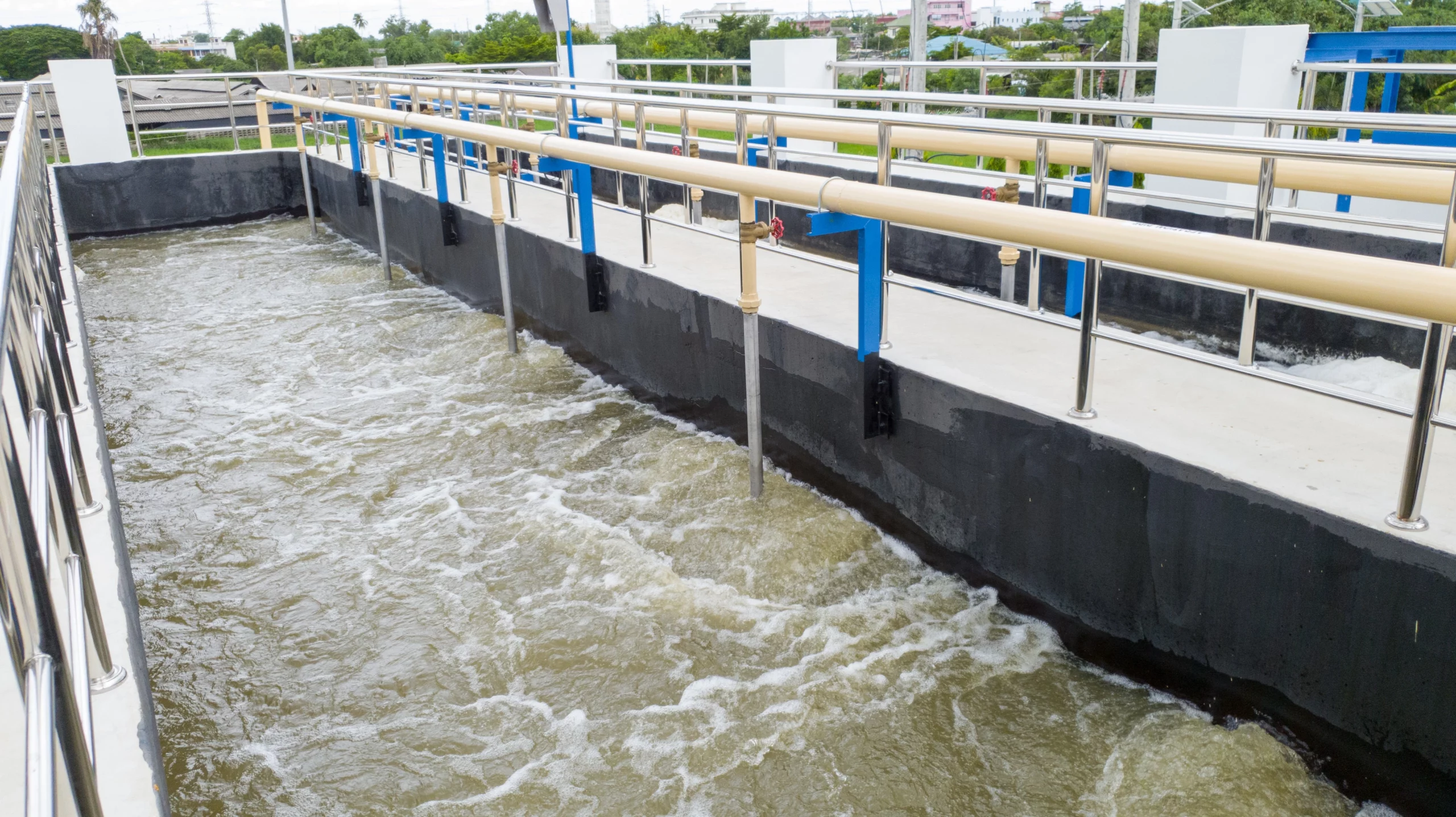
CEMR urges a proportionate, flexible and locally tailored approach to EU waste water reforms 


As the European Commission advances its revision of the Urban Waste Water Treatment Directive (UWWTD), the Council of European Municipalities and Regions (CEMR) welcomes the opportunity to modernise the framework in line with the Green Deal and today’s environmental challenges. 

However, CEMR stresses that a one-size-fits-all approach will not work. Instead, the revised directive must reflect the diversity of local conditions, be rooted in risk-based assessments, and align with the subsidiarity principle, allowing national and local authorities to tailor implementation to their context. 

Key concerns raised by CEMR include: 

  • Proportionality and impact: Efforts should focus where they matter most, on larger treatment plants and high-risk areas, rather than extending rigid requirements to small agglomerations or individual systems, which often pose far lower environmental risk. 
  • Stormwater overflows and urban runoff: These should be managed through a coordinated, risk-based approach under existing national plans and the Water Framework Directive, avoiding duplication and overregulation. 
  • Nutrient removal: CEMR supports stricter phosphorus thresholds in sensitive areas and encourages phosphorus recovery but calls for flexibility on nitrogen removal in colder climates where existing targets are technically or economically unfeasible. 
  • Circular economy: The revision should promote pollution prevention at source, enforce the polluter pays principle, and support raw material recovery and energy efficiency across the waste water chain. 

CEMR also calls for coherence across EU legislation, including alignment with the Water Framework Directive, and clear, proportionate reporting obligations for local and regional governments. 

Local best practice: inspiration from the Netherlands 

CEMR highlights Dutch municipalities as a model of innovation in tackling stormwater overflows and integrating water management into urban design. The “water square” in Rotterdam, for example, combines stormwater buffering with vibrant public space, showing how smart spatial planning can enhance both environmental outcomes and quality of life. 

In short, the revision of the UWWTD is a vital opportunity, but success will depend on flexibility, local knowledge, and a commitment to cost-effective, risk-based solutions

Read the full position paper 

For more information, contact: 

Empowering local climate action

Renewable Energy - News Section

CEMR’s Joint Response to the EU Energy Efficiency and Renewable Energy Directive Reviews


The Council of European Municipalities and Regions (CEMR) submitted a joint response to the European Commission’s consultations on the Energy Efficiency Directive (EED) and the Renewable Energy Directive (RED) in early 2021. This contribution reflects CEMR’s deep commitment to achieving climate neutrality by 2050 while safeguarding the role and autonomy of local and regional governments (LRGs).

CEMR supports ambitious climate targets at the EU level, with a focus on greenhouse gas (GHG) reduction. However, it argues that targets for energy efficiency and renewable energy should remain indicative at the national level, respecting the subsidiarity principle and local conditions. The organisation firmly opposes EU obligations that impose rigid requirements on LRGs, particularly concerning building renovations, public procurement, and energy planning.

A key concern is the extension of renovation obligations for public buildings to LRGs. CEMR highlights that such mandates overlook the economic realities, building uses, and planning capacities at the local level, and may burden communities with higher costs and social impacts. Instead, it advocates for flexible, cost-effective approaches tailored to local and regional contexts, supported by adequate funding, technical assistance, and capacity-building.

CEMR also calls for a technology-neutral approach to energy policy, where different forms of renewable and low-carbon energy, whether on-site, from the grid, or district heating, are treated equally. It stresses that regulations should reflect GHG savings and sustainability from a life-cycle perspective, not just the type or source of energy.

The response urges the Commission to recognise the central role of LRGs in the energy transition. This means involving them directly in National Energy and Climate Plans (NECPs), ensuring multi-level governance, and avoiding overregulation that could stifle local innovation and initiative.

In short, CEMR’s response is a strong call for an EU climate framework that is ambitious, but also realistic, inclusive, and enabling, one that empowers cities and regions to lead in achieving a just and effective energy transition.

Full the joint response here

For more information, contact:

CEMR – 70 years

Brussels - Image

Celebrating 70 years of local and regional Europe


500 mayors, regional and local leaders, and EU officials from 50 countries are gathering on 28 January 2021 to celebrate the 70th anniversary of the Council of European Municipalities and Regions (CEMR). 

The attendants – including the Mayors of Paris, Lisbon and Gdansk, the EU commissioner for environment, MEPs and many more – will also reflect on the role of local and regional governments in the transformative decades to come.

Today, the Council of European Municipalities and Regions looks back on a proud history representing and federating local and regional Europe”, said Stefano Bonaccini, President of CEMR and of the Emilia-Romagna Region. 

From the first steps promoting town twinning and local democracy to later work on territorial development and regional representation at EU level, CEMR and our member associations have time and again been trendsetters for Europe”, added President Bonaccini. “In our current context, marked by the pandemic, climate change and other major challenges, municipalities and regions are again playing a critical role.

We have steadily expanded in every respect over the years”, said CEMR Secretary General Frédéric Vallier. “CEMR has grown to embrace 60 associations covering 41 countries, making it by far Europe’s broadest local government organisation.

Vallier added: “So too we have increased our areas of action, to include issues such as rights, gender equality, territorial development, public services, international cooperation and climate change, thanks to our highly professional and devoted staff and members. That is why we can look to the future with confidence: local and regional Europe is ready for the great changes of this momentous century!

A few of CEMR’s achievements

• Defence of local democracy and self-governance: The adoption of the European Charter of Municipal Liberties in Versailles in October 1953 affirmed the conditions for municipalities’ genuine administrative and financial self-government. The text notably served as a basis for the European Charter of Local Self-Government, which has been ratified by all 47 states of the Council of Europe.

• The recognition of local and regional governments as an integral part of Europe’s model of governance, notably with the creation of EU Committee of the Regions and the Council of Europe’s Congress of Local and Regional Authorities.

• Launch of the European Charter for Equality of Women and Men in Local Life in 2006: this political document aims to secure firm commitments from towns and regions to take concrete measures to promote gender equality in their territories. Over 1,850 signatories have thus committed to taking action.

• Participating in the creation and operation of the Covenant of Mayors for Climate and Energy in 2008: the Covenant’s signatory territories commit to reducing CO2 emissions by at least 40% by 2030 and to increase the use of renewable energy.

• Creation of PLATFORMA, the network of 34 local and regional governments and their associations engaged in international development, working on further growing the practice of decentralised cooperation.

Building climate-ready cities in Africa 

Sub-Saharan Africa - News Section

Lessons from the Covenant of Mayors in Sub-Saharan Africa on strengthening local capacity for energy access and resilience


The Covenant of Mayors in Sub-Saharan Africa (CoM SSA) has, over its first four years, shown that local leadership is essential in tackling climate change and improving energy access. Supported by the European Union and global partners, the initiative empowers municipalities to design and implement Sustainable Energy Access and Climate Action Plans (SEACAPs), tailored to their contexts. 

Developing Local Capacity 

One of the clearest lessons is the importance of involving African partners early and consistently. Contextualising European approaches to local realities in Sub-Saharan Africa has proven key to success. Peer-to-peer learning, including informal exchanges like WhatsApp groups, has strengthened communities of practice and allowed cities to share knowledge beyond language and geographic barriers. 

At the same time, challenges remain. Sparse data, limited technical expertise, and difficulties in political continuity have slowed progress. Travel barriers, connectivity issues, and shifting national dynamics have highlighted the need for more flexible and innovative support structures. The presence of local intermediary organisations, universities, NGOs, or research centres has emerged as critical in anchoring capacity and ensuring sustainability beyond donor cycles. 

Successes and Lessons 
Despite obstacles, CoM SSA has enabled cities such as Bouaké, Dakar, and Tsévié to make tangible progress on emissions inventories and resilience planning. The development of SEACAP guidelines, adapted through extensive consultation, provided a framework that cities could build upon. Simplified tools and hands-on training helped municipalities overcome initial hurdles, while regional workshops fostered solidarity and collective ambition. 

The first phase of CoM SSA demonstrates that building climate resilience in African cities requires time, trust, and resources. Moving forward, stronger capacity-building, continuous peer exchanges, and deeper involvement of local support organisations will be vital. With growing international momentum on climate action, this initiative has laid the groundwork for a long-term transformation: cities that are not only more resilient but also better equipped to deliver sustainable energy for all. 

Read the study here 

For more information, contact: 

Inclucities – Hiring

BoT Expertise - News 2023

We are recruiting a Project Officer – Migration and Integration


The Council of European Municipalities and Regions (CEMR) is recruiting an Officer for IncluCities (full-time contract at the CEMR Secretariat in Brussels until January 2023).

Find all the details in the Job description.

Please send your CV and application letter, telling about your motivation and interest to application@ccre-cemr.org before 10 January 2021 – 23:59. Please put ‘Project Officer – IncluCities’ in the title of the email.

CEMR in mourning

Valéry Giscard d’Estaing - News 2020

CEMR pays tribute to Valéry Giscard d’Estaing


CEMR pays tribute to Valéry Giscard d’Estaing, key architect of the European project and strong advocate for local democracy.

“Valéry Giscard d’Estaing’s presidency of the Council of European Municipalities and Regions was marked by his commitment to fight for the recognition of local and regional governments as integral parts of governance. We owe him article 4(2) of the Lisbon Treaty protecting local self-government, which he had inserted into the draft constitution while he served as president of the Convention on the Future of Europe.”

Stefano Bonaccini, President of CEMR and of the Emilia-Romagna Region
Frédéric Vallier, CEMR Secretary General

IncluCities Website

IncluCities Website - News 2020

IncluCities goes live


We are launching a brand new IncluCities website!

With all project-related information and everything you need to know to keep yourself up-to-date on European policy on migrant integration and inclusion, this will be the focal point of the IncluCities community.

Keeping all eight participating cities and their local government associations involved, we will offer insights into the IncluCities project’s progress, dynamics, ideas from the ground, lessons learned and action plans for cities to improve the way local communities welcome newcomers.

LOCAL is the new GLOBAL

This website will gather news on topics related to migration, integration and inclusion. The main aim is to focus on global issues by presenting existing local practices of the IncluCities’ partners and sharing ideas from other cities and municipalities across Europe. However, we won’t miss any key EU initiatives around these topics, such as the new EU Action Plan on integration and inclusion of migrants.

Check the handshake

With the interactive map of participating cities, we want to present the participants and their associations. Click on the maps handshakes to access a visual presentation of each mentoring pair cooperation, listing data and describing the strengths, needs and best practices of participating cities.

Method in a snapshot

For those interested in in-depth methodology, check out our resources page with all the mentoring documents. Take a look at the graphical step-by-step explanation of each process. From study visits to training academies and workshops, the process will lead to effective action plans that will open new approaches and structures for migrant integration.

Meet our partners

A full section is dedicated to our partners, the seven associations of local and regional governments and their participating cities. To learn more about them, follow the links or get in touch with the contact person.

Behind the scenes

There is always a human story behind every initiative. We hope to showcase many, through interviews and various videos on how integration and education work in everyday life.

Want to know how child refugees are coping in Livadia, Greece? Or to learn how the Spanish town of Fuenlabrada is fighting discrimination with an animated video dispelling unfounded rumours? Or how migrants and people with migrant backgrounds in Brussels help refugees find their way as volunteers in reception centres? If so, the news on work behind the scenes is the right place to go. Lots of other external publications, project deliverables and working documents will be placed under resources.

Stay engaged

To stay updated, click on the website’s letter icon to subscribe to our newsletter and follow us on Twitter or Facebook. There are many ways and channels where we can connect and interact.