Muni World 2021

Muni World - News 2021

Take part in Muni World 2021, a hybrid event focusing on smart cities


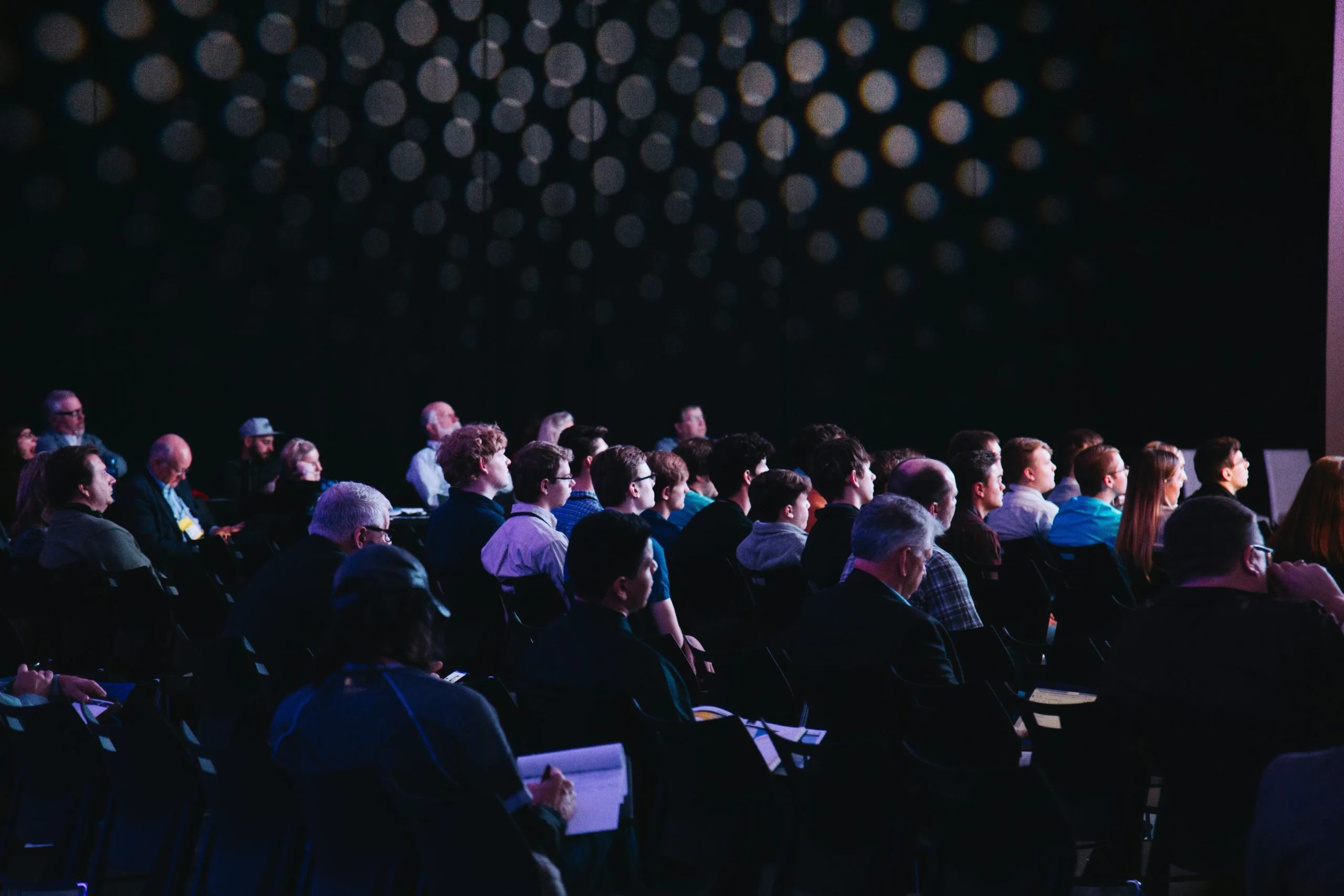
The Federation of Local Authorities in Israel, Masham, invites you to its annual event, MUNI WORLD 2021. Taking place from 19 to 21 October 2021, this hybrid event will focus on areas pertaining to smart cities innovation, environmental issues, approaches to urban planning or transportation.

The event’s highlights will be the international MUNIEXPO exhibition dedicated to urban innovation and smart cities and the MUNIWORLD Conference focusing this year on the threats of urban terrorism on smart cities. 

Online live tours will be available throughout the event for registered participants. The tours will be conducted in English and will convey what is happening in the exhibitions at those moments. To register, click here. More information is available here

Aslo discover MUNI WORLD is this 37” video. 

Building partnerships with Ukraine

Ukraine partnership - News

Key factors for successful and sustainable partnerships between Ukrainian and EU local governments 


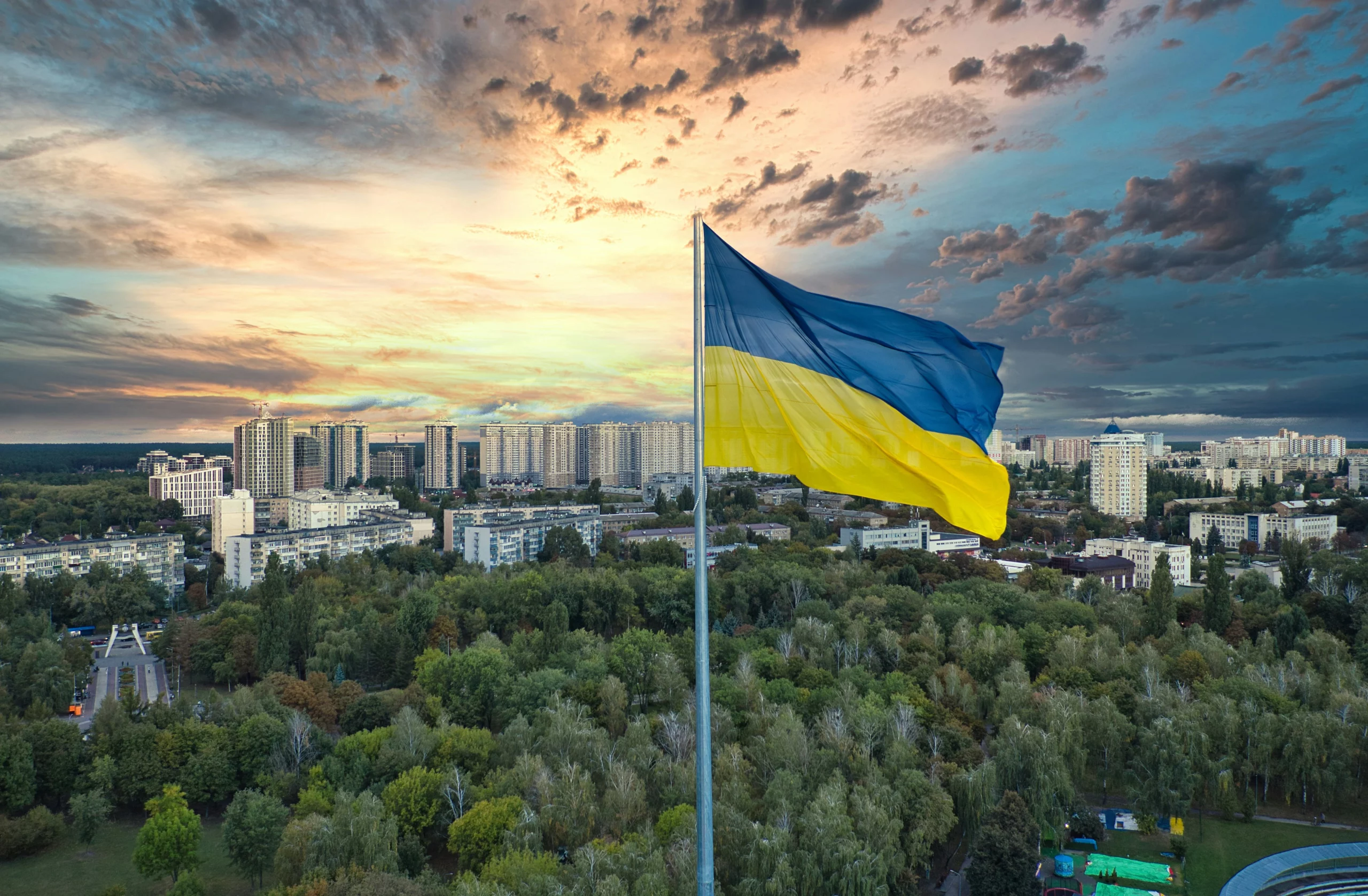
Ukrainian municipalities have a long tradition of international cooperation, especially with their counterparts in European Union (EU) member states. Today, this cooperation is more relevant than ever. Municipalities seek to improve local services, modernise administration, attract investment, and promote tourism and culture by learning from and working with EU partners. 

At the same time, establishing meaningful partnerships is not straightforward. Many municipalities, particularly those with limited international experience and resources, face challenges in sustaining long-term cooperation. To respond to this need, the Bridges of Trust initiative was launched to support exchange, promote best practices, and help local governments in Ukraine and the EU build effective partnerships. 

Mapping cooperation 

Ukraine’s decentralisation reform, launched in 2014, created 1,469 consolidated territorial communities, strengthening local governance and budgets. This has enabled municipalities to take greater responsibility for international engagement. Reports by the European Commission and the European Parliament have recognised Ukraine’s decentralisation as a success story, while also stressing the need to safeguard its achievements through constitutional reform. 

Success factors in municipal cooperation 

Drawing on decades of European experience with twinning and decentralised cooperation, several factors emerge as critical to success

  • Careful partner selection, ensuring shared interests and commitment. 
  • Clear partnership strategies with defined objectives. 
  • Sustainable planning and dedicated support structures (e.g. steering committees). 
  • Joint financing and access to external funding. 
  • Active involvement of schools, youth, and citizens to broaden visibility. 
  • Political leadership and motivated staff, supported by international departments. 
  • A strong European dimension to reinforce unity and common identity. 

Challenges facing Ukrainian municipalities 

Despite progress, obstacles remain. Studies of cooperation with Polish and other EU municipalities highlight recurring issues: 

  • Partnerships that exist only on paper, with little or no joint activity. 
  • Limited staff capacity, foreign language barriers, and a lack of experience in managing international projects. 
  • Insufficient awareness among citizens of the benefits of cooperation. 
  • Irregular contacts and a lack of strategic alignment between partners. 
  • Funding shortages for travel, exchanges, and project implementation. 

The COVID-19 pandemic has created both challenges and opportunities. While some partnerships stalled due to travel restrictions, others adapted by embracing online platforms. Virtual exchanges, such as U-LEAD’s study visits and the Bridges of Trust online forums, demonstrated how digital tools can sustain and even intensify cooperation. 

Looking ahead 

Above all, motivation and leadership remain the decisive factors. As Ukrainian officials note, training and case studies are valuable, but without committed local leaders and engaged staff, partnerships cannot thrive. Conversely, municipalities with strong motivation but little experience can quickly grow if supported with targeted training, funding, and practical guidance. 

International municipal cooperation is not simply an instrument of solidarity: it is a strategic investment in Ukraine’s recovery, resilience, and European future. By learning from each other, municipalities in Ukraine and the EU can build sustainable partnerships that deliver tangible results for their communities and strengthen the foundations of a common European identity. 

Read the study here 

For more information, contact: 

Fit for 55

Climate - News

What the EU’s mammoth climate and energy package means for local governments


If the European Green Deal set general objectives for a more sustainable and eventually carbon-neutral Europe, the Fit for 55 package presented earlier this year outlines the legislative measures to achieve this. This analysis highlights a few of the package’s major proposals: energy efficiency, alternative fuel infrastructure and forests.

European Commission President Ursula von der Leyen put the attainment of climate neutrality by 2050 at the core of her political agenda with the adoption of the Green Deal a few months after taking office in 2019. The intermediary target of reducing emissions by at least 55% by 2030 is enshrined in the Climate Law adopted in early 2021.

Published ahead of the COP26 climate summit in Glasgow in November, the Fit for 55 package contains 13 legislative and non-legislative proposals[1]. These aim to raise the ambitions of several EU policies in the fields of climate, energy, environment, buildings, forests and transport, while ensuring a socially fair transition.

The creation of an EU Social Climate Fund  has been proposed as part of the revision of the EU emissions trading system (EU ETS). The ETS reform will extend emissions trading to cover the building and road transport sectors. Emissions from these sectors will not be covered by the existing EU ETS, but by a new, separate emissions trading system. The Social Climate Fund is meant to address the social impacts that would arise from the new system.

Energy efficient buildings: 3% renovation target is excessive

The Commission proposes to amend the Energy Efficiency Directive to require EU countries to collectively ensure an additional reduction of energy consumption of 9% by 2030 compared to the objectives set for 2020.

A key element for the public sector – including local and regional governments – is a requirement to achieve an annual energy consumption reduction of 1.7% and to renovate each year at least 3% of the total floor area of buildings owned by all levels of public administration.

CEMR is concerned about this obligation as presented. A certain level of flexibility should be applied insofar as emission reductions are proven. Many  public buildings are older or even historic buildings, and therefore a uniform 3% annual renovation target would be too onerous for local and regional governments.

Alternative fuel instracture: coordination needed between all levels of government

A revised directive will set a number of mandatory national targets for the deployment of infrastructure so road vehicles can use alternative fuels, such as electricity, hydrogen or natural gas. It is crucial that Member States engage with municipalities and regions to ensure that the measures implemented by different governance levels reinforce and leverage impact.

The transition to alternative fuels also requires strong technical resources and capacity. Local and regional governments need technical expertise, enabling measures for joint public procurement and adequate financial support to make this transition a reality.

Forests: 3 billion trees to be planted by 2030

Within the new EU Forest Strategy, the European Commission aims to improve the quantity and quality of forests. Acting as carbon sinks, forests contribute to reducing emissions and are essential to maintaining biodiversity. The Commission is notably calling for a strict protection of remaining EU primary and ancient forests (today estimated at 3% of the EU’s territory). In addition, the EU wants 3 billion additional trees to be planted by 2030.

The strategy has been under discussion for some time with a wide range of stakeholders, including local and regional representatives. They call for sustainable forest management with a balance between three pillars: environment, social and economy.

Next steps

The Fit for 55 package has a strong territorial dimension given that a wide range of actions to attenuate or mitigate climate change are taking place at local or regional level. Moreover, climate change disproportionately affects certain vulnerable territories and populations.

While the majority of the proposals do not directly target local and regional governments, they will have a significant impact on them. This is why the local and regional level needs appropriate resources to comply with the legislation and cannot be left unsupported. The local and regional perspective must be well reflected in the legislative proposals going forward.

The CEMR Secretariat will closely follow the negotiations in the Parliament and the Council for the most relevant proposals, notably on energy efficiency, renewables, buildings and transport.


[1] The proposals include revisions and amendments to existing legislation:

  • Revision of the EU Emissions Trading System (ETS)
  • Revision of the Regulation on LULUCF and Effort Sharing Regulation
  • Amendment of the Renewable Energy Directive
  • Amendment of the Energy Efficiency Directive
  • Revision of the Energy Tax Directive
  • Revision of the Directive on the deployment of alternative fuels infrastructure
  • Revision of the Regulation setting CO2 emission performance standards for cars

New proposals:

  • Carbon Border Adjustment Mechanism (CBAM)
  • Social Climate Fund
  • New EU Forest Strategy

And future proposals:

  • Revision of the energy performance of Buildings Directive
  • Revision of the Third Energy Package for gas

World Climate Awards

Climate - Press

Paris and Samsø are “climate leaders”, says UN


The UN has revealed the winners of the 10th anniversary edition of its Global Climate Action Awards. Among the winners are the City of Paris and the Danish island-municipality of Samsø. The two municipalities were awarded the title of “climate leaders”.

Paris was recognised for its efforts to achieve carbon neutrality by 2050, to expand the use of solar panels to 20% of Parisian rooftops and to become a 100% bikeable city.

Samsø, with a population of around 3700, has already become net carbon zero through the use of renewable energy, electric vehicles and biomass.

The awards serve as another example that all places – urban or rural, great or small, central or peripheral – can do their part and have an impact against climate change.

Committee of the regions

European Union - News section

Stefano Bonaccini: “President von der Leyen should stick to her words when she said that local and regional governments will be at the heart of our recovery”


The European Committee of the Regions (CoR) has a long and fruitful cooperation with the Council of European Municipalities and Regions (CEMR), which turns 70 this year. Many joint initiatives, consultations and activities have been developed by the CoR and the CEMR so far and many others are already in the pipeline.

Just a few days ahead of the 19th European Week of Regions and Cities, which will take place from 11 to 14 October, we spoke with the President of Emilia-Romagna and CEMR, Stefano Bonaccini, on how local and regional governments take up the new challenges brought by the COVID-19 pandemic, climate disruption and territorial inequalities.

​​​​President Bonaccini, after seven decades of work to empower local and regional authorities in Europe, what would you say are CEMR’s main achievements?

Seventy years is a long time in politics and there is much to choose from. In the early years, CEMR greatly contributed to the European project with the promotion of town twinning. This movement was crucial to reconcile people across the continent in the aftermath of the war. Today it is estimated that there are over 20,000 twinning across Europe.

Protecting local democracy and autonomy was also crucial. CEMR’s advocacy in this area culminated in the 1985 European Charter of Local Self-Government of the Council of Europe . Today, the Charter’s 47 signatories all commit to respecting local democracy and the Congress of Local and Regional Authorities is responsible for evaluating the application of the Charter, in each Member State, through a regular monitoring, country-by-country.

Over the years, we have extended our action to an increasingly wide variety of areas, including issues of gender equality, the environment or international cooperation. But in terms of achievements, I would cite two recent examples.

Alongside other networks of local and regional governments, we have successfully influenced negotiations on cohesion policy to ensure that towns, cities and regions must be consulted when designing and delivering EU funds. To bolster our efforts, we joined with other supporters of a strong regional policy to form the #CohesionAlliance, launched by the European Committee of the Regions (CoR) in 2018.

CEMR also recently achieved the recognition that national and European associations of local and regional governments no longer need to appear on the EU Transparency Register. Thus, municipalities, regions and their representatives are no longer treated the same as private sector lobbyists, but an integral part of Europe’s democratic governance.

The context has definitely changed over the past decades. What is the raison d’être of CEMR today?

European integration has allowed its member states to enjoy the longest period of peace ever, but nowadays we are fighting other kinds of battles. The pandemic has shown that our lives can easily change within days, but also that local and regional governments play a key role, throughout all types of territories, to respond to citizens’ basic needs and ensure cohesion and safety in our communities in times of crisis.

CEMR reacted quickly, offering its members the space to exchange on how local and regional governments were implementing social and protective measures as the health crisis unfolded. We have closely evaluated the devastating impact of the crisis on local and regional finances and raised the alarm on their reduced capacities to invest in a more sustainable future.

But we still need to fight for their voices to be heard, both at the EU and national levels. In a consultation carried out together with the CoR, we documented the poor level of consultation of municipalities and regions’ representatives in the drafting of the national recovery and resilience plans. We must take a strong stance to affirm their right to be involved. Fortunately, we could count on the support of the European Commission and the European Parliament, to amplify our message. CEMR will continue to monitor the rollout of these plans over the coming months.

Climate remains high on the EU’s legislative agenda (Fit for 55, social fund, etc.): how are cities and regions contributing to advancing the green transition?

The fight against climate change is the other battle we cannot afford to lose! Our territories are subject to more and more floods, as we saw this summer in Belgium, Germany and the Netherlands. But there were also fires in Greece, France, Turkey and in my own country Italy. Climate change is no longer a challenge for tomorrow but one that affect our lives now.

President von der Leyen’s commitment in the European Green Deal is a clear sign that the EU is pushing to move forward on the green transition. But without effective EU and national support for local and regional governments, this will remain nothing but fine words. And here, the EU must reflect on how to leave no territories behind, including smaller and less connected territories with less human and financial means.

It’s not enough to allocate funds when a catastrophe arrives like the one last summer. We need to work on a preventive facility to help municipalities and regions adapt to climate change and be prepared to face any extreme climate event. These are some issues where CEMR can work and contribute to building the resilience against climate change.

To what extent can the Next Generation EU programme support cities and regions to face such challenge?

Under the spending rules, at least 37% of EU recovery funds should address climate change. In Italy there are plans to integrate more regions into the high-speed rail network and to extend bicycle paths or zero emission bus networks. Citizens are asking for more action on the ground and the recovery plans are a great opportunity to meet their expectations!

Also, the digital transition. Italy’s recovery plan will allocate 25% of the total budget to support the digitalisation of our public administrations or to implement digital public services among many other projects. But we will also aim to transform vulnerable territories into smart and sustainable areas by investing in social housing or by strengthening local social services.

Now that most of plans have been approved, we need to keep an eye on their implementation. We need President von der Leyen to stick to her words when she said that local and regional governments will be at the heart of our recovery.

Local and regional finances were strongly hit during the pandemic, what is the state of play of local finances?

The pandemic has greatly harmed local budgets! While the crisis confirmed the crucial role of local and regional governments, the impact on our finances and capacity to invest in the long term has been devastating.

According to our monitoring of local finances, the “scissor effect” has been confirmed with a sharp drop in revenue and a spike in spending, due notably to the provision of social care, the purchase of protective equipment and support to businesses, the tourism industry, cultural activities and local associations. We have also seen a disparity in the quantity and type support provided by national governments to towns, cities and regions.

We will follow closely the upcoming reform of EU economic governance, advocating for an enabling framework for local and regional investments.

What will be the role of local and regional governments and their associations in the future of Europe?

Today, 77% of Europeans consider that local and regional governments and civil society should be consulted on the use of Next Generation EU funds. This is a clear sign that municipalities and regions must play a role in Europe governance.

Local and regional governments and their associations are the best-placed to create the link between citizens and the EU institutions. That is what this crisis has shown: it is only by working hand-in-hand – Europe, national governments and municipalities and regions – that we can provide solutions for people’s well-being. And I can assure you that we are ready to mobilise citizens around the debates on the future of Europe: CEMR will play its role in this democratic process.

The Conference on the Future of Europe is a not-to-be-missed opportunity to strengthen cooperation with local and regional governments. Let’s seize this chance to put municipalities and regions at the heart of the European project!

Future of Europe

EU Enlargement - News

EU Vice-President Věra Jourová: ‘You have an accomplice in the Commission’


The European Union is a work in progress which has constantly changed with the times. In that spirit, the Conference on the Future of Europe is being held as a great occasion for elected leaders, civil society and citizens to debate what shape should take our continent and our Union

CEMR’s fourth annual retreat featured a debate on the future of Europe with the participation of local and regional leaders and high-level national and European officials. There was widespread agreement on the need for municipalities and regions to engage citizens in the debates, as well as to make their own voices heard in the Conference.

Věra Jourová, EU Commission Vice-President for Values and Transparency and former Czech minister for regional development, stressed the importance of municipalities and regions in promoting civic engagement. “Local and regional authorities are closest to citizens and are our crucial partners in the pursuit of common European goals and values, most recently also in promoting the Conference on the Future of Europe”, she said.

On the spending of EU cohesion and recovery funds, Jourová encouraged municipalities and regions to “be tough” with their national governments to ensure transparent and simple ways of spending the money. The Czech politician signaled that she is an ally on this issue: “If you need an accomplice in the Commission, I am here!

Time to share our ‘criticisms and dreams’ for Europe

Clément Beaune, French Secretary of State for European Affairs, stressed that the Conference was unique moment for open debate and for citizens to express their criticisms and dreams for Europe. He argued that local and regional governments have to “make this debate known, encourage it, share it. This is a condition for the Conference’s success.

Jan Olbrycht, a Member of the European Parliament (MEP) from Poland, said the EU was reflecting upon itself in the wake of Brexit and the COVID crisis. He argued for decentralisation in general as a way of strengthening the EU. “The Committee of the Regions and multi-level governance should absolute be reinforced”, Olbrycht said. “If they don’t reinforce decentralisation in Europe, the centralisation in each of the Member States will work against a stronger EU.

A make-or-break moment for Europe

For Eva Maydell, an MEP from Bulgaria and the president of the European Movement International (EMI), are at a make-or-break moment for Europe. “The Conference on the Future of Europe will either be a catalyst for deep changes or it will be a moment of steep decline in trust and legitimacy of the European Union.

To ensure success, Maydell stressed the need for strong communications campaigns to promote civic participation in the Conference, also at local and regional level. She argued that instead of general debates that could be too vague, there should be topical ones on issues of strong interest to citizens, such as healthcare, agriculture and edcation. She urged local governments to “take the pulse” of citizens and participate in the process of translating this feedback into political proposals.

These interventions were followed by exchanges with the mayors Oss (Netherlands), Cumpăna (Romania), Soria (Spain) and Mlade Buky (Czech Republic) and Thessaloniki (Greece), sharing their ideas on how to best include local and regional governments in the recovery and the conference.

CEMR Retreat

Youth Matters - News 2022

4th CEMR retreat: a wrap-up of our debates and activities


Dedicated to a “Fresh start for a resilient Europe,” EU officials and local leaders from across the continent gathered virtually during the event to discuss the way forward beyond the COVID crisis, as well as the place of cities and regions in the Conference on the Future of Europe. This was an opportunity to spell out our vision of an inclusive, sustainable and resilient Europe over the course of political debates and to better organise our own work through several practical workshops.

Reaching decarbonised and resilient societies

Local elected officials discussed how to reach decarbonised and resilient societies, notably to identify challenges and messages for the upcoming COP26 climate conference in Glasgow. The wide-ranging discussion covered the appropriateness of EU legislation for achieving local climate transitions, the best financial measures for this goal, decarbonisation beyond Europe’s borders and the role of future generations.

Ronan Dantec, CEMR spokesperson on climate, French senator and municipal councillor for Nantes, highlighted how European cities signatories to the Covenant of Mayors had reduced their carbon emissions by 30% between 1990 and 2020, significantly more than the European average. “Europe and local governments are still global leaders in terms of decarbonisation, even if we can always do better”, he said.

The speakers notably discussed measures at both European and local level which can be taken now to both fight against and adapt to climate change. EU legislation should favour local public procurement and investment energy efficient housing. Local governments can also take many direct actions, such as the expansion of bike lanes, the banning of gravel gardens or the development of green façades covering buildings with plants. Whatever the area, there is no shortage of actions that be taken!

First meeting of CEMR national associations’ presidents

Our network held the first meeting of the presidents of our national associations together with CEMR President Stefano Bonaccini. The presidents exchanged on our associations’ crucial role during the COVID pandemic, the actions they took and their priorities and perspectives going forward for a sustainable recovery and resilience. Check out our social media thread of the presidents’ exchanges.

Advocacy, knowledge sharing, communication: three practical workshops

Last but not least, we held three interactive workshops to orient and better organise our activities as a network. These covered our associations’ tools for national and European advocacy, our associations’ knowledge-sharing activities and cooperation on communication. Taken together, these sessions explored how to create more synergies within our network and strengthen our collective voice.

Rural development

Rural Development - News

Exclusive interview: Commissioner Dubravka Suica on the future of rural areas


On 30 June, the European Commission released the Communication “A long-term vision for the EU’s Rural Areas – Towards stronger, connected, resilient and prosperous rural areas by 2040”. The content of the communication is very comprehensive, ranging from the provision of public services in rural areas to digital solutions and the diversification of the economy. We spoke with the Vice-President of the European Commission and Commissioner for Democracy and Demography, Dubravka Šuica, about the challenges, objectives and next steps of this initiative.

What was the driver for the Commission in deciding to release this communication now and what will be its objectives? 

The demographic transition being experienced in the EU is felt in different ways in different regions, but there is no doubt that it has had a particular impact on our rural areas. The more remote rural areas in particular have experienced loss of population, ageing and challenges in provision of services and infrastructure. The COVID-19 pandemic only increased some of these gaps within the EU.

With this Vision we wanted to reach more than 137 million people living in around 80% of our territory and ensure that they can thrive in the areas they call home. 

This vision presents very concrete actions, which will immediately start contributing to creating jobs, upgrading infrastructure and mobility, attracting and retaining young talent.

Being a former mayor yourself, what do you think that are the most relevant aspects that will help local politicians address pressing challenges, such as demographic and economic decline in their rural territories and municipalities? 

The vision is very broad and implementation of the actions proposed in it requires involvement of all levels of governance: European, national, regional and local. We also need to engage the local civil society actors, associations and the business community. This is why the vision proposes the EU Rural Pact. 

As a former mayor, I know how important it is to build coalitions beyond the local community and this is why the overall objective of the vision is to create effective ways for engagement with multiple stakeholders. The EU Rural Pact will be a great opportunity for the mayors to exchange ideas and plan targetted projects with stakeholders who might otherwise be more difficult to reach.

The communication on long term vision for EU’s rural areas is just a first step: looking ahead to 2024, what are the next steps envisaged, both for the Commission and stakeholders?

By the end of this year the EU Rural Pact will be launched together with the Committee of the Regions. We will also start implementing the rural action plan that contains tangible and operative flagship projects to sustain rural areas. Altogether, we have nine flagships and 15 accompanying actions.

As an example, the first flagship project is the “rural revitalisation platform” that will predominantly support rural areas affected by population loss, ageing and a lack of economic opportunities while the flagship ‘rural digital futures’ proposes an integrated set of actions to boost the sustainable digital transformation of rural areas.

According to a recent Eurobarometer, 79% of EU citizens support the EU giving consideration to rural areas in public spending decisions and 65% of EU citizens think that the local area or province should be able to decide how the EU investment in rural is spent. To what extent will the new communication aim to influence how EU funds will be allocated in rural areas, in the upcoming years?

The Vision highlights the importance of achieving the full potential of rural areas. This can only be done with appropriate encouragement and support. The vision gives a clear message to all stakeholders, including national governments, on the importance of providing funding and a framework for support to the rural areas . Already last year I sent a letter to the Member States together with Commissioners Ferreira and Wojciechowski asking them to draw attention to rural areas in the preparation of the common agricultural policy strategic plans and the cohesion policy operational programmes. 

In addition, the Vision proposes a toolkit on access to, and optimal combination of, EU funding opportunities for rural areas. The toolkit will improve synergies and complementarities between funds and allow local residents to benefit from multiple funds.

How can the Next Generation Europe also contribute to the goal of revitalising rural and remote areas?  

Recovery and resilience facility, InvestEU, the European Investment Bank and other EU programmes can be used to promote activities in rural areas and we have invited the Member States to use these funds having the specific needs of rural areas in mind. 

In addition as proposed in the Long Term Vision for Rural Areas all of the future EU policies will be screened for effects on the rural areas through the process of rural proofing proposed in the Vision.  Beyond financial support, the Vision creates a momentum motivating action for the benefit of the rural areas from a range of stakeholders. 

There is a growing perception that rural areas are low down the EU’s priority list. According to the Commission’s public consultation, 56% of inhabitants of rural areas felt left behind. How can the Conference on the future of Europe contribute to cope with this feeling? How can we ensure the relevance of the debate on the future of Europe for citizens, especially those in rural territories? 

In launching the Long Term Vision for Rural areas, the European Commission has made a clear commitment to prioritise the well-being and prosperity of rural areas, looking at them in a way that goes beyond the traditional view of agriculture. The multiple actions proposed in it will touch the lives of many in our rural areas to help address this sense of being left behind. 

The Conference on the Future of Europe is designed to engage and include all of our citizens, also those who are sceptical towards EU and who feel left behind. It is an opportunity for the rural actors to express their views and have their voices heard primarily by taking the initiative to organise their own events and to feed them into the multilingual digital platform or through the conference panels and plenary,. 

How do you envisage local elected representatives – other than those representing the Committee of the Regions – , being able to exploit this opportunity to be present in the Plenary of the Conference on the future of Europe? How can their inputs effectively contribute to the debate at the level of EU institutions? 

The Committee of the Regions is co-ordinating to ensure a balanced participation of these elected representatives, who are not sitting members of the Committee of Regions. The members of the will debate recommendations from European and national Citizens’ Panels and input from the multilingual digital platform with citizens, national and European Members of Parliament and representatives of civil society organisations, social partners and other stakeholders. All of these inputs can be shaped by the local representatives’ points of view and the local representatives should engage with all of these levels to ensure their contributions are heard.

Social dialogue

Social Dialogue - News 2021

How can local and regional governments combat third-party violence and harassment at work ?


In the European Union, 41% of the employees work in direct contact with clients*, among them 42%, especially women, suffer from physical violence, verbal aggression, or the threat of physical violence  which is not at the hands of a co-worker (e.g., a municipal employee targeted by cyber-bullying or teacher attacked by a pupil). The so-called third-party violence, has an impact on workers’ health and safety and on their ability to provide quality services.  

Throughout the past years, this type of abuse has greatly increased. Featuring new forms of work combined with the eruption of social media, the context of Covid-19 pandemic has indeed propelled third-party violence to high levels. 

A European response is needed to fight against these abuses. That is why in 2010 European social partners agreed on multi-sectorial guidelines. But these need to be adapted to the new challenges of the pandemic, especially for essential and front-line workers : for instance health workers have witnessed an increase of threats and attacks against vaccination centres in France and Poland this summer.

For this reason, social partners, members of CEMR and the European Federation of Public Service Unions (EPSU) gathered on 16 September during the workshop “Third-Party Violence at the workplace: French Social Partners policies and agreements”**. The webinar focused on the French situation, where despite a very elaborated legislative framework, many employers and workers are not aware of specific responsibilities or mechanisms at their disposal. 

What are the solutions to end third-party violence and harassment? 

Representatives from waste and cleaning services, front desk workers and emergency services underlined the value of awareness raising and training of public workers as well as the importance of preventive action through ‘user charters’. They also agreed on the need for effective complaints and support mechanisms such as psychological support units and experts.

Mads Samsing, EPSU Chair, insisted on consultation among partners and local workers to find solutions and good practices: 

“The dialogue between workers, employees and citizens is important to consider the process on the way to some kind of decision for the public authorities. We need a good number of trained employees”.

Nevertheless, public services need stronger means to face challenges raised by new technologies in this matter.

What are the next steps ? The role of local and regional governments in the renewal of the guidelines 

As regards the situation in France, the Mayor of Sceaux and AFCCRE President Philippe Laurent highlighted the lack of protection for public agents compared to the private sector. He stressed the importance of sharing experiences and the need to improve social negotiation: 

“This awareness must continue. In this regard, good practices on the ground that can be brought and shared by CEMR and EPSU are interesting and enriching.”

Councillor Gail MacGregor, CEMR and COSLA Spokesperson, expressed her concerns about the pressure on budget in local governments : 

“The financial impacts of COVID-19 have been severe and have placed extreme pressure on already strained budgets and on our workforce. While we remain fully committed to the health and physical and mental wellbeing of our workforce, national governments must also recognise this extreme pressure and the need to invest in local government to fully play our part.”

Mads Samsing, while siding with Gail MacGregor on the budget issue, added that a renewal of the guidelines should consider digital harassment and new instruments of protection.

A new meeting on gender-based violence took place on 24th September, to discuss the update of the multi-sectorial guidelines considering recent political and legislative developments such as the ILO convention 190 on Violence and Harassment.

*Eurofund 2020
**This event took place as part of CEMR-EPSU joint project “EU dialogue, local solutions”

Mayors’ Action Platform

Green City - News Section

Mayors of Europe and beyond, take part in the Mayors’ Action Platform


Publish your own success stories, read case studies by other municipalities and get directly in touch with other city representatives via the integrated chat of the online Mayors’ Action Platform (MAP).

The Geneva Cities Hub has set up the MAP, under the auspices of UNECE and UN-Habitat, in order to share cities’ innovative practices and track progress on the implementation of the Declaration of Mayors, adopted last year at the first-ever Forum of Mayors.

The objectives of this platform are twofold:

  1. showcase concrete actions and solutions devised by cities to address the issues covered by the Declaration of Mayors
  2. create a safe space for Mayors and their administration to exchange among peers

Mayors can also let the Geneva Cities Hub know about the success stories in their city by answering this survey.