ESPON

COVID Statement - News 2020

CEMR taking part in a study on COVID’s territorial impact and local responses


CEMR is partnering with ESPON – the EU research programme on territorial development – to study the territorial impacts of COVID-19 and policy answers in European regions and cities. We will collect information through a survey of our members and gather relevant case studies from our experts.

The resulting study will seek to identify the patterns of COVID’s spread and emphasise both the importance of local governments in assessing the pandemic’s impact, as well as the role of their associations.

Sustainable Development Goals

Promoting the Global Goals - News 2023

Hot off the press: “European Territories Localise the SDGs”


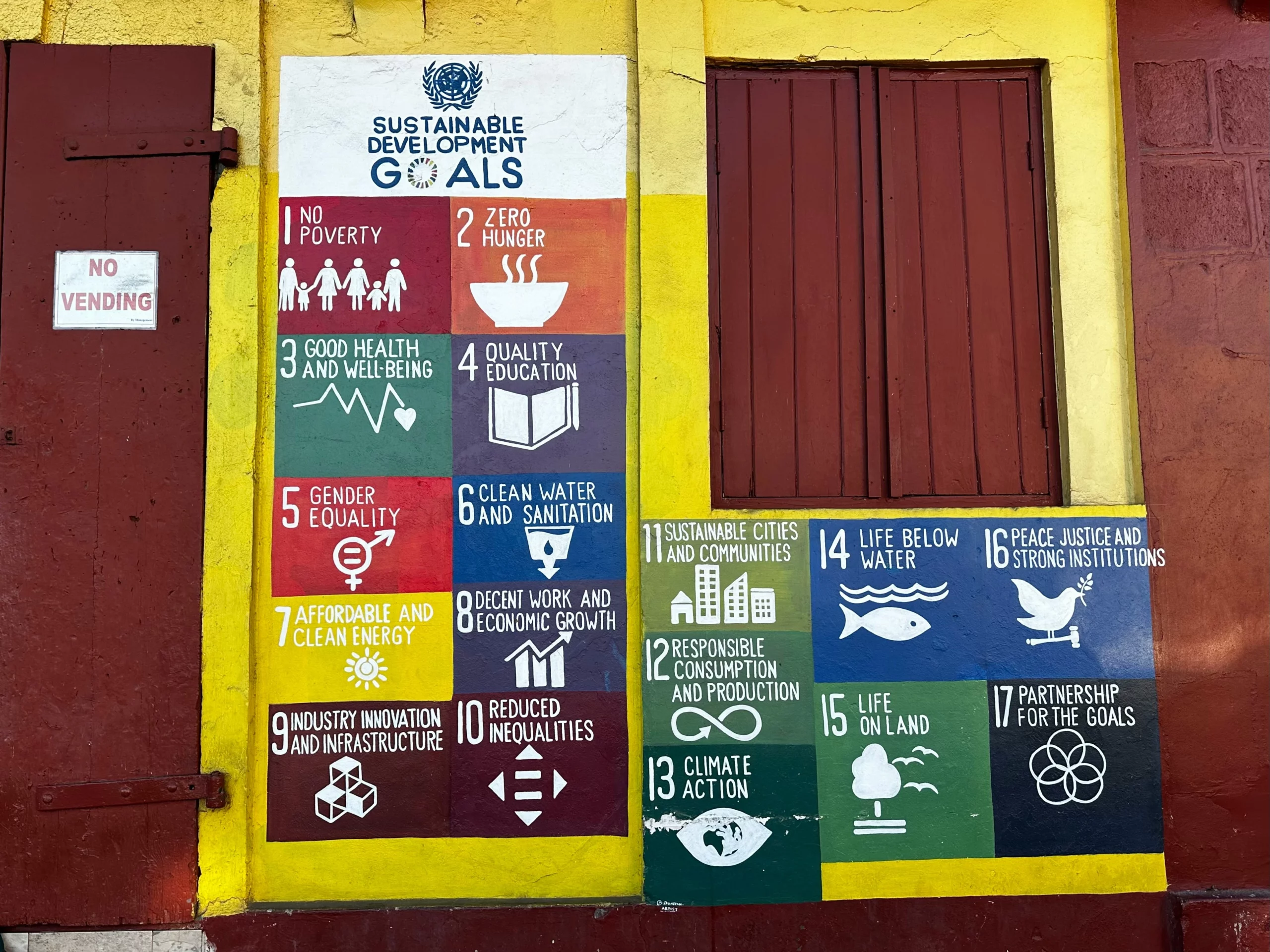
From global to local: CEMR and PLATFORMA are proud to present the 2021 edition of our regular series of publications on how municipalities, regions and their associations are making the UN Sustainable Development Goals (SDGs) a reality on the ground.

Entitled European Territories Localise the SDGs: Continuity and Change in Times of COVID-19, this 46-page report is jam-packed with data, infographics, charts and best practices on how local and regional governments are working on the SDGs in Europe and beyond.

Based on data from 39 local and regional government associations in 29 countries, the study provides a succinct overview of the often-diverse situation across the European continent.

Local governments: key to monitoring and cooperation on the SDGs

The report’s findings are clear: an increasing number of local and regional governments and their associations in Europe are taking the lead in implementing what is still seen by many others as ‘just’ a global agenda. Those on the forefront however know how the 2030 Agenda and its SDGs can transform their daily work, policies and public services with inclusive approaches.

Indeed, 15.4% of associations are now more involved in the SDGs than in 2019. Today, over 3/4 associations have sound knowledge of the SDGs and 1/3 use them as a guiding reference.

The SDGs offer a shared vocabulary and goals, enabling local governments to interconnect with other governments and players, ultimately forming links between citizens and the world. Local governments and their associations have a particularly crucial role in promoting cooperation on and monitoring of progress on the SDGs.

84% of associations are involved in some way in national SDG coordination mechanisms. What’s more, around 4/5 associations have taking action on the SDGs’ international dimension and consider that the SDG framework helps development of partnerships with peers, namely for decentralised cooperation activities centered around the 2030 Agenda.

The report also highlights the essential role of local government associations have played during the COVID crisis. This has included sharing information with municipalities and regions, capacity-building, advocating for financial support and participating in national consultations.

Recommendations to realise the 2030 Agenda from the bottom-up

We have long known that the ambitious goals of the 2030 Agenda need to be implemented from the bottom-up. The local level is ideal for experimentation, innovation and acceleration of work on the SDGs. However, the right conditions need to be in place to realise this potential.

The report formulates 5 key recommendations:

  1. Increase EU and national funding for SDG localisation
  2. Promote mutli-level governance, multi-stakeholder partnerships and policy coherence
  3. Local and regional governments and their associations should continue peer learning within and outside Europe
  4. National governments should increase recognition and support for SDG localisation (notably to monitor progress)
  5. Strengthen human resources and capacities on SDG localisation

The report and its key findings will be presented on 29 June at the 12th Annual Meeting of Cités Unies Frances (CUF), on 8 July during a PLATFORMA-CEMR dedicated webinar taking place during the UN High Level Political Forum on Sustainable Development (HLPF, registration form) and at other local government events.

Policy Committee

Meeting - News section

Local leaders gather for a busy political agenda


Europe’s local leaders met on Friday (18 June) to take stock of CEMR’s activities and orient its political work. There was a busy agenda as the Policy Committee dealt with a wide range of issues.

CEMR’s highest decision-making body discussed action on migration and integration, and adopted positions on rural development and the European Commission’s 8th Environmental Action Plan. The elected officials also discussed the evolution of human rights, gender equality and local democracy in Europe, culminating in the adoption of a declaration in support of municipalities signing the Charter for Equality, regardless of the national situation.

The leaders also discussed CEMR’s participation to the Conference on the Future of Europe – a great event debating how to reform the European Union – in collaboration with the European Movement International (EMI). This would notably involve the organisation of local citizen dialogues, with several CEMR members having expressed an interest in organising such events.

The next Policy Committee meeting is planned for January 2022.

COVID-19’s impact on local cultural activities

The meeting kicked off with two simultaneous debates during breakout sessions, one on COVID-19’s impact on local cultural activities and the other on our long-term vision on rural development.

Local leaders and experts on cultural policy discussed the state of the cultural sector, which has been devastated by the COVID-19 pandemic. Catherine Magnant, deputy director in the European Commission’s Directorate-General for Education, Youth, Sport and Culture, provided an overview of the sector and of EU support measures.

The cultural sector makes up 4% of EU GDP and employs 8 million people but many institutions have seen a collapse in revenue as visitorship plumetted. Cinemas, museums and music venues all saw revenue losses of 70-80%.

This is a personal tragedy for the artists and a problem for the economy, at a time during the pandemic where culture is essential to our mental health and well-being“, said Magnant. “So it is very important that we try to help this sector recover.

The EU took a number of measures to support the industry. Employment contracts could now be made flexible. Funding is being provided with the Creative Europe programme being boosted by 60% (now worth €2.44 billion for the 2021-2027 period) and cultural funding also being provided within other EU programmes.

The session’s moderator, Flo Clucas (councillor for Cheltenham, United Kingdom), and the participants all agreed that the cultural sector represents more than just an economic industry, but is also a way of making the most of each territory’s heritage and of bringing people together at a time when the pandemic has sharply isolated people.

Long-term vision on rural development

Ahead of the publication of European Commission’s long-term vision for rural areas, local and regional leaders discussed the impact of COVID-19 on rural and remote areas. While rural areas were initially spared during the pandemic, they were often less prepared to deal with the disease due to comparative lack of infrastructure and healthcare services. At the same time, rapid digitalisation of daily life may offer new opportunities the countryside.

Lord Mayor of Sala Carola Gunnarsson described how the COVID crisis and teleworking had changed the situation for rural areas in Sweden. Many people had moved out of the capital Stockholm, a novel development, thanks to teleworking. People move to the countryside for the lower cost of living, contact with nature and higher quality of life. This gives new opportunities to revitalise rural areas by taking advantage of their assets.

Mayor of Soria and CEMR Vice-President Carlos Martínez Mínguez emphasised the importance of providing equal opportunities and equal access to public services, notably through public investment. Europe’s recovery and resilience plan represent an opportunity not to be missed, as lack of action in this area has led to public alienation in the form of rising euroscepticism. He proposed that we move to a new governance model in which local and regional governments take more responsibility for these policies and have more influence among national and international players.

Many members of the Policy Committee joined the debate to share similar challenges as well as shed light on the specificities of rural areas and urban-rural linkages in each country. Most of the interventions mentioned access to quality broadband and mobility opportunities as key issues, also pointing to the major role of national and European high-speed road and train networks in shaping territories. These issues will be at the heart of the session CEMR organises during the European Week of Cities and Regions.

For further information in this topic, check out CEMR’s long-term vision for rural areas: “Making ‘no one left behind’ a reality”.

Digital Decade

Digital Decade - News 2021

Europe’s Digital Decade: 3 challenges for the EU to succeed


The digital transformation is having a major impact on our societies, everyday life, economy and the way public administrations function. With its communication “Europe’s digital decade”, the European Commission outlined its vision for the digitalisation of our societies, notably by setting targets in areas such as education, business, infrastructure and government.

These unprecedented targets do not come alone. The EU’s €672.5 billion Recovery and Resilience Facility has indeed fixed that at least 20% of national recoveryplans be dedicated to digital transition.

We aspire to a society in which we make use of technology’s potential and safeguard the public interest. Making all public services available online will be a crucial challenge for local and regional governments. 

The webinar “Are we ready for a Local Digital Decade?”, organised by CEMR and its associations, shed light on some of the challenges that the EU has to take into account to succeed in its digital strategy. 

The transition to e-government requires investments 

New technology rarely comes cheap and the digitisation of local public administration can put pressure on local finances. “Sufficient attention is not paid to the financing of the renewal or maintenance of existing and active services,” said Kaimo Käärmann-Liive from the Association of Estonian Cities and Municipalities (AECM). The Recovery and Resilience Facility however represents a good opportunity to invest in our territories.

Equally important is that local and regional governments can count on public officials who have the knowledge and technical skills to adapt well to the digitisation of services. The EU should ensure financial support and adequate platforms to share best practices and development of digital skills within municipalities and regions, for example through the new Digital Europe Programme

No territory should be left behind

EU digital ambitions must take into account rural, less populated and remote areas. “The GDPR created a lot of bureaucracy and administrative costs, and small municipalities are struggling to implement it”, said Michael Schmitz, an advisor at German County Association (DLT). The same goes for 5G, which aims to cover of 80% of territory. We should make sure that it “should not be targeted to only populous places.” In fact, “the 80% target is not ambitious enough since private telecommunication companies in Germany have argued that we can cover 99% of the territory.” 

A proper data management is key

Cities need to manage local data but this is a very complex undertaking. A study published by the Association of German Cities (DST) called “Urban Data ” reveals that data management requires cooperation, transparency and dialogue.  Sharing data across sectors is important as  you need expertise within the local reality. There is a need to fit the legal and infrastructural frameworks, and reorganise powers and competences. 

The accessibility, security, availability and usability of services must be guaranteed so that they can be used by all in a non-discriminatory manner. The notion of “intersectionality” is therefore essential to understand how several factors of discrimination can add up and enable us to empower the most disadvantaged citizens.

This webinar was part of a series organised by CEMR for its members that aims to provide them with key knowledge, insights and capacities to engage local government in the digital transformation. 

Summit Poznan 2021

Renewable Energy - News

Connecting Nature Enterprise 


As the world looks to build back better after the pandemic, innovators are leading to the way towards sustainable business models inspired by nature. That’s why the city of Poznan is hosting the Connecting Nature Enterprise Summit, an online event bringing together mayors, business leaders and policymakers from across Europe, with the support of the European Commission.

The summit will explore the challenges and opportunities of embracing nature-based solutions. Hosted on a virtual platform with panel discussions, presentations, workshops, capacity building sessions and plenty of opportunity to connect with other participants. Get inspired, naturally!

Dates: 29-30 June 2021
Website and programme
Registration
Languages: English and Polish

Africa-Europe partnership

Africa - Press

Connecting young local leaders


Europe and Africa face more and more common challenges, there is a growing need for greater cooperation and solidarity, starting with the local level. Many of these challenges are long-term and intergenerational, meaning young people are deeply affected. And indeed who better to talk about the world of tomorrow than the youth?
 
That’s why we are holding the “Africa-Europe partnership: Connecting young local leaders!” event gathering young local and regional elected officials, youth organisations, representatives and partners from Europe and Africa to tackle one big question: how should African and European young local leaders organise their collaboration?
 
The event will explore how local leaders can structure their future dialogue and provide input to major events such as the African Union-European Union summits and Africities. The session will build upon previous work begun in Abidjan and Marrakesh in 2018.
 
The event will take place over two days on 23-24 June 2021. During the opening session, inspiring young leaders will share their reflections on a future for Africa-Europe relations that takes into account the needs and wishes of young people in an increasingly connected world.
 
The following day, we’ll discuss the future of this partnership during a practical working group session and gather ideas to structure the dialogue and address common challenges together from a local perspective.
 
So don’t hesitate to come along to build the foundations of a partnership that will shake up Europe-Africa relations as we know them!
 
Dates: 23-24 June
Agenda
Registration link

Engaging in the European semester 

CEMR Conferences

CEMR–EPSU handbook helps local government social partners strengthen their role in EU economic governance 


The European Semester, launched in 2010 to coordinate EU Member States’ economic, financial, employment and social policies, increasingly shapes national reforms and public investments. For local and regional governments (LRGs) and their social partners, the Semester is not just about fiscal discipline, it now covers areas like health, education, taxation, social care, and the green and digital transitions, with direct implications for workers in the LRG sector. 

Recognising this impact, the 2018–2020 CEMR–EPSU joint project produced a Handbook for Social Partners. Its aim: to help LRG social partners navigate the Semester, build their capacity, and influence reforms more effectively. 

The handbook highlights the growing territorial dimension of the process: in 2019, 62% of all Country-Specific Recommendations (CSRs) had a direct or indirect local and regional impact. With future EU funds increasingly tied to Semester priorities, active engagement becomes crucial. 

Practical guidance is provided on how to engage across the Semester’s different phases: 

  • Awareness-raising and capacity building: Social partners should strengthen internal knowledge, build alliances, and establish direct contact with the national ministry leading the Semester and with the European Commission’s Semester Officer. Early and proactive engagement, including joint employer–worker positions on key issues, helps set the agenda. 
  • Country reports and fact-finding missions: In December–February, the Commission assesses national situations. LRG social partners can influence this by meeting fact-finding missions, submitting analyses, and ensuring that their priorities are reflected in reports. 
  • Implementation phase (April–July): As Member States draft their National Reform Programmes (NRPs) and receive new CSRs, social partners can contribute written submissions, highlight gaps, and propose reforms aligned with local needs. Examples from Sweden, Lithuania, and Spain show structured opportunities for input through consultation fora or tripartite councils. 
  • Follow-up phase (August–October): With reforms under implementation and budgets prepared, dialogue with national authorities and Semester Officers is vital to ensure LRG perspectives are integrated. 

The handbook stresses that the aim is not one-off consultations, but structured, regular dialogue between governments, the Commission, and LRG social partners. By organising themselves, building alliances, and proactively shaping priorities, local government employers and trade unions can ensure their voices count in one of the EU’s most influential policy processes. 

Read the study here 

For more information, contact: 

Rural Areas and EU Funds

Rural Europe - News

How can local and regional governments in rural areas access EU funds, identify key challenges, and provide recommendations for improvement 


Rural areas are central to Europe’s territorial, social, and economic cohesion, but they often face persistent challenges, from ageing populations and digital divides to restricted access to services. Recognising this, the European Commission is developing a long-term vision for rural areas. In this context, the Council of European Municipalities and Regions (CEMR) has examined how local and regional governments (LRGs) in rural areas access and use EU funds, an essential tool for addressing local needs and unlocking development potential. 

In March 2021, CEMR conducted a targeted survey among nine national associations of municipalities across the EU to assess how effectively rural LRGs are utilising EU funds. The results point to a clear mismatch: while EU funding is recognised as highly relevant for rural areas, its actual use by LRGs remains limited in many cases. 

The European Agricultural Fund for Rural Development (EAFRD), European Regional Development Fund (ERDF) and European Social Fund (ESF) are considered the most relevant, and most used, by rural LRGs. However, other important programmes like LIFE, Erasmus+, and Connecting Europe Facility are seen as underused, despite their potential relevance. Several barriers contribute to this situation, including overly complex administrative requirements, lack of technical capacity in small municipalities, and limited awareness of support mechanisms. 

The analysis also reveals a concerning gap between the perceived importance of rural challenges and the effectiveness of EU funds in addressing them. While EU funding appears helpful in tackling issues like poverty, pollution, or lack of services, it is perceived as inadequate in dealing with demographic decline, public transport gaps, or the rise of populism, issues at the heart of rural fragility. 

CEMR’s study further shows that some Member States provide national or regional support to help rural LRGs access EU funds, but awareness and coordination are often lacking. There is also difficulty in combining different EU funding streams, such as CAP and cohesion funds, limiting the efficiency of investment. 

CEMR’s findings point to the need for a new narrative on rural areas, one that recognises them as drivers of opportunity, not merely recipients of aid. To make this vision a reality, EU funds must be more accessible, tailored, and coherent with rural priorities. This includes simplifying administrative processes, improving communication, and better aligning funding objectives with on-the-ground realities. 

As the EU shapes its long-term vision for rural areas, the voice of local and regional governments must be heard. They are not only implementers of EU policy, but they are also essential partners in building vibrant, resilient rural territories. A stronger focus on their role will be crucial to ensuring no place is left behind. 

Read the study here 

For more information, contact: 

Localising sustainable goals after COVID19

Localising SDGs - News

How European territories are driving sustainable change amid the Covid-19 crisis 


The Covid-19 pandemic has been a profound shock for municipalities and regions across Europe. Faced with health emergencies, social disruption, and economic slowdown, local and regional governments (LRGs) had to adapt swiftly, protecting essential services, reallocating budgets, and reshaping priorities. Yet, despite the immense challenges, many local authorities did not abandon global commitments. Instead, they turned to the 2030 Agenda for Sustainable Development (SDGs) as a framework to guide recovery and long-term resilience. 

With over 65% of SDGs requiring local implementation, municipalities and their national associations play a decisive role in ensuring progress. Some cities temporarily slowed their SDG-related work, but others actively integrated the Goals into recovery strategies, using them to design inclusive, coherent, and sustainable policies. This approach has strengthened their credibility as leaders in “building back better.” 

National associations of local governments proved to be vital allies. By coordinating efforts, connecting municipalities with resources, and advocating at the national and European levels, they helped ensure that even small and rural communities could advance the SDG agenda. Importantly, awareness and commitment have grown: associations in countries where SDG uptake was once limited are now actively building knowledge, promoting peer learning, and pushing for recognition of local action. 

Another breakthrough is the rise of Voluntary Local Reviews (VLRs) and Voluntary Subnational Reviews, which showcase municipal achievements and give visibility to local actors on the international stage. This not only strengthens city diplomacy but also fosters a shared vocabulary and sense of purpose among local, national, and global partners. 

The Covid-19 crisis has underscored the transformative power of the SDGs: as both a roadmap for sustainable recovery and a catalyst for innovation in governance, partnerships, and service delivery. Still, achieving the Goals requires greater investment and mobilisation of resources. EU initiatives such as the Green Deal, cohesion funds, and Global Europe offer crucial opportunities to scale up local action, alongside new forms of public-private partnerships. 

In short, the SDGs are not an abstract global agenda, they are a practical tool for territories to rebuild stronger, fairer, and greener communities. Even in times of crisis, Europe’s municipalities and their associations are proving that sustainability is not just a long-term ambition, but an immediate necessity. 

Read the study here 

For more information, contact: 

Rights of persons with disabilities 

Disabled people - News

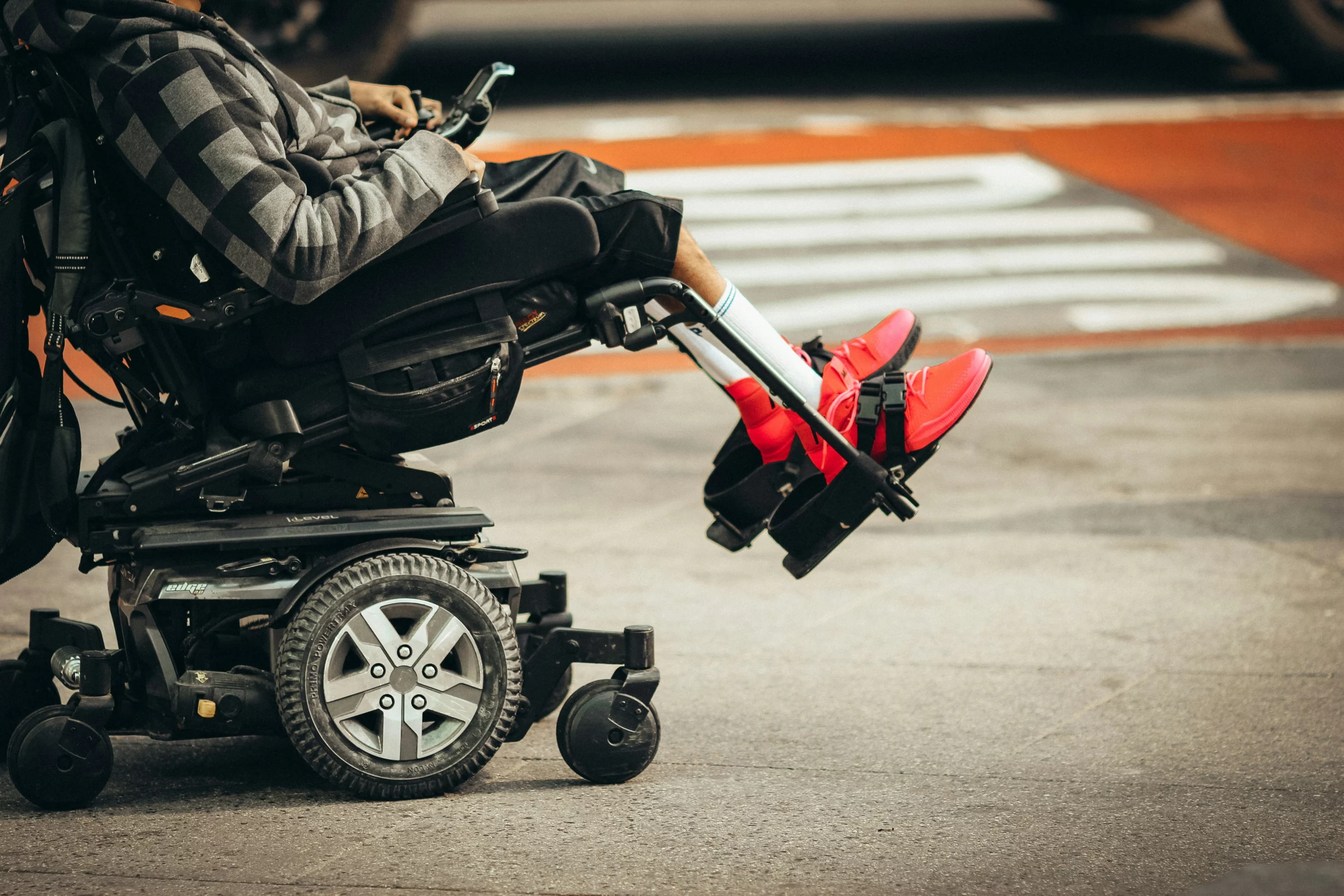
Empowering local and regional governments to uphold the UN Convention on the Rights of Persons with Disabilities (UN CRPD)  


In 2021, amid the launch of the new EU Strategy for the Rights of Persons with Disabilities (2021–2030), the Council of European Municipalities and Regions (CEMR) conducted a survey to assess local and regional governments’ awareness, involvement, and needs regarding the UN Convention on the Rights of Persons with Disabilities (UN CRPD). The initiative comes ten years after the EU’s ratification of the Convention, recognising that local and regional governments (LRGs) are essential actors in making its rights a lived reality. 

The survey, circulated in late 2020, aimed to gauge both knowledge and engagement with the UN CRPD across Europe’s municipalities and regions. It also sought to understand how the EU and its Disability Strategy could better support local efforts. A total of 34 responses were received from 10 countries including Iceland, Romania, Scotland, the Netherlands, and Ukraine. 

Key findings reveal that most respondents were aware of the Convention and had participated in its implementation, often via national dialogues, local projects, or action plans. However, they reported significant challenges, including: 

  • Lack of funding and staffing to develop targeted services 
  • Insufficient guidance on mainstreaming disability rights 
  • Inadequate infrastructure and facilities 
  • Complex bureaucratic barriers 

Critically, 76% of respondents expressed the need for specific EU-level support, requesting good practice guides and capacity-building tools covering accessible housing, education, transport, health, ICT, and public life, especially for under-resourced rural and urban areas. 

Even more tellingly, 91% expressed interest in peer exchange and capacity-building programmes, emphasising the value of learning from other municipalities’ experiences to improve implementation, strengthen legal frameworks, and empower disability-inclusive governance. 

Good Practices Highlighted 

  • Scotland’s Local Government Delivery Plan for the UN CRPD, developed by COSLA, aims to enable independent, dignified living through local co-production with disabled people. 
  • Romania’s City of Sibiu collaborates with NGOs and ministries to deliver inclusive services, including a multi-purpose centre for people with disabilities, offering therapy, socialisation, and housing support. 
  • Iceland’s Local Authorities Association leads awareness-raising initiatives as part of a national disability strategy aligned with UN CRPD goals. 
  • The “We Are Able!” Programme, developed by VNG International, supports inclusive governance across six African countries, linking European and Global South municipalities to promote the Local Inclusion Agenda through joint learning and capacity building. 

The CEMR survey confirms that local and regional governments are vital enablers of the rights enshrined in the UN CRPD. Yet, many of them face systemic barriers that prevent meaningful implementation. To succeed, they need EU-level support, more financial resources, and access to shared knowledge and good practices

As the EU Disability Strategy 2021–2030 progresses, it must ensure that municipalities and regions are not left behind. Supporting them is not only a policy necessity but a moral obligation to build more inclusive, accessible, and equitable communities. 

Empowering local leadership is key to transforming international commitments into everyday rights for all persons with disabilities, close to home. 

Read the study here 

For more information, contact: