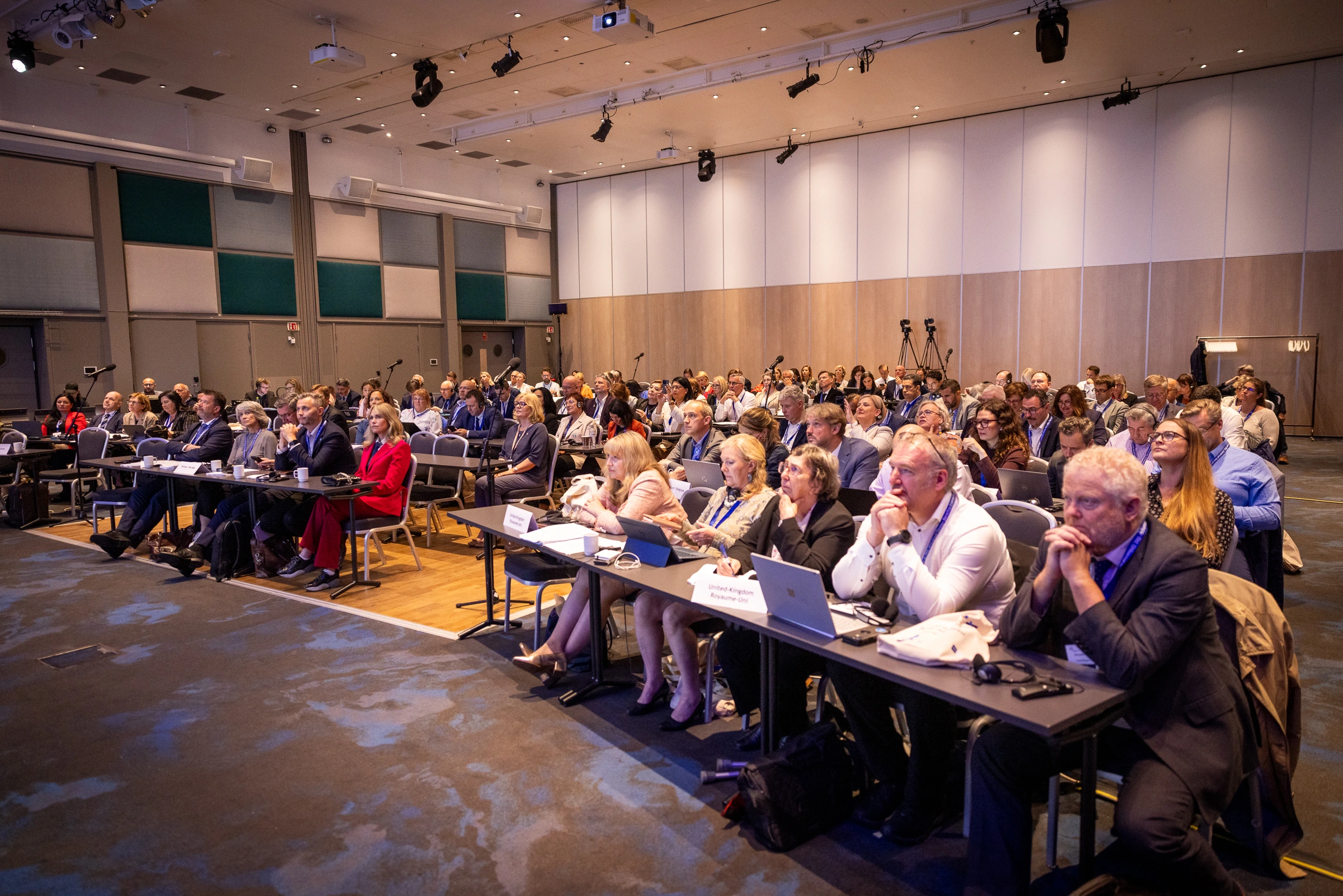
Call for democracy and sustainability in Olso

Leaders Summit - Oslo News

Local and regional leaders call for democratic and sustainable resource strategies in Europe at the Leaders’ Summit


  • Amid increasing geopolitical uncertainty and environmental challenges, local and regional governments reaffirmed their role as cornerstones of democratic resilience and sustainability in Europe.
  • Participants called on EU and national institutions to work more closely with local and regional governments, recognising their essential contribution to both democratic renewal and environmental transformation.

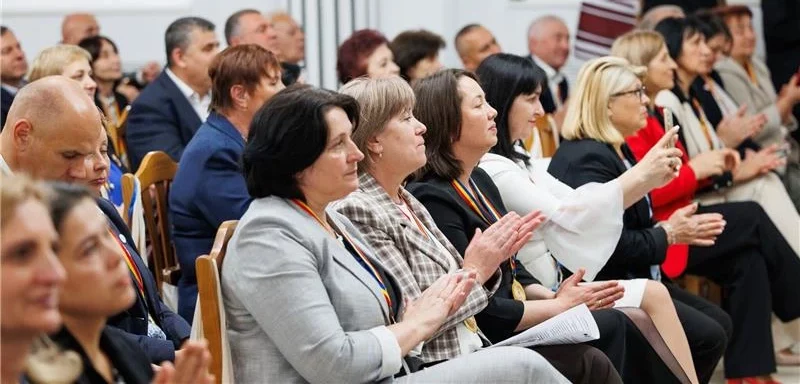
Over 100 mayors, regional leaders, policymakers and experts gathered in Oslo on 23–24 June 2025 for the CEMR Leaders’ Summit, hosted by the Council of European Municipalities and Regions (CEMR) in cooperation with the Norwegian Association of Local and Regional Authorities (KS).  As part of the Summit, delegates visited VEAS, Scandinavia’s largest wastewater treatment plant, for a field visit that showcased how innovation and local partnerships can boost resilience.

Opening the Summit, CEMR President Gunn Marit Helgesen and Mayor of Oslo Anne Lindboe highlighted the urgent need to protect Europe’s democratic values from disinformation, external interference and political polarisation. “We must ensure that democracy remains strong where it is most tangible—in cities, towns and regions,” said Helgesen.

Defending democracy in uncertain times

Through high-level discussions and the CEMR Policy Committee meeting, local leaders exchanged strategies to reinforce citizen participation, protect democratic institutions, and uphold human rights, even in times of instability.

These discussions come at a pivotal time as the EU prepares its next long-term budget. CEMR called for a stronger role for local and regional governments in shaping the future of the EU through its ongoing campaign on the post-2027 Multiannual Financial Framework (MFF). Read more about the campaign here.

Resource management as a pillar of democracy

Local and regional leaders, together with EU and national representatives, tackled the critical issue of water resilience, strategic autonomy, and the circular economy.

Naaja H. Nathanielsen, Minister of Business, Mineral Resources, Energy, Justice and Gender Equality in the Government of Greenland, joined the meeting remotely to share Greenland’s experience. “For Greenland, development is not a goal in itself, but a means to build resilience and economic independence. We won’t develop at any cost—our environment and communities come first.

Echoing the priorities outlined in the CEMR’s Water Resilience Policy Paper, participants stressed that local solutions and strong public services are vital to address growing water stress across Europe.

To inspire and support local action, CEMR has also collected over 65 local initiatives on water management across Europe, now featured in an interactive Water Mural of Best Practices.

A common vision for Europe’s future

The Summit concluded with a strong political message: local democracy and sustainability must go hand in hand. Participants called on EU and national institutions to work more closely with local and regional governments, recognising their essential contribution to both democratic renewal and environmental transformation.

CEMR will take the insights and commitments shared in Oslo to strengthen its advocacy at the European level,” said Fabrizio Rossi, CEMR Secretary General. “Our collective voice is key to shaping a more resilient, fair, and sustainable Europe.”

For media inquiries and interviews, please contact: 

CEMR

Fiorella Lavorgna 

Fiorella.lavorgna@ccer-cemr.org 

(0039)3405761789

KS

Ida Paulsen Slettevoll 

Ida.Paulsen.Slettevoll@ks.no  

(0047) 90501841

Results of SPICE Twinning Programme

Twinning - News

CEMR announces grant recipients for SPICE 2025 Twinning Programme 


Twinning plays a vital role in connecting municipalities and regions, encouraging them to tackle shared challenges — from climate action and digital transition to social cohesion and public service innovation. Beyond these policy priorities, Twinning also nurtures mutual understanding and a sense of European belonging among citizens and communities.  

Since 1951, CEMR has championed Twinning as a powerful tool for peacebuilding, dialogue, and long-term collaboration. Today, these partnerships go beyond symbolic exchanges to become strategic platforms for co-creating solutions to the pressing challenges facing Europe’s towns and regions.  

The Council of European Municipalities and Regions (CEMR) is pleased to unveil the selected recipients of the SPICE 2025 sub-granting scheme, part of the broader project “SPICE – Empowering Local and Regional Governments for Sustainable Policy Implementation and Civic Engagement in Europe”. 

Funded by the European Commission under the Citizens, Equality, Rights and Values (CERV) programme, this grant scheme builds on the success of the 2024 pilot phase. It aims to support national associations of local and regional governments in strengthening Twinning initiatives and related activities across Europe. 

The selected proposals reflect a strong commitment to EU values, civic participation, gender equality, social inclusion, and democratic governance. Each winning association will receive a sub-grant of up to € 30 000 to implement projects that bring together municipalities across borders in shared learning and joint action.  

CEMR is proud to support the following local and regional government associations as recipients of the SPICE 2025 grant programme: 

  1. TÖOSZ – Települesi Önkormanyzatok Orszagos Szövetsege (Hungarian National Association of Local Authorities) 
  1. KEDE – Κεντρική Ένωση Δήμων Ελλάδας (ΚΕΔΕ) (Central Union of Municipalities of Greece) 
  1. LALRGA – Latvijas Pašvaldíbu Savieníba (Latvian Association of Local and Regional Governments) 
  1. AFCCRE – Association Française du CCRE (French Association of CEMR) 
     

CEMR warmly thanks all member associations who submitted proposals under the 2025 call and contributed to its success. Stay tuned as we share updates on these promising initiatives and their impact across Europe. 

For more information, contact

UCLG meeting with EU Commissioner Síkela

“Local governments must be at the heart of the EU’s international partnerships”


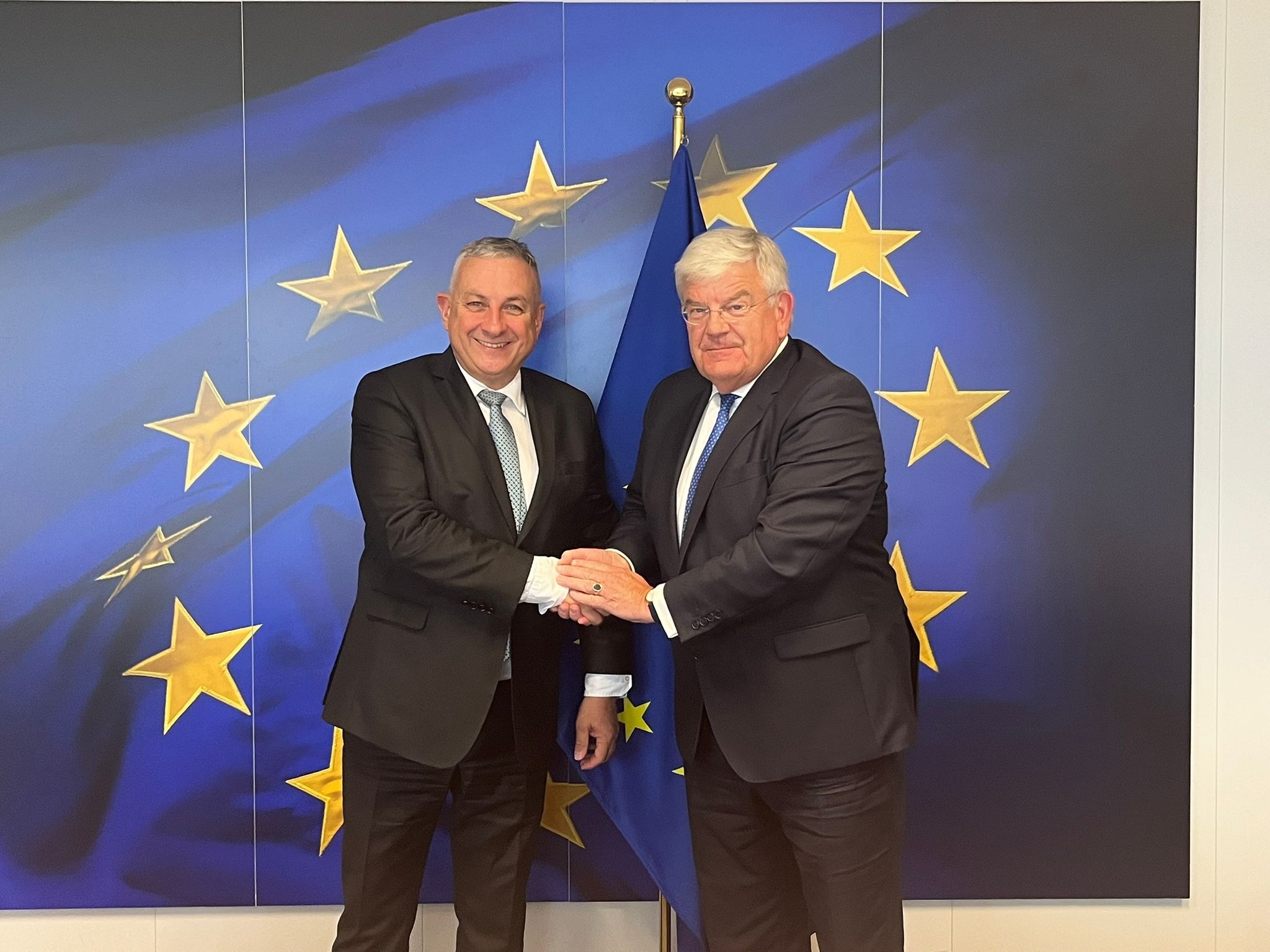
UCLG President, Jan van Zanen, met with EU Commissioner Jozef Síkela: “Local governments must be at the heart of the EU’s international partnerships”

In a bilateral meeting on 10 June UCLG President and Mayor of The Hague Jan van Zanen met with the European Commissioner for International Partnerships Jozef Síkela at the occasion of 10 years of strategic partnership agreements between key associations of local and regional governments with DG INTPA (2015–2025), to advocate for a stronger role of local and regional governments (LRGs) in EU development cooperation – and to secure long-term support for decentralised cooperation in the next EU budget.

The delegation of CEMR and PLATFORMA, led by Mayor van Zanen, and including CEMR Secretary General Fabrizio Rossi, found promising common ground with the Commissioner. Both sides agreed that the goals of the Global Gateway strategy and the objectives of the EU international action – from sustainable development to infrastructure investment – can only be met by empowering the actors who are closest to the people: local governments.

Mayors and local leaders are not just implementers. They are political actors, democratically elected and accountable to their communities“, Mayor Jan van Zanen said. “They have a unique role to play in achieving the EU’s goals – but they need the means and the recognition to do so“.

Commissioner Síkela acknowledged the critical contribution of cities and regions to the EU’s Global Gateway strategy and international partnerships. As a former Czech Minister of Industry and Trade and a representative of the liberal “Mayors and Independents” party, Síkela expressed strong political sensitivity to the added value of local and regional leadership in global cooperation.

The meeting was part of a coordinated advocacy effort based on the PLATFORMA Political Declaration on the Role of Local and Regional Governments in the next Multiannual Financial Framework and EU External Action, adopted by local leaders in April 2025. CEMR and PLATFORMA underlined the need for a dedicated financial mechanism in the next Multiannual Financial Framework (MFF 2028–2034) that would allow LRGs and their associations to scale up their international cooperation and support peer-to-peer partnerships with their counterparts in partner countries.

They also called for improved dialogue with EU Delegations on the ground, clearer distinction between LRGs and civil society organisations in EU instruments, and tailored, realistic and impactful calls for proposals.

Beyond financial tools, CEMR and PLATFORMA emphasised the importance of political recognition of the role of local and regional governments and their associations and networks in the implementation and governance of the Global Gateway strategy. As Europe’s largest network of municipalities and regions, CEMR highlighted the importance of structured policy dialogue and inclusive governance – especially in fragile contexts where local actors are often the last line of defence of democratic values, and provision of basic public services to the local populations.

The exchange with Commissioner Síkela comes ahead of the “2025 Cities and Regions for International Partnerships” conference, scheduled for December, where the Commissioner is invited to continue the dialogue with the presidents of five key associations, signatories of a strategic partnership agreement with DG INTPA.

As the EU begins to shape its upcoming budget cycle, the message from Europe’s mayors and local leaders is clear: for EU development cooperation to succeed, and for the Global Gateway strategy to deliver on its ambition as a value-based offer to partner countries, the local level must be included.

For more information, contact:

On the EU Water Resilience Strategy

Head Banner - SUN4UKRAINE

CEMR priorities on the European Commission Water Resilience Strategy


The European Commission has just published its Water Resilience Strategy, a much-needed step toward safeguarding one of our most vital common goods.

At CEMR, we welcome the Strategy’s alignment with many of our long-standing priorities:
✅ Recognition of water as a public good
✅ Acknowledgement of the role of multi-level governance, cross-border cooperation and stakeholder engagement
✅ Emphasis on nature-based solutions, including the new Sponge Facility
✅ Improved tools for data access, drought management, and awareness-raising

We also welcome the reinforcement of the Polluter Pays Principle, especially for persistent pollutants like PFAS. However, we are particularly concerned by the provision for an updated study on the costs and potential impacts of the Extended Producer Responsibility (EPR) scheme under the Urban Wastewater Treatment Directive.

As addressed in our recent joint letter to President von der Leyen decision risks delaying the deployment of quaternary treatment technologies essential to remove micropollutants and could hinder the timely implementation of the recast Directive.

We strongly believe that local and regional governments are best placed to address water challenges — but to do so effectively, they must be empowered with the tools, flexibility, and funding they need.

The Strategy would benefit from:
🔹 Clear and firm commitment to dedicated funding for water management in the next MFF
🔹 Better access to emergency EU funds for municipalities and regions affected by extreme events
🔹 Stronger legal safeguards and technical support for public sector water services
🔹 Concrete support for urban-rural cooperation in integrated water management

Read our full position paper

These issues will be front and centre at the CEMR Leaders’ Summit in Oslo, 23–24 June, under the theme: “Local Solutions for Equitable and Sustainable Resource Management.”

Let’s ensure Europe’s water resilience starts where it matters most — in our cities and regions.

Cyberviolence Against Women in Politics

Safeguarding Democracy in the Digital Age: CEMR Hosts Event on Cyberviolence Against Women in Politics


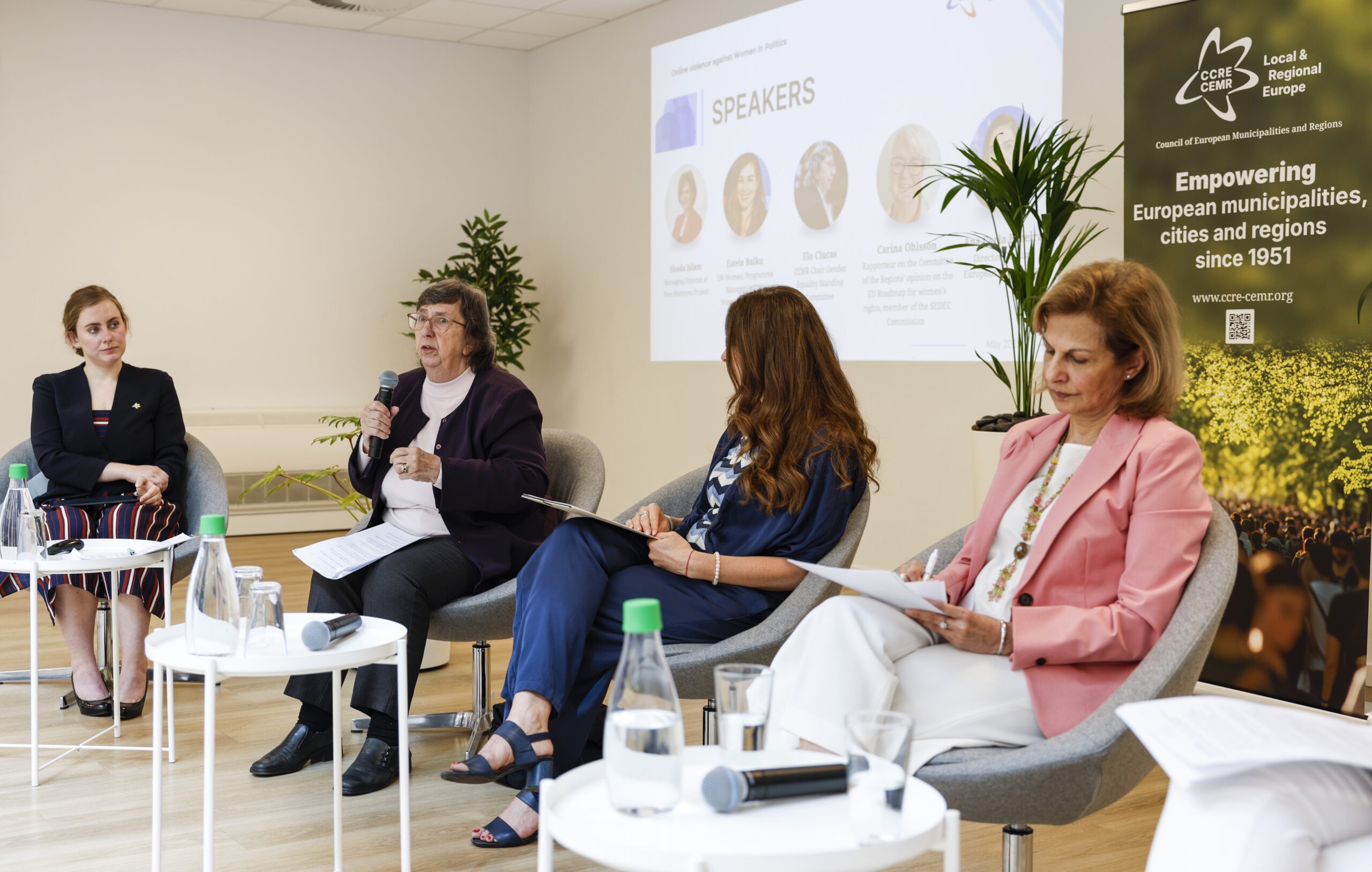
On 21 May 2025, the Council of European Municipalities and Regions (CEMR) gathered policymakers, experts, and local leaders at ACE Events in Brussels to spotlight a growing threat to democracy: cyberviolence directed at women in politics.

The event, “Online Violence Against Women in Politics: Safeguarding Democracy in the Digital Age”, convened the participants to examine the digital harassment, intimidation, and abuse that disproportionately target women politicians. This phenomenon, recognised as a form of gender-based violence, not only silences women’s voices but threatens the very fabric of democratic institutions.

Framing the Issue

Building on the CEMR’s Women in Politics study, Annelies Coessens, CEMR’s Policy Officer for gender equality, diversity and migration, highlighted a harsh reality: 32% of women in politics report experiencing violence, with nearly one in three facing cyberviolence. These statistics reflect the challenges that women politicians can face in public life.

Estela Bulku from UN Women provided a global perspective, noting, “Violence against women transcends political ecosystems and societies. New technologies are creating new channels for intimidation and harassment.” Bulku referenced initiatives, including Bolivia’s groundbreaking law against political harassment and ongoing efforts in countries such as Brazil and Zimbabwe to raise awareness and provide capacity-building support.

Carina Ohlsson, rapporteur for the Committee of the Regions, presented the local dimension, pointing out that “cyberviolence is a new form of gender-based violence, and it affects democracy. We need good legislation and action on all levels. Men must be part of the conversation.” She emphasised the role of local authorities in creating safe political spaces.

Insights from Media and Local Governance

Shada Islam, a prominent commentator on EU affairs, shared her personal experiences of online abuse, underscoring the power imbalance in public discourse. “In this world, there is no impartiality. We all must become advocates,” she remarked. Islam called for stronger enforcement of existing directives, a focus on intersectionality, and media literacy efforts to empower younger generations.

Flo Clucas, Chair of CEMR’s Gender Equality Committee and local councillor from the United Kingdom (UK), emphasised the need for enforcement: “There is no enforcement. We must challenge the European Union, the United Nations, all levels of government, and the media: this has got to stop. We need action” Drawing on local initiatives in the UK, Clucas highlighted grassroots collaborations with schools, families, and institutions to combat gender stereotypes and foster mutual respect.

Looking Ahead: EU and Local Actions

Ana Carla Pereira from the European Commission (DG JUST) provided insights into the new EU Directive to combat violence against women, with a significant focus on cyberviolence. She acknowledged the challenges of ensuring member state compliance and highlighted the role of voluntary cooperation with online platforms to tackle content moderation issues. “The decrease of women in politics in the last European Parliament elections is also a symptom of the backlash on democracy,” she warned.

She concluded with a call to action, urging participants to contribute to ongoing consultations at the European level and to draw inspiration from local and regional initiatives. The final remarks reminded all that safeguarding women’s participation in politics is not merely a gender issue but a democratic imperative.

Collective Responsibility and Next Steps

CEMR’s initiative to set up an Observatory on Gender Equality was widely applauded as a necessary step to tracking trends and sharing good practices. The event left a lasting impression: the fight against online violence is a shared responsibility, demanding legislative action, grassroots engagement, media reform, and societal reflection.

As Flo Clucas aptly stated, “We need action. If not us, who?”.

For more information, contact:

CEMR inputs for EU agenda for cities

Matchmaking Platform - Launch

Towards an inclusive EU Agenda for cities of all sizes 


As the European Union prepares to shape its next urban strategy, CEMR has published a new input paper calling for a truly inclusive EU Agenda for Cities — one that recognises the vital role of Local and Regional Governments (LRGs) in shaping Europe’s future. 

LRGs are the first responders to many of Europe’s most pressing challenges. From tackling the energy crisis to investing in sustainable mobility and managing public services, cities and regions are not just implementing EU policies — they are innovating, adapting, and delivering results on the ground. Their proximity to citizens places them in a unique position to foster trust, ensure inclusive governance, and respond effectively to the evolving needs of their local communities. 

Yet too often, EU policies are developed without fully engaging the very authorities responsible for delivering them. Over 70% of EU legislation is implemented at the local and regional level. Despite this, subnational governments still lack a formal role in shaping that legislation. 

CEMR’s paper sets out a vision for a new EU Agenda for Cities that is not only inclusive of every territory — from smaller municipalities to major metropolitan areas — but also equipped with the governance mechanisms, funding tools, and institutional recognition to deliver real impact. 

Key proposals include: 

  • Establishing a permanent, structured process for multi-level governance consultations for any new EU regulation proposal that could have an impact on LRGs. 
  • Using the “reforms” component of the next EU structural investment policy to ensure LRGs have the capacities (financial, technical, human) to implement EU regulations. 
  • Streamlining and simplifying access to EU funding, and including a 15% earmark for sustainable territorial development in the next EU budget period, CEMR also calls for greater alignment between EU funding opportunities and local realities, simplifying access and strengthening the administrative capacity of subnational governments. As the paper makes clear, the time has come to transition from fragmented engagement to a systemic approach that incorporates local and regional voices at every stage of the EU policy cycle — from design to implementation. 

The new EU Agenda for Cities presents an opportunity to bridge the gap between ambition and implementation. With the right tools and governance in place, LRGs can power Europe’s green and digital transitions, drive economic resilience, and make the promise of inclusive, sustainable communities a reality for all. 

CEMR will present these ideas at the Cities Forum in Krákow, taking place from 17 to 19 June 2025. Our Secretary General, Fabrizio Rossi, will join the discussion on the Agenda with the Executive Vice-President of the European Commission, Raffaele Fitto. 

Read the full input paper here

For more information, contact:

For more information, contact:

Enlargement Day – Local Action

EU Enlargement Article - News

Enlargement Day: Local Action Driving European Integration


Today marks the start of Enlargement Day, the European Committee of the Regions’ flagship event on EU enlargement and local best practices. On this occasion, CEMR showcases how Local and Regional Governments actively contribute to the enlargement process through partnerships, peer learning, and sustained policy dialogue.

Since 1951, CEMR has worked across Europe, including with associations from all EU candidate countries: Albania, Bosnia and Herzegovina, Georgia, Kosovo*, Moldova, North Macedonia, Serbia, Türkiye, and Ukraine.

Through political declarations, partnerships, hands-on tools, and regular dialogue with EU institutions, we strengthen local governance, reinforce reform efforts, and support the enlargement process from the local level.

Explore our brochure to discover:

 🔹 CEMR’s engagement with EU candidate countries
 🔹 Key projects, tools, and local partnerships
 🔹 Latest policy recommendations and advocacy
 🔹 Recent and upcoming enlargement-related events

Save the date:

1 July 2025 – CEMR Webinar | Local Governments’ Dialogue on the Road to EU Enlargement


*This designation is without prejudice to positions on status, and is in line with UNSC 1244 and the ICJ Opinion on the Kosovo declaration of independence

Consultation on the EU Budget

MFF - Position paper News 2025

CEMR contributions to the European Commission consultation on the EU budget  


From 12 February to 6 May, the European Commission opened a public consultation to collect feedback on its roadmap towards the next Multiannual Financial Framework. The Council of European Municipalities and Regions (CEMR) shared the following key messages for a reformed EU budget in partnership with Local and Regional Governments (LRG).  

1 – From the ground up: multi-level governance at the core 

A rebalanced governance model—one that embeds LRGs in the planning, not just the implementation, of EU investment priorities. The next MFF must strengthen multi-level governance processes at both the EU and national levels to ensure that EU funding addresses the real and diverse needs of European municipalities and regions. 

2 – Smarter funding: simpler, more flexible, more accessible 

 CEMR calls for a simplified and harmonised approach when it comes to access to fundings with reduced bureaucratic burdens, a unified rulebook across funds, and streamlined audit systems. Strict thematic concentration and fragmented administrative processes have made EU funds difficult to access and adapt at local level. Flexibility from the programming stage will allow further predictability, essential for beneficiaries’ uptake of the funds.  

3 – Cohesion and competitiveness, hand in hand 

CEMR underlines that cohesion and competitiveness are not contradictory goals. A fair and inclusive EU budget must tackle regional disparities while strengthening the single market. High-quality local public services are essential for a competitive Europe and must be properly supported by the MFF. 

Therefore, the next budget must: 

  • Strengthen LRGs’ capacities, boost small and medium enterprises (SMEs) competitiveness, and expand access to essential digital and green services. 
  • Recognise LRGs as strategic actors in shaping local economic development and regional attractiveness for start-ups and businesses. 
  • Strengthen the public workforce: labour shortages are holding back LRGs’ ability to deliver innovation and services—this must be urgently addressed. 

4 – Local action, global impact 

Empowering LRGs through a decentralised management of EU funds will not only align investments with local priorities but also unlock greater impact, from social cohesion to digital transformation. Supporting local supply chains, the circular economy, and skills development across all regions will be critical in achieving Europe’s digital and green transitions. The next MFF must contribute to the achievements of  SDGs, both in Europe and through international cooperation. The EU’s budget has a key role in closing the gender gap, enhancing democracy and transparency and inclusive societies. At the international level, LRGs and their associations are untapped assets for the EU’s external action agenda. Their role must be elevated in initiatives like the Global Gateway and Team Europe, including as key actors in fragile contexts, decentralisation reforms, and infrastructure sustainability. 

Find here CEMR contributions to the open public consultations:  

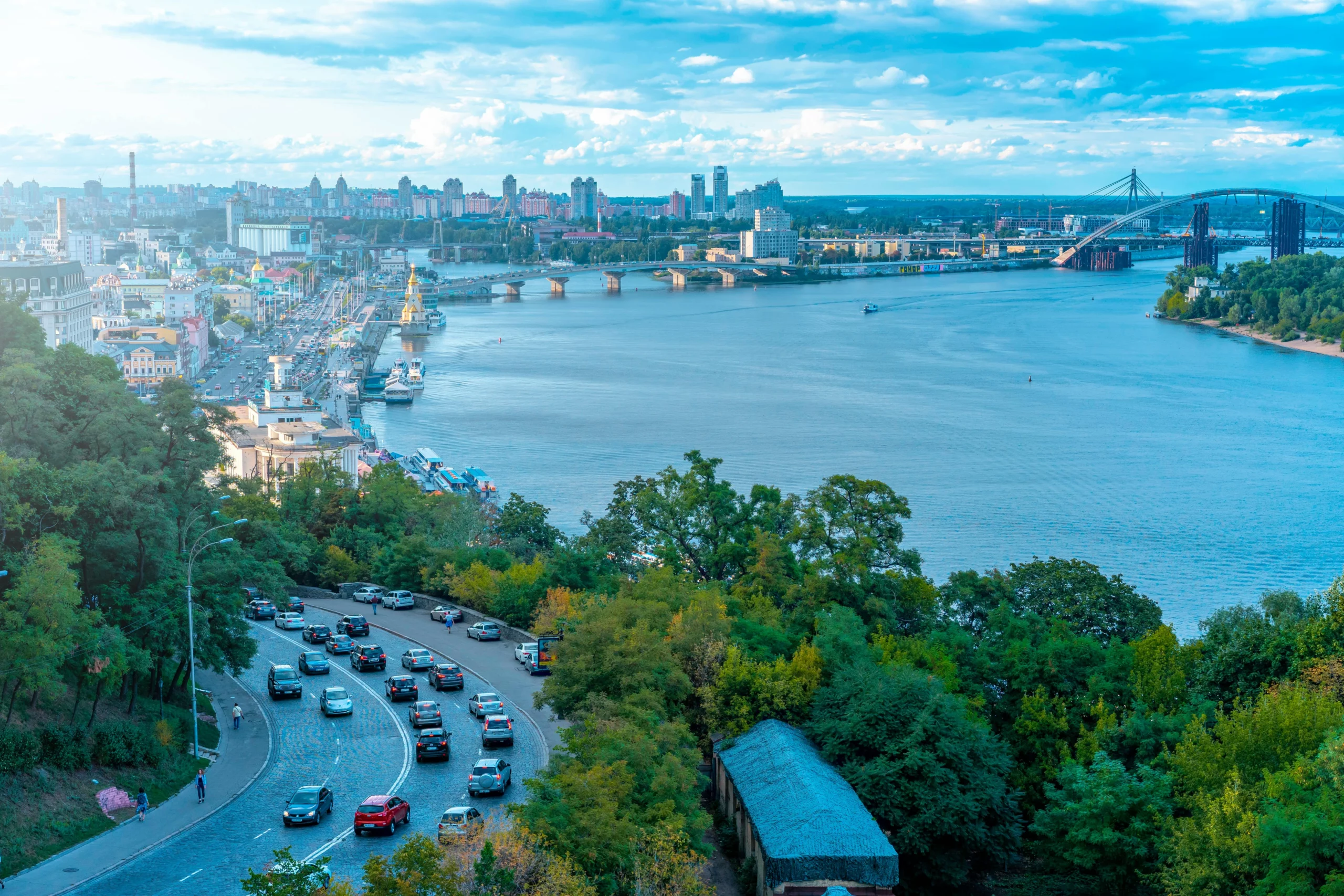
EU–Ukraine Municipal Partnerships Forum

Bridges of Trust - Committee of Regions 2025

Local and Regional Leaders building bridges for Ukraine’s Recovery and EU Path


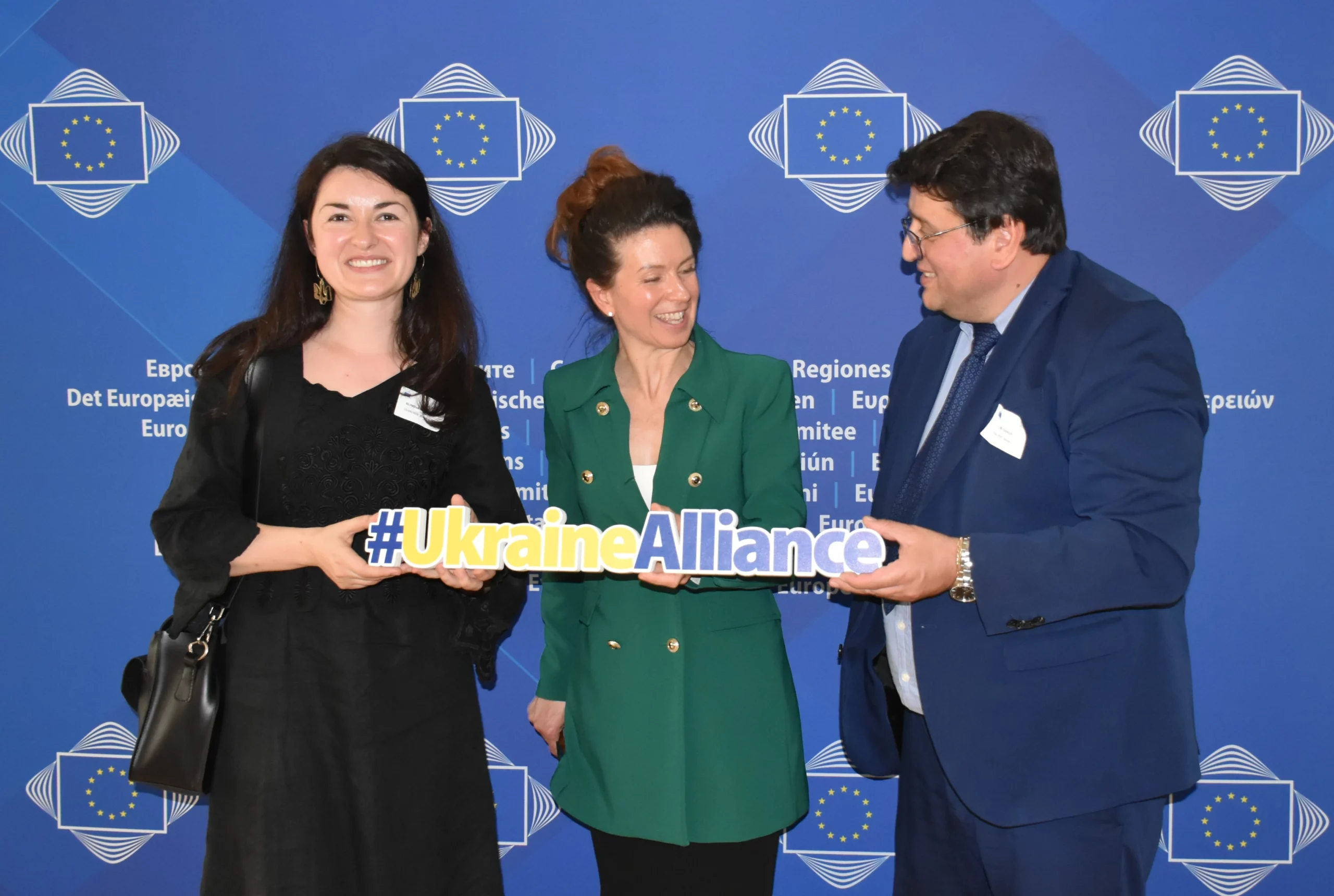
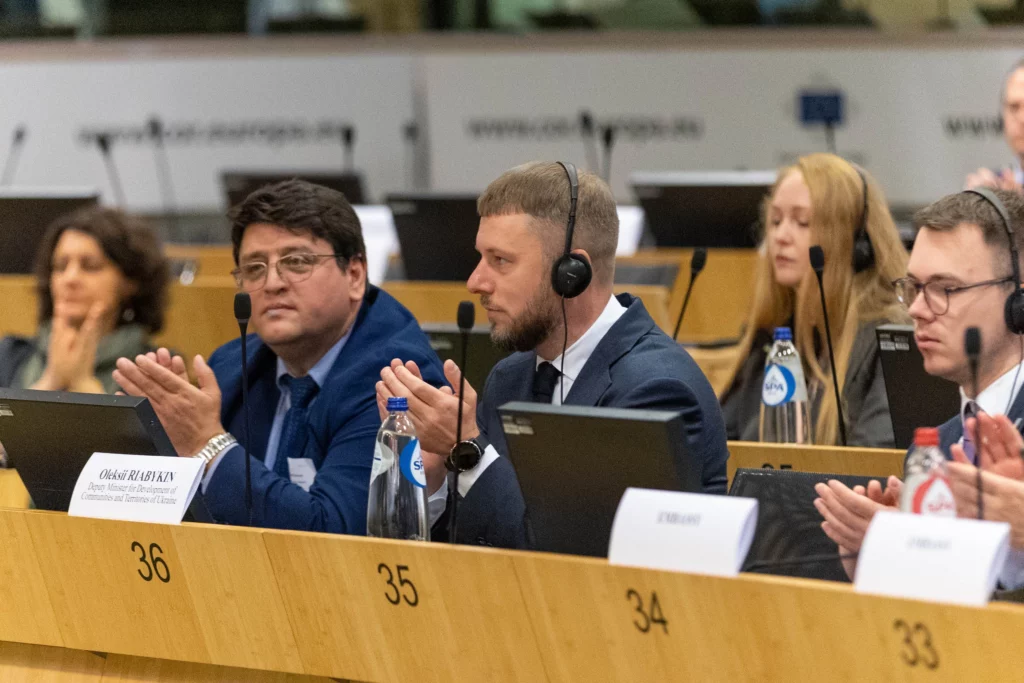
Brussels, 15 May 2025 – The European Alliance of Cities and Regions for the Reconstruction of Ukraine gathered its core members and Ukrainian and EU delegations at the European Committee of the Regions in Brussels to accelerate cooperation ahead of the Ukraine Recovery Conference (URC) in Rome this July. 

This high-level forum brought together municipalities from across Europe and Ukraine, alongside institutional partners, to exchange on Ukraine’s evolving territorial needs and to foster meaningful, lasting partnerships. At the heart of the discussions was a shared goal: empowering local governments to co-lead reconstruction, support reforms, and drive the local dimension of Ukraine’s EU accession process. 

CEMR’s Contributions: Tools for Lasting Cooperation 

Speaking at the forum, Durmish Guri, CEMR’s Director of Projects and Programmes, presented two key initiatives from CEMR designed to foster long-term collaboration between EU and Ukrainian municipalities: 

🔹 The Matchmaking Platform: This digital tool connects municipalities across Europe, helping them identify shared priorities, explore cooperation opportunities, and launch joint projects. With a special focus on Ukraine, the platform supports deeper partnerships with the rest of the continent, accelerating both recovery efforts and Ukraine’s EU integration process.  
Learn more → https://partnerships.ccre-cemr.org/  

🔹 The Bridges of Trust Community: Evolving from a project into a growing community, Bridges of Trust brings together local leaders from Ukraine and across the European Union, alongside national associations and institutional partners. This consolidated community is committed to strengthening local partnerships by supporting municipalities in co-designing practical solutions in areas of common interest. By reinforcing bonds from the ground up, it empowers municipalities, accelerates Ukraine’s EU integration, and contributes directly to its recovery. 
Learn more → https://ccre-cemr.org/bridges-of-trust  
 
Political Level meeting 
 
The core members of Alliance adopted the Joint Statement on Empowering Local and Regional Governments for the Reconstruction and Future EU Accession of Ukraine to which CEMR contributed. In particular, CEMR put forward two key recommendations: 

  • Establishing a one-stop shop to coordinate and scale up municipal partnerships; 
  • Ensuring stronger access for local governments to financial resources and decision-making processes, particularly within the Ukraine Donor Platform. 

These proposals aim to amplify the voice of local and regional governments, ensuring that municipalities remain central actors in Ukraine’s reconstruction and path to EU integration. 

Memorandum of Understanding  
 
A key highlight came with the signing of a new partnership between Kassel (Germany) and Zhytomyr (Ukraine)—a symbolic and practical demonstration of how municipal cooperation is directly shaping Ukraine’s recovery on the ground. 

A Shared Mission 

CEMR expresses deep appreciation to all co-organisers for hosting a timely and impactful dialogue. Special thanks go to the European Alliance of Cities and Regions for the Reconstruction of Ukraine for championing this process and uniting dedicated partners around a common cause.  

The presence of committed, action-driven leaders— including Magali Altounian, Aleksandra Dulkiewicz, Andrej Horvat, Svitlana Blinova, Vadim Boychenko, Oskar Chmiel, Antonella Valmorbida, Alberto Rini, Kata Tüttő, Oleksii Riabykin, Davide La Cecilia, Pekka Toveri, and many more  – demonstrated the collective energy powering this growing movement of cooperation. 

Game Launch for Europe’s Day

European Union - News section

CEMR creates the “Guess EU” game to celebrate Europe Day 


This year marks the 75th anniversary of the Schuman Declaration – the historic moment that set Europe on the path toward peace, prosperity, and unity. 

To celebrate, CEMR is challenging you to a game that puts your EU knowledge to the test. 

Introducing “Guess EU” – our special Europe Day game created with Open Guesser. Do you think you know where EU-funded projects have made an impact? Take a guess and find out how well you really know your Europe! 

From green mobility in Italy to digital innovation in Latvia, the EU is everywhere – and now it’s your turn to explore it in a whole new way. 

👉 https://openguessr.com/maps/community/guess_eu and join us in celebrating 75 years of European cooperation, solidarity, and local achievements! 

Happy Europe Day!